


Introduction
The best photography doesn't happen in a vacuum. Behind almost every great image is a relationship, sometimes years in the making, between a photographer and the person they're photographing.
Africa has one of the richest photographic traditions in the world, and a big part of what makes it so compelling is the way photographers here have consistently built their practice around real, sustained relationships with their subjects rather than treating them as just props. We wrote this list because we believe those relationships matter, aesthetically and culturally, and these five pairings are some of our favourites. Each one is different: different countries, different muses, and different approaches, but all of them produce work that clearly comes from somewhere genuine.
Thandiwe Muriu + Kenyan Women (Kenya)
Thandiwe Muriu is a self-taught photographer born and raised in Nairobi, Kenya, who discovered photography at 14 with her father's old Nikon camera. As one of the only women working in Kenya's male-dominated commercial photography industry, she spent years being overlooked, and that experience fed directly into her art.
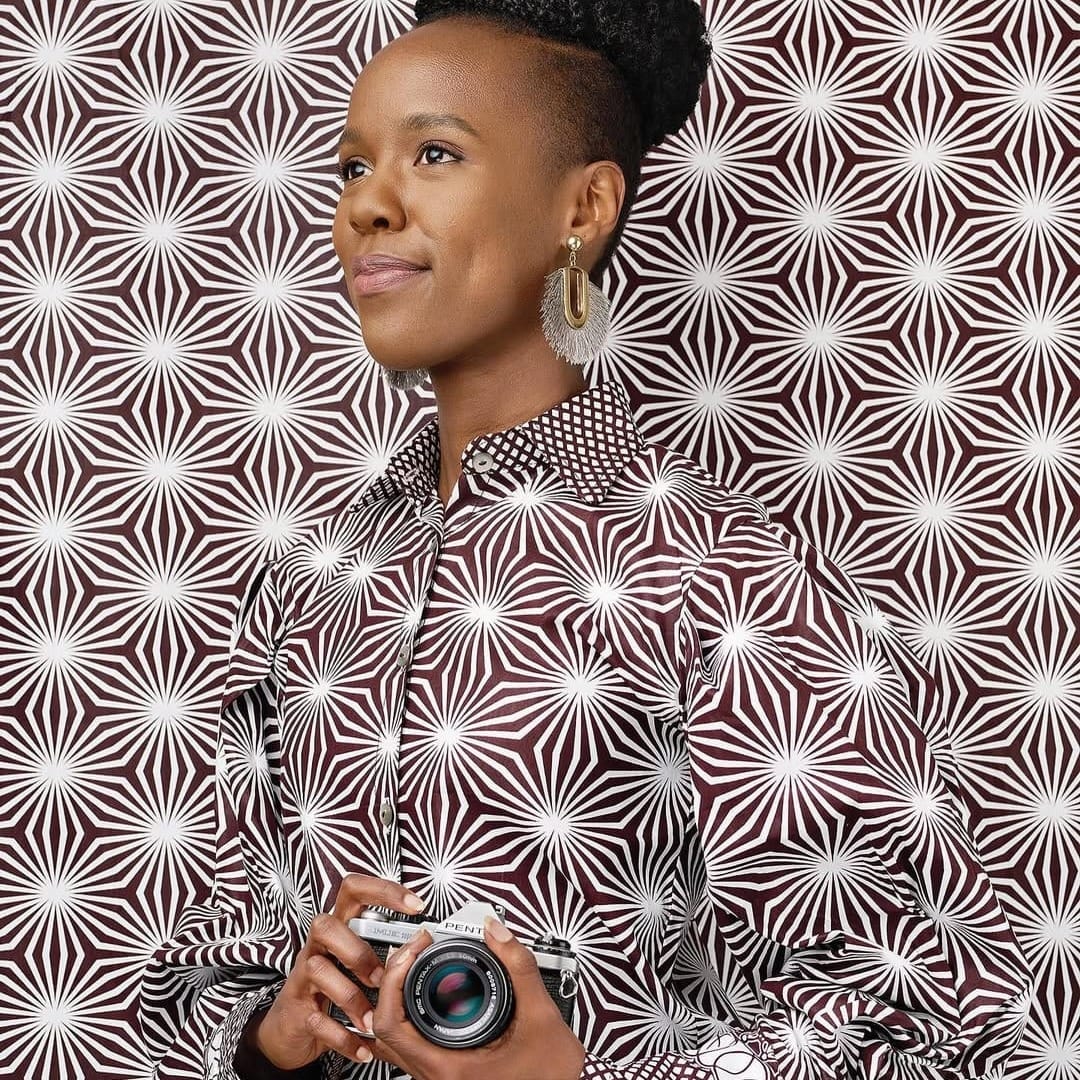
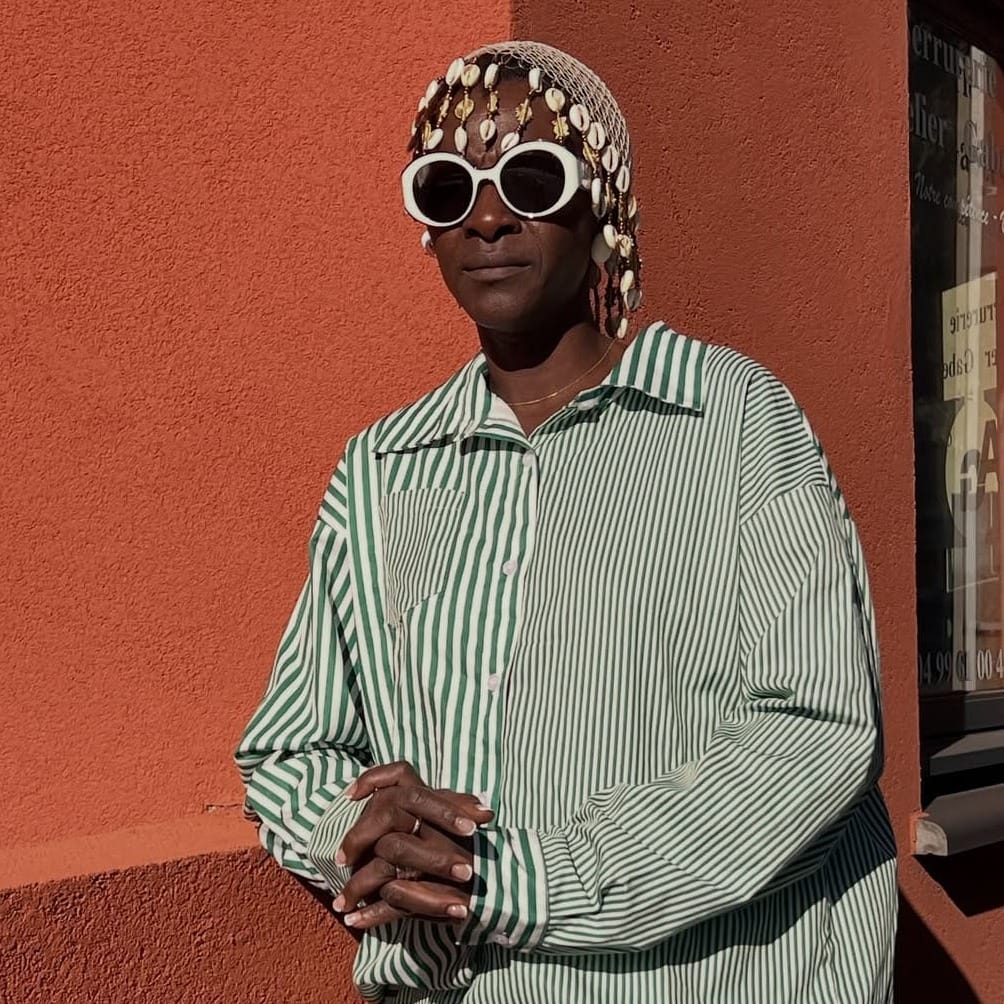
Her Camo series, for example, is built on a very close collaboration with her muses, who are all women, and the results are unlike almost anything else in contemporary African photography. Muriu designs the garments and eyewear worn by her muses herself and collaborates with local tailors and artisans to bring each custom design to life.
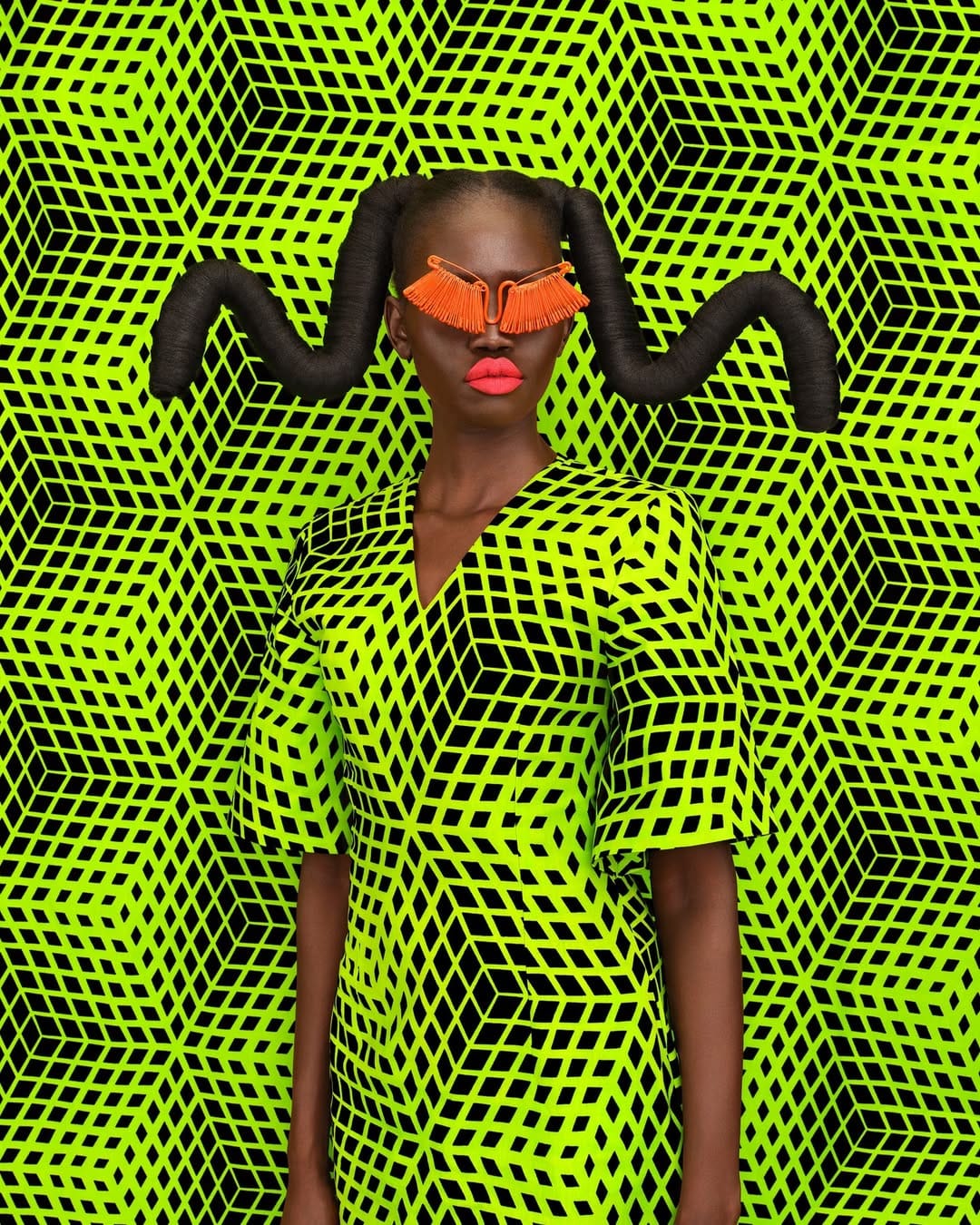
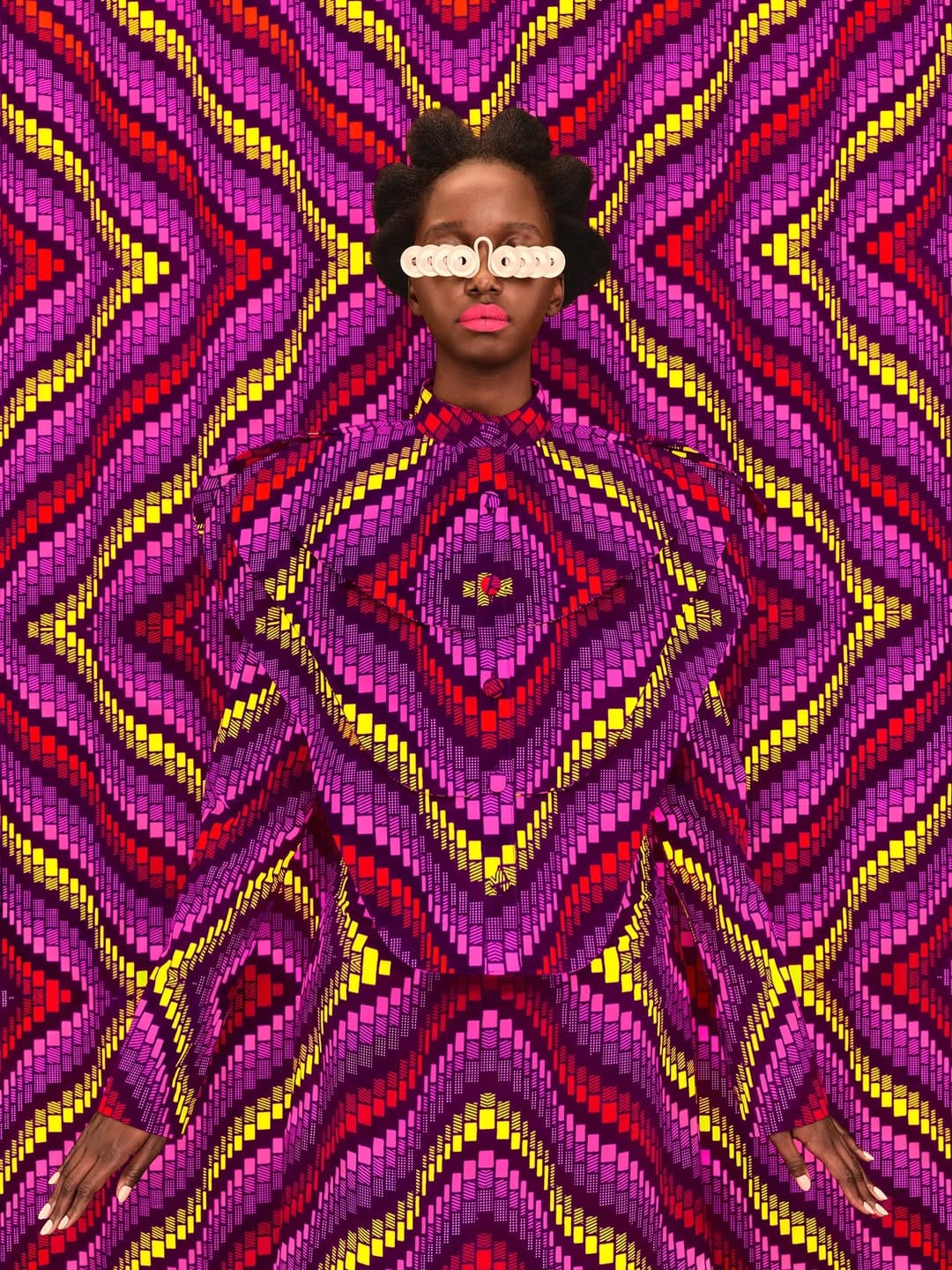
Image via @thandiwe_muriu
She also takes objects from everyday Kenyan life, like toilet paper rolls, hair pins, and mosquito repellent coils and turns them into bold accessories. The women in her photographs are then shot against backgrounds made from the same fabric as their outfits, which creates a hypnotic optical illusion where they seem to both disappear into and emerge from the image.
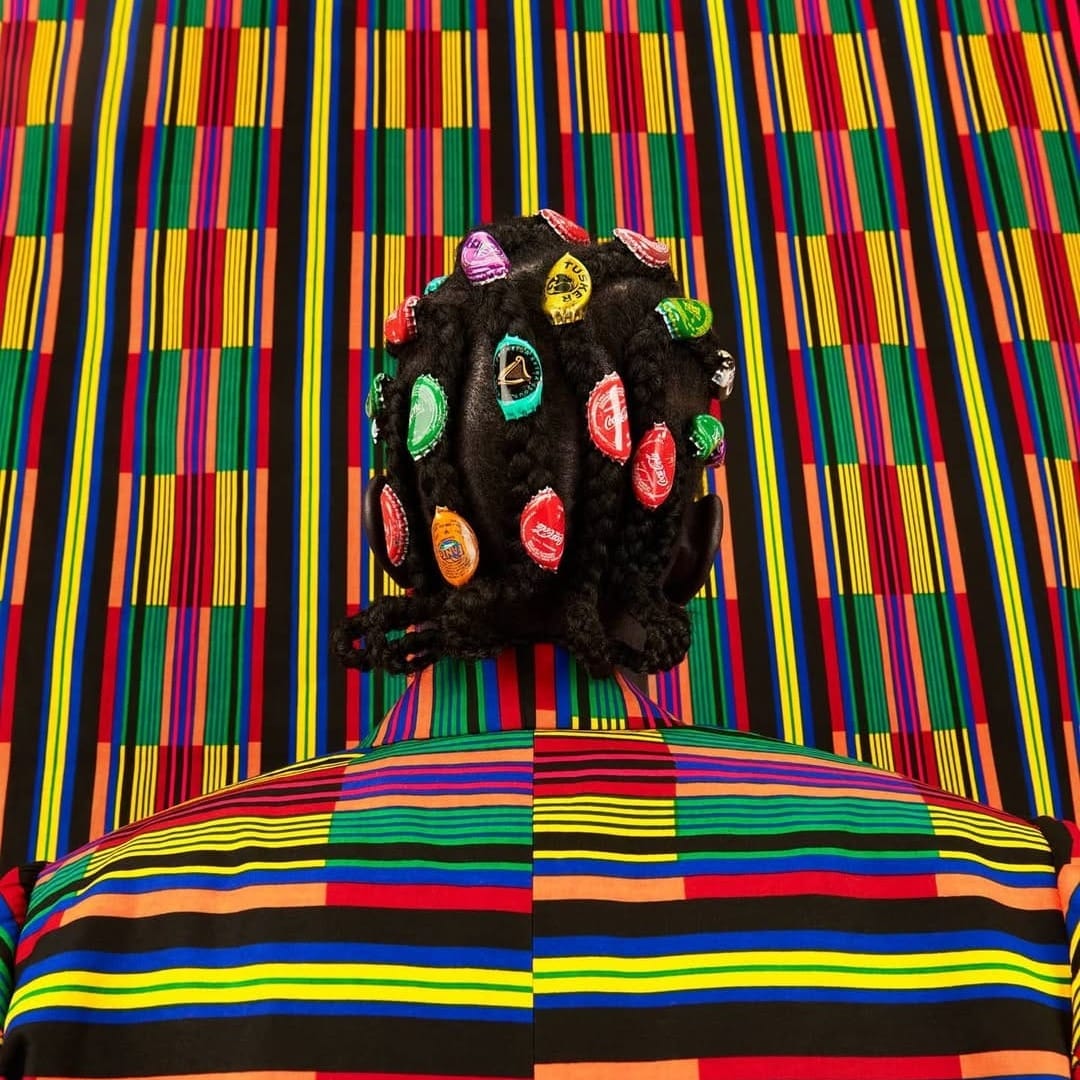
She describes the series as a personal reflection on how she felt she could disappear into the background of her own culture, and how, as a commercial female photographer in Kenya, she could be dismissed and made invisible. But by making her subjects literally camouflage while remaining impossible to ignore, she flips that experience into something empowering.
Hassan Hajjaj + His friends & Inspirations (Morocco)
Hassan Hajjaj has been called the “Andy Warhol of Marrakech,” but have no doubt that his work is entirely his own thing. The Moroccan artist is best known for his brightly coloured, bold-patterned photographs and unique portrait style.
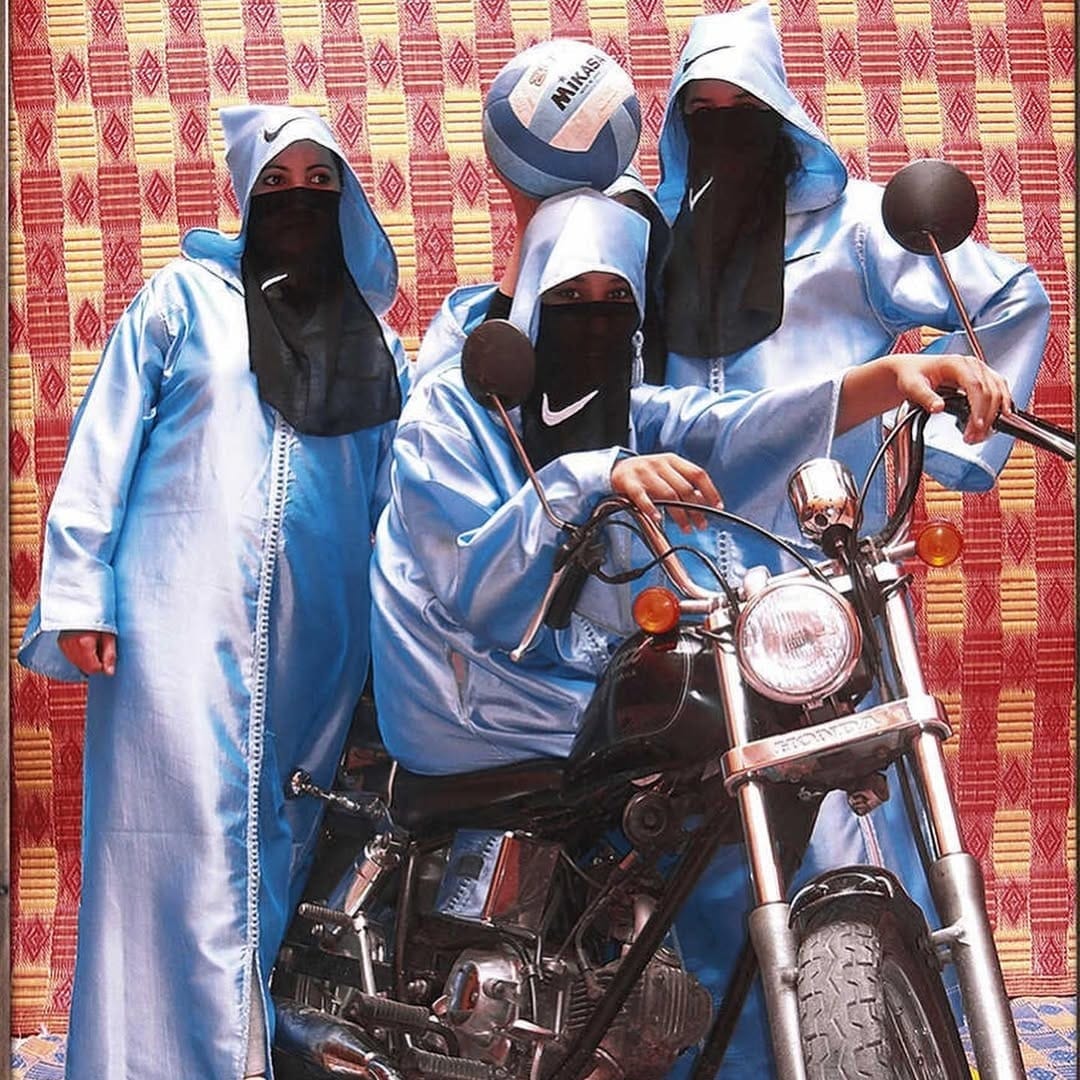
In his celebrated Kesh Angels series, he captured the unique street culture of young female bikers in Marrakesh, who were dressed in colourful North African garb and set within frames of popular products including Coca-Cola and Louis Vuitton.
But it's his My Rock Stars series that really best captures the warmth of his collaborations and how deeply personal the work has always been. The title says it all: the 'My' is the point. These are documents of the people who genuinely moved him — friends, neighbourhood figures, and collaborators who, in his eyes, carried a natural, undeniable talent. His subjects range from musicians and fashion designers to dancers, singers, capoeira masters, and boxers, many of them Gnawa musicians, henna artists, and local figures that most people outside Morocco would never have heard of, yet who Hajjaj saw as the real rockstars of his world.
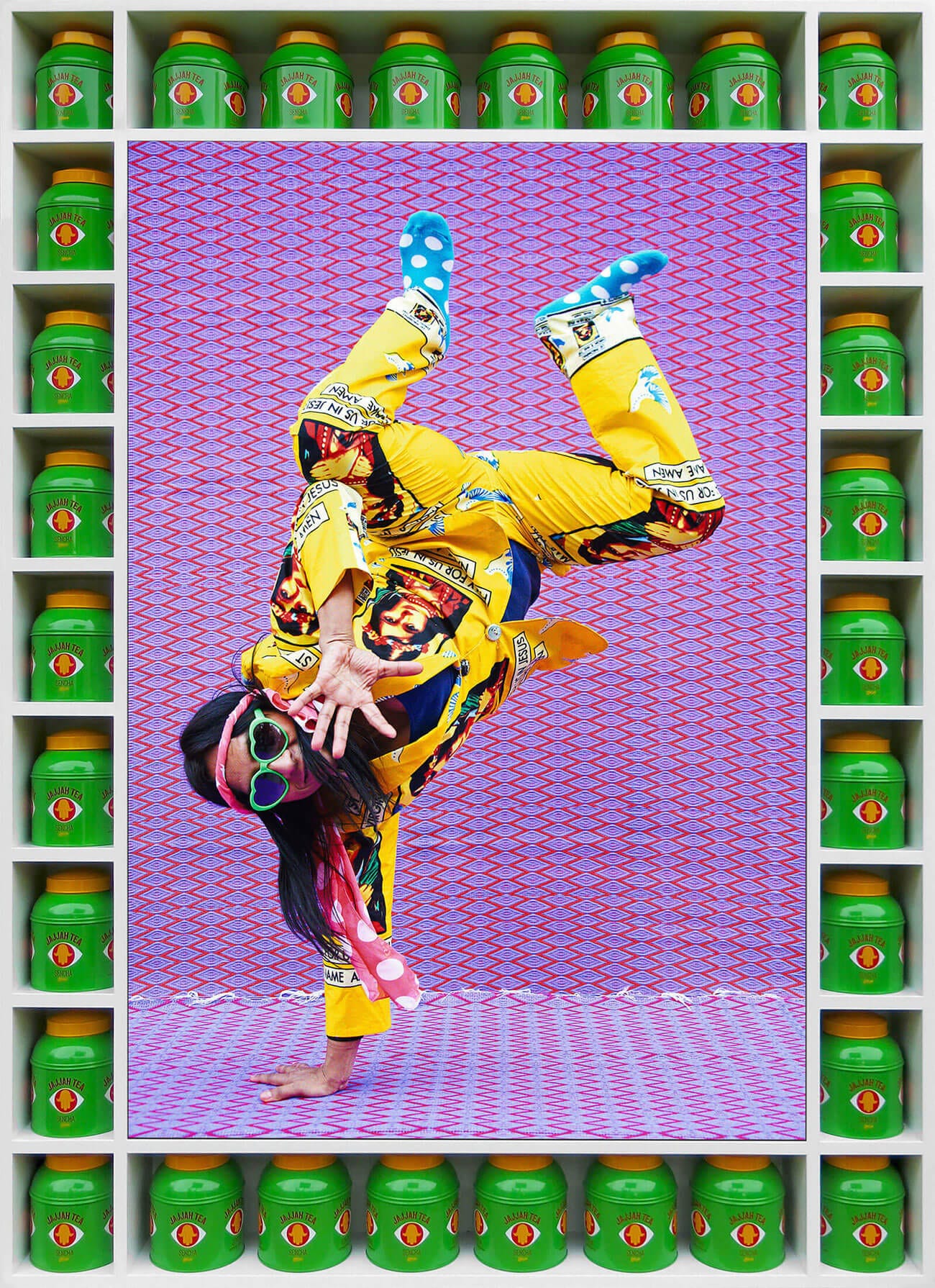
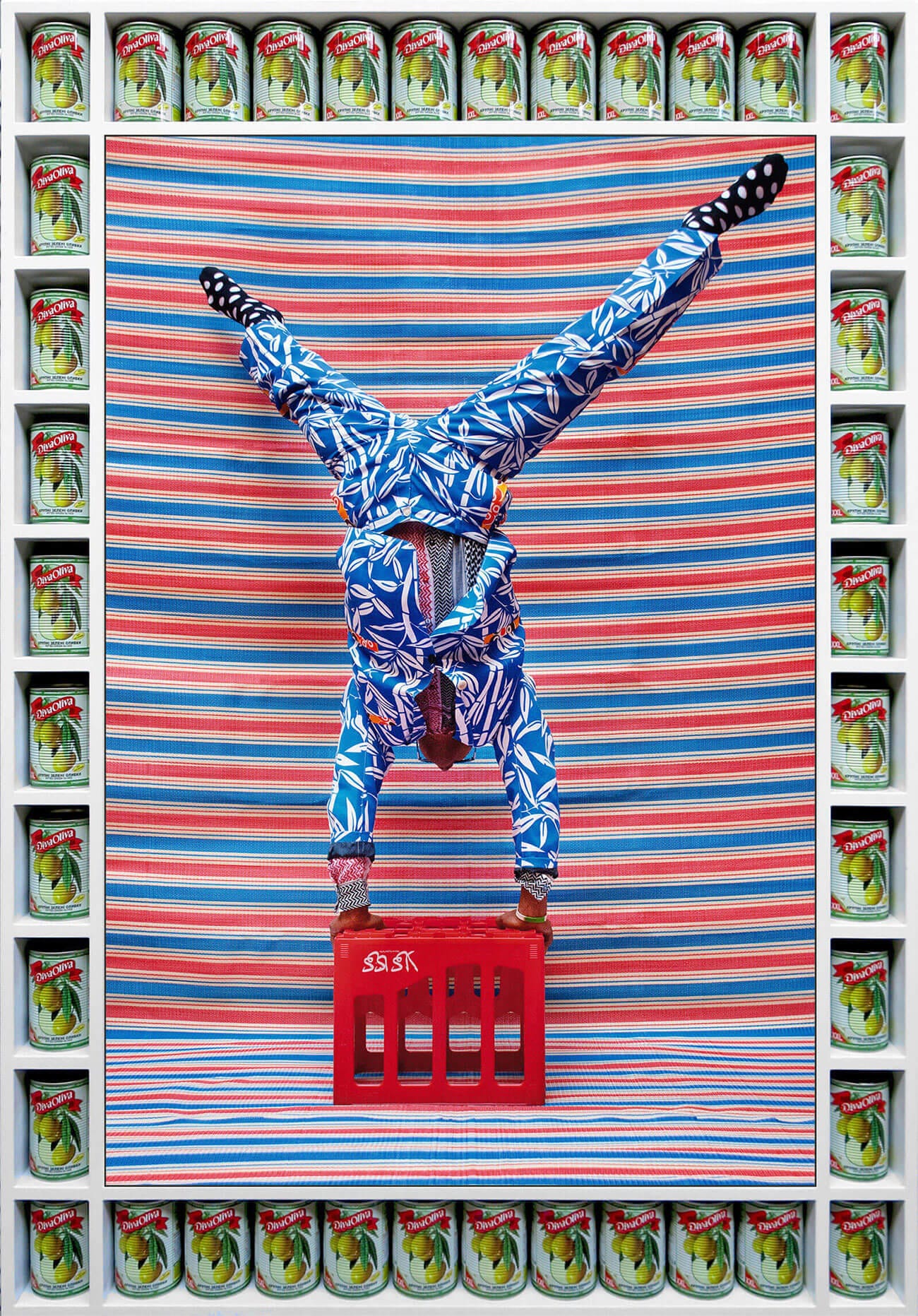
Image via @hassanhajjaj_larache
Recurring figures include Gnawa musicians Asmaa Hamzaoui and Khadija Lgnawaia, who appear across both the My Rock Stars and My Maroc Stars series dressed in Hajjaj's own clothing designs, a detail that speaks to how intertwined his creative relationships are. More recently, he's also turned his lens toward international names like Amadou & Mariam, Che Lovelace, and Central Cee.
The series traces back to something far simpler than art-world ambition: the instinct to document the people around him and celebrate them. Hajjaj has helped launch the careers of younger Moroccan artists, and his reputation in the country is that of a godfather of the creative scene, a photographer who has always used his platform to spotlight the people he loves.
Omar Victor Diop + Himself (Senegal)
Some of the most compelling photographer-muse relationships are the ones where the photographer turns the camera on themselves. Omar Victor Diop is one of Africa's most celebrated contemporary photographers, and in his most important body of work, he is also his own biggest muse, and for good reason. He lives to play dozens of different characters, historical figures, and archetypes across series that span years and even continents.
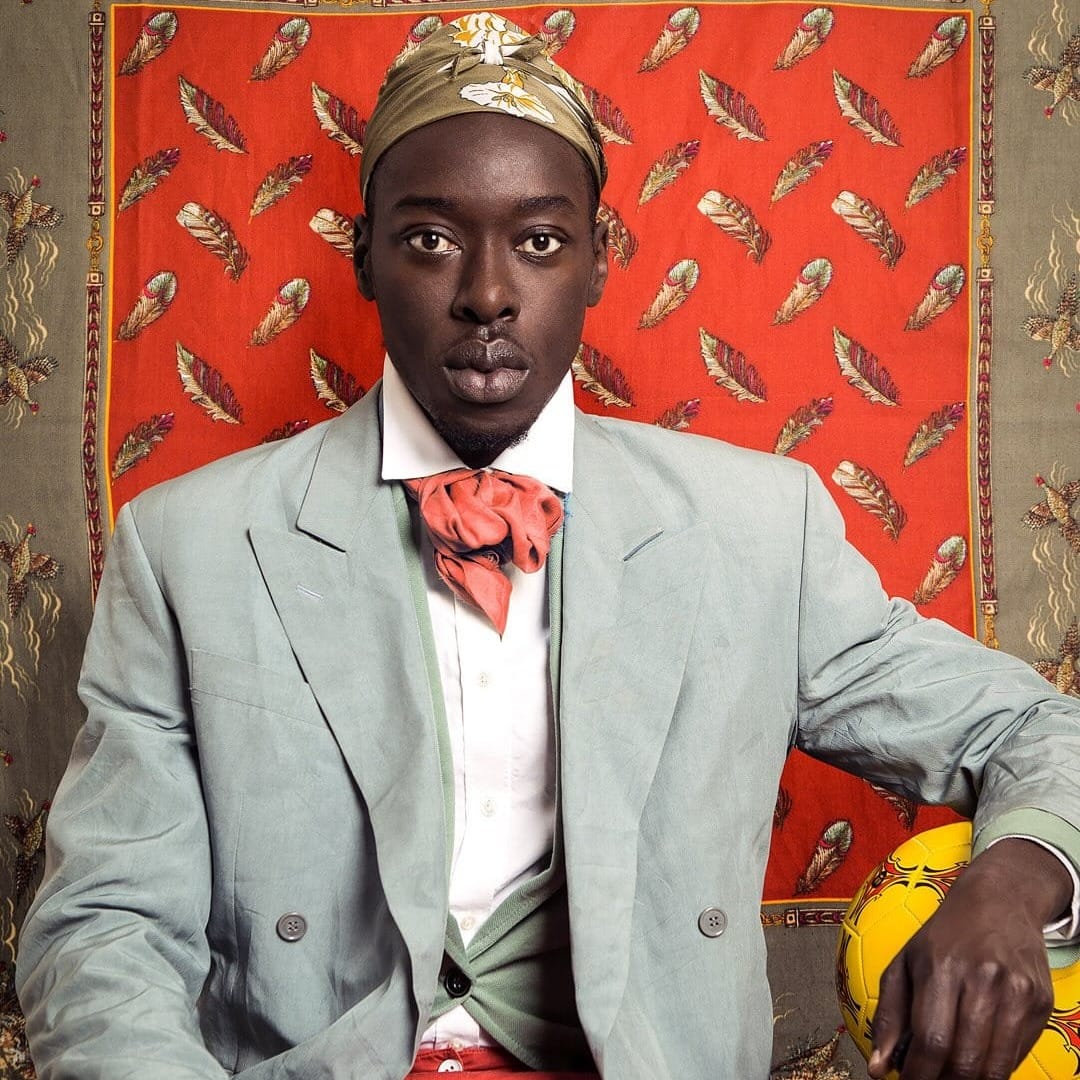
Diop was born in Dakar in 1980 and worked in finance and corporate communications before he made a proper shift towards photography in 2010. His debut series made an immediate impression, and he’s never looked back. In Project Diaspora, his landmark 2014 series, Diop focused on notable Africans who lived extraordinary lives in Europe between the 15th and 19th centuries but have been largely ignored in “conventional Western history”, and for the first time, used himself as the subject, and faced his insecurities head-on.
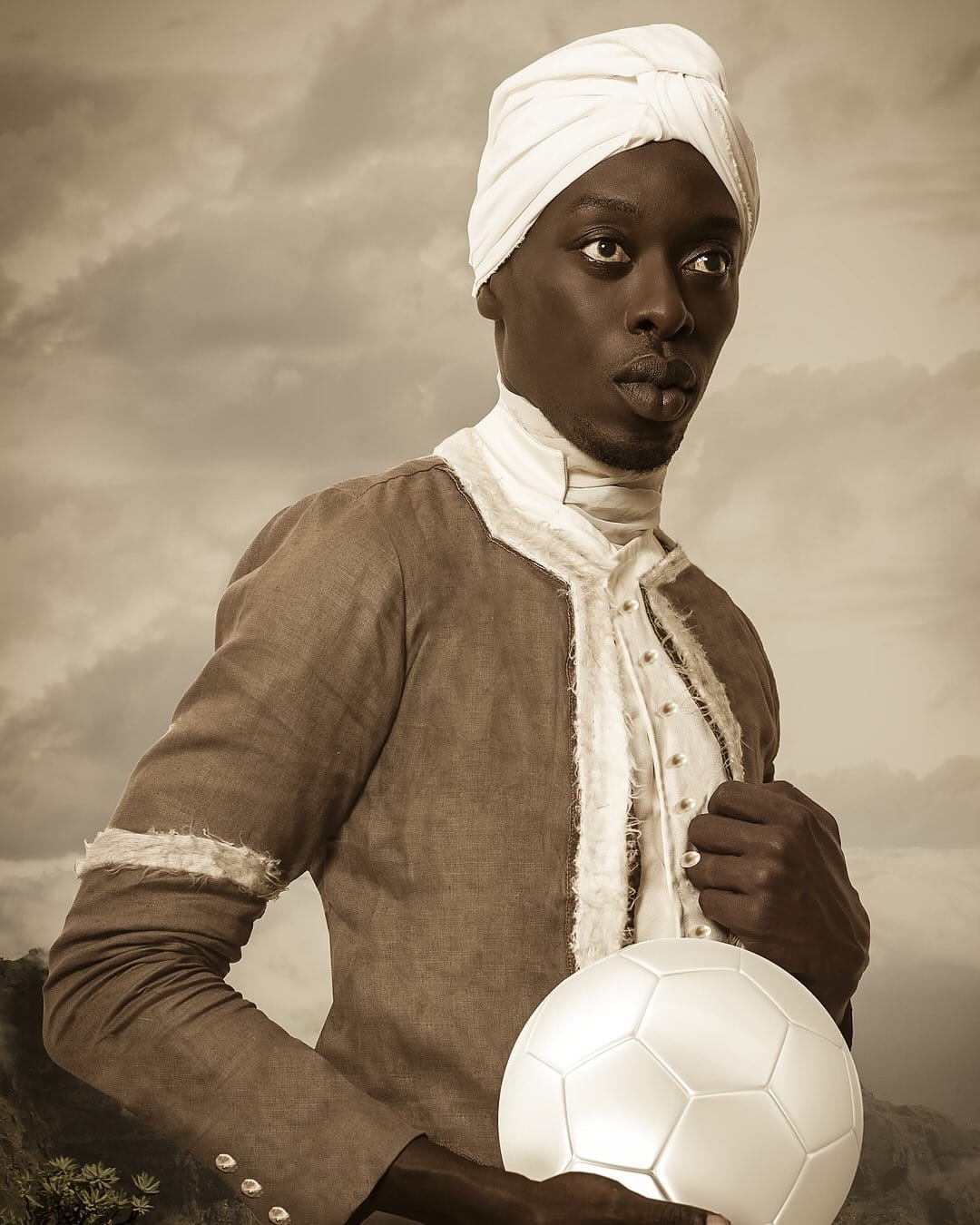
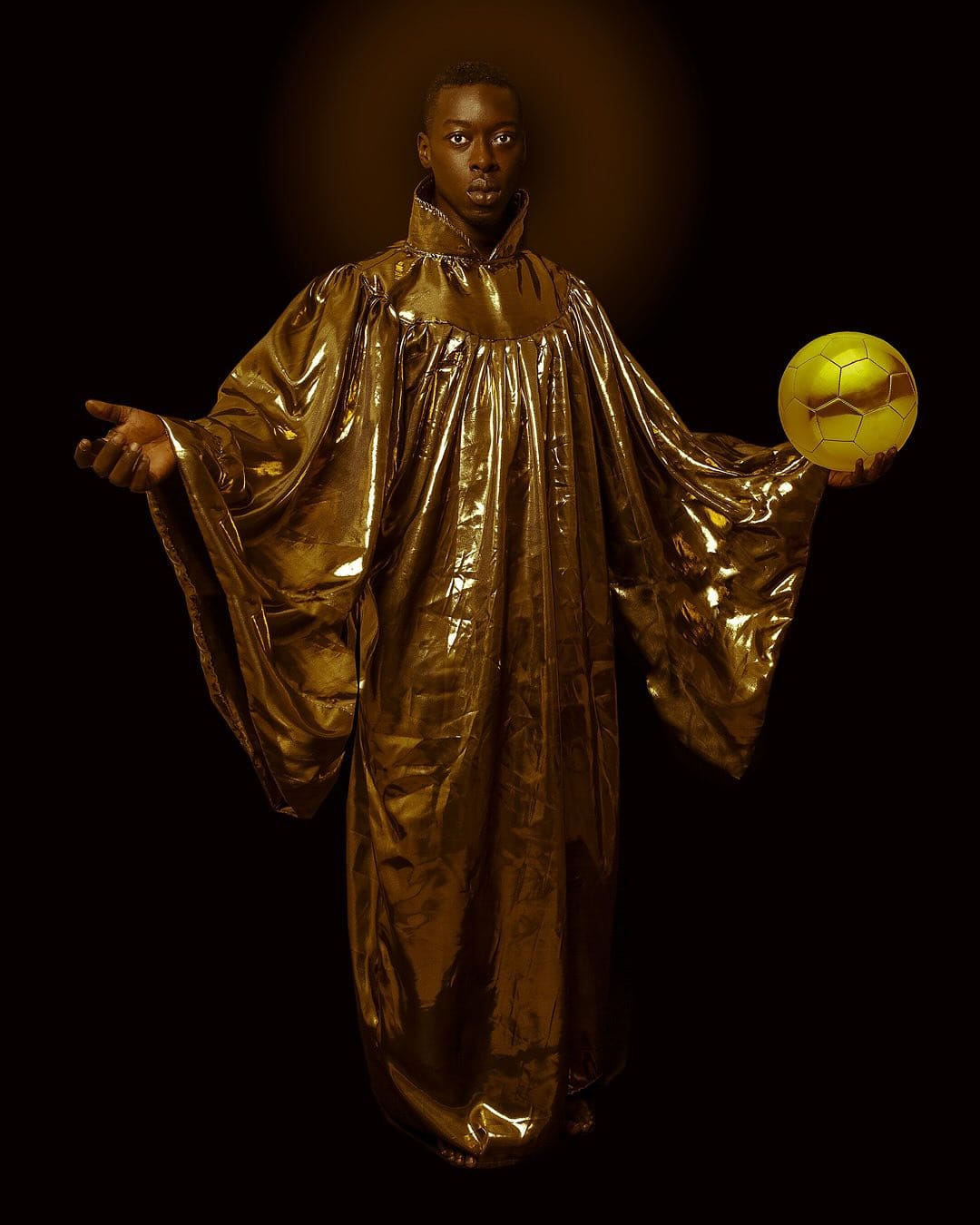
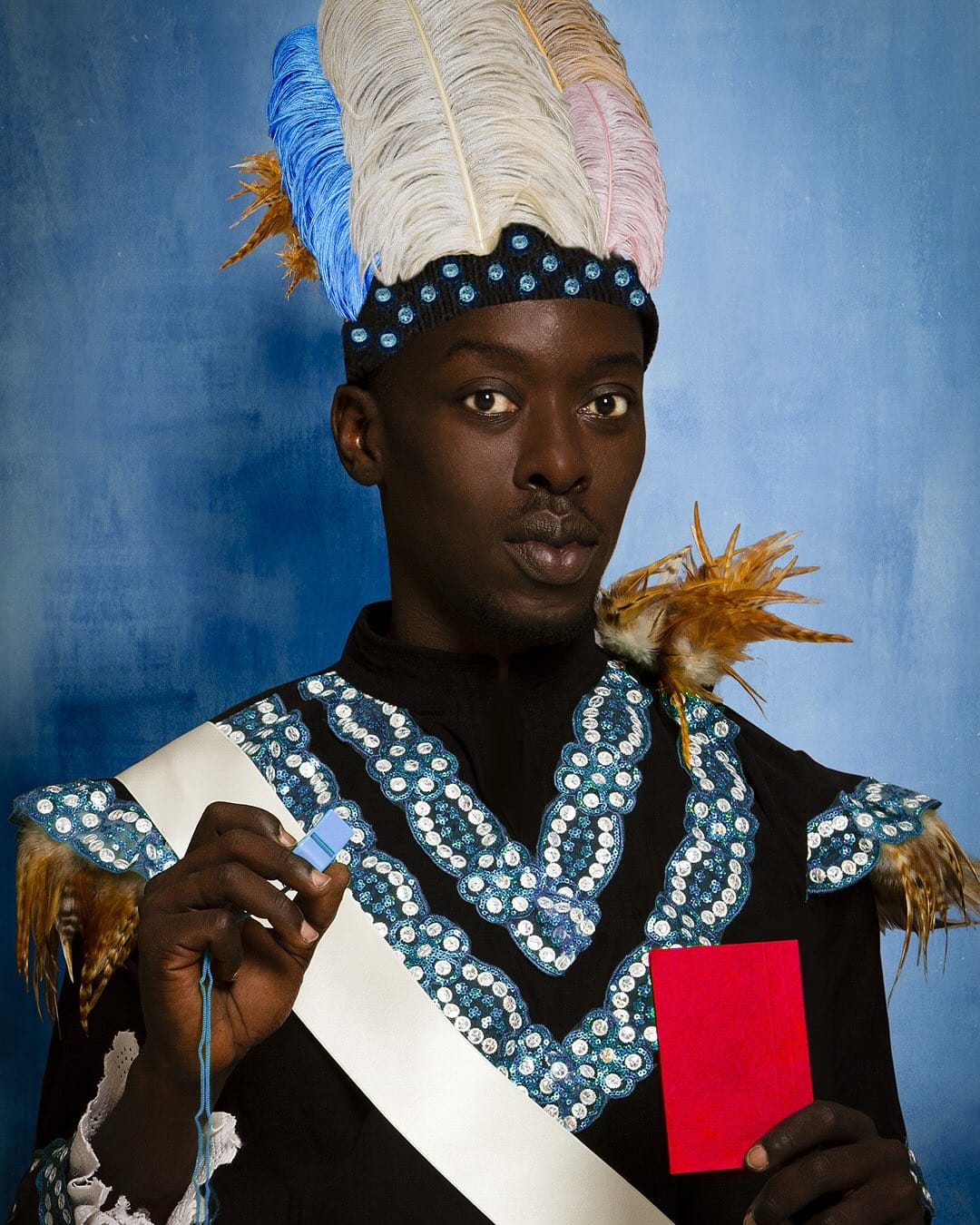
Image via @omar_viktor
In Liberty, he raised the profile of Africa's history of struggle, combining self-portraits with portraits of others to re-examine defining moments in the fight for freedom. And in Allegoria, he turned his attention to the environment, using his own body to explore what nature means (and what it risks becoming) in Africa today.
Fatoumata Diabaté + Modern Malian Women (Mali)
There's something beautifully full-circle about Fatoumata Diabaté. She was inspired by Malian photographer Seydou Keïta, who was a neighbour of hers growing up, and has built a body of work that carries that same spirit of warmth and community that his own work had forward into the present. She’s attracted to portraiture and humanist photography, and her images have as their main muse the young, powerful women of Mali.
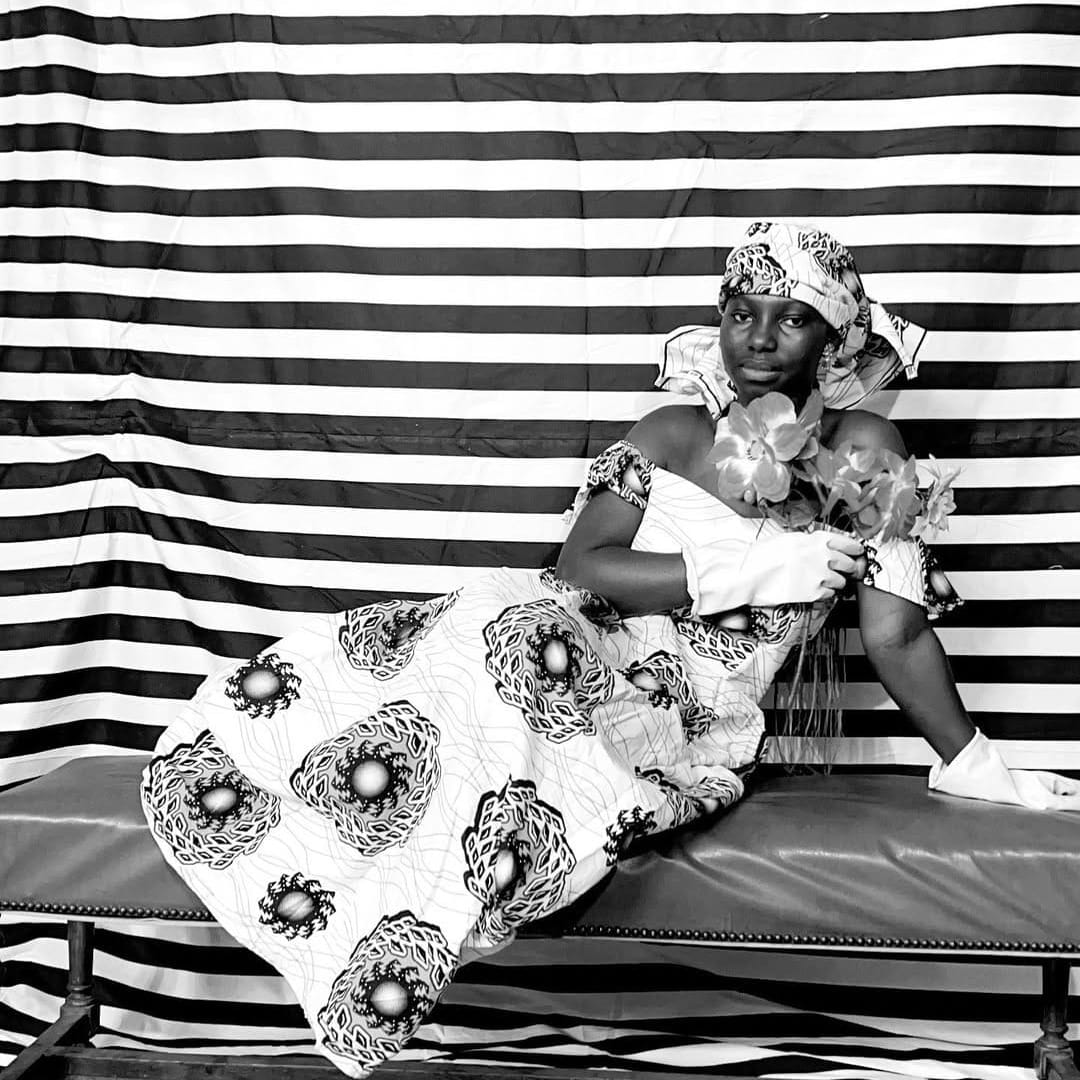
One of her most celebrated projects is Studio Photo de la Rue, a travelling mobile studio that she set up on the streets across Mali and beyond. In this project, she took black-and-white portraits of passers-by and accessorised them with plastic bouquets of flowers, bracelets, and hats. She also documented a 2003 series portraying what she called the "Lionesses", the strong and confident women of her municipality.
Her series Sutigi (The Night Is Ours) captures young Malian women enjoying the city's nightlife with freedom and style, a direct echo of Sidibé's work from half a century earlier, but shown through a contemporary female lens.
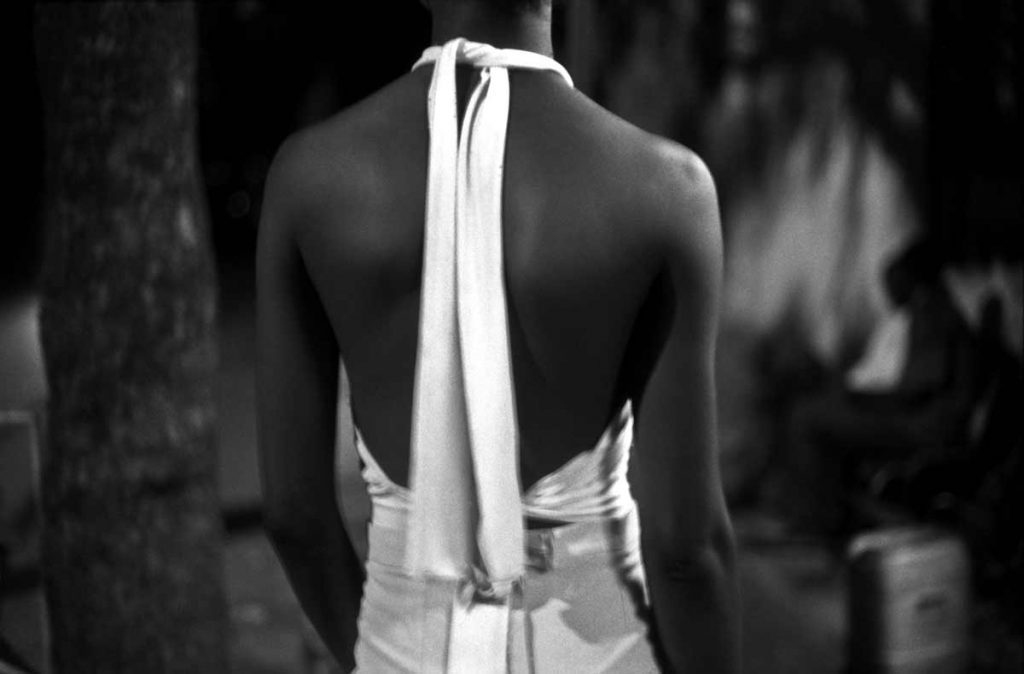
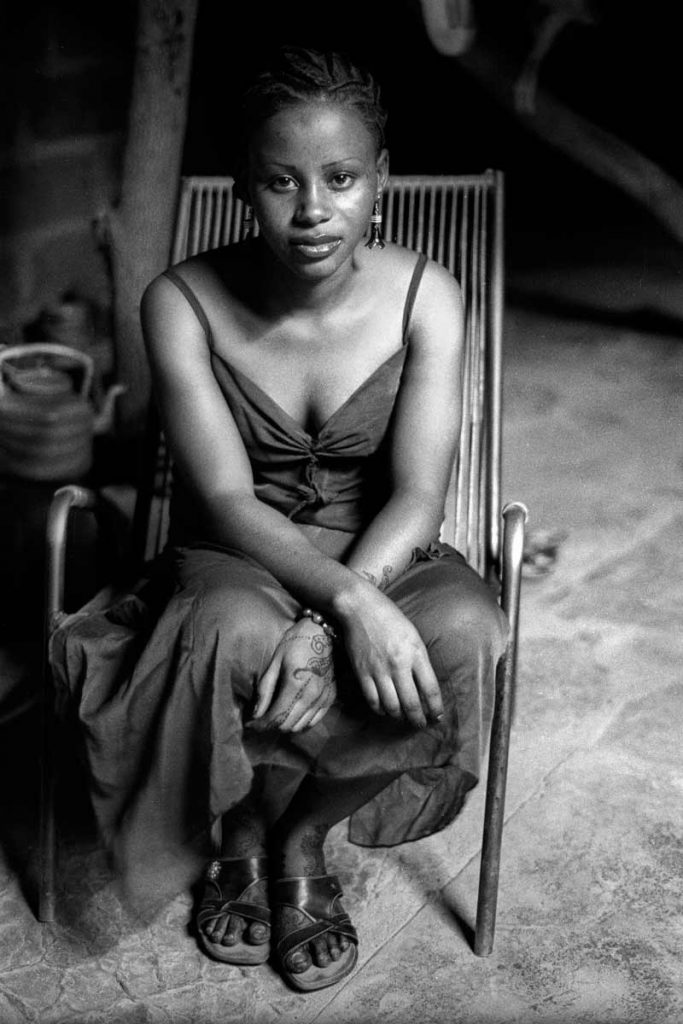
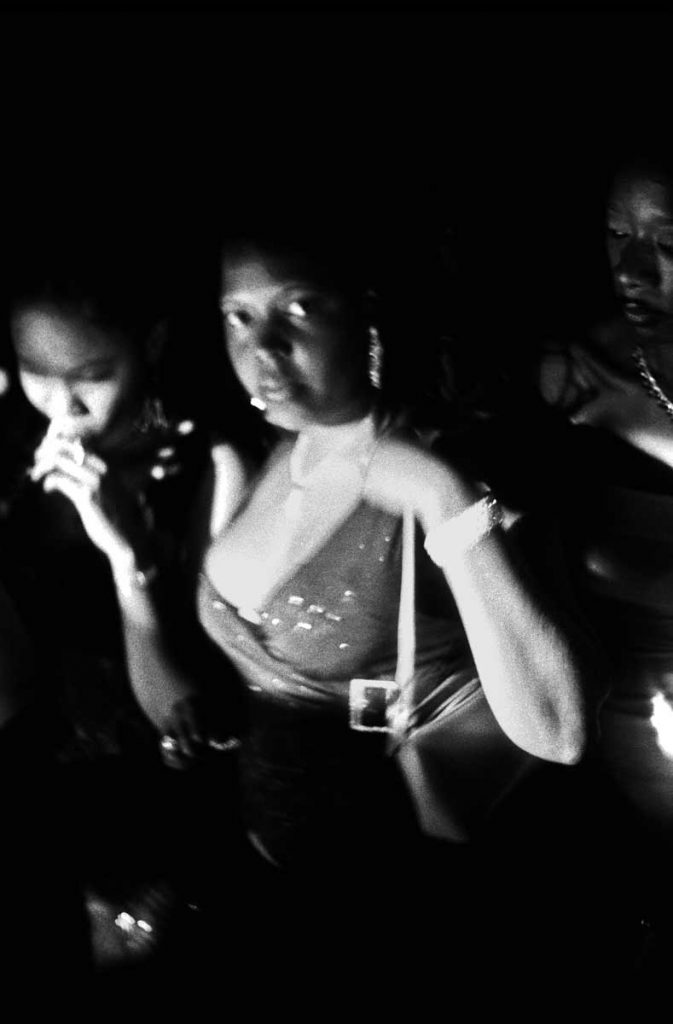
Image via Fatoumata Diabaté
Trevor Stuurman + Africa's Style and Music Icons (South Africa)
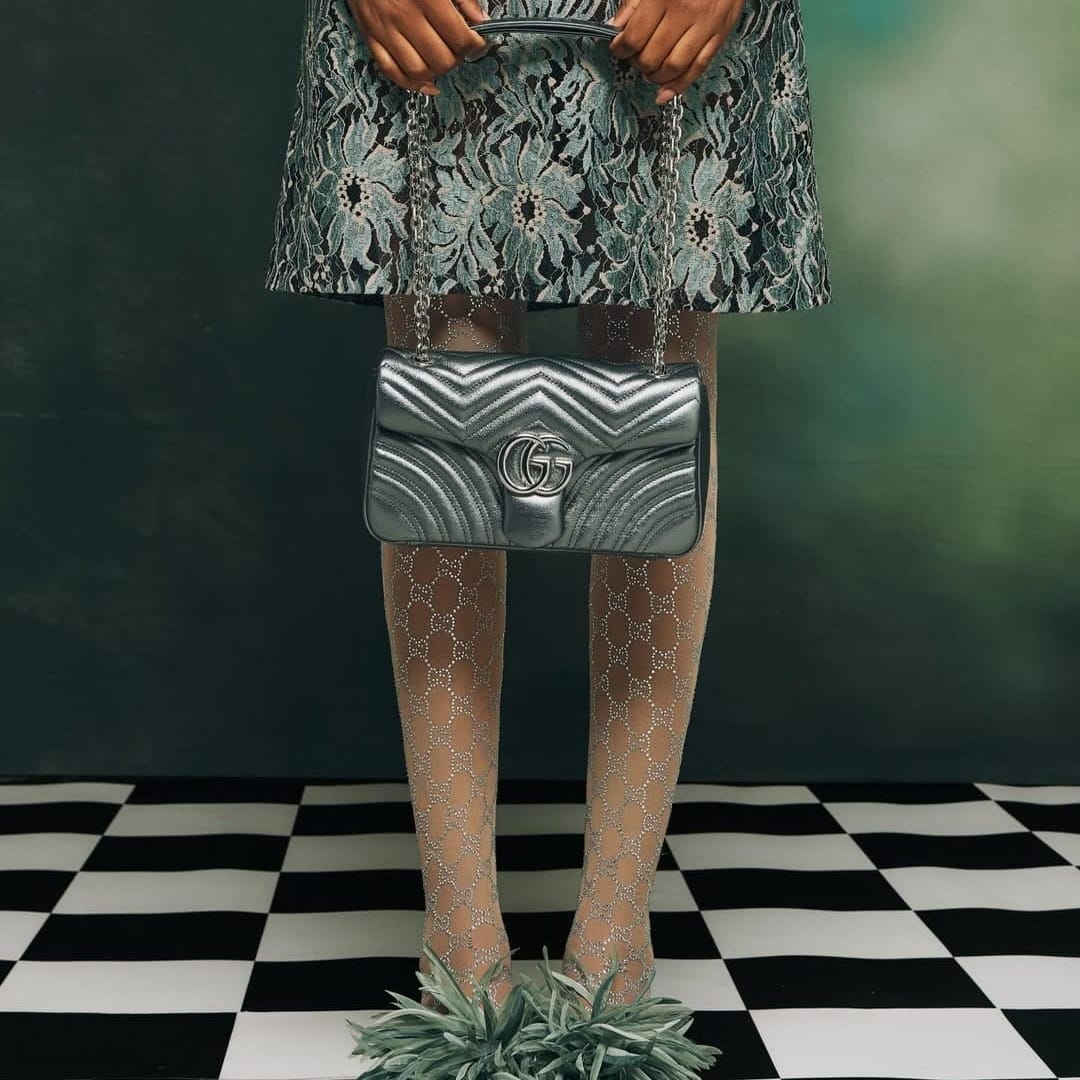
Trevor Stuurman is an award-winning multimedia visual artist, stylist, and photographer who has built one of the most exciting creative practices on the continent by doing one thing consistently; putting African people, fashion, and culture at the very centre of the frame. If you want to understand where African music and visual culture meet right now, his work is the best place to look.
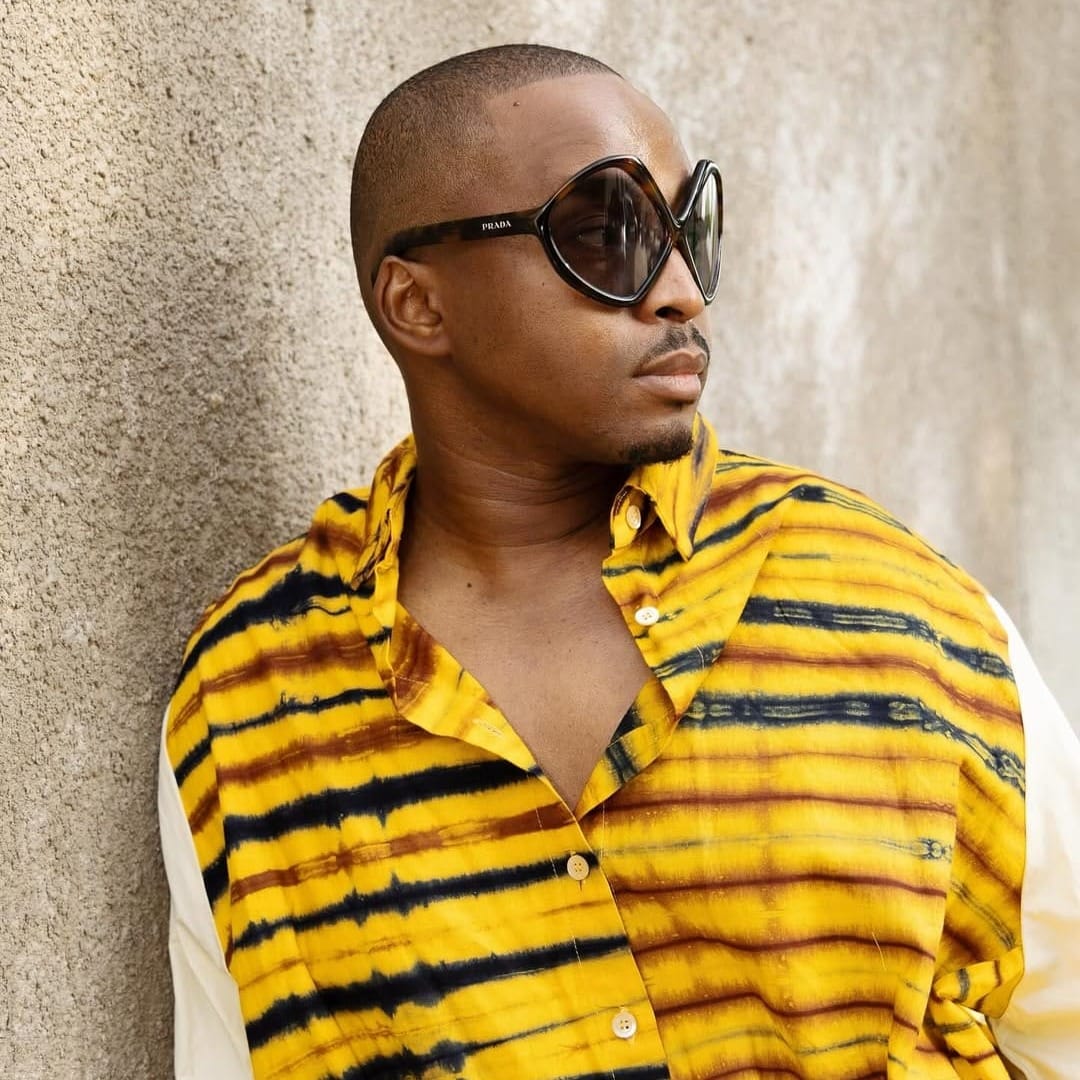
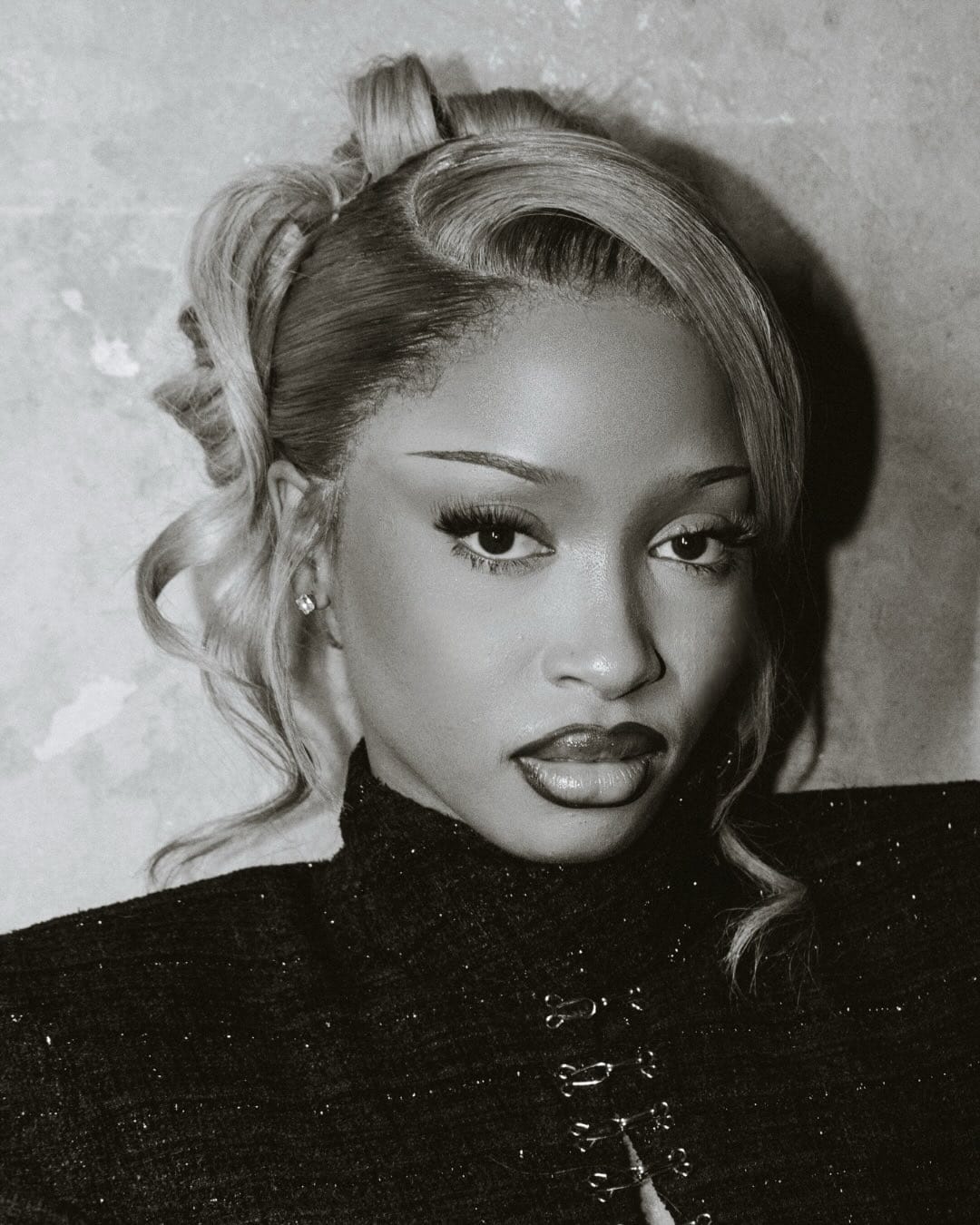
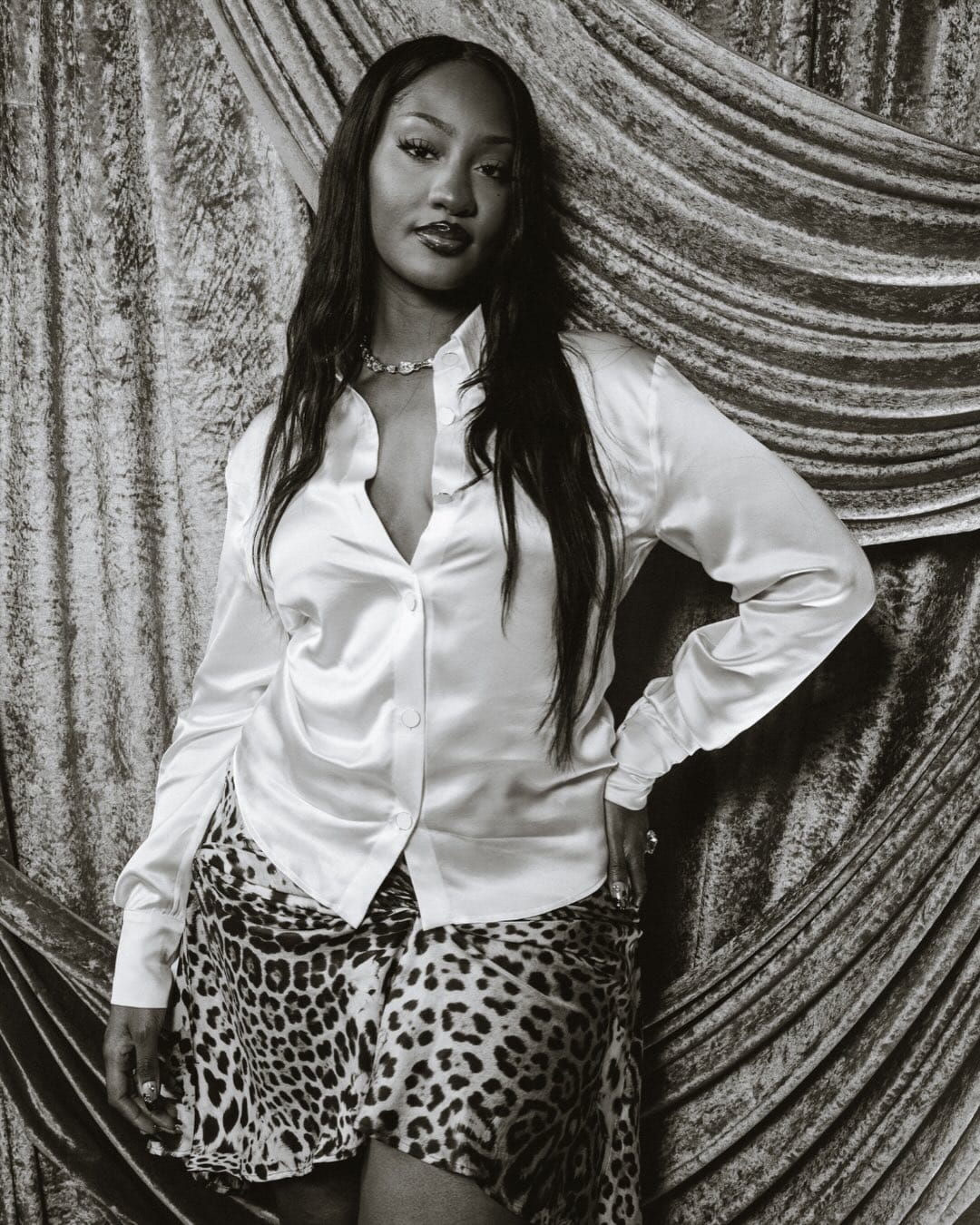
Music has always been at the heart of what Stuurman does. His collaborations read like a playlist of some of the most important artists in the world; Black Coffee, Doja Cat, Ciara, Tiwa Savage, Beyoncé, and Jay-Z and in each case, the images he creates don't just document the artist, they amplify them. But what sets Stuurman apart from other photographers who shoot big names is the intentionality behind every image. They aren't just celebrity/artist portraits, they're carefully constructed statements about what Africa looks, sounds, and feels like right now.
Trevor believes that the African narrative has been hijacked by outsiders, and as a young photographer, he set out to counter that story by documenting first the urban styles of Johannesburg, then street fashion across Africa. And that mission has never left him, whether he's shooting a global superstar or an everyday person in Johannesburg.
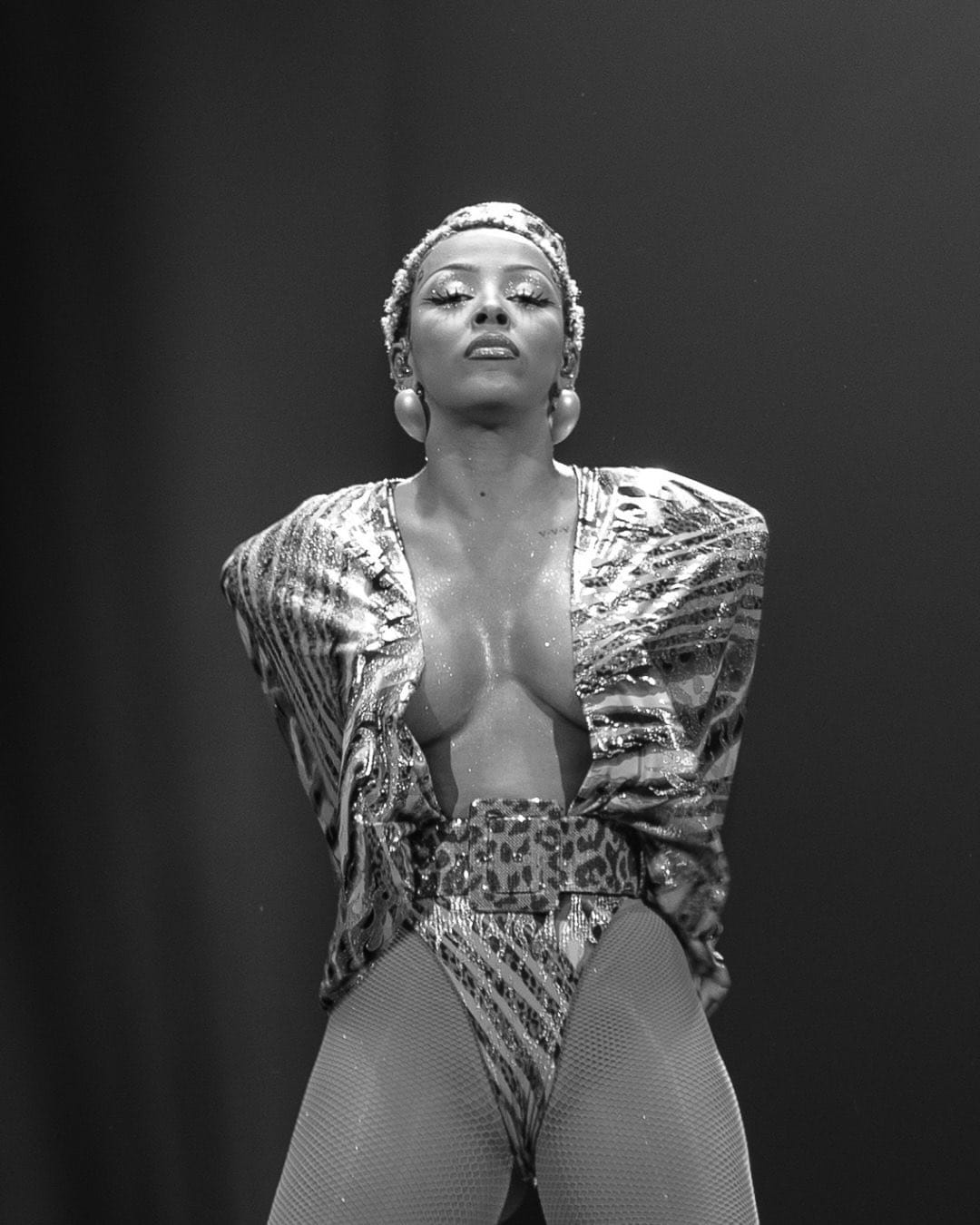
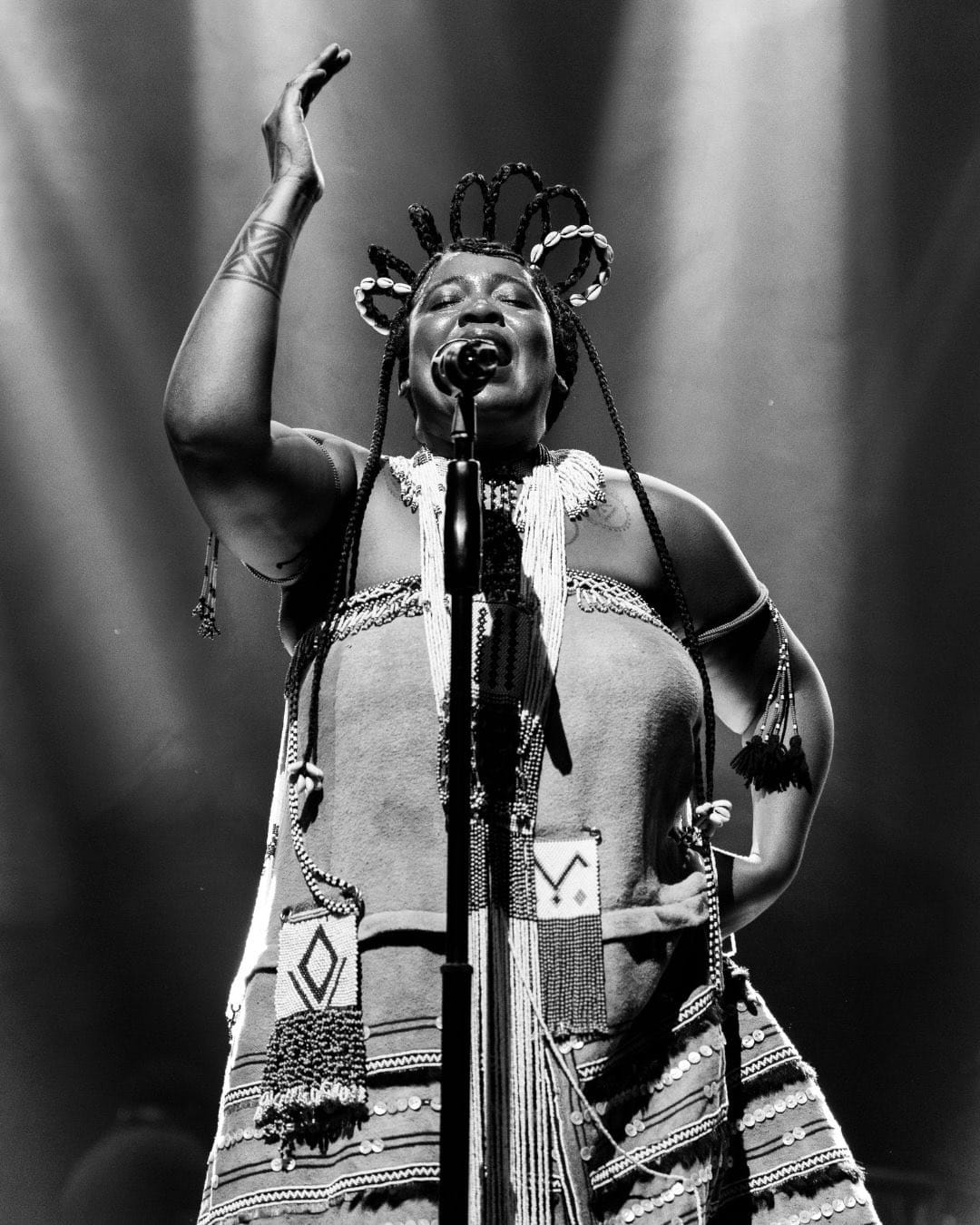
His first solo exhibition, HOME, documented Namibian OviHimba women in traditional dress and Ndebele initiates, and was a moving representation of African identity and belonging. Then came his collaboration on Beyoncé's Black Is King in 2020, and that brought his vision of a powerful, deeply African aesthetic to a global audience of millions.
In 2023, he launched The Manor, a multifaceted platform of art events and a quarterly publication featuring diverse African creatives, aiming to uplift African artistry by honouring and protecting their stories.
Honourable Mention
Malick Sidibé + The Youth of Bamako (Mali)
If you've ever seen a photograph of young Malians in the 1960s, maybe dancing at a party, posing with a James Brown record, or laughing on a monochrome beach, there's a good chance it was taken by Malick Sidibé.
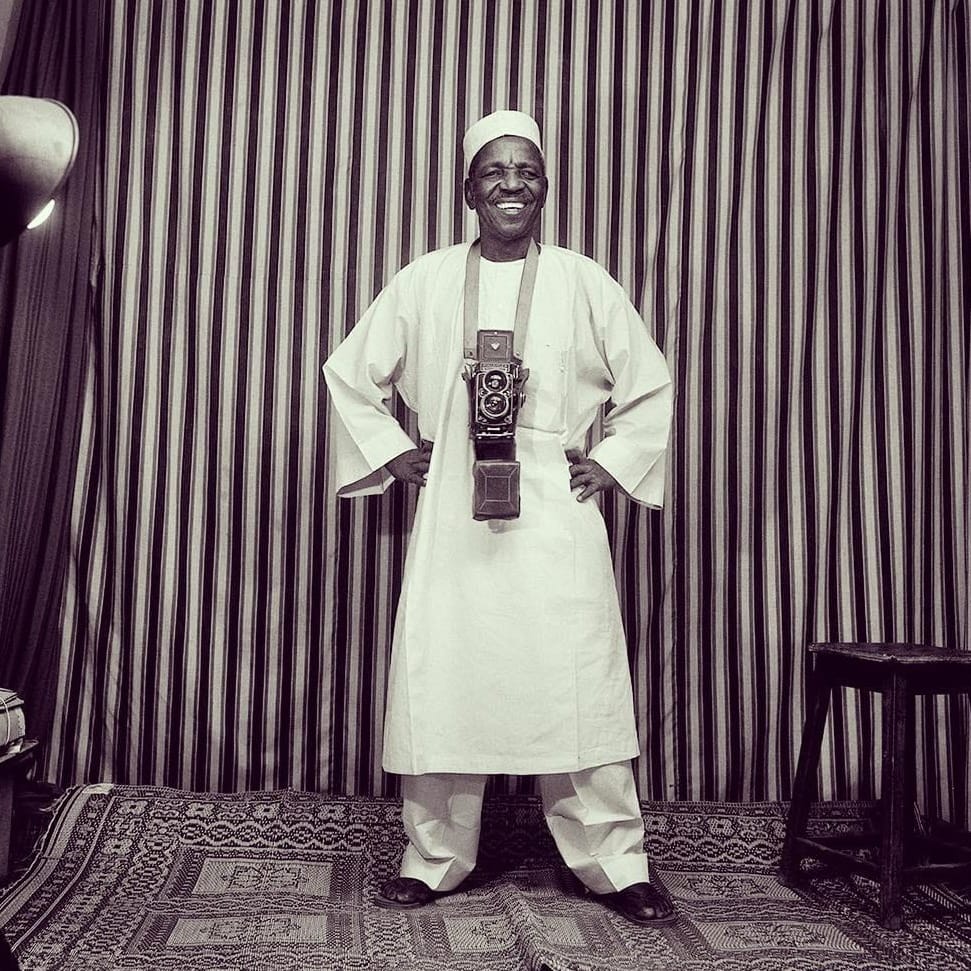
Known as the "Eye of Bamako," Sidibé opened Studio Malick in the neighbourhood of Bagadadji in 1958 and spent the next few decades photographing the lives of the city's young people, at parties, sports events, nightclubs, and in his studio.
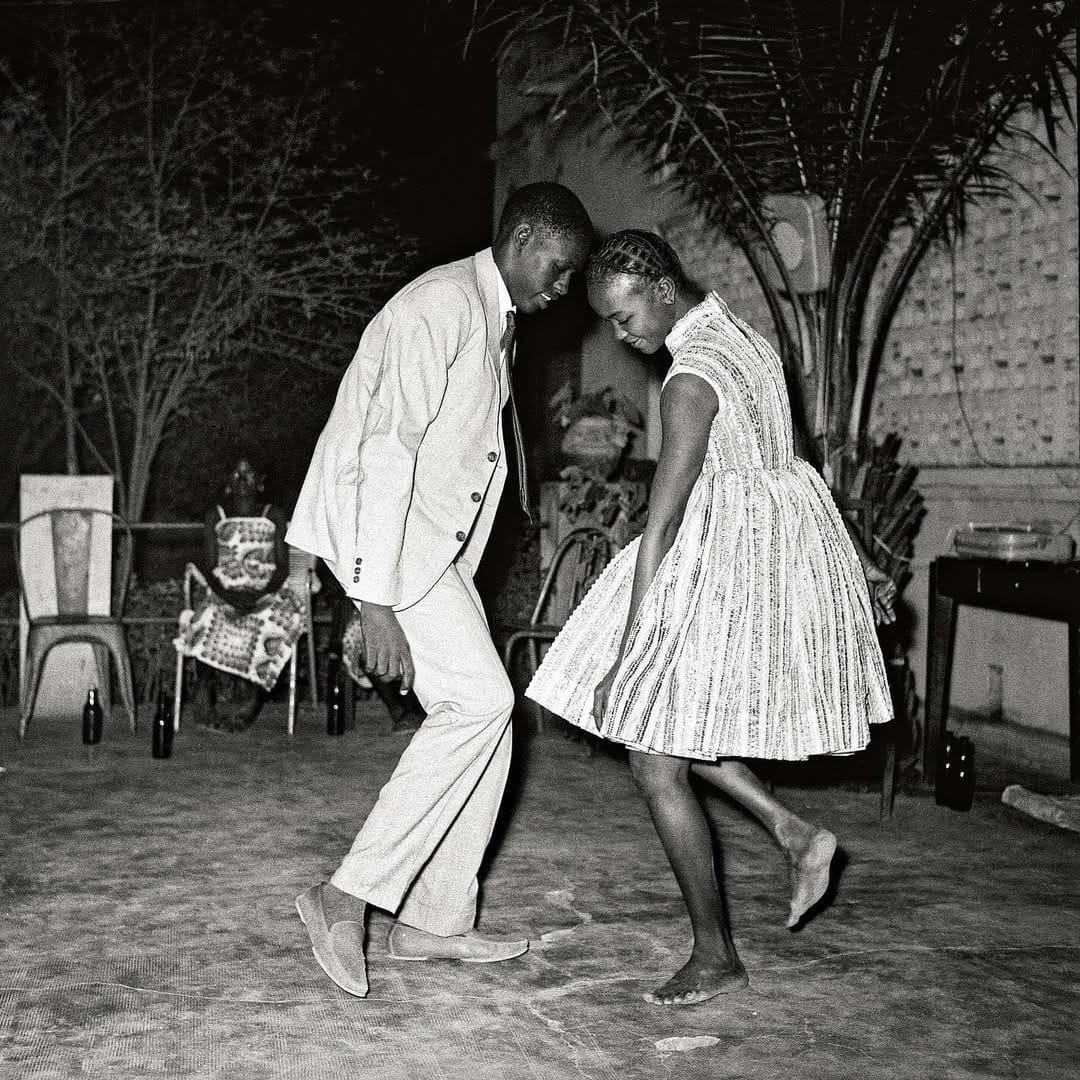
Sidibé's muses weren't just anonymous figures he pointed a camera at. They were his community, his friends, the young people of the neighbourhood who kept coming back to him year after year. His work also documented a key historical moment for Mali as it gained its independence from France in 1960, and Sidibé played a role in shaping how that generation saw themselves at the time.
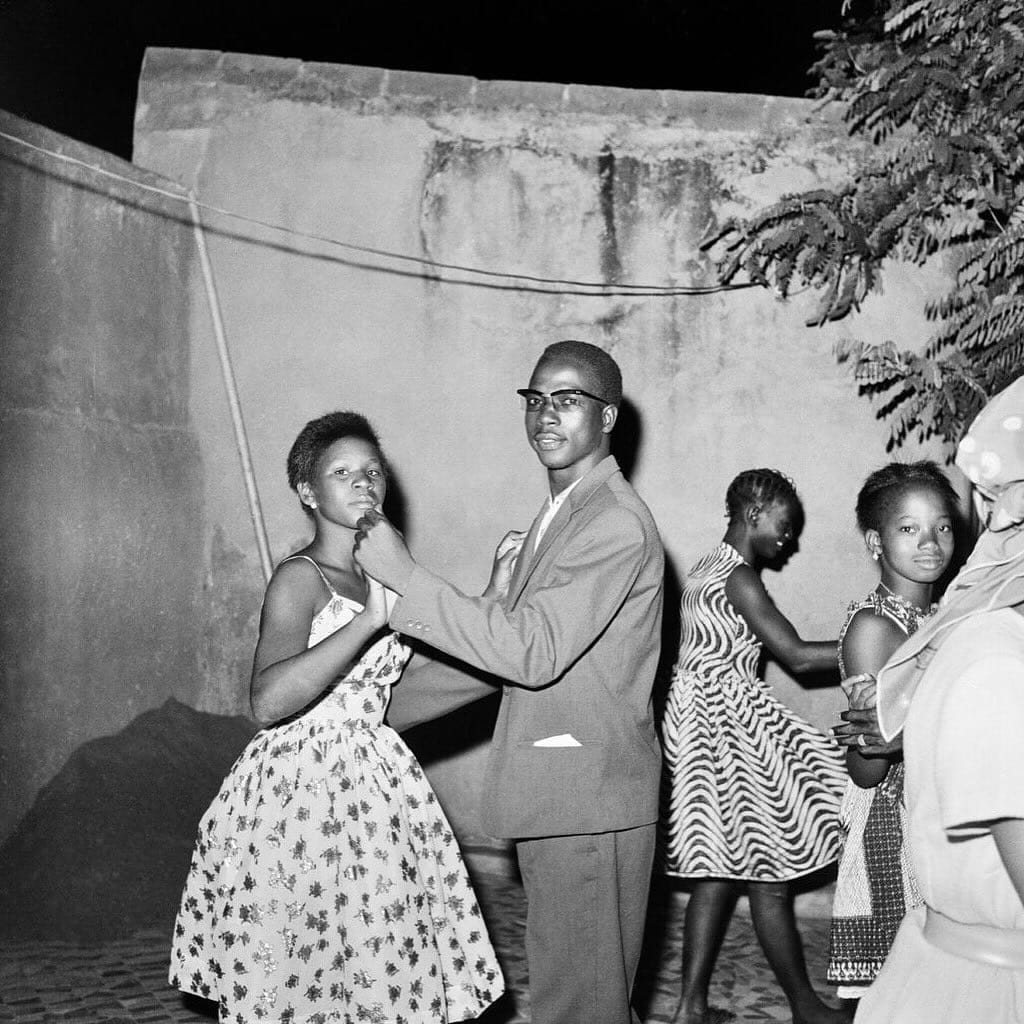
As his subjects posed for the camera, they asserted their independence, relevance, and ultimately their power at a time of nationwide change. A 2006 documentary, Dolce Vita Africana, filmed Sidibé at work in his studio, including a reunion with many of his friends and former photographic subjects from his younger days, which was a clear testament to how lasting those bonds were.
Conclusion
Across all five of these relationships, whether it's Hajjaj and his musicians, Muriu and her Kenyan women, or Diop and himself, what stands out is the same thing: they refuse to treat the person in front of the camera as just a passive object. In each case, their muse is an active participant in whatever concept they’re trying to bring to life. They bring their story, their body, their trust, and their will to be seen, and the photographer's job is to honour that. And that collaborative spirit is, arguably, what makes African photography so alive right now.



Member discussion