


Introduction
The best stories are those told entirely on their own terms, not filtered through a Western lens, not made for export, just deeply, unapologetically themselves. African cinema has been doing this for decades. From Ousmane Sembène's sharp political fables set in post-independence Senegal, to the township dramas of South Africa, there’s no single “thing” that African cinema is, which is exactly what makes it so compelling.
And yet, most British audiences have never seen any of it. Not because it doesn't exist, but because it rarely makes it onto mainstream screens. That's what this list is for. Across the UK, a growing number of film clubs, festivals, archives and screening programmes are actively working to change what gets seen and who gets to see it. Here are 8 of these story-led spaces, and where to find them.
African Caribbean Centre
The African Caribbean Centre in Leicester is a hub of culture, community, and connection. It’s managed by the African Heritage Alliance and a dedicated team of volunteers with a commitment to celebrating and preserving the heritage of Africa and the Caribbean. It’s located on Maidstone Road, and runs an impressive range of programmes from African drumming and yoga to educational seminars, screenings and community debates.
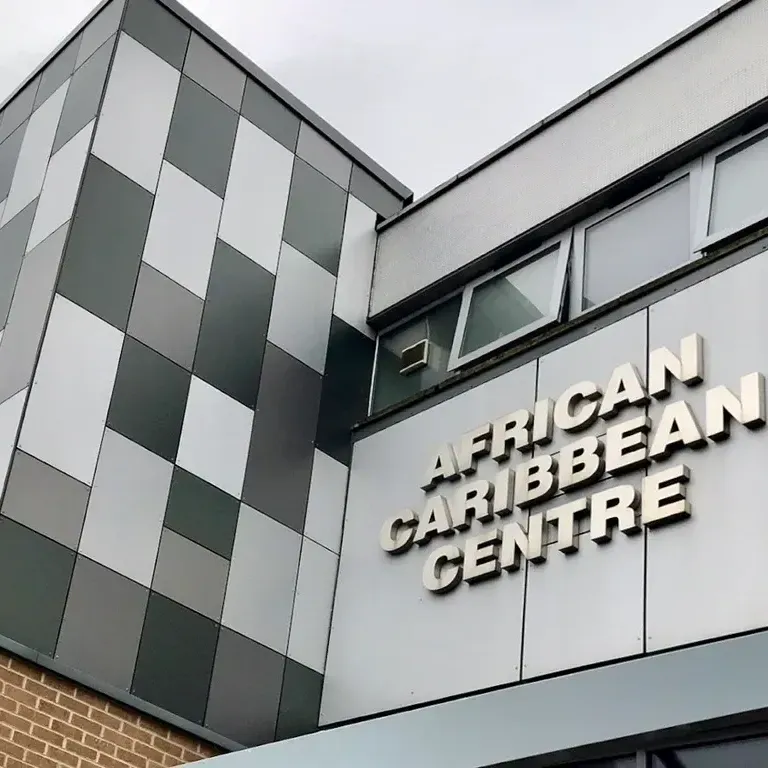
The Centre also hosts a monthly Black Film Club on the last Friday of the month, screening Black classics followed by discussions. The screenings are community-focused, very informal, and built around the idea of watching films together as a shared cultural act. Its past screenings have included documentaries and films that spark debate about African history, identity, and current events.
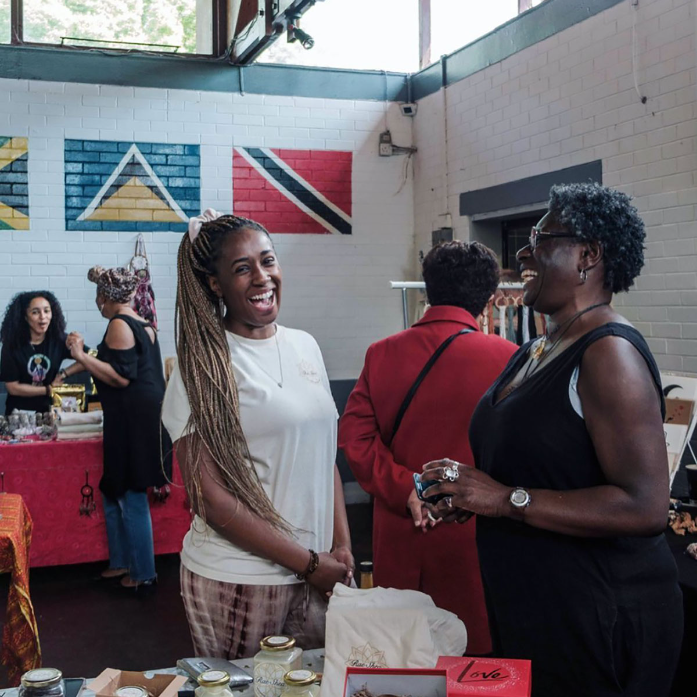
For Leicester's African and Caribbean community, the Centre is a cultural institution, and its film programming reflects that.
The New Black Film Collective
The New Black Film Collective exists to create and cultivate a Black ecosystem in the UK screen industry. It’s a nationwide network of film exhibitors, educators, and programmers united around championing Black representation on screen, and African film sits firmly at the heart of that mission.
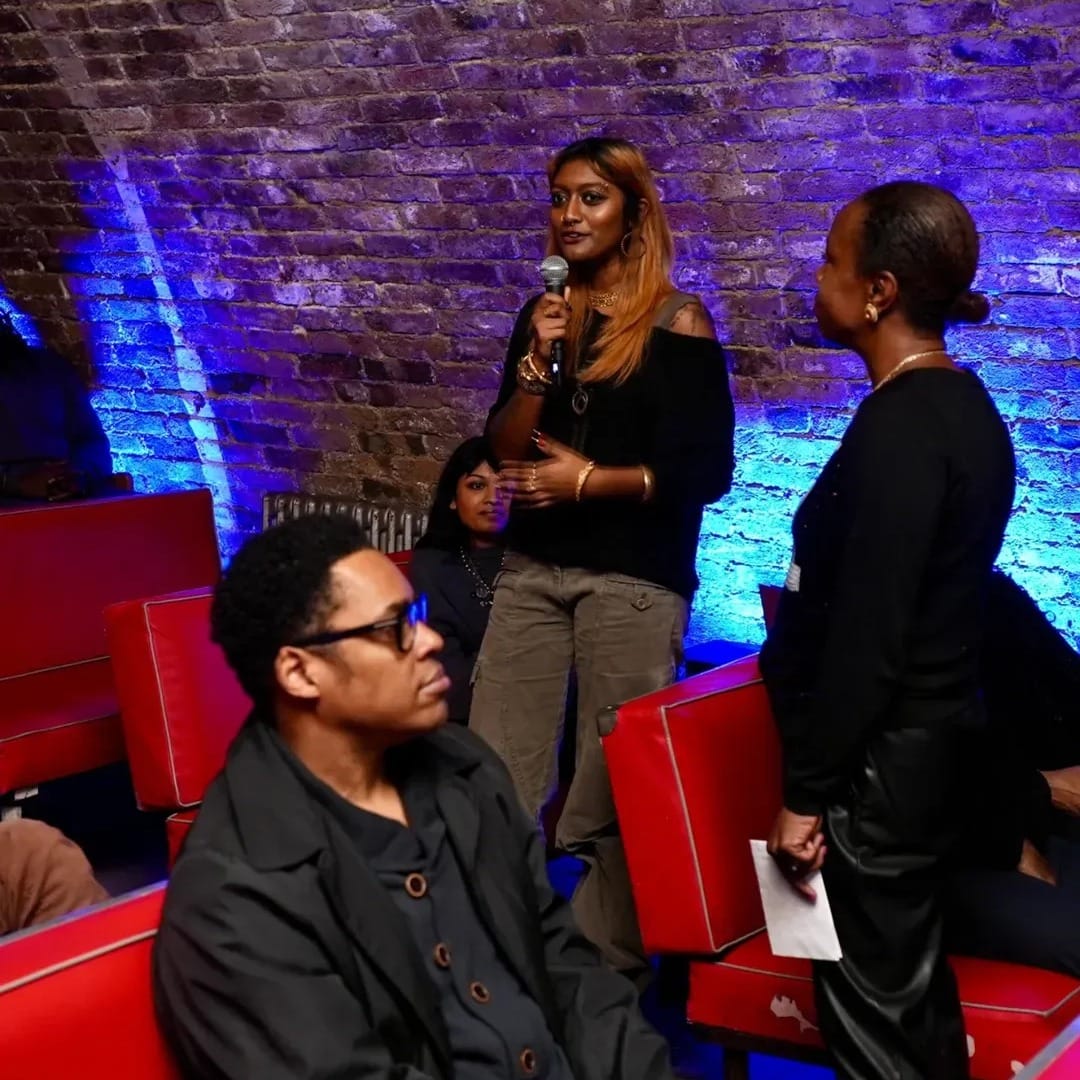
The collective features one-off screenings, special seasons, and an annual Black History Month programme that draws heavily from African and African diaspora cinema. It operates across the UK, and partners with cinemas and venues from Leeds to London.
It’s also partnered with organisations like the Hyde Park Picture House in Leeds for Cinema Africa! and collaborated with festivals and events across the country, making it one of the most connected and active forces for African film visibility in the UK today.
Air Afrique Ciné-Club
Air Afrique is a Parisian multidisciplinary creative collective founded in 2021 by Lamine Diaoune, Ahmadou-Bamba Thiam, Jeremy Konko and Djiby Kebe. It draws inspiration from the eponymous Pan-African airline, which ran from 1961 to 2002, and its heritage of cultural patronage, spanning cinema production, music, and magazine publishing.
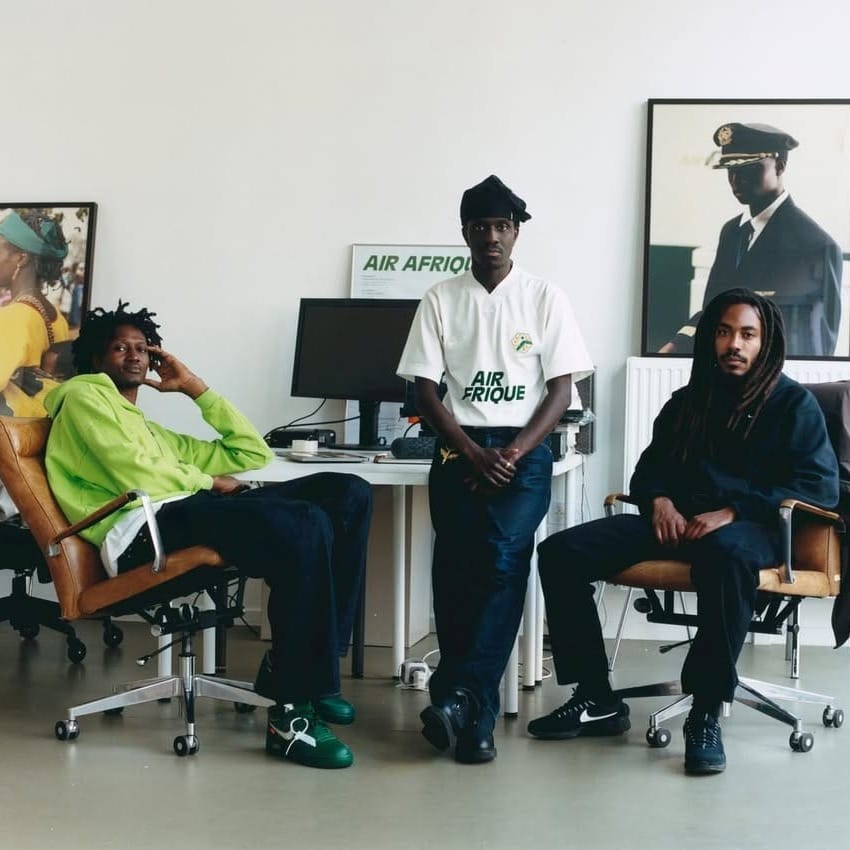
The original Air Afrique airline was invested in African culture; it funded films, supported festivals, and published Balafon, a celebrated in-flight magazine. And the collective has brought all of that energy back to life for a new generation. Air Afrique has now been reimagined as a multidisciplinary platform that connects art and culture, featuring a magazine, the Ciné-Club, exhibitions, and collaborations in fashion and design.
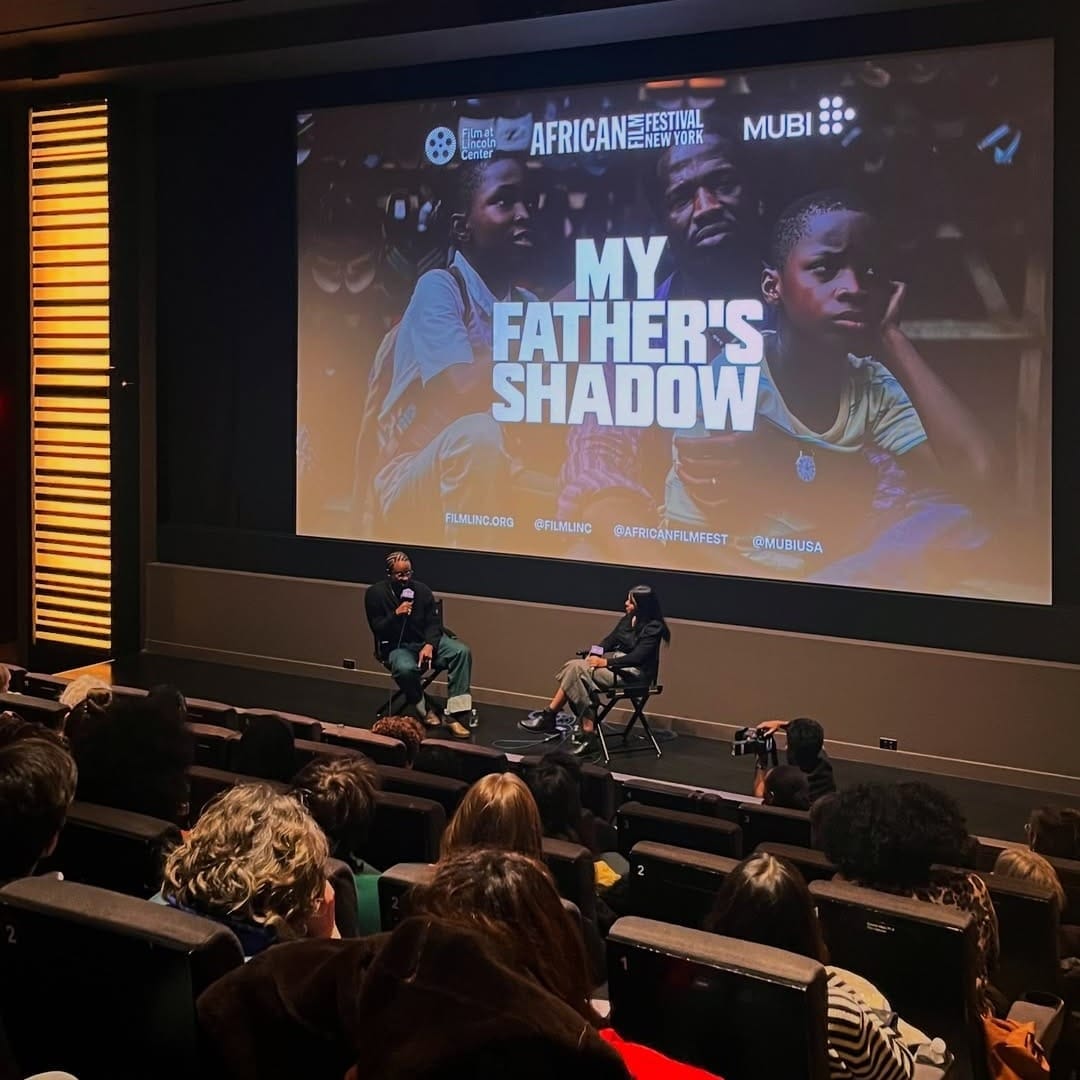
Their programming brings together iconic African films such as Ousmane Sembène's 1968 masterpiece Mandabi, alongside new issues of the Air Afrique magazine, turning each screening into an evening where cinema, print, and Pan-African history merge.
Somerset House
Somerset House is one of London's most iconic cultural spaces, and it’s quickly becoming a thoughtful home for African film and moving image work. It runs a regular community screening series that invites organisations and artists to screen their films and moving image work, creating space for creative, culturally-charged stories.
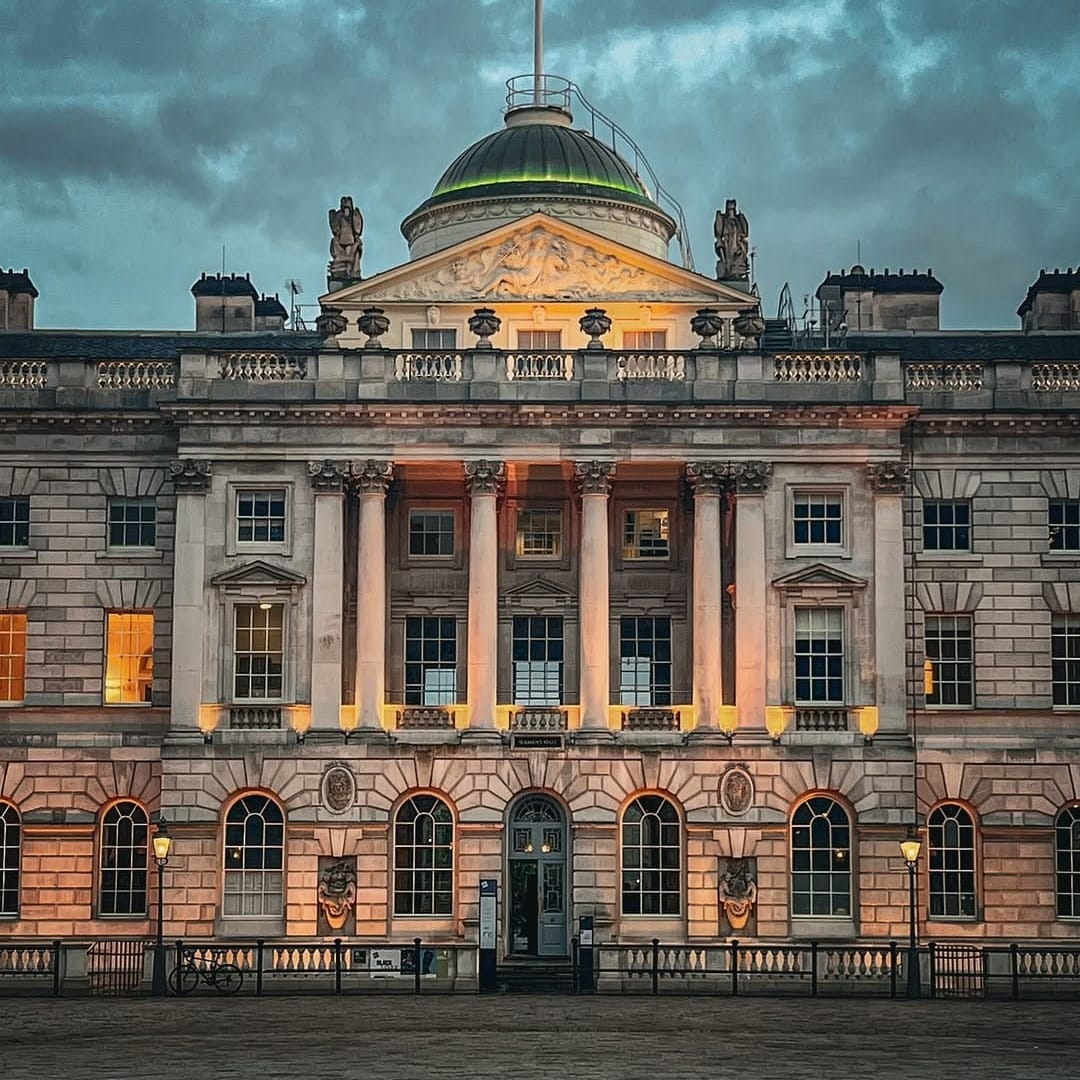
Their programming is known to have a distinctly African and diasporic theme running through it. An earlier screening series, called Home Movies, curated by Studios artists Kadeem Oak, Onyeka Igwe and Deborah-Joyce Holman, explored the theme of archives, ranging from the colonial origins of botany to the history of Black women filmmakers. It also hosted a screening of Africa's Cultural Landmarks, a documentary series produced by The Metropolitan Museum of Art with World Monuments Fund, to show the beauty of Africa's landscapes and tell the stories of people fighting to protect them.
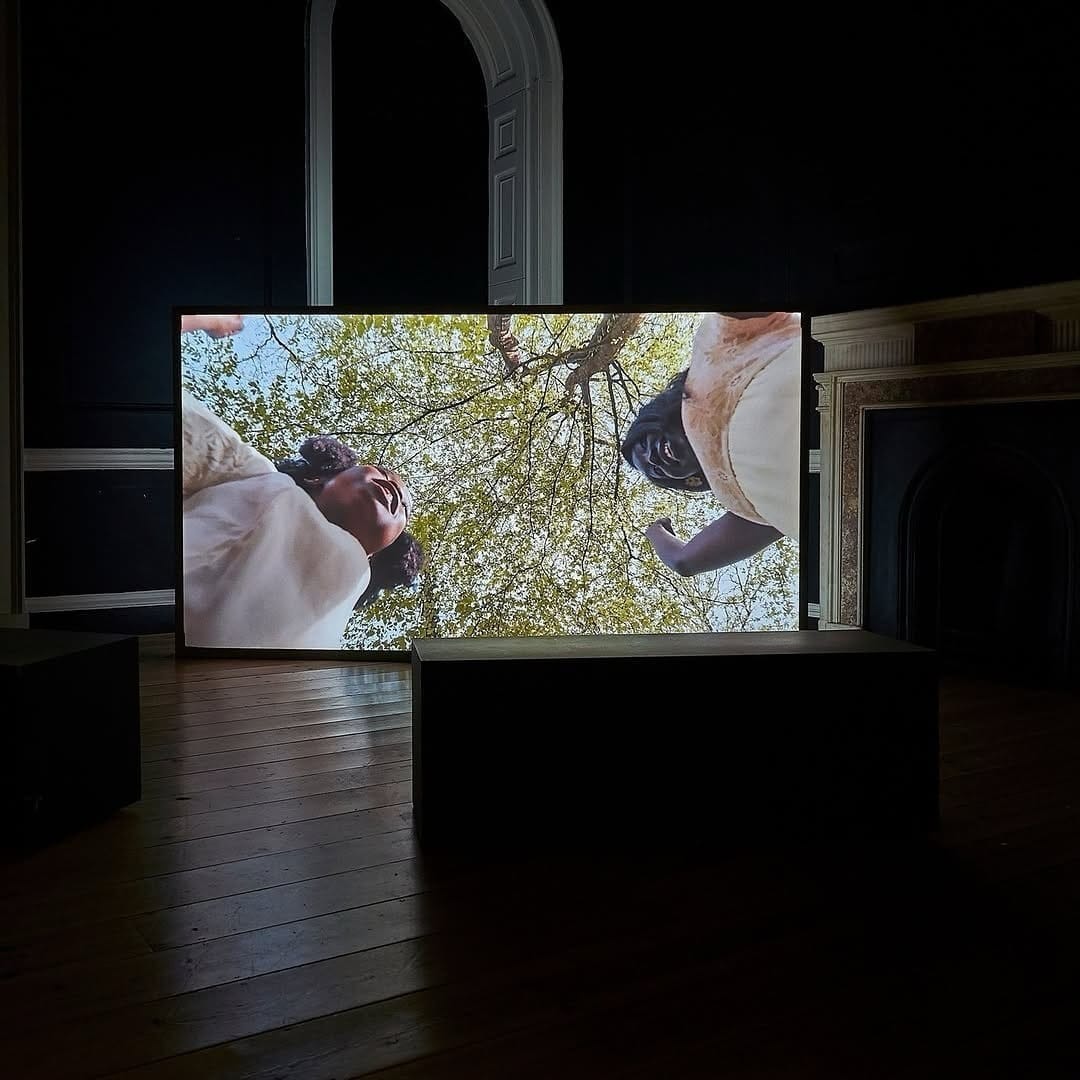
Its commitment to centring African and diasporic voices through screenings, residencies, and the annual 1:54 Contemporary African Art Fair makes it one of the most culturally significant venues in London for anyone interested in African creative work on screen.
Film Africa
Film Africa is London's biggest biennial festival celebrating the best African cinema from across the continent and diaspora, proudly brought to you by the Royal African Society. It was established in 2011, and brings London and UK audiences a high-quality and wide-ranging film programme accompanied by a series of events including director Q&As, talks and panel discussions, workshops and masterclasses, school screenings, family activities, and live music nights.
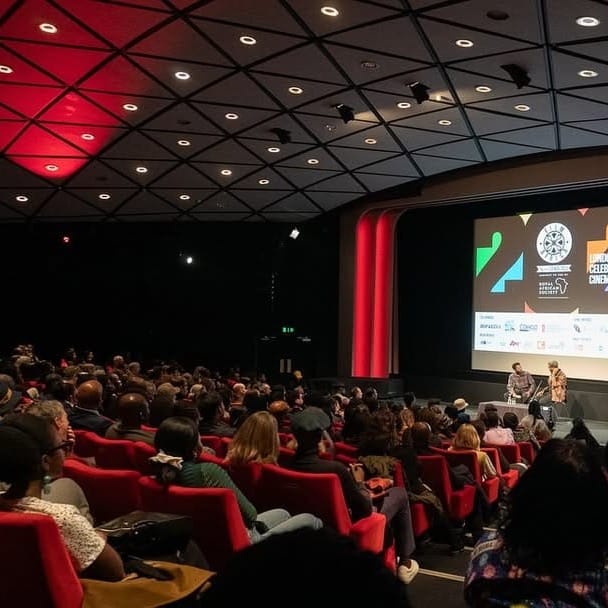
Film Africa also supports new filmmaking talent through the Baobab Award for Best Short Film and the Audience Award for Best Feature Film. Its programming also features documentaries, shorts, and experimental films from across the continent, not just the more well-known film industries. Film Africa 2025 presented over 50 films and special events from more than 20 countries, from Morocco to South Africa, Nigeria to Congo. If you're in London and want to understand what African cinema looks and feels like right now, this is the place to start.
Afrika Eye
Afrika Eye is a film and arts festival founded in 2005 in Bristol by Simon Bright and Ingrid Sinclair, who created it with the aim of promoting the richness and diversity of Africa and its diaspora through film, education and cultural exchange.
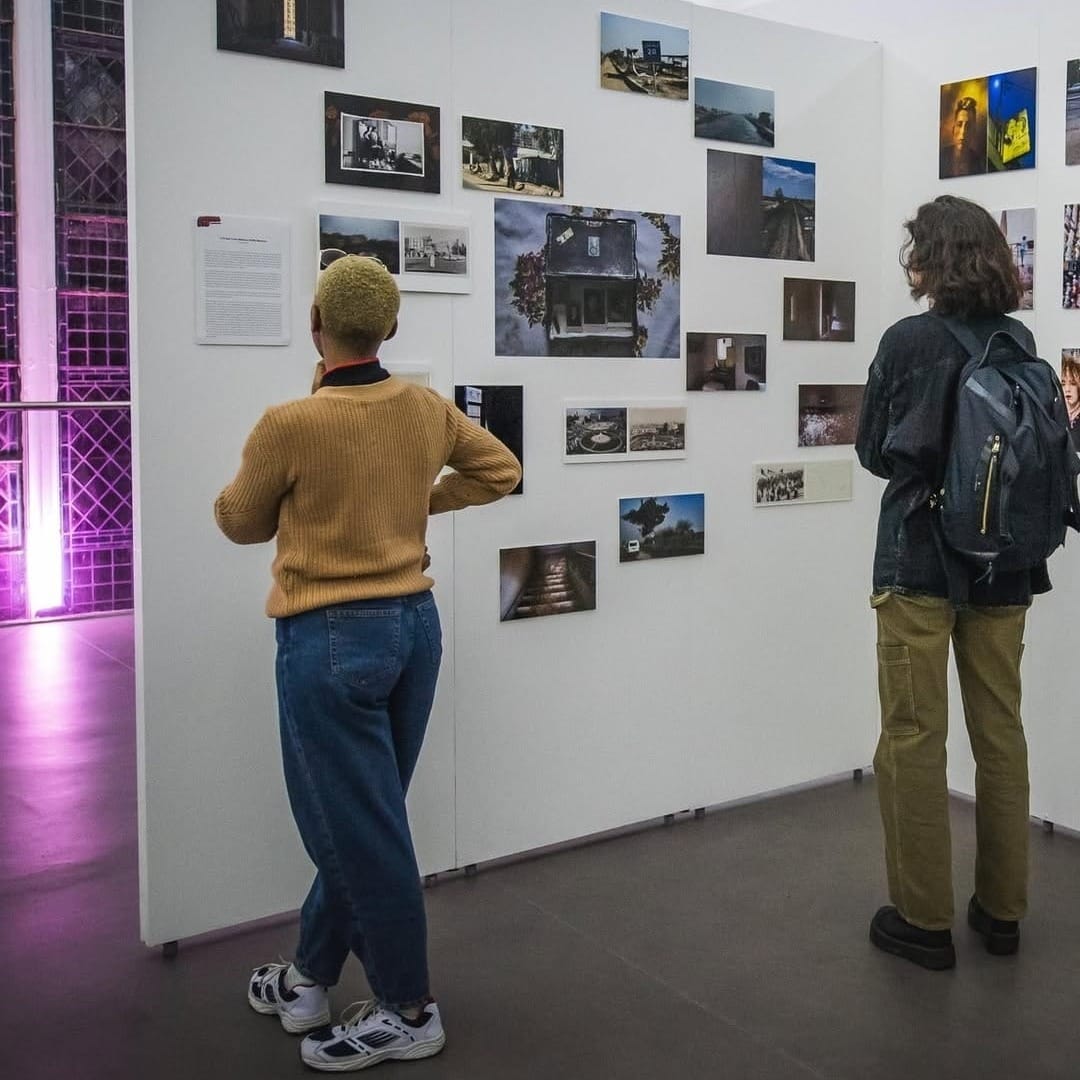
Now in its twentieth year, Afrika Eye brings a packed programme of films from and about Africa to venues all across Bristol, and also includes talks, live music, exhibitions and workshops, as well as screenings of features, shorts and documentaries by filmmakers from, or with roots in, Africa.
One of the things that makes Afrika Eye special is that it has become a genuine champion of films that would otherwise never reach Bristol audiences, including landmark films like the Kenyan lesbian love story Rafiki, which was so controversial that it was briefly banned in Kenya. Twenty years in, it is still one of the most important African film events in the country.
Watch-Africa Film Festival
Watch-Africa is Wales' annual African Film Festival, celebrating the best of African cinema. It’s based in Cardiff, is the only dedicated African film festival in Wales and has been building its audience steadily for over a decade. The festival provides a platform for African films, art and culture in Wales, and brings a wide range of films from across the continent, Q&As with filmmakers, and engaging activities such as the Director's Lab and other workshops.
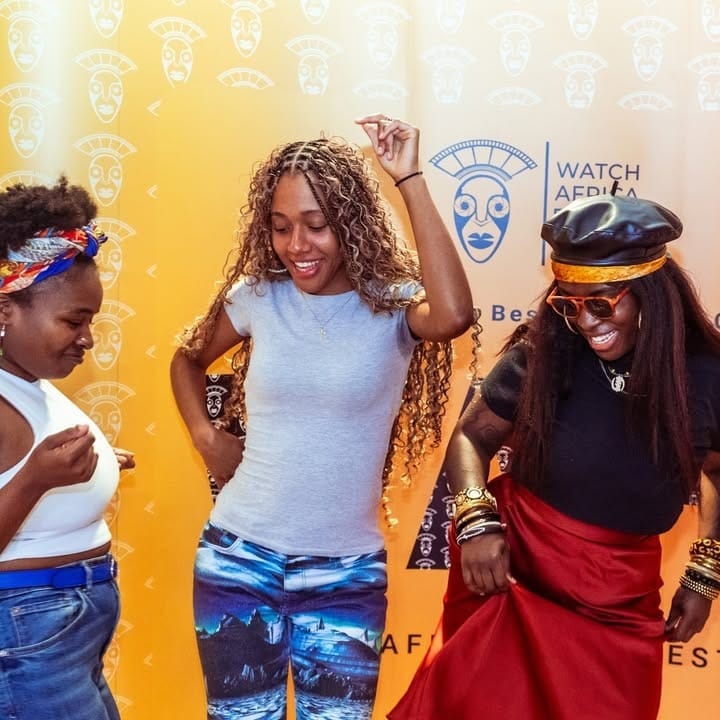
Beyond just the annual festival, Watch-Africa has built itself into more than just a film event; it encourages cross-cultural understanding, supports African and diaspora filmmakers, and creates opportunities for communities in Wales and beyond.
Members of the WAFF Club can also attend monthly screenings throughout the year, play an active role in its programmes, and connect with filmmakers and industry professionals. It’s small but committed, and has introduced Welsh audiences to films they simply wouldn’t have seen anywhere else.
June Givanni Pan African Cinema Archive
The June Givanni Pan African Cinema Archive is one of those rare cultural spaces that does the heavy lifting of preserving African film history. It was founded by June Givanni and was built from her personal collection and deep passion for the field.
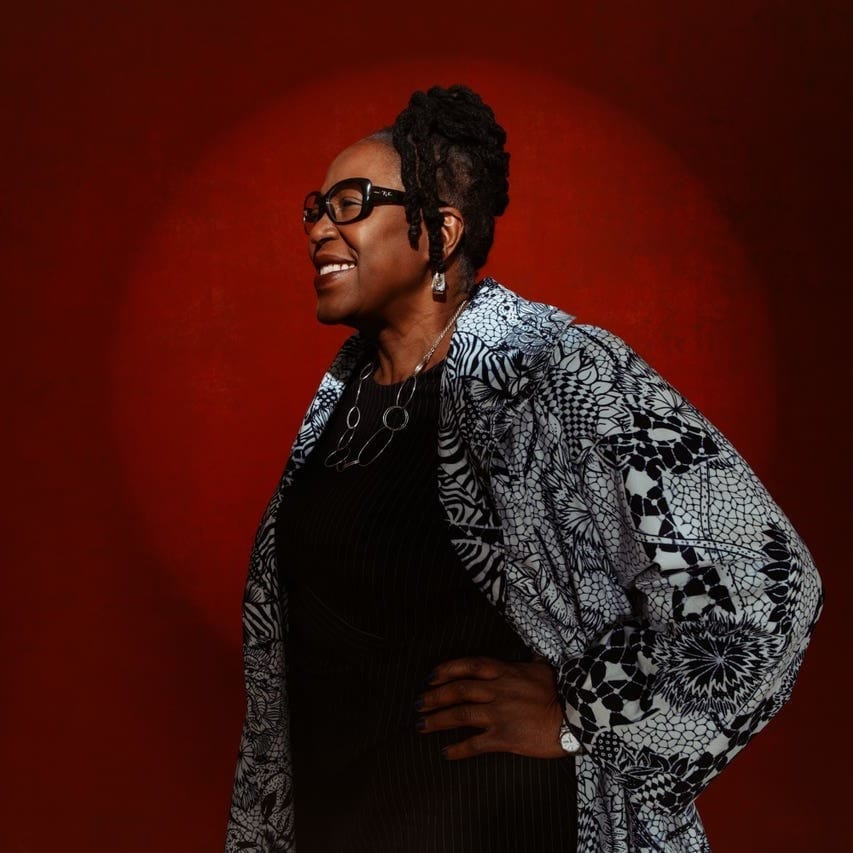
It was established in 2013 in London and is a living, evolving collection that documents Pan-African cinema across continents and generations, and brings together films, posters, photographs, scripts, interviews, and festival materials, many of which might have otherwise been lost.
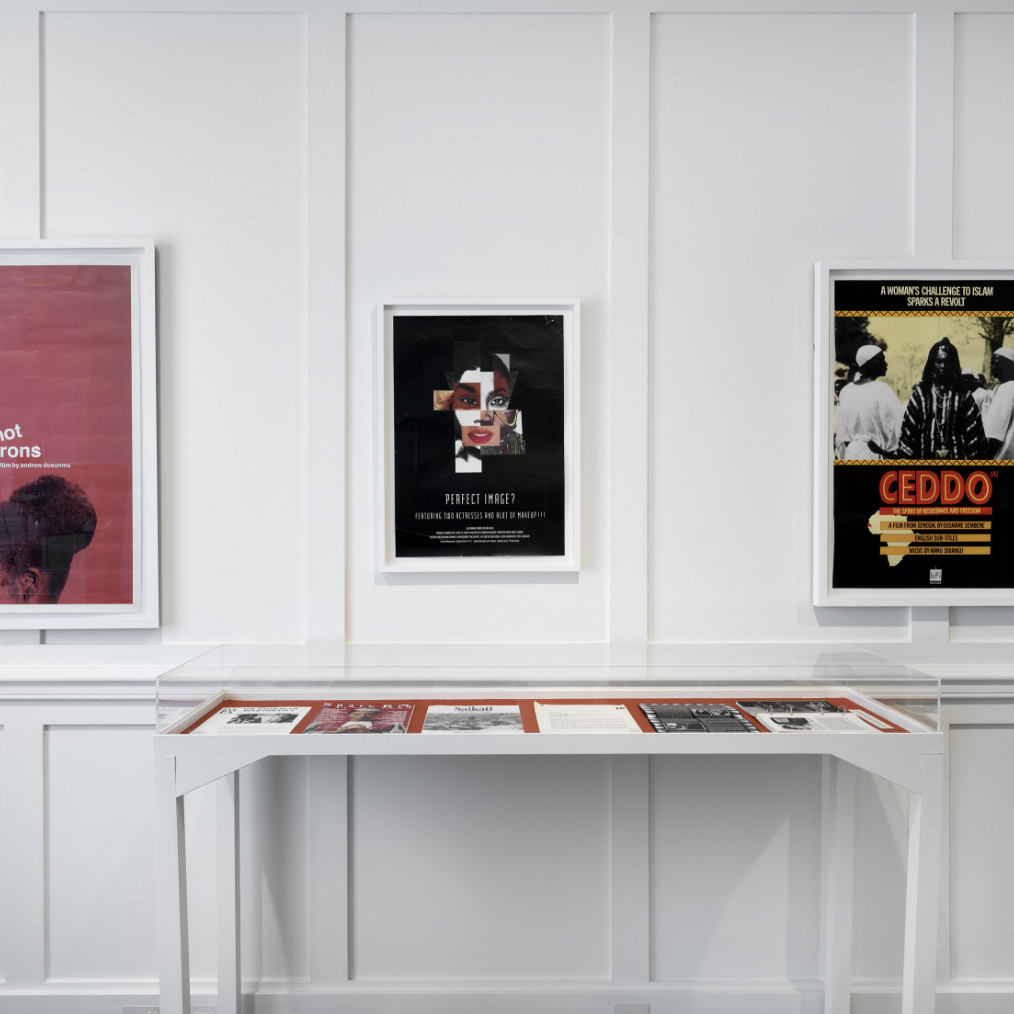
Its depth really shows in the people and films it connects. The archive includes work from filmmakers like Djibril Diop Mambéty and Sarah Maldoror. Through its screenings, exhibitions, and public programmes, JGPACA has also showcased films that are now considered classics. Works like Black Girl and Mandabi by Sembène, Touki Bouki by Mambéty, and Sambizanga by Maldoror sit alongside later films like I Am Not Your Negroby Peck and Handsworth Songs by Akomfrah. Its wider network also includes filmmakers like Gaston Kaboré and Euzhan Palcy.
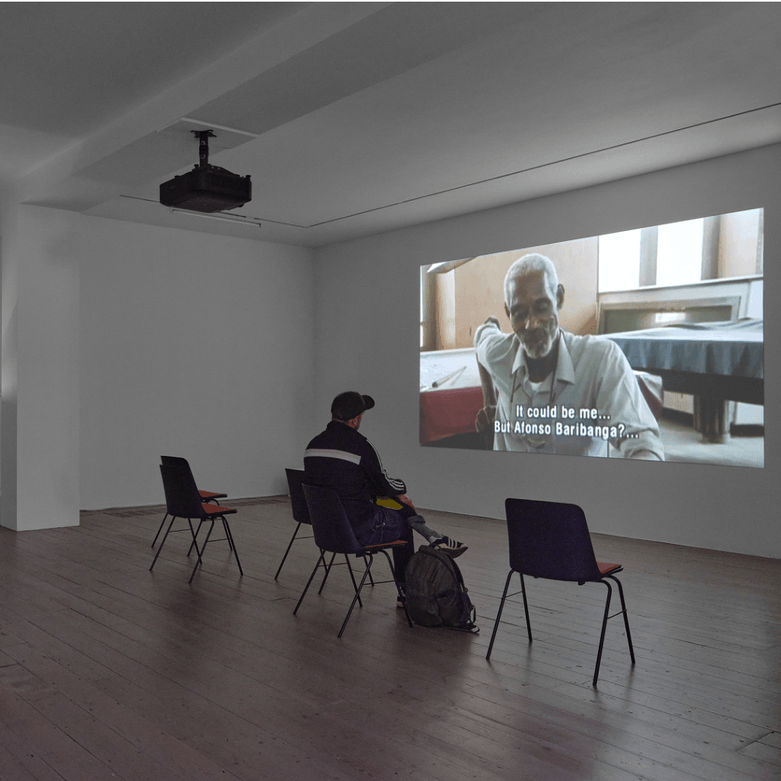
Over the years, the archive has grown into one of the most important collections of African moving image culture in the world.
Conclusion
These eight spaces represent something important. African cinema isn’t “niche,” it’s rich, diverse, politically (and socially) urgent, and honestly quite exciting. Filmmakers coming out of Nigeria, Senegal, Kenya, Ethiopia, South Africa, and dozens of other countries are telling stories that deserve global audiences, and these clubs and festivals are making sure that UK audiences can actually find them. If you've never been to one, pick the one closest to you and go; chances are it will be one of the best cinema experiences of your year.



Member discussion