


There's something special about two creative minds coming together. When it works, duos don't just double their impact, they create something neither could have made alone. Across Africa, creative partnerships are reshaping music, fashion, and design, proving that collaboration is at the heart of its cultural boom.
From Lagos to Lomé, Accra to Dakar, these pairs are rewriting the rules. They're twins who fled from war-zones annd built fashion empires. Brothers reviving forgotten sounds. And what unites them is shared vision and the kind of creative trust that lets them push boundaries and take risks.
P-Square (Nigeria)

Twin brothers Peter and Paul Okoye didn't just dominate 2000s Nigerian music; they defined it. As P-Square, they became one of Africa's biggest exports, clearing a path for Afrobeats’ newer names.
Born in Jos in 1981, the identical twins started performing in secondary school. Their third album, 2007's Game Over, sold over 8 million copies worldwide and made them superstars. Songs like "Personally," "Do Me," and "Chop My Money" became continental anthems. They hit top 5 in France, top 10 in Belgium, and won MTV Africa's Artiste of the Decade in 2015.
They split in 2017, each going solo as RudeBoy and Mr. P. But in 2022 they reunited, proving some partnerships are too powerful to end. Even through fights and distance, the magic they created together was irreplaceable.
Mafikizolo (South Africa)
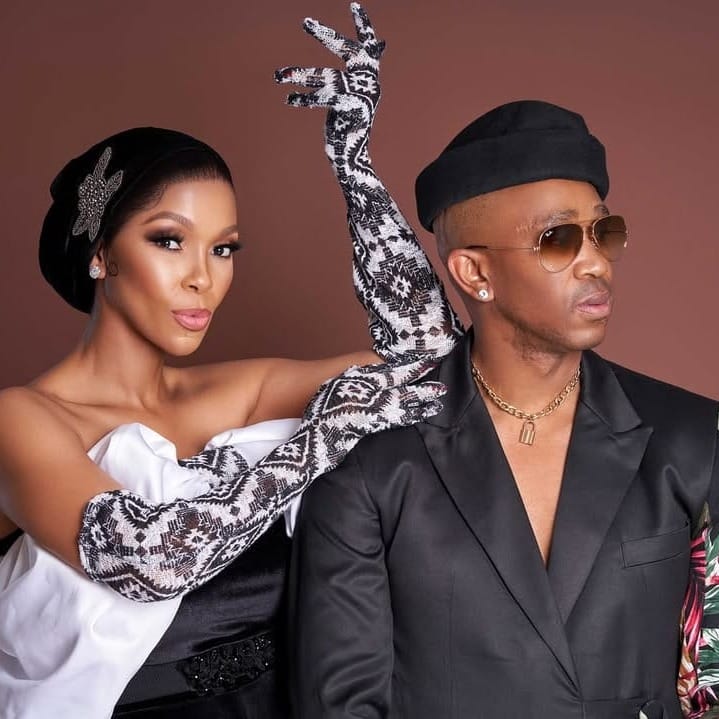
Theo Kgosinkwe and Nhlanhla Mafu are South African music royalty. As Mafikizolo, they've made hits since 1997, becoming one of the continent's most successful Afro-pop acts.
The duo formed as teenagers in Johannesburg. Their 2013 album Reunited turned them into superstars, and their lead single "Khona" became a continental phenomenon with dance challenges reaching number one across Africa.
They sing in indigenous South African languages, blending kwaito, house, and traditional sounds with contemporary production. Their music is built for celebration but rooted in authentic culture, and throughout lineup changes and industry shifts, Theo and Nhlanhla have stayed committed partners.
The Cavemen (Nigeria)
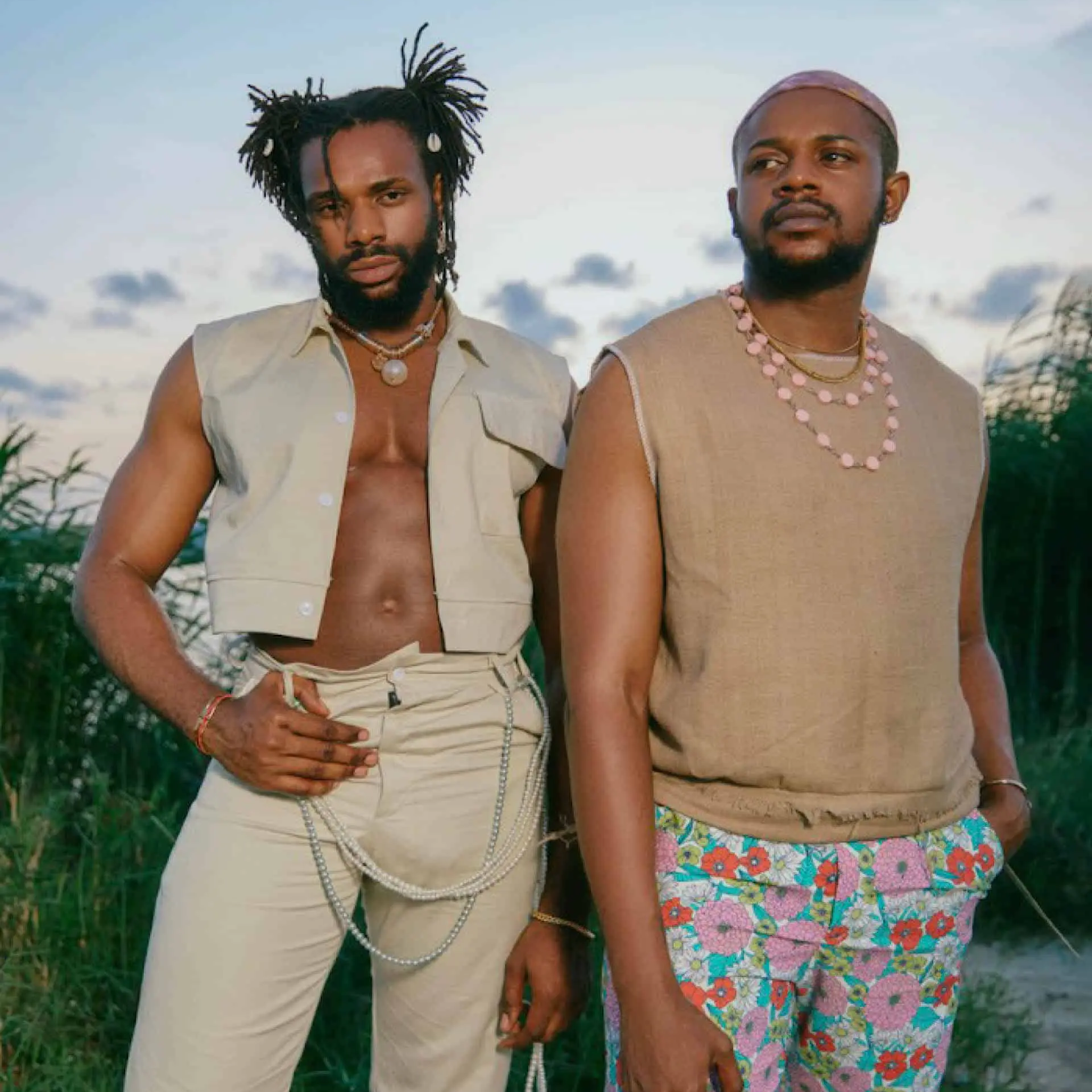
Brothers Kingsley Okorie and Benjamin James started The Cavemen in 2018 with one goal: bring highlife music back to life. The genre had nearly disappeared, but these Lagos siblings weren't interested in just nostalgia, they wanted to make it cool again.
Kingsley studied law, while Benjamin went to music school. But they'd always sung together in church, and when they reunited after school, the chemistry was instant.
Their sound, highlife fusion, mixes traditional highlife with Afrobeats, jazz, and soul. Their 2020 debut Roots won Best Alternative Album at The Headies. They've worked with Asa, Lady Donli, and even appeared on Davido's Grammy-nominated Timeless album.
They sing in Igbo even though neither speaks it fluently, and with over 46 million streams and festival performances all over the world, they’ve proven that older sounds can be brought back for a new generation of listeners.
Petite Noir & Rharha Nembhard (South Africa)
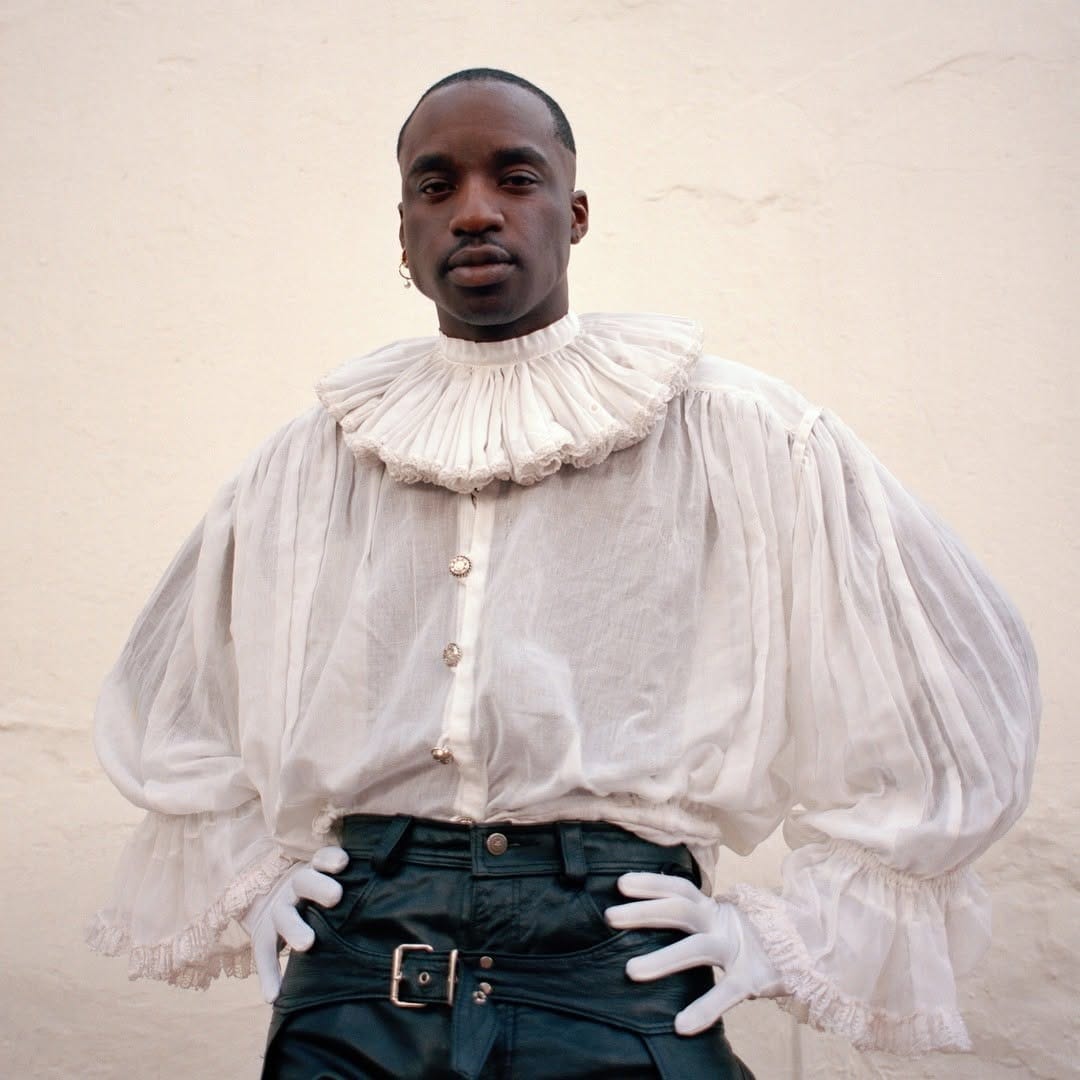
Yannick Ilunga (Petite Noir) and Rochelle "Rharha" Nembhard didn't just create music, they created a movement. In 2012, the musician and creative director founded Noirwave, a cultural philosophy that's part sound, part aesthetic, and part Pan-African vision.
Ilunga's music mixes post-punk, African rhythms, and electronics. His 2015 debut La Vie Est Belle featured Yasiin Bey. Nembhard directs all visuals; album covers, videos, and stage design. Together, they've articulated a state of mind for young Africans navigating multiple identities, and done it well.
The Lijadu Sisters (Nigeria)
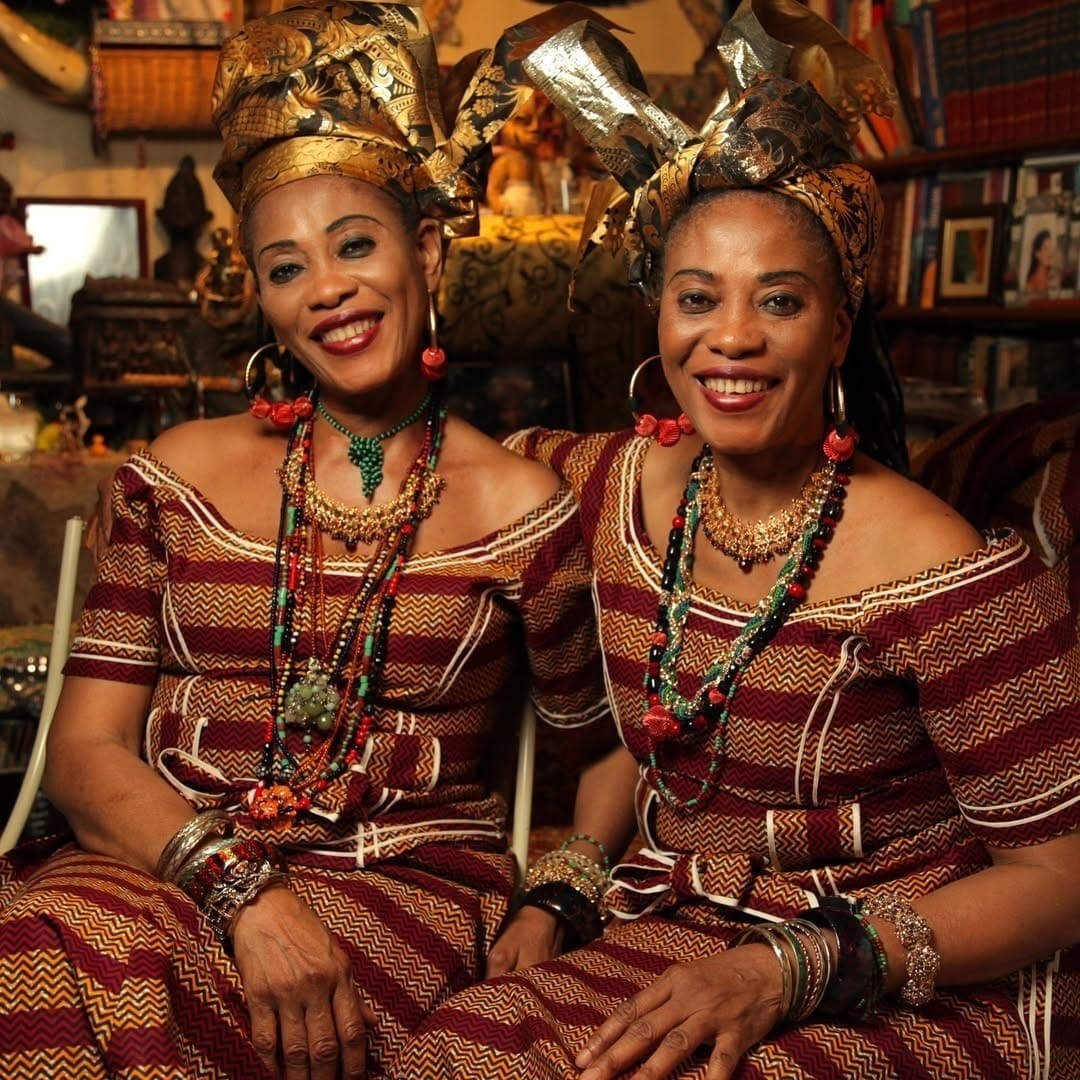
Kehinde and Taiwo Lijadu were pioneers. Born in 1948, these identical twins were Fela Kuti's cousins who blazed trails in a male-dominated industry. Between the 1960s and 1980s, they released six albums blending Afro-funk, psychedelic soul, and reggae, tackling inequality and women's rights.
They were fashion icons too, performing in striking identical outfits. Kehinde passed in 2019, but recent reissues have introduced new generations to these true legends.
Amadou & Mariam (Mali)
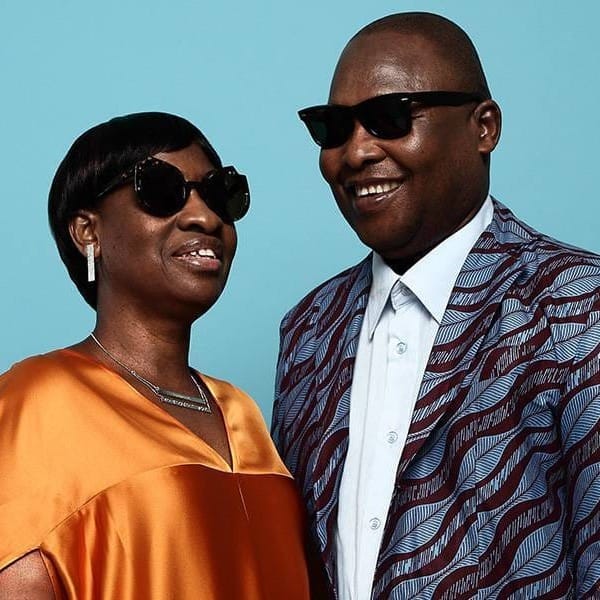
This blind Malian couple met at Mali's Institute for the Young Blind in 1975 and have made music together ever since. Their 2005 breakthrough Dimanche à Bamako featured Damon Albarn and brought their joyful guitar-driven sound to global audiences.
They sing in Bambara about love and daily life, but the emotion goes beyond just language. Amadou sadly passed on in April 2025, but his legacy lives on through Mariam. They're proof that great duos are about love, shared life, struggle, and joy.
Keneilwe Mothoa and Lubabalo Mxalisa (South Africa)
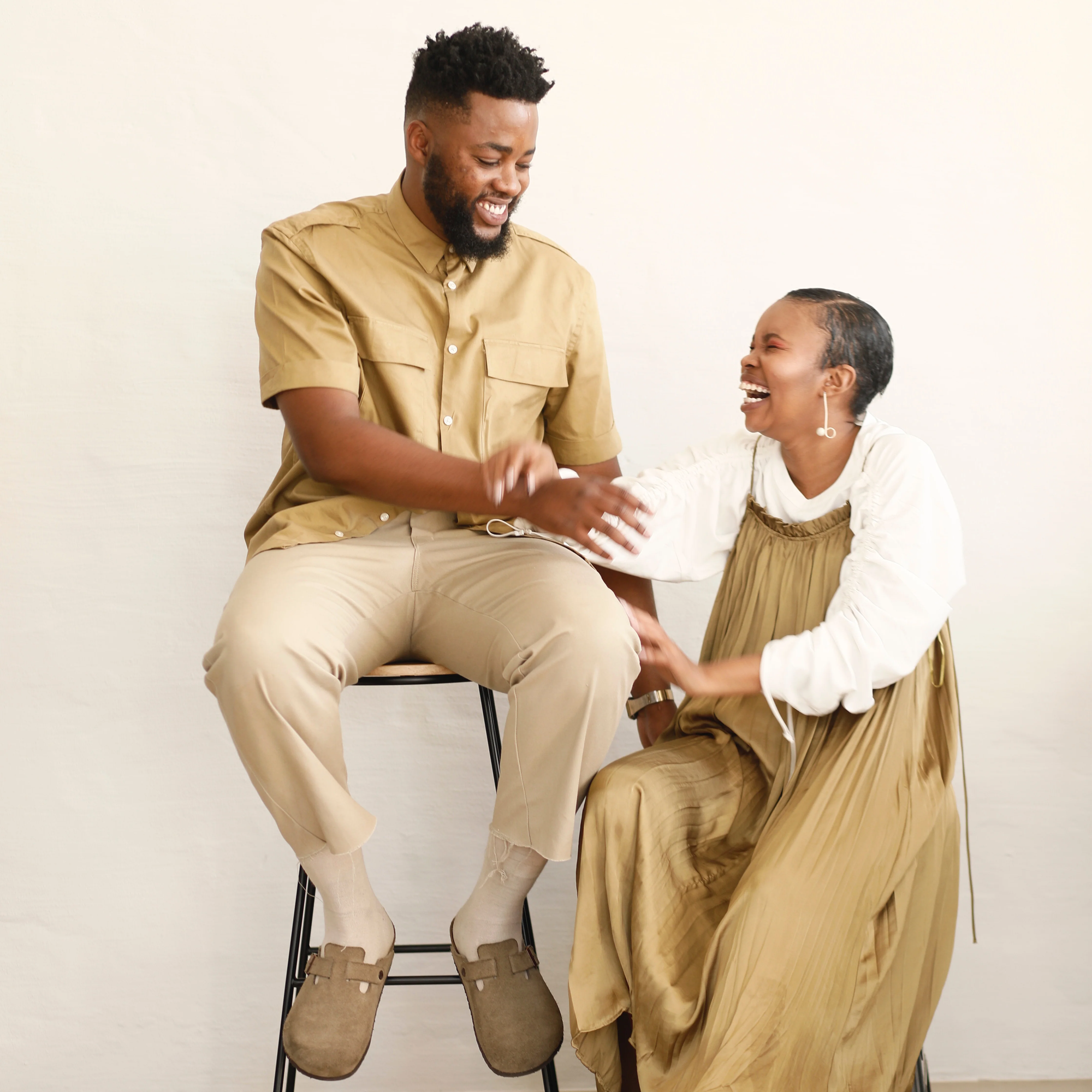
This Johannesburg duo work across fashion, photography, interiors, and art direction, blurring lines between disciplines. They do this through their brilliant design and lifestyle brand, Neimil, which they founded in 2018 to focus on telling "authentic African stories" through handcrafted products.
Mothoa brings styling and fashion, Mxalisa photography and spatial design. Together, they create visually striking work exploring identity, urbanity, and contemporary African aesthetics. They're part of a generation refusing to be boxed into categories, building multidisciplinary practices that reflect complex, contemporary life.
Togo YEYE (Togo)
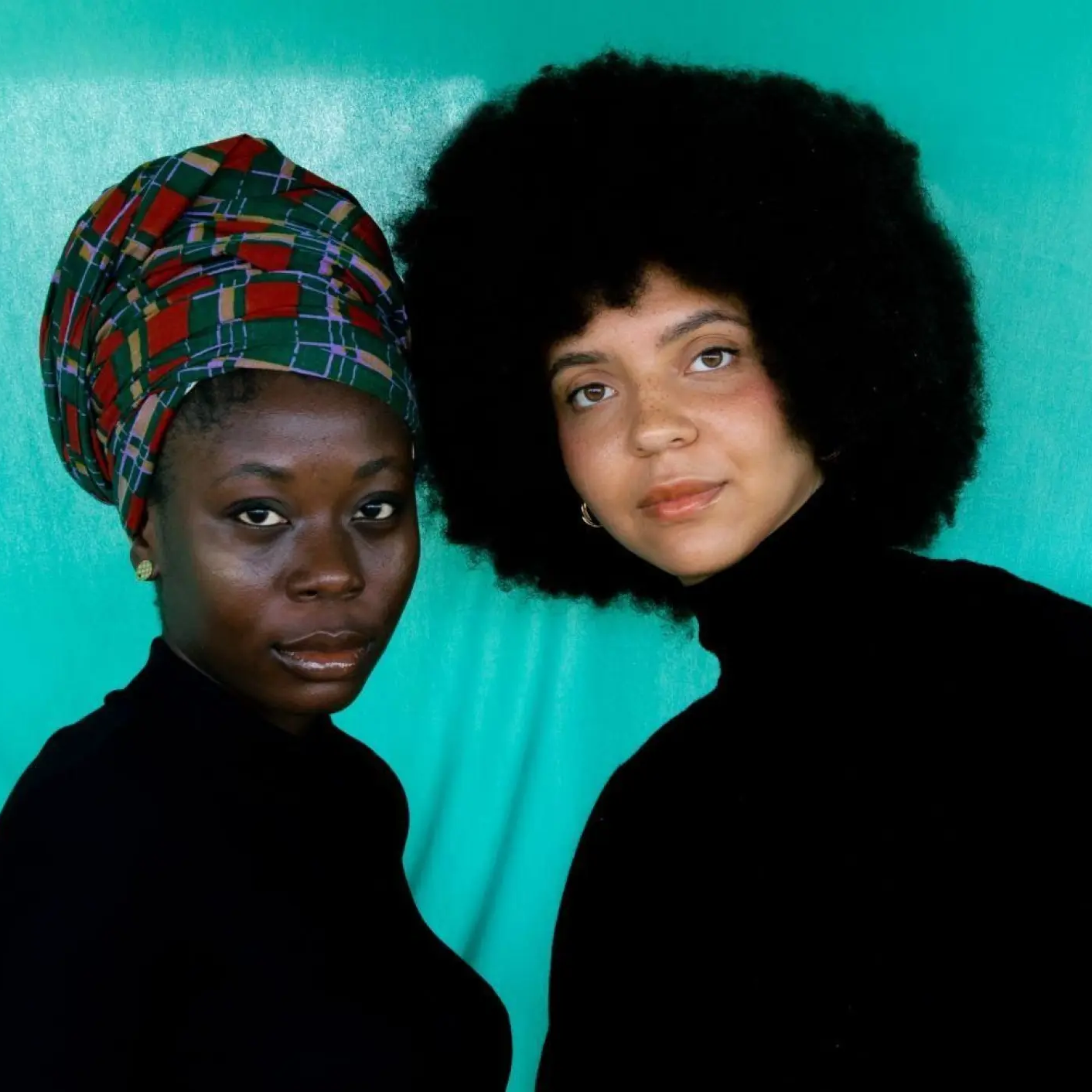
Lomé-based creative director Malaika Nabillatou and London-based photographer Delali Ayivi met in Togo, where they instantly bonded over a shared vision to highlight the country's creative scene. Through Togo YEYE, they celebrate Togolese fashion and culture. They create striking photo essays showcasing Togolese designers, models, and everyday style.
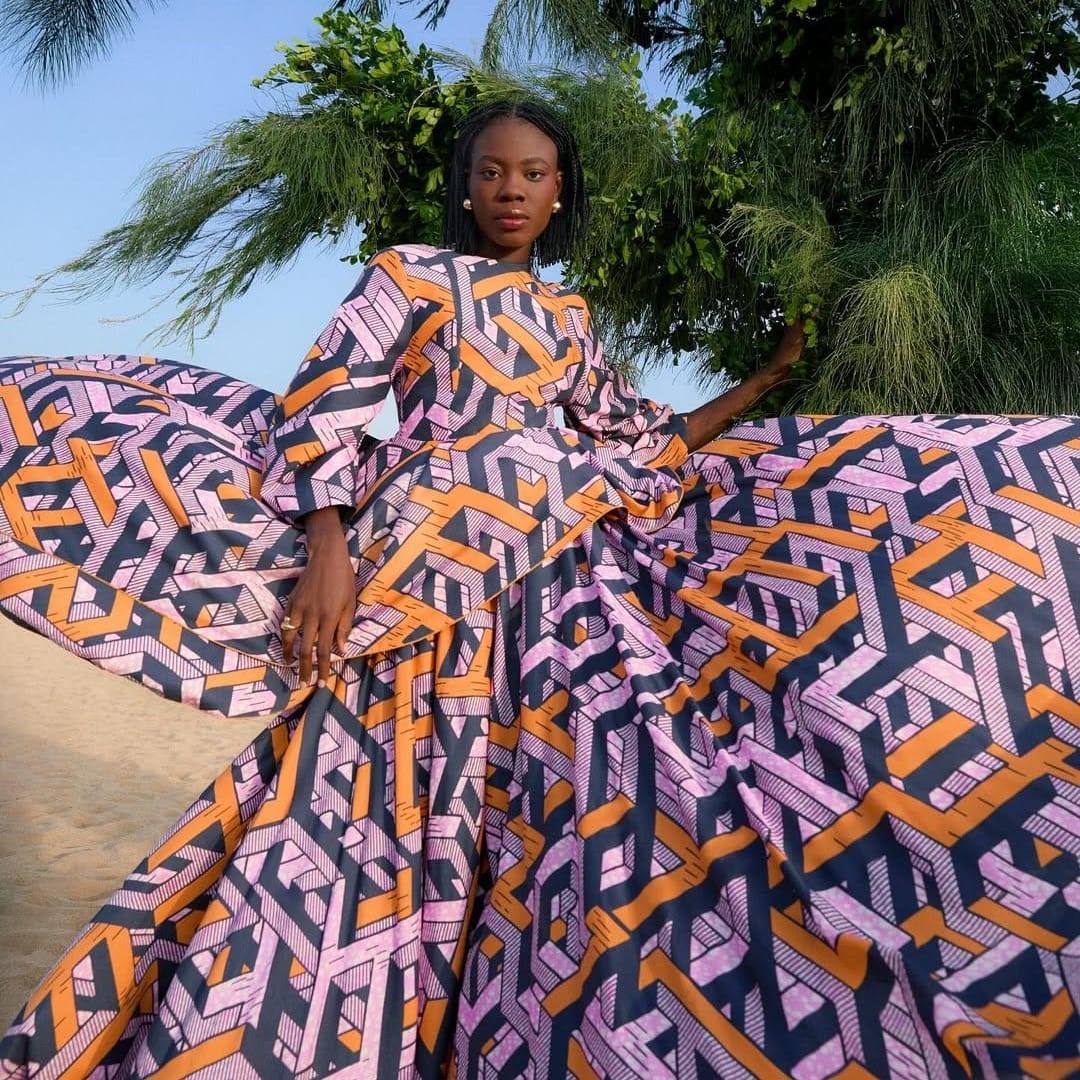
Nabillatou's deep Lomé connections plus Ayivi's international experience help build an archive proving that Togo has always been stylish; it just hasn't always had the platform. Their work has been featured in major publications and put Togolese fashion on the global map.
Studio Contra (Nigeria/Ghana)
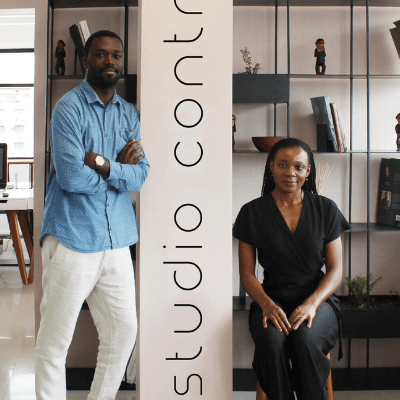
Olayinka Dosekun-Adjei and Jeffrey Adjei run Studio Contra, a multidisciplinary design studio working across branding, interiors, and product design between Nigeria and Ghana.
The husband-wife team met working in the UK and their shared vision to build world-class work deeply rooted in West African culture led to projects spanning startup branding to hotel interiors to reimagined everyday objects. What makes them special is attention to craft. They're interested in how design tells stories about place and culture without clichés.
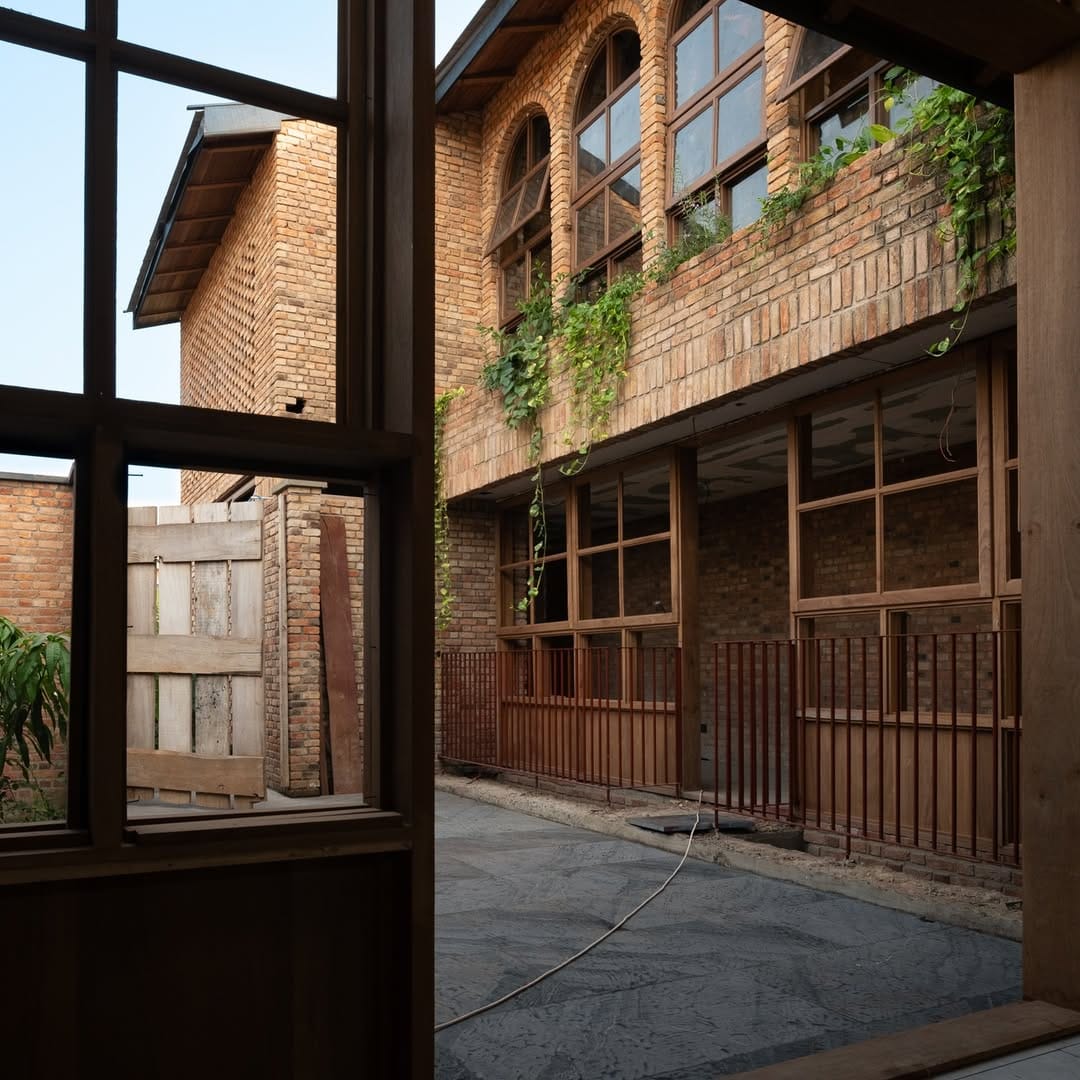
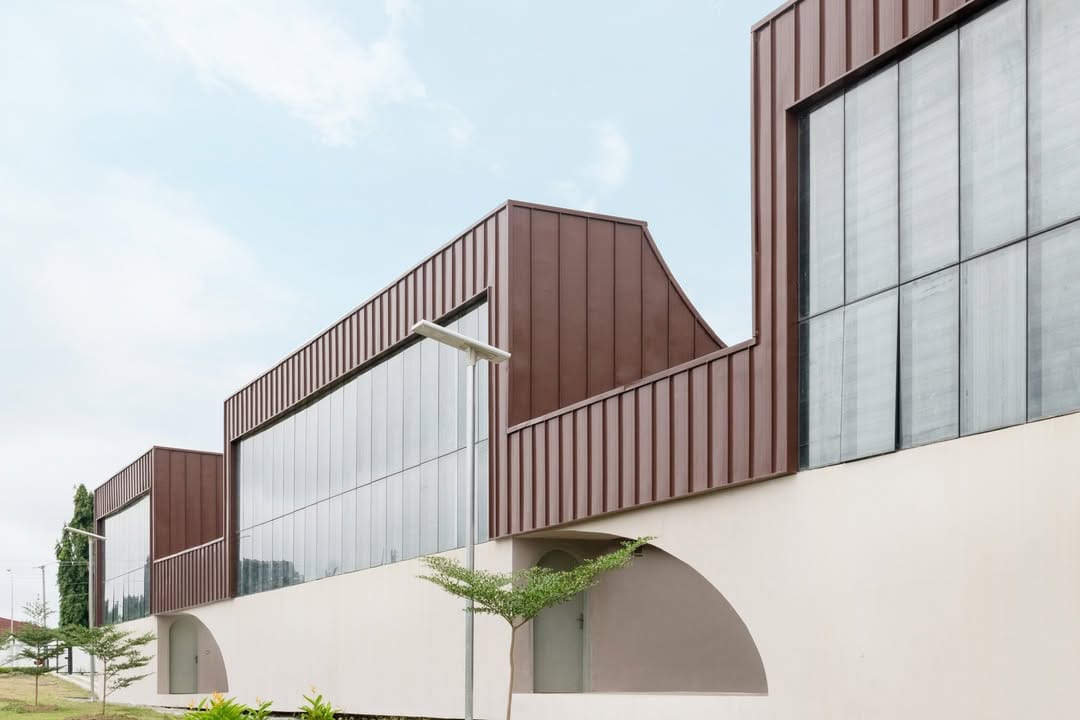
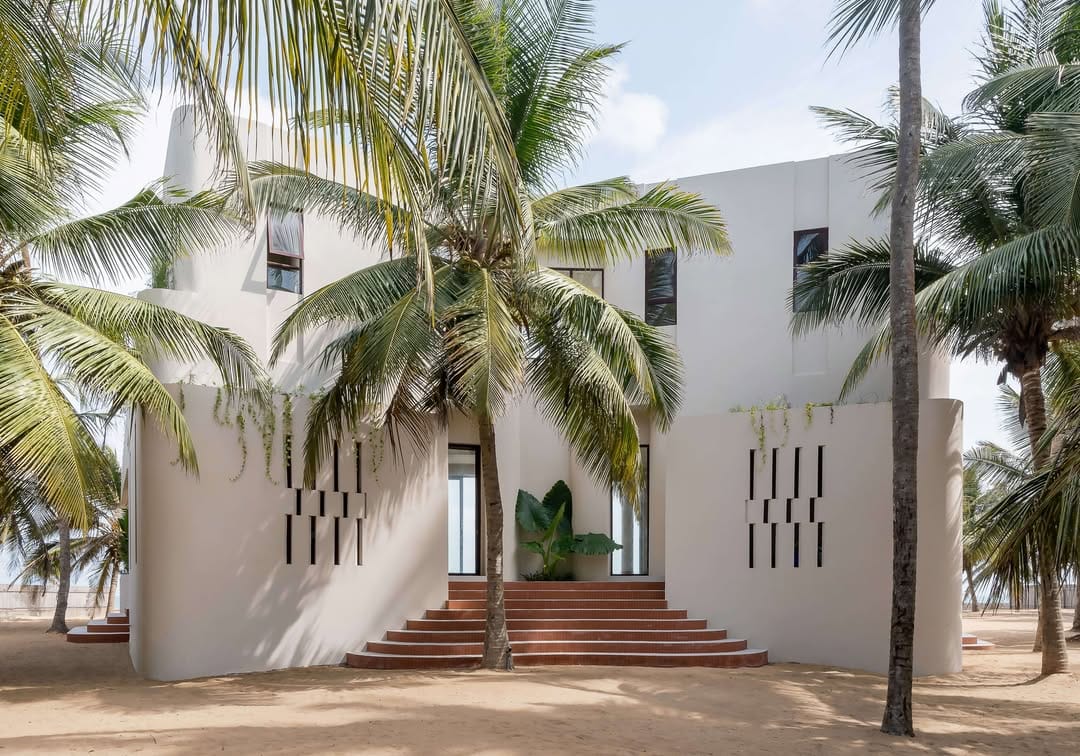
Images via Studio Contra
Limbo Accra (Ghana)
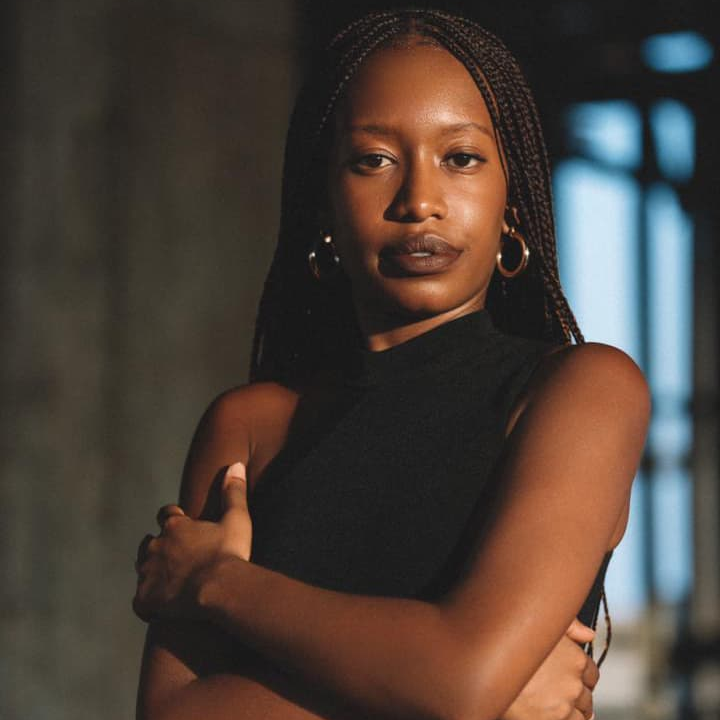
Haitian-Ghanian/Swedish duo Dominique Petit-Frère and Emil Grip are turning Accra's forgotten spaces into cultural destinations. Through Limbo Accra, they’re creating immersive environments for art, fashion, and culture.
They met in Accra, drawn to the city's raw, unfinished aesthetic. Their most notable project, Limbo Musuem, transformed an abandoned building into a contemporary art space, respecting its existing character while making it functional and beautiful.
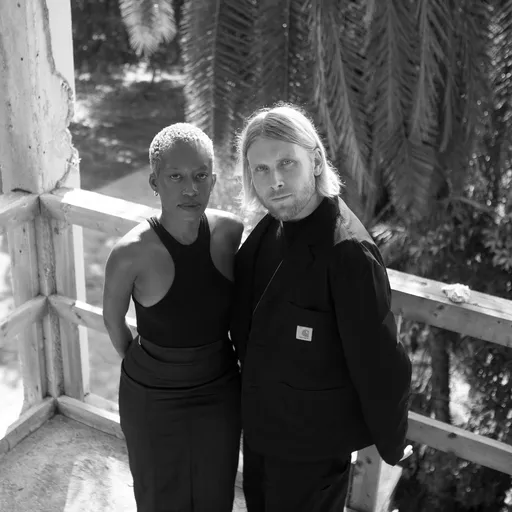
Petit-Frère brings Caribbean perspective and cultural programming experience, Grip brings Scandinavian design training. Together, they're showing the beauty and genius of spatial design in Africa.
Salu Iwadi Studio (Nigeria/Senegal)
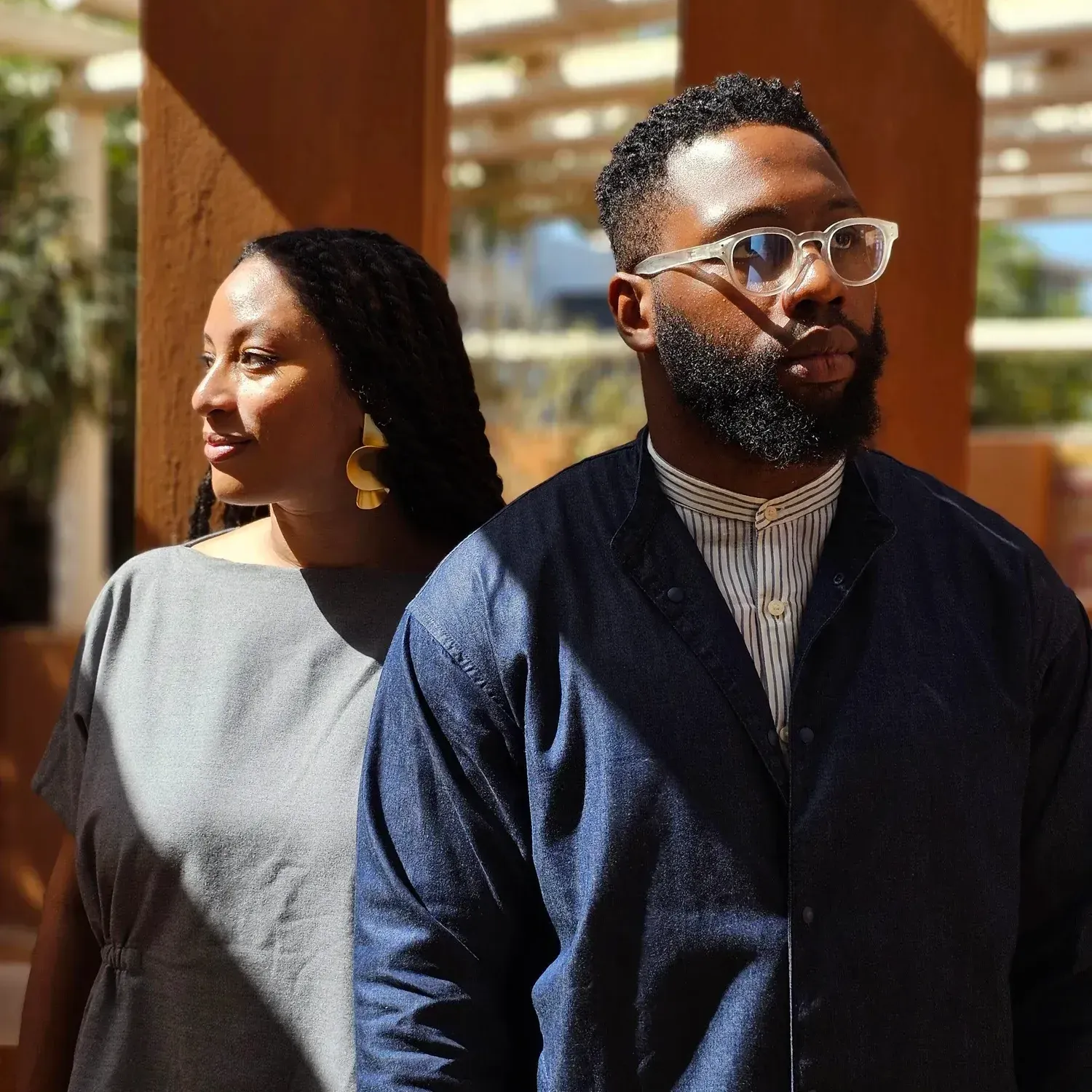
Toluwalase Rufai and Sandia Nassila bridge Lagos and Dakar through design. Salu Iwadi creates furniture and objects that speak to diaspora aesthetics while rooted in West African craft.
Their furniture is both sculptural and functional, and they play with form in ways that reference traditional African objects without copying them. They also work closely with local artisans, treating collaboration as genuine partnership.
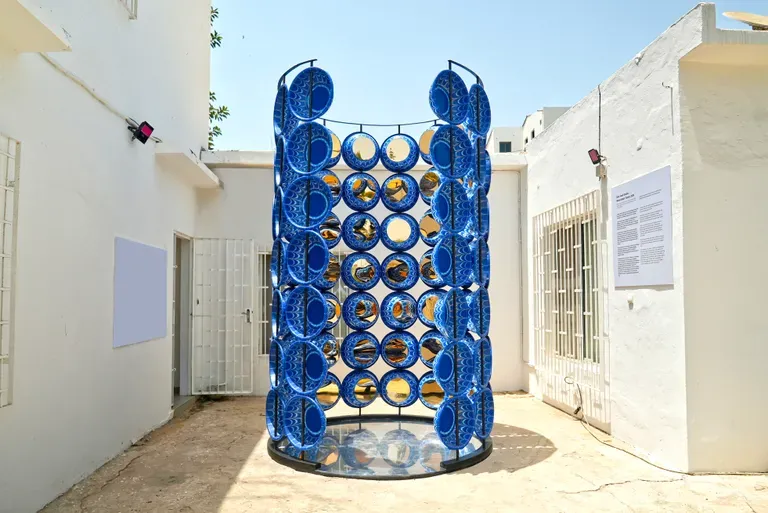
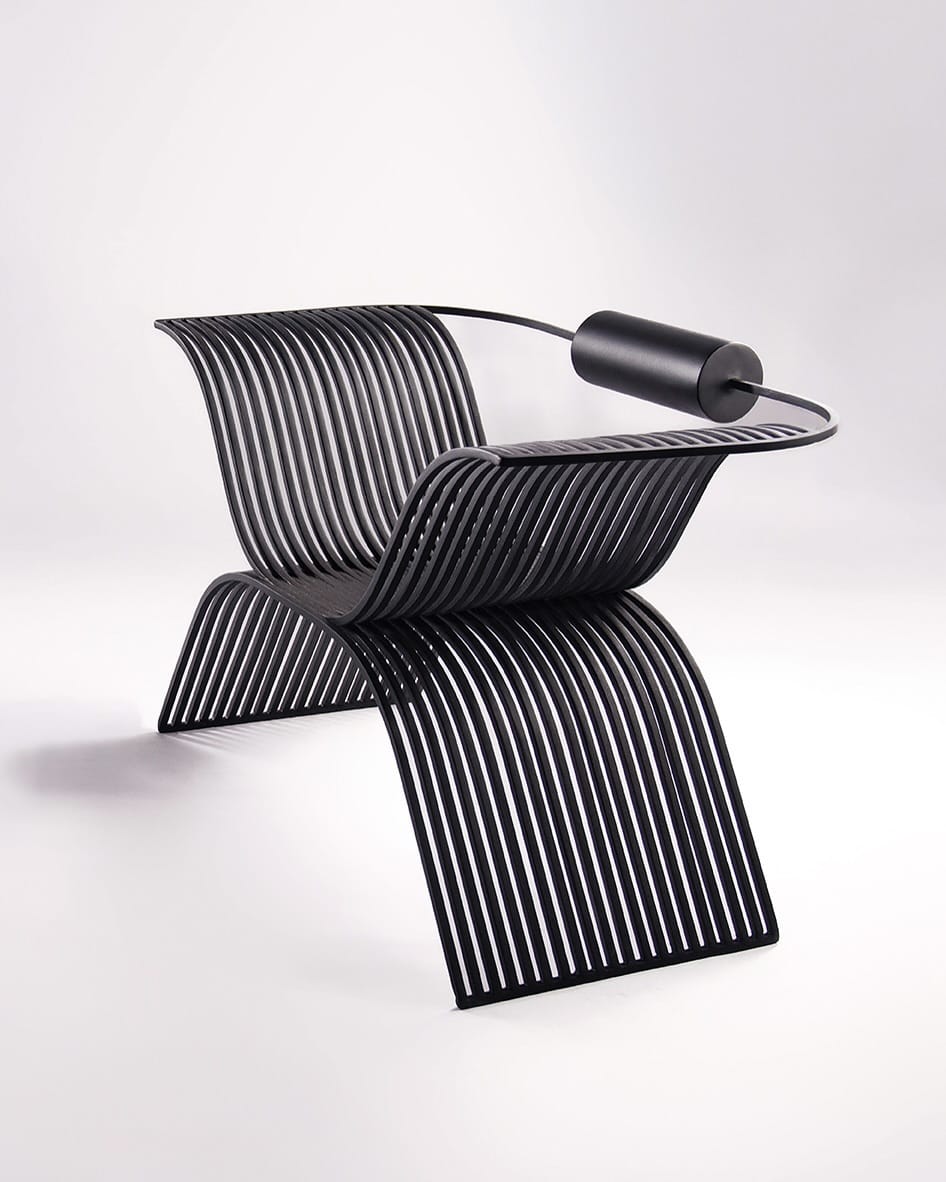
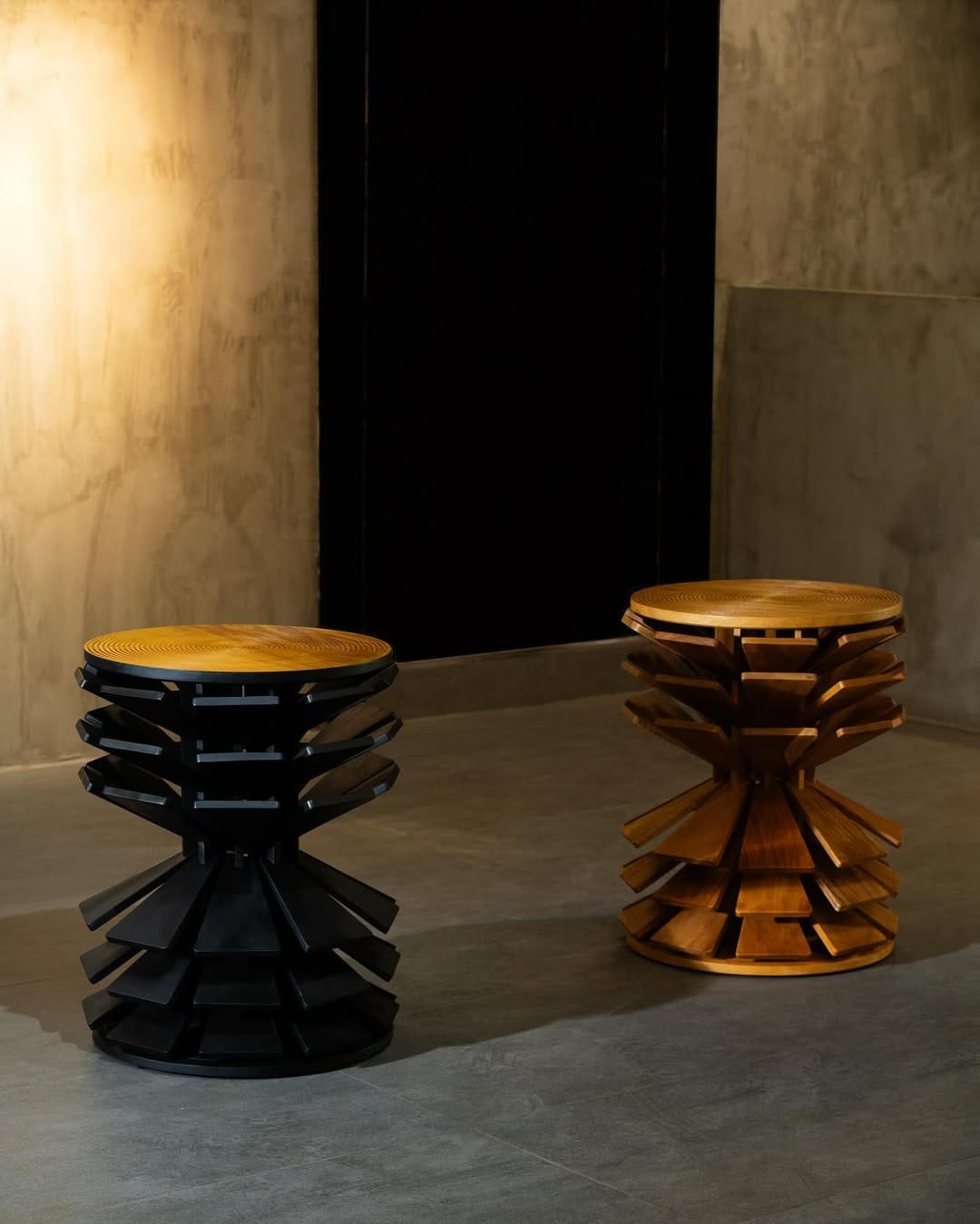
Image via Salu Iwadi Studio
Their model isn’t based in one city, but moving between them, and not focused on just one market but engaging multiple audiences, proving that African design can be both locally rooted and globally relevant.
National Storytelling Week: Our Favourite African Oral Myths
Honourable Mentions
Show Dem Camp (Nigeria)
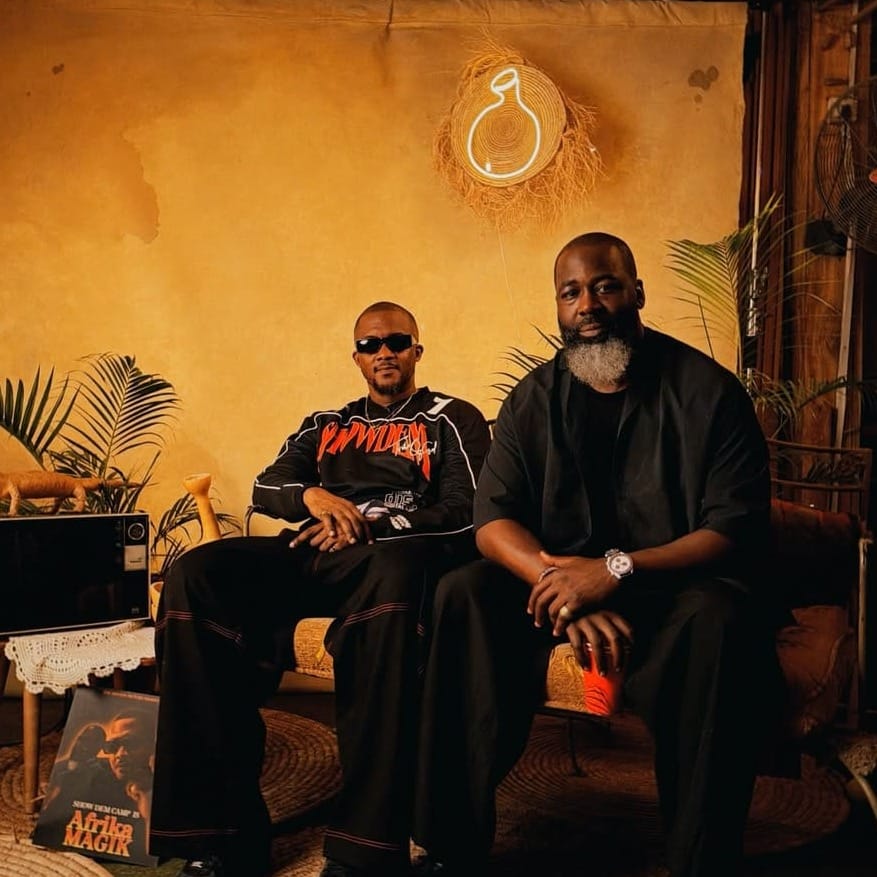
Tec and Ghost, the duo behind Show Dem Camp, have been pillars of Nigeria's alternative music scene since 2009. While Afrobeats dominated globally, they carved out space for hip-hop and rap, creating a devoted following through their authentic storytelling and jazz-influenced production. Their annual Palmwine Music Fest has become a cultural landmark in Lagos, and their Clone Wars album series showcased Nigeria's underground talent.
The Ebinum Brothers (Nigeria)
Victory and Marvel Ebinum, known as the Ebinum Brothers, are a Nigerian artist duo from Lagos, now based in London. They specialize in expressive movement art, blending dance, choreography, and music to explore themes like belonging, identity, love, racism, and mental health.
They've worked with major artists such as Kendrick Lamar and Alicia Keys, plus fashion campaigns and editorials. Beyond dance, they create music, e.g., 2024’s “A Better World”, and “Would You" which they released in 2025) and short films as well.
Conclusion
These partners trust each other to take risks, experiment, fail and try again. They've learned that two aligned creative minds can often achieve what individuals can’t. More than that, they're showing young creatives across Africa that you don't have to do it alone, and maybe you shouldn't. The best work can come from two perspectives becoming one. Together.



Member discussion