


Nine editions in, HOMECOMING™ has stopped needing to explain itself. What began as a festival has become something harder to categorise; part platform, part proof of concept, part ongoing argument about who gets to shape global culture and from where. This Easter weekend in Lagos, April 2nd through 6th, that argument was made again, louder and with more precision than ever before.
The 2026 edition didn't arrive with a single centrepiece. It arrived as a full week of accumulated intention: a monumental shoe launch, art tours, panel rooms, a skate jam, nights of music, workshops and more, each piece connected not necessarily by a theme but by a sensibility. That sensibility is HOMECOMING's: that creativity rooted in Lagos, built in community, and owned by the people making it is not a regional story. It's a global one.
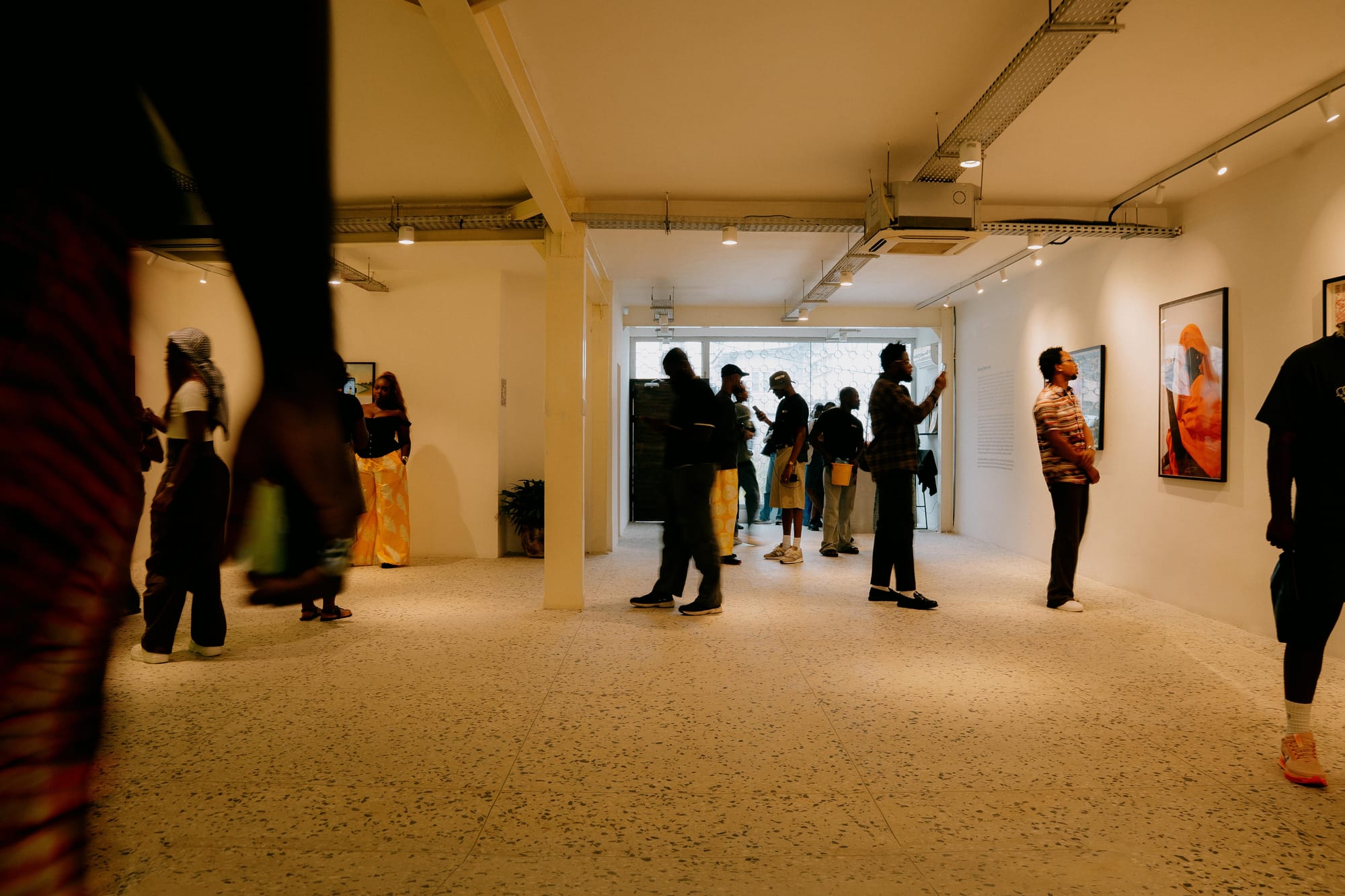
Thursday morning opened with the Lagos Art Tours, moving through Sachs Gallery, Dada Gallery, Nuru Gallery and beyond, spaces that make plain what the broader creative ecosystem here has become. These are not galleries positioning themselves in relation to somewhere else. The work on the walls holds its own authority: paintings and pieces that demand to be seen at scale, in person, in the light they were made for. For anyone who has followed Lagos's visual art scene from a distance, being inside these rooms closes that gap in a way that no amount of documentation quite manages.
The conversation in the panel rooms on Friday matched that confidence. The HOMECOMING™ Summit ran across the day with masterclasses and panels featuring Bola PSD, Sharmadean Reid, Denola Grey and others, supported by institutional partners including L'Oréal, the Virgil Abloh Foundation, A Third Space and more. The open-access model is worth noting; creative education in Lagos shouldn't require a gate, and HOMECOMING has been consistent about that since the Summit became a core part of the festival.
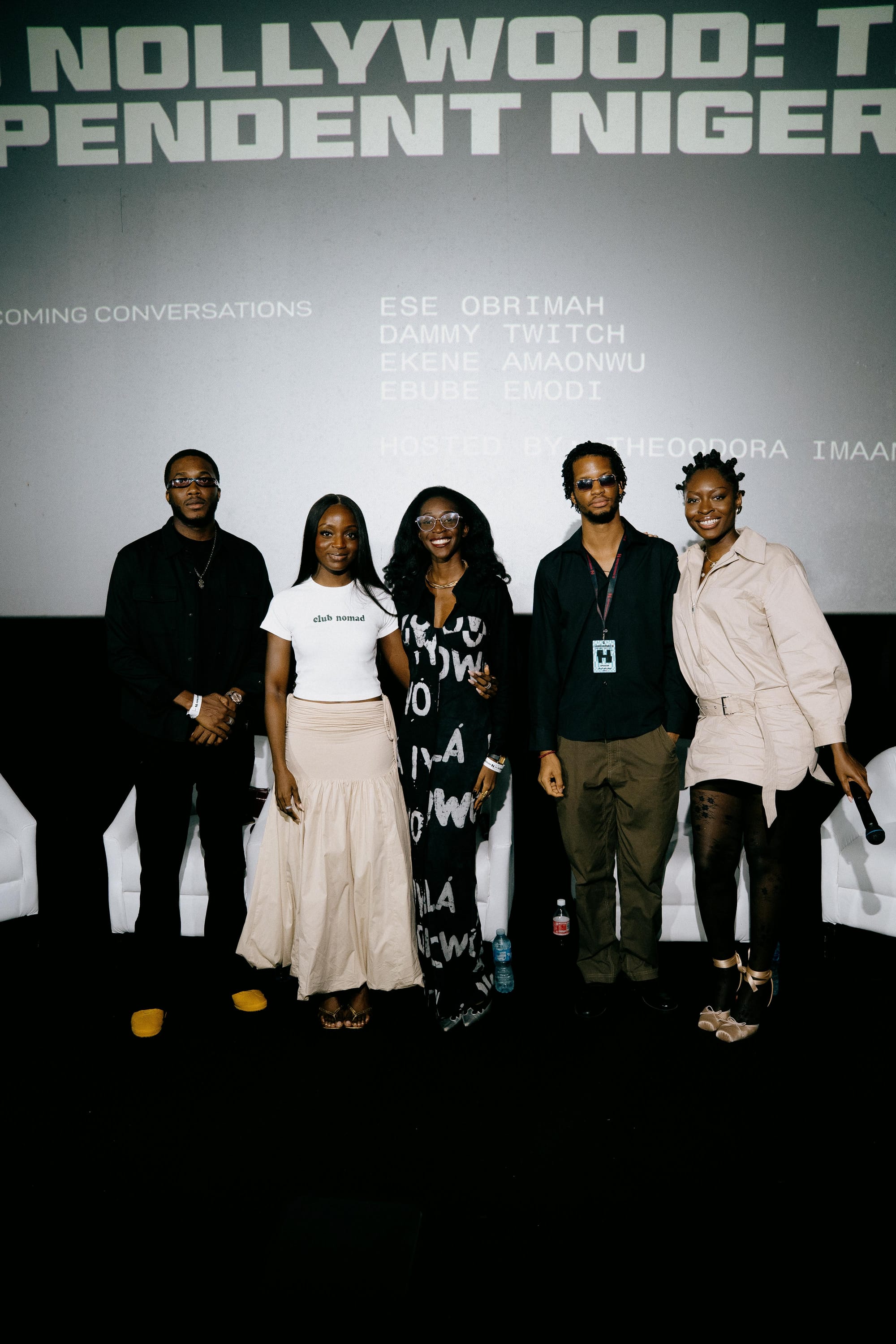
One standout was the Beyond Nollywood session — moderated by Theodora Imaan Beauvais of Yungnollywood and bringing together Dammy Twitch, Ekene Amaonmu, Ebube Modi of Nomad Cinema and filmmaker Ese Obrimah of Fatherland Productions — to examine what independent Nigerian cinema actually means: who controls access to funding, what distribution looks like outside the studio system, and where the line falls between independent work and everything else. What distinguished the conversation was its structural clarity. These are practitioners thinking seriously about how to build infrastructure, not just content, and the room felt it.
That same rigour carried into the fashion programming. From Odio Oseni to Tia Adeola and Tolu Oye, founder of Meji Meji, the conversation centred on the business of women's wear through the lens of community. Meji Meji's recent Family Album campaign captures this well, functioning as an archive as much as a collection, with garments as carriers of memory and imagery as documentation of real relationships rather than performances of them. The business case and the cultural case are presented as the same case.
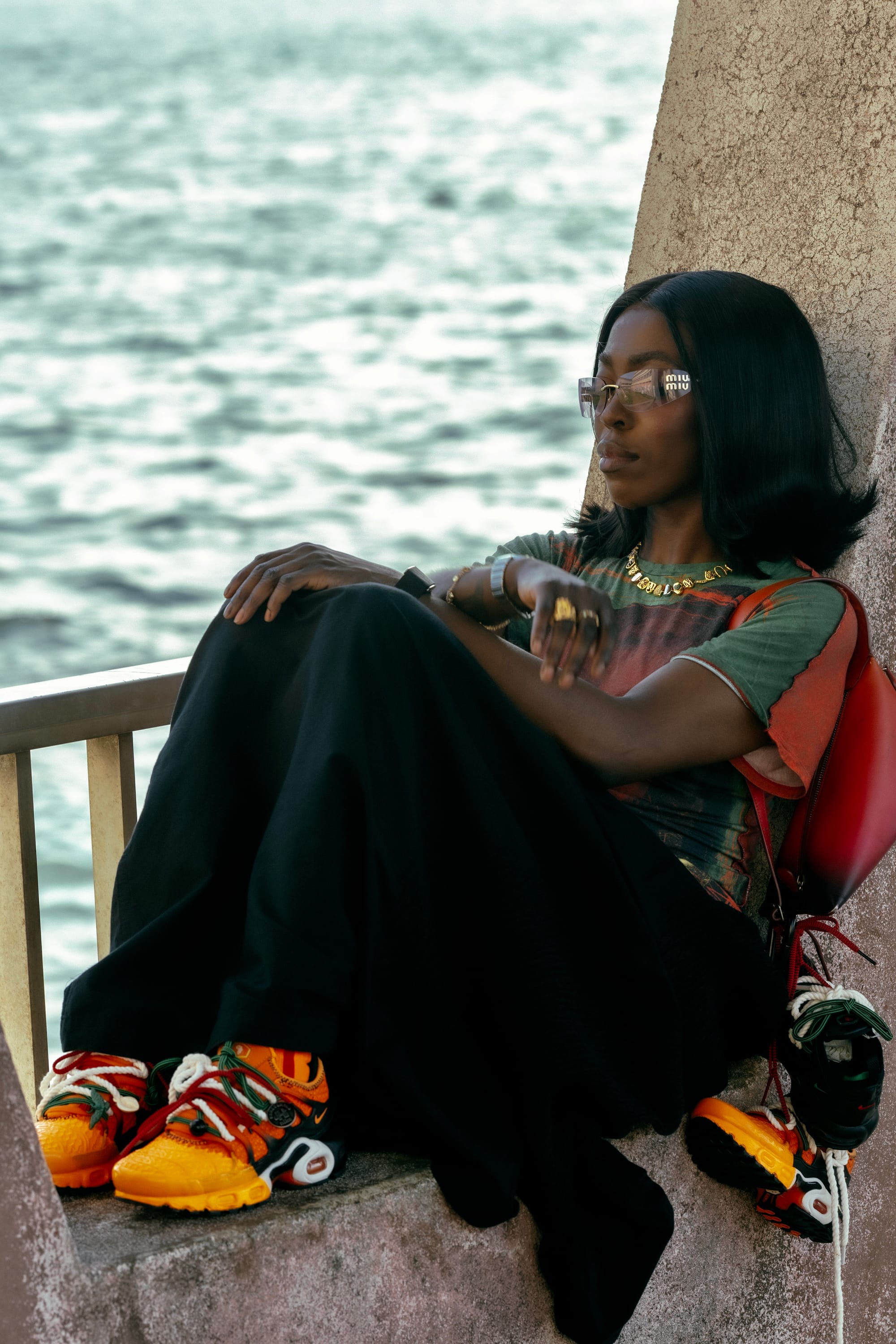
The headline of the edition, though, was the HOMECOMING™ x Nike Air Max Plus, designed by HOMECOMING founder Grace Ladoja MBE, making history as the first African woman to design a signature Nike shoe. The launch on Friday, April 3rd, marked a decade-long relationship between Ladoja and Nike, but the shoe itself goes further back than that. The detail work is deliberate in a way that matters: the Nigerian map rendered in green and gold, cowrie shell charms drawn from West African spiritual and material culture, two colourways — Pan-African and African Sunrise — that carry the weight of their names. The campaign title, No Place Like HOMECOMING, points to something larger than a product. It names the community of artists and creatives that the platform has spent nine years building, the people for whom those symbols are not aesthetic choices but a shared language.
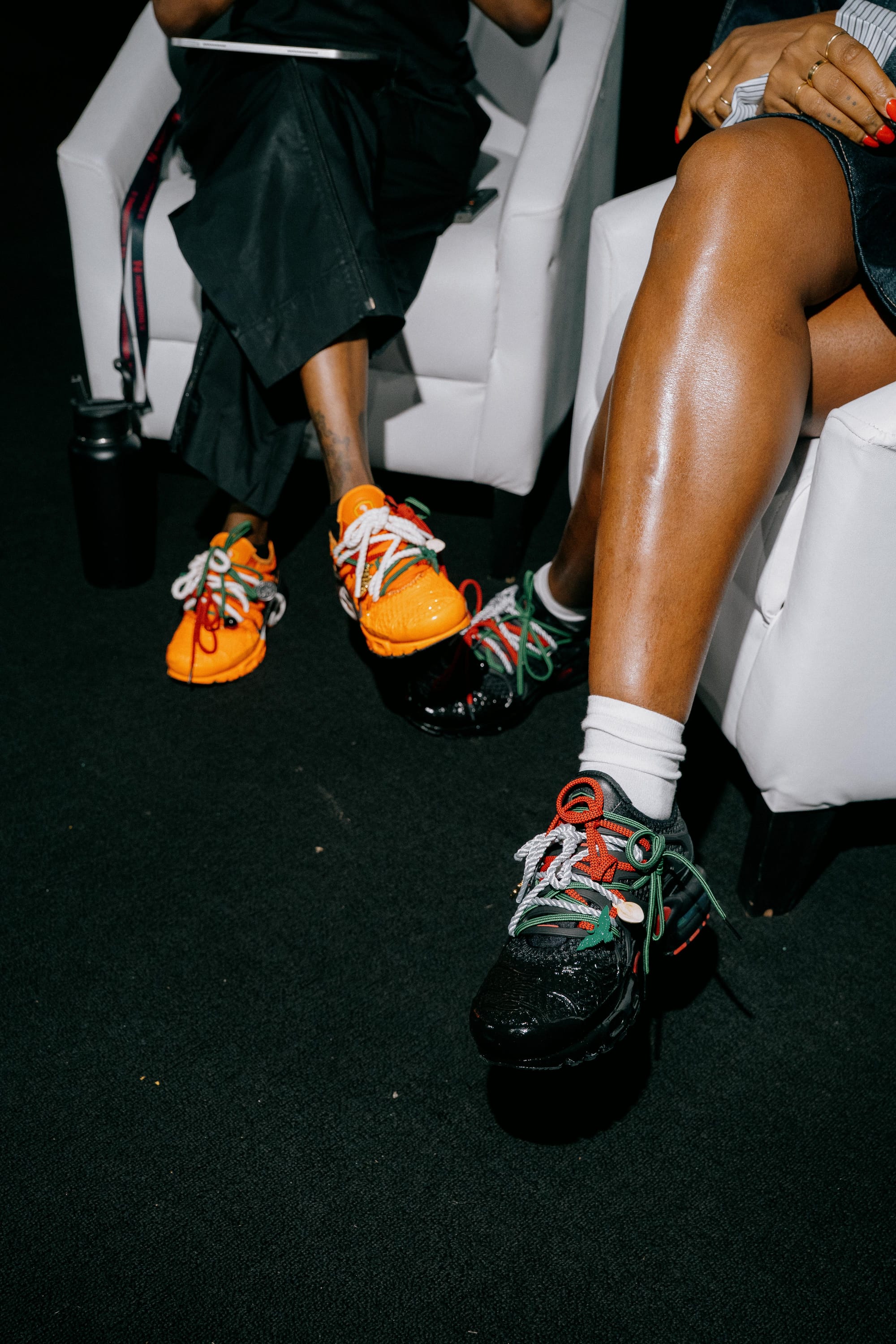
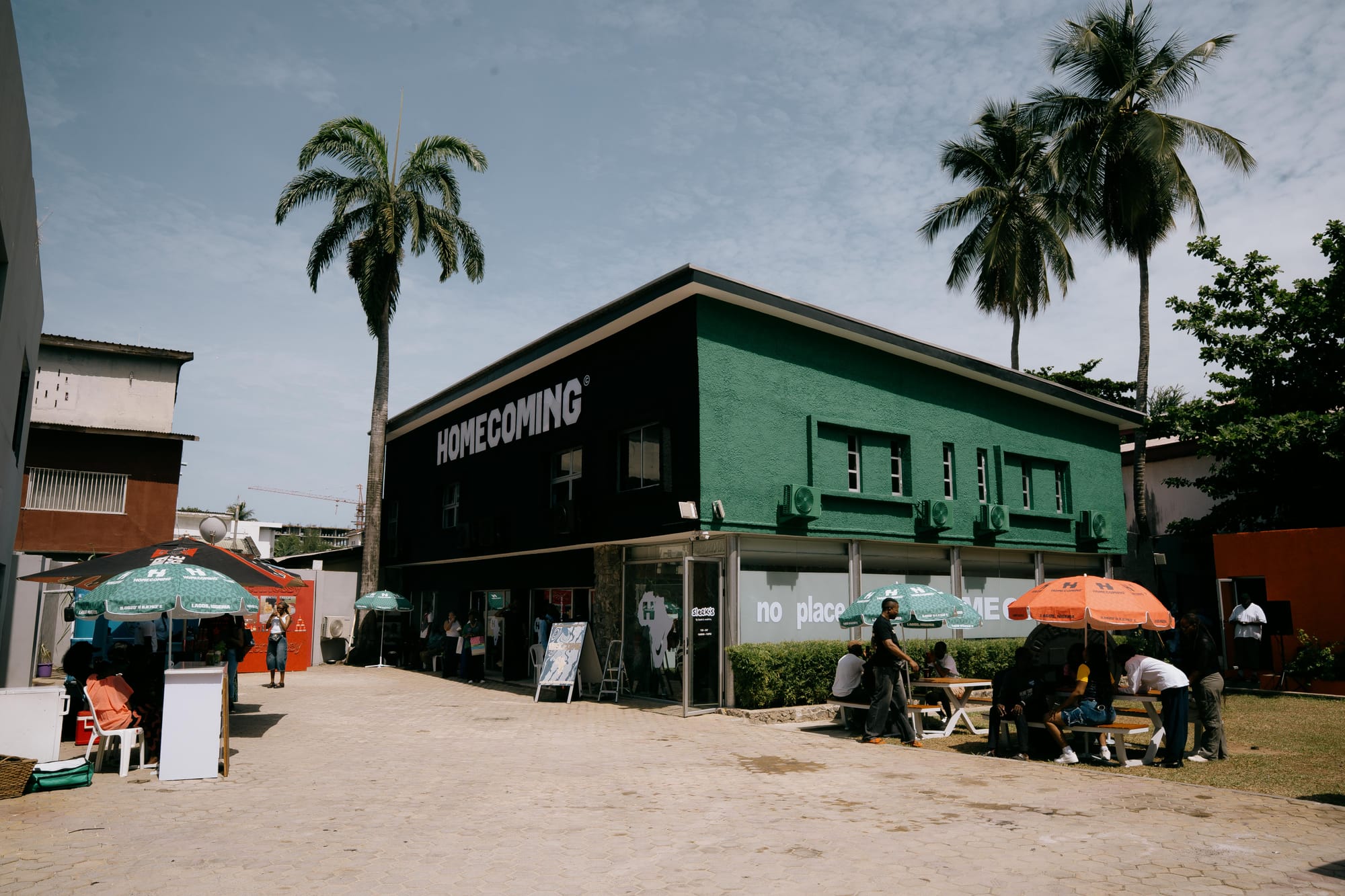
There is a record being made here of who was in the room and what they built together, and the shoe is part of it. This shoe launch happened at the HOMECOMING™ Concept Space, which launched year-round operations in 2025, and was also fully activated across the weekend, hosting public shopping experiences and private previews of capsule collections from Stüssy, Nocta, Ambush, Mowalola, Off-White and Dye Lab, among others. The permanent space matters as infrastructure: it means HOMECOMING is no longer a festival that disappears between editions. It has an address.
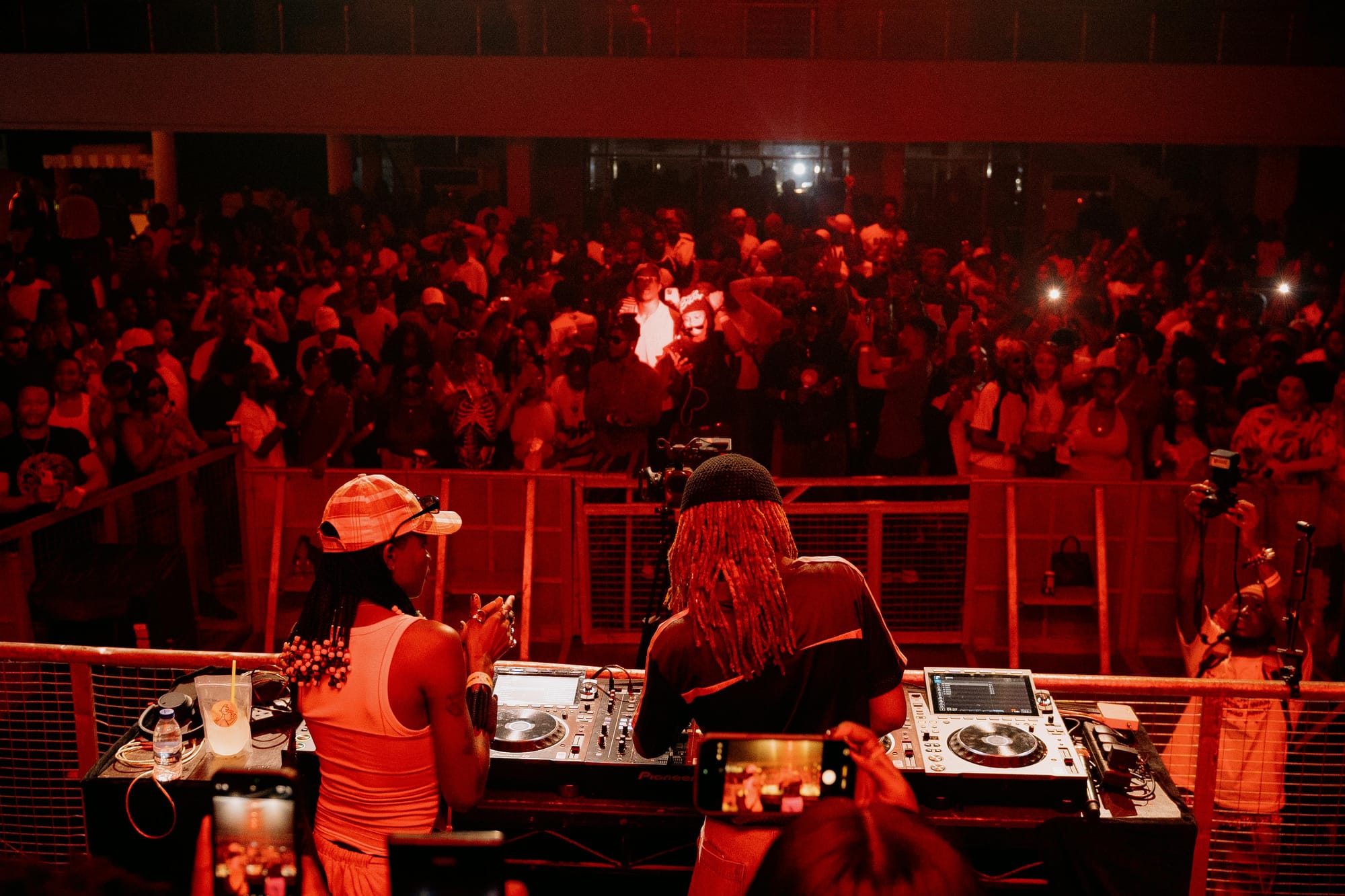
That same Friday culminated in the Hi-Fi Electronic Music Night, built around the evolution of alternative club culture in Africa, running through sets from Earthsurfing, Thakzin, Aniko, Weareallchemicals, Lelowhatsgood, Dare Balogun, Partyboy and Yanfssss. The room was electrifying. Saturday's E Je Ka Jo celebration at the New Afrikan Shrine brought Lady Donli and the Lagos Panic, Shina Peters and Club Alujo, before the Playlist Show on Sunday closed out the music weekend with sets from The Mavo, Sirraheem, Fimi, Danpapa GTA, Zaylevelten, Zlatan and more. The lineup read as a snapshot of an industry in motion: new names, new sounds, new stakeholders. The shift is real, and the Playlist Show, which has hosted first live performances from Rema, Asake and Tems, has always been where you feel it earliest.
What the 2026 edition made visible, across all of it, is the coherence of the project. The shoe, the gallery tour, the football tournament and the skate park are not separate activations. They are the same argument made in different registers, that ownership and craft and community, taken seriously and built over time, produce something that doesn't need to look elsewhere for validation. Nine editions in, HOMECOMING has built the thing it always said it was building. The work now is to keep going.
Images via @ourhomecoming



Member discussion