


Introduction
At midnight on December 31, the world seems to pause for just a second. Fireworks explode, music gets louder, messages flood our phones, and somewhere between the last count of the old year and the first breath of the new one, hope feels very close. Across Africa, the New Year arrives with prayer, fireworks, music, food, and bold fashion. Streets come alive, families gather, and traditions passed down through generations shape how the year is welcomed.
From candle-lit church nights in Ghana to fireworks over the Nile in Egypt, ancestral rituals in southern Africa to street carnivals in coastal cities, Africans welcome the New Year in many different ways. Each celebration carries meaning; gratitude for survival, prayers for prosperity, honour for ancestors, and faith in what is yet to come.
Here’s how different parts of the continent mark the beginning of another year.
South Africa
In South Africa, New Year celebrations stretch across two days. January 1st brings typical festivities like fireworks displays, street parties, and gatherings at iconic locations like Table Mountain in Cape Town, and the Kirstenbosch botanical gardens.
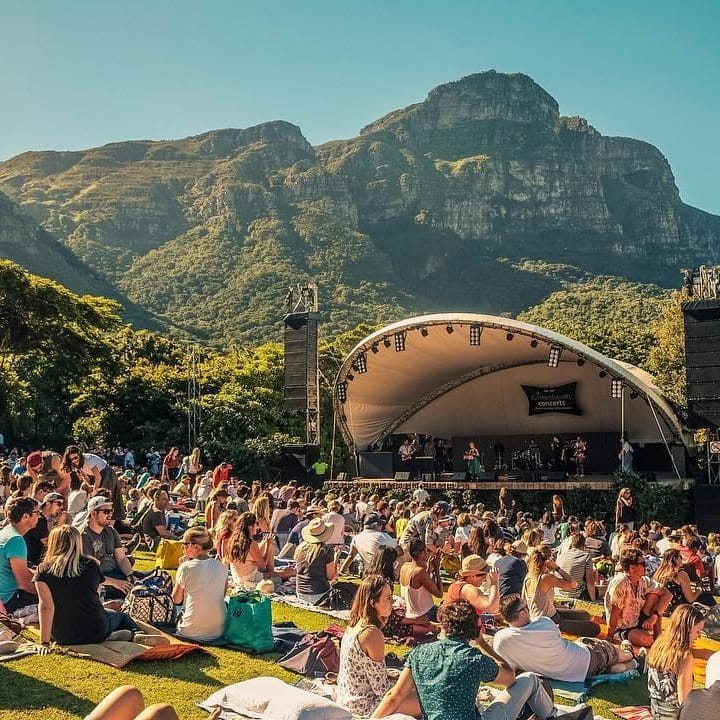
But it’s the second day that carries deeper historical significance. Tweede Nuwe Jaar, which translates to "Second New Year," has its roots in the painful history of slavery. Hundreds of years ago, enslaved people in the Cape were granted only one day off per year; January 2nd. While their enslavers rested from New Year's Day celebrations, the enslaved used this single day to visit friends and family, dress in festive attire, and celebrate their own new beginning.
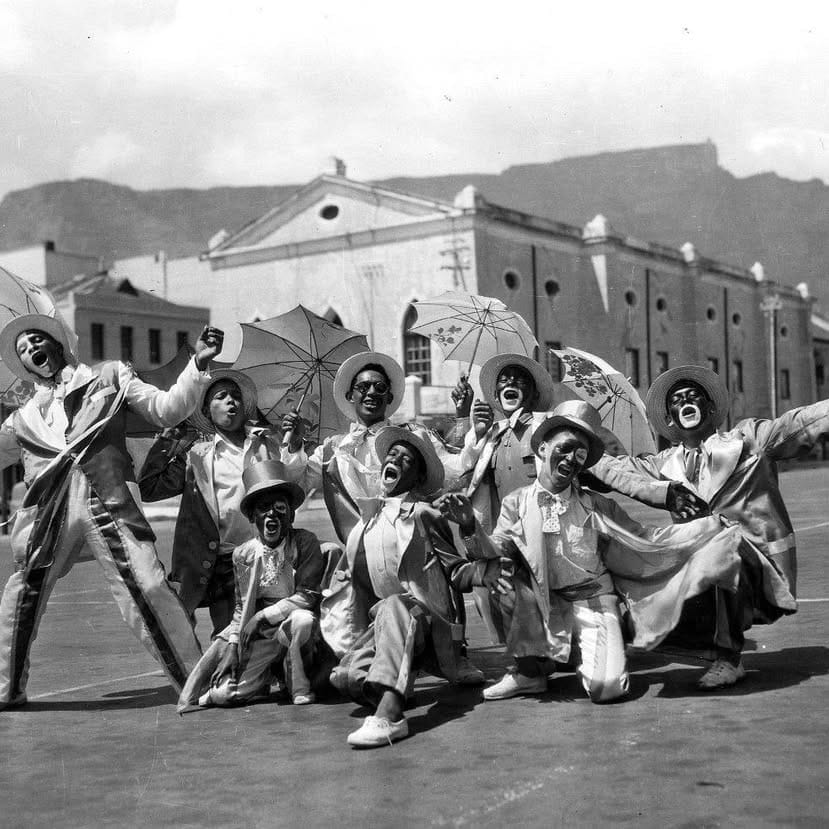
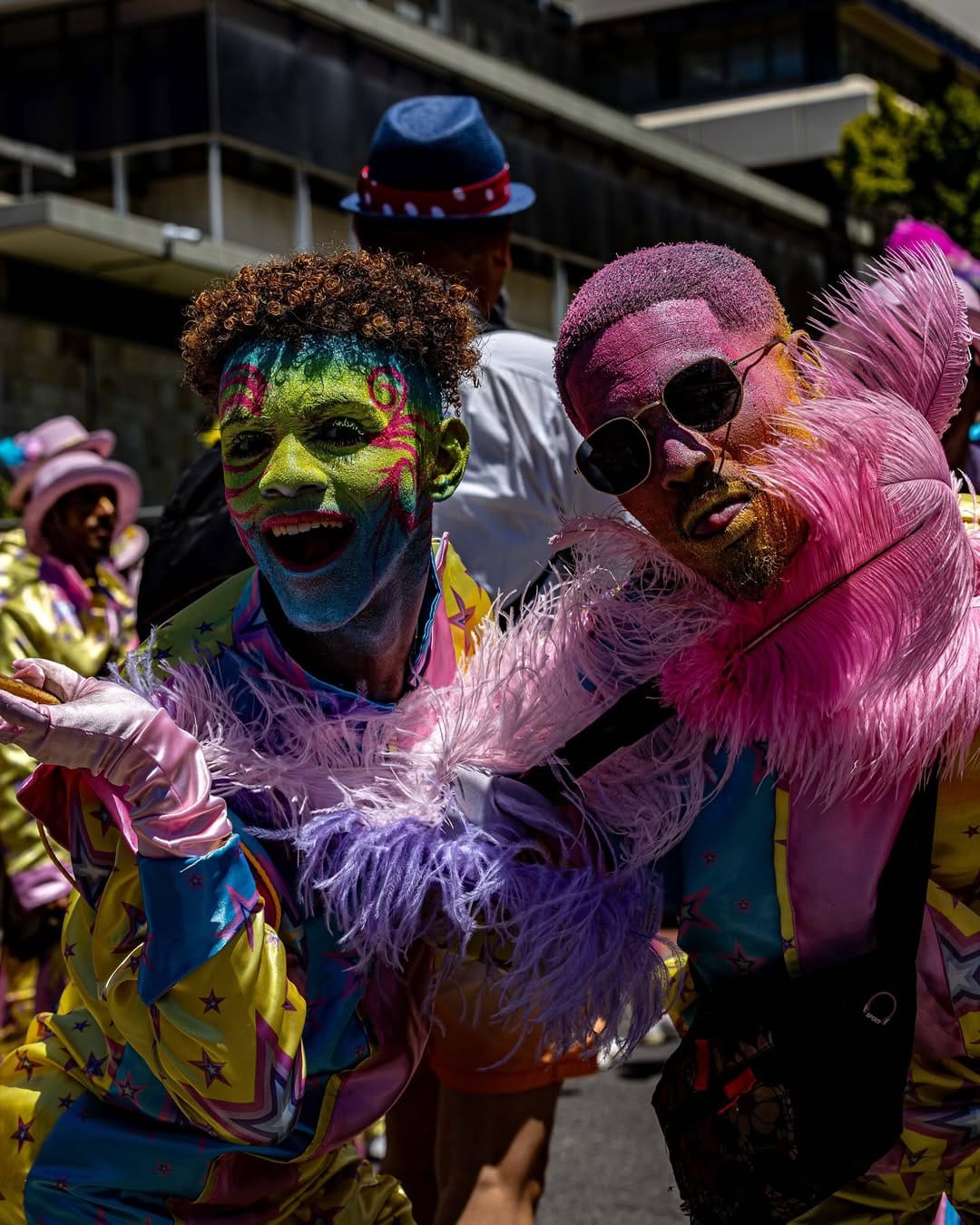
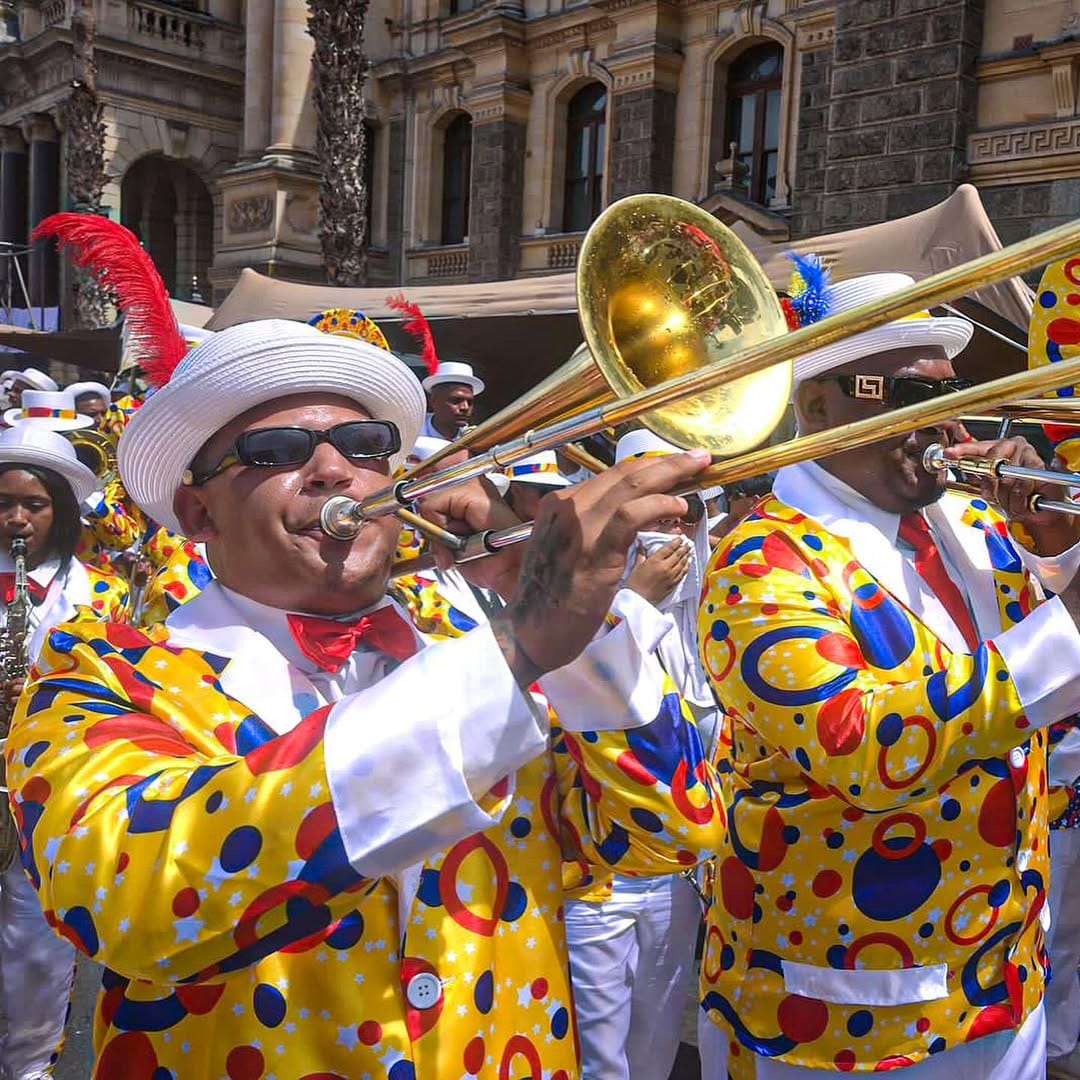
Today, Tweede Nuwe Jaar has transformed into the Cape Town Minstrel Carnival, also known as Kaapse Klopse. The streets explode with colour as thousands of performers parade through the city in elaborate costumes, accompanied by marching bands playing traditional songs.
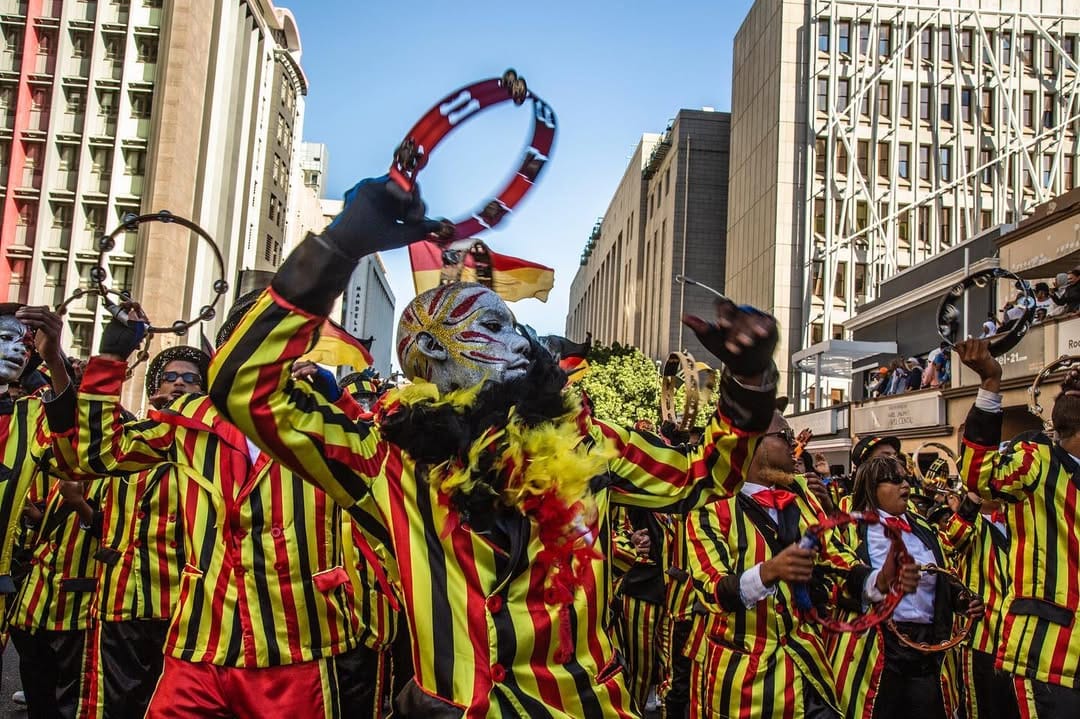
Beyond Cape Town, South Africans mark New Year's Day with charity events that embody the spirit of ubuntu; the interconnectedness of all people. Communities also give food, clothing, and gifts to those in need.
Ethiopia and Eritrea
In Ethiopia and Eritrea, the new year follows a completely different calendar. Known as Enkutatash, which means "gift of jewels," the Ethiopian New Year falls on September 11th (or September 12th in a leap year). This celebration is based on the ancient Ethiopian calendar, which has 13 months and is about seven years behind the Gregorian calendar.
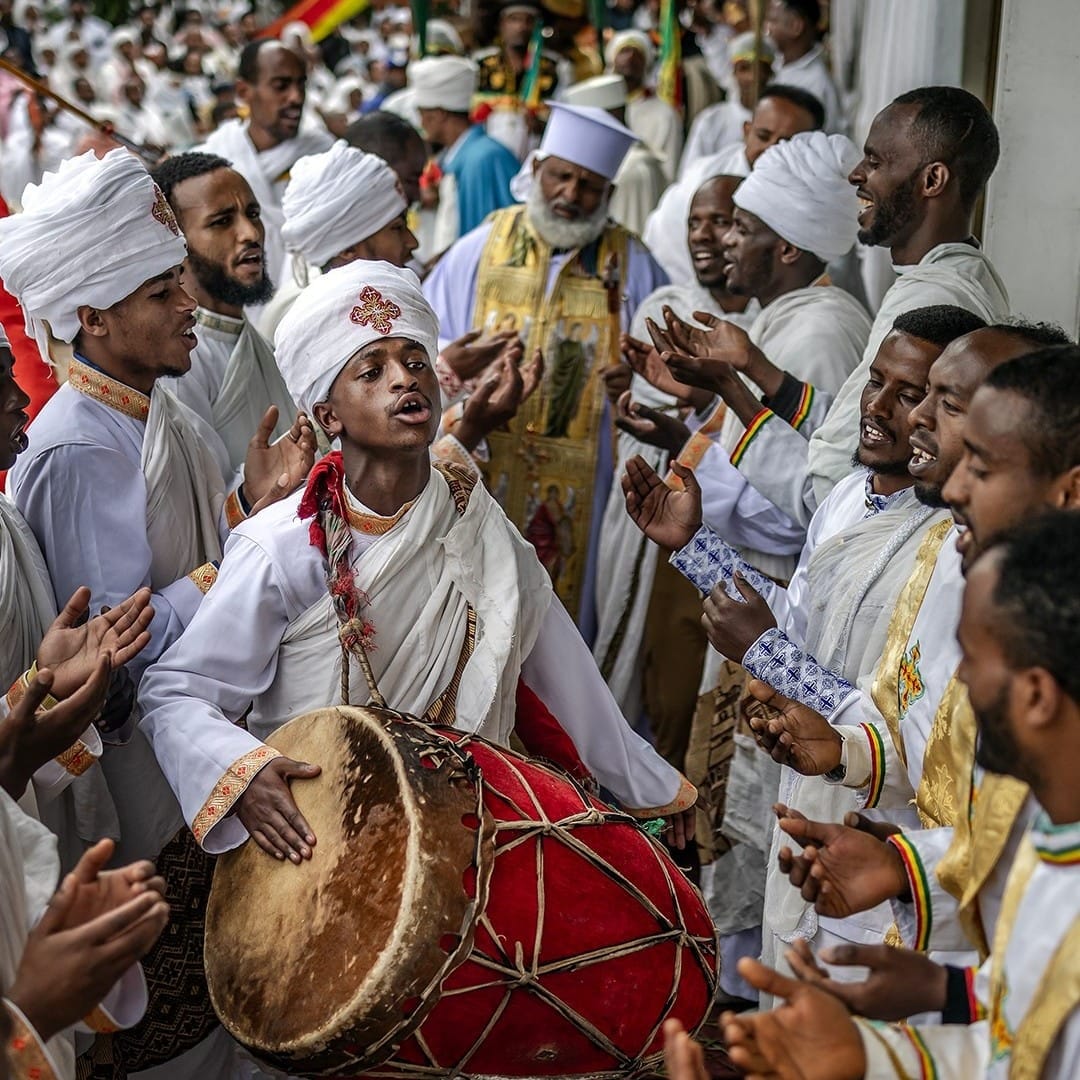
Children dress in new clothes and go from house to house, singing songs and presenting fresh yellow bouquets to parents and neighbours. These flowers symbolize the renewal of life and the blessings of the coming year. Families gather for elaborate feasts featuring doro wat (a spicy chicken stew) served with injera (a spongy flatbread), and traditional drinks like tej, a honey wine.
As darkness falls, communities light large bonfires that burn through the night to ward off bad luck and light the path forward. The entire celebration comes alive with singing, dancing, and the sharing of stories that connect the present generation to their ancestors.
North Africa
Across Morocco, Algeria, Libya, and parts of Tunisia, the Berber (Amazigh) people celebrate their own new year called Yennayer, which falls around January 12th to 14th. It’s one of the oldest continuous traditions in North Africa, dating back thousands of years to when Berber communities relied on agricultural calendars to guide their planting and harvesting seasons.
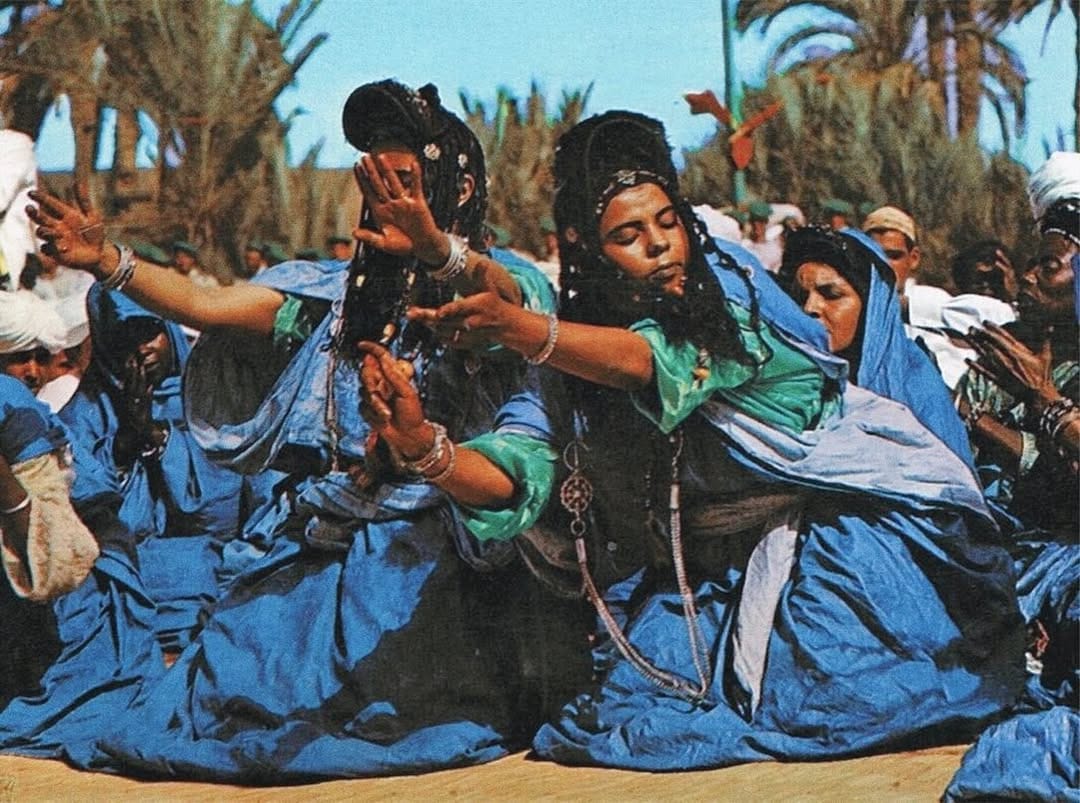
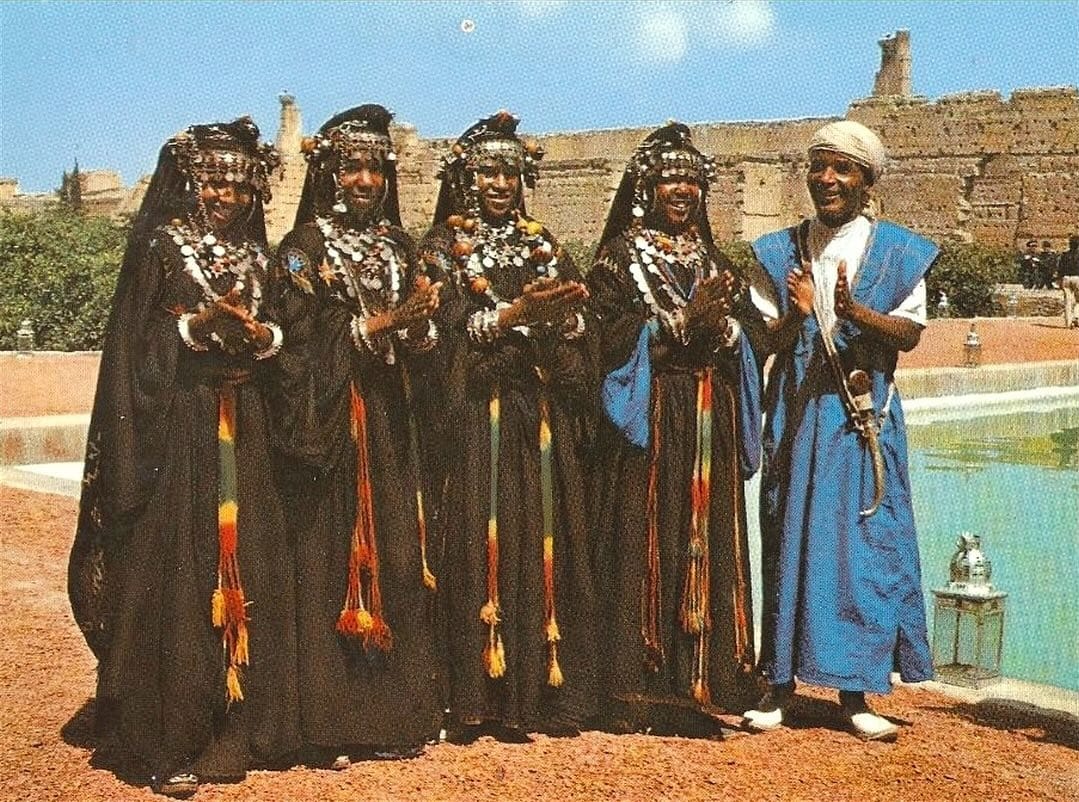
Yennayer celebrations centre around family, food, and cultural identity. The most important aspect is the preparation of a large, special feast. In many regions, families prepare a large couscous dish with seven vegetables, and other traditional dishes that symbolize prosperity. In Algeria's Kabyle region, families use meat from a sacrificed animal to complement the couscous. In Morocco's Sous region, people enjoy tagula, made from barley with aged butter and argan oil.
Traditional Berber music and dances called Ahwach and Ahidous are also performed. In recent decades, Yennayer has taken on additional significance as a symbol of Amazigh identity. In 2018, Algeria declared Yennayer a national public holiday, and Morocco followed suit in 2023.
Ghana
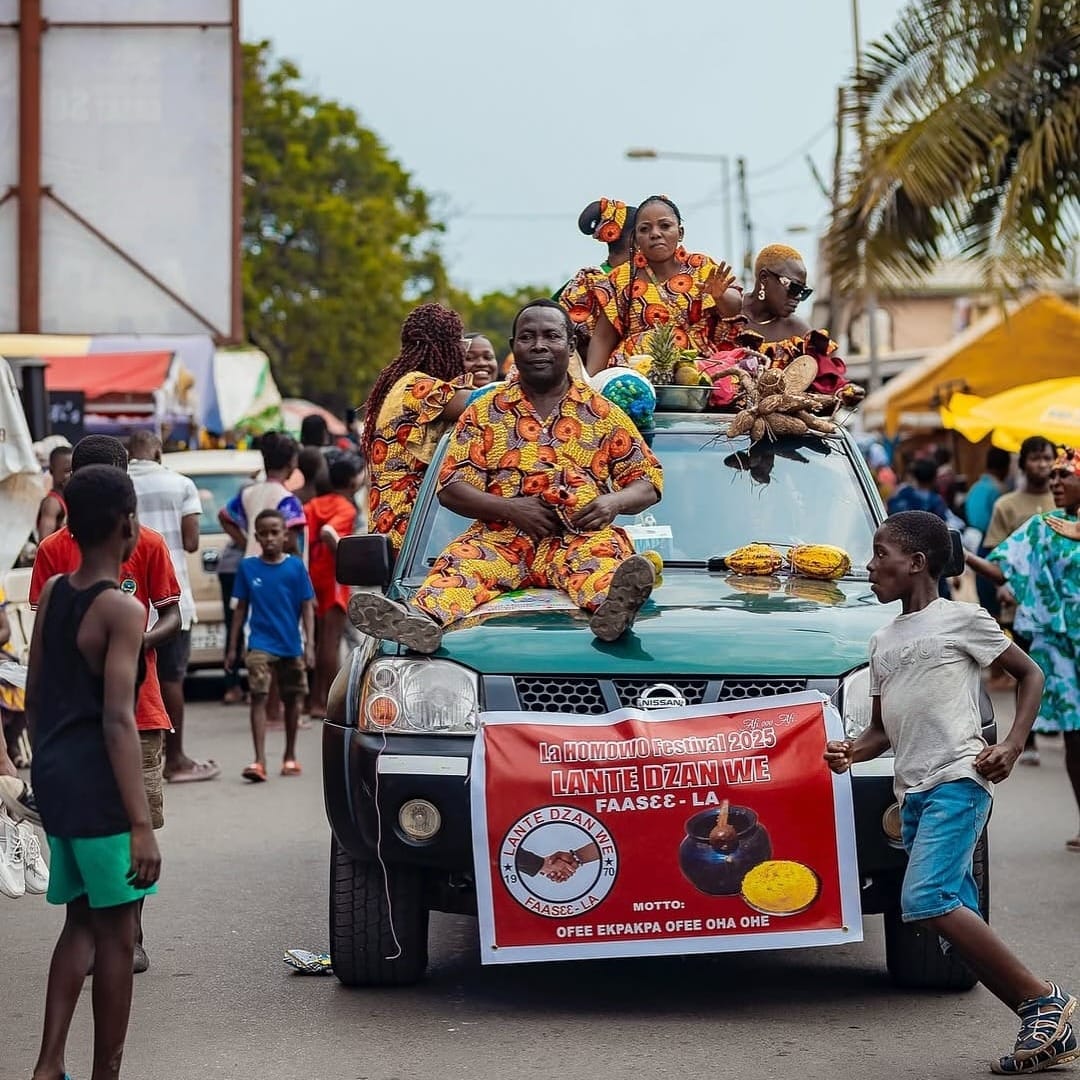
In Ghana, January 1st is celebrated with church services, parties, and fireworks in cities like Accra. Ghanaians also celebrate traditional festivals that mark renewal and harvest like the Homowo Festival of the Ga people. The name Homowo literally means "hooting at hunger." This tradition reminds the community never to take abundance for granted.
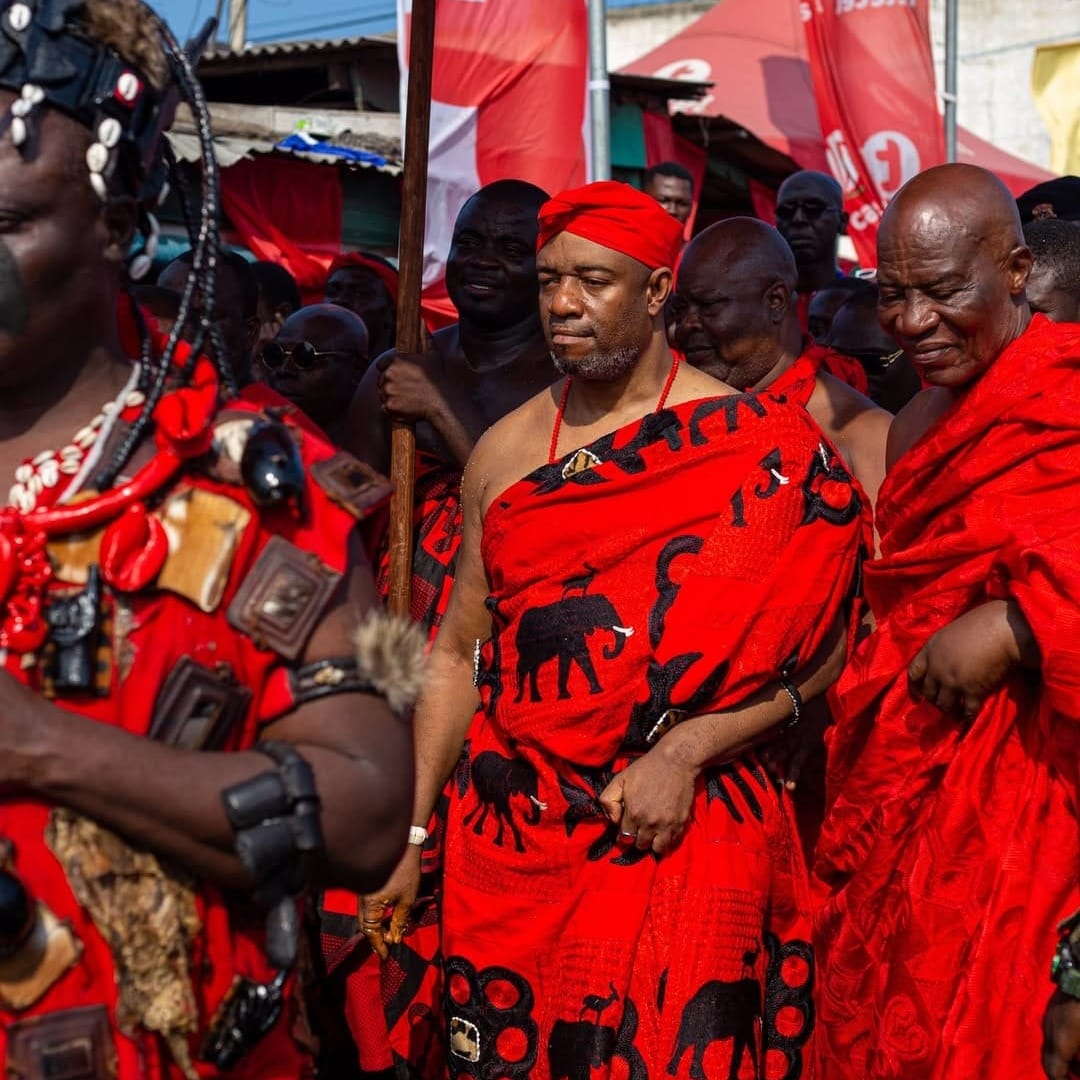
When Ghanaians celebrate January 1st, many go to church services that blend Christian worship with African musical traditions, powerful choirs, energetic drumming, and joyful dancing. Others prefer nightclubs, pubs, or street celebrations. But the key element is togetherness, whether in sacred or secular spaces.
East Africa
In Kenya and Tanzania, New Year's Day is a public holiday with celebrations that take advantage of the warm summer weather. Many families head to the coast (beaches in Mombasa, Diani, Zanzibar, or Dar es Salaam) where they enjoy fireworks, swimming, and outdoor barbecues with their friends and family.
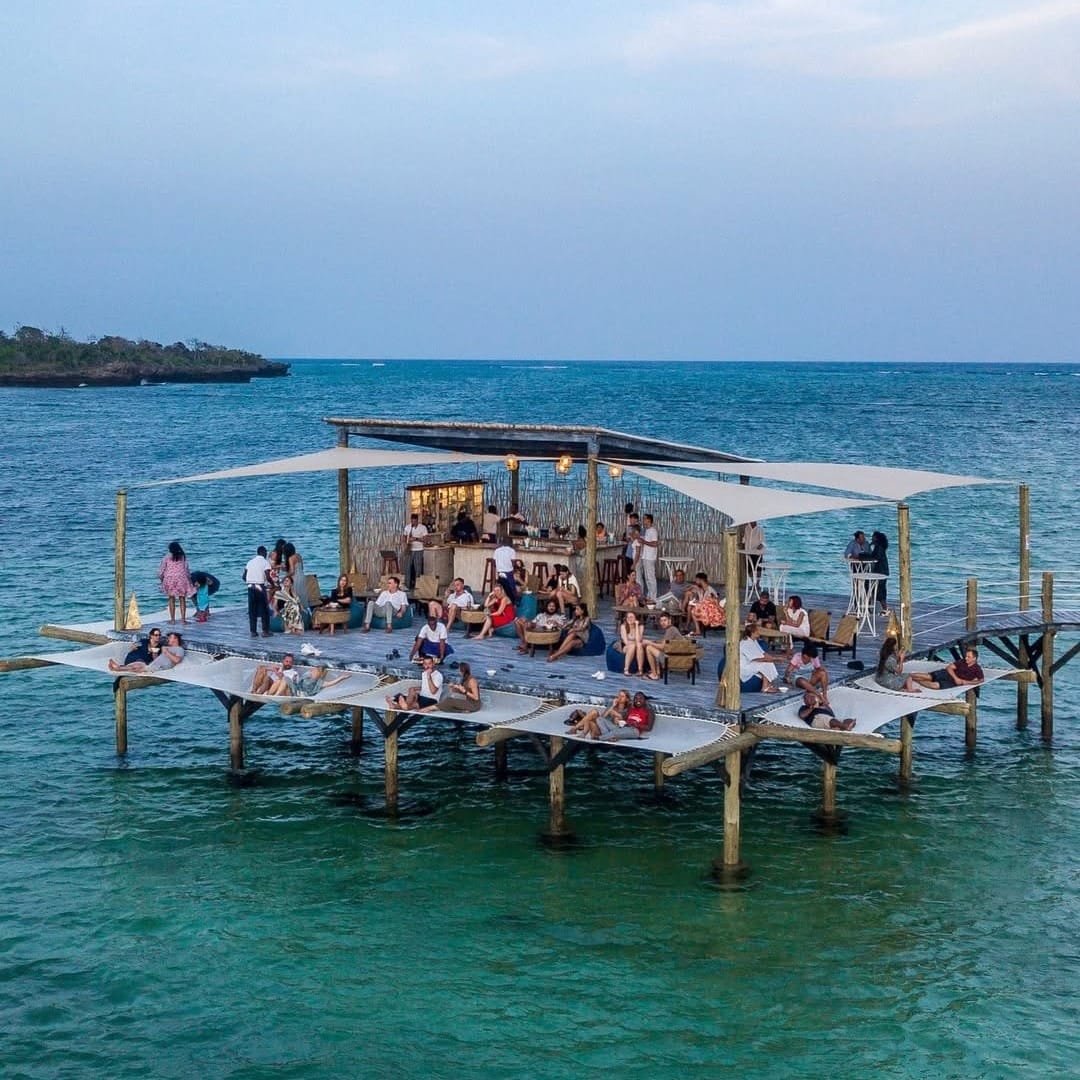
These coastal celebrations feature Swahili-influenced meals with dishes like pilau rice, chapati, fresh seafood cooked with coconut milk, and tropical fruits. The New Year period also happens during the best time for wildlife viewing in East Africa's national parks. Many people choose to spend the holiday on safari, seeing lions, elephants, and giraffes in their natural homes.
In Uganda, New Year celebrations often focus on fire as a symbol of change and renewal. Big bonfires are lit across the country, representing burning away bad fortune. Families and neighbours gather around these fires for blessings, singing, and telling stories.
Senegal
Senegal has some of the most spectacular New Year celebrations in West Africa. The most famous is Le Fanal, a centuries-old tradition that takes place in Saint-Louis, the country's former colonial capital. This amazing festival happens during the last week of December and reaches its peak on December 31st with a parade of lights that brings the whole city to life.
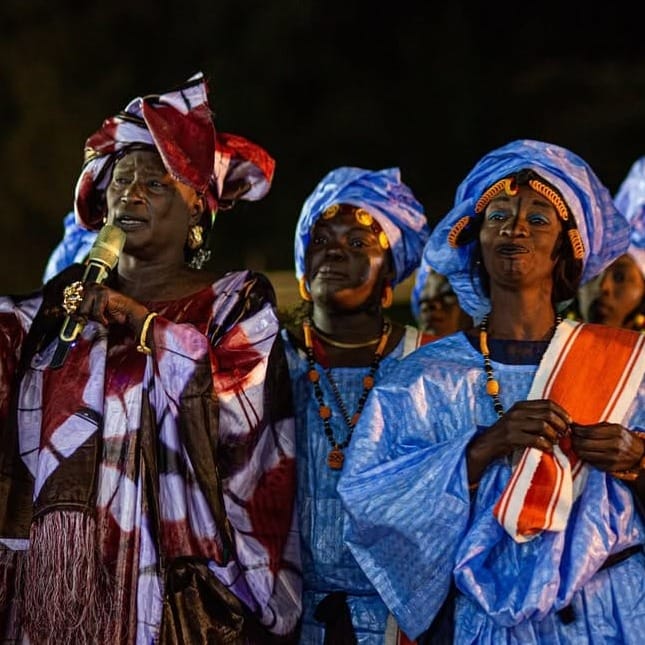
The Fanal tradition dates back to the 18th century when wealthy mixed-race women would walk to midnight Mass on Christmas Eve, elegantly dressed and accompanied by servants carrying lanterns to light their way. Today's Fanal is absolutely breathtaking. Buildings, roundabouts, and parks throughout Saint-Louis are decorated with lights.
The week features evening Sabar dance parties and fashion shows that build up to the grand finale; a massive parade of enormous, beautifully decorated lanterns (fanals) that float through the streets around midnight on New Year's Eve.
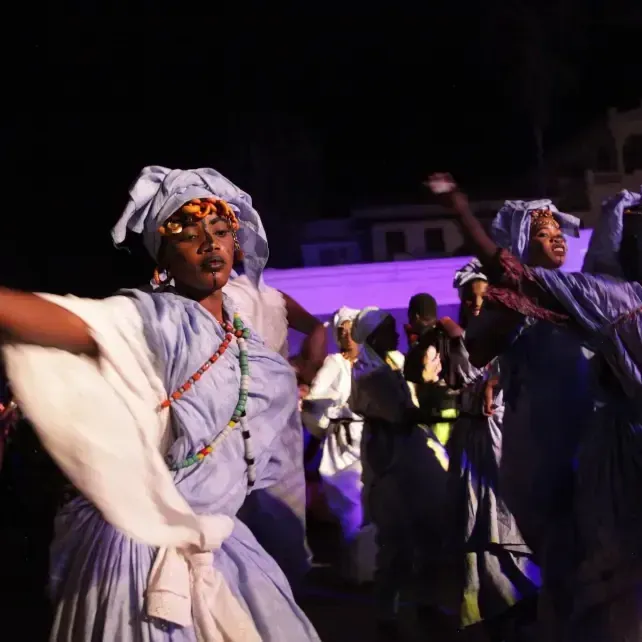
Beyond Saint-Louis, Senegal also celebrates with the Abéné Festival, a 10-day drumming celebration that starts at the end of December and runs through New Year. Held in the Casamance region, this festival draws dancers and musicians from across West Africa, especially djembe and percussion players.
New Year's Day goes hand in hand with the Senegalese concept of Teranga, or hospitality, which means means gathering with family for special meals featuring beloved dishes like thieboudienne (fish and rice stew), yassa (marinated chicken or fish), and mafe (peanut stew).
Congo
Both the Republic of Congo (Congo-Brazzaville) and the Democratic Republic of Congo (DRC) share a deep musical heritage that defines their New Year celebrations. In Kinshasa, the capital of the DRC, New Year's Eve is all about high energy dance music like rumba and ndombolo. In Brazzaville, the capital of the Republic of Congo, the same musical traditions create an energetic atmosphere that connects the two cities.
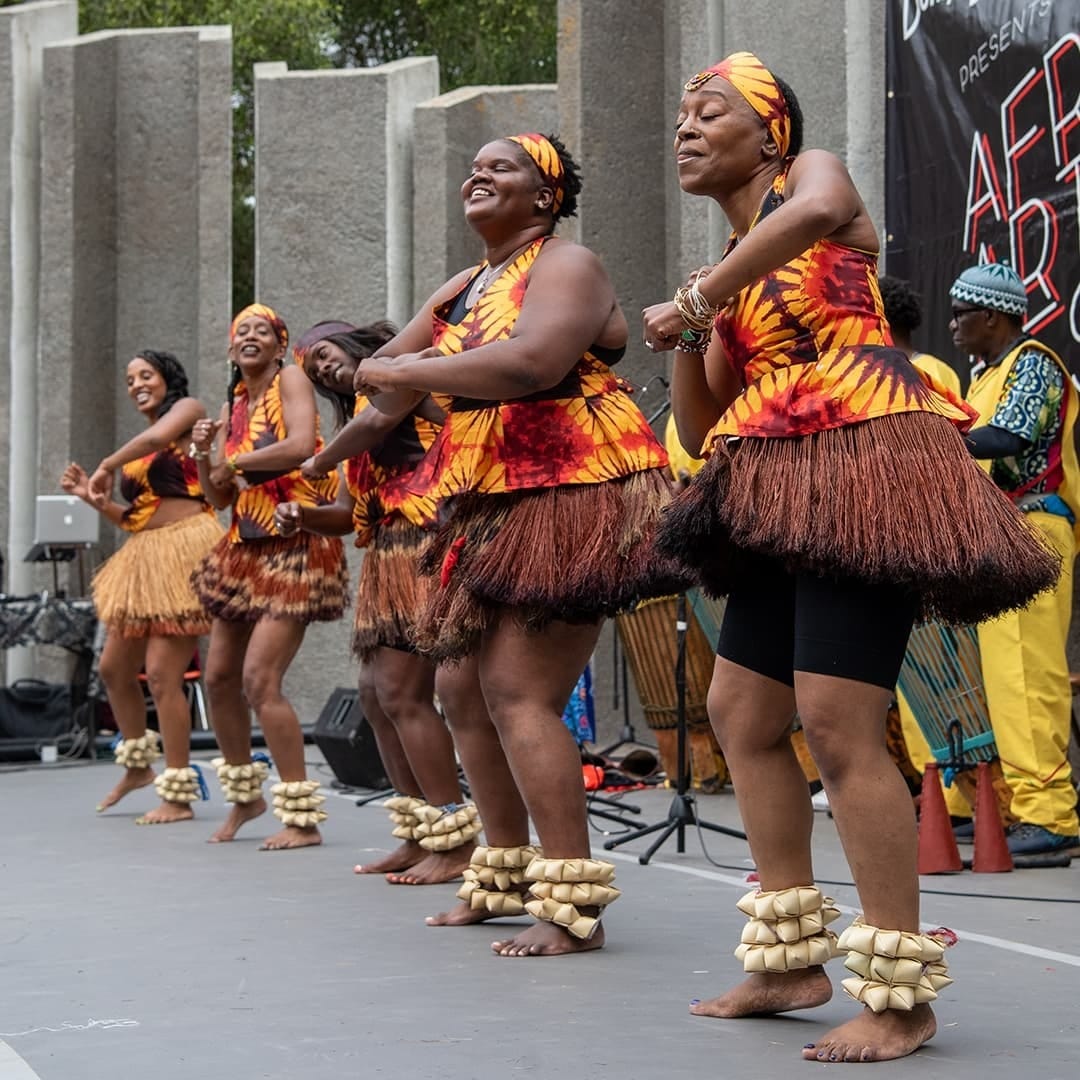
New Year's celebrations in both Congos centre around festive gatherings where people come together with family and friends to say goodbye to the old year and welcome the new one. Fireworks light up the sky at midnight as people cheer to mark the beginning of the new year, and street parties take over the cities.
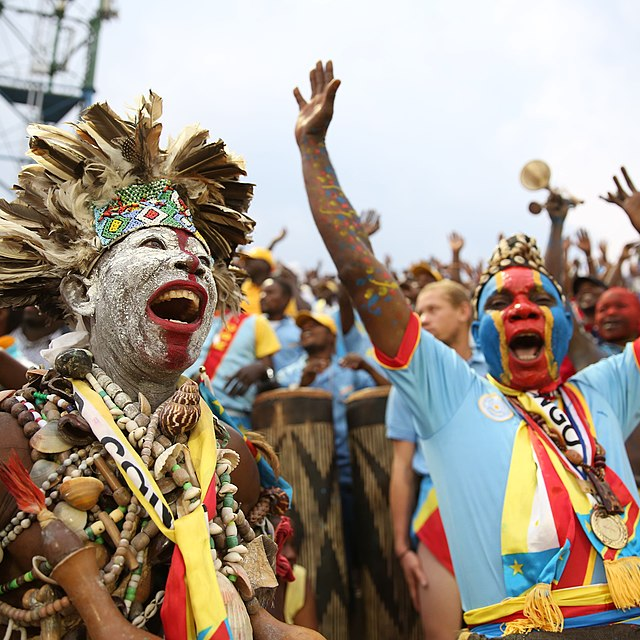
People attend church to give thanks for the past year and pray for prosperity in the coming year, and families prepare feasts at home with traditional dishes. For those who can afford it, pork and chicken are staples, along with cassava, plantains, fufu, and saka saka. Roasted meats and rice dishes are also a major feature. The preparation and sharing of these meals become acts of love and togetherness, reinforcing the bonds that hold families and communities together.
Cameroon
What makes Cameroon's New Year season really special is how it connects with major cultural festivals happening in December, creating an extended period of celebration that closes out the old year and ushers in the new one.
Some of these are The Ngondo Festival, the Nguon Festival and FENAC (Festival National des Arts et de la Culture). Ngondo is celebrated by the Sawa people in Douala in early December, and it's all about connecting with water spirits, honouring ancestors, and seeking blessings for the community.
Nguon Festival lasts seven days, with each day featuring different traditional dances, ritual ceremonies, conferences, and feasts showcasing the richness of Bamoun culture. And FENAC, the largest non-religious festival in the country takes place in Maroua, and is a celebration of the country's colourful arts scene.
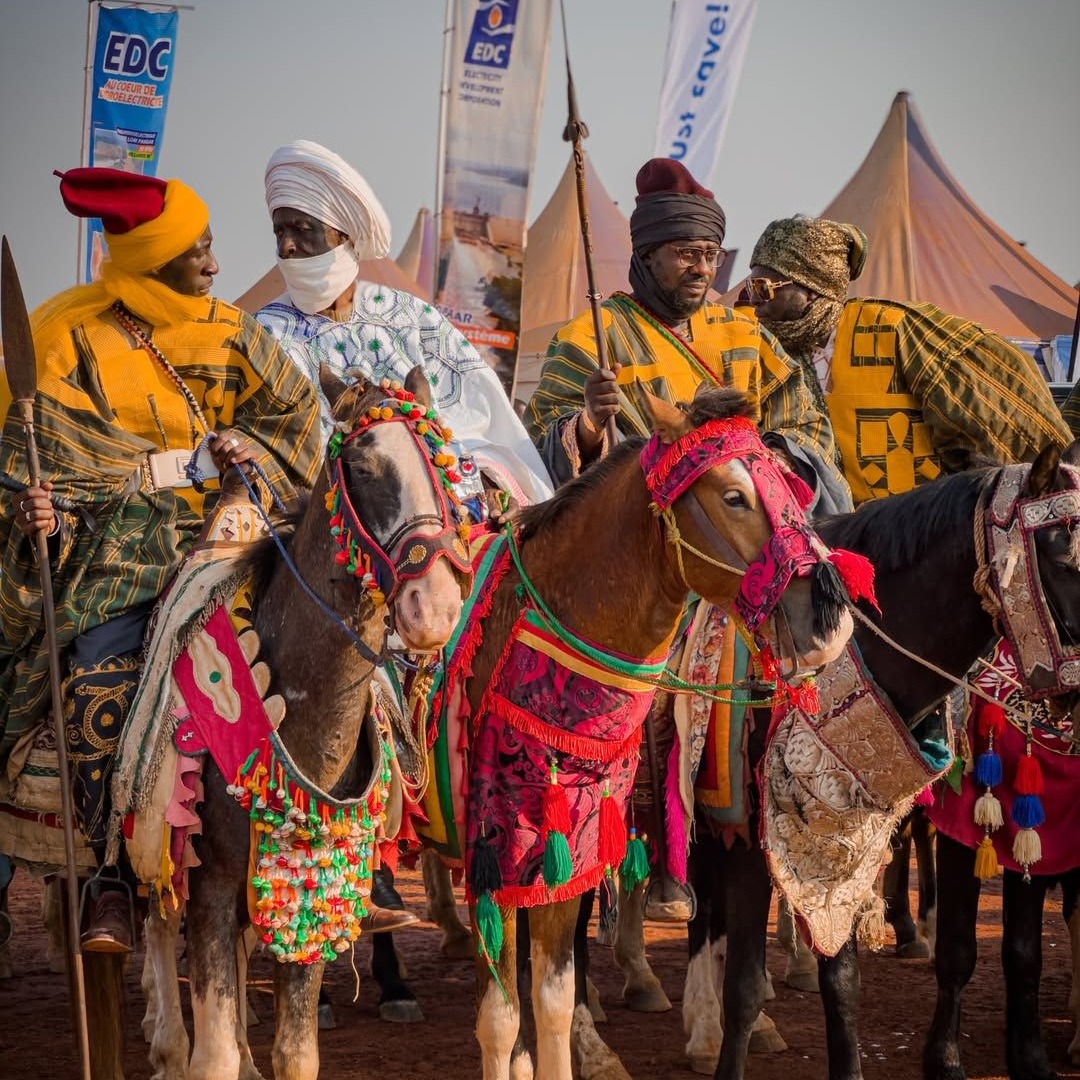
These festivals create an incredible atmosphere across Cameroon as the year comes to an end, and set a festive tone that carries right into New Year celebrations.
Egypt
Egypt celebrates New Year twice. Most Egyptians follow the Gregorian calendar and celebrate on December 31st with huge parties, concerts, and fireworks. Hotels along the Nile host elaborate dinner cruises where people enjoy gourmet food and watch fireworks light up the ancient skyline, and The Sound and Light Show at the Giza Pyramids becomes extra magical on New Year's Eve.
But Egypt also celebrates the Coptic New Year (Nayrouz) on September 11th, which connects back to the ancient Egyptian calendar, which was based on the flooding of the Nile River and appearance of the star Sirius. The ancient Egyptians called their New Year festival Wepet Renpet, meaning "the opening of the year." They would bring images of their gods out of temples to be regenerated by sunlight, give presents to friends and family, and hold celebrations by the Pyramids of Giza.
Modern Egyptian New Year celebrations merge this rich history with contemporary festivities. Families enjoy traditional foods like fatta, kofta, and basbousa, and the warm winter weather makes it perfect for beach celebrations in resort towns along the Red Sea, where people enjoy swimming, dining, and partying under the stars.
Conclusion
African New Year traditions teach us that celebrating can be about more than just partying or making personal resolutions. It can also be about making communities stronger, honouring the wisdom of those who came before, and facing the future with both humility and hope.
In a world that often feels lonely and disconnected, these traditions remind us that celebration works best when it's shared. Joy multiplies when you're with others. Problems feel lighter when you carry them together, and the future seems less scary when you face it surrounded by family, friends, and the memory of everyone who came before you.


Member discussion