


Sunshine Alaibe is a Lagos‑based curator, creative and art consultant who’s become one of the voices shaping Nigeria’s contemporary art scene. She was previously the Gallery Manager and Lead Curator at O’DA Art Lagos, where she helped plan exhibitions, develop the gallery’s collection, and support both African and African‑diaspora artists. Before this, she worked in client relations and project management at Art Twenty One and Artyrama, gaining hands‑on experience in the art market early in her career.
Beyond the gallery, she’s the founder of Art Report Africa, a platform focused on documenting and sharing stories from the African art ecosystem, and leads WO’AMA Africa, a space aimed at building support, community, and resources for women in the African art sector. Sunshine also directs Lagos Gallery Weekend, a city‑wide celebration of art and culture that connects galleries, creatives, and visitors across Lagos through exhibitions, tours, workshops, and more. Through all these projects, she’s focused on expanding access, growing art audiences, and helping people connect with contemporary African art in meaningful ways.
In this conversation, we discussed Sunshine’s journey from discovering her passion for art to becoming a curator and cultural strategist, shaping Lagos’ contemporary art scene. She opened up about how her work bridges galleries, digital platforms, and community initiatives, the ways she makes art more accessible and inclusive, and what it means to support and grow the African creative ecosystem.
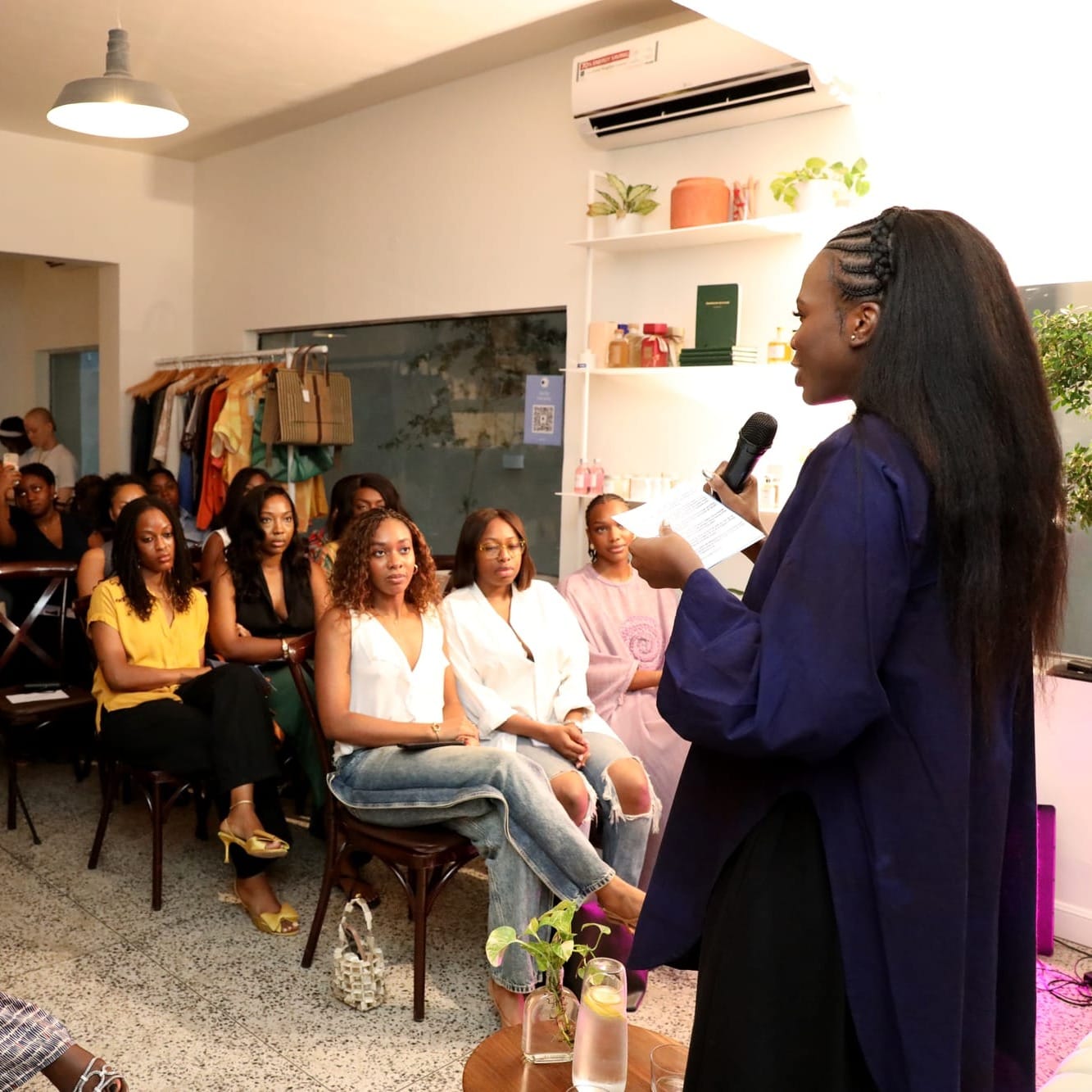
When you meet people for the first time, how do you typically describe what you do, and how has that description changed throughout the years?
In practice, this means I wear many hats: I am an art consultant for private clients, I lead an organisation called WO’AMA Africa, and I manage a media company, Art Report Africa. I also direct Lagos Gallery Weekend, among other initiatives. Years ago, I felt constrained by specific titles. There's a common perception that dedicating oneself to a single profession makes one appear more "serious." At the time, I was content being identified solely as a dealer, a consultant, or a curator because those roles felt defined and focused.
I eventually found those labels too narrow. I have always been drawn to a variety of projects and deeply value collaboration, so I wanted my professional identity to reflect that breadth. Today, my description is less about a specific title and more about what I am working to enable. My primary focus is building the necessary infrastructure to ensure the art industry’s long-term sustainability.
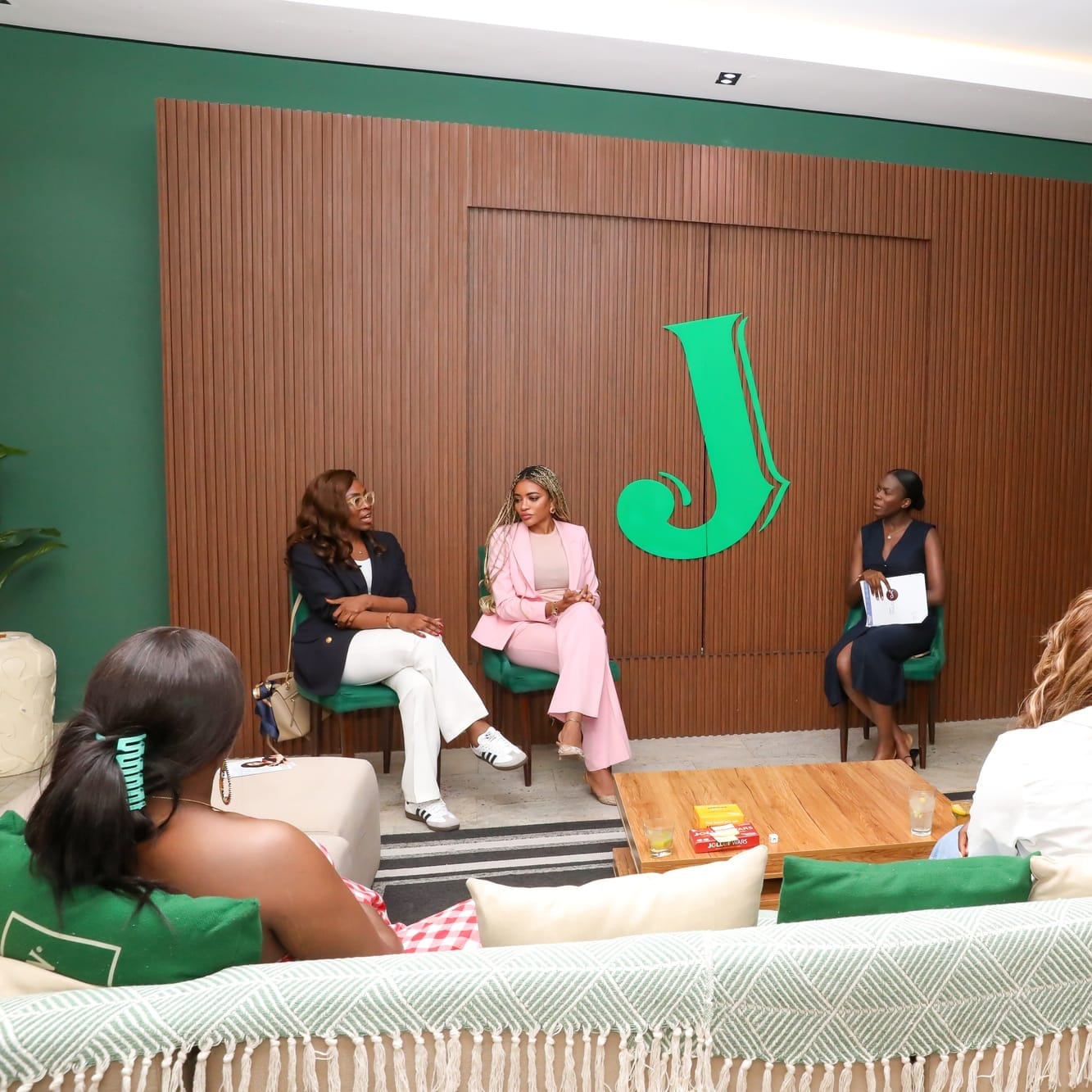
Thank you. It's very interesting how you've given time to exploring different skills and parts of yourself. Looking back, how did you first find your way into this work, and when did it begin to feel like more than a career, but a form of service and spiritual vocation for you?
I wouldn’t say all of this was part of some huge grand plan. From a very young age, I was gifted with the ability to create art, spending much of my time painting and drawing. In fact, my A-levels teacher strongly encouraged me to pursue a career as an artist. But I was acutely aware of the professional expectations often held by parents regarding traditional career paths. This led me to shift my focus from creating art myself to enabling others to succeed through their own creativity, a decision I made before even entering university.
That’s why I studied Art History & then later pursued a Master's in International Management to understand the underlying business mechanisms of the industry. Early on, I spent a significant amount of time in galleries, asking questions and observing how the market functioned, so I could transition smoothly into the industry upon my return to Lagos. At that time, around 2017, I believed that owning a gallery was the pinnacle of professional achievement. There were established first and second-generation dealers with stable businesses, long before the current expansion to over 60 galleries in Lagos city alone. However, I soon realised that while the gallery space is vital, there are numerous other ways to support the industry’s growth.
I felt particularly drawn to the digital sphere because it transcends physical boundaries. Unlike a traditional gallery, which is tied to a specific location, online platforms allow ideas and art to circulate globally. While art fairs provide galleries with regional reach, I found I couldn't be confined to a single physical space. Ultimately, my journey began with a desire to understand the business and work within existing structures. As I gained more experience, I recognised that the industry required more than just participation; it needed new systems and expanded opportunities to allow it to truly flourish.
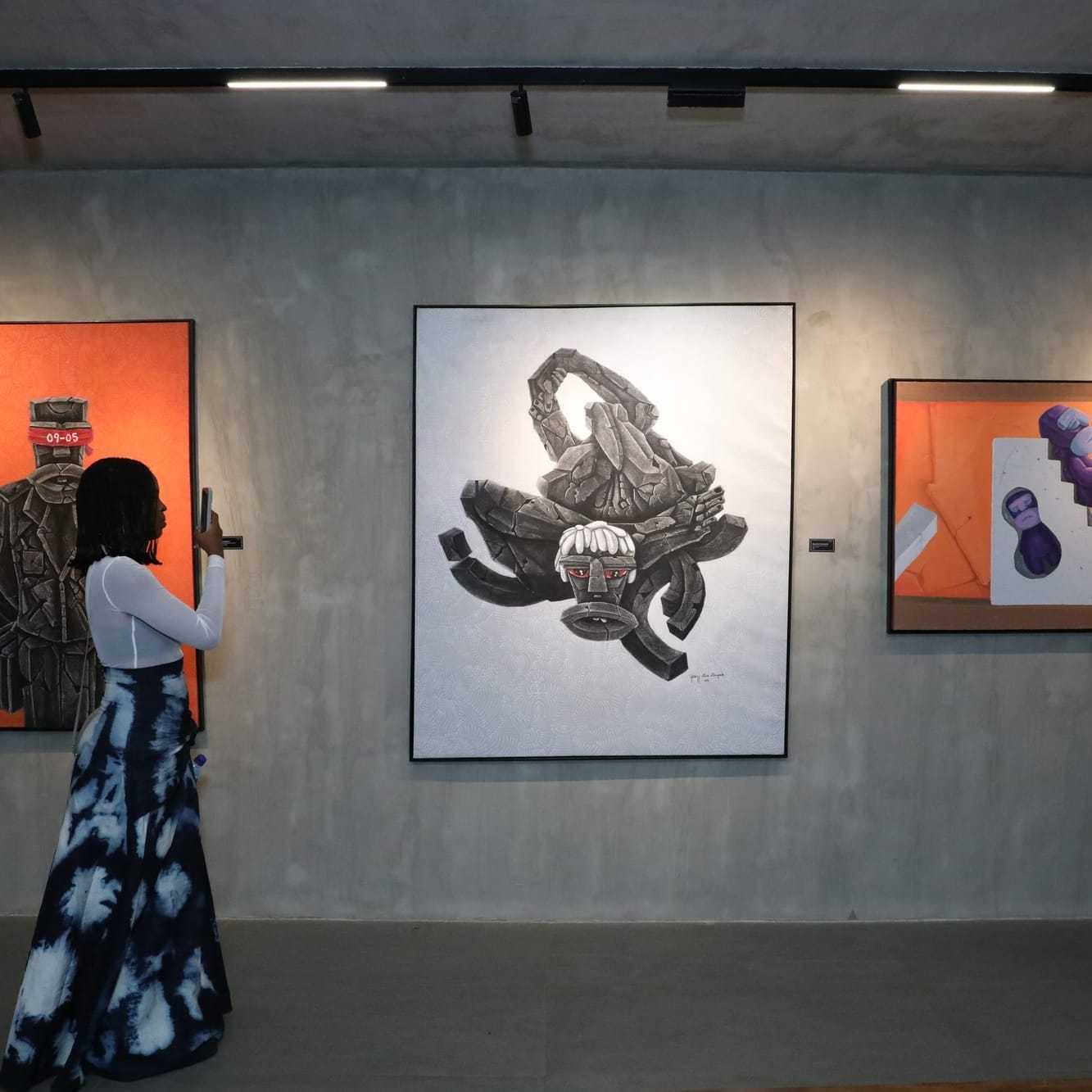
Thank you. It takes courage to make something unconventional a passion, especially in this part of the world, and then proceed with that academically. You studied Art History and later International Management. How has that mix of art and business shaped the way you approach cultural work in Lagos today?
Studying Art History provided me with a vital grounding in context and critical thinking. It taught me to understand lineage—how history is constructed within a work of art and how that narrative is shaped. While our curriculum didn't focus heavily on Africa, the discipline helped me draw parallels and understand how to link personal identity or specific historical moments to the canvas.
International Management, on the other hand, sharpened my focus on structure, sustainability, and scalability. I often recommend that anyone in the creative sector pursue a business course or a Master’s; it provides the framework necessary to turn vision into reality.
That combination defines my approach today. I am a 'doer.' When an idea strikes, I immediately pivot to execution, which is why you see so many different expressions of my work. I’m fascinated by people’s stories and how their unique experiences translate into living, breathing organisations and entities. Ultimately, blending these two worlds is what allowed me to build the organisations I lead now. I’m deeply grateful for those experiences, even if looking back, being the only Black girl in my Art History classes for three years feels quite wild.
It’s been interesting getting to know about your background. We’d like to know a little bit more about your process. You’re known for curating exhibitions that feel welcoming and immersive. When you’re curating an exhibition or shaping a cultural project, what usually guides you first: the artists, the ideas, or the audience?
The idea always comes first, but never in isolation; for any vision to succeed, it must be embraced by others. At my core, I am a host. Whether it’s in my home or a gallery, I find joy in the art of hospitality. For me, curating and organising events is about radical consideration; ensuring that anyone who encounters my work feels seen and accounted for.
In the context of working with artists, that 'hosting' mindset translates into making them feel held and respected. I recognise the immense time and soul they pour into their craft. My goal is to ensure that when we translate their work into a gallery or alternative space, we maintain the integrity of their original vision while providing the necessary context for the world to see it clearly.
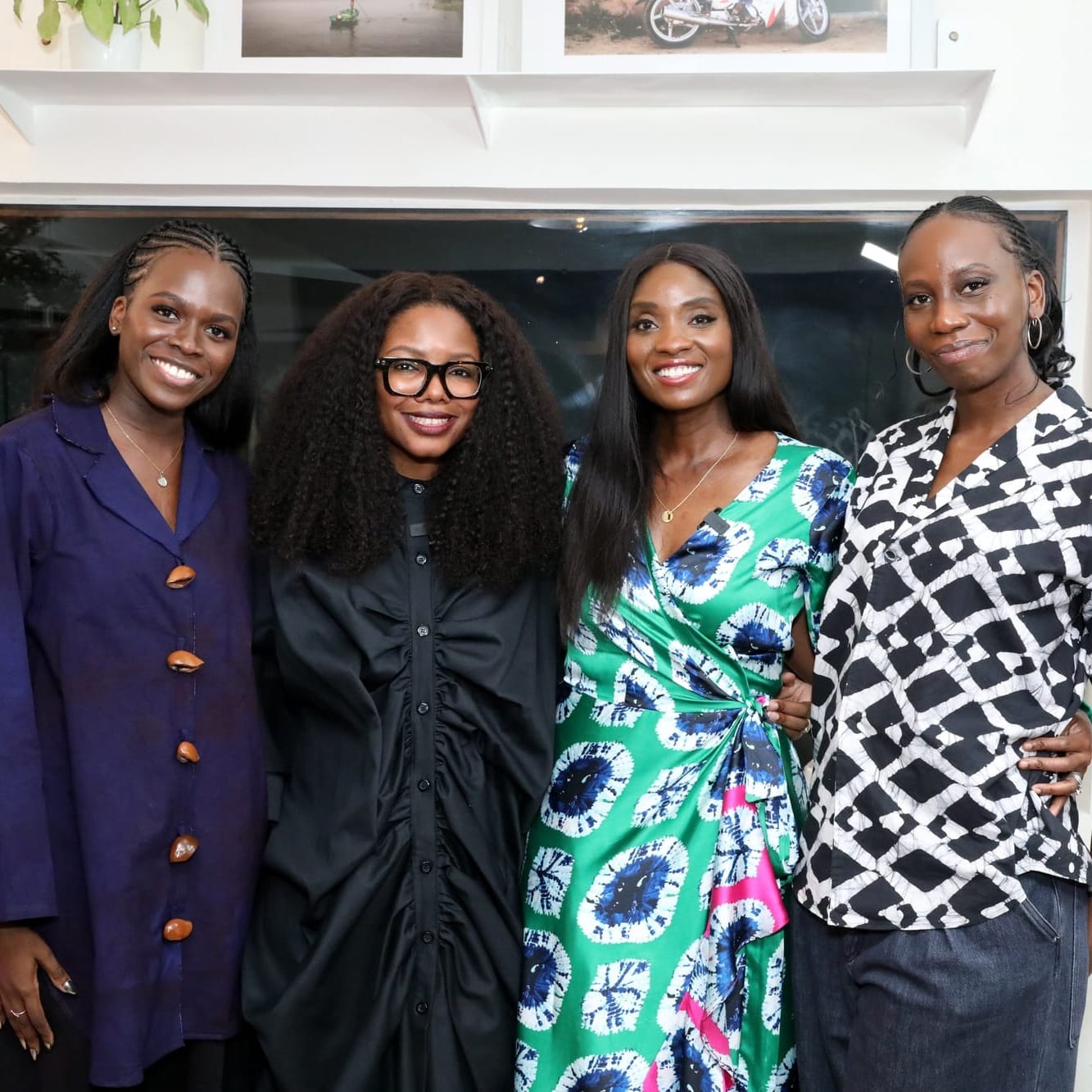
That’s a very considerate approach to putting together an exhibition of any kind. Across your media work with Art Report Africa and your community work with WO’AMA Africa, you’re very intentional about storytelling and support. What gaps did you notice in the African art space that pushed you to start building platforms of your own?
When I first moved back to Lagos, I realised that navigating the contemporary art market required an immense amount of personal research. I often felt like an outsider looking in. In more traditional industries, like banking, there is a clear upward trajectory and a visible structure to fall into; in the creative space, it can be daunting when you lack the connections, the documented history, or the cultural nuances of the local landscape.
The motivation for Art Report Africa came directly from these gaps, specifically, a lack of documentation and accessible industry information. I wanted to create a platform that documented our stories from the inside—highlighting artists, curators, and historians—while empowering local writers to lead that narrative.
With WO’AMA Africa, the growth was organic. We noticed a profound need for better community and wellness support, particularly regarding the sharing of non-financial resources. Far too many practitioners, especially women, are navigating this ecosystem in isolation. Interestingly, while women own a significant portion of art businesses here, there hasn’t always been a strong culture of collaboration between them.
I don't say this to call anyone out, but to highlight a missing link. I wanted to build platforms that don’t just spotlight excellence, but also nurture growth and continuity. It goes back to my desire to 'host', identifying who needs support and ensuring they feel seen, heard, and held by a community that understands their journey.
It seems very important to you to create spaces where people can express themselves, and that’s so thoughtful. Speaking on another project, Lagos Gallery Weekend is coming up. You’ve described Lagos as something of an inherent gallery city that lives and breathes art. What does that idea personally mean to you, and how does Lagos Gallery Weekend help people experience Lagos differently?
For me, Lagos Gallery Weekend is an invitation to move through the city with fresh eyes and deeper intention. It’s about becoming conscious of the beauty we often overlook in our daily commute and recognising that these creative hubs are part of a larger urban and cultural rhythm. I want to shift the perception of galleries as places visited only once or twice a year for a high-profile opening. They should be frequented weekly. In Lagos, we often lack 'third spaces', those open-plan parks or public squares where one can simply breathe, think, and be inspired. I believe our galleries can serve that purpose. They are sanctuaries of creativity and beauty that allow you to think beyond yourself and find the inspiration needed to navigate life in this city.
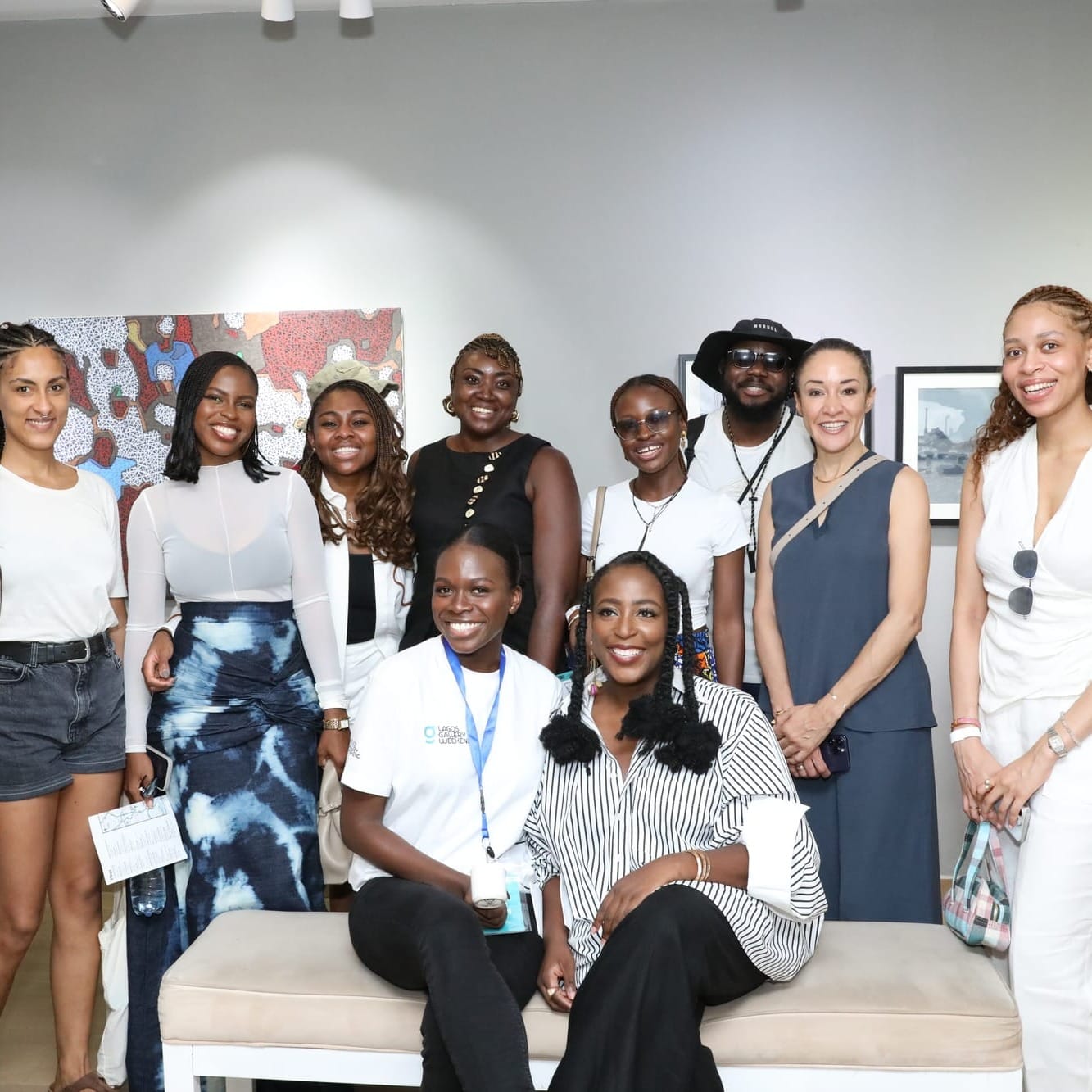
That’s such a unique way to think about Lagos. This year’s edition approaches more parts of the city. It’s larger and comes from a broader angle. What conversations or feedback shaped the way you approached the planning and even the theme for this year, as opposed to last year?
Last year, we invited the world to Discover Lagos Through Art, which serves as the foundational layer for our 2026 vision. This year, we’ve evolved that concept into a much bolder mandate: Art for All. In practice, this means radical accessibility, meeting people exactly where they are.
Our programming is designed to dismantle the barriers that make art feel like an exclusive club. We’ve curated a diverse spectrum of entry points: specialised workshops for children, guided tours for first-time visitors, and tailored talks for those looking to go deeper. For the independent explorer, we’ve developed expert-curated digital routes and physical maps, allowing anyone to navigate the city’s creative pulse at their own pace.
The feedback from our previous edition was clear: people wanted to see more of the city and feel less intimidated by the spaces within it. We’ve responded by expanding our reach across different neighbourhoods and addressing the most significant hurdle in Lagos: movement. Through strategic collaborations, we are subsidising transportation and offering free experiences to ensure that financial or logistical constraints don't limit participation.
Our goal is to re-educate the public. We want to transform the gallery from a 'scary' or 'mysterious' place into a communal resource for inspiration and growth. By providing the right digital and physical tools, we’re empowering people to continue exploring the Lagos art scene long after the weekend concludes.
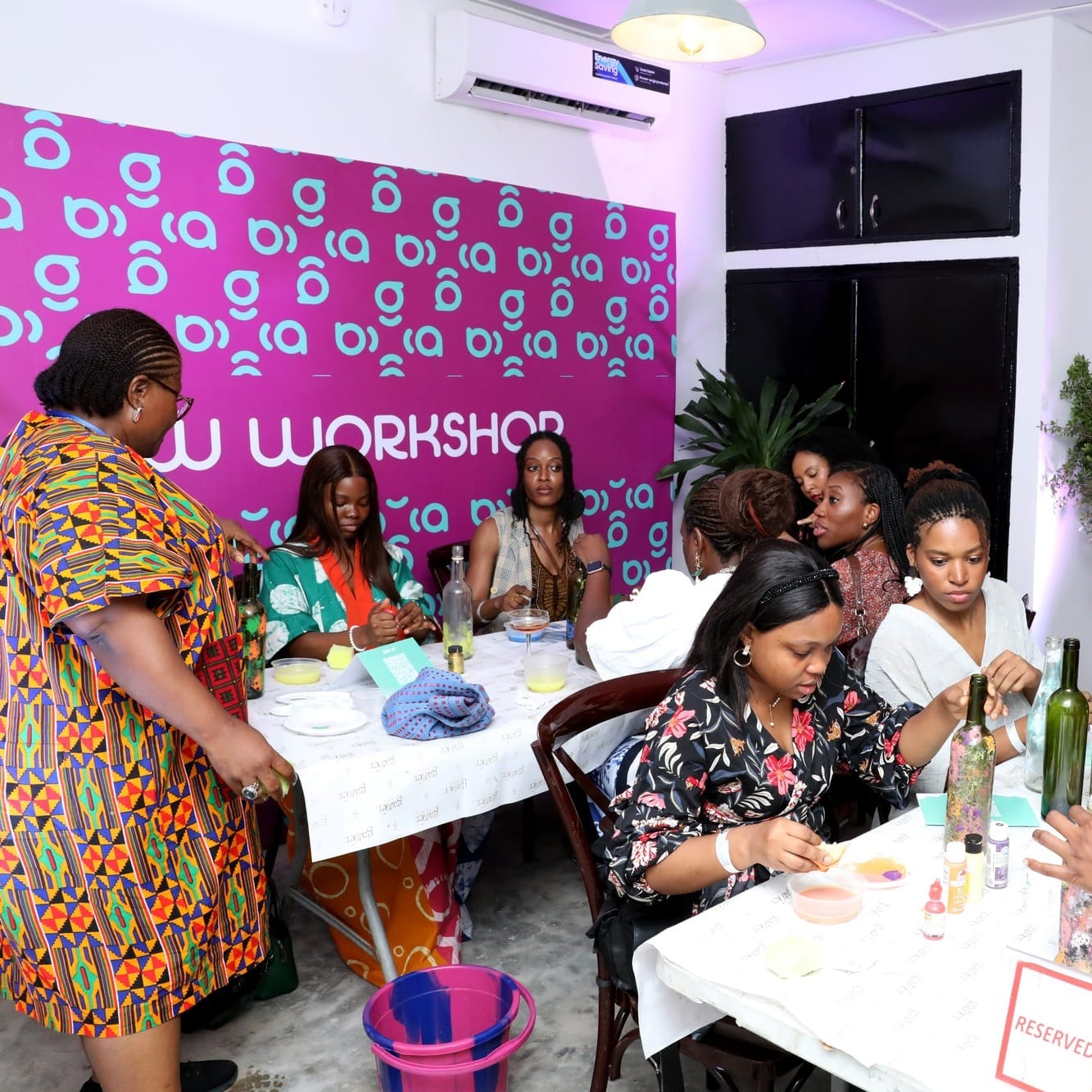
I admire the effort to bring in a sense of variety for people. Many people say they can’t go to a gallery because they don’t “know what to do with the art there.”
The hesitation people feel—the sense of not 'knowing what to do' with art—stems from a lack of an ingrained explorative culture. This isn't to say that Nigerians aren't inquisitive, but rather that our society hasn't traditionally framed the gallery visit as a tool for self-education or intellectual discovery. Currently, for many, the gallery experience begins and ends with the aesthetic, a place to see beautiful work and perhaps take a photo in front of it. While there’s value in that, we are hyper-focused this year on shifting that narrative. We want to reintroduce the gallery as a vital 'third space' where the purpose is to engage, to learn, and to be challenged. Our goal is to demystify the white cube and provide a roadmap for the masses. We’re moving beyond the 'photo-op' and teaching people how to truly encounter art—showing them why these spaces exist and how they can use them to expand their own perspectives."
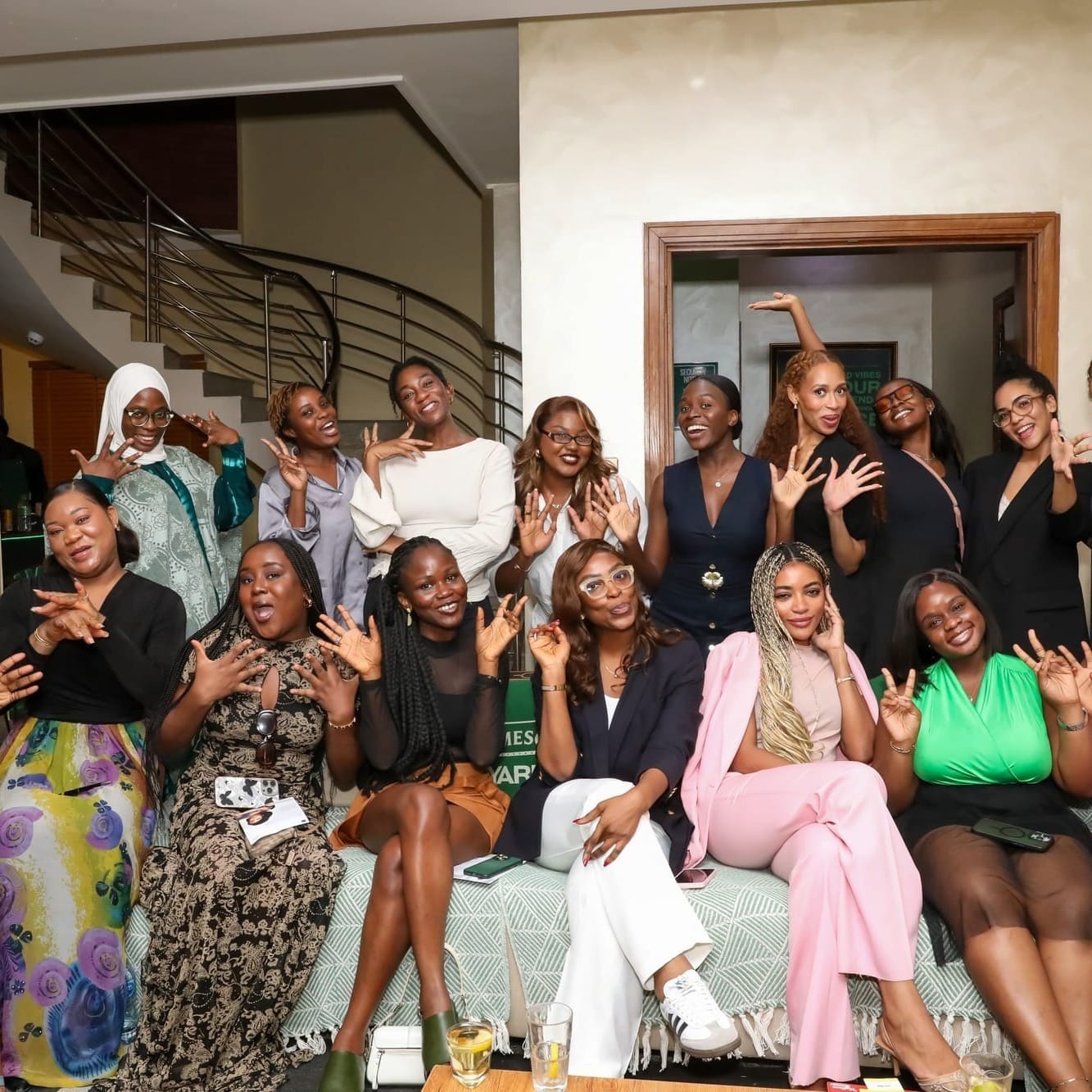
Looking forward, we’re hoping that causes some kind of shift in people’s ideology. When you look into the future of your own work—maybe future hats you might be wearing in Lagos, in African contemporary art, or more generally—what are some of the things you’re most excited about exploring or moving into in the future?
As we discussed earlier, I view this work as a vocation. When you commit yourself to a path, you have to ask: Is this for personal ambition, financial gain, or recognition? While those are common drivers, my focus is on expanding the ecosystem that already exists and serving the industry with more depth. I believe we should all strive for goals that are larger than ourselves, even when it requires significant sacrifice.
I’m particularly excited about regional expansion and deeper connectivity. When we give Nigerians the space to lean into their 'soft skills'—whether through creating art or intellectual self-education—the potential is limitless. I also love to play with experimental formats; my team knows I’m constantly pushing to try new things because there is immense value in creative agility.
The continent is currently overflowing with talent and ambition, and we mustn’t pander to Western expectations. Our priority must be to cater to grassroots Nigerians and those living this reality every day. Ultimately, my work is rooted in my faith. Building something of lasting value requires being intentional, prayerful, and deeply mindful of how we hold our ground and respect others. Integrity is the foundation of everything I do, because when all is said and done, your character is the only thing you truly have to stand on.
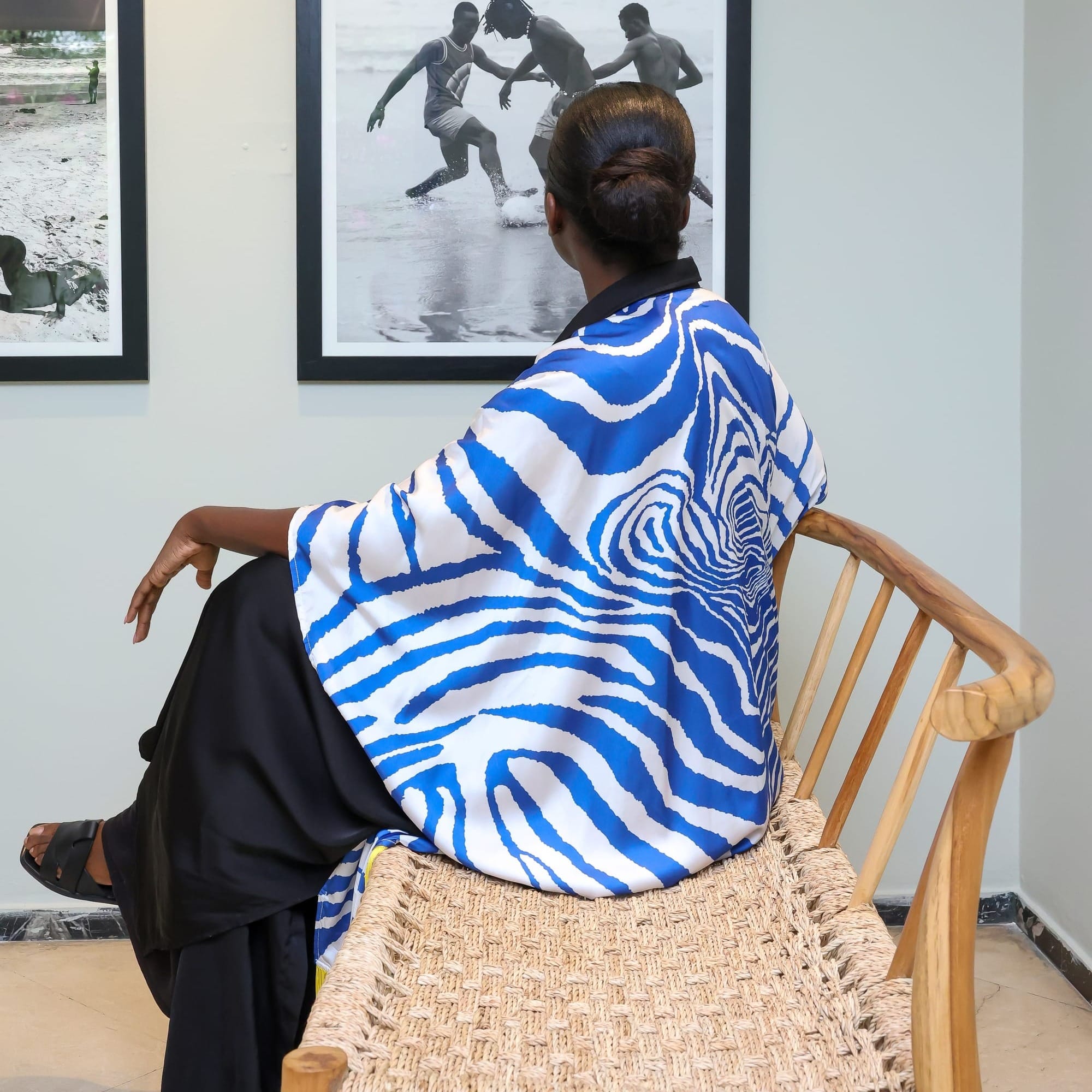
Thank you. It’s admirable that you have such a strong foundation. We look forward to seeing what you do next, and the many more hats you’ll wear.



Member discussion