


From the bustling streets of Lagos to the lively cafés of Luanda and Cairo’s snack shops, Africa’s consumer culture has been shaped by brands that became household names and staples.
These brands weren’t just things we consumed; they were part of growing up, part of home, part of community memory, and they reflected our tastes, climates, humour, and lifestyles.
Some were loud and colourful, others practical and understated. Many didn’t survive globalisation, but they live on through memory, conversation, and nostalgia.
This is a tribute to those vintage African brands that defined an era.
1. Cuca Beer (Angola)
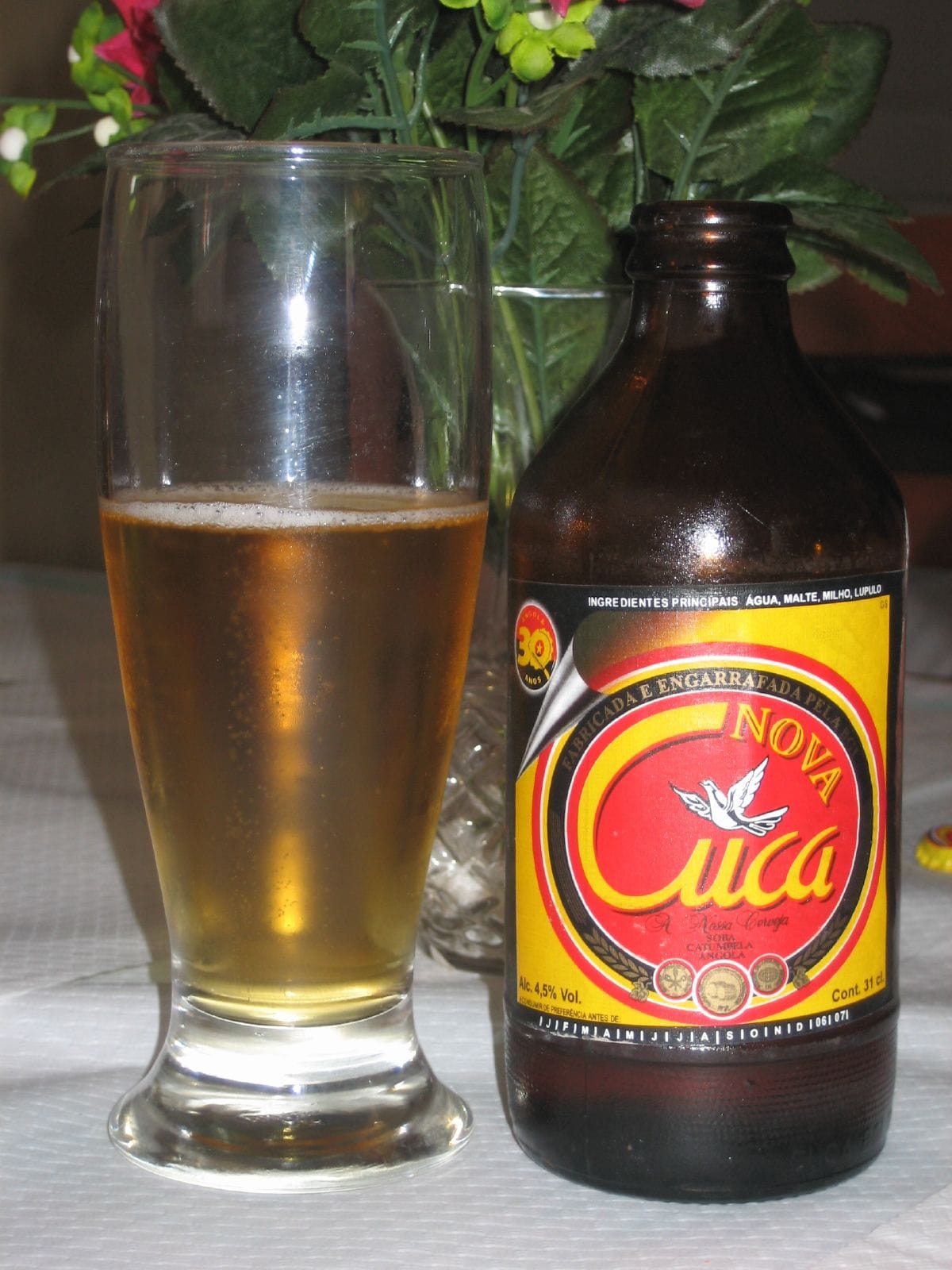
Cuca beer is one of Angola’s most iconic beverage brands, first produced in 1947 by Companhia União de Cervejas de Angola during Portuguese colonial rule. The pale lager became deeply woven into daily life and social gatherings, later being nationalised after independence and then privatised under Groupe Castel. Cuca’s reach extends beyond Angola, with historical influence in neighbouring countries like Namibia where “Cuca shops” became legendary social hubs.
It became a cultural reference point rooted in community gatherings, music, and youth culture.
2. Fan Milk (West Africa)
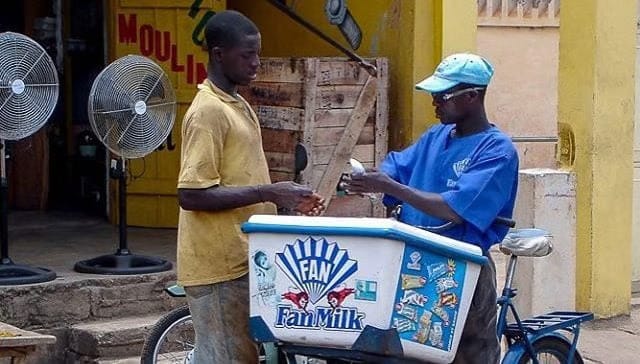
Founded in Ghana in 1960 and launched in Nigeria in 1961, Fan Milk pioneered accessible frozen dairy products across West Africa. Originally distributed via bicycle and push-cart vendors, it introduced generations to refreshing ice creams, yoghurt drinks, milk beverages, and fruit-based treats under names like FanIce, FanYogo, and FanChoco.
Fan Milk helped define childhood summers and became synonymous with ubiquitous street-side cool treats, long before modern refrigeration was widespread.
3. Peak Milk (Nigeria)
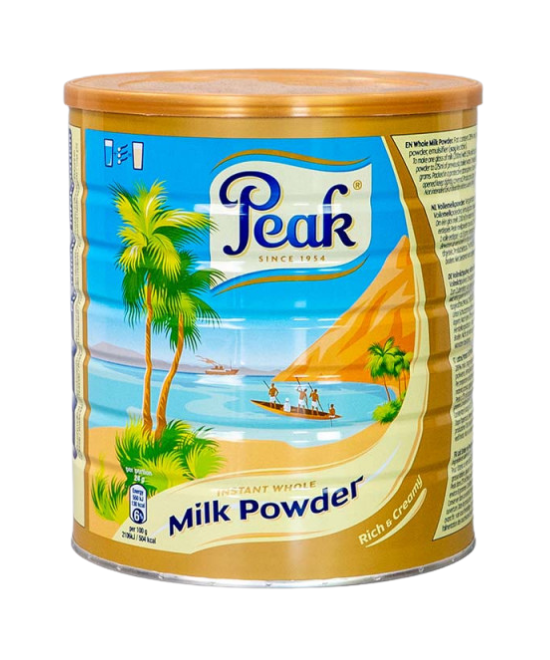
One of Nigeria’s oldest dairy brands, Peak Milk entered the market in the 1950s and became the go-to evaporated milk for families across the country. Known for its distinctive tins and versatile use, from tea and coffee to porridge and cooking, Peak carved out a place in daily life that few brands have matched.
Peak became a part of everyday rituals in kitchens and cafés, tied to comfort, nourishment, and childhood breakfasts.
African Art Clubs and Societies from the 1960s to 1990s
4. Bisco Misr (Egypt)
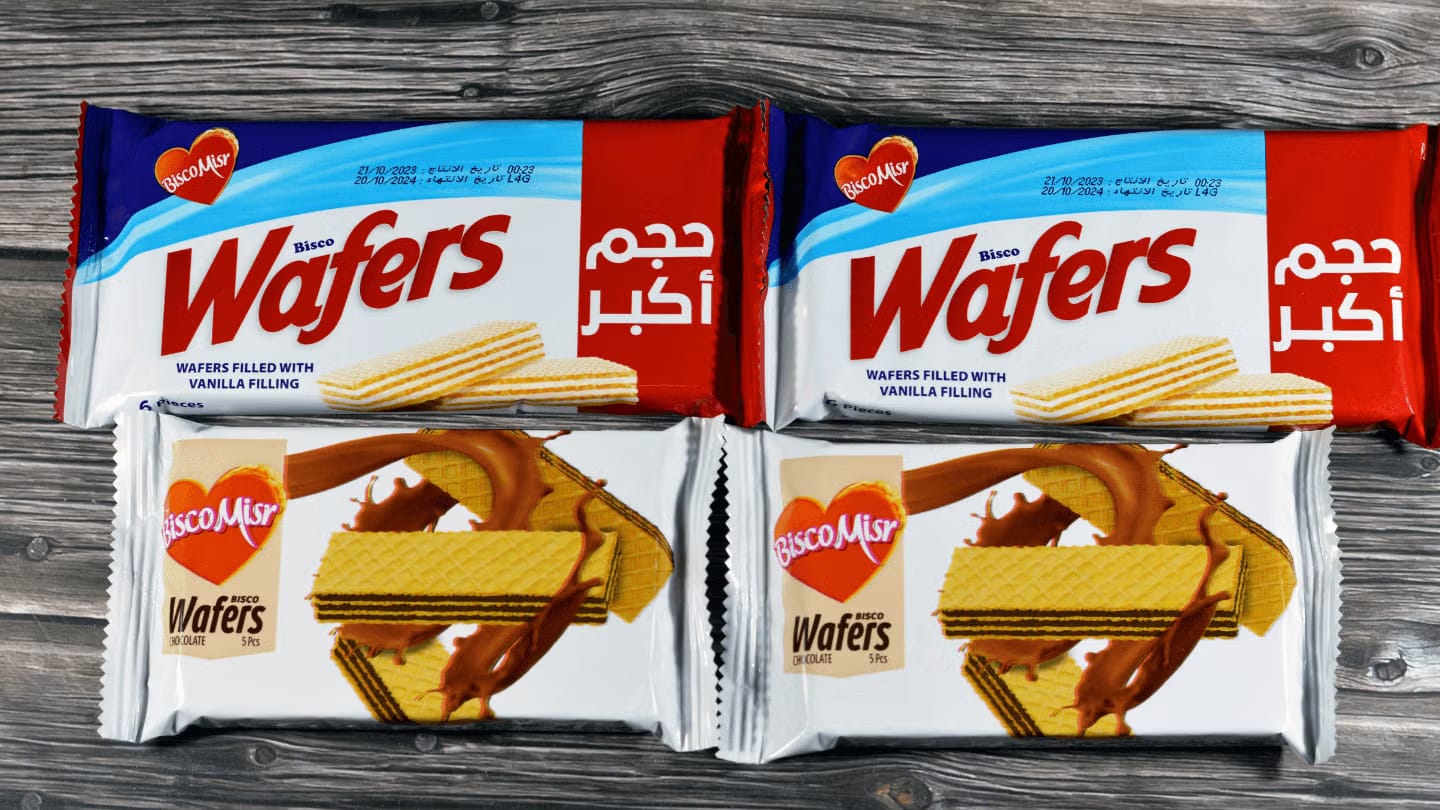
Founded in 1957, Bisco Misr became Egypt’s leading biscuits and confectionery company under the government’s nationalisation program. Supplying snacks to schools and soldiers initially, its products, from plain biscuits to wafers and cakes, became staples in Egyptian households for decades and helped launch the region’s modern snack culture.
Bisco Misr holds nostalgic resonance across the Middle East and North Africa, representing iconic snack time moments for children and families.
5. Tempo Chocolate Bar (South Africa)

The Tempo chocolate bar emerged in South Africa in the early 1980s under Cadbury’s umbrella. With its caramel-covered biscuit and distinctive blue packaging, it quickly became a beloved treat among young and old alike.
While simple, Tempo is evocative of schoolyard breaks, youth culture, and everyday indulgence, a chocolate classic with a loyal fan base.
6. Key Soap (West Africa)

Key Soap became widely used across West African households during the mid-to-late 20th century. Locally produced and priced for mass use, it was part of everyday hygiene routines, from bathing to washing clothes.
It was trusted, familiar, and long-lasting. In many homes, one bar served multiple purposes, reflecting the practicality that defined household products of the era.
Key Soap represents African consumer goods built around function, durability, and access, rather than aspiration.
7. Labenella Creations (Nigeria)
Labenella Creations reflects a period when African fashion brands were built through tailoring, craftsmanship, and reputation rather than mass production.
Operating in an era before global fashion platforms, brands like Labenella dressed people for weddings, celebrations, church events, and milestones. Their work circulated through word of mouth and personal networks.
They represent the foundation of today’s African fashion ecosystem, where style, identity, and craftsmanship intersect.
8. Koffiehuis · South Africa
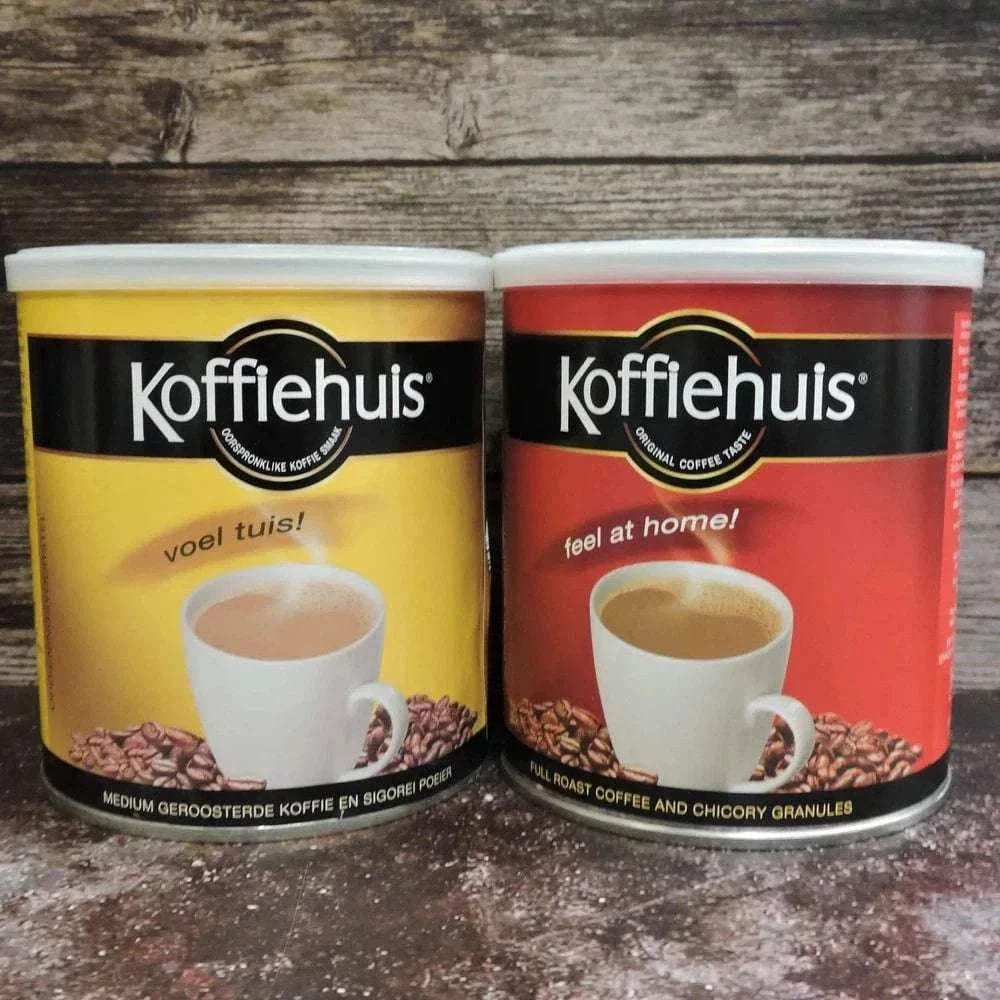
Koffiehuis emerged in South Africa as part of a growing locally run café and coffeehouse culture that developed in urban centres during the late 1970s and 1980s. The name itself, meaning “coffee house”, positioned it as an accessible alternative to formal restaurants or expatriate cafés. Koffiehuis spaces were typically built around simple, locally sourced ingredients: brewed coffee, tea, light baked goods, and basic café fare made to suit everyday tastes rather than elite dining. It attracted students, workers, creatives, and older regulars, people looking for a familiar place to sit, talk, read, or meet without pretence. More than a product, Koffuehuis functioned as a social space, reflecting how African-owned cafés became important gathering points for conversation, community, and urban life during a period of social and cultural change.
Conclusion
These vintage brands are markers of cultural memory. They remind us of economic eras (post-independence industrial growth), retail landscapes before globalisation, and personal nostalgia across generations in African markets.
Each brand, product, and memory trail, whether a beloved ice-cream bike in 1970s Ghana, a biscuit packet at school in Cairo, or an old soda shared at a party, reflects a distinctive era of African consumer culture and identity.



Member discussion