


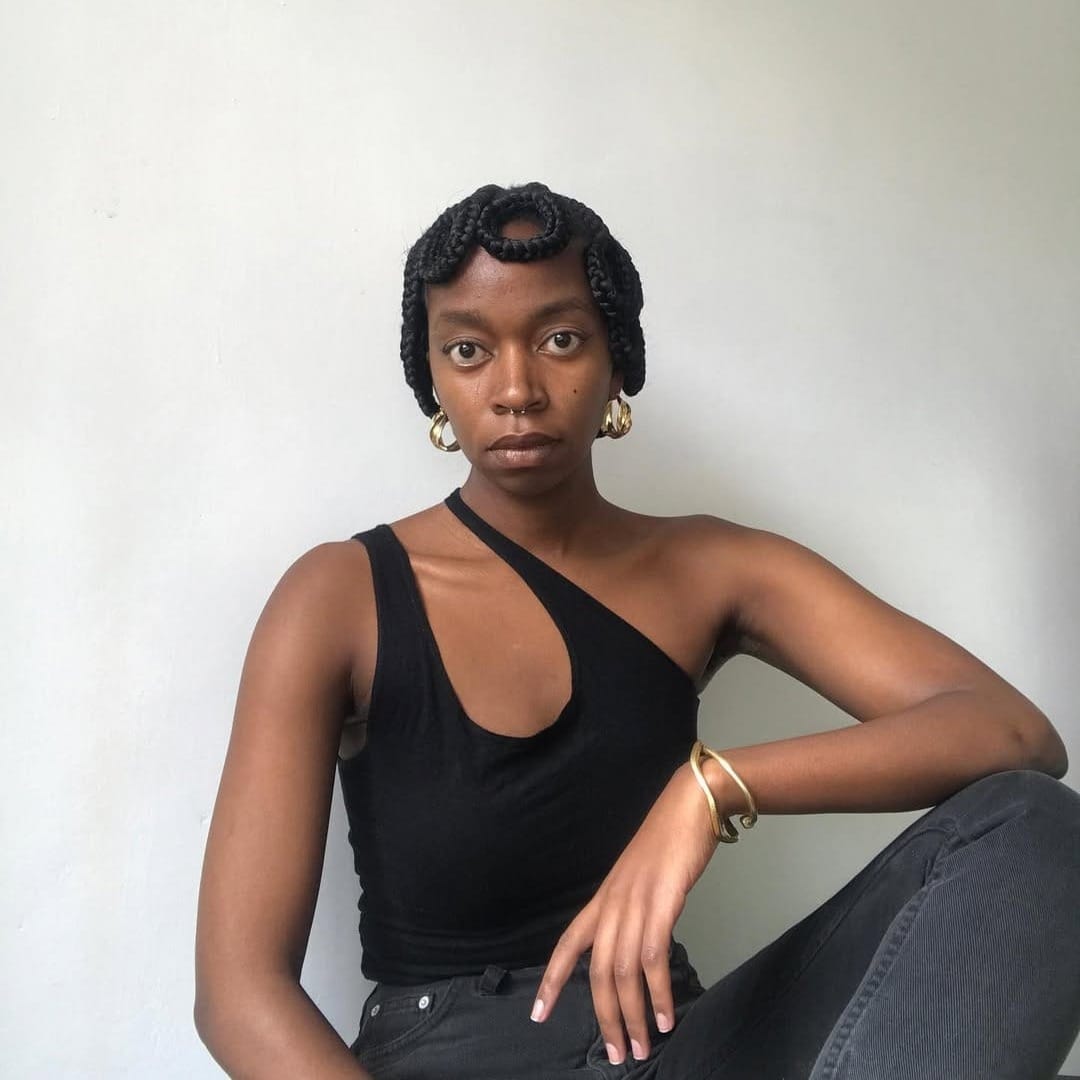
Wairimũ Nduba is a Kenyan creative researcher and curator whose work centres on African music histories and how sound shapes community, memory, and culture. She is the founder of Wer Jokenya, a digital archival platform that highlights Kenya’s rich and layered music legacy, uncovering lesser-known artists and musical moments and making them accessible for people to explore. Her practice blends sonic and visual archiving with research and curation, grounded in a belief that music is a space for gathering, healing, joy, and beauty.
Alongside her archival work, she brings a unique perspective shaped by her background in music education and nearly two decades in ballet, which informs her interest in how the body itself can hold and express knowledge. Her research and projects have appeared on platforms such as Pan-African Music, Amaka Studio, and Book Bunk, and she continues to explore ways to connect historical sound practices with contemporary cultural conversations.
In this conversation, we spoke with Wairimũ about her journey into sound archiving and her growing interest in the social, political, and geographic contexts that shape how music is created and experienced. She shared how cities like Nairobi are shaped by infrastructure, class, and history, and how these divisions subtly influence where sound comes from and how it travels. We also discussed her listening sessions, her focus on field recordings, and why slowing down has been essential to both her personal growth and her work.
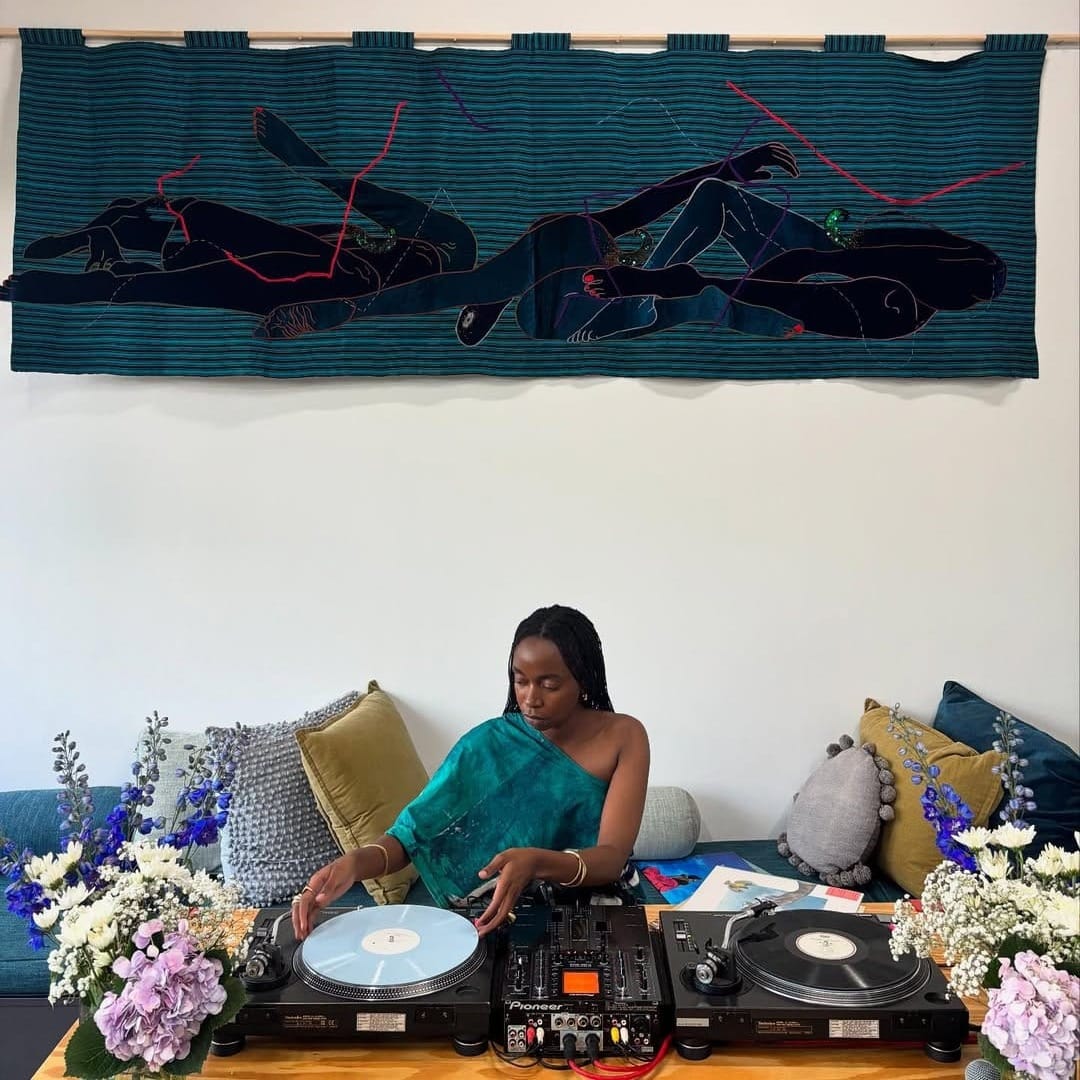
You began your journey in ballet and then became a tutor, while also training as a classically trained pianist. All of that has now come together as part of your artistic practice, feeding into your archiving, your music, and the way you practice multiple disciplines. How do all these different backgrounds come together to shape what you’re doing right now?
For me, all of these things have fed into one main thing: the discipline of attending to my own personal practice. Being a classically trained pianist and having a background in ballet, both of those practices are very foundationally rooted in discipline and attention to detail.
Especially within my archival practice, because so much of it has been self-led and self-directed, that internal discipline has been really helpful. Beyond that, attention to detail has been important too in noticing what is and isn't mentioned in the archive. Even before sharing anything on social media, during the research process itself, I’m very attuned to who was being left out of the narratives and what narratives were being pushed forward. I think that has really helped shape how the archive has grown.
Thank you. I know your professional background, but I wanted to ask about your personal background. Where did you grow up? Is this something you saw yourself doing as a child? How did your environment growing up affect some of the choices you’ve made in your career?
I’ve been fortunate to have parents who were very supportive from a young age. They recognised my gift, or my leaning towards music. I’ve heard my mum say that when she was pregnant with me, she would sing to me while she was pregnant. So music has always been at the very core of who I am. I was born and raised in Nairobi, and that’s where I live and work. My parents really cultivated that love, and they always understood that life was bigger than just academics. Even in school, they were the ones who enrolled me in music, piano lessons and ballet lessons. My mum, especially, was a very disciplined person. She always said that if you’re committing to something, then you have to fully commit; there’s no backing out. There were many times, especially when I was younger and in my teenage years, when I wanted to quit, but my mum would say, “You’re sticking to this.” And I’m really grateful for that now.
Growing up, I don’t think I ever saw myself doing what I’m doing today. When I was younger, there was actually a point when I wanted to be a lawyer. I think there was also a point when I wanted to be a marine biologist. So it’s really been a journey that has unfolded over time. Even if you had asked me five years ago, when I started Wer Jokenya, whether I’d be doing what I’m doing now, specifically in the ways this work has manifested, I don’t think I would have seen this coming. It’s really been a lesson in moving with the flow.
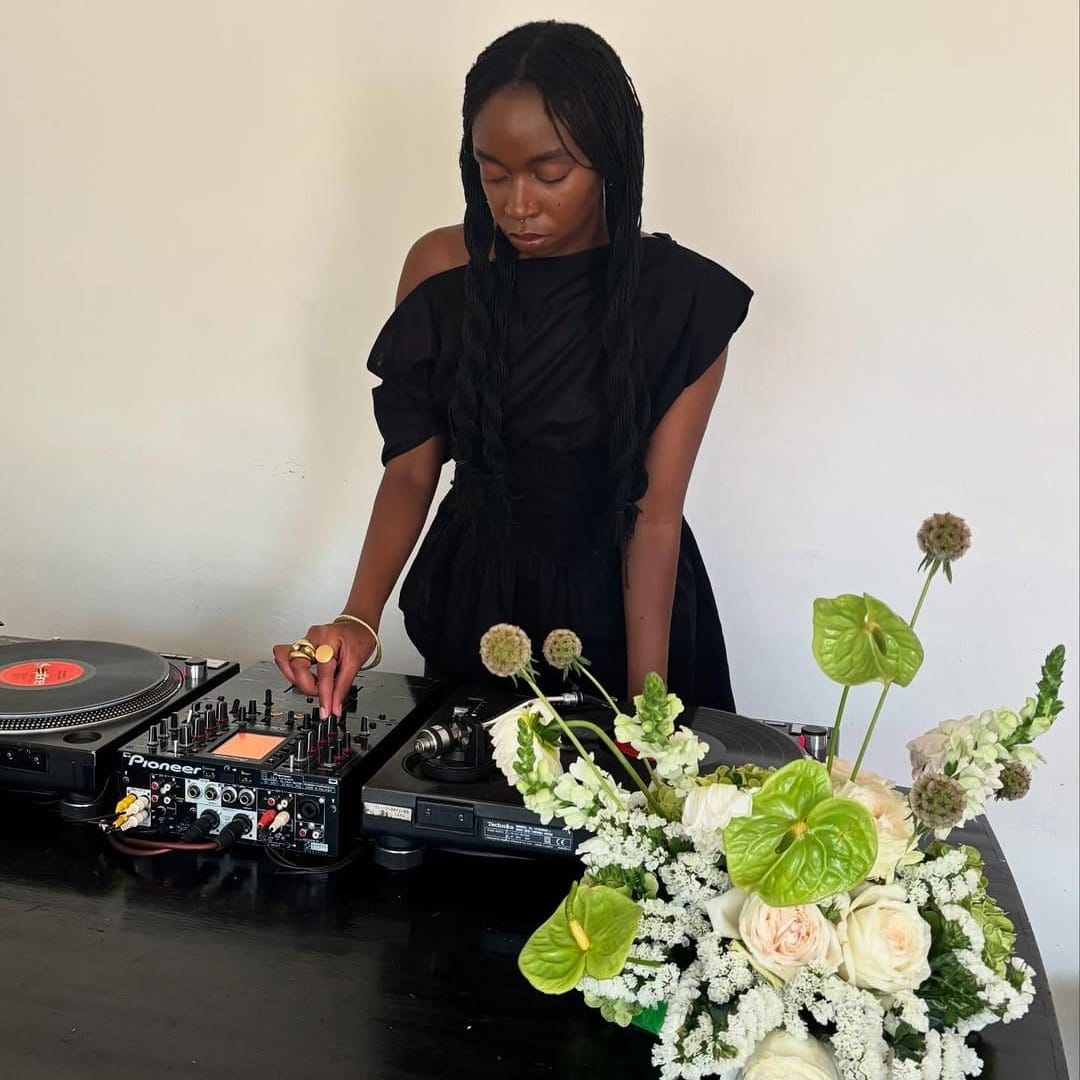
You had such a supportive background, that’s lovely. You mentioned Wer Jokenya and how you started it in 2019. It sits at the intersection of sonic and visual archiving, and I’m curious about what drew you to this kind of approach—this hybrid approach—rather than something purely academic, or purely music-based. What specifically drew you to working in this hybrid space?
What drew me to this work is that I would come across the sounds, that is, music from Kenya’s musical history, and I could hear it, but I’m a very visual person. I always wanted to know: who were the people behind the music? What did they look like? What were they dressed in? Where were they performing? Having the visual component really brought the work to life for me. I also think the nature of the archive being on Instagram plays a role. Instagram is a very visual platform, and it helps to have the visual element accompanying the sonic. In many ways, they go hand in hand. Even when you think about music videos, most of the time, the visual and the sonic are working together. So this approach comes from working within that tradition or legacy. But for me, it was also driven by pure curiosity: wanting to see what these people looked like, how they dressed, and what the physical spaces they performed in actually looked like. Music can also be seen in a way. When you listen to music, you can imagine yourself within a space.
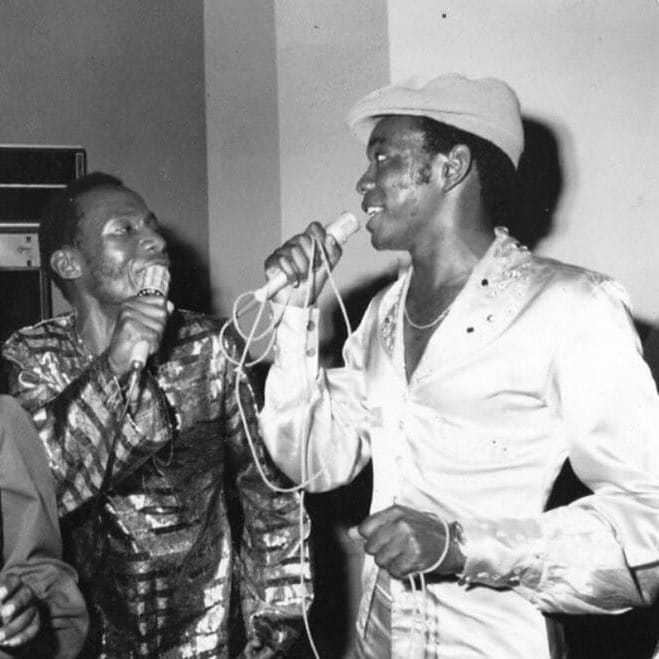
That’s an interesting way to go about it. You also mentioned curiosity as a driver for the work that you do. You’ve described music as a site of communal gathering; of healing, of joy, and of beauty. In your experience researching Kenyan music and Kenyan sonic histories, what moments or discoveries would you say have revealed that communal power the most?
One of the ways I’ve invited this sense of communal gathering around these histories is through the images I come across of musicians performing within archives. Most of the archives I look to for research are actually located outside of Kenya, often in universities, so a lot of the work is digital. But accessing and researching this information can be really difficult. Sometimes the metadata or labels that accompany the images don’t tell you who the musicians were, when they were performing, or even where they were performing.
I saw that gap in knowledge as an opportunity to invite other people to help fill in the missing pieces. I recognise that I don’t know everything, and curiosity is a huge part of my practice. Curiosity is also about being aware of what I don’t know, and understanding that others might know. So it became about inviting people to build this archive with me. In many ways, it’s also about moving the archive away from a more Western understanding of power—where authority and ownership sit with one individual—and disrupting that idea. It’s about saying the archive is for all of us: for all of us to contribute to, and for all of us to take collective ownership of. By being very clear when sharing these images, by saying, “I don’t know who these people are, can you help me fill in the gaps?” I was able to invite this kind of communal gathering and shared ownership over what I was discovering.
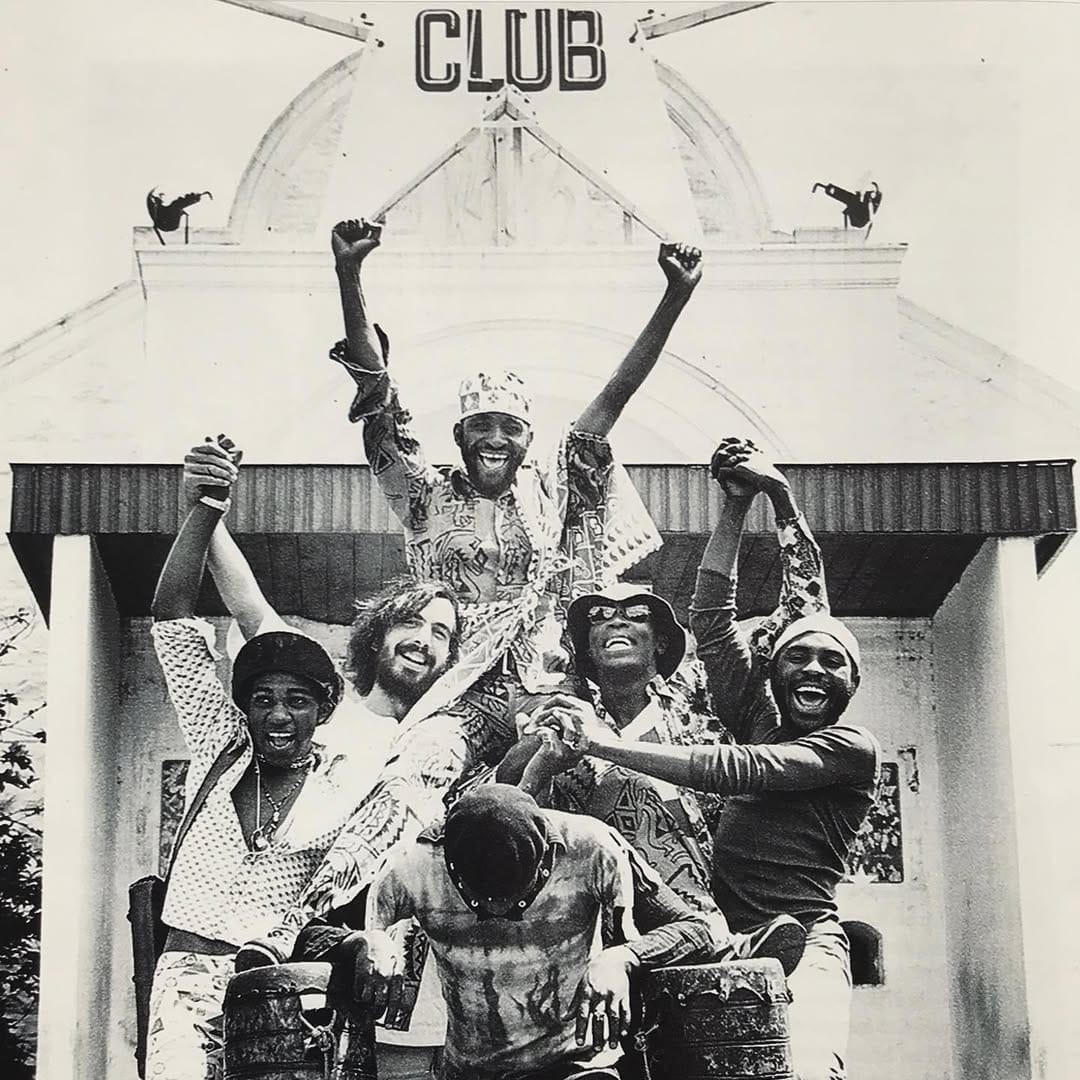
Curiosity and community are truly a powerful combination. I read your Substack a few days ago, and you mentioned two things that really stood out to me: citing and referencing, and the idea of the right to opacity. Earlier, you talked about how the footnotes don’t always contain all the information, and the limits that exist when it comes to the kinds of documentation we have in Africa. For someone working with that kind of material, where do you begin? How do you approach those gaps, and how do you personally sit with the reality that so much has been lost, or may never be found, undocumented and gone?
This is something I’ve been thinking about a lot, the idea of things being “lost.” When I first started, I was very focused on the idea that things were lost and couldn’t be found. But now, I’m coming to understand it more as displacement rather than loss. These things aren’t necessarily gone forever. Even when I think about certain traditions, I feel like they can be reclaimed. Obviously, they won’t be reclaimed in exactly the same way our ancestors practised them, and that’s okay. Culture is dynamic; it’s never static. So for me, it’s less about loss and more about displacement. And as I think through this, I also find myself inviting a more multidisciplinary research approach. I see research as conversation: conversations with people, especially people older than me. That, to me, is a valid form of research and a valid way of knowing. It’s also about looking at different sources, sources you might not initially think are related, but that actually are.
I try my best to read widely. So when I’m looking at music, I’m not only reading about music, I’m also reading about politics, economics, and ecology. There’s a way that reading across different fields helps you fill in gaps you might miss if you’re only focused on one subject. This approach was also taught to me by a cultural worker I deeply respect, Nombuso Mathibela. She’s spoken about how much she values being in friendship with people who aren’t in music or don’t work in culture at all, because hearing from them informs the work she does. So for me, it’s really about reading beyond your discipline and thinking expansively. It’s also about shifting how we think about things; not necessarily as lost, but as displaced, and recognising that there are still ways we can recover some of this information. It may take longer, and it may not look exactly the way we imagined it would, but it’s still there. I think you can still find it.
I definitely see the value in different perspectives and sources, thank you. My next question is about citation as storytelling, which you’ve mentioned before, how citing and referencing people helps tie things together. How has that philosophy changed the way you approach your music and your community?
On citation, it’s a way of honouring the lineage that came before me, and also honouring the people who’ve shaped the way I think. There’s a quote by Maya Angelou that says, “I come as one, but I stand as ten thousand.” That really captures how I think about the people in my life and the thinkers I’ve engaged with, and how they’ve shaped the work that I’m doing. So citation becomes a practice of honouring ancestry and honouring lineage. It’s also a bit like liner notes. With music, especially when it came on CDs, tapes, or vinyl, there was always this written accompaniment that explained who the musicians were, who made the music possible, and the background of how the album came to be. In that same way, citation feels like liner notes for my work: a way of mapping how I arrived at this place, and acknowledging all the people who helped make that journey possible.
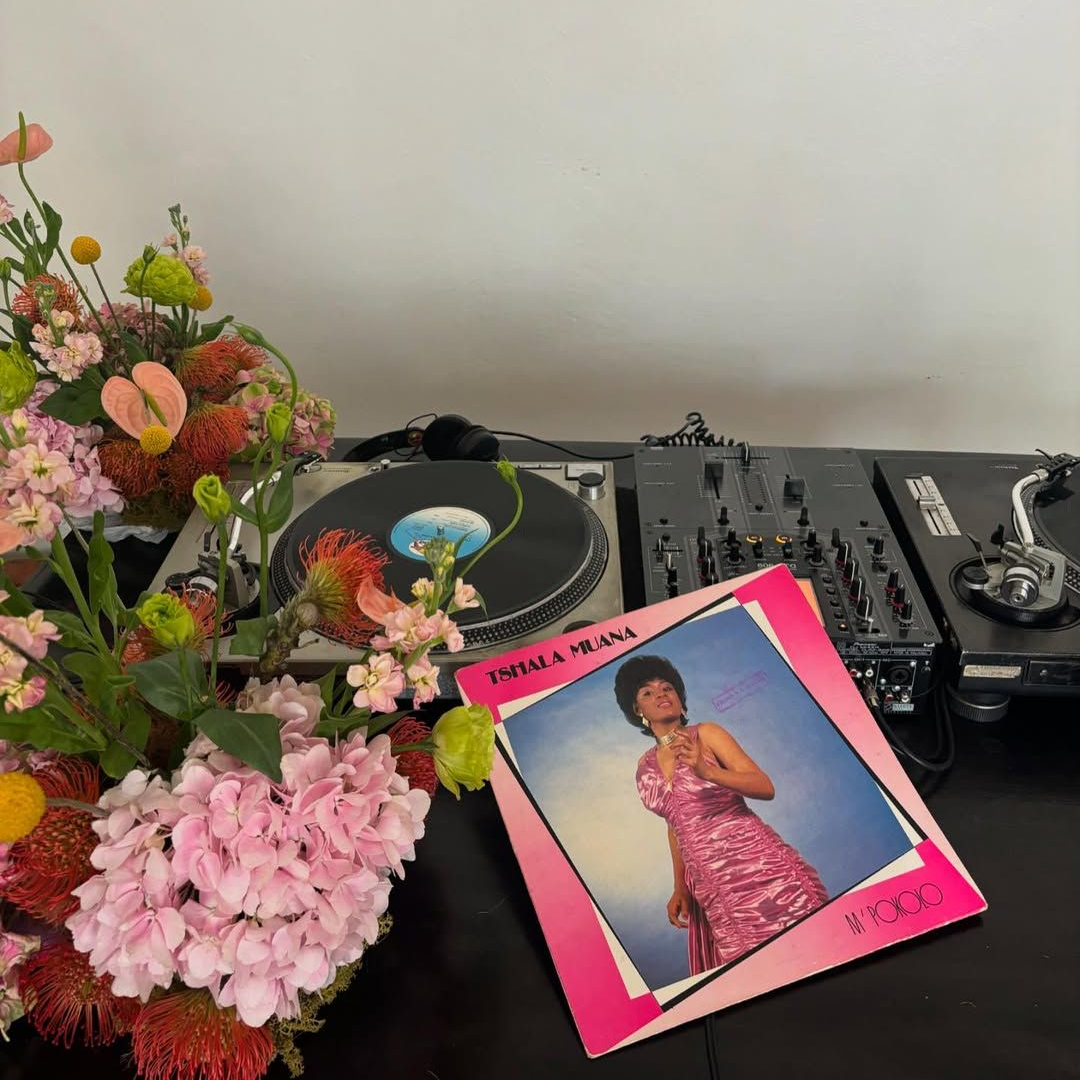
Thank you, that sort of referencing is so important. Let’s touch on your community and the communal way you approach your work. You engage with and reference a lot of contemporary writers, archivists, and cultural workers, as you’ve mentioned. What does that community of contemporary, modern archivists look like to you, and how important is collaboration within your space, specifically within the archiving world?
For me, collaboration has been everything. I started building the archive without being formally trained. Within the classical music tradition, there’s a strong emphasis on understanding history and how history is articulated through the way you play. So I did have an understanding of how important history is. When it came to archiving and thinking about this as a curatorial practice, I was very new to the space. Learning from and speaking with others, people who were my contemporaries but more experienced in the field, really helped me think through how to approach the work. I’ve been met with so much generosity and kindness, and that’s something I’m deeply grateful for. People have been genuinely willing to engage, to answer questions, and to share knowledge. I think that speaks volumes about the kind of people who are doing the work of engaging with African archives. That generosity fills me with a lot of hope about how this space can continue to grow and blossom.
I love that you’re able to pull from so many different people who shape what our culture looks like today. And you always seem to be having so much fun with your work; you genuinely enjoy it. There’s a real sense of playfulness in how you approach things, while still maintaining the weight and seriousness of the work you’re doing. How do you personally balance reverence with joy? Because sometimes archiving, reading through materials, notes, and dense texts, can feel boring or heavy, especially when there’s so much technical language involved. How do you approach this work in a way that holds both reverence and joy, and still leaves room for playfulness?
It’s heavy work. Engaging with histories and archives is heavy because not all the material you encounter is pleasant. You also grapple with a lot of grief, seeing the ways in which systems have failed. For many of us living on the continent, there’s a lot of pain: even just reflecting on colonial imposition, colonial violence, and how that violence continues to be replicated in our modern-day states. For me, a way to navigate that grief—because I think it’s necessary to hold it, alongside reverence—is to also centre joy. It’s not only about focusing on pain or loss; it’s about balancing it with joy. This work is life-giving in a way that makes you want to honour the people who came before you.
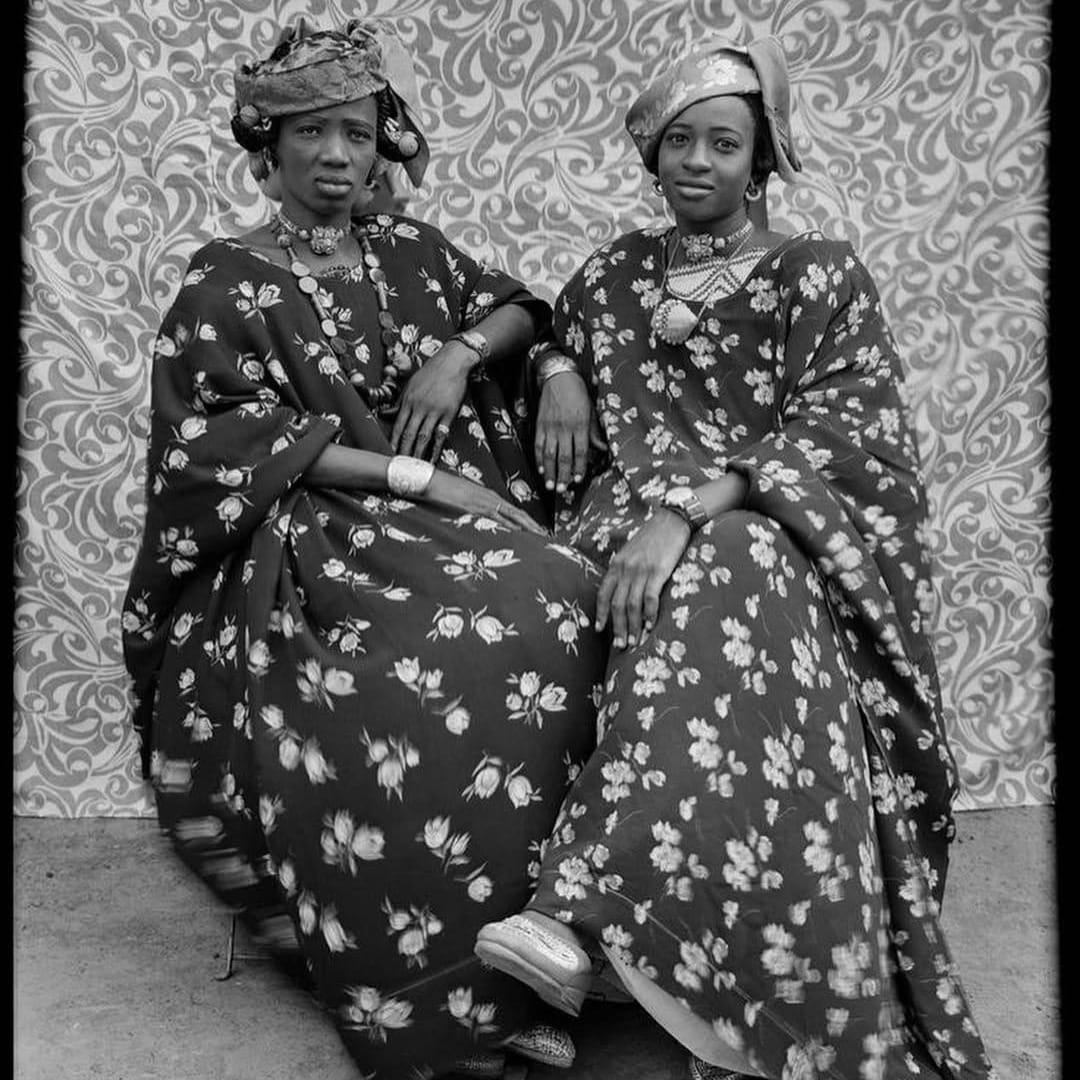
I think, currently within my practice, I’ve been really focused on looking at African women’s sonic practices on the continent. For me, the “aunties,” as I like to call them, the women who came before me, were full of life and loved beauty. You could see it in the way they adorned themselves, in their clothing, in how they wore their jewellery while performing, and in the way they carried themselves on stage. This is another way of honouring ancestry and lineage. Beauty is also a big part of my practice, so engaging with it allows me to balance the weight of this work; it’s a way of not letting grief take over. On the note of play, there’s a scholar, Dr James Isabirye, who wrote a brilliant paper on what it means to engage with indigenous African music practices within the realm of education. He talks about how play, in many indigenous African communities, was a major way of passing on musical traditions and even broader cultural knowledge. Play was embedded in hand games children would play, or in moments when families would sit outside and a grandmother would tell a story, weaving songs into the narrative. In that way, play was central to passing on values and sustaining how indigenous societies were organised and taught. For me, engaging with play in my practice is a way of carrying on that legacy.
So much of what you said really resonates with me. Your thoughts on grief and the heaviness of the work, acknowledging that while things have changed, and how, in many ways, they’re still the same. I also appreciated your point about play being such an indigenous aspect of African culture. You also mentioned focusing on women who have shaped the music sphere. What would you say are some of the things that the general public needs to know or learn regarding them?
Honestly, it’s a big question I ask myself all the time. It’s a lifelong question because this work—engaging with African women’s sonic practices—is really my lifelong work. So I feel like I’ll be answering that question more and more as time goes on. I don’t know if I have one definitive answer right now; maybe we could come back to this conversation ten years from now and revisit it.
We look forward to exploring that with you in the future. What would you say has been your favourite part of learning about these women, what they were up to, what they were doing, and how they shaped things?
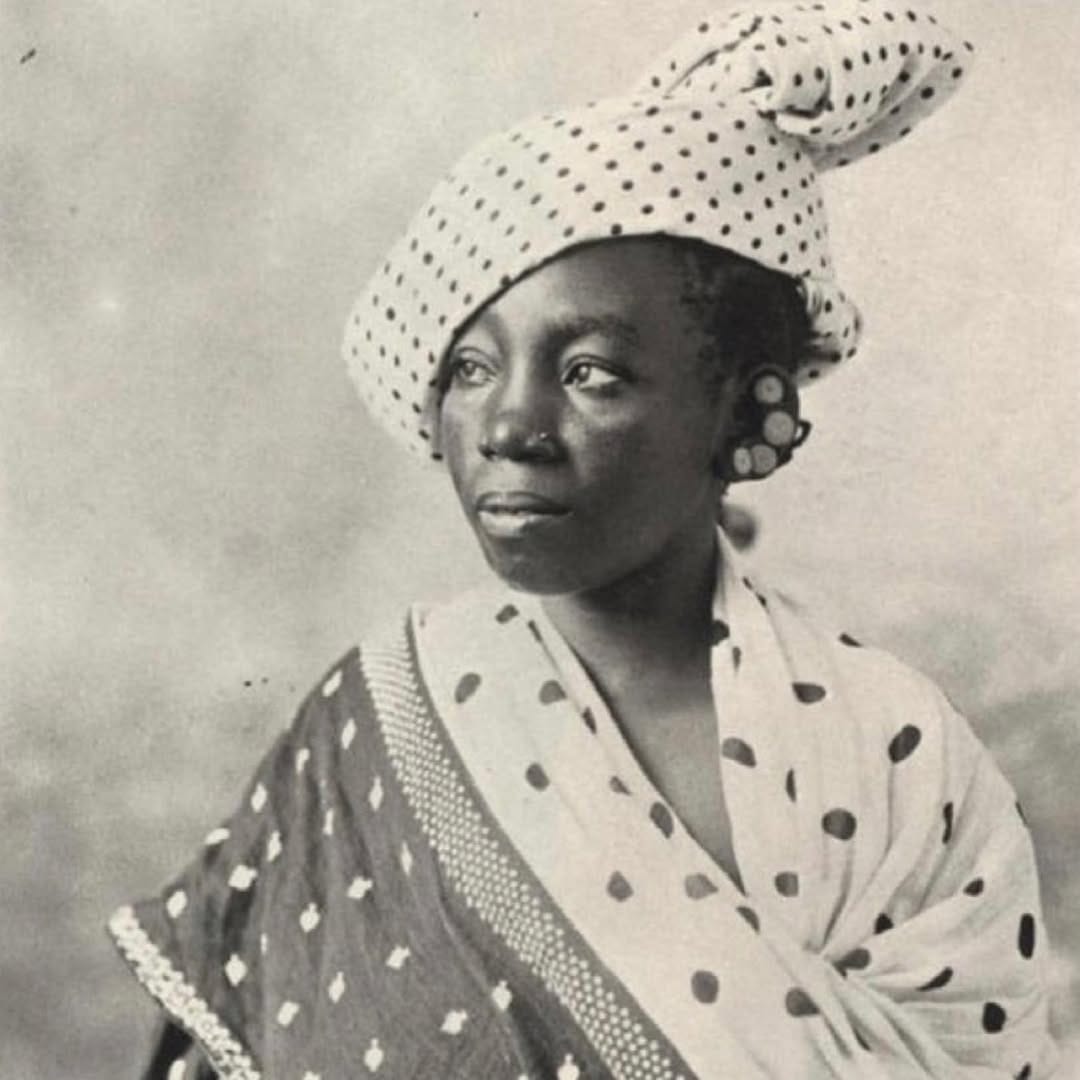
My favourite part is, first and foremost, discovering musicians I had never come across before. It’s the joy of discovering these sounds and asking, how do we not know about all these beautiful women? I also love seeing the ways they challenged societal conventions. One person who comes to mind is Bi Kidude, a musician from Zanzibar, Tanzania. She was considered a rebel, someone who didn’t fit societal expectations of what a woman should be. She smoked, didn’t have children, and performed barefoot as a musician. She was also a midwife, a truly dynamic individual. Considering she was born at the start of the 1900s, she really stood out for her time. For me, it’s just amazing how these women existed fully in the truth of who they were. That gives me so much affirmation to continue the work I’m doing, to do it boldly, and not be overly concerned with societal constructs. It’s about really living out my truth, and that’s exactly what these women did at a time when it must have been so much harder to do so. So for me, it’s about carrying on that same spirit.
Definitely worth emulating. Wer Jokenya focuses specifically on Kenyan music, but more generally, in your archiving practice, you look at African music and women in particular. I know archiving often looks to the past, but I’m curious, are you interested in bridging what was with what is now? How do you see the current music landscape connecting with the historical work in your archives? Is there interest in blending contemporary music with the historical excavation you’re doing?
Yeah, for sure. Maybe not necessarily focused on how the music itself was experienced in the past versus now, but for me, the context around the music, then and now, is really what I’m interested in. Last year, for example, I hosted a workshop and listening session where I was tracing connections in Nairobi. The name Nairobi actually means “place of cool waters.” It’s a city built along rivers, at the convergence of several waterways. I was exploring how water has been understood, how it has shaped the city, and even how we experience it sonically; who has access to water, and how that access is historically embedded. For me, it’s about engaging with the political, economic, and geographic landscape surrounding the music, and looking at how it has been experienced both in the past and today. There’s also the question of performance—how music has been shaped within the city and within its spaces—and how that continues to evolve.
Nairobi is a city that's divided by a railway line. There’s the east side of Nairobi and the west side of Nairobi. In the past, when the British were still occupying Kenya, the west side was for the British settlers and the east side was for the indigenous Kenyans. So, in the past, the city was divided along racial lines, and right now the city is divided along class lines. It’s always interesting to note that within the city, a lot of the music has always come from the east and then moved to the west. I’m also interested in how that legacy is still contained. So, it may not necessarily be about the way in which music itself has been related from the past to the present, but the context around the music is what I’m really interested in.
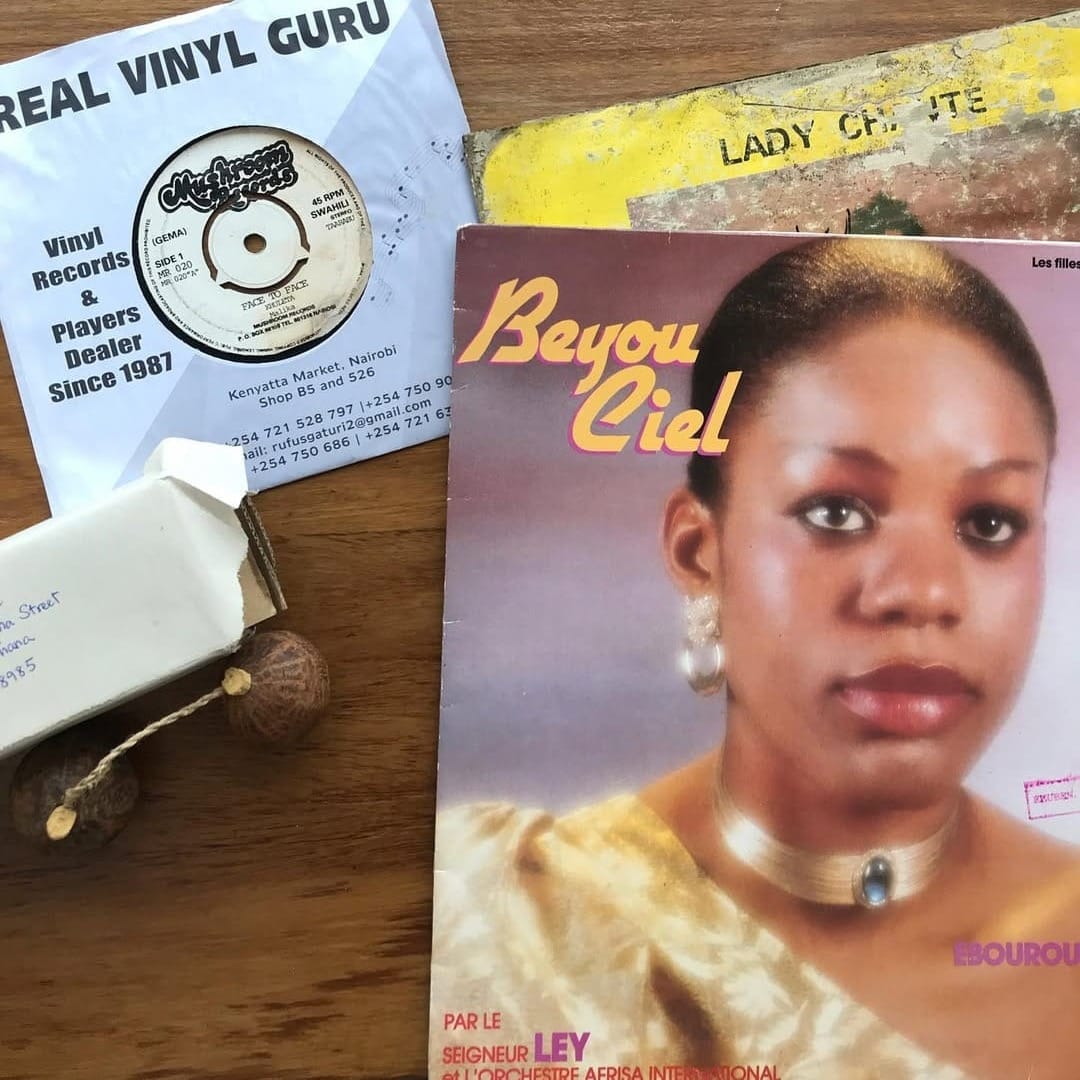
That’s such a very thoughtful answer, and the workshop sounds amazing. You started Wer Jokenya in 2019. Looking back, what would you say has been most significant about its evolution? And what are you hoping to nurture as you continue?
When I started Wer Jokenya, there was this pressure on social media; the pressure to blow up quickly, to make it big. But for me, that hasn’t been the case with Wer Jokenya, and I’m really grateful that it’s taken its time to grow organically. That slower growth has meant that I’ve also grown as a person alongside the work. If Wer Jokenya had skyrocketed immediately, I wouldn’t have been prepared to think critically about what it means to do this work, how to care for it, or how to navigate my positionality while doing it. So I’m really grateful for the way it’s grown slowly. It’s allowed me to be much more deliberate in what I’m doing. My hope moving forward is to continue honouring the slow, steady nature of this work and everything that it brings.
Very nice and thoughtful answer. I hope to see it grow more over time. My final question is this: for those who want to continue exploring African sonic histories, African music, or archives, are there archivists, researchers, or platforms we should be paying attention to? Maybe even someone we could speak to next.
I’ll start from my home base. There’s a brilliant archive called Sound of Nairobi. What’s so stunning about it is that it focuses on field recordings, going to specific points within the city and recording the sounds of those spaces. Because Nairobi, as a city, is changing so much, with a lot of infrastructural development, many of us are questioning whether this development is sustainable. The importance of the work Sound of Nairobi is doing is that they’re capturing places and spaces that may not exist in the same way one year from now, two years from now, or three years from now. They also make their archive accessible for people to engage with. They also have a large collection of books to read and reference, which are really helpful. So, Sound of Nairobi has been really crucial to my practice.
There’s a dear friend of mine, Tosin Adeosun. She runs a platform called African Style Archive, and she was one of the first collaborators I had when I was starting with Wer Jokenya. Over time, our relationship has grown from purely work-related to a genuine friendship, which I’m really grateful for. She’s doing amazing work exploring what style on the continent looks like and the universe it contains. Another one I’ll mention—one that a lot of people know—is Vintage African Women. It’s so beautiful. You know me and the “aunties,” we’re locked in for life, so I always love seeing what they post and share. They’re doing some really amazing work, and I think their sister platform is Archive Africa. Those are the ones I’m following closely. It’s also been interesting to see how things have shifted since I started in 2019–2020.
Thank you so much for indulging and answering all our questions. It's been a pleasure speaking with you.



Member discussion