


Introduction
For a long time, the story of African design was told by people outside of it. What counted as sophisticated, what belonged in a museum, what was worth collecting; those decisions were rarely made by Africans themselves. We've been paying attention to how that's changing, and what we keep noticing is this: the most exciting designers on the continent aren't looking outward for inspiration. They're going inward. Into their own cultural histories, their own materials, and their own craft traditions; and asking a simple but powerful question: what could this look like today?
The work coming out of that shift is some of the most compelling design we've seen anywhere. Deeply rooted, completely fresh, and impossible to ignore. With that in mind, here are 7 brands we think you should know about.
Acacia Studios (Lagos, Nigeria)
Acacia Studios is a Nigerian homeware lifestyle brand dedicated to modernist African interiors, designing and producing furniture and home décor using traditional techniques and materials.

It was founded by Tomike Layi-Babatunde, a lawyer trained at the University of Leeds who made the decision to channel her passion for art, culture, and craftsmanship into building a brand that brings African heritage into Nigerian homes through locally produced, contemporary design.
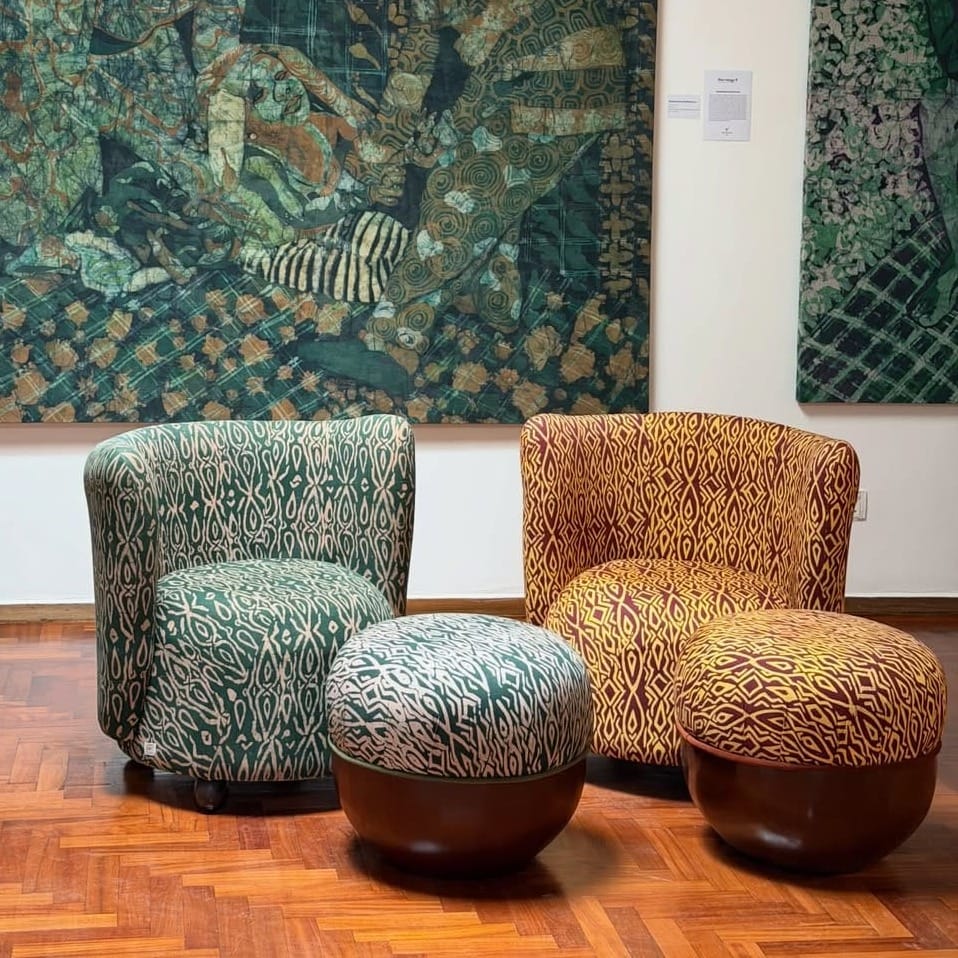
Their pieces, from furniture to ceramics, are all made in Lagos using sustainably sourced wood, natural fabrics, and hand-finishing techniques and are all inspired by the Nigerian spirit of community and the art of gathering; the belief that sitting together, sharing a meal, and being present with one another is something worth designing around. Grounded, beautiful, and proudly made in Nigeria.
AMWA Designs (London / Ghana)
AMWA Designs was founded in 2014 by British-Ghanaian designer, curator, and creative consultant Chrissa Amuah, whose creative work is deeply inspired by her Ghanaian heritage. Even though she was born and raised in London, her heritage spans Ghana, Togo, and Benin, and it’s from Ghana that she draws most of her design-led inspiration.
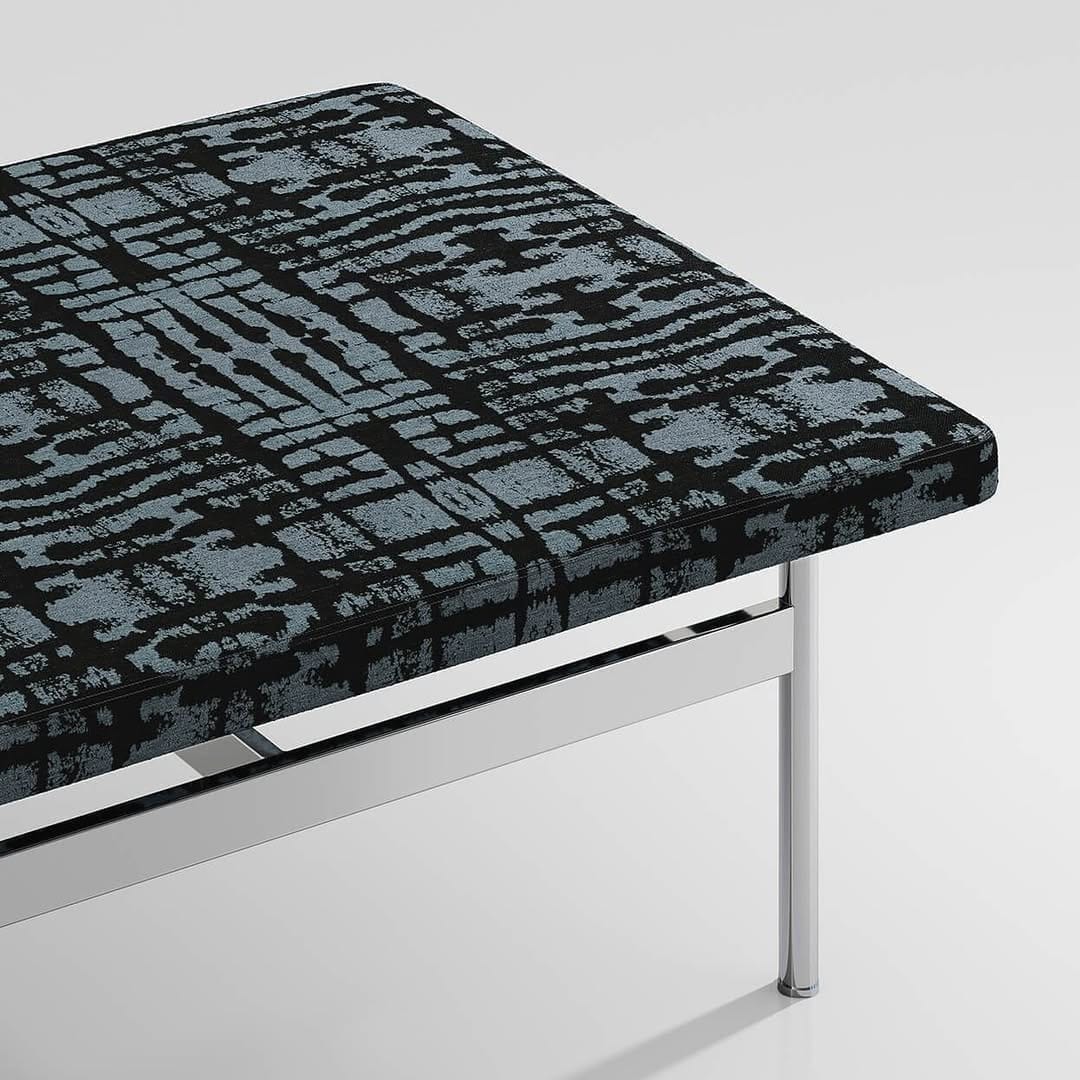
The Adinkra symbols and proverbs of Ghana sit at the heart of everything AMWA makes. They’re not just decorative symbols, they carry traditional wisdoms and adages that Amuah sees as motivation for 21st century living. The brand translates them into cushions, wallpapers, light fixtures, coffee tables, and textiles — objects that are as meaningful as they are beautiful.
Salu Iwadi Studio (Nigeria/Senegal)
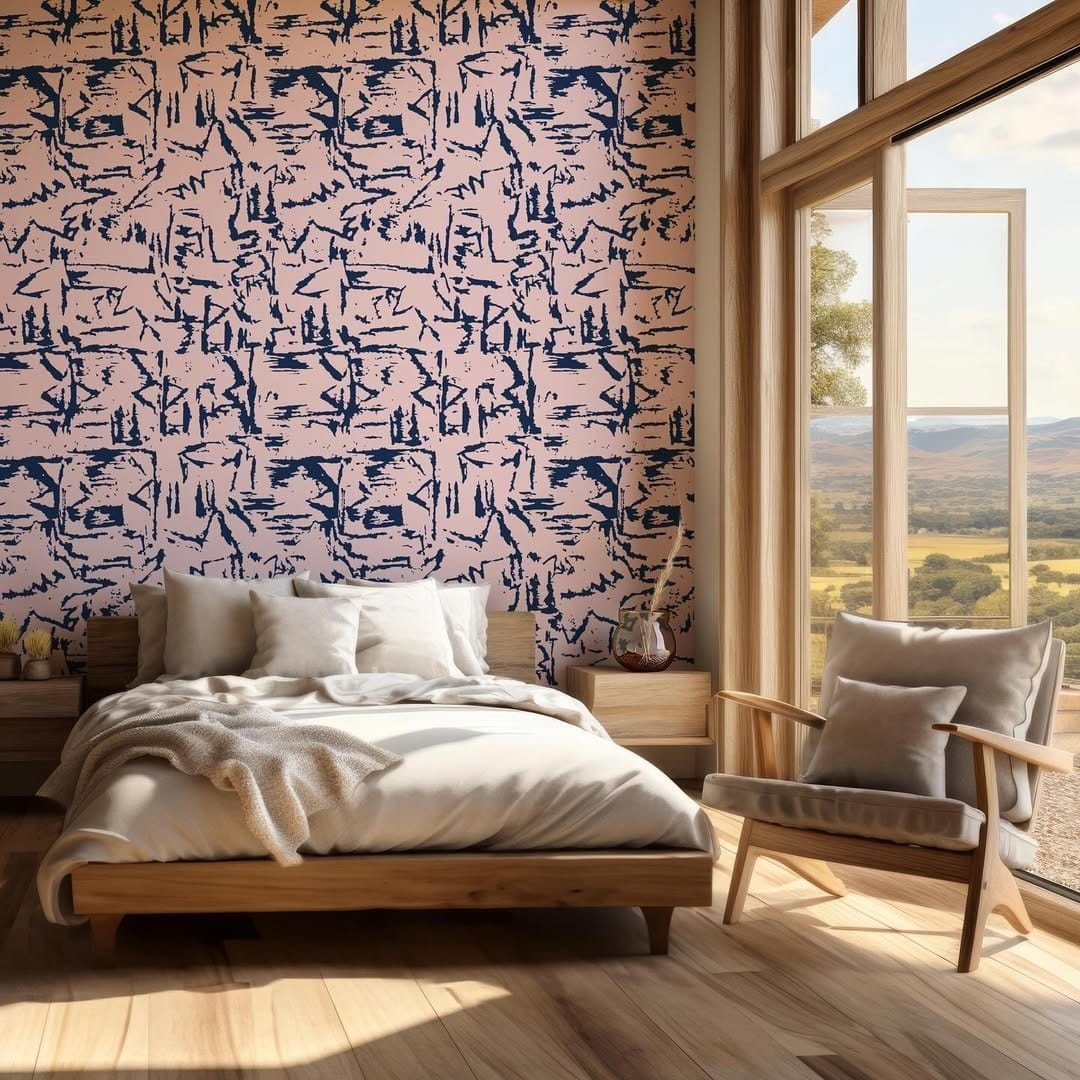
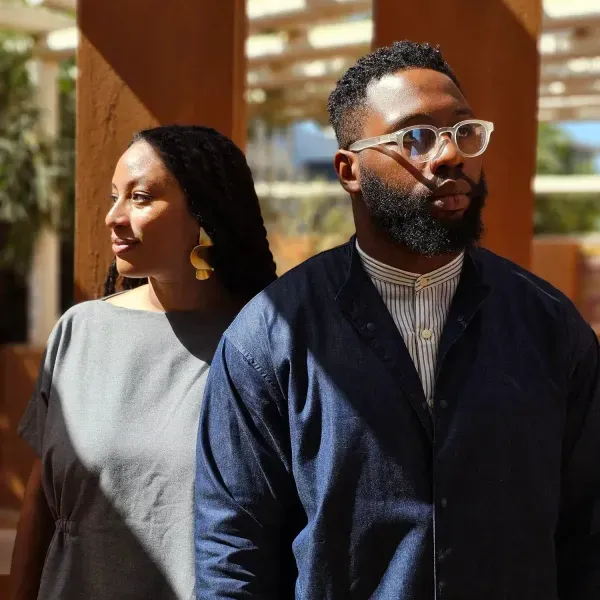
Founded by Toluwalase Rufai and Sandia Nassila, Salu Iwadi is a cross-cultural design studio that believes African objects carry stories worth telling in contemporary form. The studio works across furniture, objects, and interiors, making pieces that draw on the visual languages and craft traditions of West Africa.
Their Patewo Chair, named using a Yoruba hairstyle, and their Zangbeto Table, which references the masked spirit figures of Benin and Togo, show exactly what the studio is about: taking something rooted in deep cultural knowledge and making it into something you’d actually want in your home. Salu Iwadi is young, but the vision they have is clear, and the work is compelling.
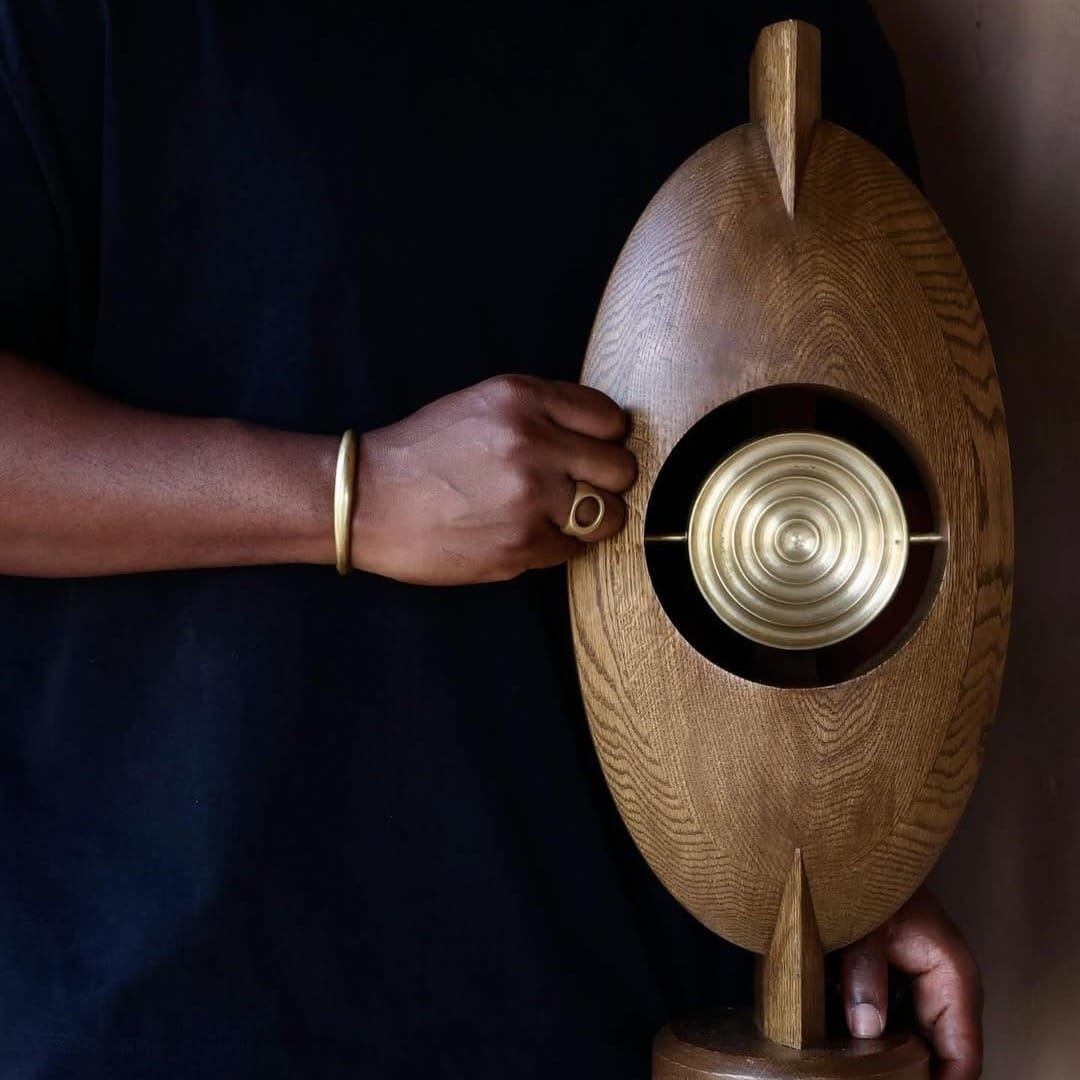
8 Contemporary Art Spaces and Studios Shaping African Art Today
Altin Studio (Tunis, Tunisia)
Altin Studio was founded by interior designer Yasmine Sfar and civil engineer Mehdi Kebaier. The name comes from the Arabic word Al-Tin, meaning earth or clay, a clue to everything the studio stands for. They design limited-edition pieces made entirely in Tunisia by applying new techniques to ancient crafts.
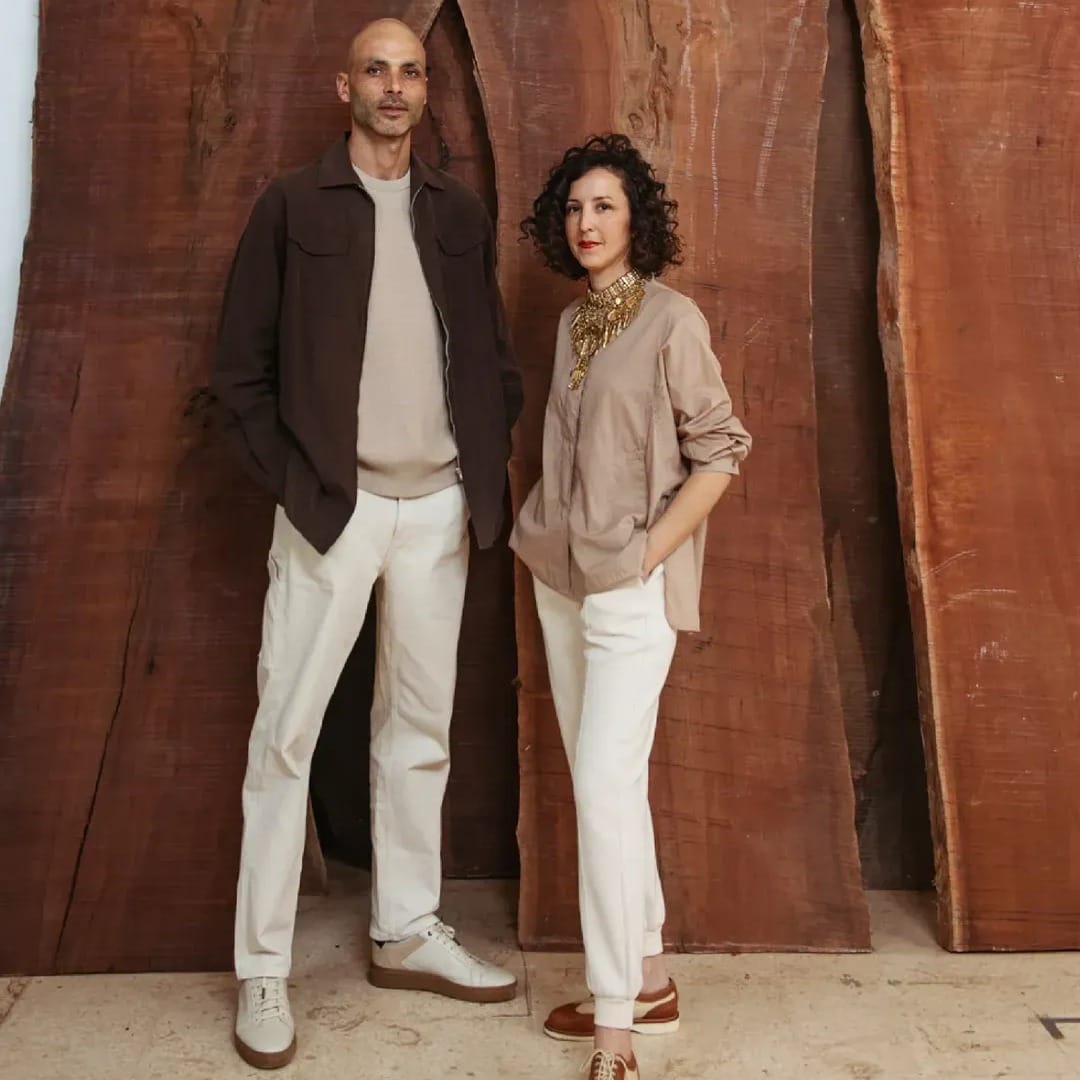
The materials they use say a lot: sea rush, palm wood, and Sejnane clay; a Berber pottery tradition that is over 3,000 years old and recognised by UNESCO as intangible cultural heritage. Everything is sourced locally and made by artisans across the country, many of them women in rural areas who have practised these crafts for generations.
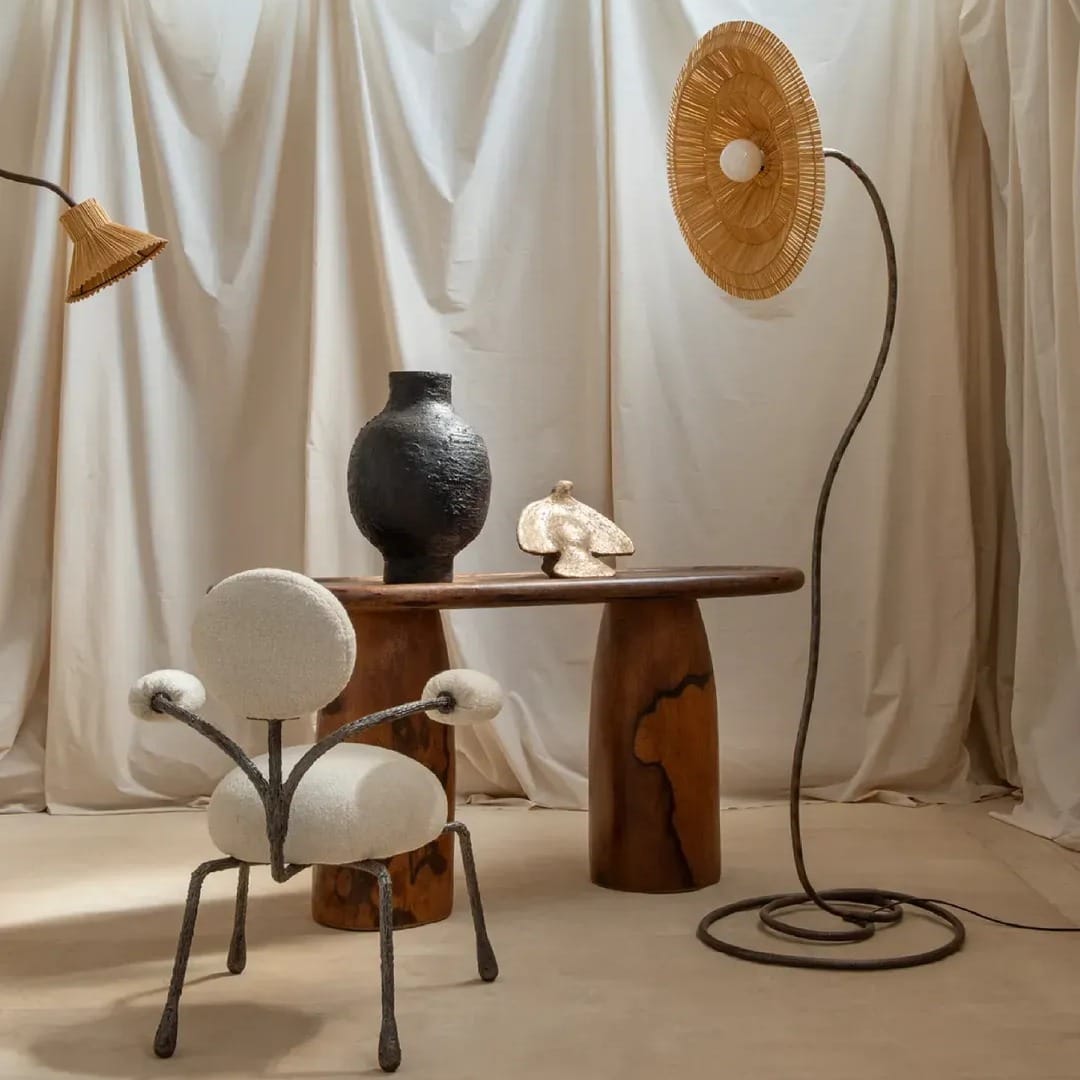
By connecting these traditions to contemporary design, Altin Studio is helping keep them alive in a way that actually makes sense economically, and the objects they produce are genuinely beautiful.
Don Tanani (Cairo, Egypt)
Don Tanani was built around one question: what would ancient Egyptian furniture look like today if it had developed on its own terms, without centuries of outside influence? Lead designer Lina Alorabi has spent years working on that answer, and the results are actually quite striking.

Their pieces are hand-carved in wood and inlaid with camel bone and gold leaf, drawing on pharaonic mythology and Egypt's ancient visual culture. The studio also produces limited-edition works that sit somewhere between furniture, sculpture, and cultural objects; things that feel like they could be in a museum, but are made to be lived with.
Don Tanani has been featured in Architectural Digest, Wallpaper*, and Elle Decor, and was named to the AD100 in both 2024 and 2025, a big deal for a studio with such a specific, local vision.
Jomo Furniture (Ethiopia/Kenya)
Born in Kenya and raised in Addis Ababa, Jomo Tariku launched Jomo Furniture in 2017 with a collection of hand-sculpted wooden chairs and stools inspired by traditional African symbols and forms.
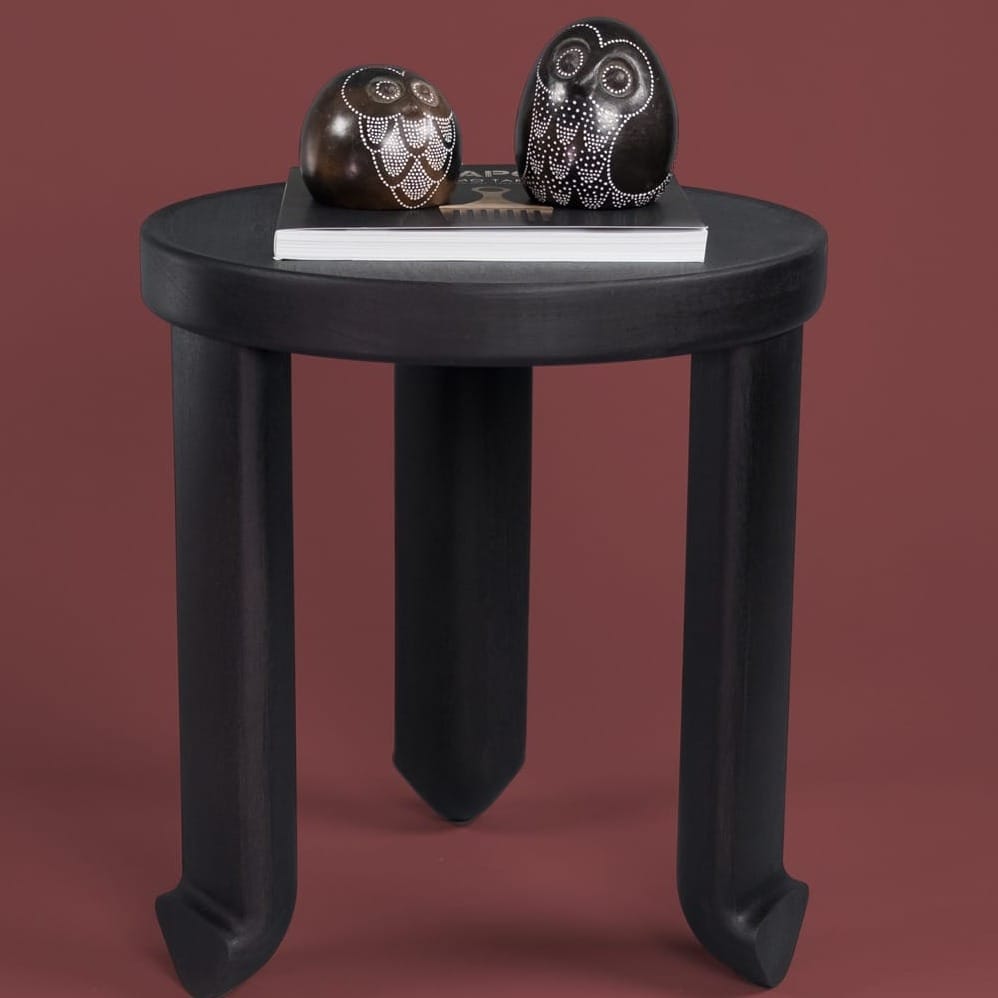
His designs draw on Africa's cultural heritage, historical structures, traditional furniture, craft, colours, artifacts, landscapes, and wildlife. For example, The Meedo Chair is shaped like a hair pick, which is a symbol of Black pride. And the Boraatii stool reimagines traditional Ethiopian headrests. The Nyala stool's legs resemble antelope horns. Every piece tells a story.
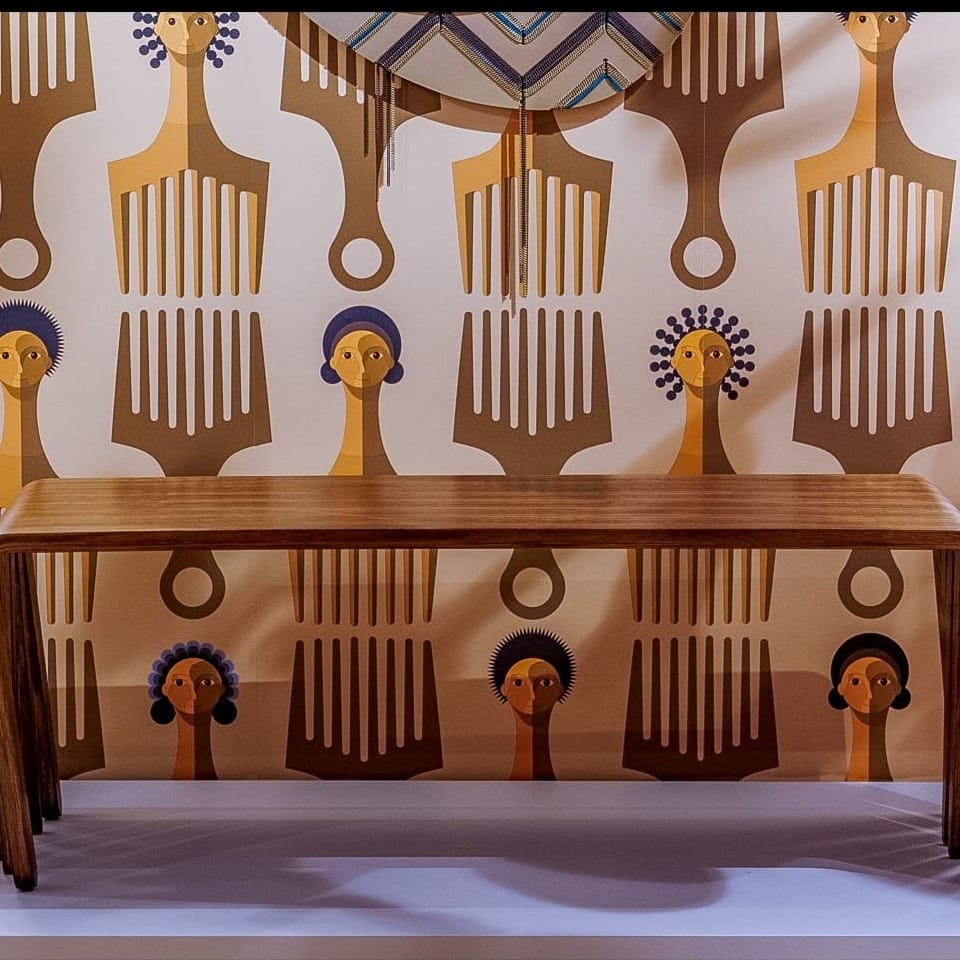
Tariku's work is now in the permanent collections of the Metropolitan Museum of Art, the Smithsonian, LACMA, the Denver Art Museum, the Baltimore Museum of Art, and the Philadelphia Museum of Art. His pieces also appeared on the set of Marvel's Black Panther: Wakanda Forever.
Conclusion
All of these brands share one thing. None of them are using African heritage as decoration. They're not adding a pattern or a motif to an otherwise Western product and calling it African. They're building entirely new design languages from African foundations, and showing that those foundations are rich enough to go in any direction. Reviving heritage this way isn't just meaningful culturally. It creates real value, and it keeps skills and traditions alive that might otherwise disappear.



Member discussion