


Introduction
Africa's contemporary art scene is one of the most exciting and fast-growing in the world, and at the heart of that growth are artist-led spaces. Not government institutions or commercial galleries, but spaces built by artists, for artists. Places where experimentation is encouraged, community is centered, and creative freedom is protected. These spaces are quietly, and sometimes loudly, changing the landscape of contemporary art on the continent.
Here are some of the most remarkable artist-led spaces defining culture across Africa right now.
Dot.ateliers — Accra, Ghana
When painter Amoako Boafo returned to his home city of Accra after years of international success, he brought more than his artwork; he brought a vision. Boafo is one of the most talked-about painters of his generation, known for his richly textured portraits of Black subjects. His work has sold at auction for millions and been worn by celebrities, but his most lasting contribution to the art world may turn out to be what he has built at home.
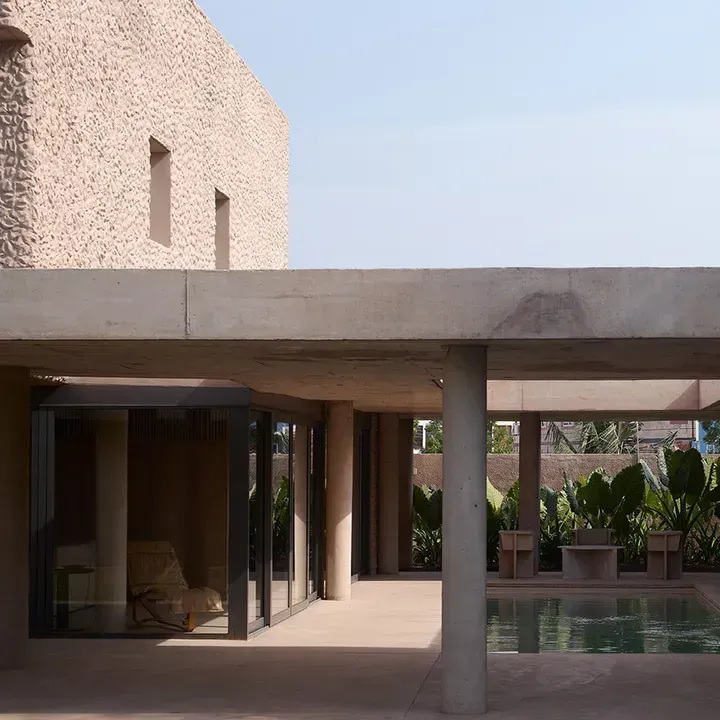
Dot.ateliers is a striking three-story creative campus in Accra designed by the legendary Ghanaian-British architect Sir David Adjaye, the mind behind the Smithsonian National Museum of African American History and Culture in Washington D.C. and the National Cathedral of Ghana. The building is as intentional as the mission behind it; eco-friendly, and community-oriented.
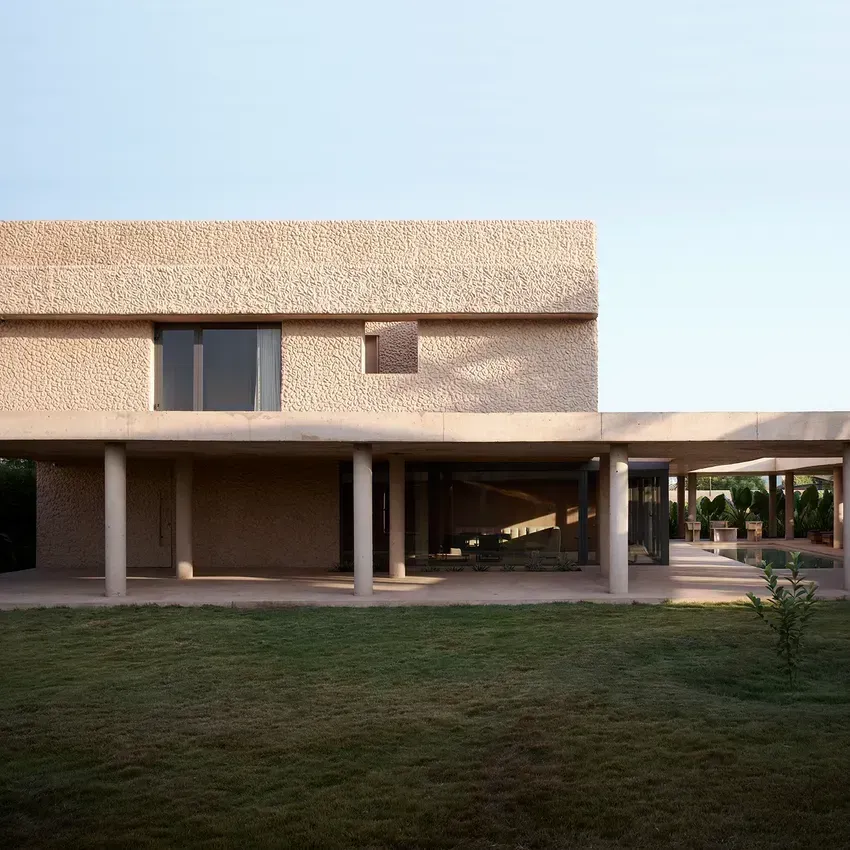
The campus houses gallery spaces, working studios, areas for workshops, and facilities for public programming and events and has quickly become one of Accra's most talked-about cultural spaces, hosting exhibitions that bring together both Ghanaian and international artists and programming that ranges from artist talks to community outreach.
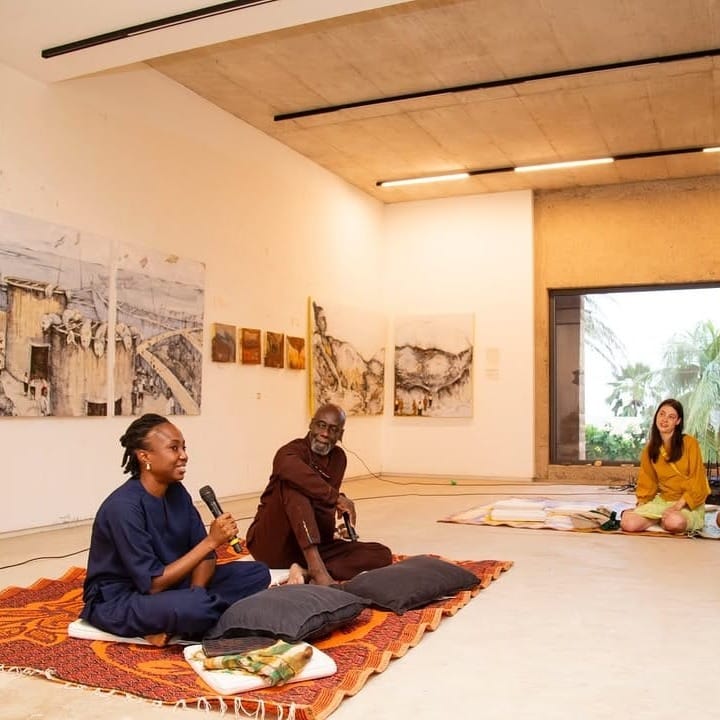
For Boafo, the space is a response to the lack of infrastructure he experienced as a young artist in Ghana, a gap he’s now actively trying to close.
Limbo Museum — Accra, Ghana
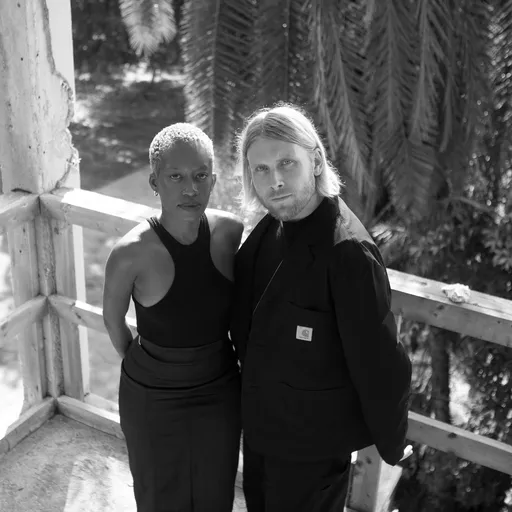
One of the most exciting and recently opened spaces on this list, Limbo Museum was founded in 2024 in Accra and is redefining public art, architecture, and design. The museum was founded by Dominique Petit-Frère and Emil Grip of the Limbo Accra studio, alongside Founding Curatorial Director Diallo Simon-Ponte and architect Lennart Wolff.
What makes Limbo immediately striking is where it lives: inside the shell of an incomplete building in the Labone neighbourhood of Accra, spanning 600 square metres across two floors, functioning as a cultural hub, research lab, and exhibition space where architecture and art meet.
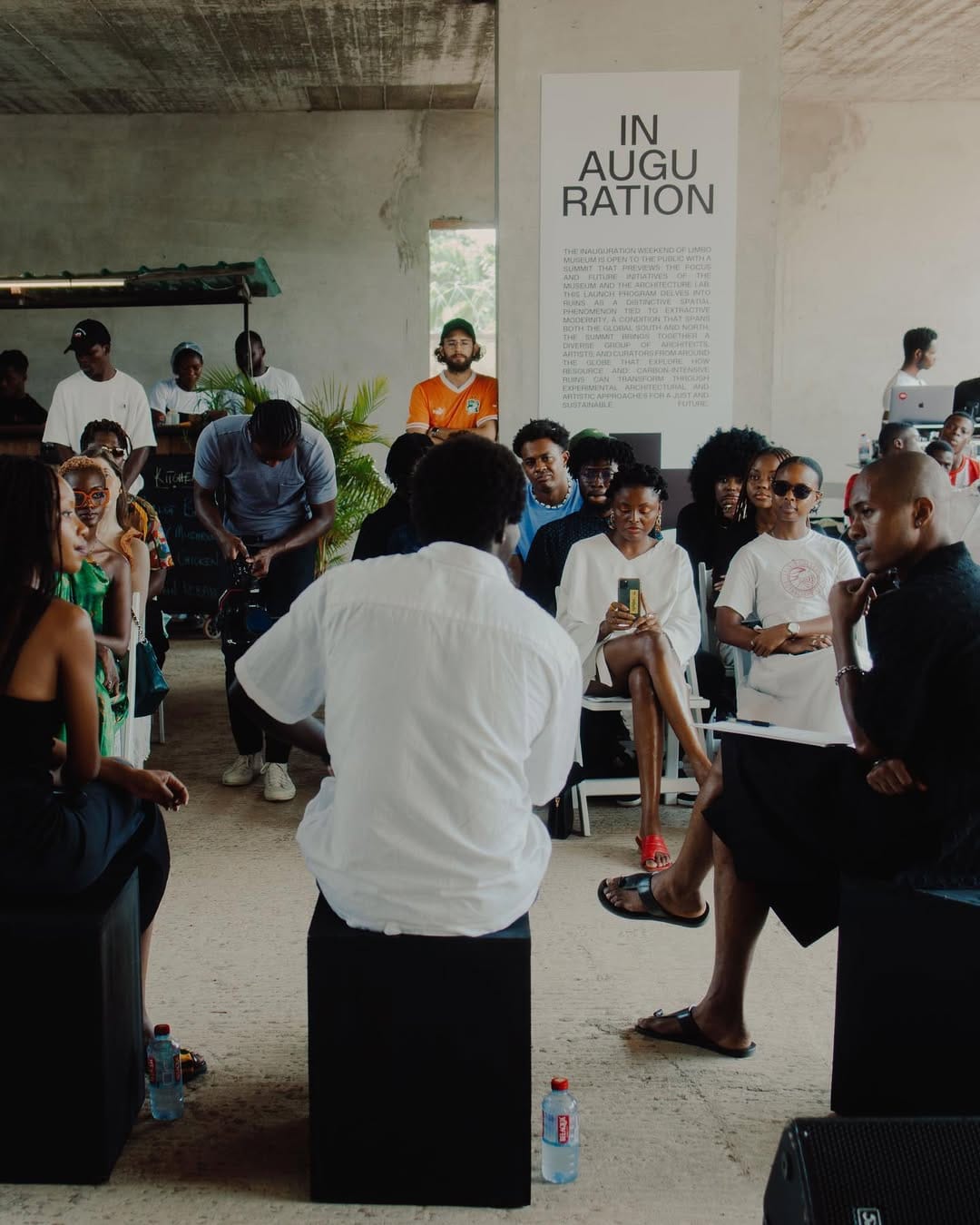
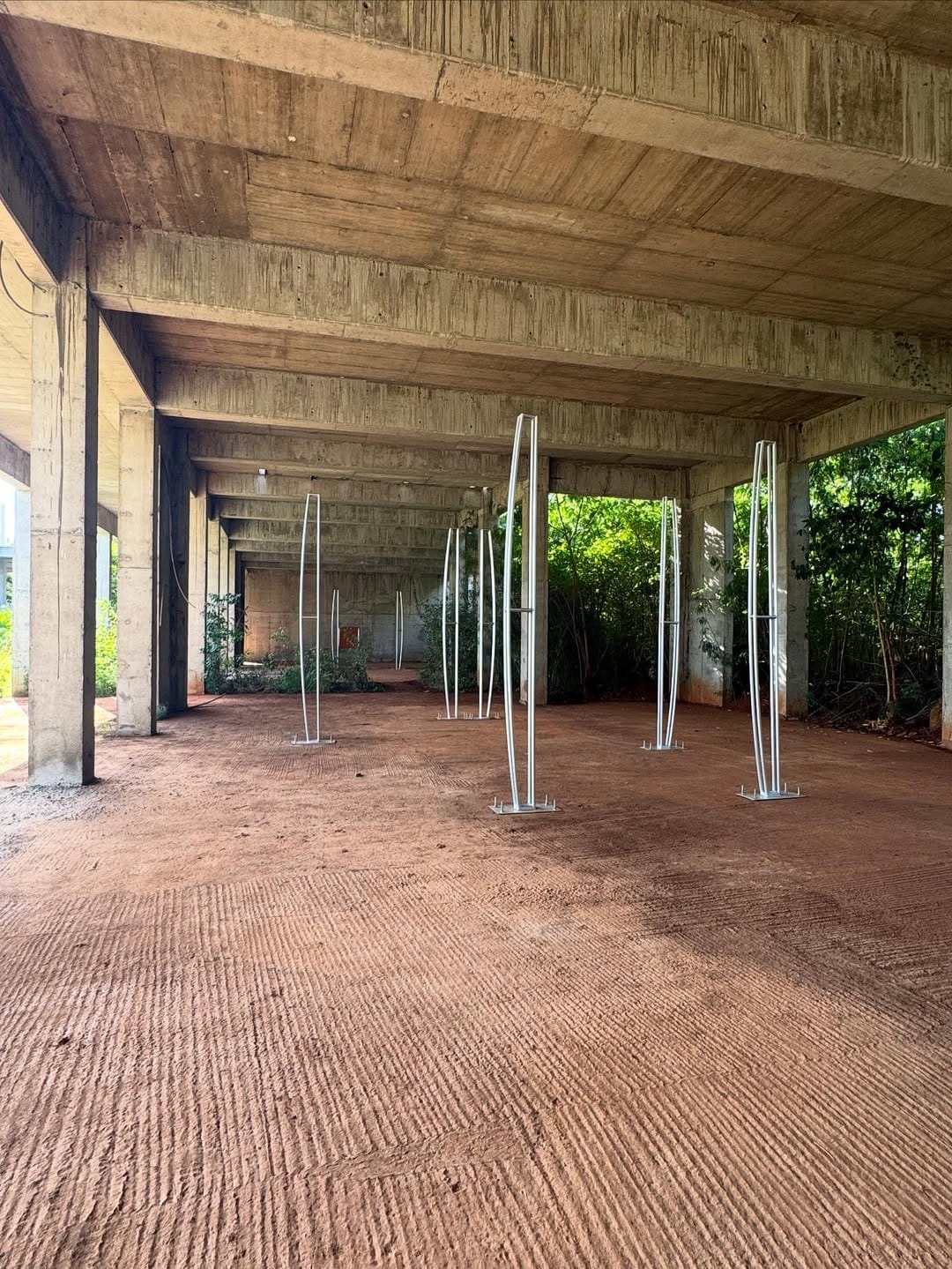
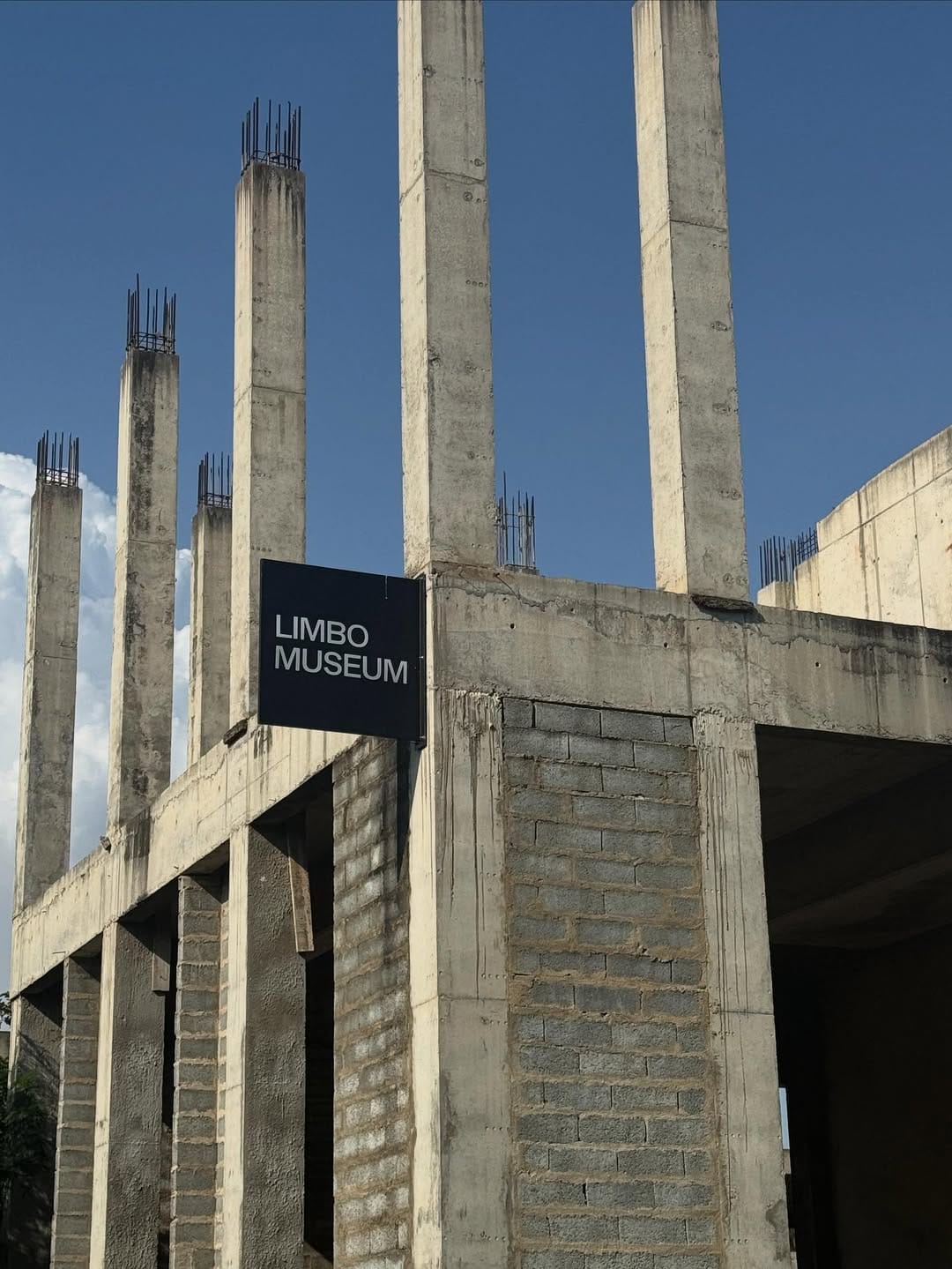
The museum also runs impressive programs like the Limbo Architecture Lab, which offers an annual research and training programme, and the Liminal Archive, a digital initiative aimed at preserving research from across its programmes. In 2025, Limbo Museum won a Wallpaper* Design Award, cementing its status as one of the most talked-about new cultural institutions in West Africa..
Black Rock Senegal — Dakar, Senegal
Black Rock Senegal is a multidisciplinary artist-in-residence programme located in Dakar, Senegal, founded by renowned artist Kehinde Wiley in 2019. Wiley is one of the most celebrated painters working today, known internationally for his portraits of Black subjects rendered in the style of old masters, and for painting the official presidential portrait of Barack Obama for the Smithsonian National Portrait Gallery.
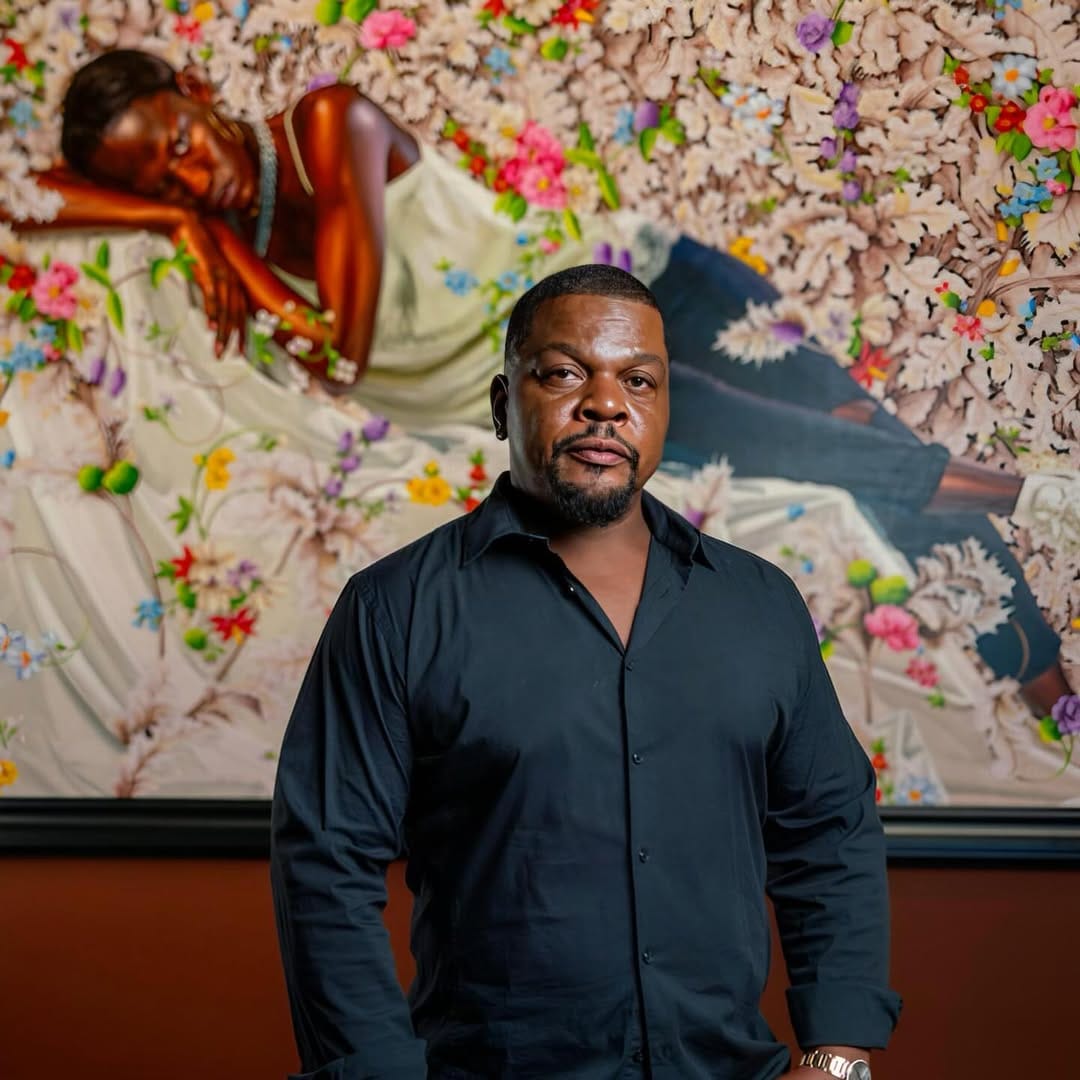
The residency came out of a need to engage Africa in a more personal way. Wiley first discovered Dakar in 1997 and was immediately captivated by Senegalese language, food, art, culture, and tradition. Black Rock brings together international artists to live and work on the northwest coast of Dakar and is arranged across several buildings designed by Senegalese architect Abib Djenne.
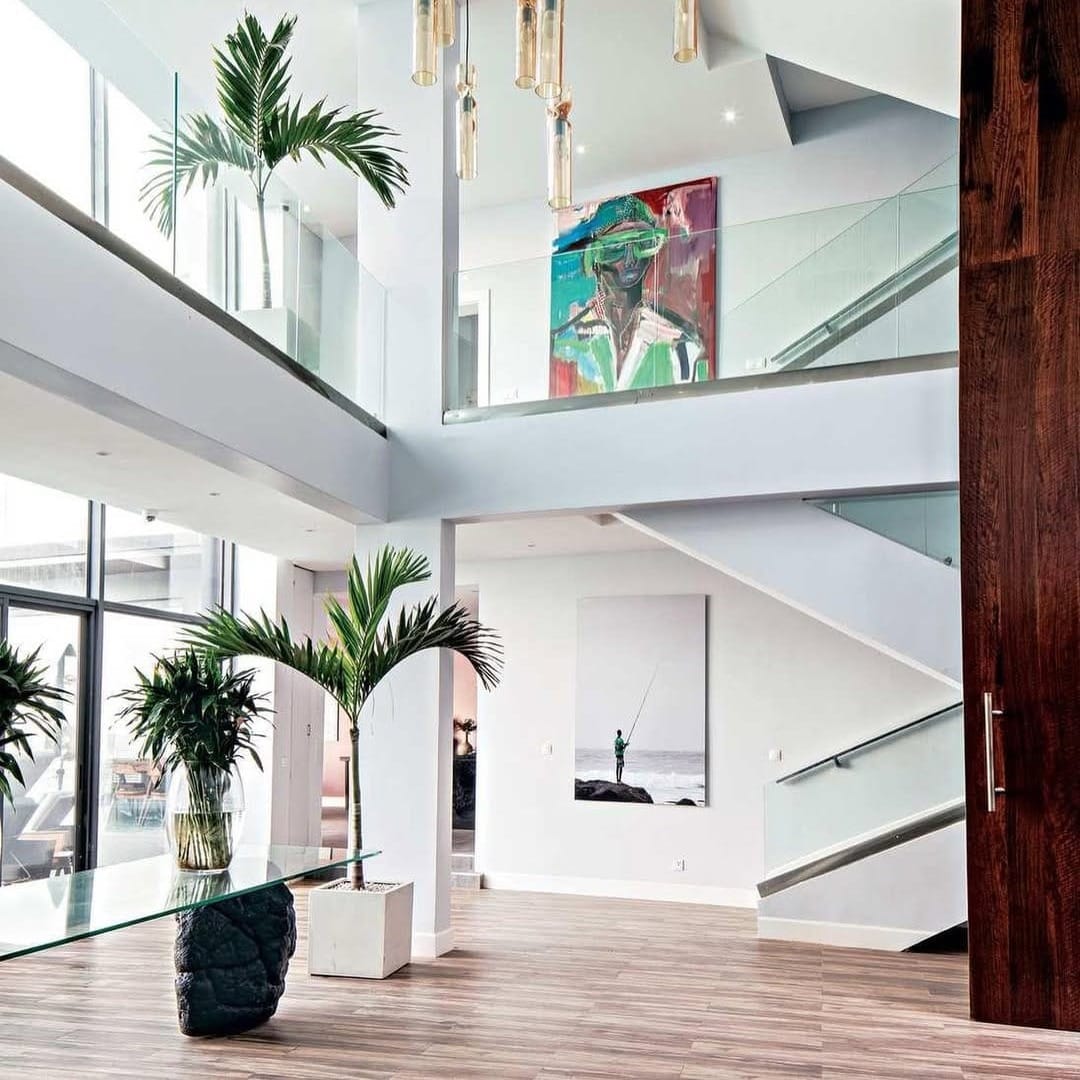
Residents are provided with room, board, a stipend, individual studios, access to a library, gym, sauna, swimming pool, and gardens, as well as a local staff to help them navigate Dakar and a language tutor for English, French, and Wolof. The programme accepts artists of all nationalities and disciplines, from painters and sculptors to filmmakers, writers, and sound artists.
Nafasi Art Space — Dar es Salaam, Tanzania
Nafasi, the Swahili word for "opportunity" or "space", lives up to its name in every sense. Established in 2008 by a collective of Tanzanian artists who recognized that Dar es Salaam lacked dedicated, affordable infrastructure for creative practitioners, Nafasi Art Space has grown into one of the most significant and beloved creative hubs in East Africa.
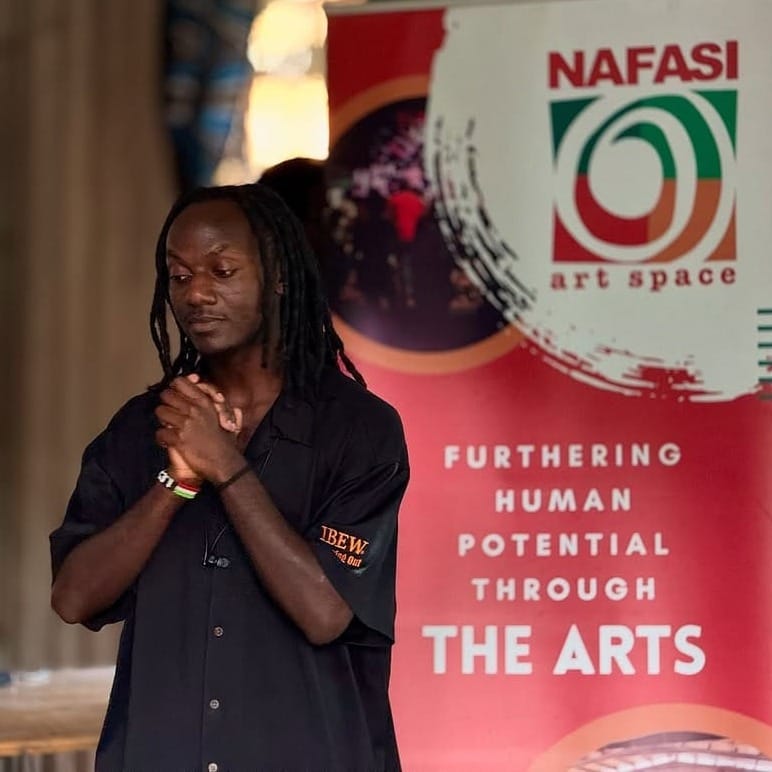
The campus features over 37 studios for visual artists, musicians, photographers, and performers, as well as an art academy constructed from repurposed shipping containers that offers art education to young Tanzanians who might not otherwise have access to formal arts training, making Nafasi not just a space for professional artists but a pipeline for the next generation.
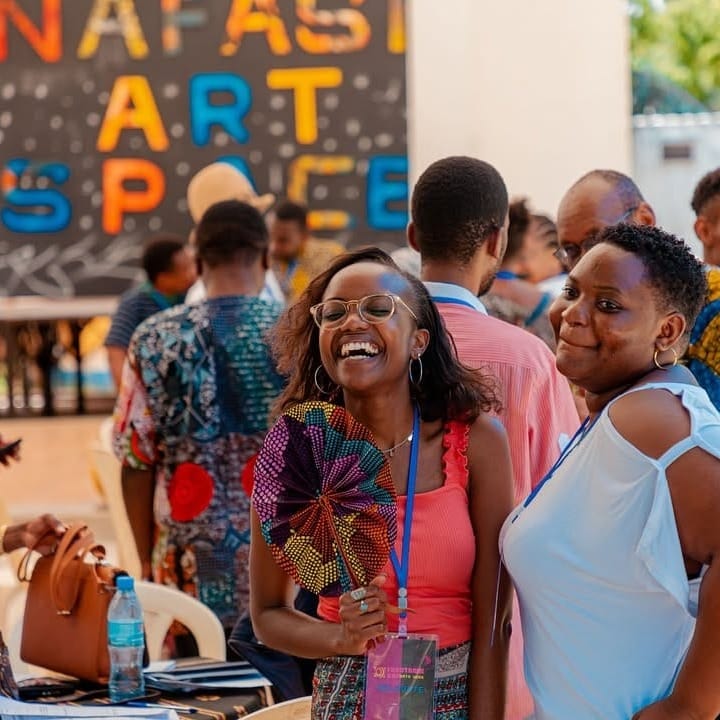
Nafasi also hosts art markets, live music events, open studios, film screenings, and workshops that draw in Dar es Salaam's wider community and make the space genuinely accessible, not just to artists but to anyone curious about creative work.
ZOMA Museum — Addis Ababa, Ethiopia
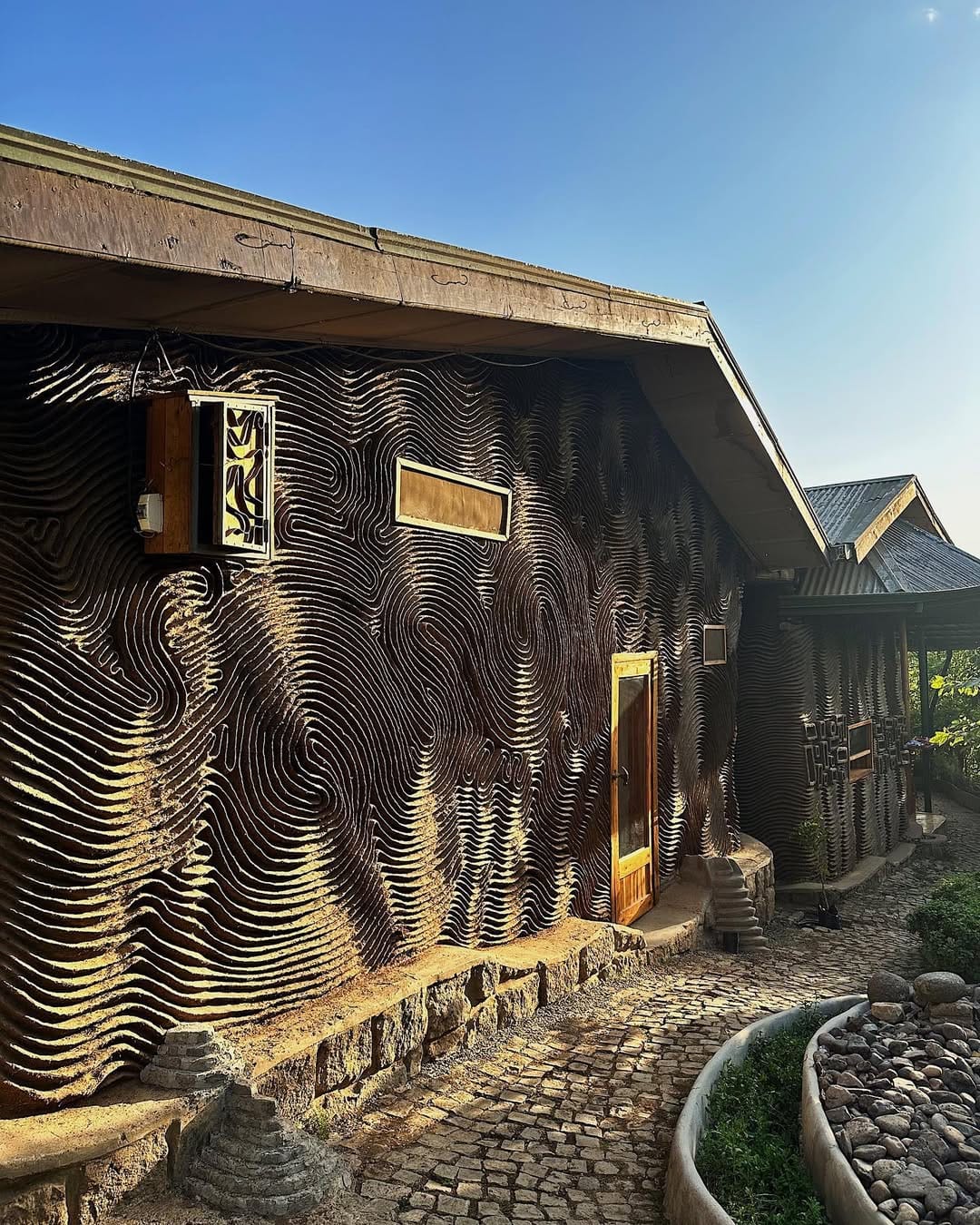
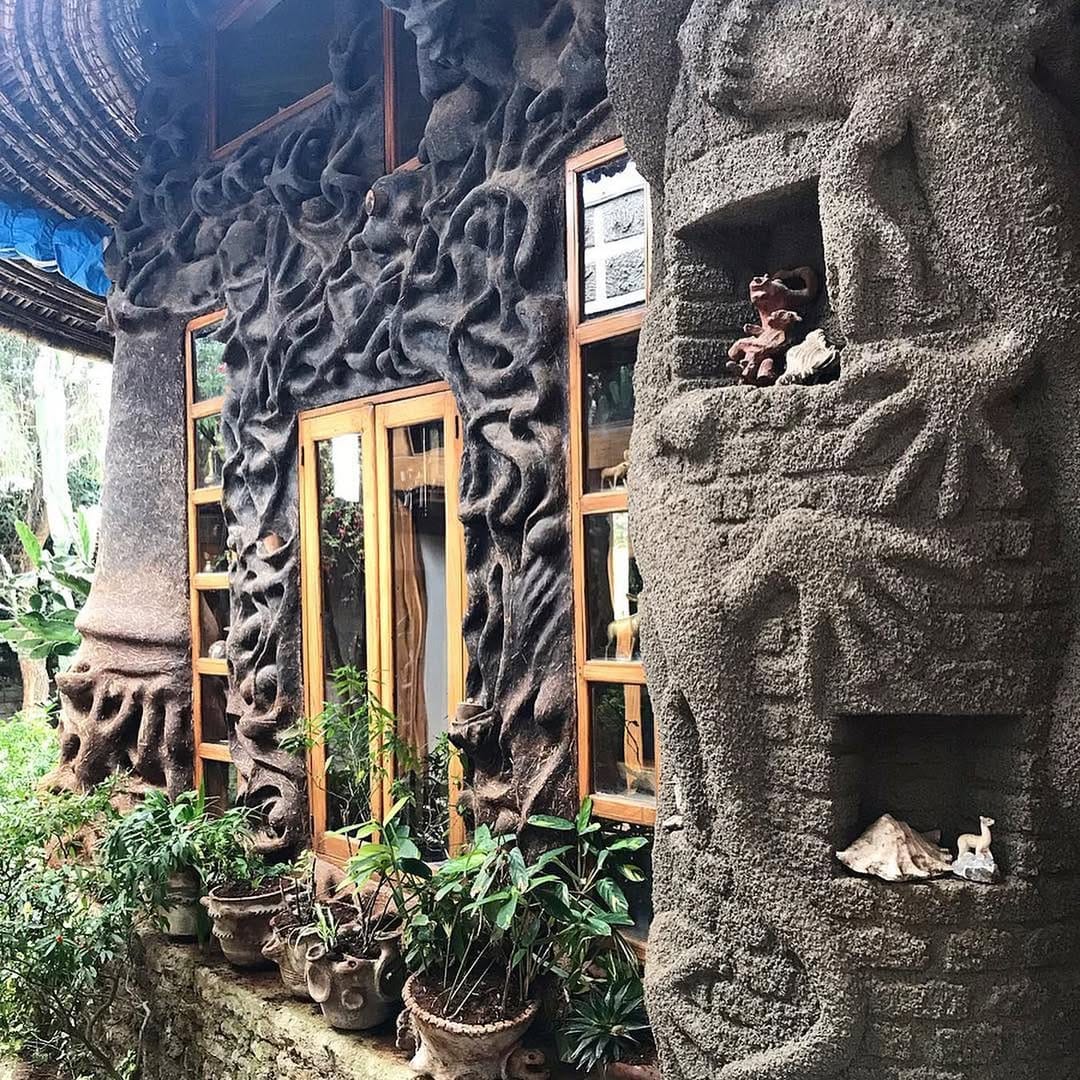
ZOMA Museum might be the most visually extraordinary space on this entire list. Founded by internationally acclaimed artist Elias Sime and cultural advocate Meskerem Assegued, ZOMA is an ecologically sustainable museum and cultural center built almost entirely from natural and traditional materials like mud, straw, cactus, and eucalyptus.
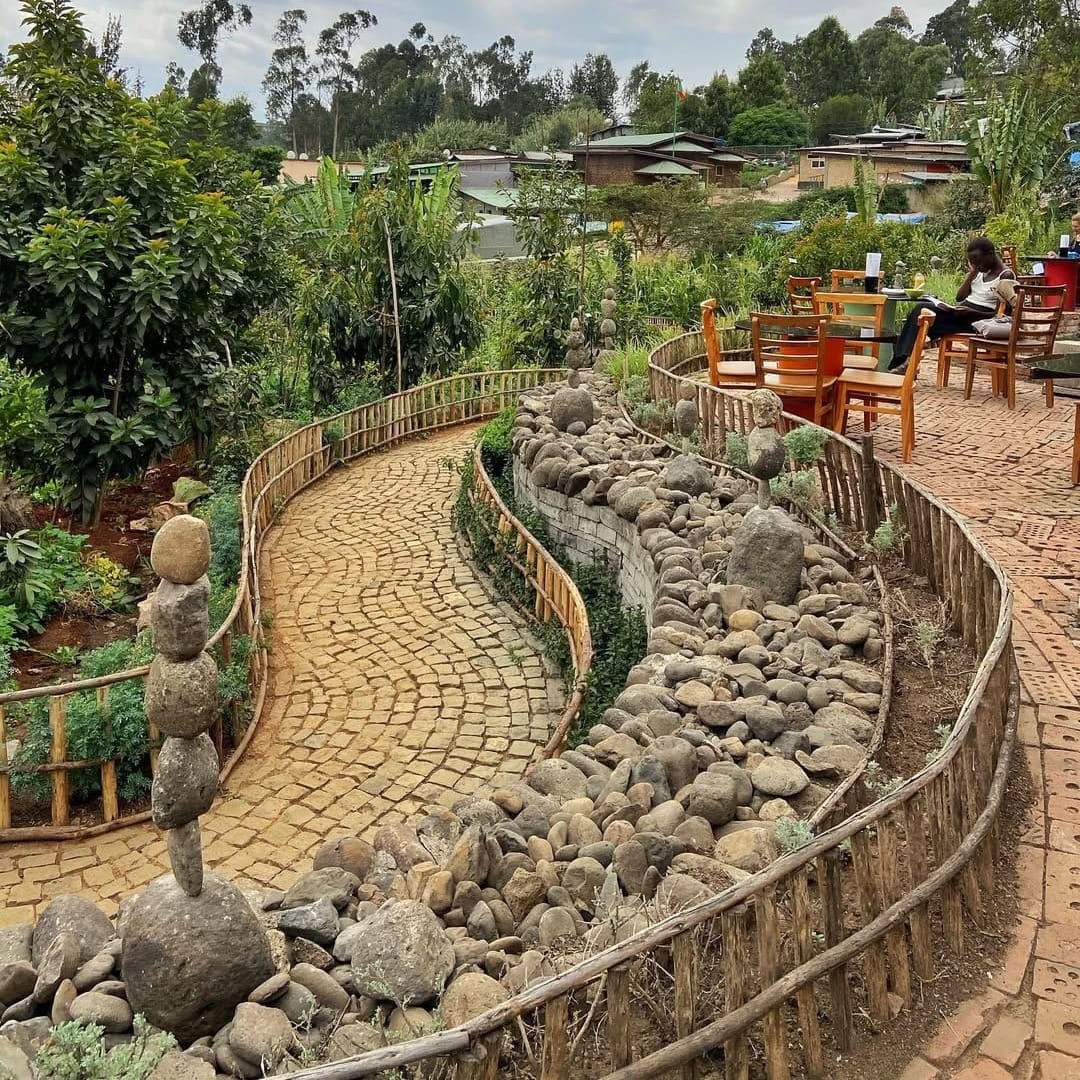
The museum houses galleries, lush gardens, a children's space, a well-stocked library, a working farm, and an active program of residencies and events. ZOMA draws on Ethiopian building traditions while creating something entirely contemporary. It is a powerful statement about sustainability, heritage, and what a museum in Africa can look and feel like when it grows from the ground up, literally.
Guest Artists Space (G.A.S.) Foundation — Nigeria
British-Nigerian artist Yinka Shonibare CBE is one of the most celebrated and recognized contemporary artists working today. His work is in the permanent collections of major museums around the world, including Tate Modern, the Museum of Modern Art, and the Brooklyn Museum. He was appointed Member of the Order of the British Empire in 2004 and Commander in 2019, and his public sculptures have appeared in some of the world's most prominent spaces.
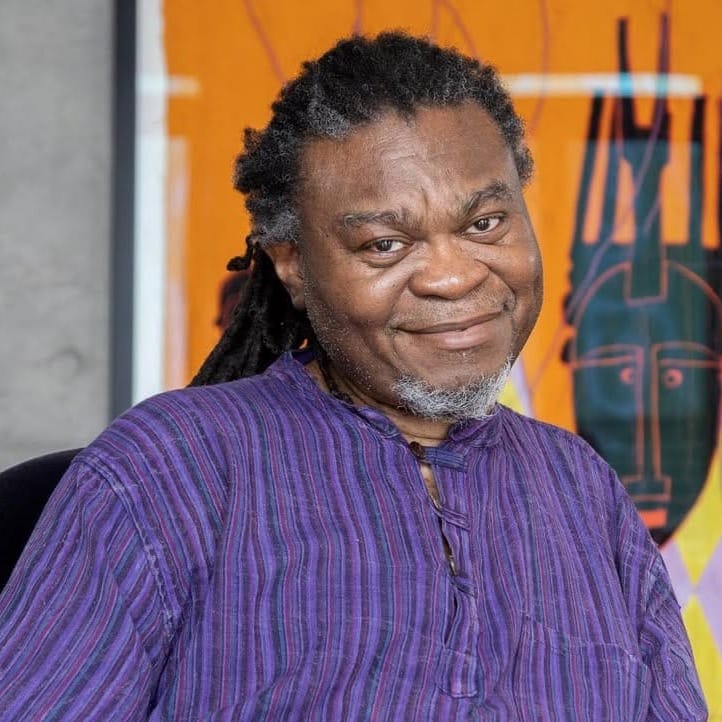
The Guest Artists Space Foundation, which Shonibare established in Nigeria, is his commitment to ensuring that artists on the African continent have access to the kinds of structured support that he benefited from during his training and career in the United Kingdom.
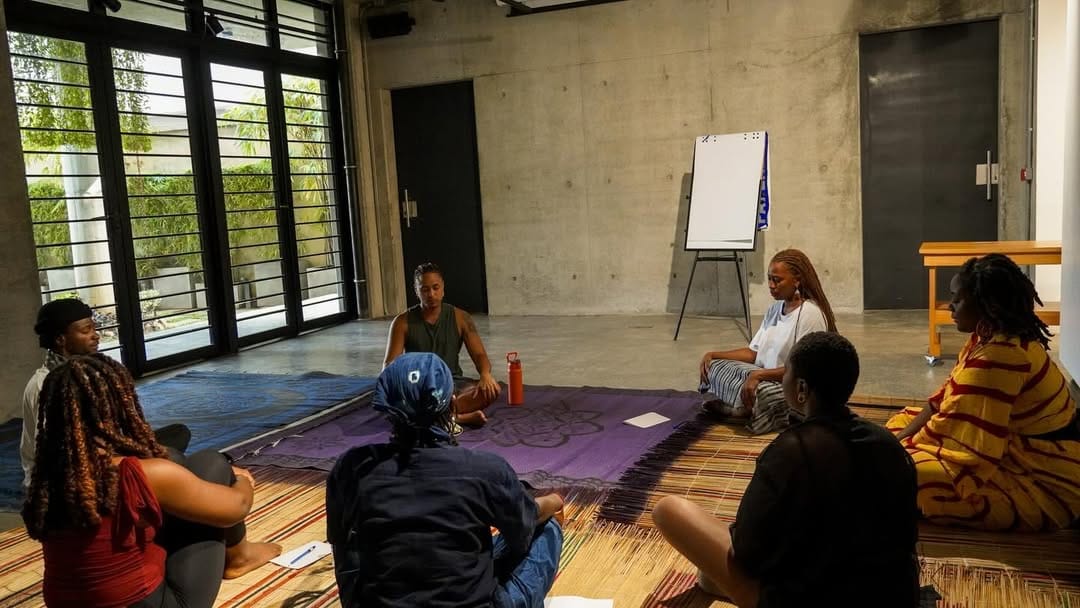
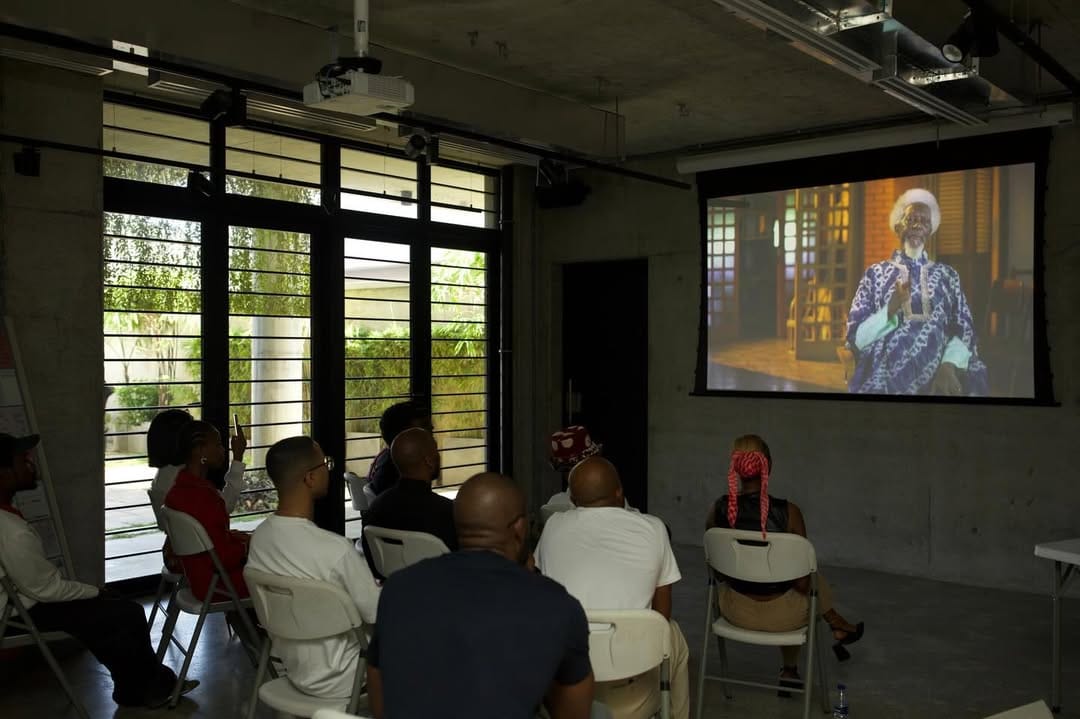
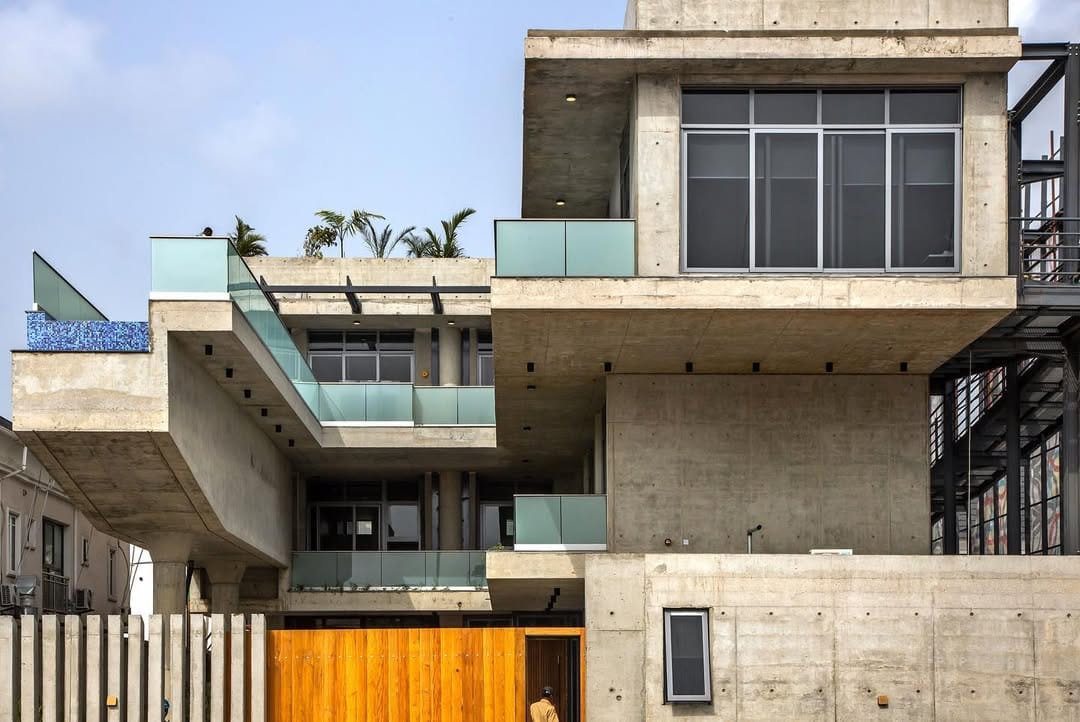
Image via @gasfoundation
G.A.S. offers fully funded residencies for artists, curators, and researchers, providing time, space, mentorship, and community in an environment that prioritizes African creative practice.
32° East — Kampala, Uganda
32° East Arts Centre is Kampala's first purpose-built community arts space, completed in 2023 and designed by London-based practice New Makers Bureau in collaboration with Kampala-based firm Localworks.
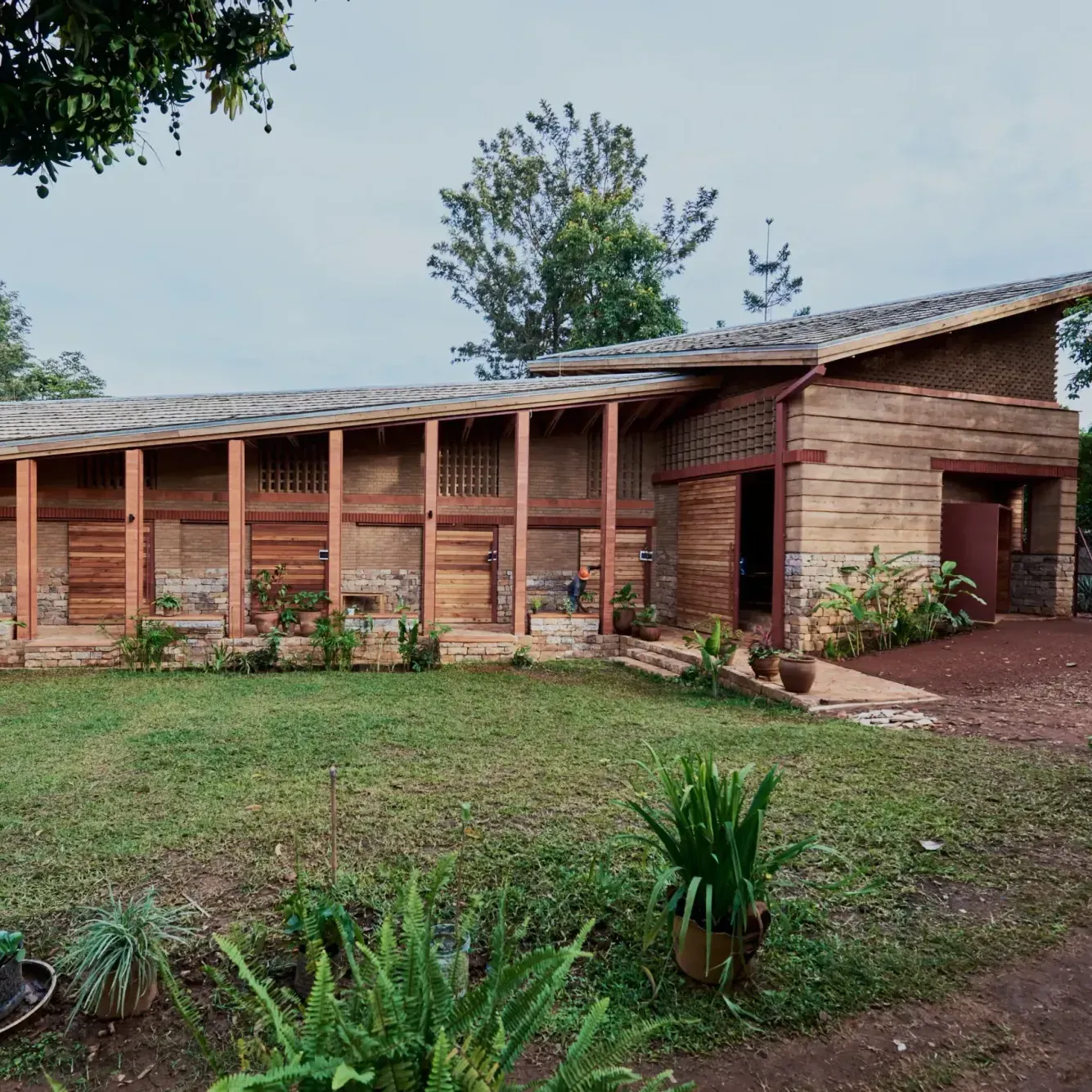
It was established in 2011 and is focused on the creation and exploration of contemporary art in Uganda. The Arts Centre includes studios, a contemporary art library, co-working space, computers, meeting areas, and a garden.
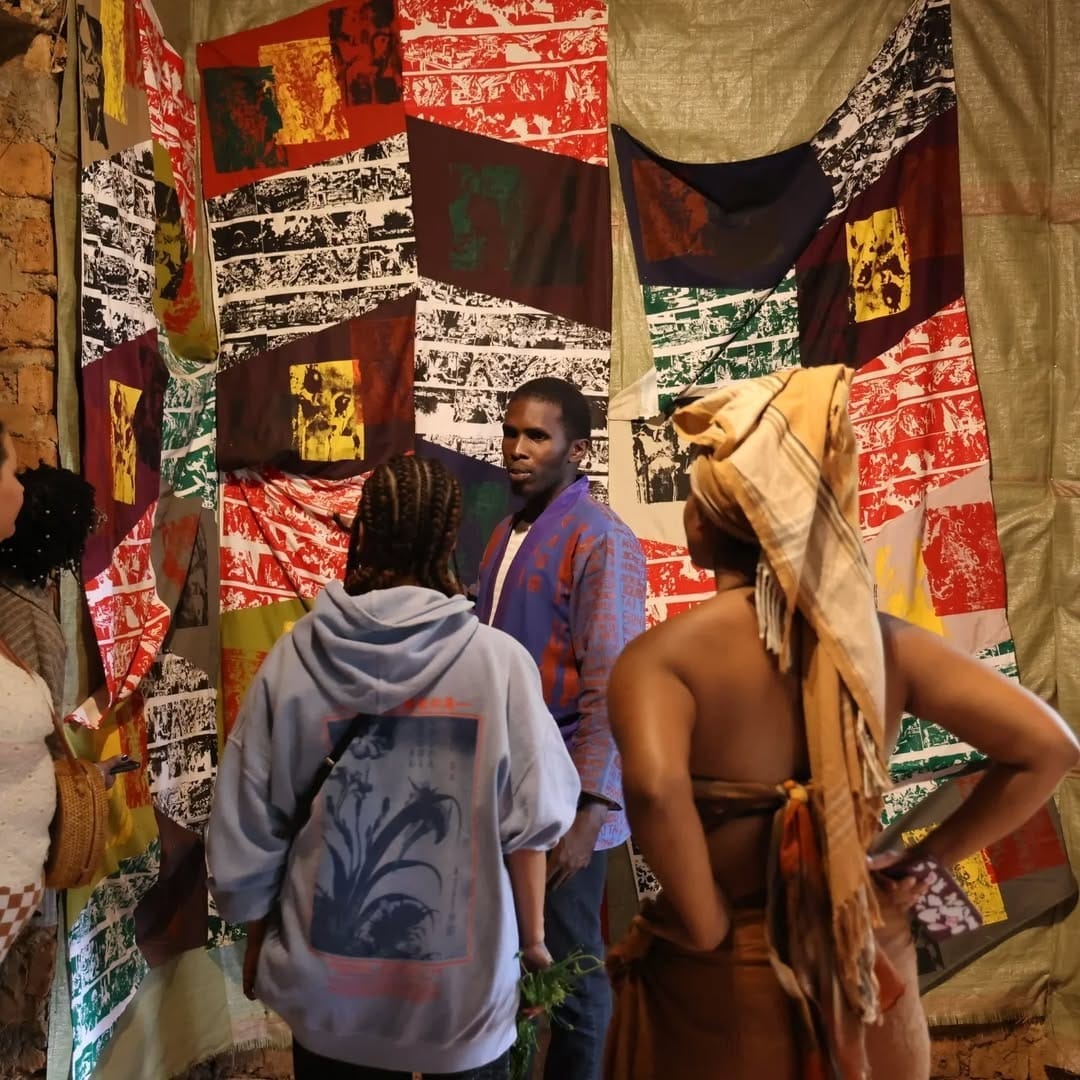
32° East is also the organisation behind KLA Art, Kampala's longest-running contemporary arts festival, which strives to increase public awareness of and accessibility to Kampala's contemporary art scene through exhibitions erected in public spaces throughout the city.
Tankwa Artscape — Karoo, South Africa
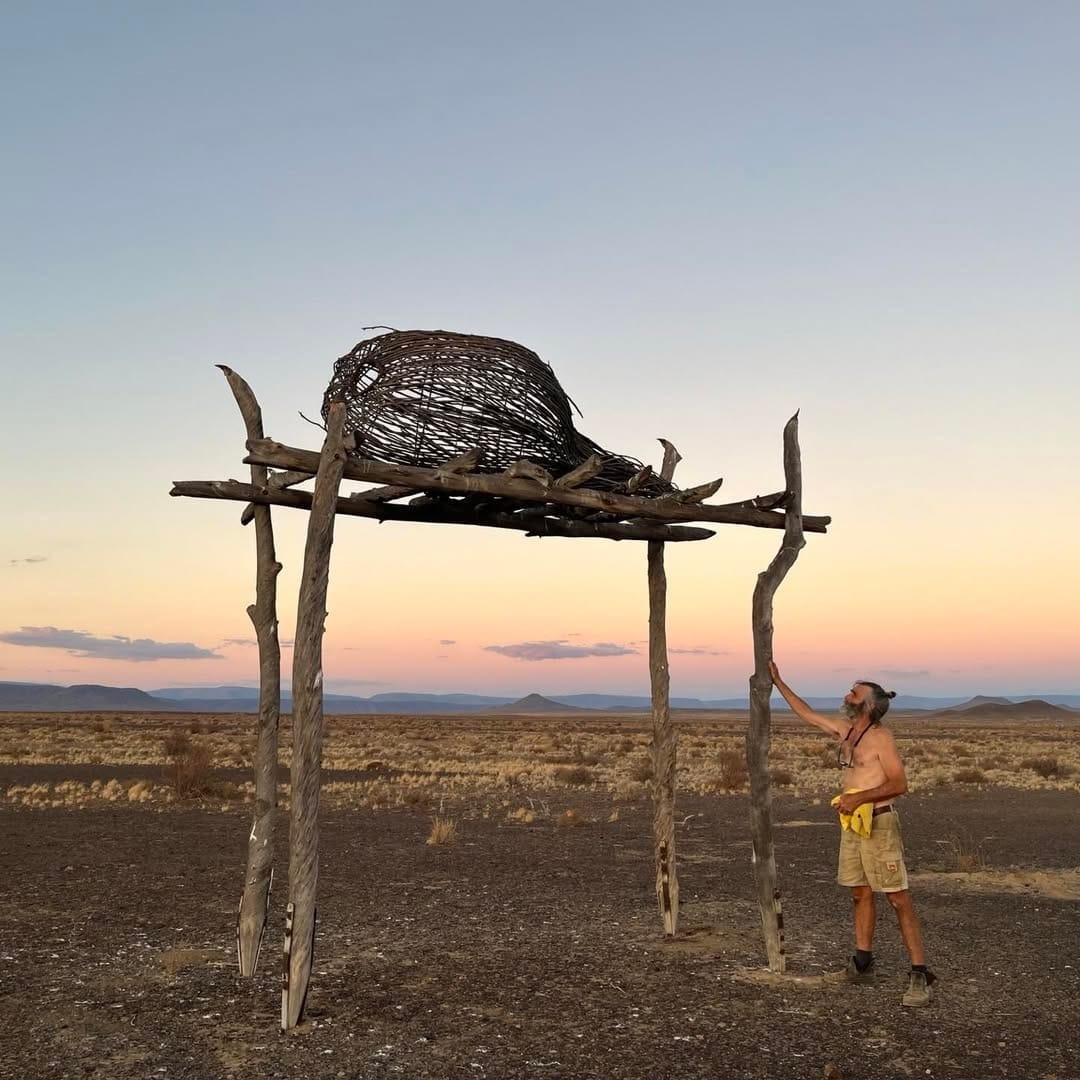
Located deep in the remote, Karoo region of South Africa, Tankwa Artscape is an entirely off-the-grid artist residency program. Artists come here not to network, not to exhibit, and not to produce work on a deadline, but to think, to slow down, and make work in one of the most breathtakingly beautiful environments in Africa.
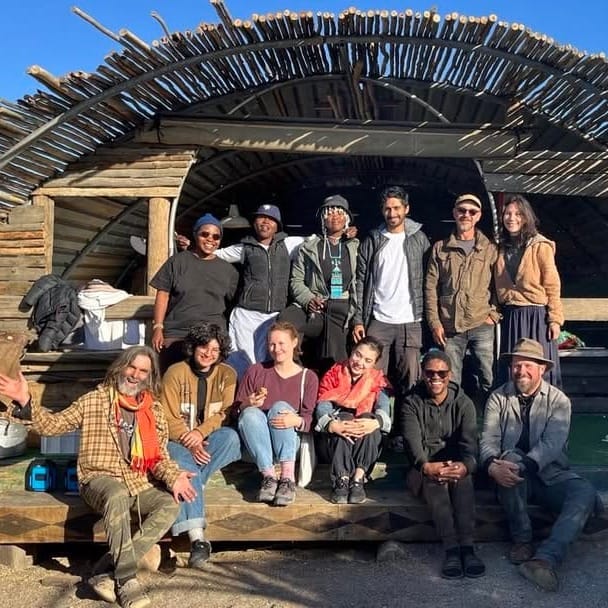
The residency operates entirely on solar power and harvested rainwater, and its infrastructure is minimal. There are no galleries, no curators hovering, no opening nights to prepare for. For many artists, a residency at Tankwa Artscape is something of an escape from the usual pace and pressures of their usual lives.
Conclusion
What unites all of these spaces across different countries, climates, and contexts is a shared belief that artists shouldn’t have to wait for governments or commercial institutions to get the infrastructure that they need. They were imagined and built by artists themselves, often against huge odds, and they reflect the specific needs and values of the communities they serve.
They’re also rewriting what an art institution can look like. Some are farms. Some are archives. Some are built from mud and straw. Some are shipping containers. They go against the idea that African art should simply copy Western models, and in doing so, they’re producing something far more interesting and long lasting.



Member discussion