


African magazines and digital platforms have become more than media outlets; they are a group of cultural record-keepers and tastemakers shaping how the continent sees itself and is seen by the world. This second volume is both broader and more intimate than the first: it spans long-standing institutions and social-first newcomers, publications rooted in serious journalism and platforms that live entirely on Instagram, music archives and fashion bibles. What connects all is intention, a deliberate act of authorship over how African culture is documented, circulated, and remembered. These are the platforms making sure those stories travel.
Guzangs
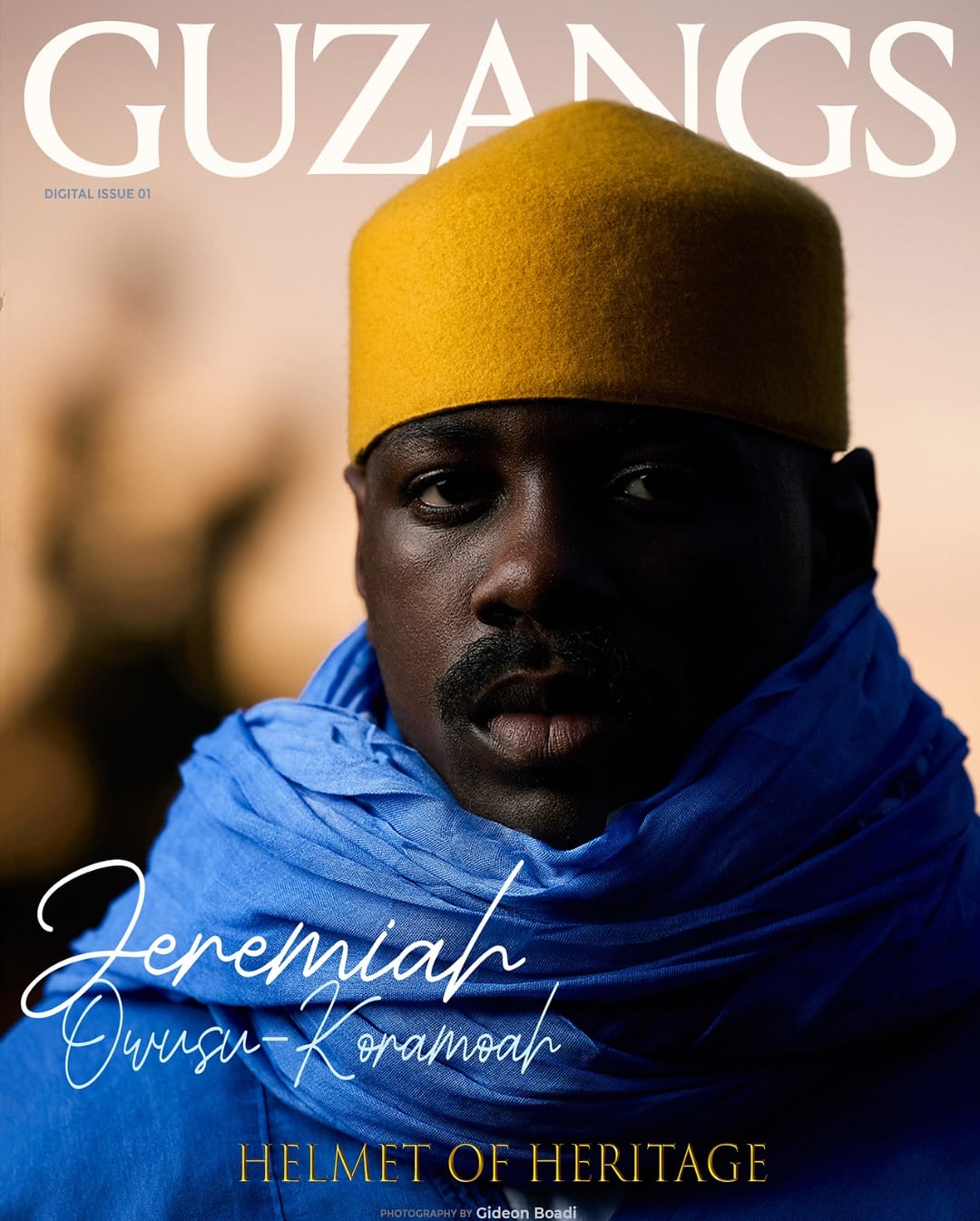
Guzangs is a digital publication covering African fashion, art, design, and culture, with a strong emphasis on the business, craft, and cultural authority behind what African creatives make. Its editorial work ranges from runway coverage of Lagos and Dakar Fashion Weeks to deep-dive profiles of designers like Kibonen and Banke Kuku, alongside a clever If This Then That series that maps global luxury items to their African design counterparts. The tone is sophisticated and analytically engaged — interested in fashion as both culture and system.
Nataal
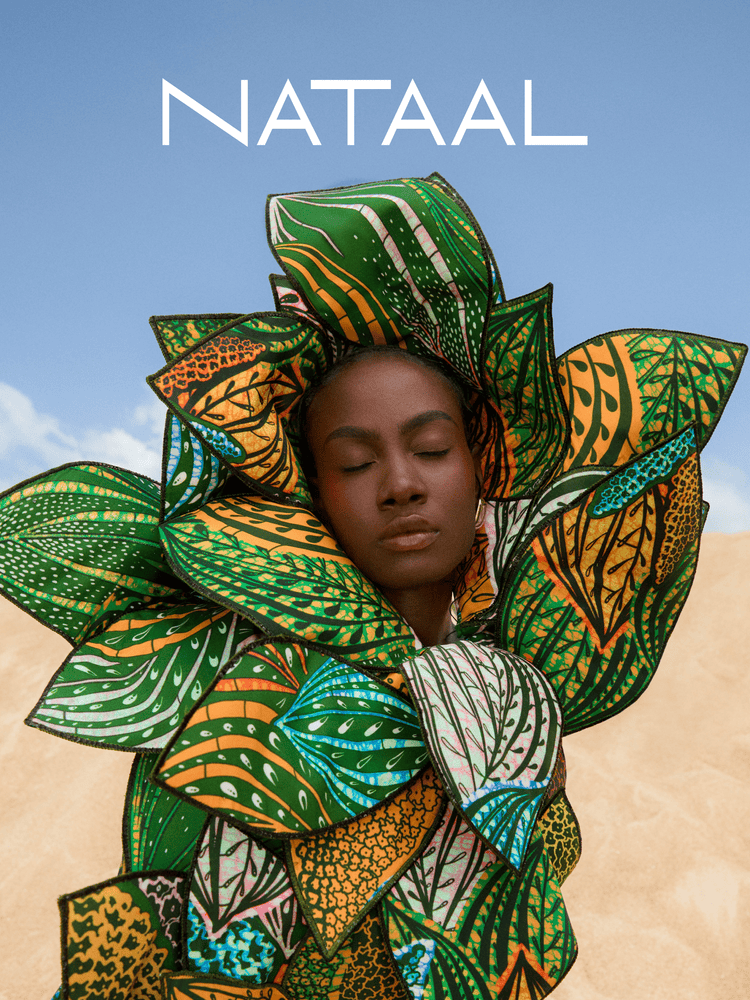
Nataal is a global media brand celebrating contemporary African fashion, music, arts, and society — one of the few publications totally dedicated to both homegrown African talent and the diaspora. Its print magazine, published in large, richly art-directed editions, sits between a reference book and a collector's object, dense with photography, criticism, and long-form interviews. Beyond publishing, Nataal hosts events and exhibitions, including the New African Photography series at Brooklyn's Red Hook Labs. Its particular distinction is its internationalism — deeply rooted in African creative work, but operating with a global collaborator base that reflects the diaspora's complexity.
Afrocritik
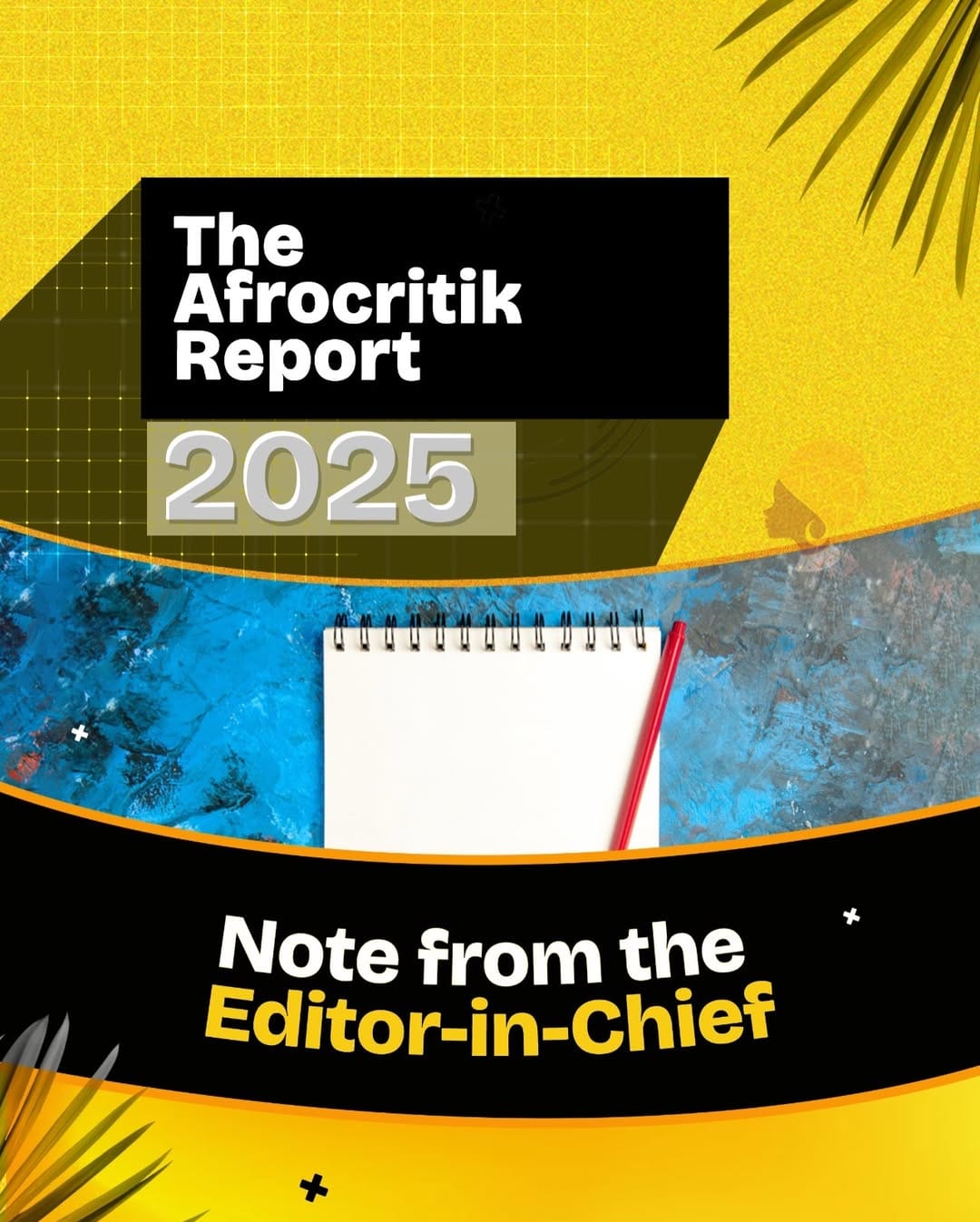
Afrocritik is a digital media platform focused on African art, entertainment, fashion, music, movies, and culture, with headquarters in Lagos and Los Angeles. What began as a criticism and analysis blog has grown into one of the continent's most rigorous cultural platforms, publishing long-form essays, music lists, film reviews, interviews, and literary commentary. In 2025, it released The Afrocritik Report, an essay-driven annual publication bringing together critics, journalists, and cultural analysts to examine the defining moments across music, film, literature, and the creative economy.
Taxi Editorial
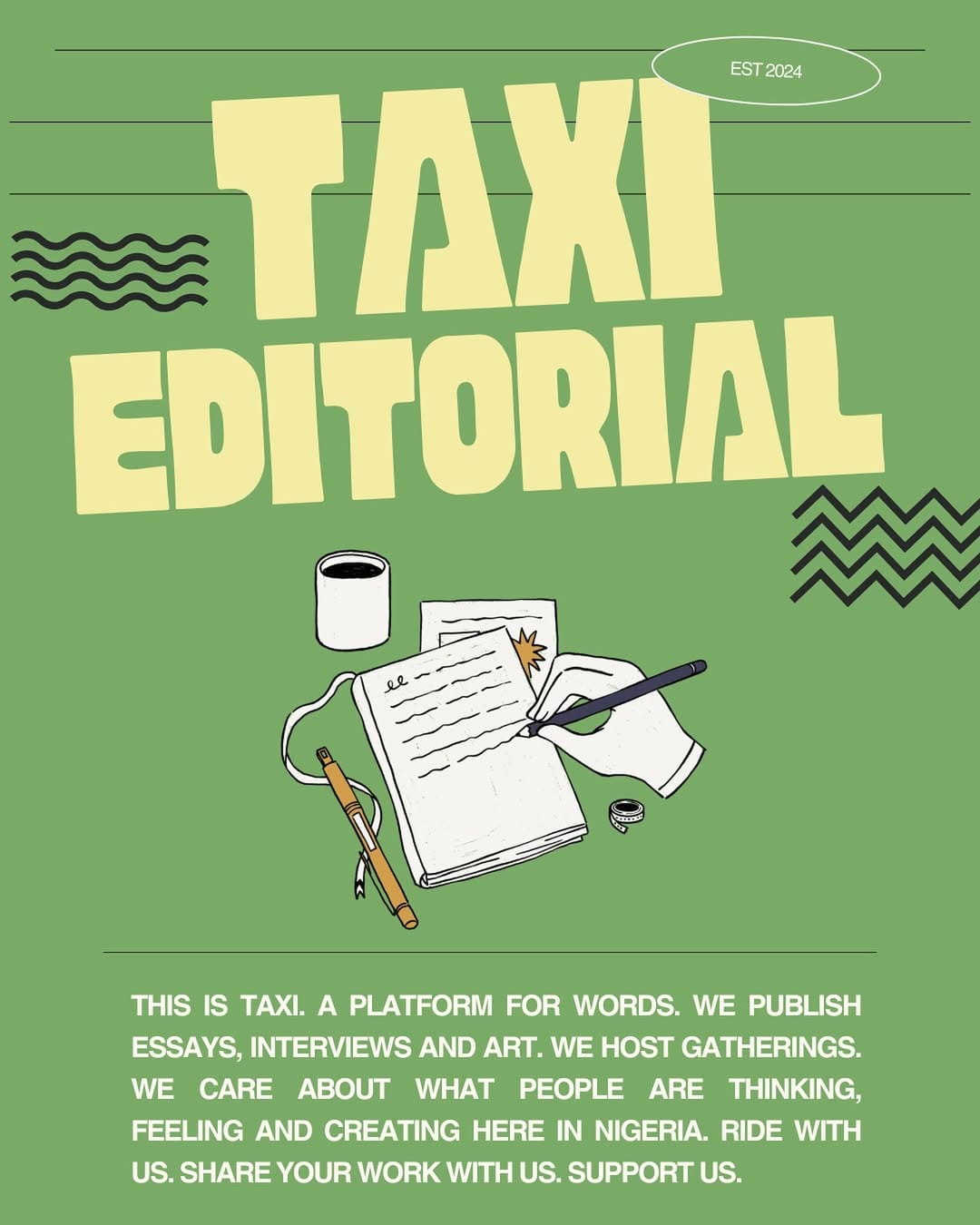
Based in Nigeria, Taxi Editorial is a digital cultural publication exploring art, literature, music, and contemporary culture through essays, interviews, editorials, and creative writing. Known for its thoughtful writing and strong brand identity, it also cultivates a creative community through initiatives such as essay clubs and workshops.
WKMUP – What Kept Me Up
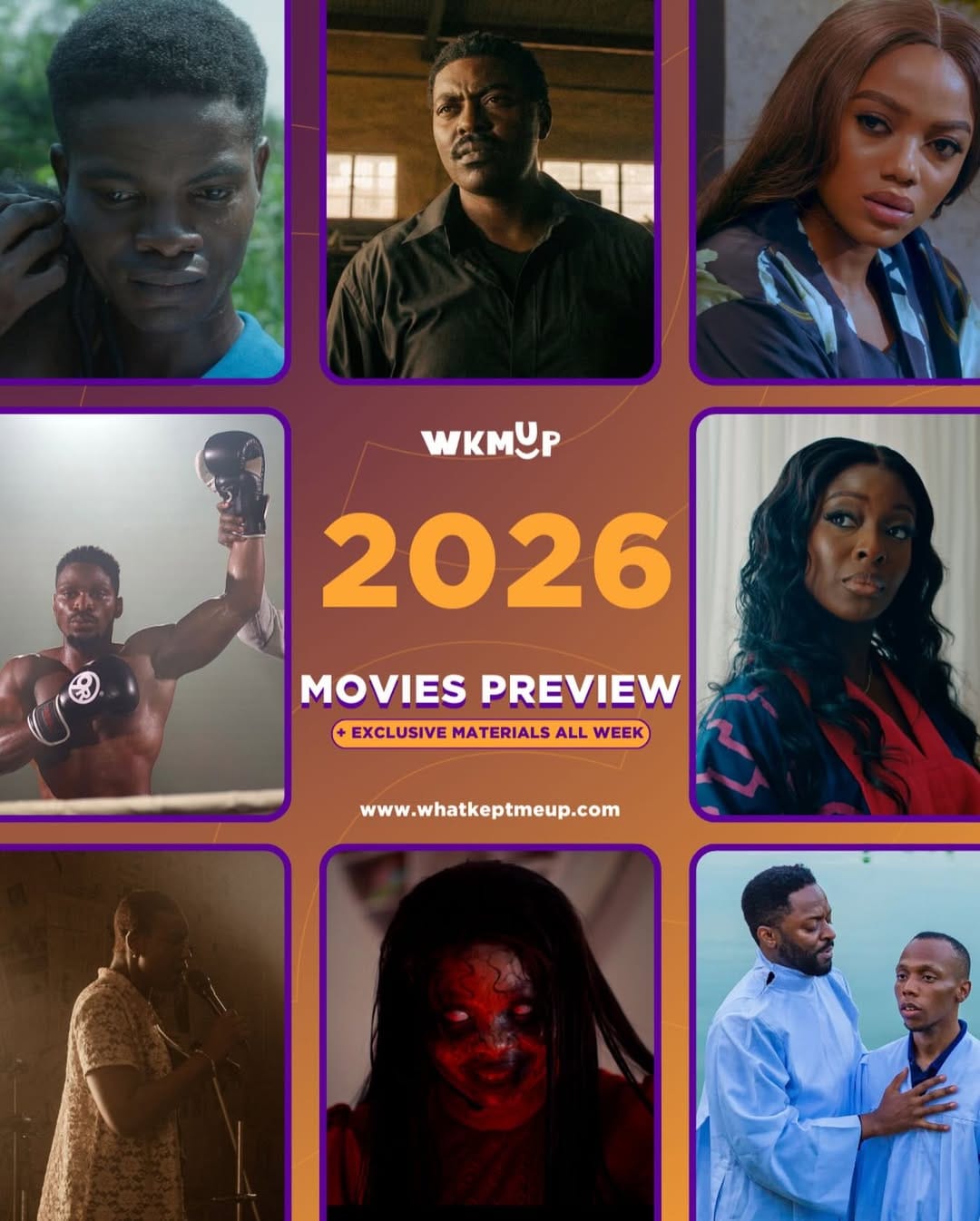
What Kept Me Up (WKMUP) is a Nigerian media company dedicated to the screen sector, powered by Cinewerbs. The platform focuses specifically on film and television, covering Nollywood, African cinema, and screen culture more broadly through reviews, interviews, features, and cultural commentary. In a media landscape where film criticism on the continent is often underfunded and scattered, WKMUP occupies an important niche: it treats African screen culture with the depth and specificity it deserves.
Rolling Stone Africa
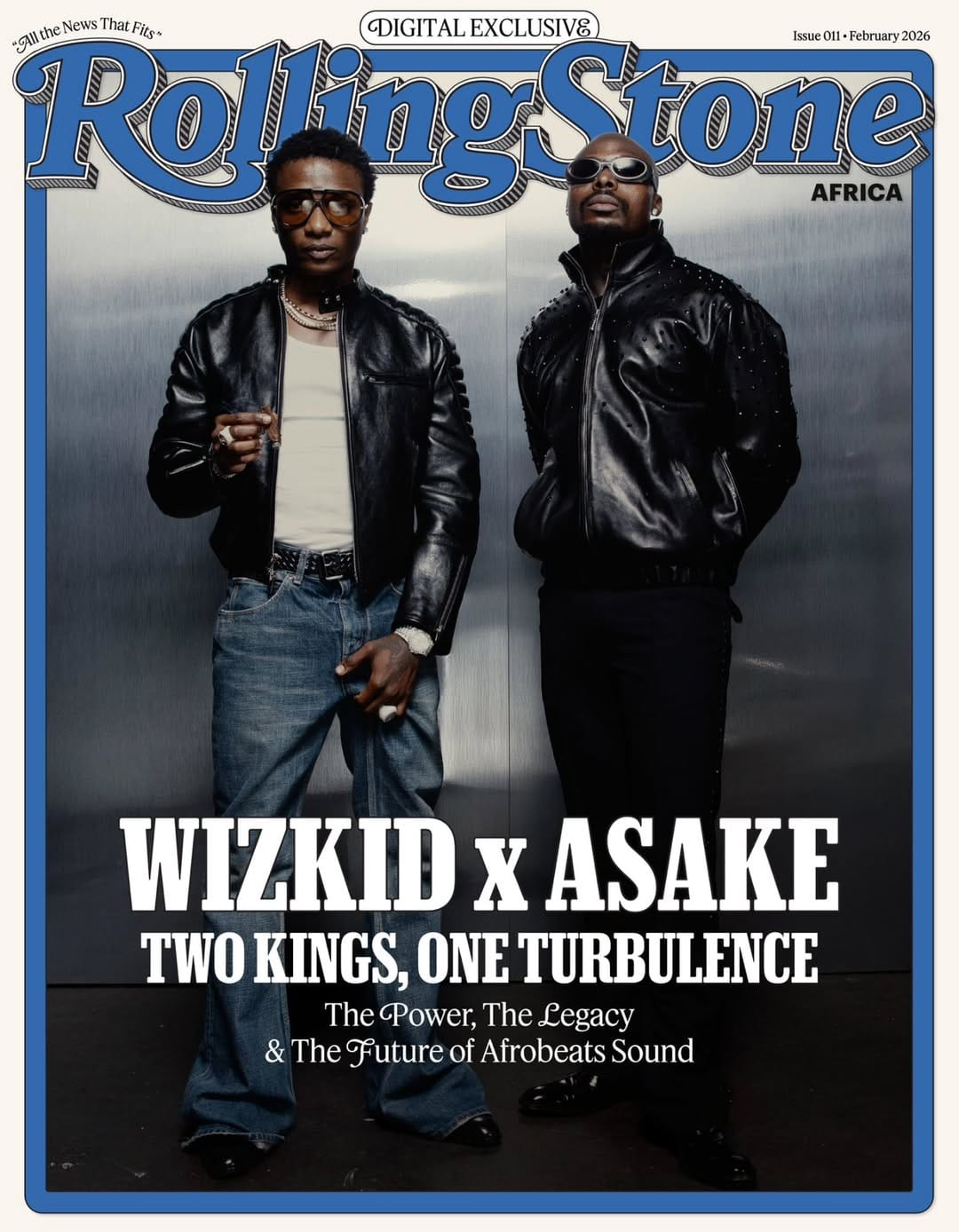
Rolling Stone Africa is the continental edition of the globally recognised pop culture magazine, covering music, film, television, sports, and cultural stories across Africa. Published digitally, it features interviews, commentary, and cultural reporting that connect African creative industries with the broader global entertainment landscape. Its covers, published quarterly, feature contributors from across African countries and are distributed in Nigeria, South Africa, Ghana, and Zimbabwe, with its inaugural cover featuring Fela Kuti.
The Facade Nigeria
The Facade Nigeria is a platform created to discuss Nigeria's colonial history and the colonial architecture of Lagos, sharing information on the rich history of the city and the individuals who shaped both it and the country through social media and a podcast. It is a genuinely distinctive voice in the Nigerian media ecosystem, interested in the built environment as a site of memory, politics, and identity.
The Nurubian
Based in Kenya, The Nurubian is an independent, self-funded library and publication dedicated to curating and sharing an ongoing exploration of African culture by the Nurubian Institute. Founded with a desire to create a single space for the African diaspora to celebrate, promote, critique, and document progress together, it aims to broaden minds, educate readers on cultures beyond their own, and take control of the narrative of a new African story.
DADA Magazine
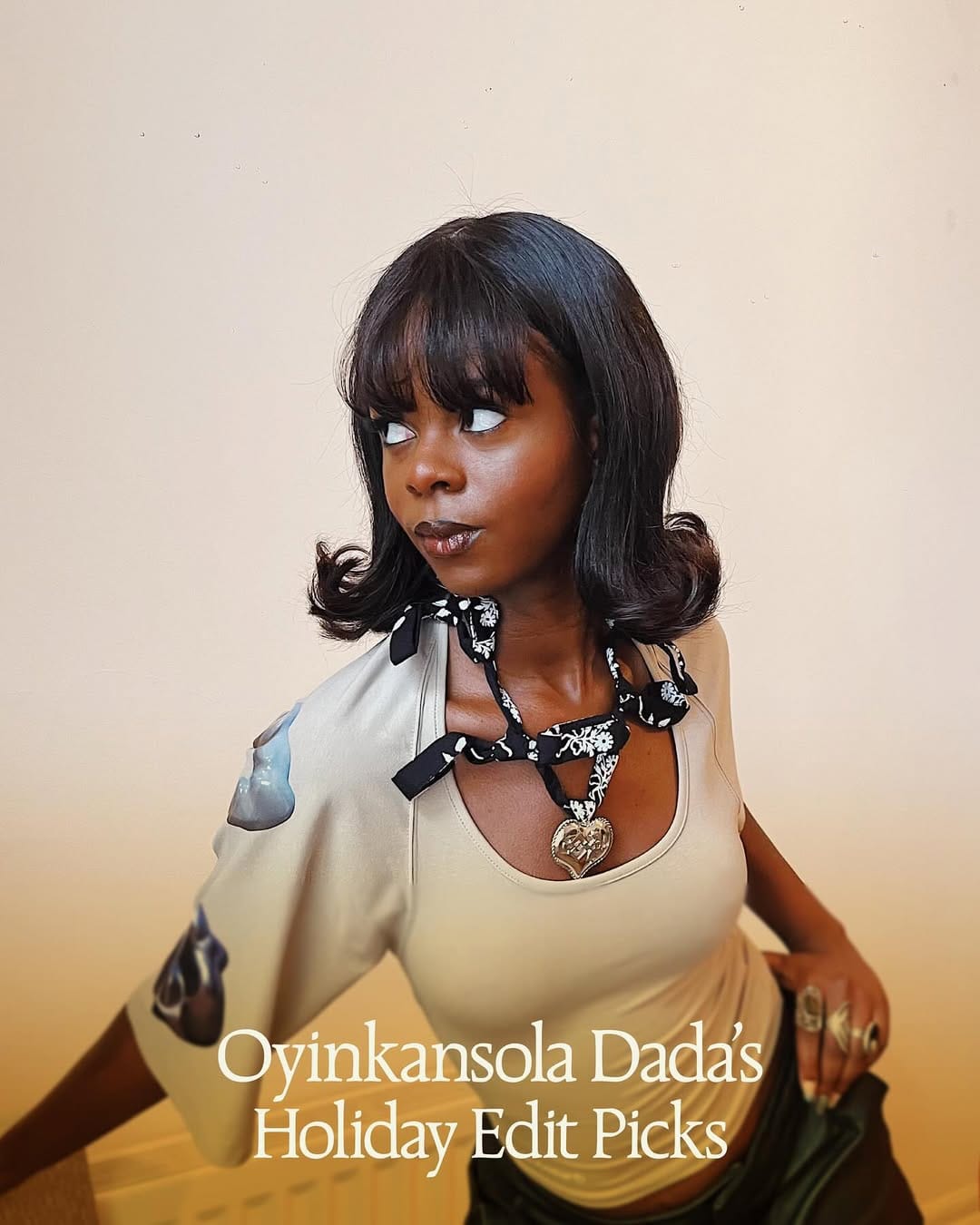
Founded by Oyinkansola Dada — also the founder of DADA Gallery and the Lagos Is Burning ball — DADA Magazine is an art publication, founded on the ethos that there is a gap in representation for Black artists in the art magazine space. With a focus on contemporary art, it also engages with design, fashion, and literature, aiming to bridge the gap between youth culture and contemporary art and open the art world to a wider range of audiences.
The Culture Custodian
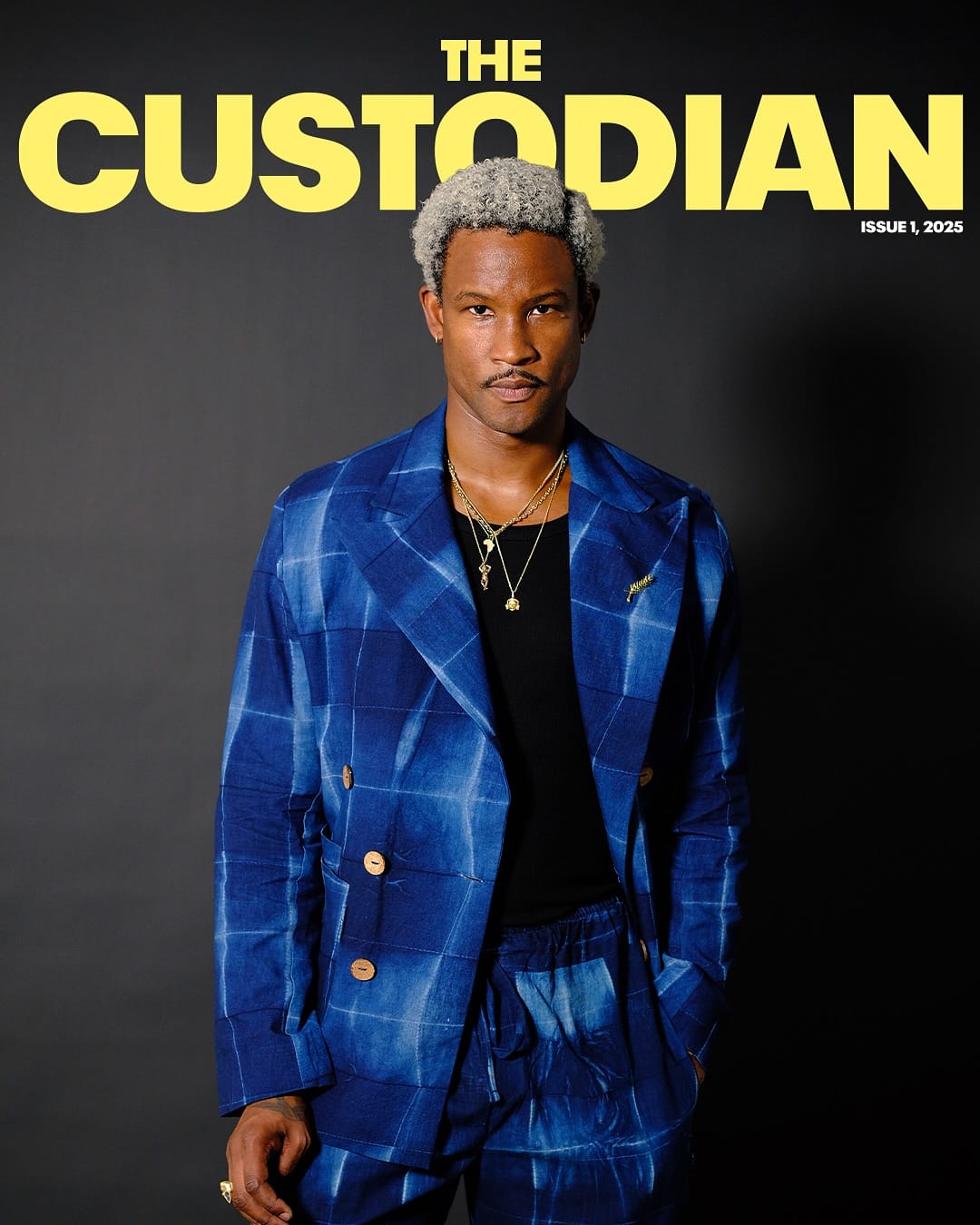
The Culture Custodian was built around curating, collecting, and creating the stories and events that matter for the Nigerian and African millennial, giving representation to its audience across fashion, music, politics, pop culture, technology, and sports. Over a decade on, it has expanded into a podcast network, Culture Custodian TV, and most recently, print. The debut issue of The Custodian magazine, fronted by filmmaker Akinola Davies Jr., captures how young Nigerians are shaping identity, creativity, and survival through essays, profiles, features, and visual art. Its editorial voice sits between informed friend and sharp chronicler, conversational enough to draw you in, rigorous enough to keep you.
GIDA Journal
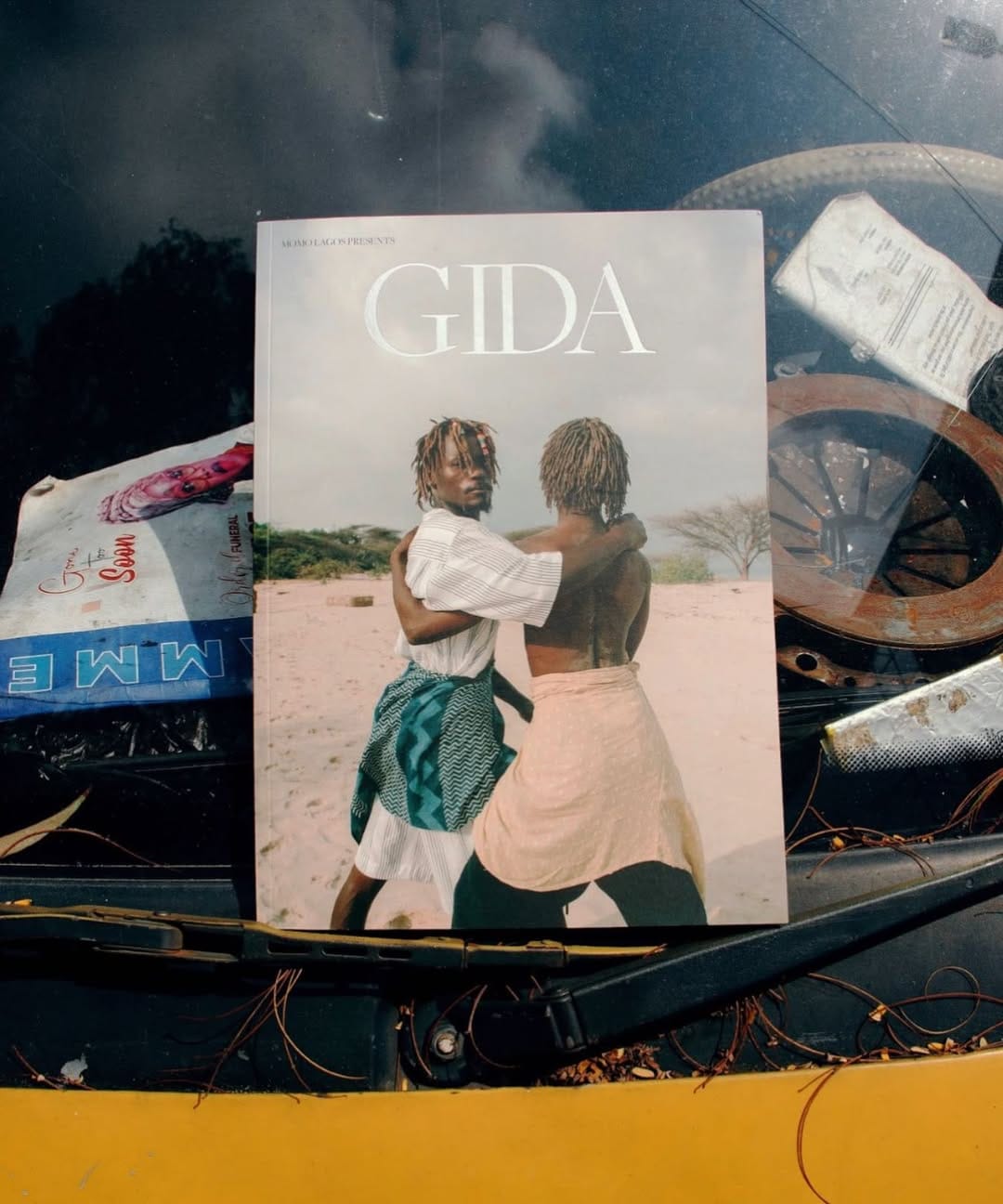
Gida translates to "homegrown" in Hausa, and that spirit defines everything about this London-published print journal, which covers art and culture stories from across Africa, moving region by region with each volume. Founded by stylist and creative director Momo Hassan-Odukale and co-edited with Mira Makadia, its first volume covered West Africa, the second East Africa, and the third Southern Africa. Its editors are clear about the problem they are solving: "For too long there have been narratives of everything African not being told by Africans." The magazine itself is a considered object — linen-embossed covers, heavyweight paper — designed to be felt as much as read.
Deeds Mag
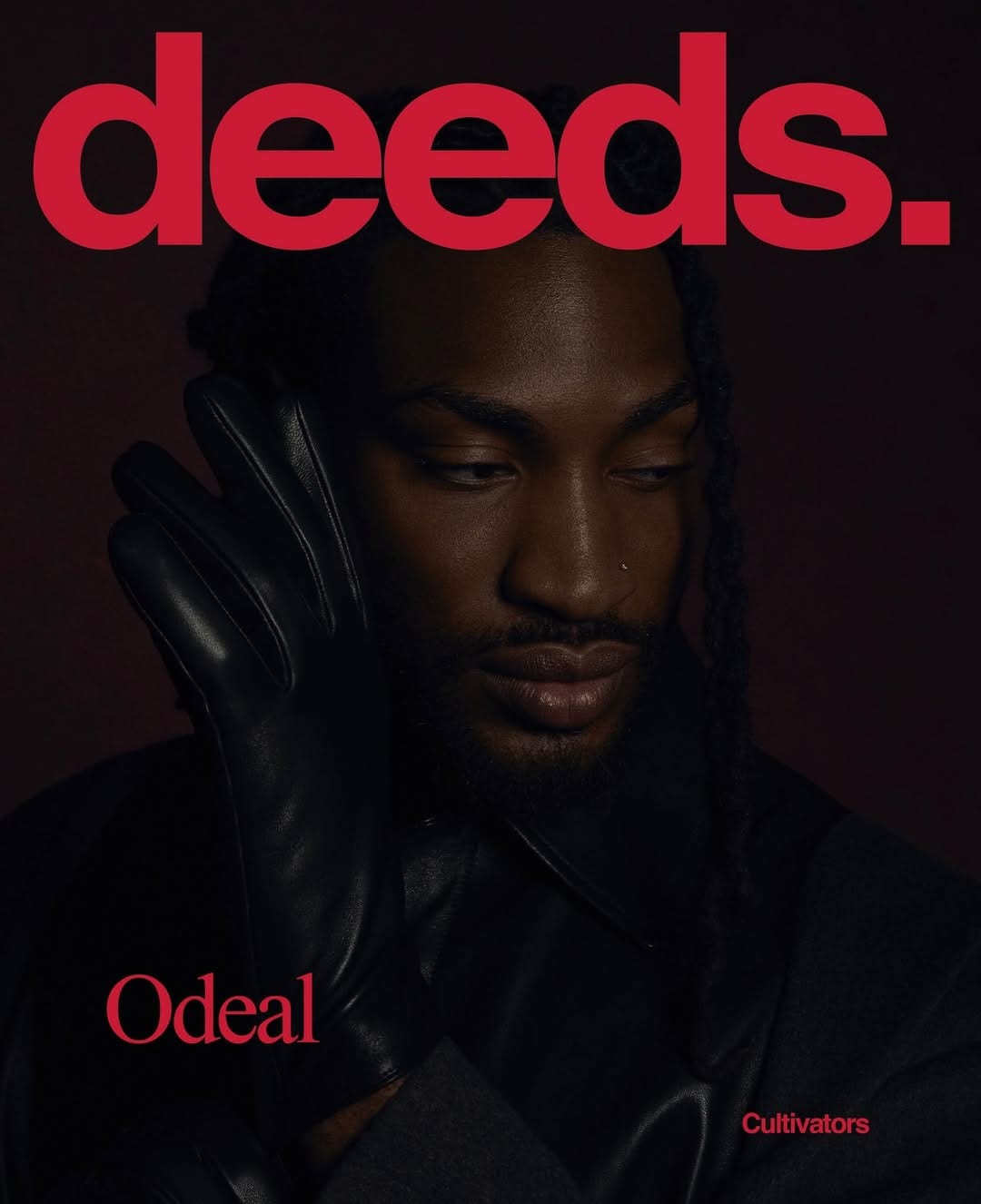
Based in Nigeria, Deeds Magazine was built around a recognition of the vast talent within Africa and the diaspora, with a goal to tell a different story of creative culture both nationally and internationally. Its scope spans art, music, fashion, photography, and film, with editorial and visual work that leans heavily into portraiture and creative profiles. With creative directors in both Lagos and London, the platform bridges local scenes and international audiences without losing the texture of either. The tone is warm and exploratory, less concerned with scoring cultural points than with actually finding interesting people doing interesting work.
The Republic Journal
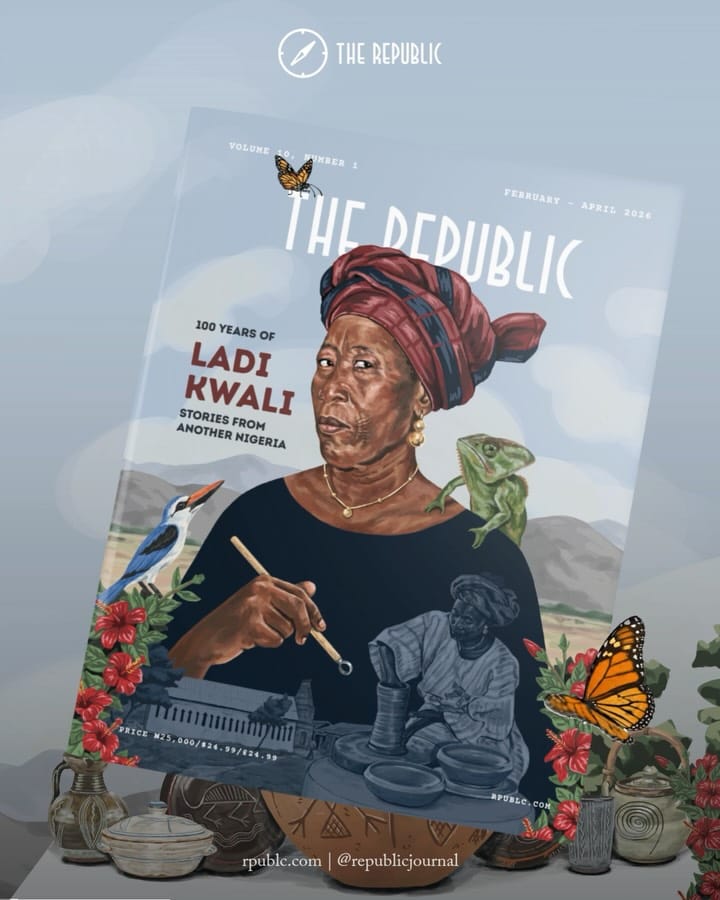
The Republic is a magazine for socio-economic and political commentary, criticism, and cultural discourse that explores the world as African. Its print issues tackle subjects ranging from cryptocurrency culture in northern Nigeria to African feminist thought, each time with a depth rare in any market. It publishes journalism, essays, criticism, and fiction grounded in intellectual seriousness, strong reporting, and clarity of thought. Called "serious journalism from an African worldview" by Quartz, it ships its print magazine worldwide while publishing continuously on the web.
NoteSphere
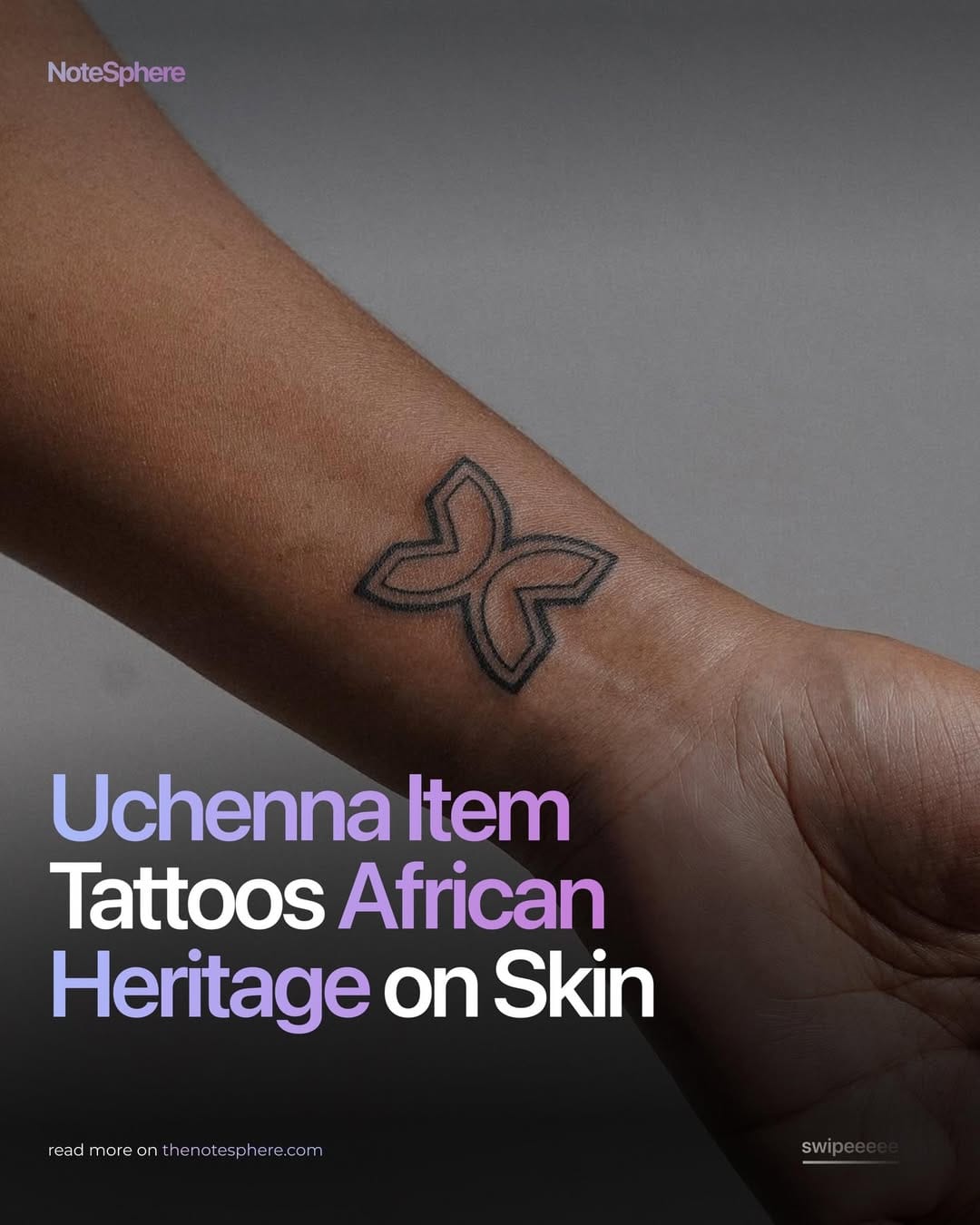
NoteSphere is a Nigerian digital media platform covering music, fashion, film, photography, culture, and sports, with a particular focus on African creatives and the stories shaping youth culture. The platform runs a creative profiles series (Creativerse), accepts pitches from contributors, and has a merchandise arm, signalling brand-building ambitions beyond media alone. Its tone is energetic and well-informed, and it publishes with consistent frequency across its website and social channels.
Primeries Africa
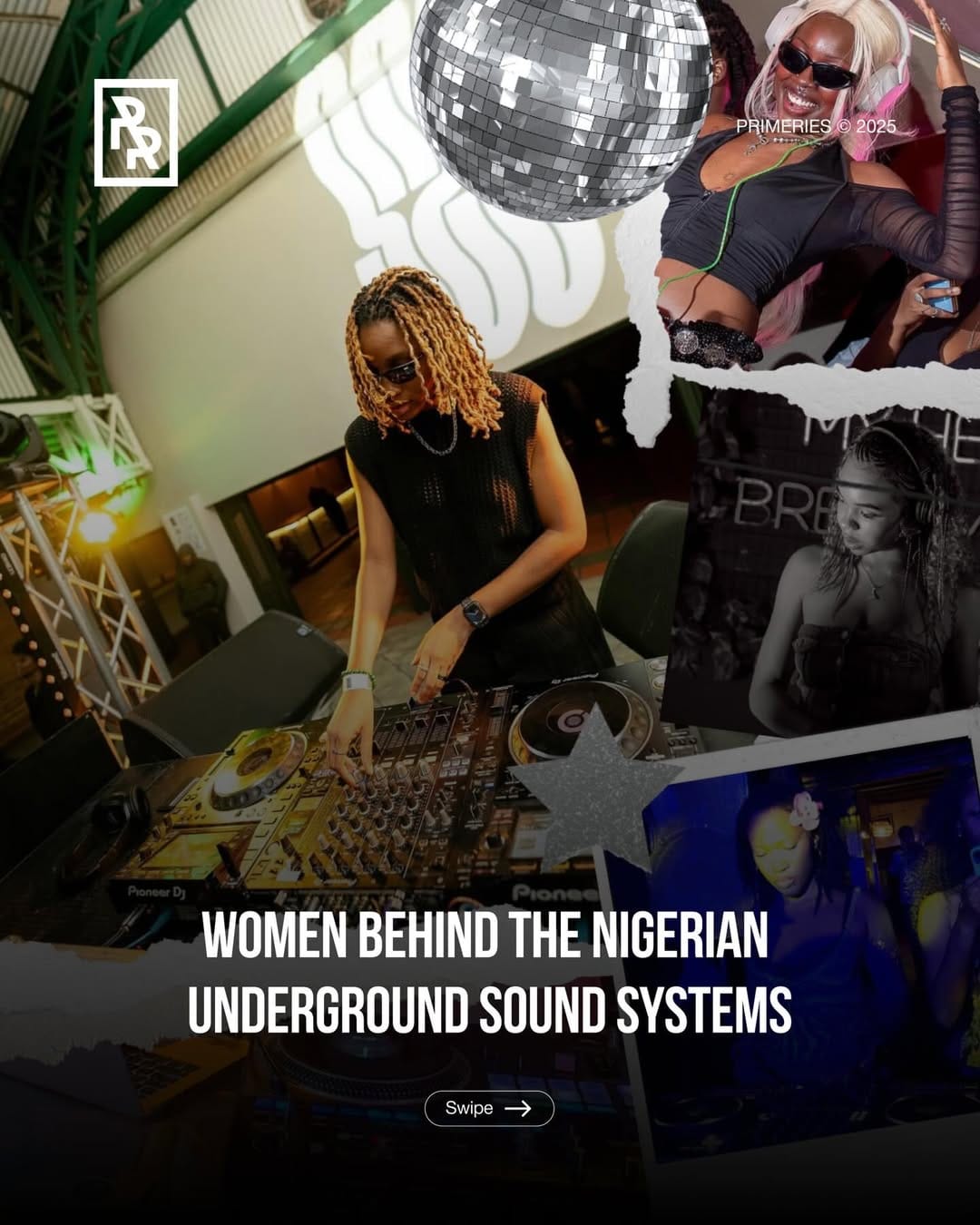
Primeries Africa is a visual platform centred on African fashion, photography, and creative culture. Its output is primarily image-led — editorial-style shoots, creative portraits, and fashion documentation from across the continent — delivered with a sharp eye for colour, composition, and specificity. It is doing critical curatorial work: creating archives of visual identity, documenting emerging designers and photographers, and building a community of taste that operates independently of traditional media infrastructure.
We Talk Sound
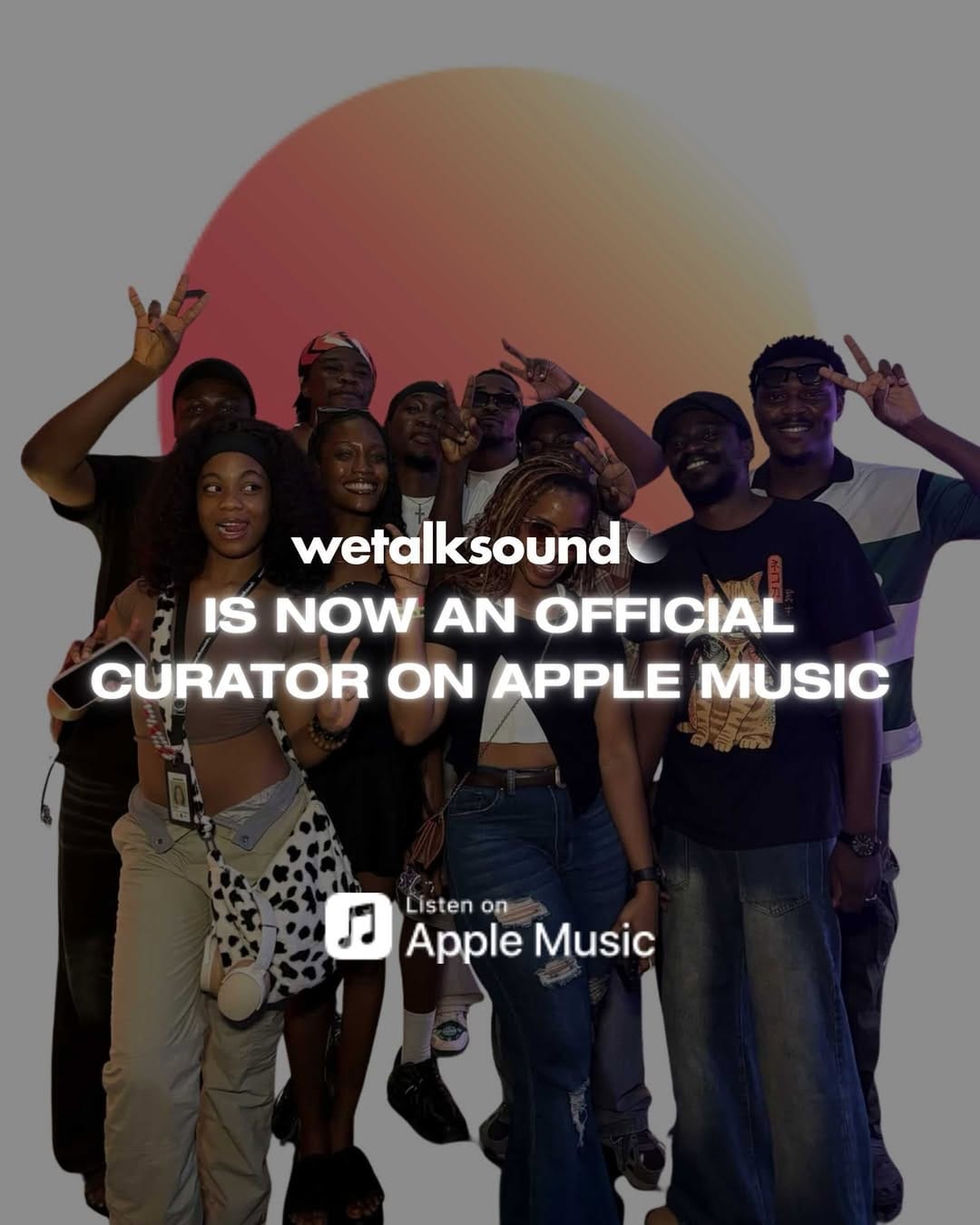
WeTalkSound began as a WhatsApp community founded by Amusat during his final year at university — a simple idea to connect friends who loved music but did not know each other. It has since grown into one of Nigeria's most ambitious music media brands, producing original albums, documentary series, and editorial content. In 2024, it released Sounds of Nollywood, a documentary series spotlighting the often-overlooked sound designers and composers behind some of Nollywood's biggest films, and its industry partnerships now span Universal, Empire, and OneRPM.
Escape Mag
Escape Magazine is a Nigerian-based digital publication operating under the Digital Escape Africa brand, describing itself as "the heart of African creativity." It covers fashion, art, culture, and the creative industries, with a particular strength in fashion event coverage. The tone is energetic and accessible — built to serve dedicated fashion audiences and broader culture enthusiasts alike.
More Branches
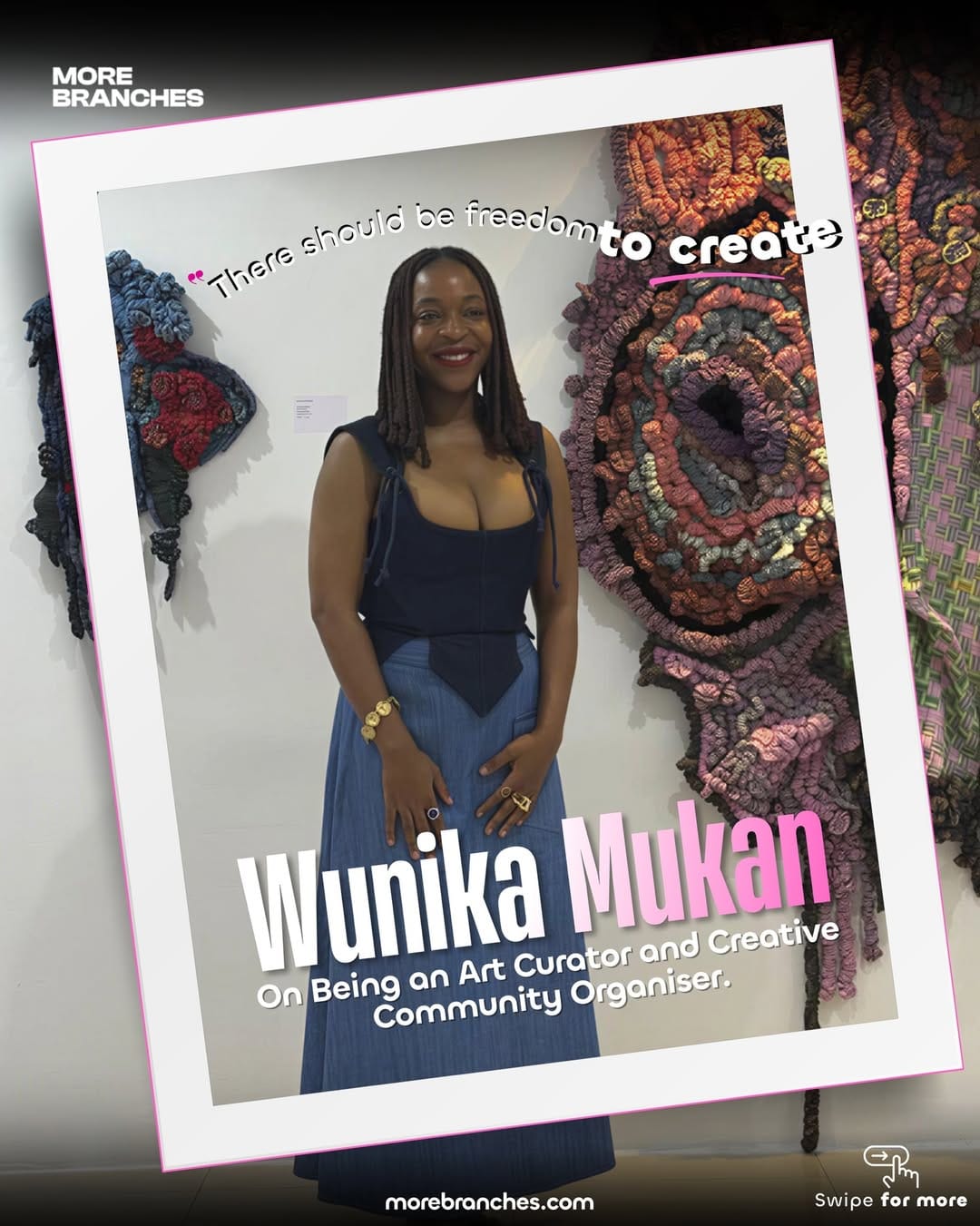
Launched in 2017 and operating as part of the More Labs Digital network, More Branches is a digital publication that resonates with young Africans by diving into subcultures across the continent to keep an informed and active viewership on and offline. It describes itself as a media company that values the need for self-aware content by Africans, stories spearheaded by a generation that looks inwards rather than outwards for inspiration. Its editorial range spans music, fashion, culture, relationships, and social issues, with an irreverent, community-first tone.
Africans Column
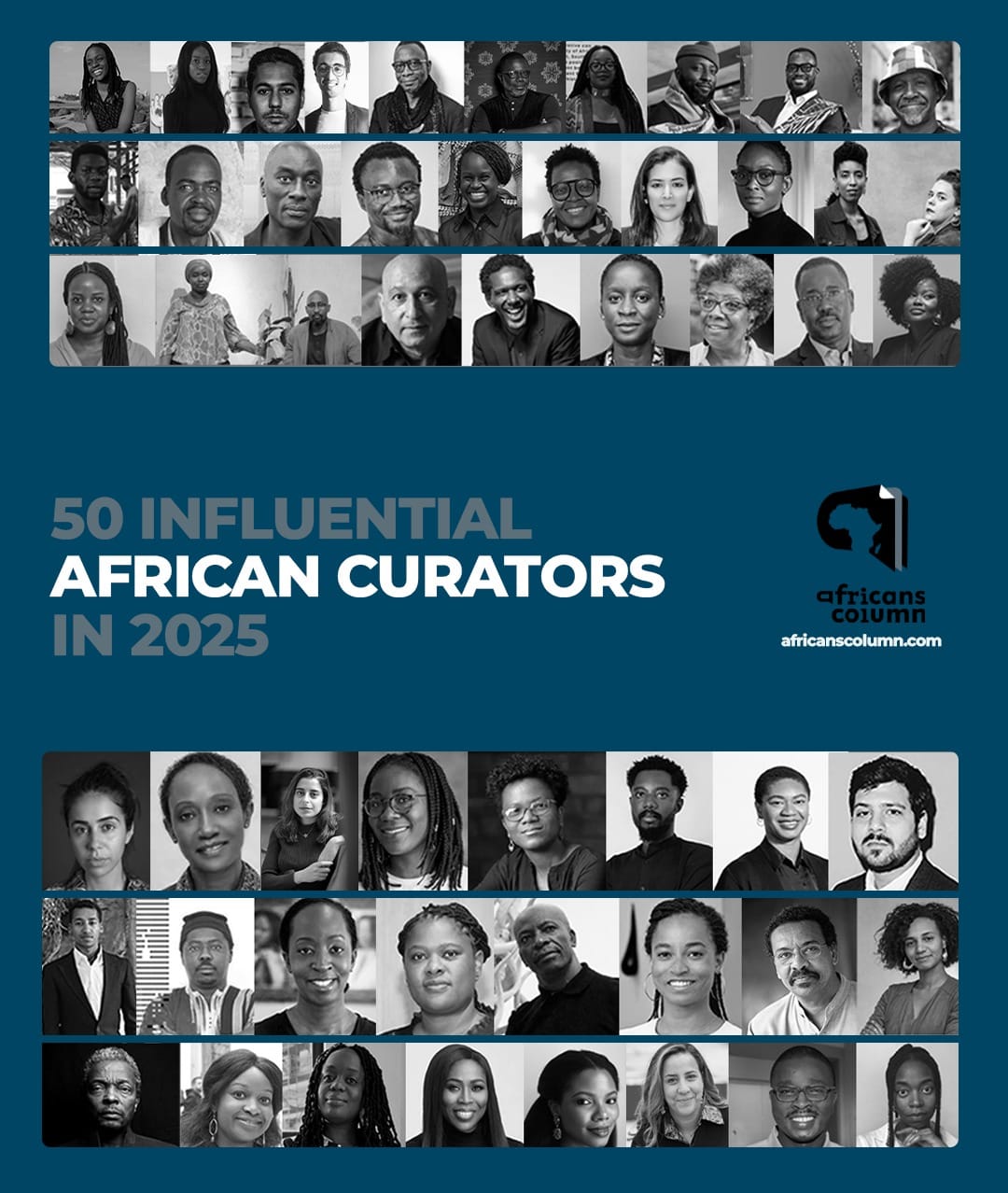
Africans Column is a Media and Strategy Studio projecting, celebrating, and supporting the work of Africans in art, architecture, and design through editorial storytelling, digital services, and strategic communication — existing at the intersection of culture and strategy. What makes it unusual is that twin mandate: it publishes detailed profiles of designers, architects, and artists, while also offering African creatives the strategic tools to build their visibility globally. Its editorial tone is intelligent and generous — genuinely invested in the work it covers.
OkayAfrica
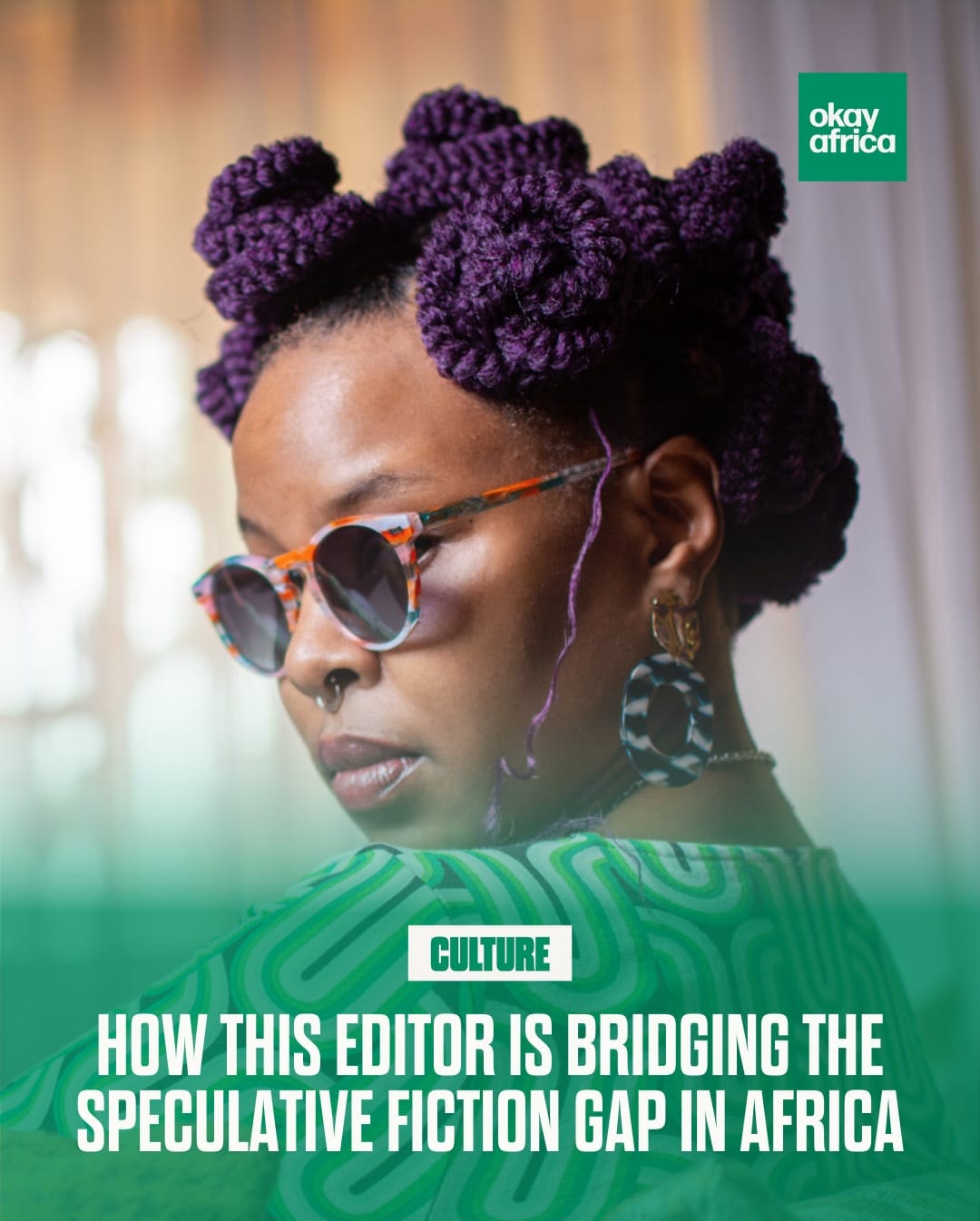
OkayAfrica has grown into the largest US-based website focusing on progressive music, art, politics, and culture from the African continent, headquartered in Brooklyn, New York. Its editorial voice has matured from culture aggregation into original journalism, music criticism, political commentary, and live event production. Through articles, interviews, video content, and events, it strives to provide a fresh and authentic perspective on Africa. For much of the diaspora, it has been a portal and a point of pride for over fifteen years.
Zikoko Mag
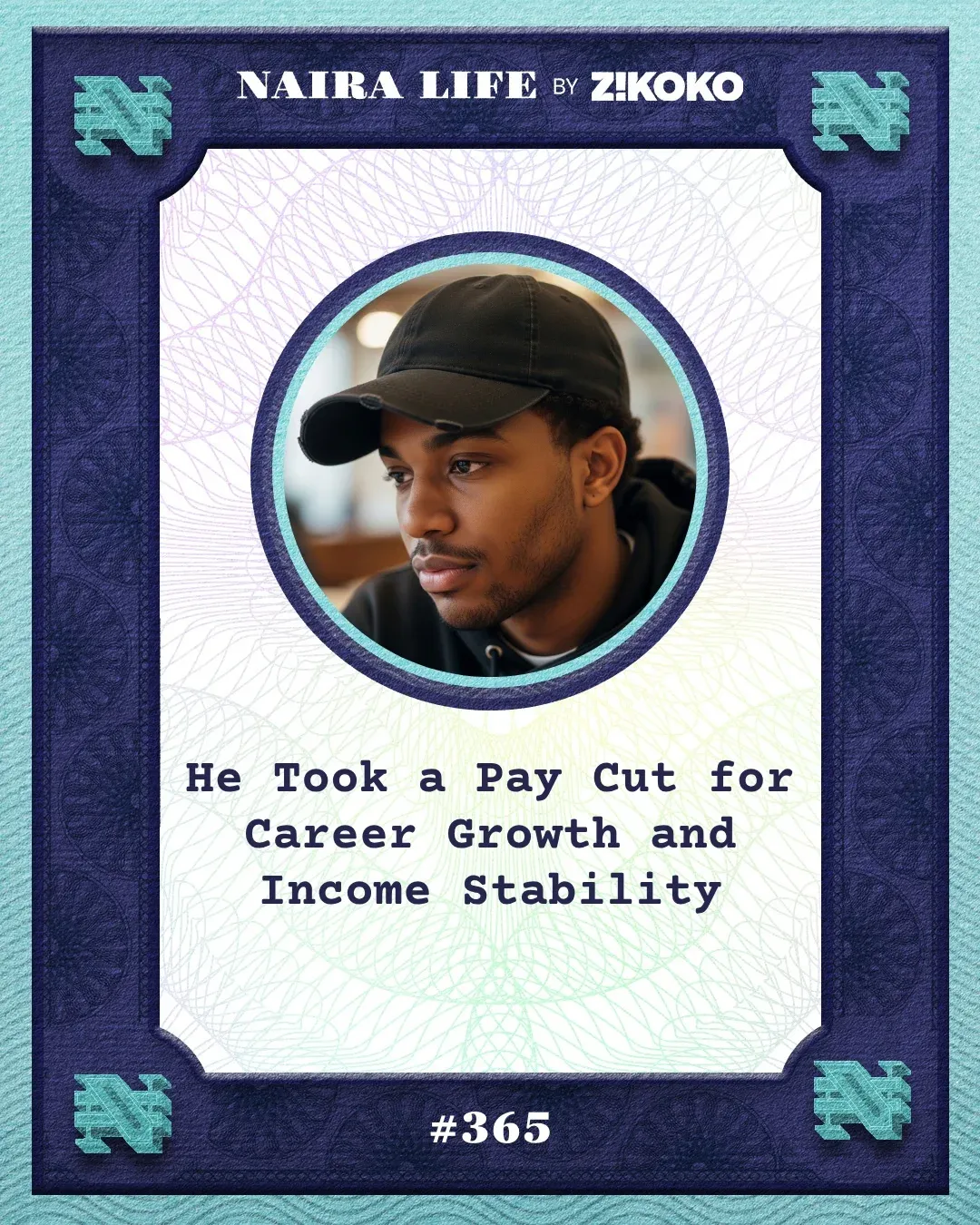
Based in Lagos and published by Big Cabal Media, Zikoko is a social magazine that curates and creates funny, incisive, honest, and irreverent content around Nigerian youth culture. Its Naira Life series — intimate financial diaries exploring how Nigerians actually experience money — remains one of the most widely-read original formats in Nigerian digital media, and spawned a live conference in 2025. It covers identity, relationships, sexuality, and pop culture with an empathy few platforms manage, while also producing video series and podcasts. Its evolution from viral listicles to long-form storytelling is one of the more interesting editorial journeys in African media.
Sample Chief
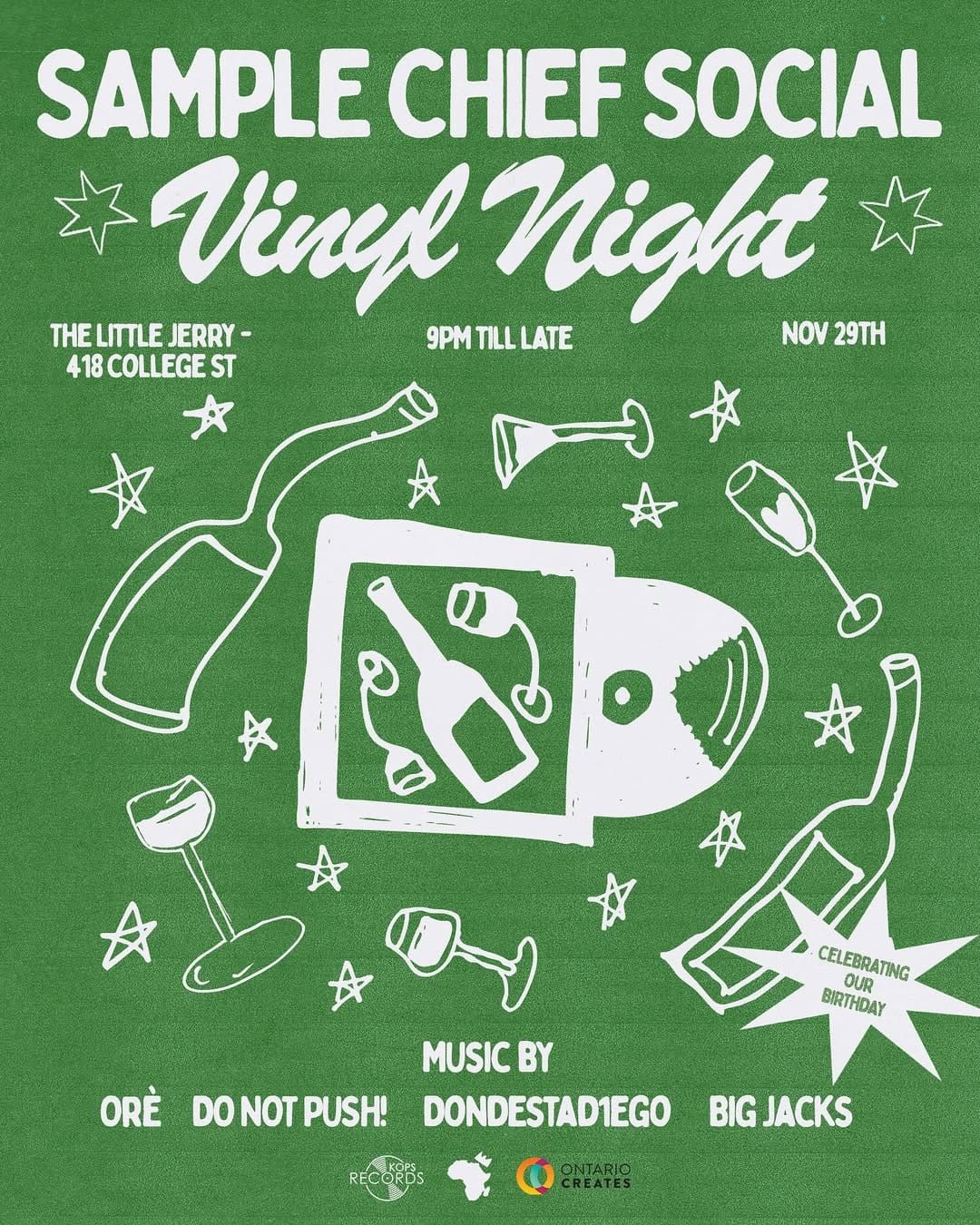
Sample Chief was born from a simple question: was there a database you could go to if you felt like you'd heard a song before and wanted to know where the sample came from? There wasn't, so what started as an Instagram and YouTube project cataloguing African samples in contemporary music has grown into an international community spanning digital content, panel discussions, and live events in London and Toronto. The platform aims to be an "all-knowing wizard" sharing African music intelligence on a deeper level — breaking down songs and highlighting the influences, samples, interpolations, and references behind them. It is one of the most original concepts in the African music media space.
Across these platforms, something is clear: African cultural media is not waiting for permission, infrastructure, or institutional support to arrive. It is being built, newsletter by newsletter, issue by issue, post by post, event by event.


Member discussion