


For a long time, electronic music meant a particular kind of cool that felt borrowed; exciting, yes, but not quite yours. It meant festival stages in the Nevada desert, sweaty Berlin basements, Ibiza sunrises.
Then you get exposed to something else entirely — afro house, afro-tech, afro-electronic — and the experience of it is different in ways that are hard to immediately articulate.
Maybe it was a video someone sent you. Maybe it was a party you stumbled into. Maybe it was a mix that started playing, and you couldn't quite explain why you couldn't stop listening. However it happened, the sound is extraordinary, the feeling in the room is warm. The way the rave scene is growing across the continent carries a particular kind of acceptance and freedom that makes you actually want to let go, actually want to lose yourself in it. Dance floors where care is built into the culture.
And behind it are DJs who are not just making us dance but building spaces, communities, and entire ecosystems for this sound to live and grow in.
Here are ten of the most important people behind the decks right now.
Black Coffee — Johannesburg, South Africa
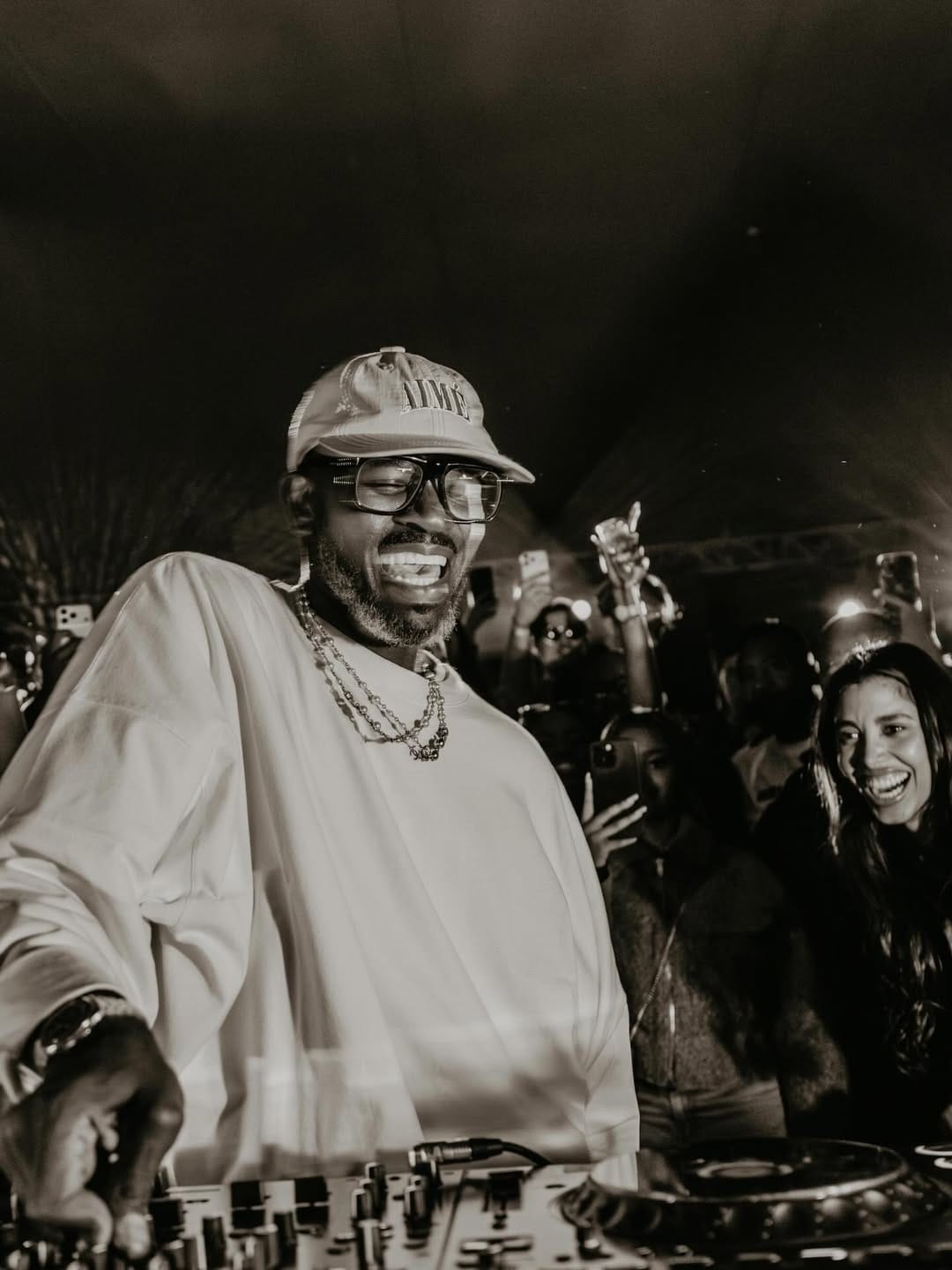
You cannot tell the story of Afro House without starting here. Born Nkosinathi Innocent Sizwe Maphumulo in Durban and raised in Johannesburg, Black Coffee has spent nearly two decades building what is arguably the most globally recognised afro house sound on the planet. His albums — from Have Another One in 2007 to Subconsciously in 2021 — trace the genre's arc from underground South African club culture to the main stages of Coachella and Ibiza's Hi. In 2022, Subconsciously won him the Grammy for Best Dance/Electronic Album, making him the first African artist to win in the category. He became the first African DJ to sell out Madison Square Garden.
What makes Black Coffee remarkable beyond the accolades is his restraint. He is famously understated behind the decks — cool, almost still — while the room around him falls completely apart. That confidence is itself a statement: his music does not need spectacle. It has always been enough on its own.
Shimza — Tembisa, South Africa
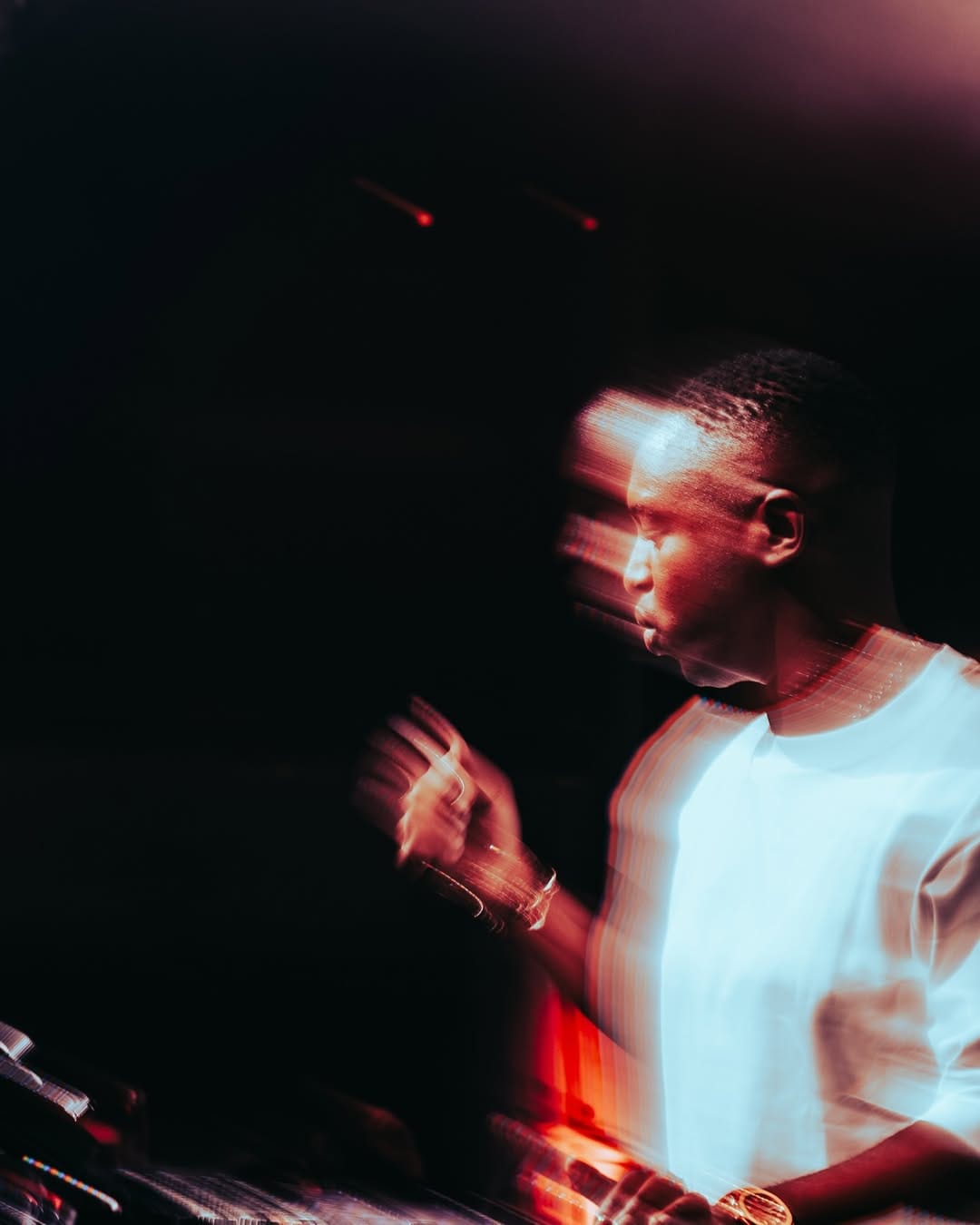
Ashley Raphala, better known as Shimza, grew up in Tembisa, one of Johannesburg's largest townships, and his sound carries that origin with it everywhere he goes. While Black Coffee brought afro house to the world, Shimza has been perfecting afro-tech — a sleeker, more atmospheric sound that bridges African rhythm with European electronic sophistication. His Ibiza residency and regular appearances at Ultra South Africa put him at a particular crossroads: underground credibility meeting global reach.
Every Christmas Day, Shimza hosts his One Man Show in Tembisa, a concert that draws thousands and features everyone from amapiano pioneers to the next generation of afro house talent. It is one of those events that reminds you how deeply house music belongs to the townships that raised it.
Uncle Waffles — Eswatini / Johannesburg, South Africa
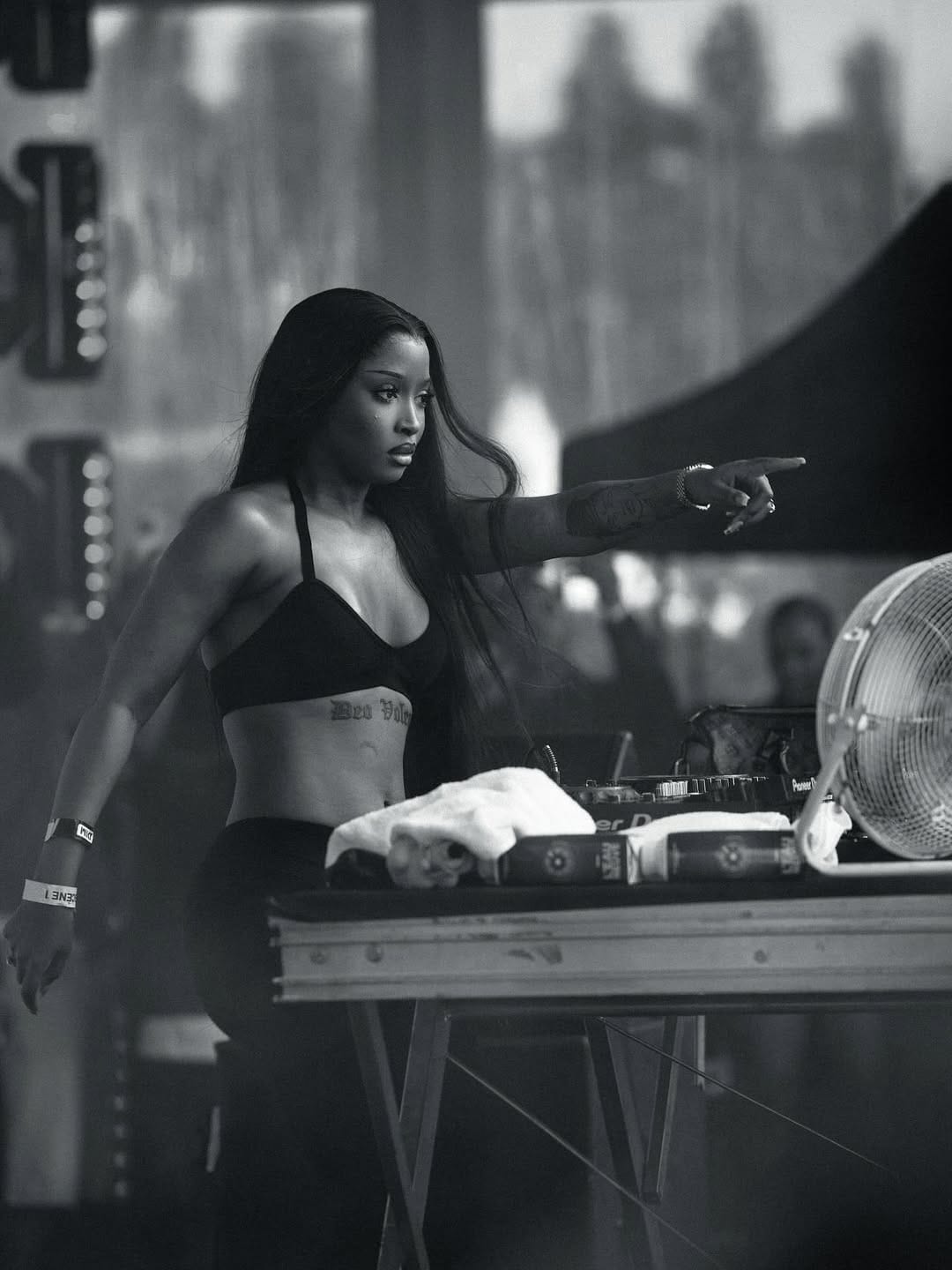
Lungelihle Zwane was born in Eswatini, learned to DJ during the 2020 lockdown, and in October 2021, a video of her performing in Soweto went viral. That is the short version. The longer version is that Uncle Waffles became one of the most electrifying presences in African dance music not just because of the mixing, but because of the full performance — the dancing, the energy, the undeniable sense that something singular was happening. Billboard called her the "Princess of Amapiano," and while amapiano is her lane, her work with afro house producers and her debut EP Red Dragon showed a range that goes well beyond any one genre.
She headlined the Piano People stage at Afro Nation in 2025, performed at the Giants of Africa Festival in Kigali, and continues to operate as proof that the continent's dance music needs no validation from anywhere else.
Aniko — Lagos, Nigeria
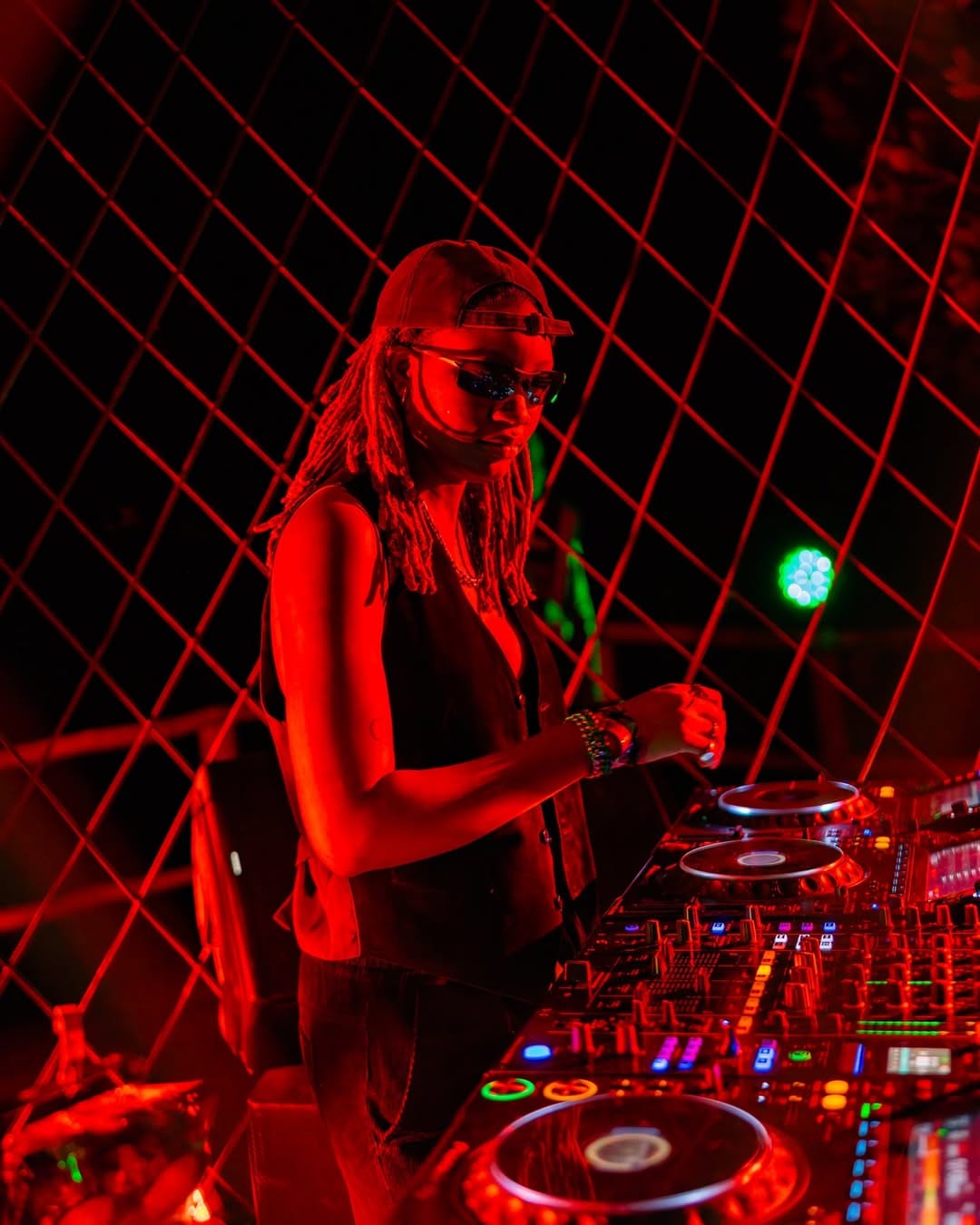
Aderinsola Ogala — who performs as Aniko — is possibly the most important name in Nigeria's growing electronic music scene right now. She is the founder of Group Therapy, a bi-monthly electronic rave series in Lagos that has done something that felt impossible not long ago: it made afro house, gqom, techno, and Afro-tech the main event in a city where Afrobeats is the language of the night.
Group Therapy is consciously a safe space, one of the very few in Nigeria. That politics is woven into the programming, not tacked on. Aniko was named in Mixmag's Top 25 Breakthrough DJs of 2025, has toured Amsterdam, Berlin, London, and Barcelona, and played for Rampa during his Lagos visit. When a viral tweet once questioned whether Group Therapy DJs were disconnected from Nigerian music, Aniko responded not with words but by spinning a deep house version of Hey Jago mid-set. The room understood.
Yosa — Lagos, Nigeria
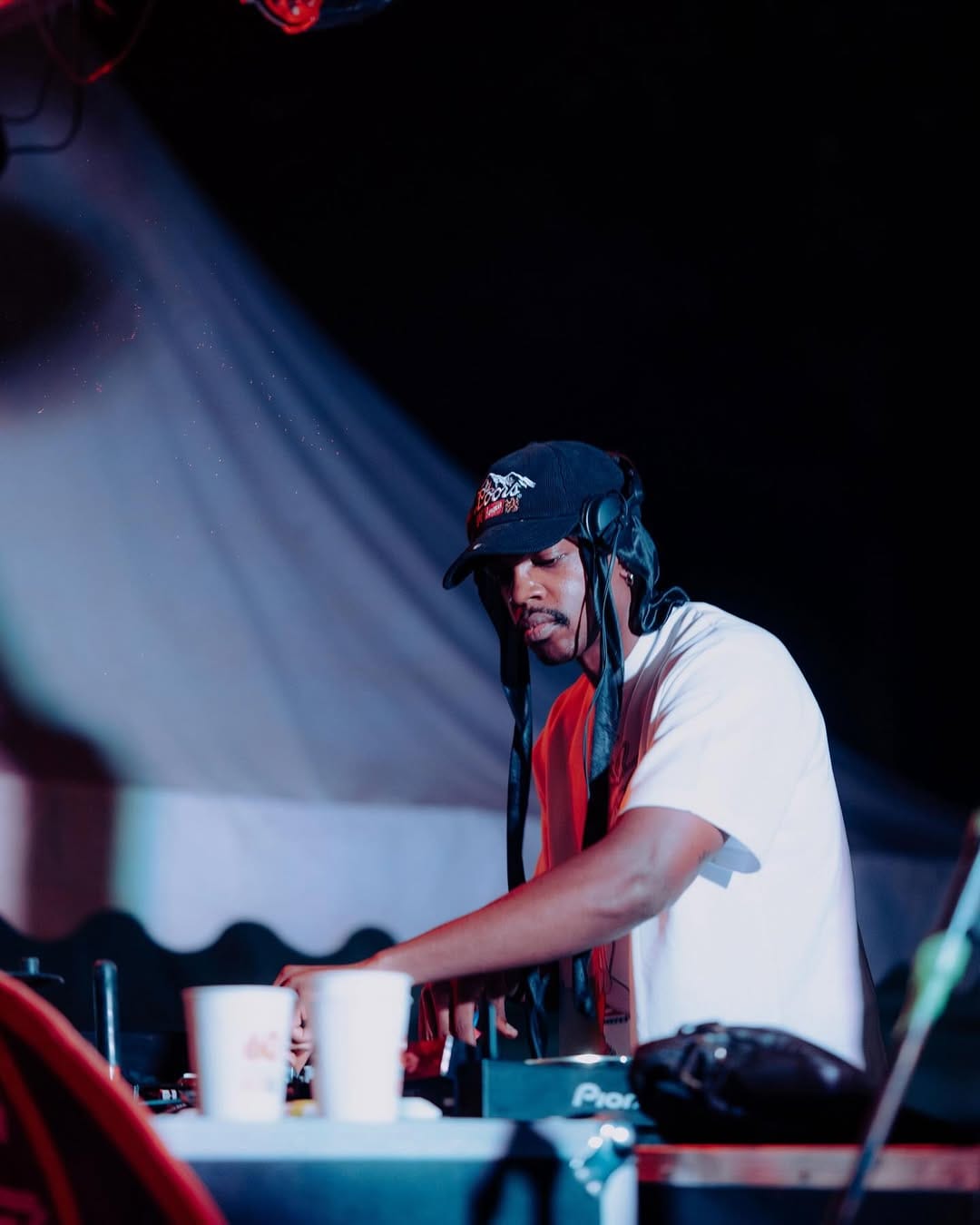
Born in Victoria Island and raised in Boston, Yosa came back to Lagos in 2019 after a brief and unhappy stint at a London bank and found his footing in the DJ booth. His sets blend afro house, hip-hop, EDM, and Afropop into something he describes as having a "sweaty frat basement feel" — high energy, genre-fluid, full of nostalgia and surprise. That description undersells it. His Boiler Room set in Lagos with Group Therapy was the kind of performance that clips travel.
Yosa co-founded Space Studio, a Lagos creative hub for alternative and indie artists. He has toured with Rema, played at Hi-Fi by Homecoming, and is part of the new generation of Lagos DJs who are making electronic music events the biggest parties in the city.
Making Room: How Space Studio Is Reshaping Nigeria's Music Scene
SURAJ — Nairobi, Kenya
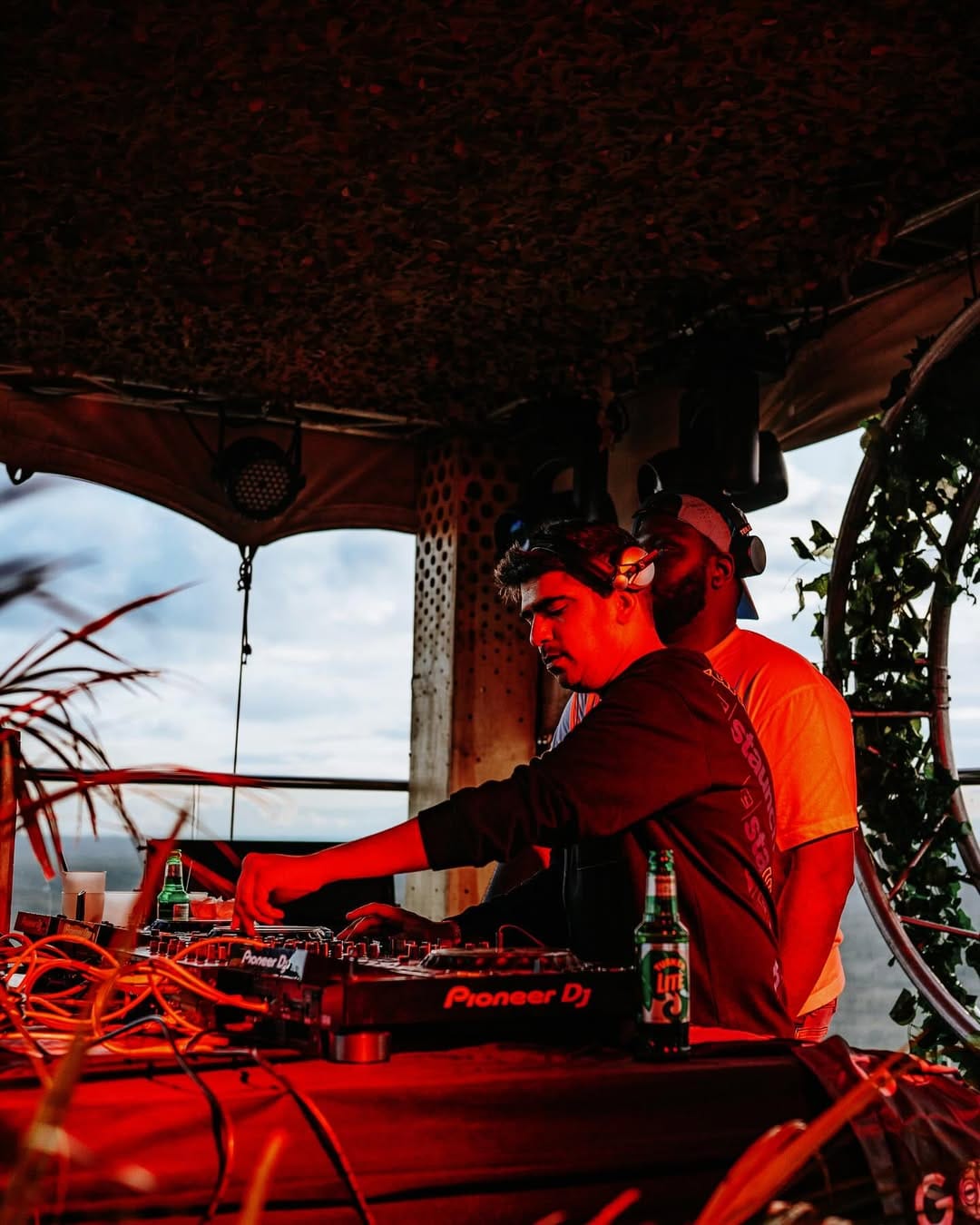
Suraj Mandavia is the most prominent figure in Kenya's electronic music scene, and he has built the infrastructure to prove it. As co-founder of Gondwana KE — a label and events platform in Nairobi — he helped establish East Africa's most significant afro house ecosystem, bringing South African giants like Sun-El Musician, Karyendasoul, and Citizen Deep to Nairobi while nurturing Kenyan talents alongside them.
His own productions blend traditional African instruments and cultural elements with contemporary electronic music, creating a sound that is unmistakably East African and unmistakably global at the same time. He is the kind of DJ-producer who builds scenes, not just careers.
SHAMISO — Zimbabwe / South Africa
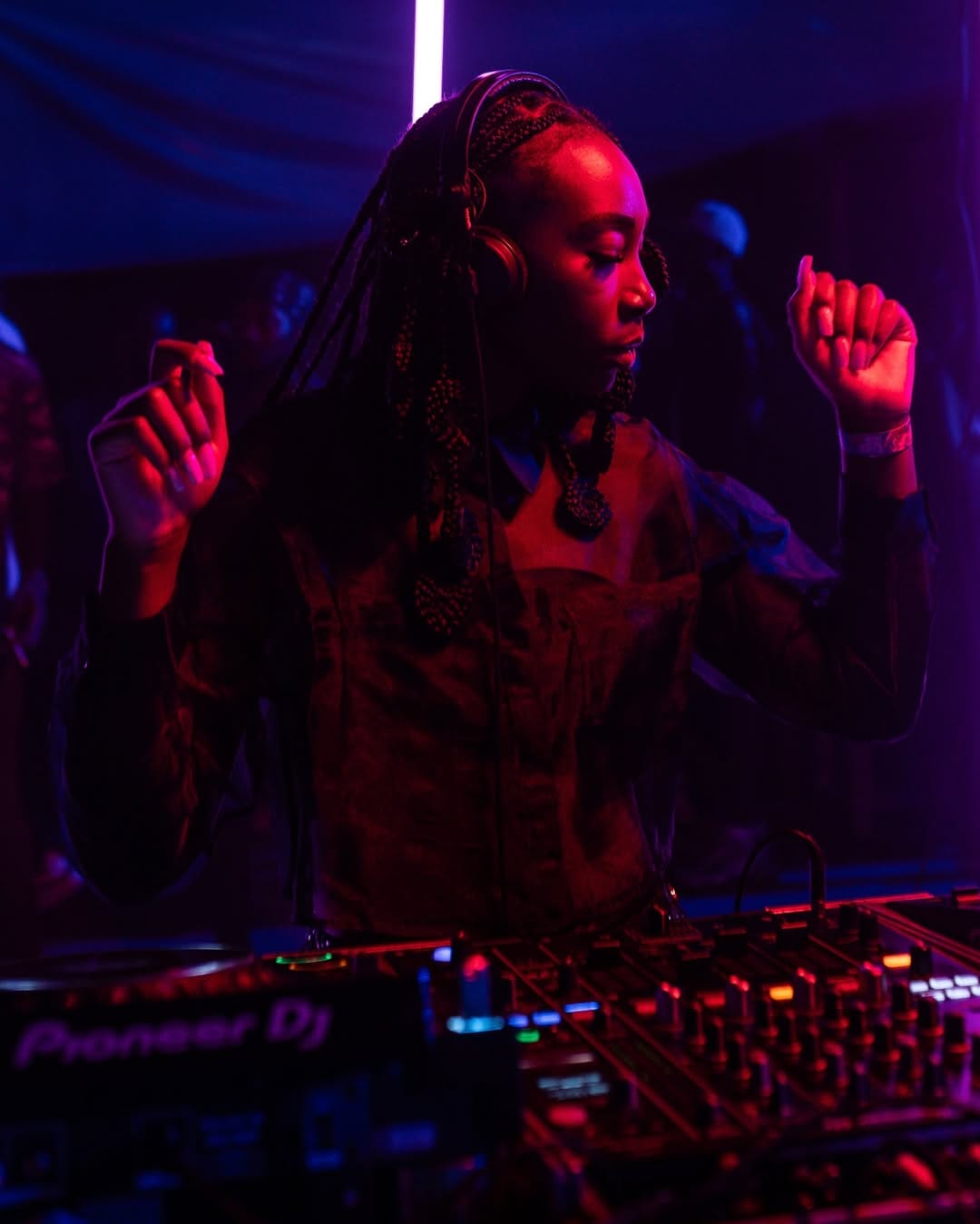
Zimbabwe's SHAMISO is one of the most exciting new voices in African electronic music, and she moves with a clarity of vision that sets her apart. Her sets revolve around afro-tech and afro house, and whether she is playing for a sun-drenched crowd at Vaal River Sundays or moving bodies at a Spotify showcase, she brings presence, precision, and soul. The International Music Summit recognised her early; she played their HI-FI showcase and was involved in curation, which is the kind of access that signals real industry attention.
In 2025, she was nominated in the Best New DJ category at the Beatport Awards — recognition that her ambition to revolutionise the world's perception of African electronic music is not just a vision but a trajectory.
Caiiro — Johannesburg, South Africa
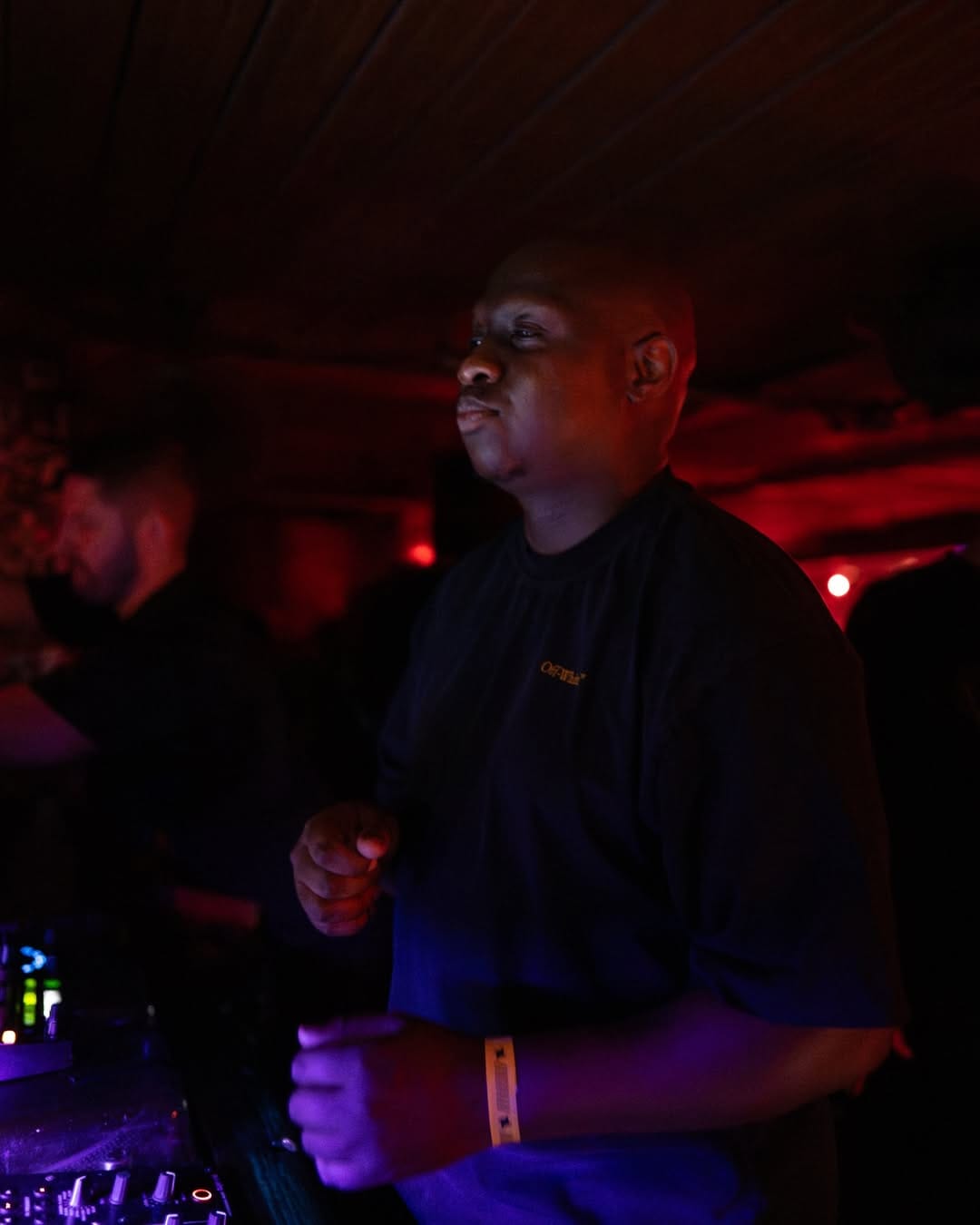
Patrick Dumisani Mahlangu builds music from tribal rhythms and progressive house melodies, and the combination is haunting in the best way. His debut album First Impressions (2016) launched an international career that has since taken him across Africa, Europe, and North America. Citing Black Coffee as a direct influence, Caiiro has been explicit about his ambition: to create and export music that will last.
His collaborations with vocalists like Nia Pearl bring emotional depth to the dance floor, tracks that feel ceremonial and celebratory at the same time, which is exactly what afro house at its best manages to do.
Nitefreak — Zimbabwe
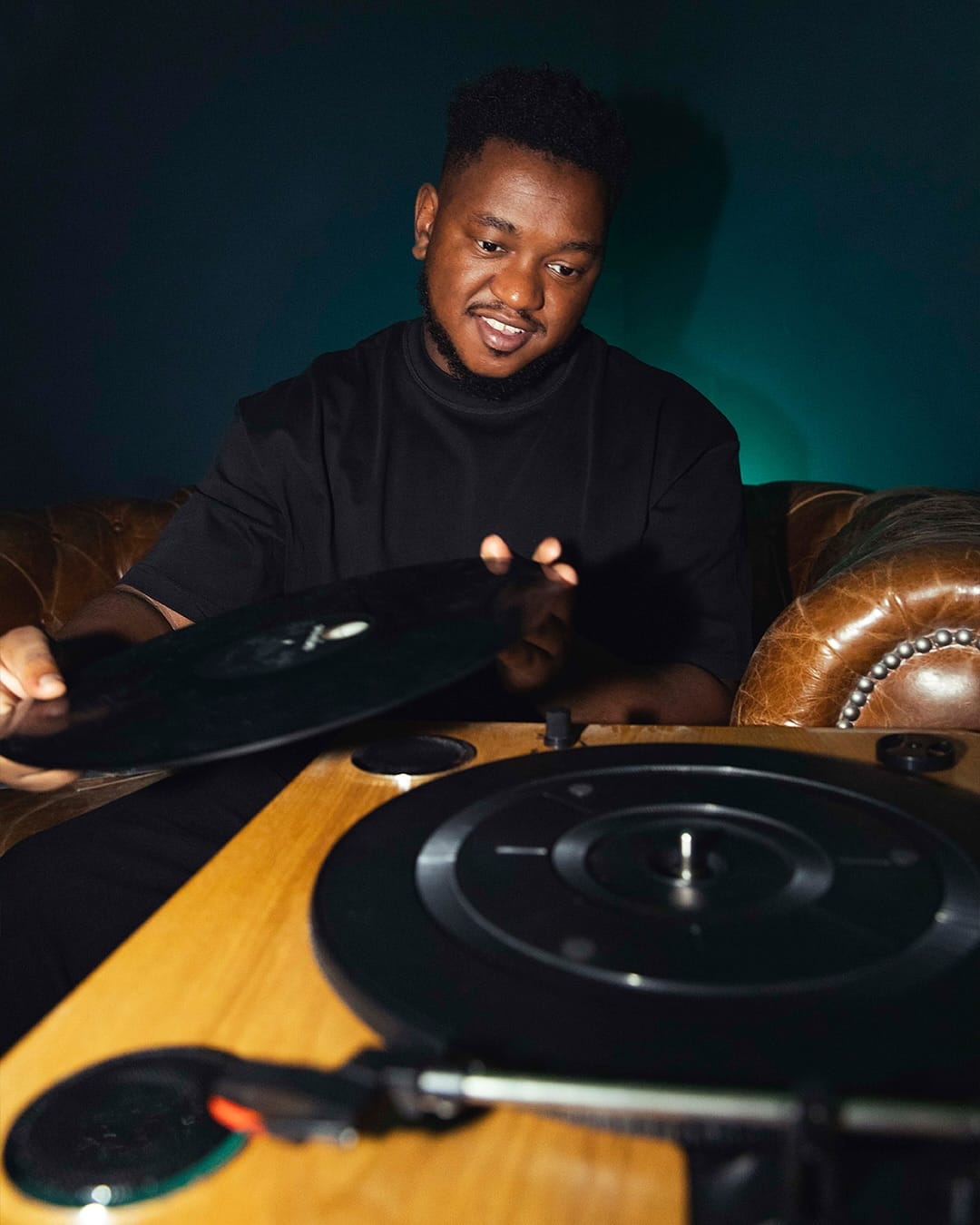
Zimbabwean producer and DJ Nitefreak is one of the clearest examples of what a globally connected afro house artist looks like right now. With 2.3 million monthly Spotify listeners and releases on Spinnin' Records and Insomniac Records, two of electronic music's biggest platforms, alongside collaborations with BLOND:ISH and Amadou & Mariam, he operates on an international scale that most of his peers are still building toward.
His headline set at Group Therapy VIII in Lagos in 2025 — his first performance in Nigeria — was described by those who were there as deeply spiritual. He opened with Ayibobo, a track with roots in Haitian Vodou ceremonial music, and from there took a packed crowd on a journey that ended with a remix of iPlan.
Dope Caesar — Lagos, Nigeria
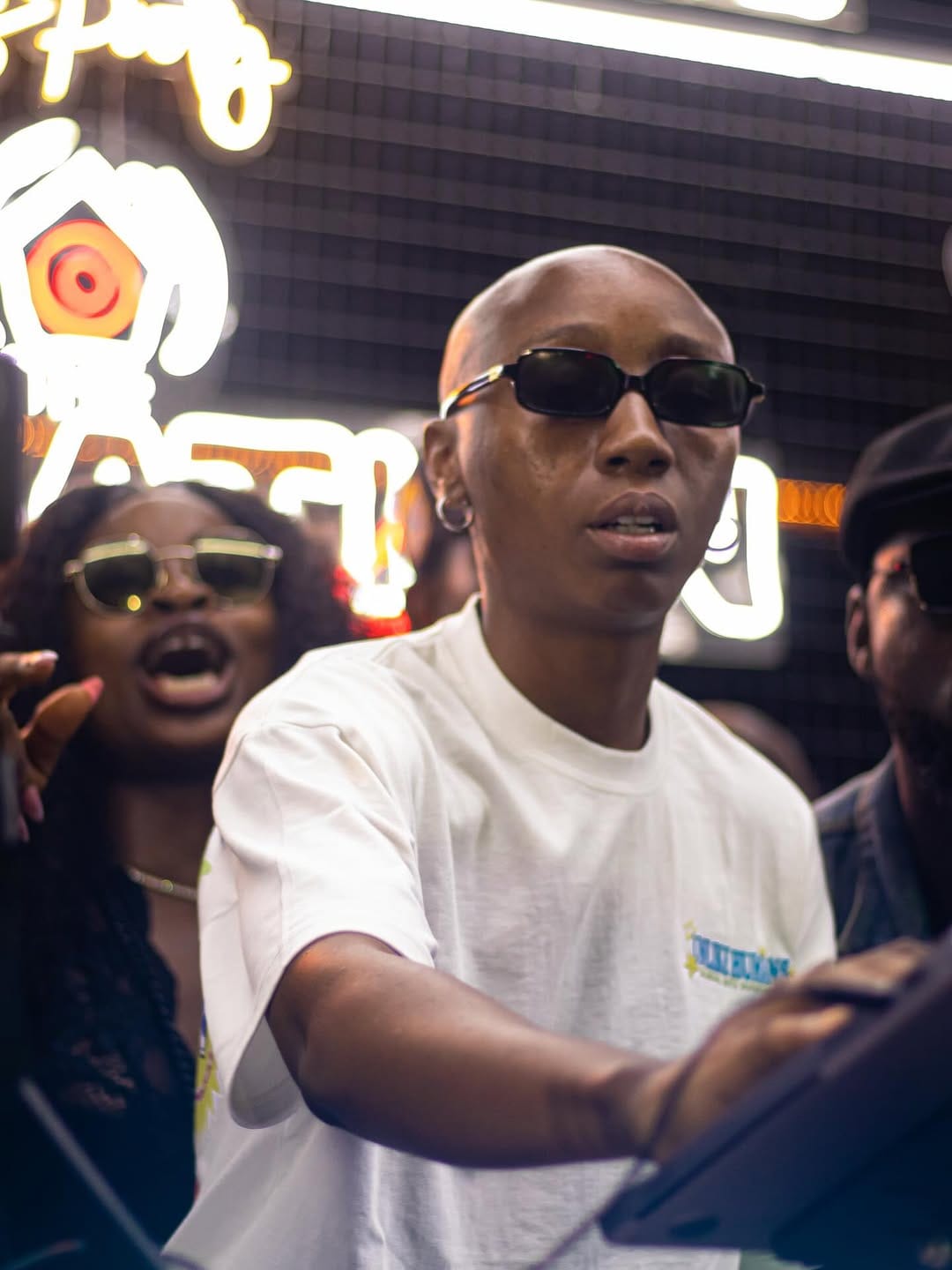
Dope Caesar is building something important in Lagos, and she is doing it decisively. Since a 2023 mix that blended Brick & Lace's Love is Wicked with Victony's Soweto went viral, she has been on a consistent upward trajectory, playing regularly at Obi's House — one of Nigeria's biggest weekday parties — and establishing herself as one of the most compositionally thoughtful DJs in the city.
What stands out about Dope Caesar is the historical sensibility she brings to the booth, bridging sounds that shouldn't work together but always do.
Conclusion
What you are seeing across this list is a structural movement. Afro house saw 778% download growth in 2025, jumping from fifth to second most downloaded genre globally, overtaking R&B, pop, and trap. The global electronic music industry hit $12.9 billion in 2024, and the continent's DJs are not peripheral to that number; they are driving it.
But more than statistics, what is happening across Johannesburg, Lagos, Nairobi, and beyond is a creative infrastructure being built from the inside. These DJs are not waiting for European labels to discover them or for American festivals to put them on a stage. They are building labels, founding event series, establishing communities, and making the music — on their own terms, in their own cities, for their own people first.
And as it always goes with the best things Africa produces, the world eventually catches up.



Member discussion