


From Senegal and Cameroon to Algeria, Tunisia, Morocco, Togo, Nigeria, Kenya and Zimbabwe, women have been behind some of the continent’s most important films, often working in industries that were still finding their footing. They documented everyday life, challenged colonial narratives, questioned traditions and made space for women’s experiences on screen.
Some were among the first women to direct feature films in their countries or regions. Others used documentary as a way of preserving histories that might otherwise have been overlooked. Together, their work helped shape African cinema as we know it today.
Here are 12 historically important African women directors whose films are worth knowing.
Thérèse Sita-Bella (Cameroon)
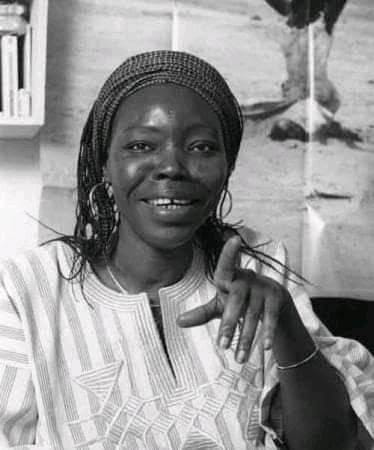
Born Thérèse Bella Mbida in 1933 into the Beti community of southern Cameroon, Sita-Bella studied in Yaoundé before moving to Paris, where journalism and film caught her attention. In 1963, she directed Tam-Tam à Paris, a documentary following a Cameroonian dance troupe on tour in the French capital, becoming the first woman filmmaker in Cameroon and, by most accounts, in Africa.
The film screened at the inaugural 1969 Week of African Cinema, the festival that would become FESPACO, one of the continent's most important film festivals. Her filmmaking career was brief, but the significance of Tam-Tam à Paris remains. She died in Yaoundé in 2006, and the Cameroon Cultural Centre's film hall now carries her name.
Sarah Maldoror (Guadeloupean-French)
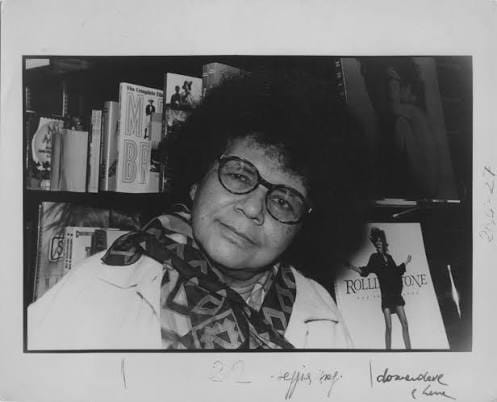
Born Sarah Ducados in 1929 in southwest France to a Guadeloupean father, Maldoror co-founded Les Griots, the first all-Black theatre troupe in France, before turning to film. She trained at the Gerasimov Institute in Moscow, assisted Gillo Pontecorvo on The Battle of Algiers, and in 1972 directed Sambizanga, a feature on Angola's independence war that remains one of the defining works of Pan-African cinema.
The film represented Angola at Cannes' Directors' Fortnight and now sits in the Criterion Collection. As she put it to the Centre Pompidou, "African women must be everywhere. They must be in the images, behind the camera, in the editing room, and involved in every stage of filmmaking." Her filmography spans more than 40 films, including documentaries, shorts, television films and features. Her best-known works include Monangambééé (1969) and À Bissau, le carnaval (1980). Maldoror died of COVID-19 in France in 2020, having made more than forty films across five decades.
Safi Faye (Senegal)
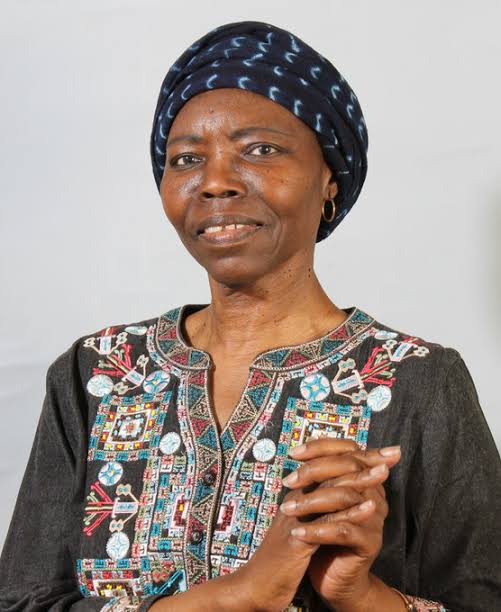
Safi Faye was born in Dakar in 1943 to an aristocratic Serer family, and trained as a teacher before ethnologist Jean Rouch encouraged her toward filmmaking after they met at the 1966 Dakar Festival of Negro Arts. Her 1975 feature Kaddu Beykat (Letter from My Village), narrated in her own voice over scenes of Senegalese peasant life, made her the first Sub-Saharan African woman to direct a commercially distributed feature film. The film was banned in Senegal on release but went on to win the FIPRESCI Prize.
She later earned a PhD in ethnology from the University of Paris and continued documenting rural women's lives in films like Fad'jal (1979), Selbe: One Among Many (1983) and Mossane (1996), which won the Un Certain Regard prize at Cannes. Faye died in Paris in 2023, at 79.
Assia Djebar (Algeria)
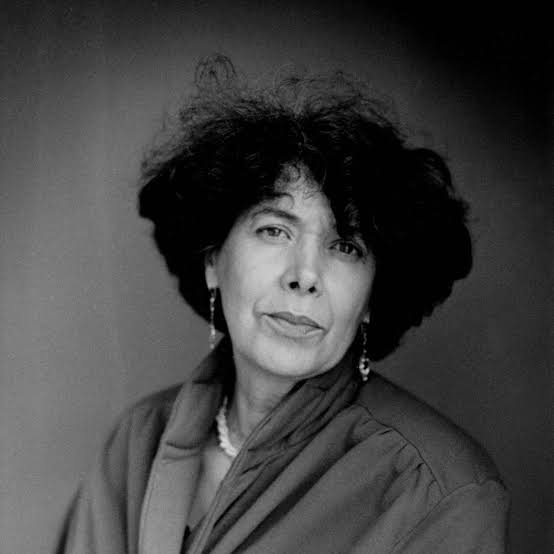
Born Fatima-Zohra Imalayen in 1936 in Cherchell, Algeria, Djebar was already one of North Africa's most acclaimed novelists and the first Algerian woman admitted to France's École Normale Supérieure when she turned to film in the mid-1970s.
In the late 1970s, Djebar turned to filmmaking, working with Algerian television on La Nouba des femmes du Mont Chenoua (1977) and La Zerda ou les chants de l'oubli (1982). Her films were concerned with recovering women's memories and challenging the ways Algeria's history had traditionally been represented. La Nouba des femmes du Mont Chenoua follows a woman's return through the Algerian landscape while bringing together the testimonies and memories of women who experienced the country's war of independence. Rather than presenting history as a straightforward sequence of events, Djebar combined interviews, personal memory, archival material and staged sequences.
The film received the Grand Prix de la Critique Internationale at the Venice Film Festival, while La Zerda, an essay film on colonial-era North Africa built from found archival footage, later won Best Historical Film at the Berlin Festival. Djebar went on to become the first writer from the Maghreb elected to the Académie Française in 2005. She died in Paris in 2015.
Amaka Igwe (Nigeria)
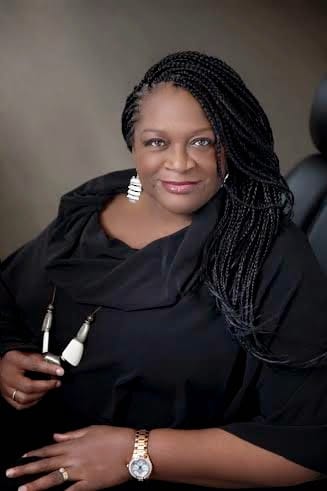
Born Uzoamaka Audrey Igwe in 1963 in Port Harcourt, Igwe studied theology at the University of Ife before beginning her career directing for M-Net, and went on to become one of the defining figures of Nigeria's video film era. Her television dramas Checkmate and Fuji House of Commotion were cultural touchstones, while her films Rattlesnake (1995), Violated (1995), Forever (1997) and A Barber's Wisdom (2000) helped shape the early commercial grammar of what would become Nollywood.
Beyond directing, Igwe built an ecosystem around filmmaking through Amaka Igwe Studios and BOBTV, an annual television and film expo that created space for filmmakers to meet, discuss their work and think about the future of the industry. She was awarded the Nigerian national honour of Member of the Order of the Federal Republic in 2011 for her contributions to the creative industry, and after her death in 2014, Google marked what would have been her 57th birthday with a Doodle.
Selma Baccar (Tunisia)
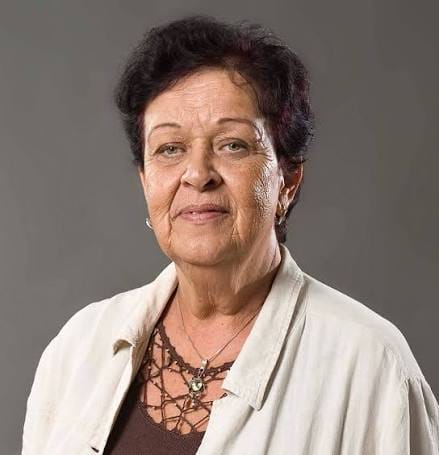
Born in Tunis in 1945, Baccar studied psychology in Lausanne, Switzerland, before switching to film in Paris, and began making shorts with an amateur film club in Hammam-Lif, Tunisia, in her early twenties. Her 1975 feature Fatma 75, an essay-style film examining the history of Tunisian women's rights, is considered the first full-length feature directed by a Tunisian woman, and was promptly banned from commercial cinemas by the Ministry of Information over its content.
She continued making politically charged work, including Habiba M'sika / The Dance of Fire(1994), a biopic of the Tunisian singer, and Khochkhach / The Flower of Oblivion(2006), set in a Vichy-era psychiatric hospital. Baccar later moved into politics, becoming, in 2014, the first woman to chair a parliamentary bloc in Tunisia's Constituent Assembly.
Anne-Laure Folly (Togo)
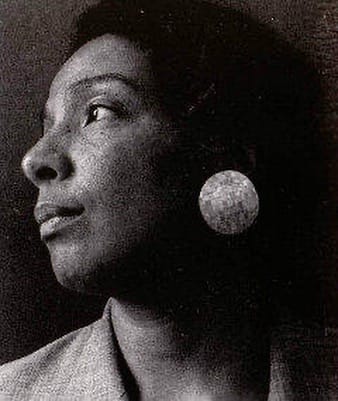
Born in Togo in 1954, Folly built her career in documentary, using film to let women speak in their own words about lives shaped by colonialism, conflict and custom. Her 1994 film Femmes aux yeux ouverts, which brought together women from Benin, Burkina Faso, Mali and Senegal discussing forced marriage, HIV and political survival, won the silver medal at the Monte Carlo Television Festival.
Her 1996 documentary Les Oubliées turned the same approach on Angola's decades-long war, foregrounding women combatants and survivors largely left out of the historical record. In 1998, Folly directed Sarah Maldoror ou la nostalgie de l'utopie, a tribute to the filmmaker who inspired a generation before her.
Jane Murago-Munene (Kenya)
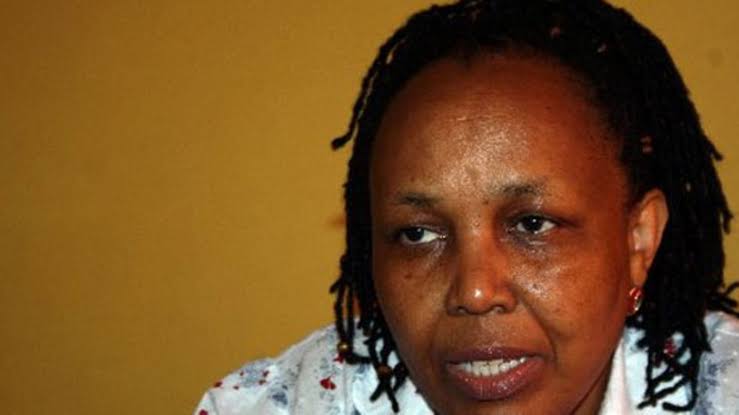
Jane Murago-Munene enrolled in Kenya's government-run Institute of Mass Communication in 1976 and was the only woman in its first graduating class, making her the first woman to study film in the country. Her first documentary, The Tender One (1979), was produced with United Nations backing for the International Year of the Child, and set her on a path toward documentary work centred on women, children and labour. She went on to make Women, Water, and Workload (1994), Enkishon: The Maasai Child in Kenya (1995), Out of Silence (2000), The Price of a Daughter (2003) and Behind Closed Doors (2004), while also founding her production company, CineArts Afrika, in 1990.
Her 2010 documentary Monica Wangu Wamwere: The Unbroken Spirit, on the mother of Kenyan human rights activist Koigi wa Wamwere, won Best Documentary at FESPACO in 2011, the first time an East African film had taken a top prize at the festival. She later served as East African regional secretary, and then executive director, of the Pan-African Federation of Filmmakers (FEPACI).
Tsitsi Dangarembga (Zimbabwe)
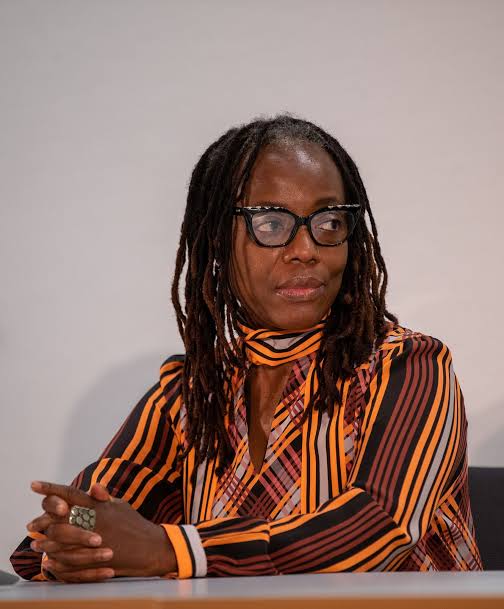
Born in Mutoko, Zimbabwe, in 1959, Dangarembga was already an acclaimed novelist and playwright; her 1988 debut, Nervous Conditions, had won the African region of the Commonwealth Writers Prize, when she trained at the German Film and Television Academy in Berlin and turned to directing. Her 1995 feature Everyone's Child, about four siblings orphaned by AIDS and shunned by their village, made her the first Black Zimbabwean woman to direct a feature film.
The project began as a training video for community-based orphan care before its producers, Zimbabwe's Media for Development Trust, expanded it into a feature given the scale of the AIDS crisis it addressed. Dangarembga went on to found Nyerai Films in Harare and direct further titles including On the Border (2000), Pamvura (2005), The Sharing Day (2009) and I Want a Wedding Dress (2011), alongside founding the International Images Film Festival for Women.
Farida Benlyazid (Morocco)
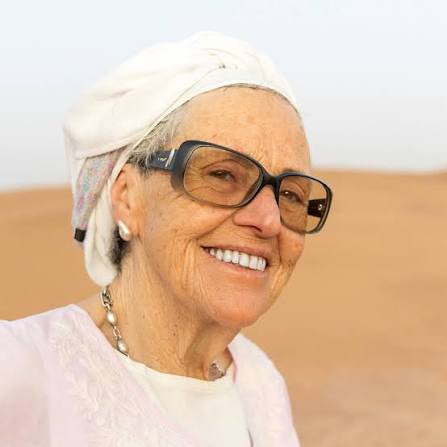
Born in Tangier in 1948, Benlyazid left an unhappy marriage in 1971 and moved to France to study literature and, later, cinema at the École Supérieure des Études Cinématographiques in Paris. Her first short film, Identité de femme, was made in 1979. Returning to Morocco during the repressive Years of Lead, she built her career as a screenwriter and producer, co-writing Mohammed A. Tazi's Badis (1986) before directing her own debut feature, A Door to the Sky, in 1989.
The film, the story of a Moroccan woman who returns from Paris to Fez after her father's illness and death, where she encounters a different way of thinking about women's lives, spirituality and independence, is considered one of the first post-colonial feminist films to come out of North Africa. Benlyazid went on to direct films including Keïd Ensa (Ruses de femmes, 1999) and Nia Taghled (2000). She has since directed six features and founded her own production company, Tingitania Films, named for the ancient name of Tangier.
Moufida Tlatli (Tunisia)
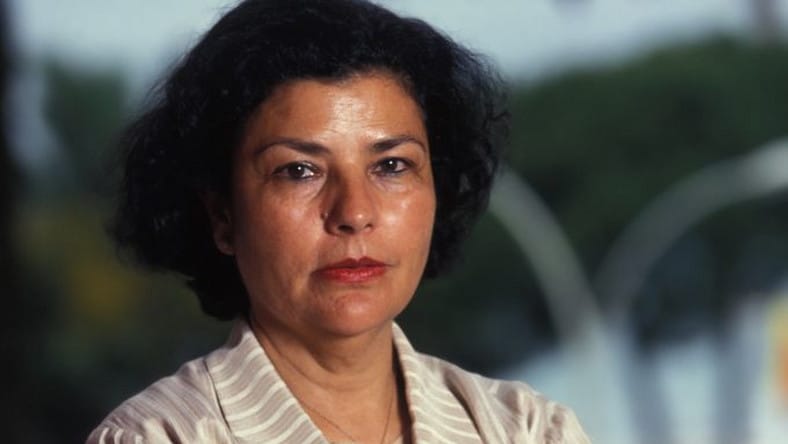
Born in Sidi Bou Saïd in 1947, Tlatli trained as a film editor in Paris before returning to Tunisia in 1972, where she cut acclaimed films including Néjia Ben Mabrouk's Sama and Férid Boughedir's Halfaouine.
She made her directorial debut in 1994 with The Silences of the Palace, drawn from her mother's experiences as an Arab woman, which won the Caméra d'Or at Cannes and was later named one of the ten best African films by critic Mark Cousins. Her follow-up, The Season of Men (2000), screened in Cannes' Un Certain Regard, made her only the second Maghrebi director to sit on a Cannes jury. Tlatli went on to serve as Tunisia's Minister of Culture following the 2011 revolution, and died of COVID-19 in Tunis in 2021.
Anne Mungai (Kenya)
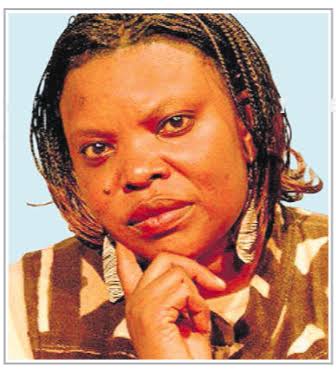
Born in Kenya in 1957, Mungai trained at the Kenya Institute of Mass Communications and began directing shorts in 1980, at a time when almost no East African women were behind the camera. Her 1992 feature Saikati, about a young Maasai woman who flees an arranged marriage to pursue an education in Nairobi, is widely cited as the first feature film by a Nairobi-based woman director. The film won a UNICEF award at FESPACO for its portrayal of African women and was followed by a 2000 sequel, Saikati the Enkabaani, screened at the Pan African Film Festival in Los Angeles. Mungai co-founded Women in Cinema in Kenya in 1993 and continued teaching film until her death in 2025.
Ngozi Onwurah (Nigeria/United Kingdom)
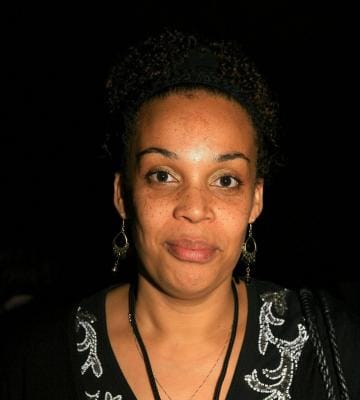
Born in Nigeria in 1966 to a Nigerian father and Scottish mother, Onwurah grew up in Newcastle and studied film at St Martin's School of Art before making her BBC-prizewinning short, Coffee Coloured Children (1988), drawn from her own childhood. Her 1995 feature Welcome II the Terrordome, an Afrofuturist dystopia named after a Public Enemy track, premiered at Sundance and became the first feature film directed by a Black British woman to receive a UK theatrical release. The film was divisive on release but has since been reappraised as a prescient work linking the history of slavery to modern police violence; it now sits in the Criterion Collection. Onwurah's earlier documentary The Body Beautiful (1991), about her mother's mastectomy and their relationship, remains one of the most acclaimed British short films of its decade.
Conclusion
What connects these filmmakers is not one particular style of cinema. Some worked primarily in documentary, others in fiction, and some moved between both. Their films range from rural Senegalese villages and the Algerian war of independence to Moroccan cities, Tunisian palaces, Nigerian television and Kenyan communities.
What they share is the decision to place African lives, histories and perspectives in front of the camera while also claiming space behind it.
For some, simply getting a film made was an act of persistence. For others, the challenge was creating stories that could move beyond the familiar ways African people, and particularly African women, had been represented. Together, their work helped build the foundations on which generations of African women filmmakers have continued to work.



Member discussion