


Drawing on the rich legacy of the Vlisco archive, this new collaboration positions six of its historic designs as a starting point for creative expression. Through sculpture, recycled materials, woven textiles, and mixed media, each artist translates the symbolism, layered narratives, and visual language embedded within the fabrics into new material forms.
Honouring the enduring heritage of Vlisco designs, the six selected artists have created works inspired by an iconic print that resonated most with them, drawing connections between its meaning and their own cultural story. Familiar Vlisco icons shift from repeat motifs into objects, environments, and narratives that reflect identity, memories, community and everyday life.
Since 1846, Vlisco's designs have gained further meaning through the people who wear them. This collaboration celebrates that continuing dialogue, showing how these iconic designs can inspire entirely new forms of artistic expression while remaining deeply connected to their cultural significance.
Six Artists. Six Perspectives.
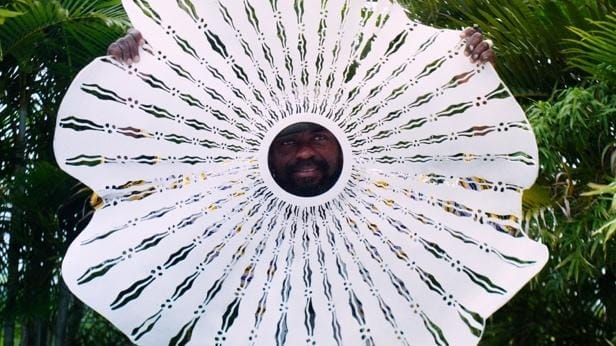
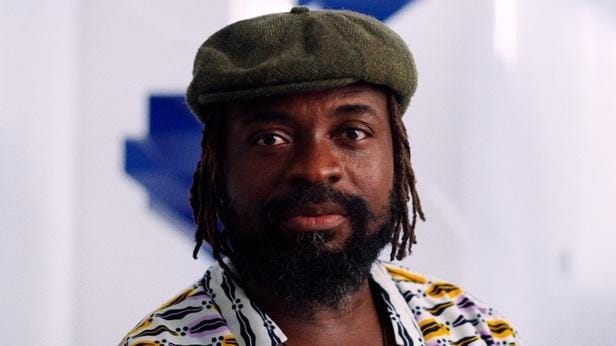
Sébastien Boko (Benin) is a multidisciplinary artist whose practice spans sculpture, painting, installation, and performance. His work explores Beninese cultural traditions, identity, and spirituality.
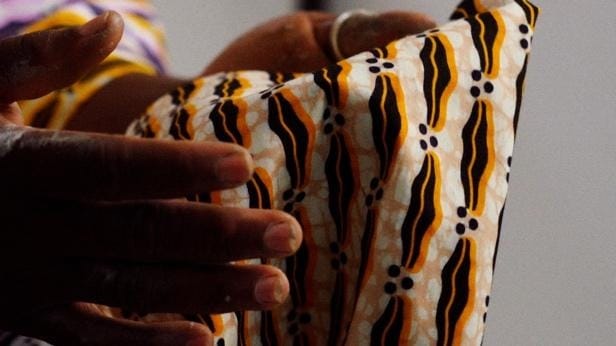
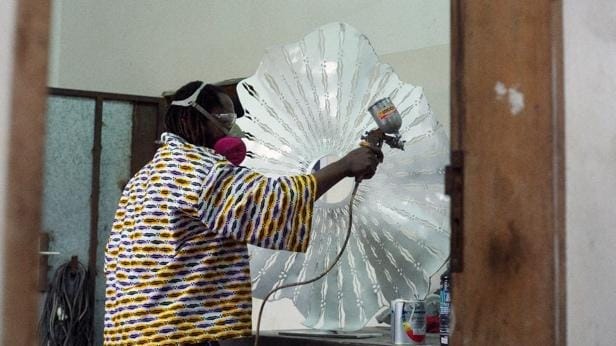
The World in Motion draws inspiration from the Egungun masquerade tradition, transforming motifs from a historic Vlisco design, ‘Mari Capable’, into a sculptural form crafted from painted stainless steel. Boko chose this fabric due to its significance in Cotonou, Benin — his mother, sister and cousins have worn it, and the wider community has embraced the design so deeply that it has become part of their culture. Reflecting themes of renewal, movement, and cultural exchange, the work celebrates the enduring role of textiles in carrying shared histories and traditions across generations.
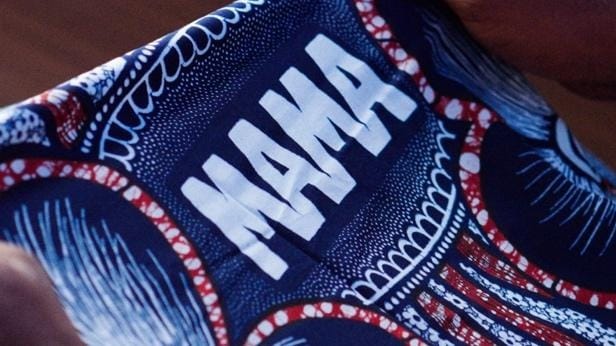
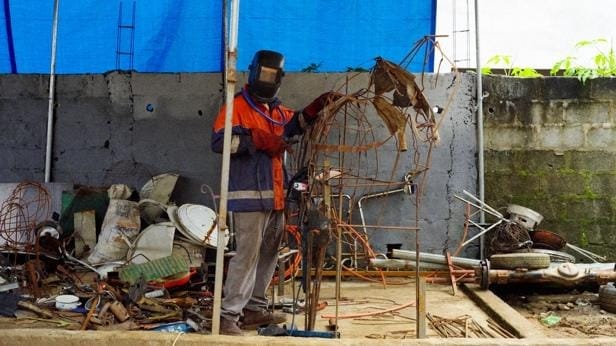
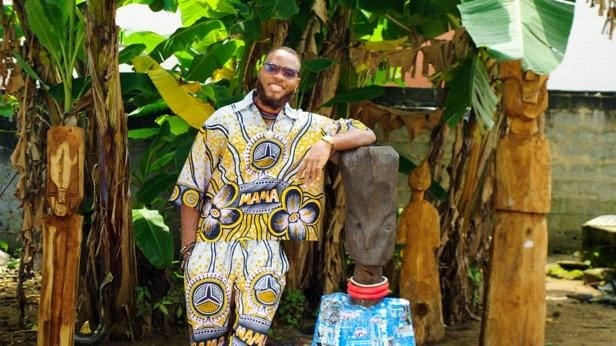
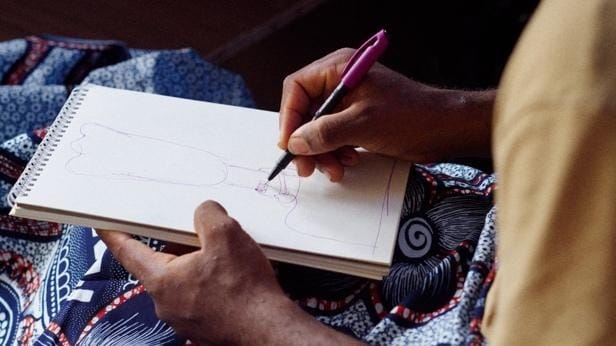
Atisso Goha (Togo) is a multidisciplinary sculptor whose work draws on Togolese mythology, spirituality, and environmental consciousness. Working increasingly with recycled materials, his monumental sculptures have been exhibited across Africa, Europe, and Asia.
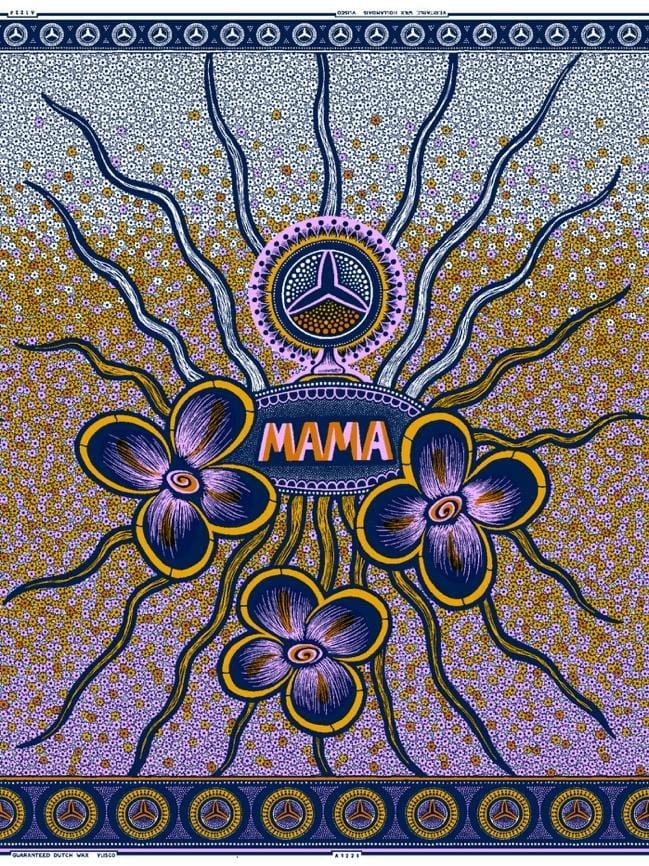
Mianô N’Dôkosu, which means Our Mother Sun in the Ewe language, is a sculpture that pays tribute to the Nana Benz of Togo, emblematic figures of the loincloth trade in West Africa. Through their vision, their success and their independence, they have profoundly marked the economic and social history of the region. Responding to Vlisco’s ‘Mama Benz’ print, Goha transformed salvaged car parts into a powerful portrait. The work explores memory, resilience, and the enduring legacy of African women.
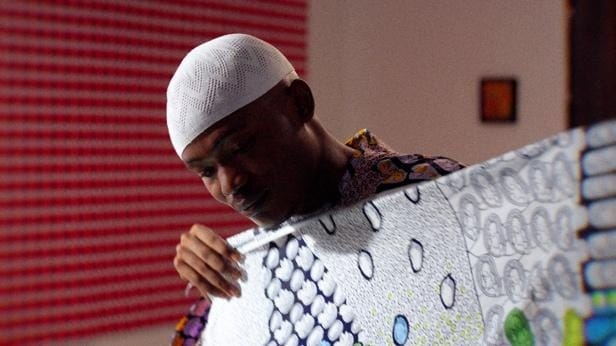
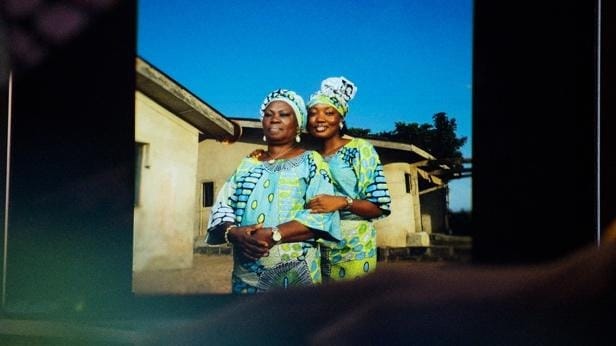
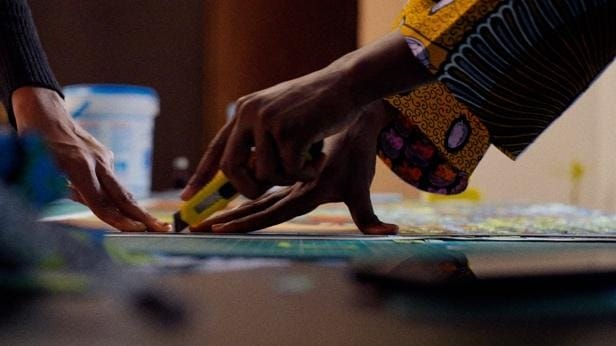
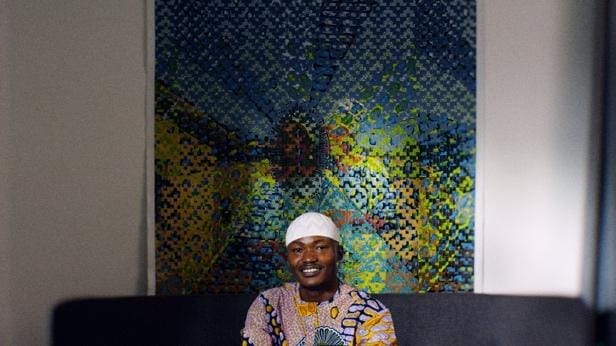
Ayobami Ogungbe (Nigeria) is a multidisciplinary visual artist whose practice combines photography, weaving, and collage to explore identity, connection, and the relationship between people and place. Through layered, handwoven compositions, he reimagines images as narratives of memory and belonging.
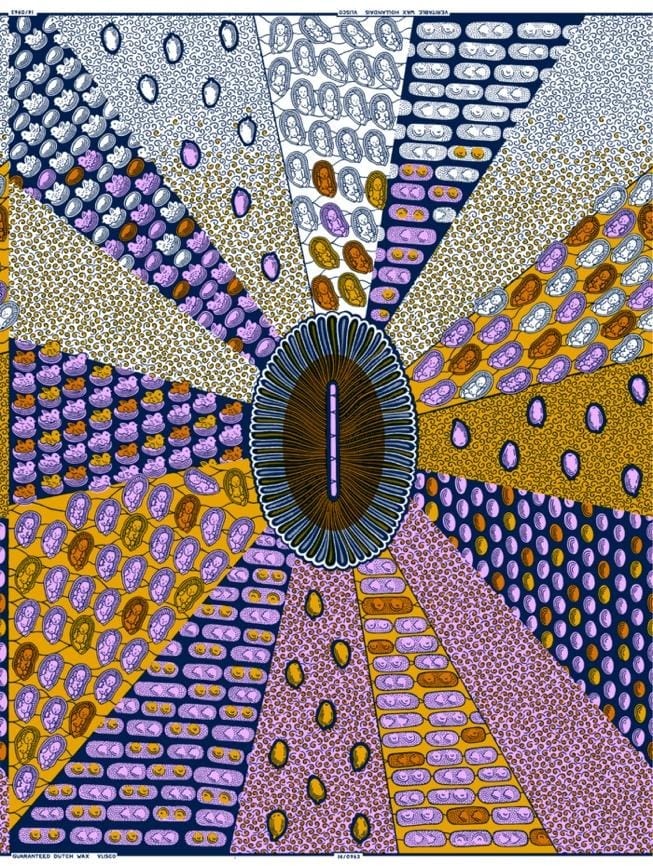
Fertility is a woven portrait of a mother and daughter inspired by the Vlisco design of the same name while also referencing Ogungbe’s series, & Co. Drawing on Nigerian weaving traditions, the work explores themes of kinship, continuity, and shared identity, using the intertwined fabric and photograph to reflect how culture and heritage are carried across generations.
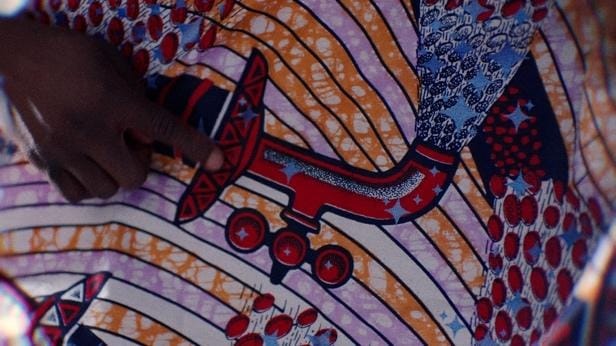
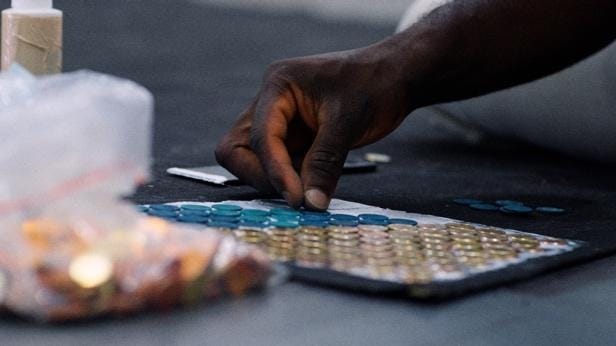
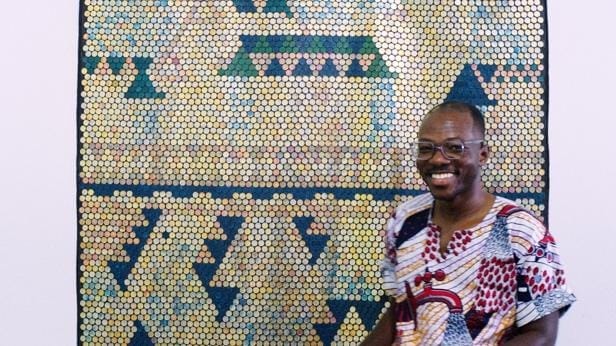
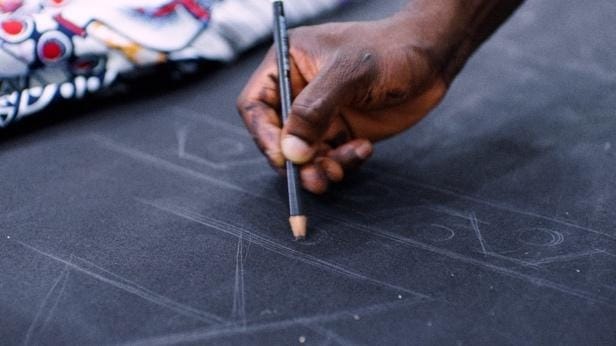
Yaw Owusu (Ghana) is a contemporary artist whose sculptural works transform discarded materials and low-denomination coins into intricate compositions that explore the history of trade, labour, and value. His practice questions economic systems while reimagining everyday materials as objects of cultural significance.
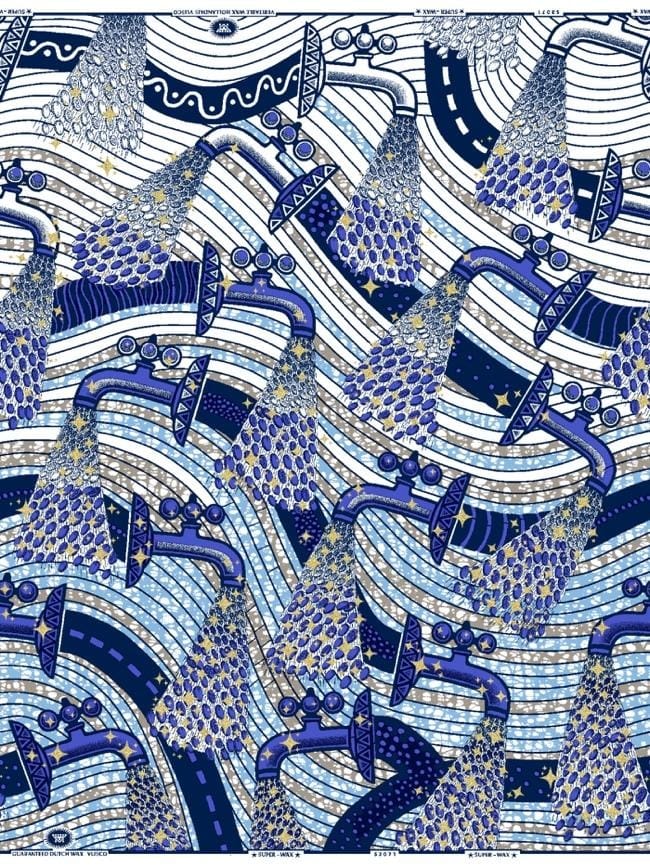
Le Robinet is inspired by the Vlisco design ‘Le Robinet’ or ‘Money Tap’, Owusu's sculptural work uses thousands of Ghanaian pesewa coins to evoke themes of abundance, exchange, and interconnectedness. Through rhythmic repetition and textured surfaces, the work reflects on the shifting value of currency while celebrating the enduring cultural significance of textiles.
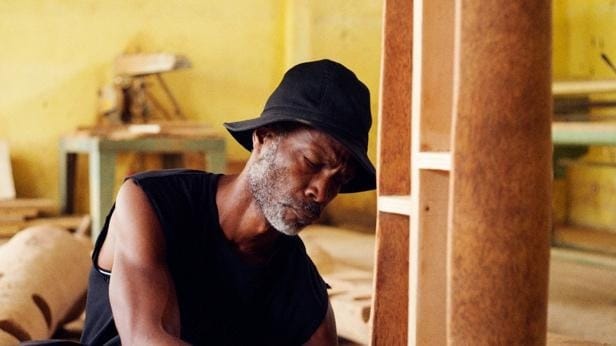
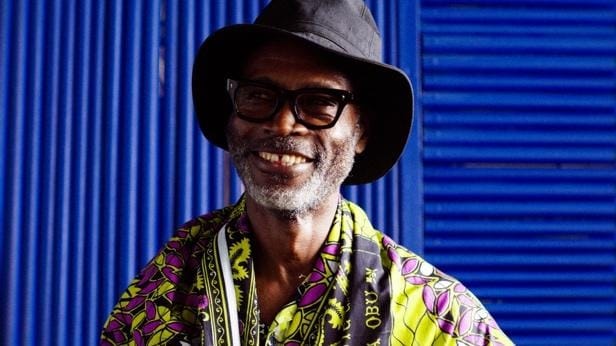
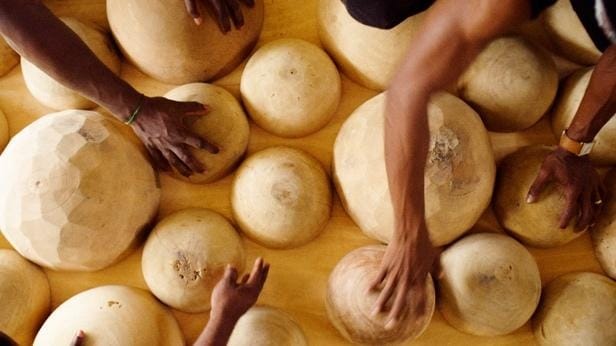
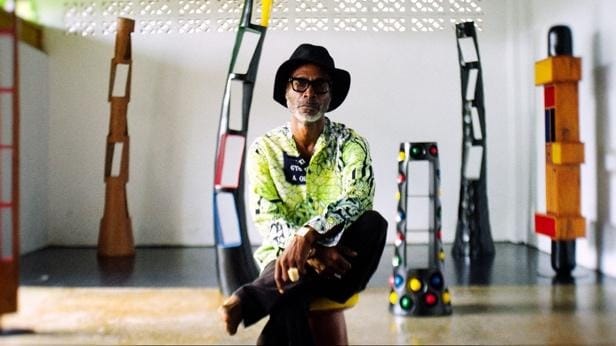
Jean Servais Somian (Côte d'Ivoire) is a designer and sculptor renowned for his handcrafted furniture and sculptural works in sustainable coconut wood. Drawing on West African woodcarving traditions, his practice transforms natural materials into collectable design pieces.
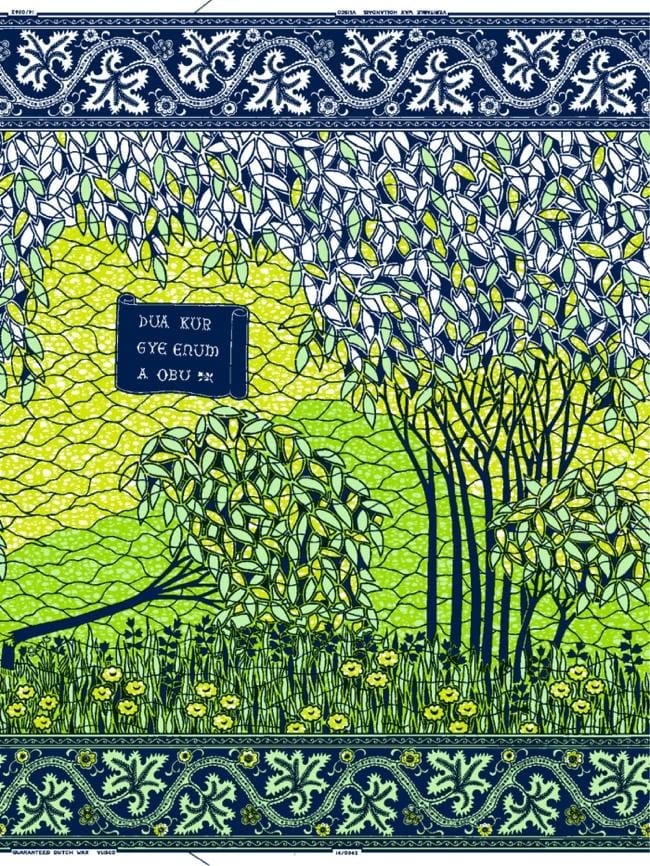
Standing Tree, Broken Tree. Inspired by the visual narrative on Vlisco’s ‘Fallen Tree’ design, Somian has created a sculptural work in hand-carved coconut wood that celebrates regeneration and renewal. Hollowed forms and carved wooden and bronze spheres evoke seeds emerging from a fallen tree, symbolising nature's enduring cycle of growth and abundance.
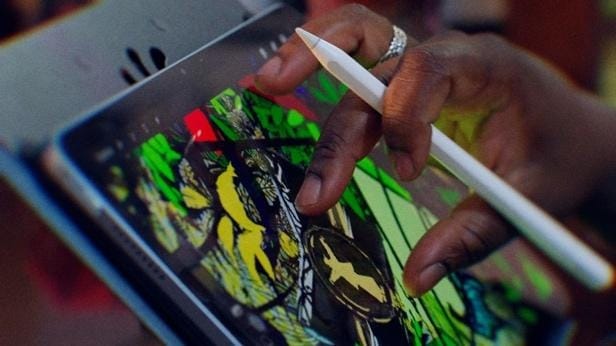
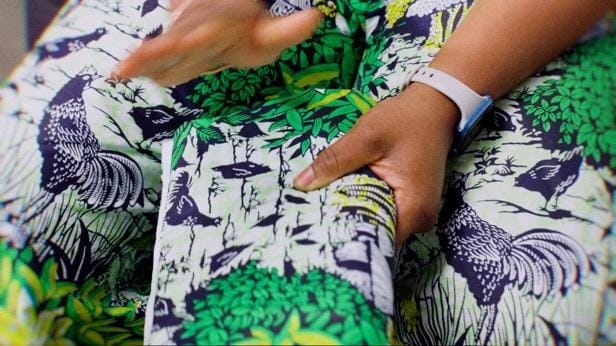
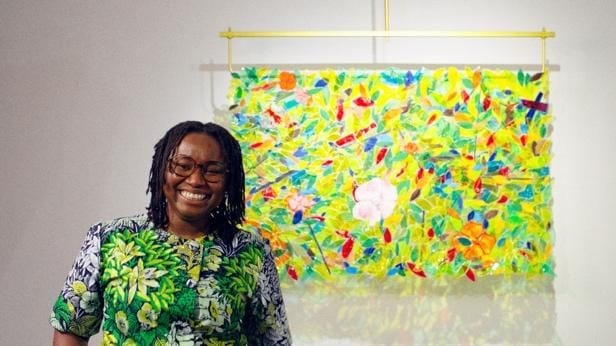
Prisca Tankwey (Democratic Republic of Congo) is a multidisciplinary artist based in Kinshasa whose practice explores religion, spirituality, and cultural identity in relation to colonial histories and contemporary social structures. Working across painting, photography, installation, and performance, she creates experimental works that examine memory, belonging, and collective experience.
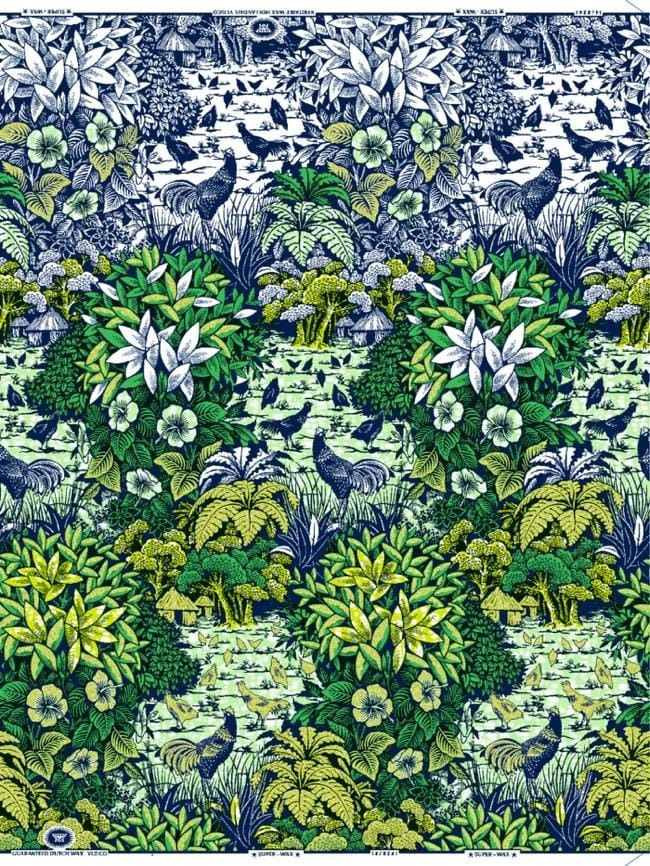
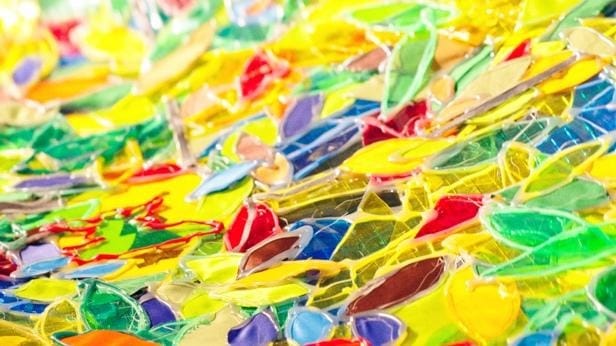
Kaokoko Korobo was created in response to Vlisco’s iconic print, ‘Village Molokai’. Tankwey draws inspiration from Congolese musician Papa Wemba, who famously immortalised a place of the same name during a period of political and social upheaval in DRC. Using the visual medium of stained glass, Tankwey’s sculptural installation explores themes of belonging, exclusion, and power within postcolonial societies. Created from coloured transparent plastics and the Village Molokai fabric, the mosaic-like work transforms familiar symbols of the sacred into a contemporary reflection on community, culture, and collective identity.
All artworks from this collaboration will remain in Vlisco’s permanent collection and may be on display for future exhibitions.
The designs will be available exclusively from September 2026 at Vlisco Retail and Vlisco.com


Member discussion