


Introduction
When people talk about art schools, and even art in general, the conversation almost always starts in Europe, specifically places like Paris, Italy, London, and New York. But some of the most exciting, rebellious, and visionary art schools of the 20th century were happening on the African continent, and were born out of independence, identity, and a desire of Africans to tell stories on African terms.
Here are 6 you probably might not have heard of, but should know about.
The Khartoum School (Sudan, 1960s)
Sudan had just gained independence from Britain in 1956 when a group of young Sudanese artists, many of whom were trained in London, came home asking a big question: what should Sudanese art actually look like now?
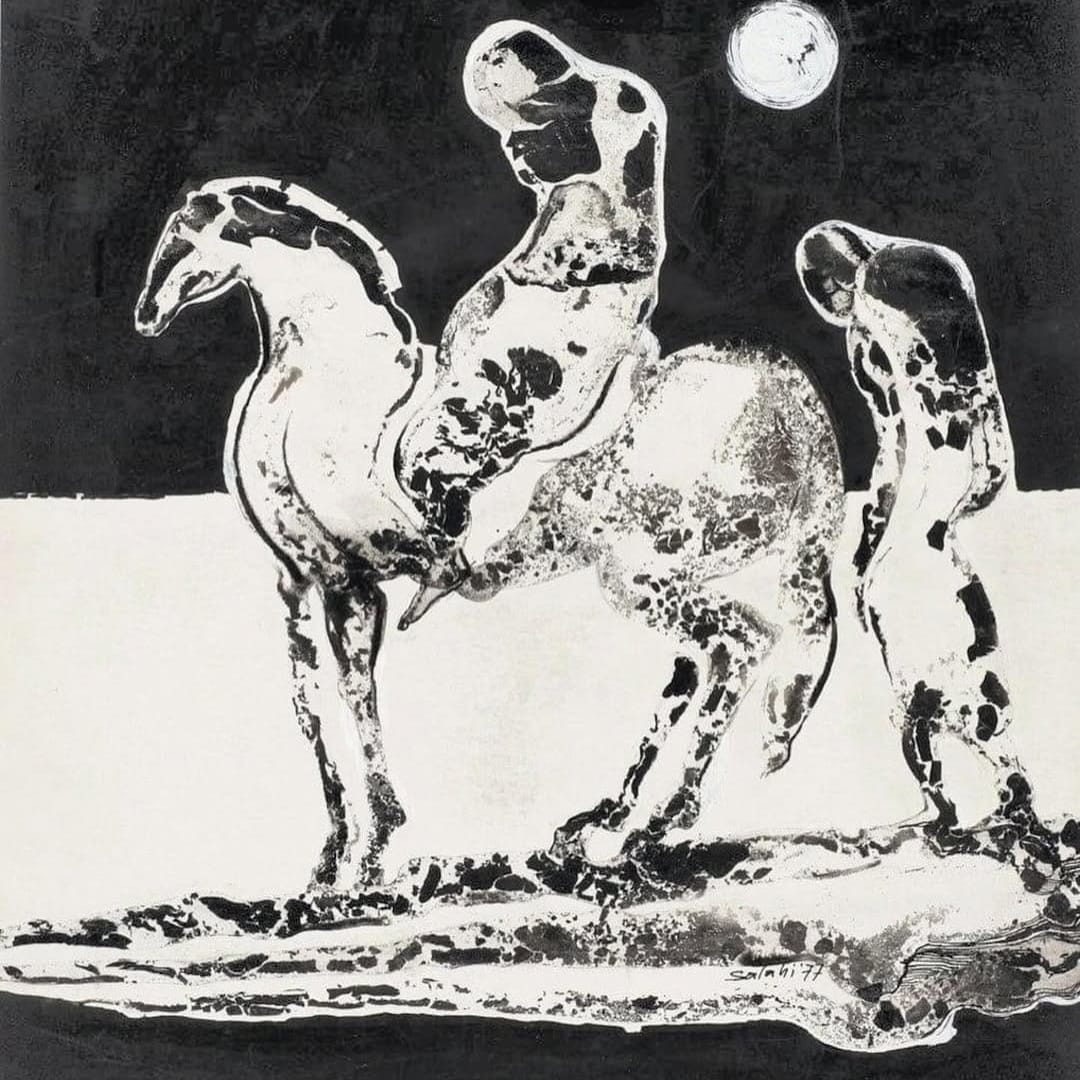
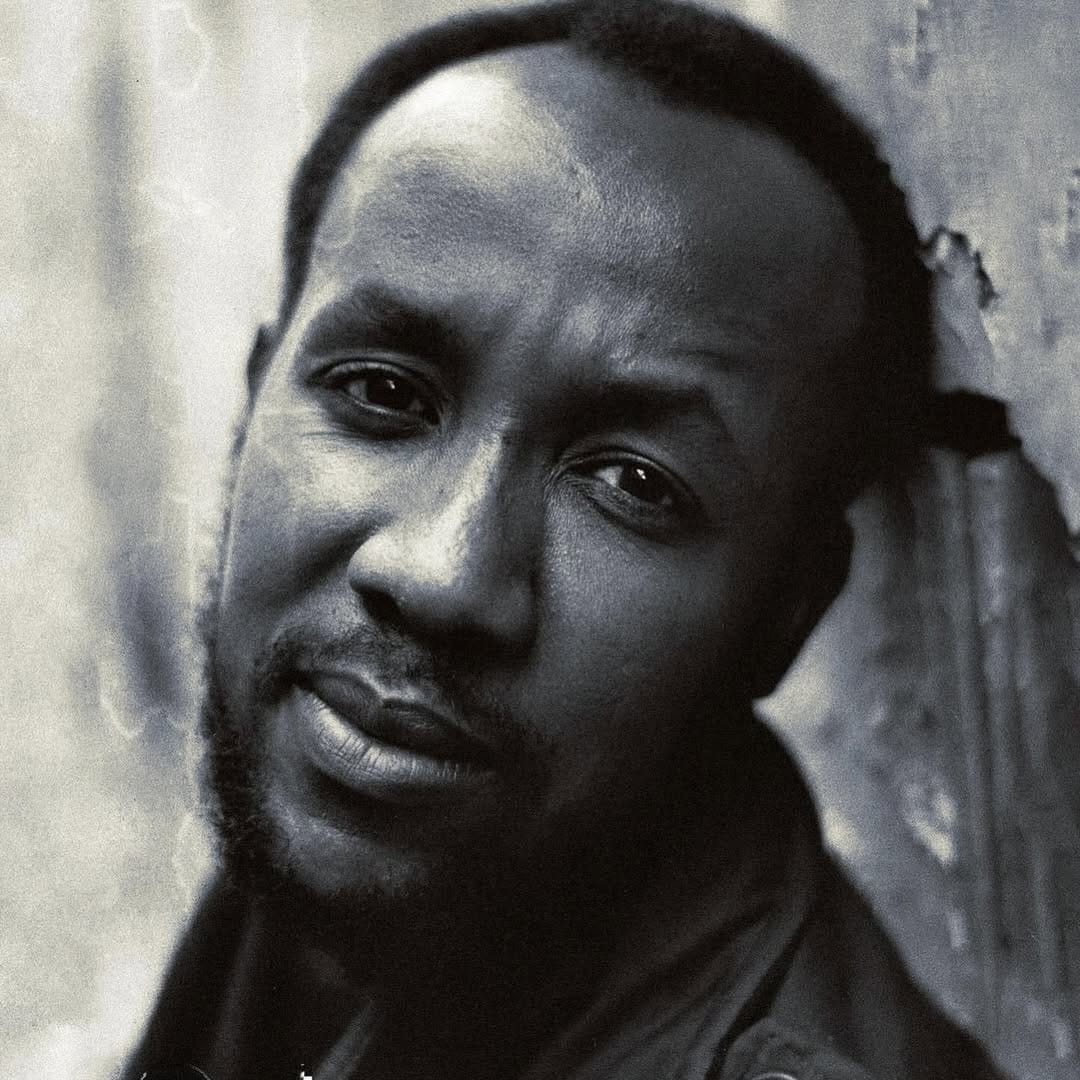
The Khartoum School was a modernist art movement formed in 1960 that tried to develop a new visual vocabulary to reflect the identity of the newly independent nation. The founders were Osman Waqialla, Ibrahim El Salahi, Ahmad Mohammed Shibrain and Majzub Rabbah, and they defined art as a search for, and reflection of, the characteristics of Sudanese culture. The most celebrated artist to emerge from the movement is Ibrahim El Salahi, who is regarded as a Visionary Modernist who explores African, Arab and Islamic motifs through painting and drawing.
Their signature aesthetic was called hurufiyya, the practice of simplifying Arabic script into abstract shapes, which, together with Islamic motifs, became a hallmark of the School. They also leaned towards soft, earthy tones and imagery drawn from African mask traditions.
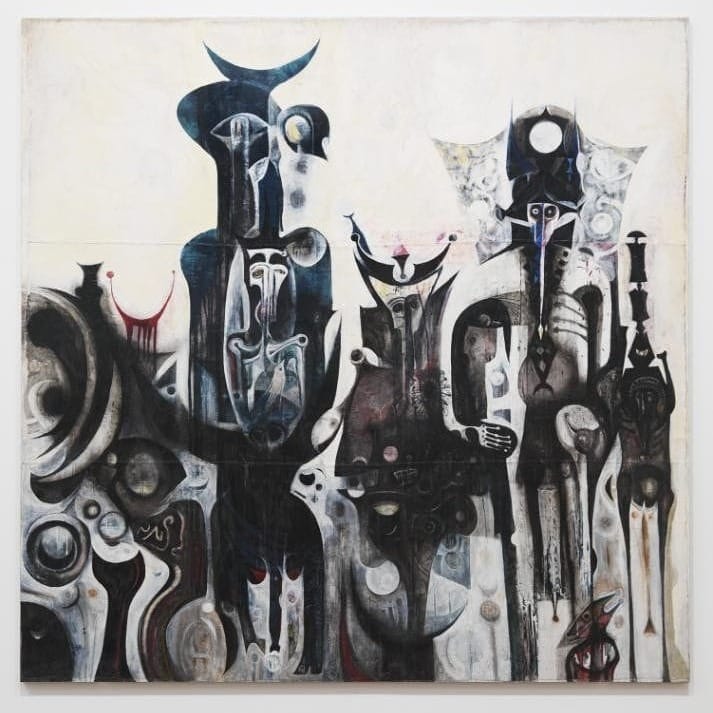
The École de Dakar (Senegal, 1960–1974)
Not many art schools can say they were championed by a head of state. The École de Dakar is one of them. The École de Dakar, or Dakar School, is an art school that started in Senegal at the dawn of its independence, between 1960 and 1974, and was supported by the first Senegalese President Léopold Sédar Senghor, working within the framework of the Négritude movement of the 1930s.
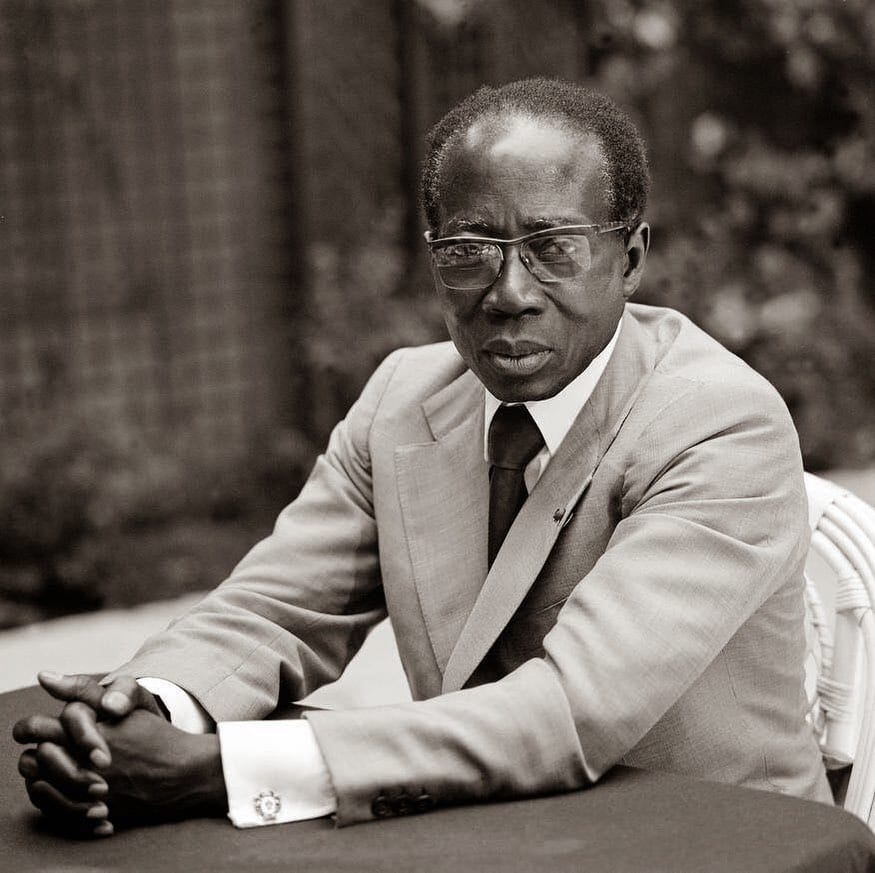
Senghor was a poet and philosopher as much as a politician, and he backed his cultural vision with real resources like art schools, a national tapestry workshop, and state commissions. Some other key figures of this movement included Papa Ibra Tall, who aimed to create an artistic language that belonged to Africa and Senegal, and Iba N'Diaye.
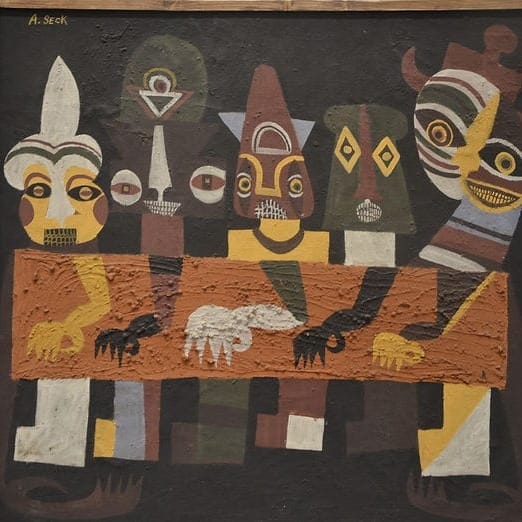
This movement is characterised by vivid colours, rhythmic compositions, and imagery drawn from African mythology and textile traditions, but it wasn't without controversy, and even famous writers like Wole Soyinka openly criticised it. But tension aside, its approach to cultural pride and artistic freedom makes the École de Dakar one of the richest, most debated chapters in African art.
The Zaria Art Society (Nigeria, 1958–1962)
This one started with a group of students, a bad art curriculum, and a refusal to be told who they were. The Zaria Art Society, also called the Zaria Rebels, was a coalition of artists who were active from 1958 to 1962, and known for rejecting the ideas of their mainly British art lecturers whose curriculum was focused on Western traditions, instead adopting local visual art traditions like Nok sculptures and Uli painting.
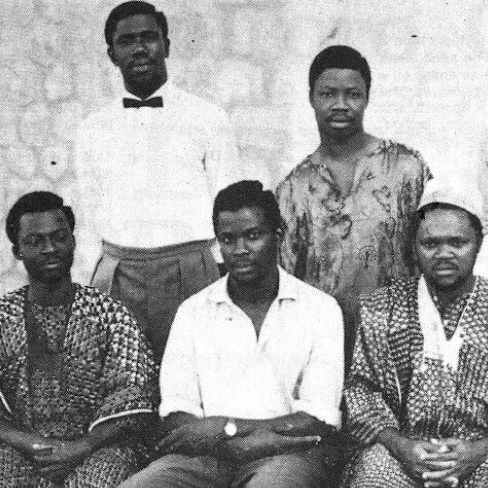
Their founding philosophy, articulated by Uche Okeke, was called Natural Synthesis, and it called for African artists to neither copy European styles nor retreat to pre-colonial traditions, but instead, to actively combine elements of both to create new art forms better suited to contemporary African life.
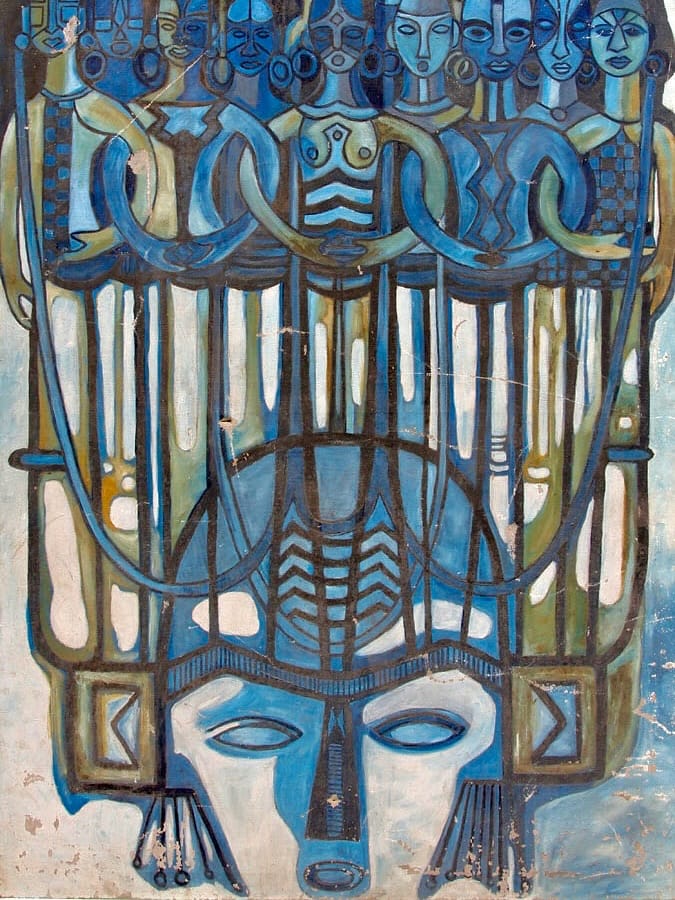
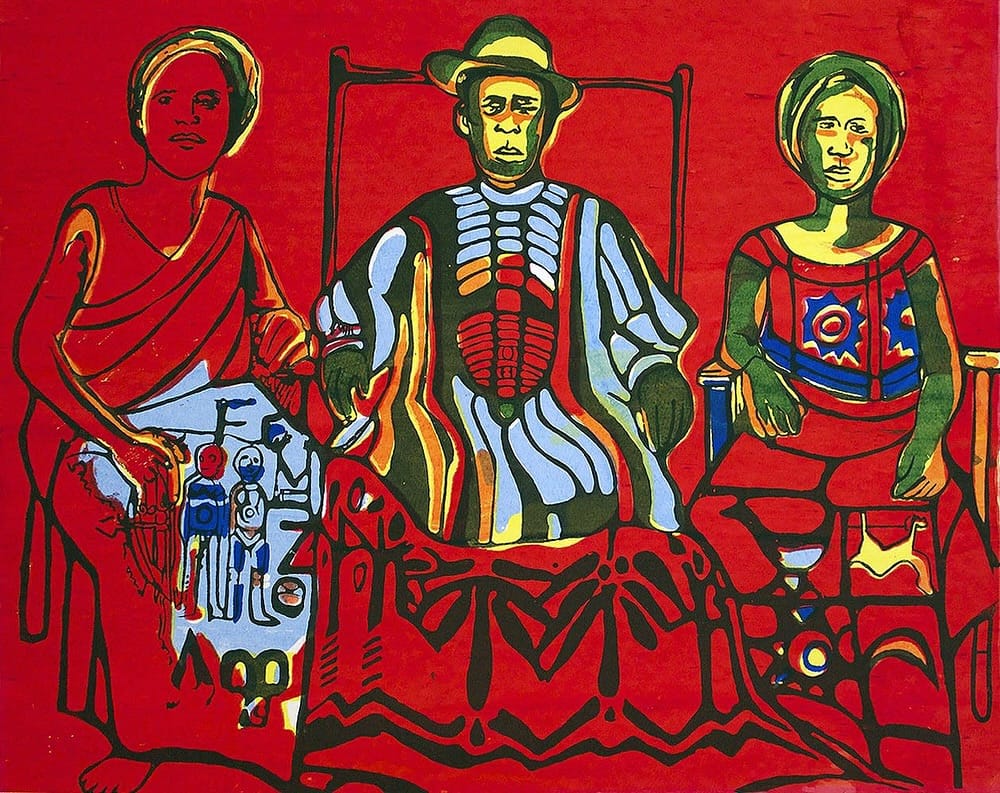
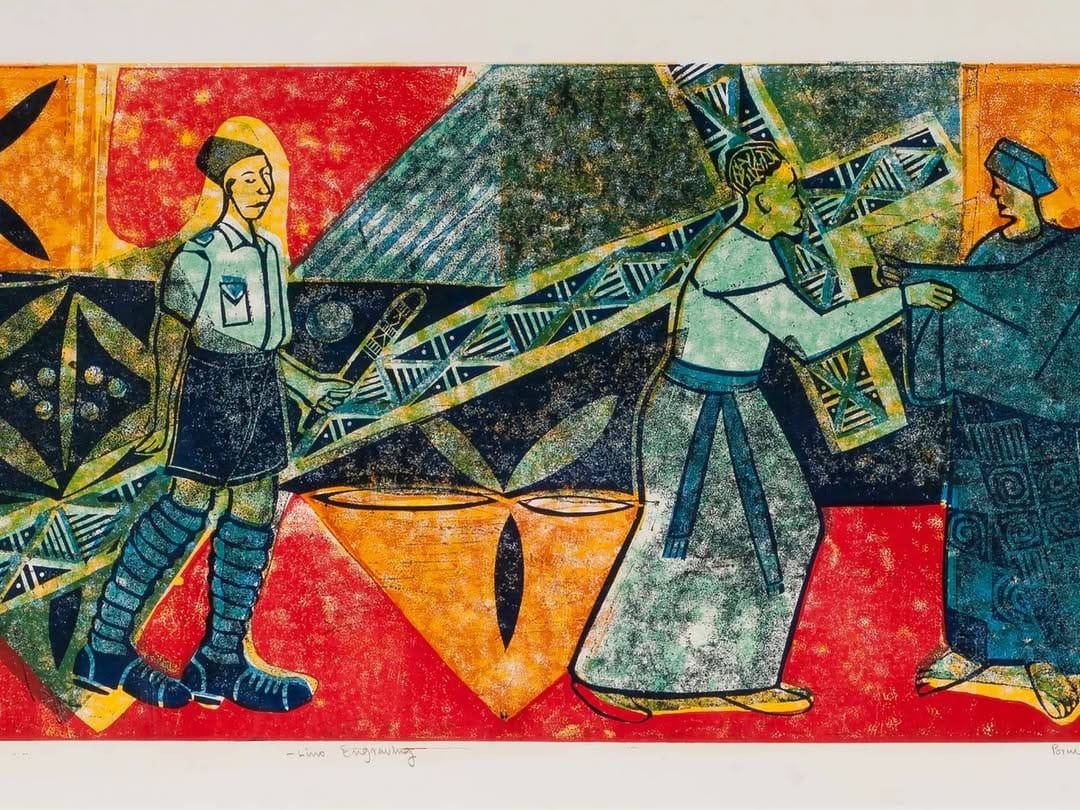
Image via @angelsandmuse
Its members included Bruce Onobrakpeya, who became Nigeria's foremost printmaker, Demas Nwoko, and Yusuf Grillo. Even though the Zaria society disbanded in 1962, the seeds it planted grew into the Nsukka School, which in turn produced some of the most celebrated contemporary artists in the world today.
Tinga Tinga Arts Cooperative Society (Tanzania, 1968–present)
Tingatinga art was born in 1960s Tanzania when Edward Saidi Tingatinga, a sisal labourer, arrived in Dar es Salaam with an idea that would change East African art forever. With limited resources, he began painting on recycled masonite squares using bicycle enamel paint, which was the only material he could afford. His subjects were wildlife, savanna landscapes and village scenes rendered in bold, vibrant colours with characteristic black outlines.
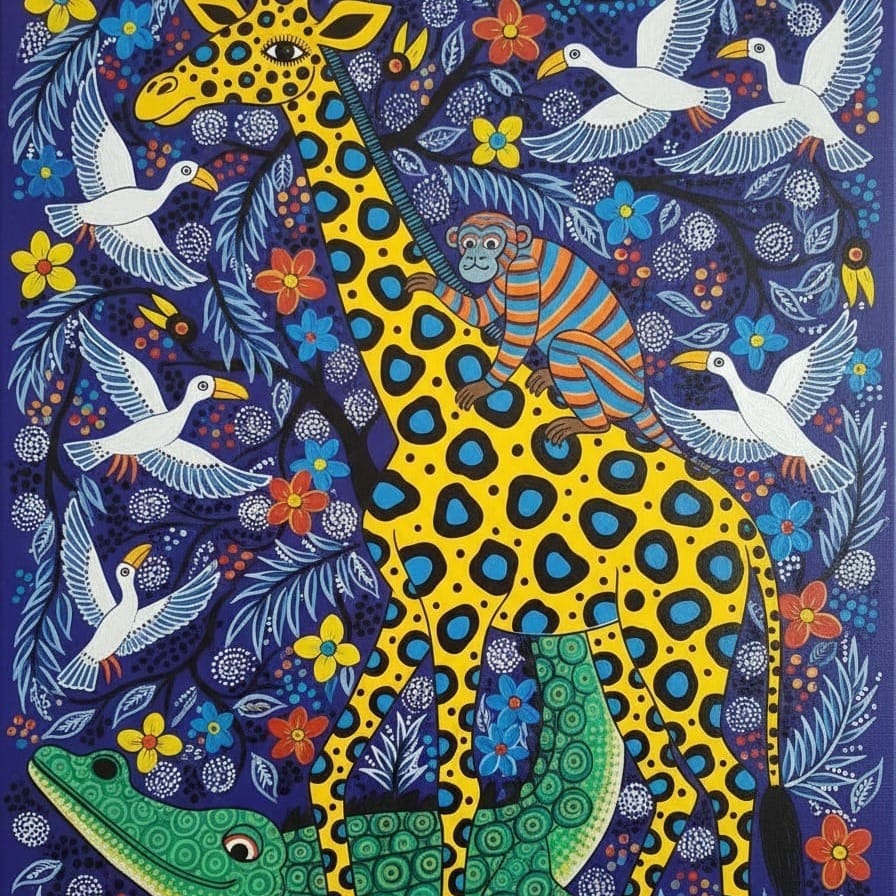
Soon, what he started as a side hustle quickly took off, and he quit his job and began teaching his style to family members and younger artists. Then, in 1972, in the midst of a growing artistic career, Edward Tingatinga was shot dead by police in a case of mistaken identity.
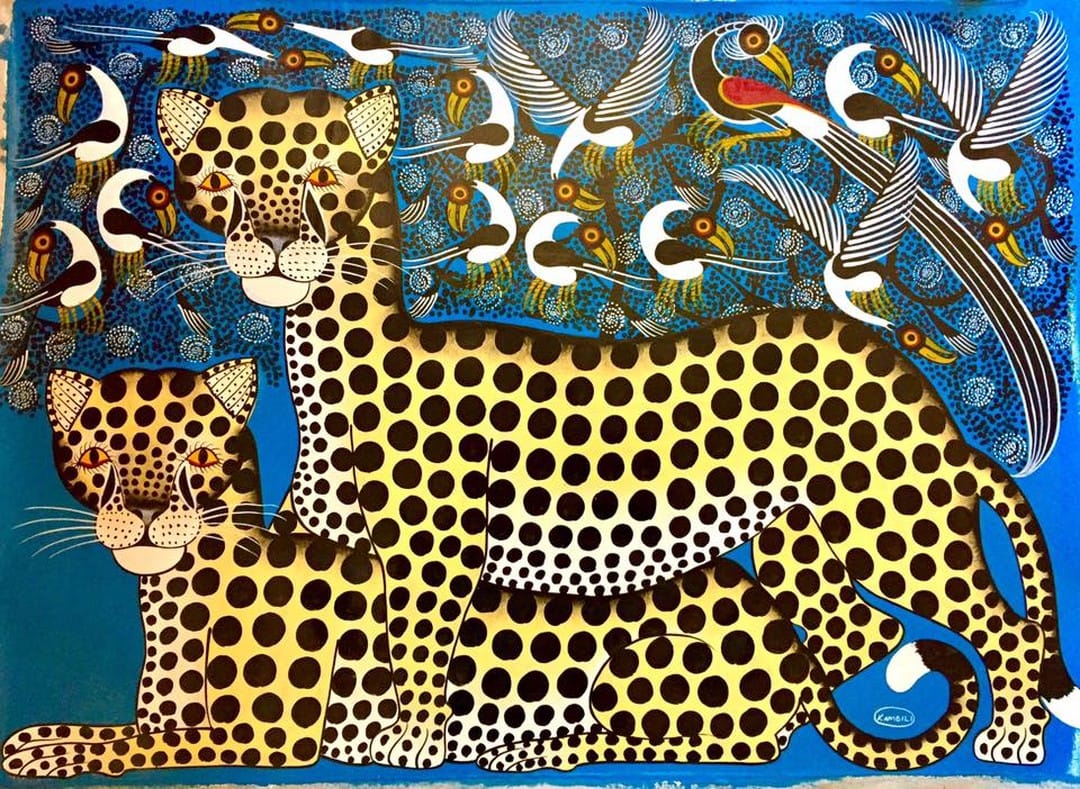
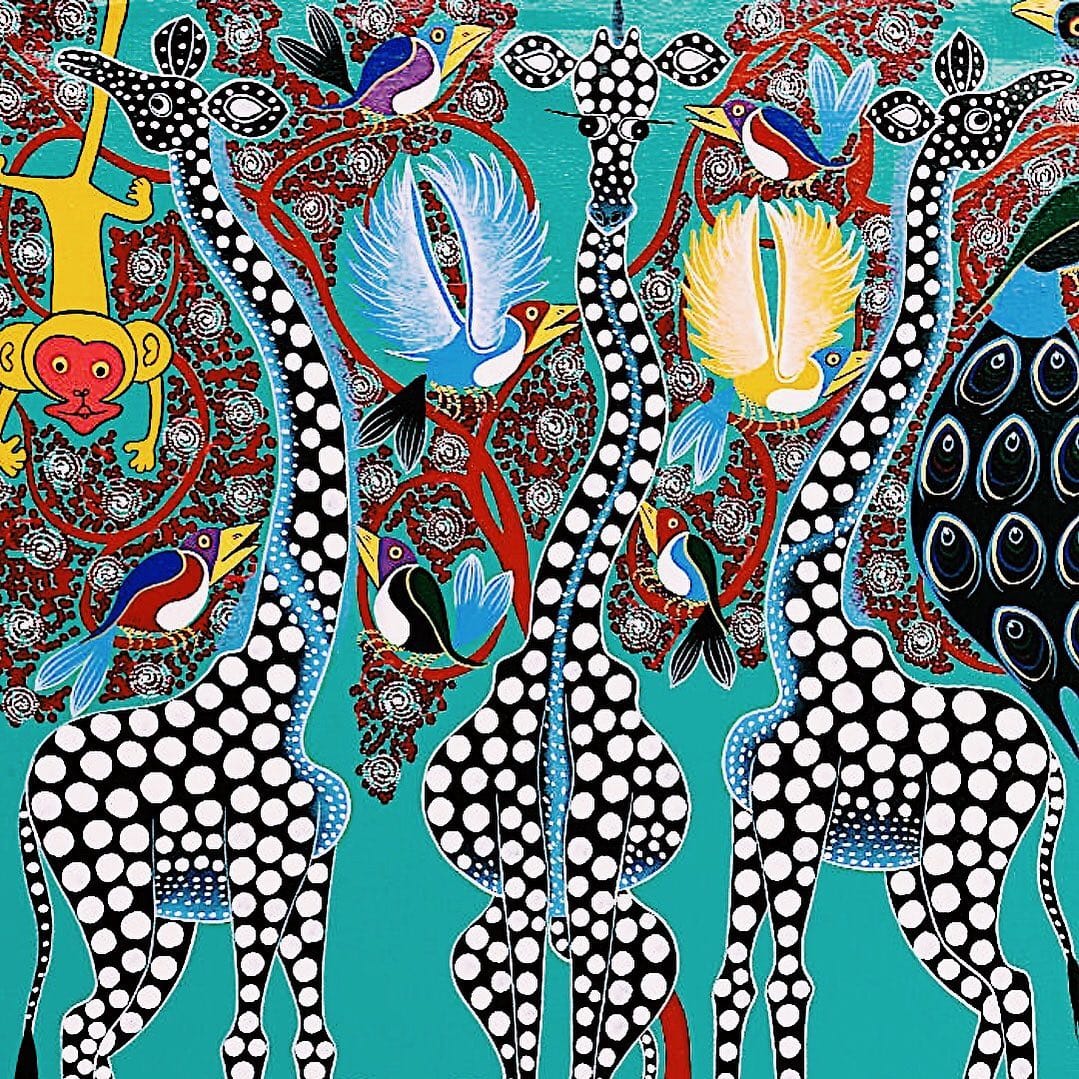
His fellow artists in Dar formed the Tinga Tinga Arts Cooperative Society in his name, and the style became a school of painting for artists from Dar es Salaam and Zanzibar. The Cooperative has kept the tradition alive and evolving ever since, expanding beyond wildlife to include urban scenes, abstract patterns, and commentary on modern Tanzanian life, while keeping the signature bold colours and confident outlines that made the style so immediately recognisable. Today, it's one of the most recognisable art forms in all of East Africa.
Congolese Popular Painting (Democratic Republic of Congo, 1970s–present)
If you want art that speaks directly to the people and tackles issues like corruption, joy, AIDS, inequality, and everyday life without hiding behind abstraction, this is it. In the early 1970s, a group of self-taught Congolese artists in Kinshasa founded the movement known as Popular Painting which plays with satire, irony and humour to address everyday life, including social, political and economic issues.
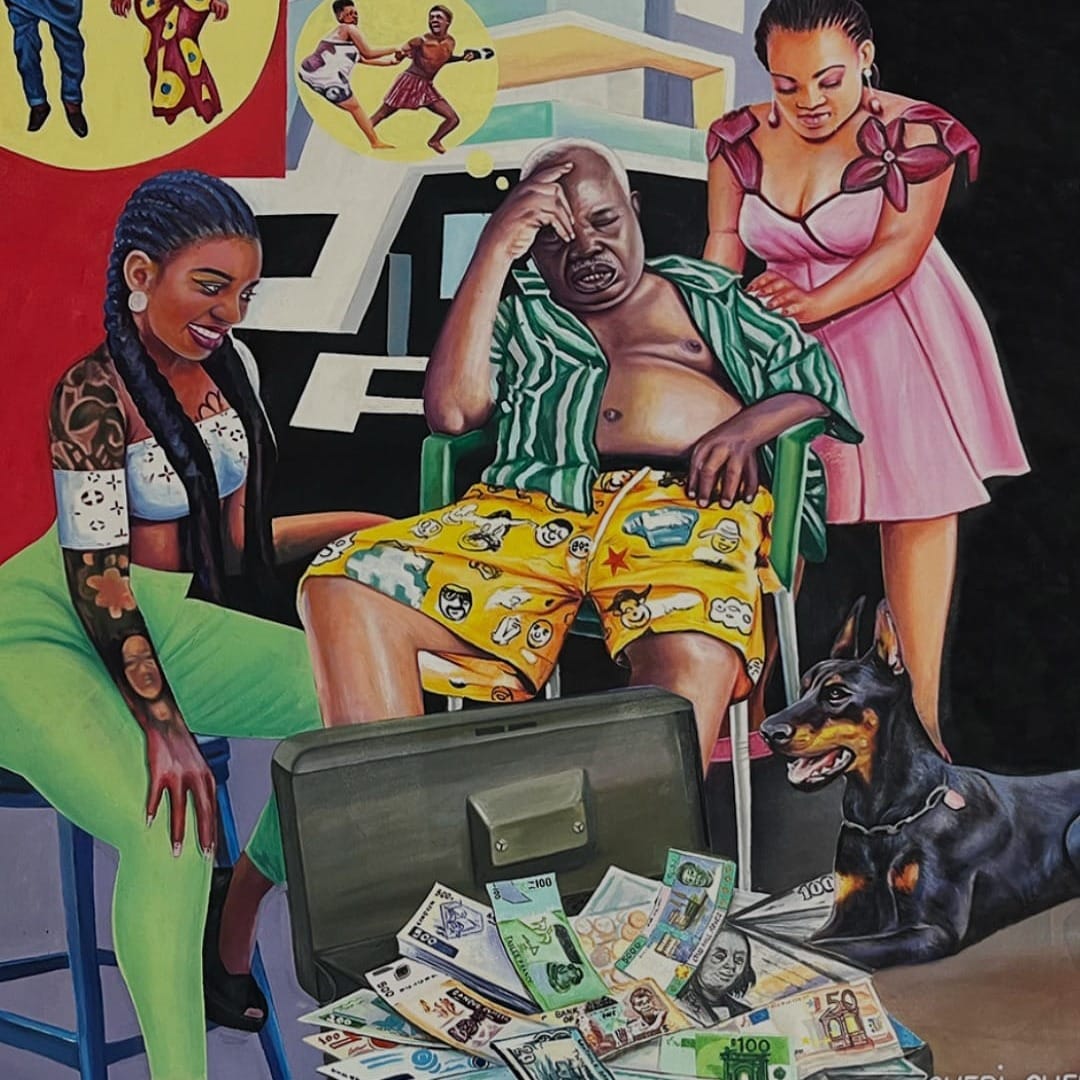
The four founding members, Chéri Samba, Moké, Chéri Chérin and Pierre Bodo, were highly influenced by advertising, and they combined bright, bold colours with text to create politically charged pieces that address viewers directly and honestly.
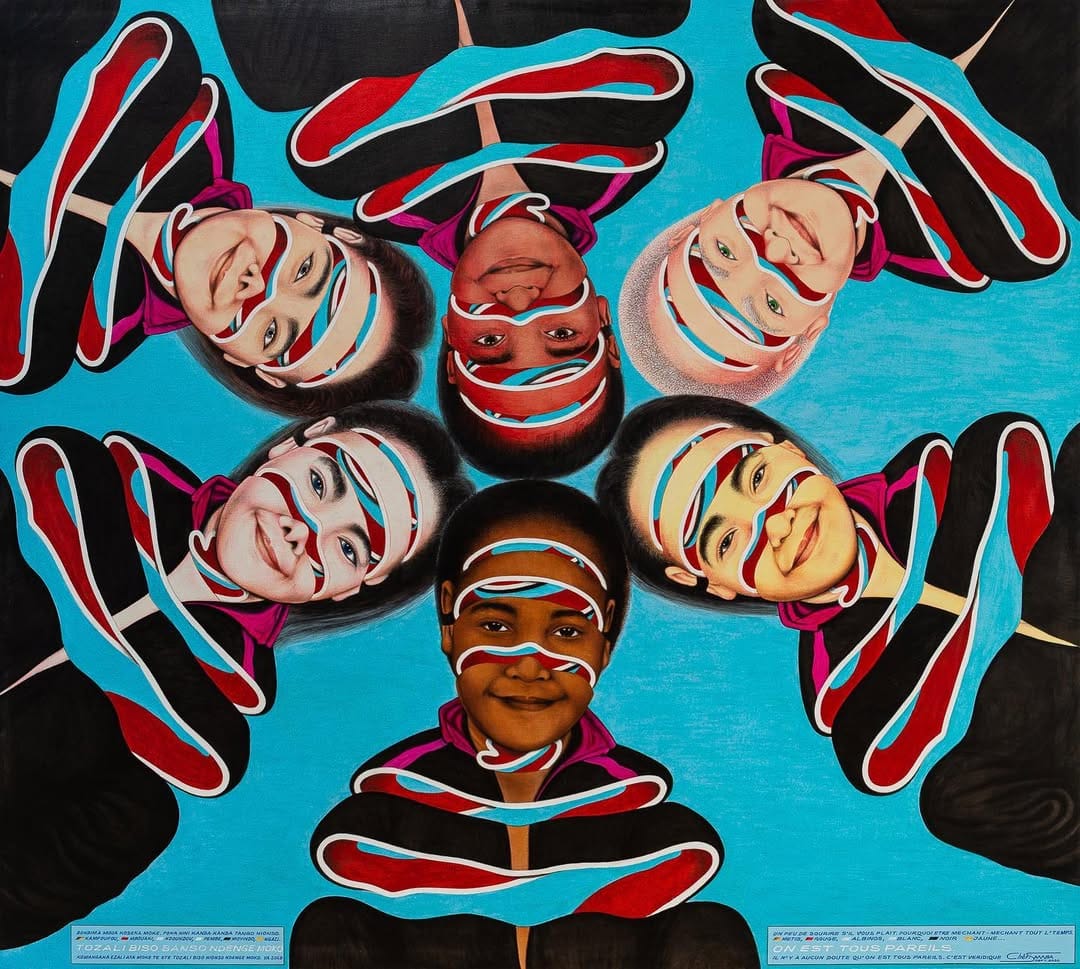
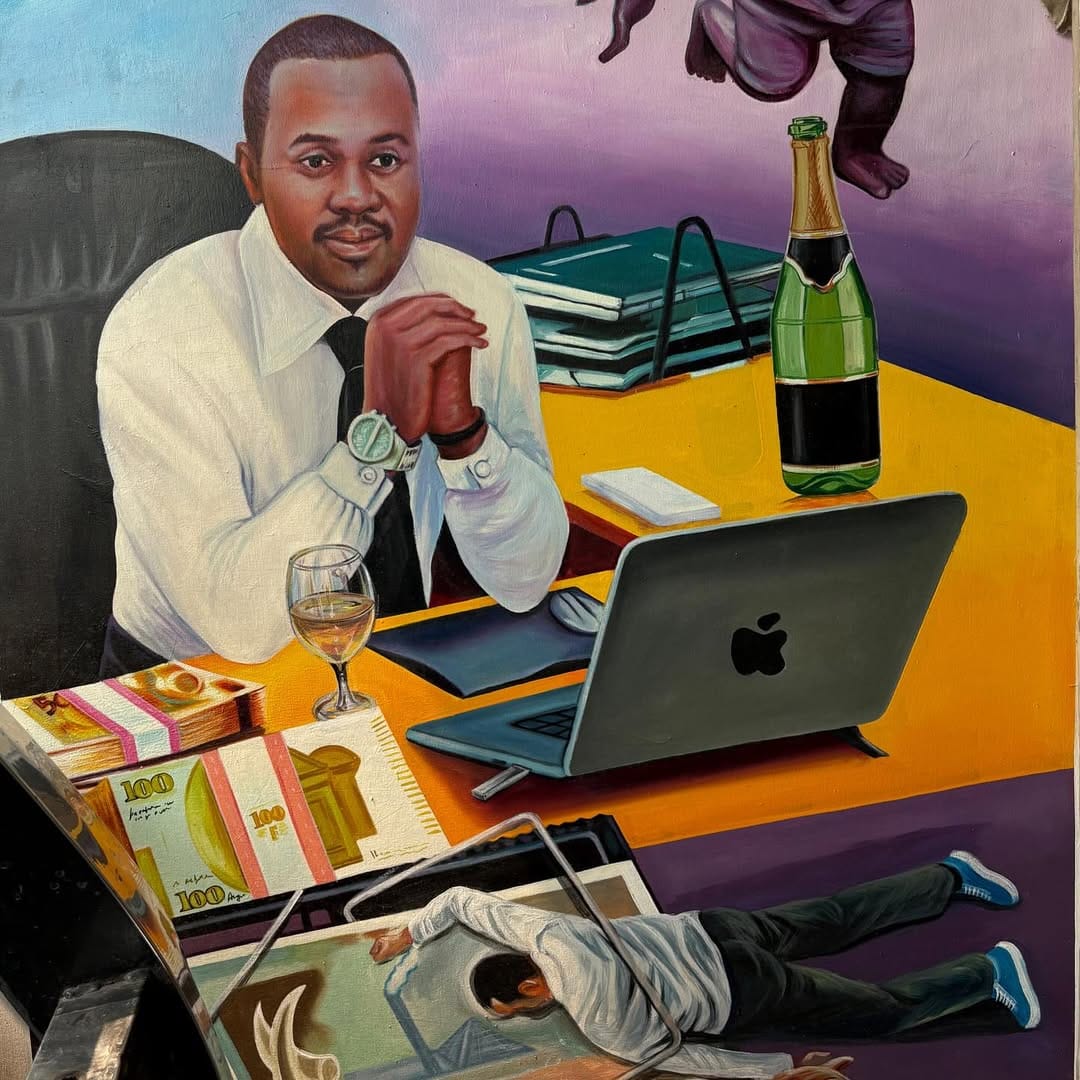
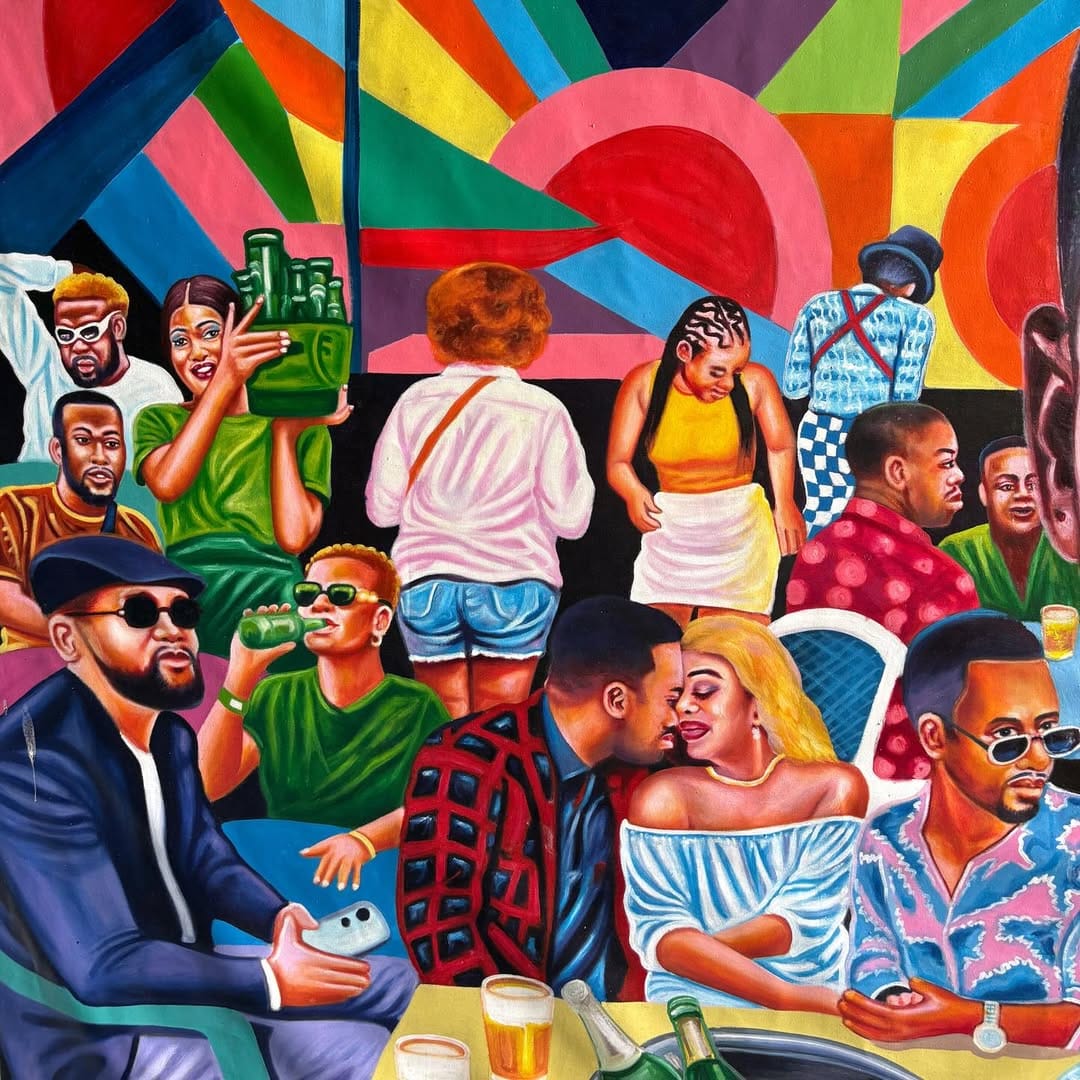
These artists didn't want their work to confuse people; they wanted it to communicate, provoke, and make viewers laugh and think all at once, and that commitment to reaching ordinary people makes this one of the most genuinely democratic movements in African art history
The Oshogbo Art Movement (Nigeria, 1960s)
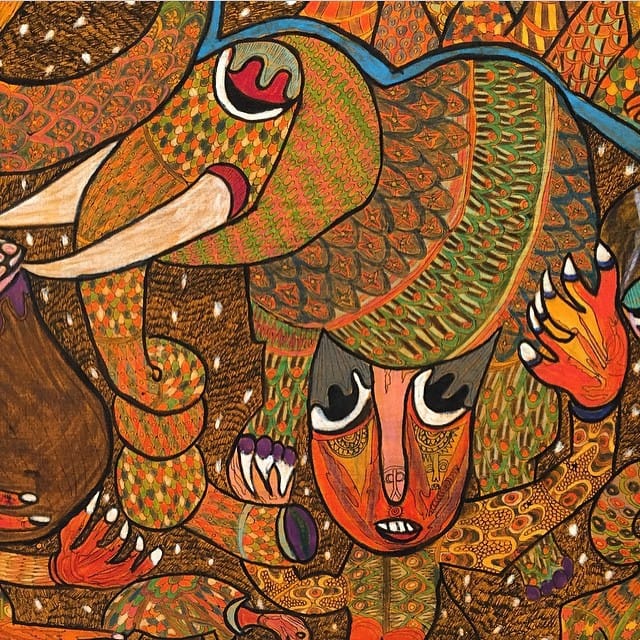
Between 1962 and 1966, a group of artists began to form in Oshogbo, a Yoruba town in southwestern Nigeria. They took part in workshops led by Susanne Wenger, Ulli Beier, and Georgina Beier, and in these workshops, artists mixed traditional Yoruba stories and themes with Western art materials and techniques.
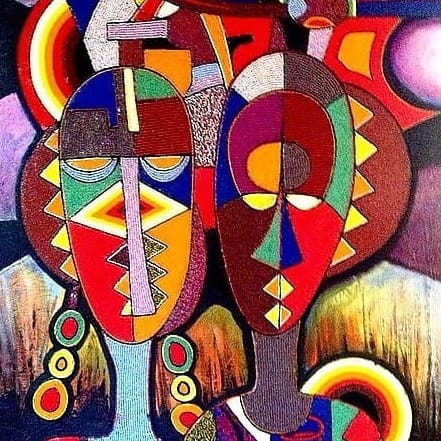
What made it special was the kind of people involved. Most of the artists were young men with little formal education like artisans and petrol station attendants. You didn’t need a degree or certificate to join, and talent was all that mattered. Out of this group came artists like Jimoh Buraimoh, Twins Seven-Seven, Muraina Oyelami, and Nike Okundaye, who all went on to gain international recognition and support.
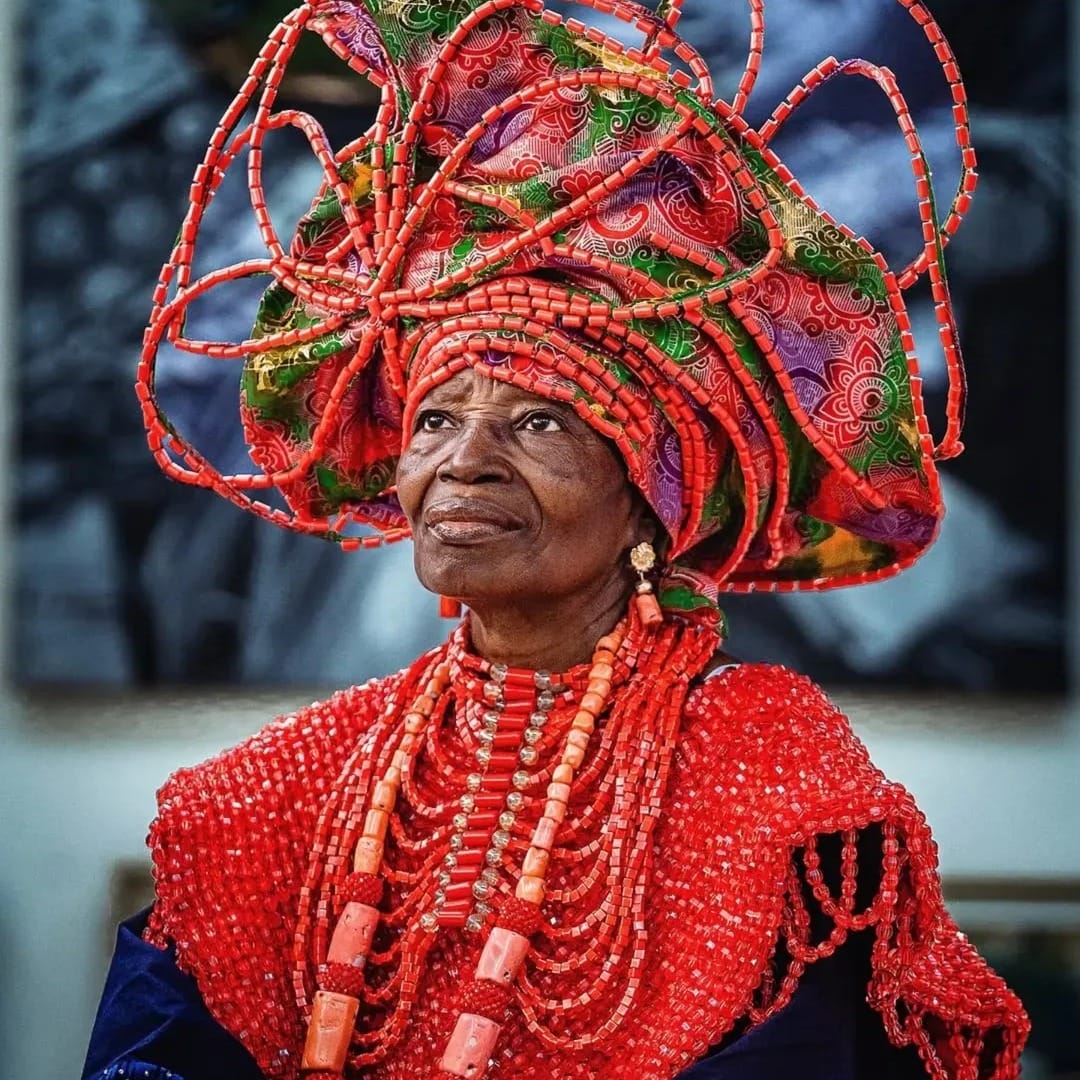
The movement made one thing clear: you don’t need formal qualifications to be a great artist, and tradition can evolve from within without losing its roots.
Conclusion
Each of these art schools asked a version of the same question in its own way: what does it mean to make art as an African person, in an African place, at this point in history?
The answers were always different and fascinating. Some were born out of political idealism, others from pure necessity. Some were sparked by outsiders, others were entirely homegrown. But all of them refused to simply copy what was happening in the Western world, and chose to look instead at their own traditions, cities, languages and struggles to make something that looked and felt like home.



Member discussion