


The world of art is expansive, experimental, and increasingly accessible, yet for many new collectors, stepping into it still feels daunting. There is the fear of “getting it wrong,” the pressure of cost, and the assumption that collecting is reserved for people with insider knowledge or deep pockets.
But according to Lauren Demir, founder of Lofty Spot, collecting is far more human than people realise. She entered the art world not through elite networks, but by training her eye through exhibitions and “making art feel simple and open and something to live with.” Her platform is built specifically to meet people “where they are,” removing the intimidation that often shadows the art-buying process.
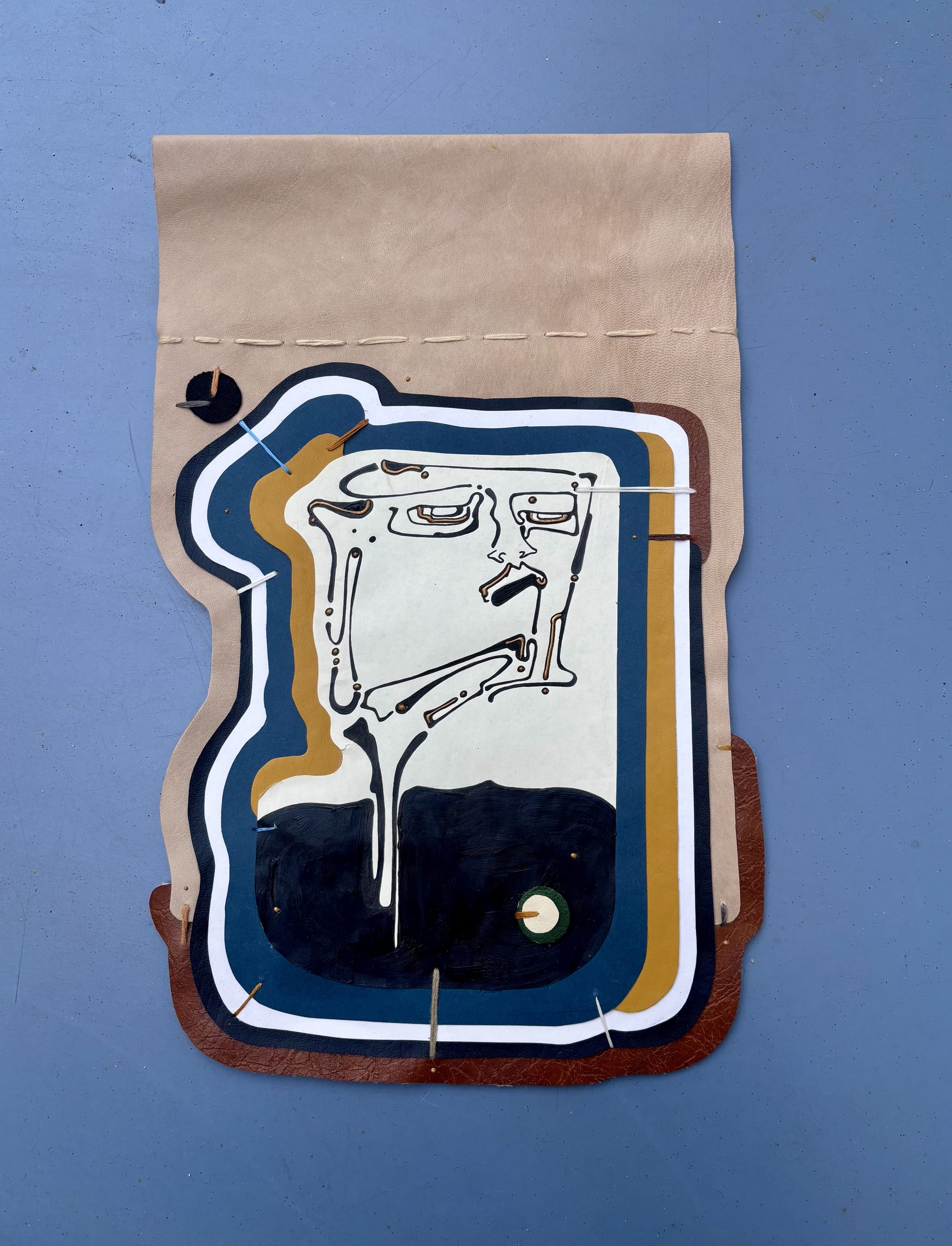
And with Second Spring, a new collection by Nigerian–British multidisciplinary artist Elfreda Dali, Lofty Spot continues its mission with a body of work that speaks to sustainability, renewal, and the slow, attentive rhythm of making. It’s the perfect entry point into art; tactile, narrative-rich, and priced accessibly at £850 with payment plans available.
While this guide uses the term African Art, for clarity, it’s important to acknowledge that many artists of African heritage, including Elfreda, create within a wider, global contemporary landscape that doesn’t fit neatly into any single label.
This guide brings together their insights on how to start collecting art, how to connect meaningfully with artists, and how to build a collection that grows with you.
1. Start With Resonance, Not Aesthetics
One of the biggest misconceptions in art collecting is that you must know “what you’re looking at” before making any decisions. But both Lauren and Elfreda insist that collecting begins with curiosity, not expertise.
Elfreda encourages beginners to pay attention to what resonates with them beyond the visual. She suggests taking time to understand the mediums, textures, and stories that draw you in and, more importantly, understanding what you want your collection to reflect about you. For her, the question isn’t just what you like, but why.
Lauren’s own collecting journey echoes this. Her first purchase, a large pastel piece filled with colour and texture, helped her understand what she liked “living with,” not just admiring. For beginners, this is essential: choose art you want around you every day. That choice, more than any external validation, is the beginning of a collection with integrity.
Art offers a broad, diverse range of voices: experimental textiles, portraiture, abstraction, sculpture, sound, and multidisciplinary work that challenges traditional definitions of “fine art.” The key is recognising the parts of yourself that respond to certain materials, movements, and stories.
2. Follow the Story and the Values
Art is deeply tied to storytelling, materials, and cultural memory. Many collectors today want their spaces to reflect meaning: emotional, environmental, or personal. To do that, understanding an artist’s values is crucial.
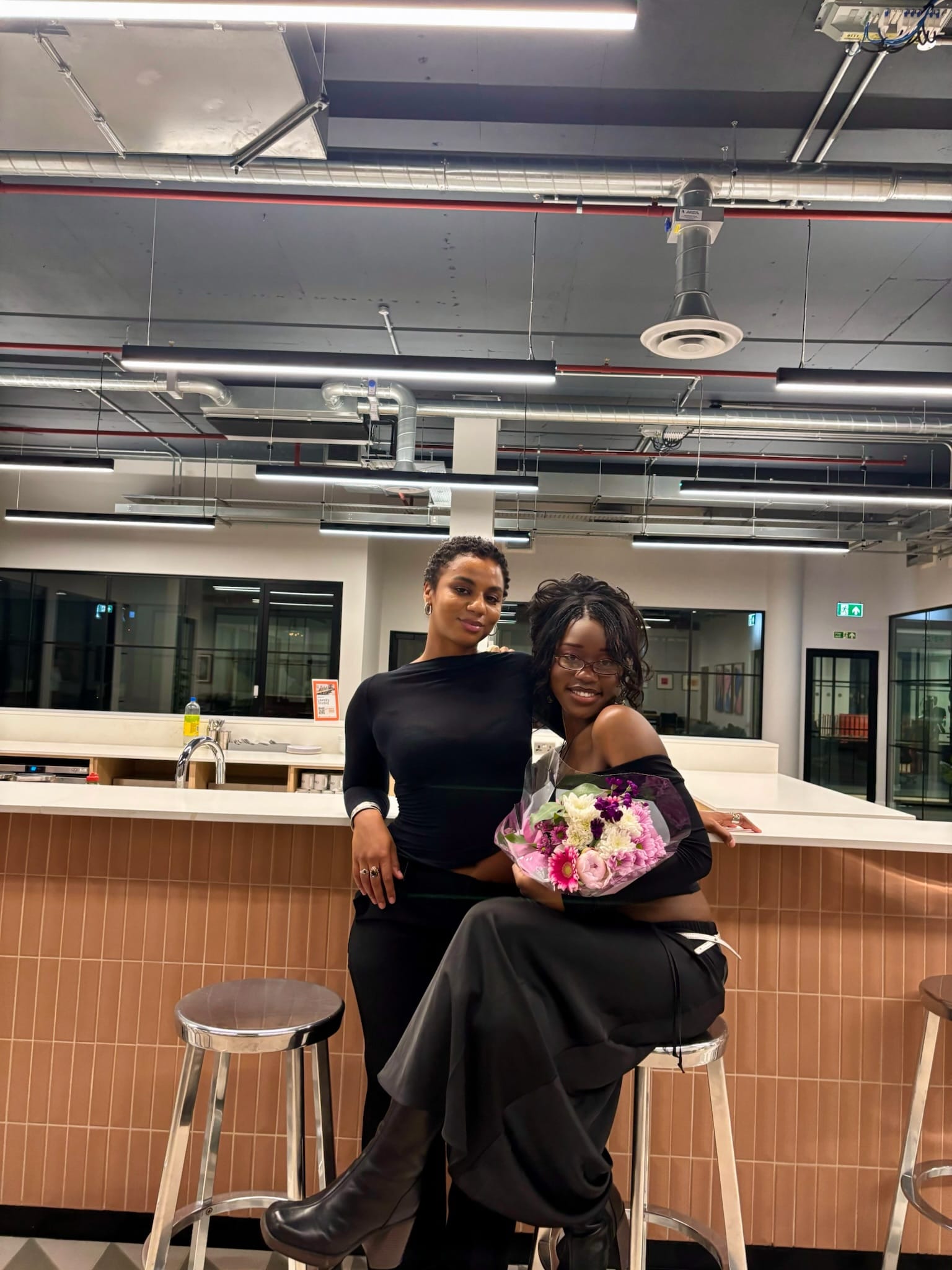
Elfreda notes that an artist’s story naturally reveals where their values lie. For those interested in emotional or environmental depth, she encourages paying attention to the transparency of the artist’s process and community. When artists work with intention, whether emotional, cultural, or ecological, “they never leave it out of the narrative.” That consistency becomes visible in their lifestyle, their methods, the people around them, and the work itself.
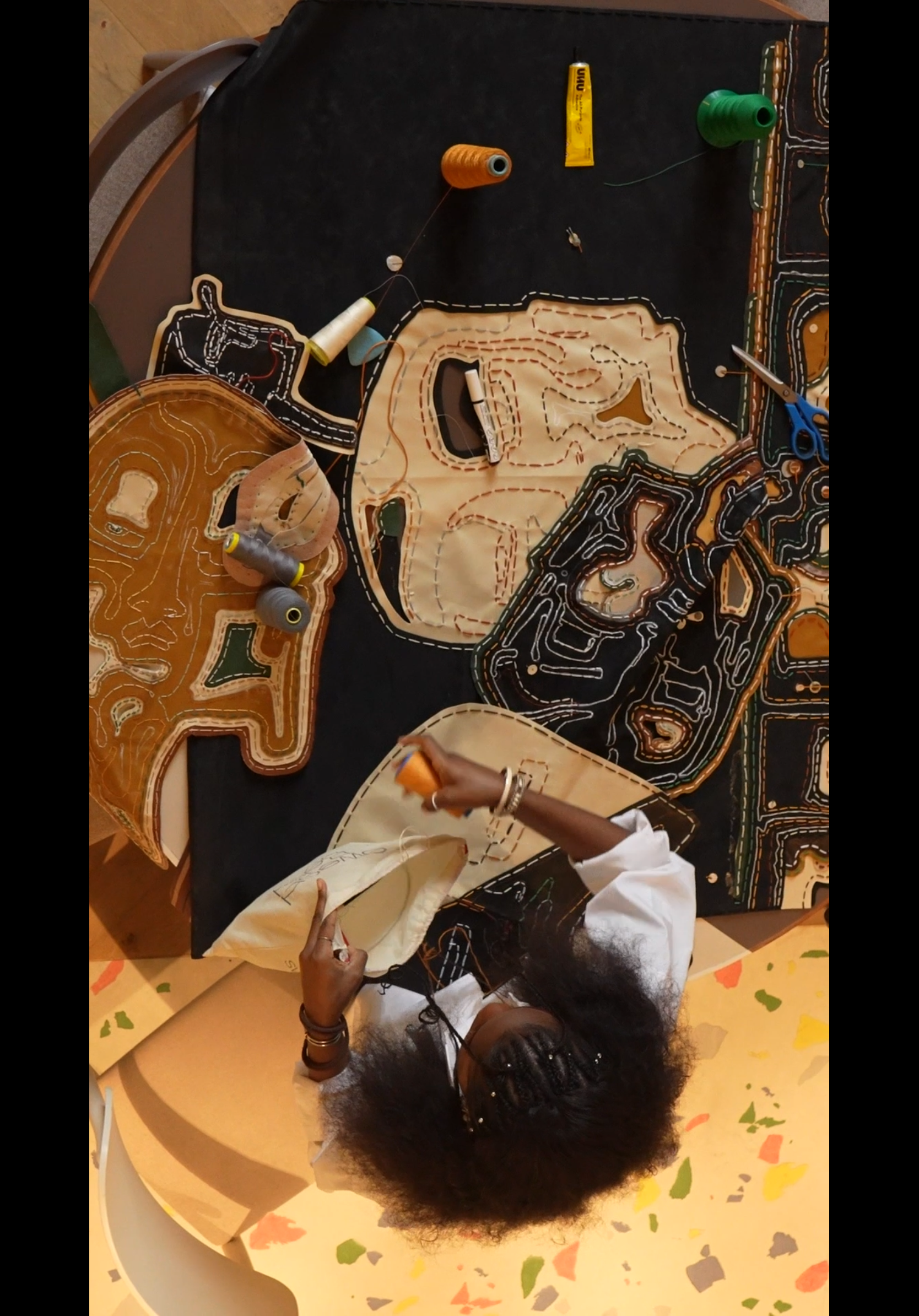
Studio visits are one of the best ways to experience this. Seeing how an artist lives and works often creates the deepest form of understanding. Even when visits aren’t possible, following an artist’s online presence, interviews, or behind-the-scenes glimpses can reveal the “intersection between their story, their process, and their outcomes.”
This connection isn’t just informational; it shapes the longevity of a piece. When you understand why something exists, you begin, as Elfreda says, “to see yourself in it.”
3. Don’t Be Afraid of Textiles or Mixed Media
Textile art, long undervalued in Western art markets, is central to many African artistic traditions. Yet new collectors often feel unsure about works made from fabric, leather, or other tactile materials.
Elfreda addresses this hesitancy by reminding us that textiles predate the economic dominance of painting and sculpture. Materials like leather, she explains, have existed across civilisations for centuries, holding roles in ritual, utility, identity, and history. Textile art “goes beyond decorative value,” reaching into lived experience in ways that other mediums often cannot.
The challenge hasn’t been the craft, which is rigorous, technical, and deeply intentional, but the language around it. That language, she says, “is going through a rapid shift,” and collectors are catching up. For new collectors, starting with textiles can be a profound way to engage with art on material, historical, and cultural levels.
4. Second Spring: Sustainability, Renewal, and Accessible Collecting
Elfreda’s Second Spring, co-curated by Lofty Spot, embodies sustainability not as a trend but as an ethos. For her, sustainability is “a way of living and creating that honours the connection between people, place, and planet.” It is a practice rooted in balance between growth and preservation, innovation and care.
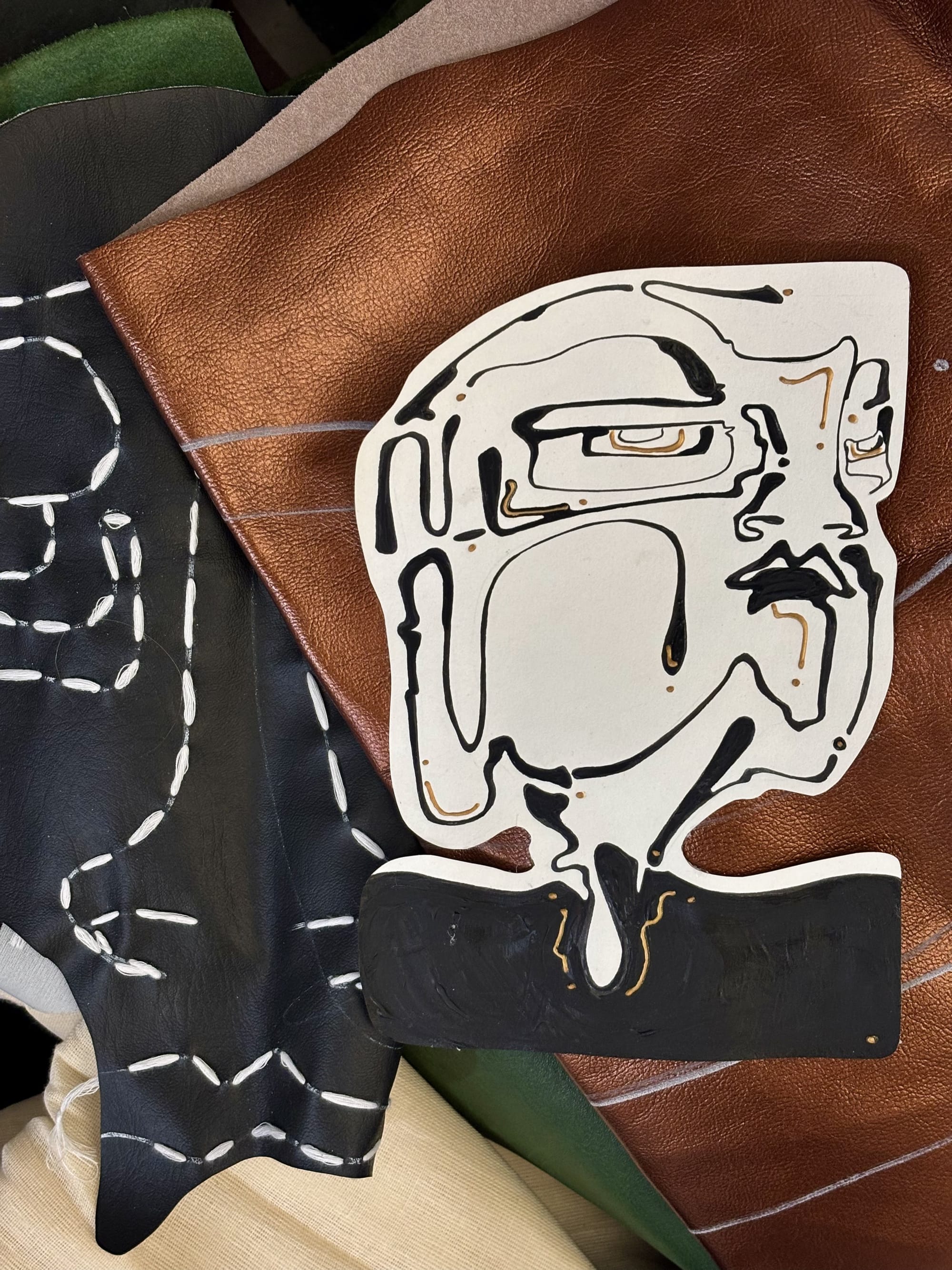
In this collection, she repurposes leftover materials from her larger works, using leather and fabric remnants to create map-like textile pieces that feel both ancient and contemporary. This isn’t only environmental; it reflects her philosophy of renewal, of allowing materials to regenerate into new stories.
She describes sustainability as an act of honesty: asking who a material touches, where it comes from, and what happens to it when it leaves her hands. The works in Second Spring grew slowly, shaped by “patience, time, attention, and quiet persistence,” mirroring the natural cycles of regrowth the title evokes.
Lauren sees this collaboration as a new model for accessible collecting. Each of the nine original works is priced at £850, a deliberate effort to keep the collection attainable while honouring the integrity of the practice. This is the ethos of Lofty Spot Editions: original works under £1,000 that allow new collectors to enter the world of contemporary art confidently.
5. How to Connect With Artists (Even From a Distance)
Connection is one of the most important parts of collecting. When a collector understands an artist’s process, their methods, their community, their worldview, the relationship becomes more than transactional.
Elfreda believes that collectors should engage with the fragments of the artist’s world long before the finished piece. This creates an emotional bridge that helps people recognise themselves in the work. In her words, people gravitate toward works that align with their “own evolution and identity.”
Being part of an artist’s community, even silently, matters. Following their process online, paying attention to recurring themes, attending their events, or reading about their practice helps build a kind of intimacy that can’t be rushed.
Lauren emphasises that artists love to share their process. She founded Lofty Spot to make these conversations feel natural and unpressured, helping new collectors feel welcome rather than intimidated.
6. Budgeting and Buying: Prints, Originals, and Payment Plans
One of the biggest barriers for beginners is the assumption that art requires large, immediate payments. Lauren dismantles this myth completely.
A piece priced at £800 can feel overwhelming, but spread across four months, it becomes far more manageable. And many artists and galleries, especially those working with emerging African artists, are happy to arrange payment plans when asked.
Prints are a gentle entry point, but Lauren notes that originals often hold a deeper emotional connection because “there’s something special about owning the piece the artist made by hand.”
For early-career artists, a typical range is £750–£1,000 depending on medium and scale. It’s also important to budget for framing, which can add significantly to the final cost.
The key, she says, is understanding why you want to collect, whether for meaning, memory, or legacy, and letting that guide your spending choices.
7. Discovering Artists Without Feeling Like an Outsider
The art ecosystem can seem close-knit, but Lauren insists that curiosity is enough to get you started. You don’t need insider connections; you just need to show up.
Attend exhibitions, art fairs, open studios, and especially degree shows, where many rising artists first present their work. The more you go, the more familiar everyone becomes. Community builds itself.
Online tools matter too: follow artists, small galleries, and artist-run spaces. See who they interact with, collaborate with, or promote. Over time, you’ll develop a map of artistic networks and your place within them.
Most importantly, Lauren stresses that “most people in the art world are still learning as they go.” You’re not late, and you’re not out of place.
Buying work from emerging African artists directly supports their visibility and career sustainability, a meaningful, concrete form of support.
8. Supporting Artists Beyond Purchases
Collectors often underestimate non-financial support. Elfreda highlights how “small consistent actions” can shape an artist’s career. This includes attending events, introducing their work to others, or even hosting small gatherings where their art is shown or discussed.
These gestures create community, something essential to African art ecosystems globally. In the lead-up to Second Spring, Elfreda notes that these small acts created “fertile ground” for the collection’s launch. Support, she reminds us, isn’t always monetary; sometimes it’s relational.
9. Choosing Art That Lasts, Emotionally and Physically
Longevity, for Elfreda, is both material and emotional. Physically, her works use couture-level techniques and durable materials designed to outlive trends. Emotionally, a work “lasts” when it remains relevant to you through different stages of your life, when it becomes a companion to your seasons.
Collectors aren’t just buyers; they become custodians of the artist’s practice. When a work reflects the collector as much as it reflects the artist, it enters a generational dialogue.
Lauren adds a practical perspective: in collecting, value can be unpredictable. “If you buy ten works,” she says, “maybe one will go up enough in value to cover the rest.” This is why she returns to the core principle: buy what you love, because you’re the one who will live with it.
10. A Mindset for the Long Game
Collecting art is not a race. It is a slow, thoughtful process built on curiosity, connection, and evolving taste.
Both Lauren and Elfreda believe that the more art you see, the more you understand what draws you in and the more confident you become in your choices. Follow artists over time, watch how their ideas grow, and trust the rhythm of your own eye.
Lofty Spot’s Editions, starting with Second Spring, demonstrate that collecting doesn’t need to be exclusive or overwhelming. Art can be intimate, communal, and accessible.
And most importantly: you don’t need to know everything before you begin. You just need to begin.



Member discussion