


An album cover is a strange kind of authorship; it can circulate further than almost anything else an artist makes, get tattooed on strangers, hung in bedrooms, printed on tote bags, and still leave the person who painted or photographed or designed it uncredited in most people's minds. This list is an attempt to close that gap. Some of these names shaped the entire visual language of a genre; others got one now-iconic commission and moved on to shape entire other industries. All of them are worth knowing. Here are 10 of them.
Lemi Ghariokwu

Images via afrofusionarchive and artxlagos
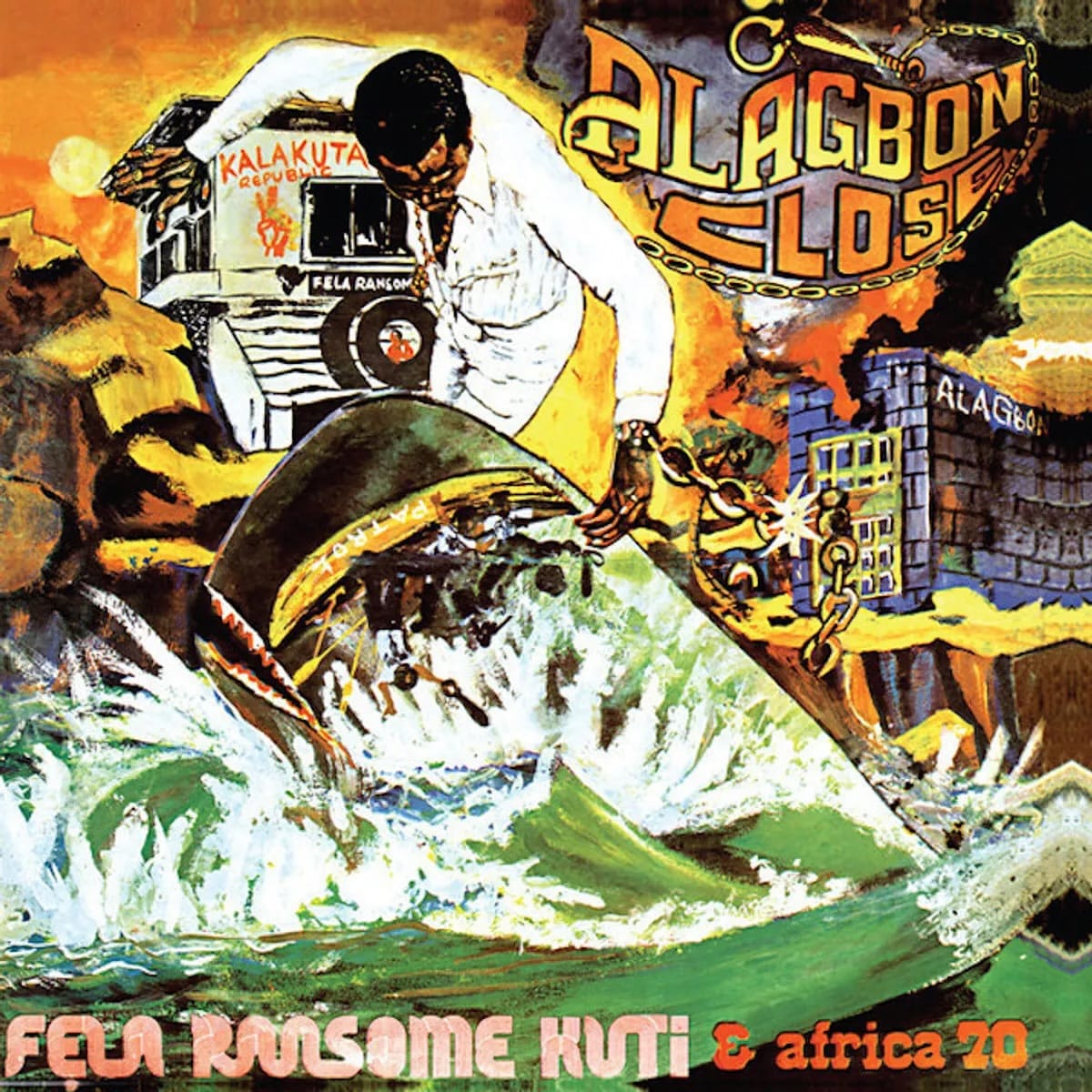
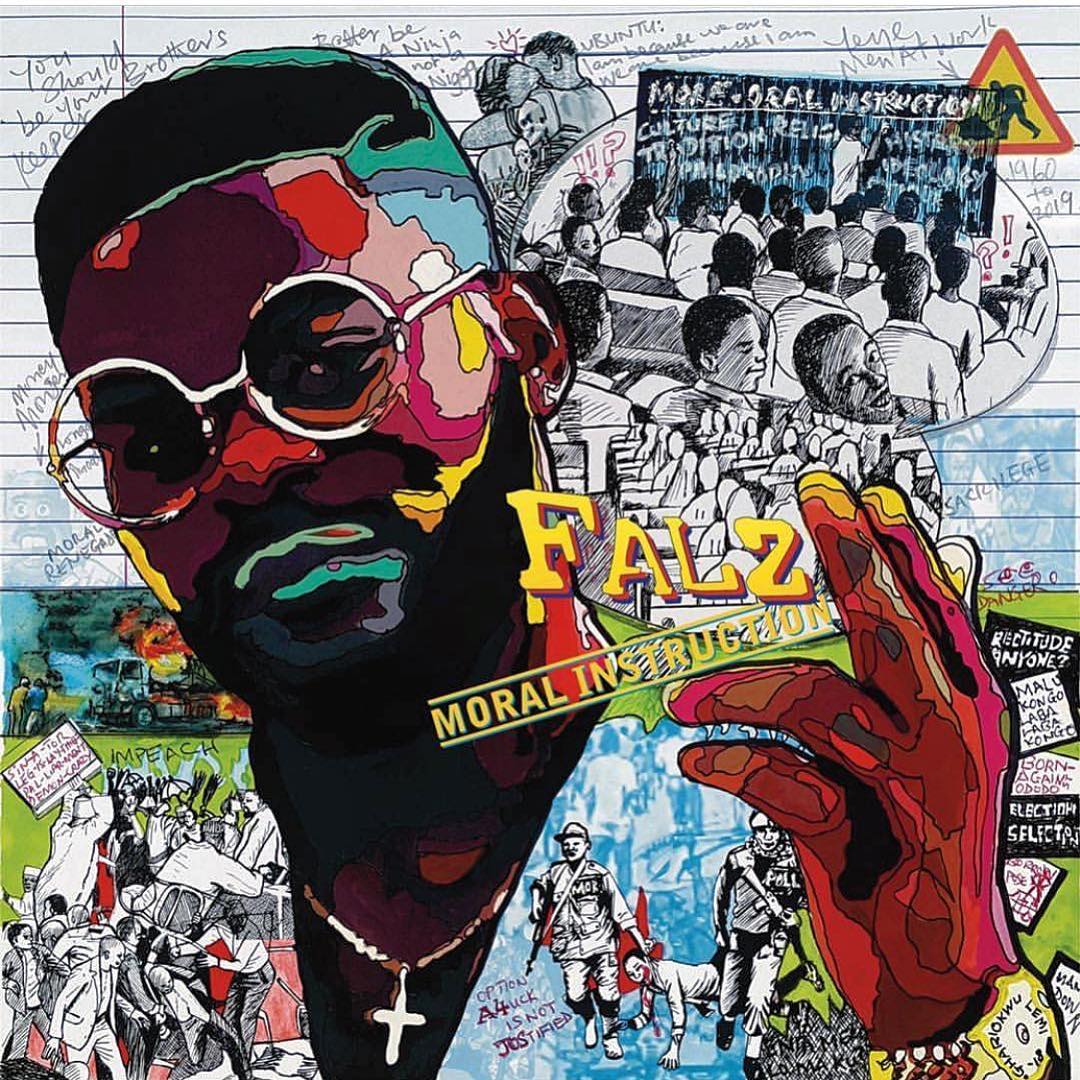
There is no separating Afrobeat's global image from Lemi Ghariokwu's hand. Born Emmanuel Sunday in Agege, Lagos, in 1955, Ghariokwu was a self-taught teenager doing pub murals when a journalist spotted his illustration of Fela Kuti dancing in mud and brought the two together in 1974. That first commission turned into 26 album covers over the following decades, among them "Zombie," "Sorrow, Tears and Blood," "Shuffering and Shmiling" and "Beasts of No Nation," each one folding satire, Yoruba cosmology, and pointed political commentary into a single sleeve. Beyond Fela, he's designed for Bob Marley, Miriam Makeba, Lucky Dube, Osita Osadebe and, more recently, Brymo's "Oṣó" and Falz's "Moral Instruction", a body of work now estimated at more than 2,000 covers, with one piece, "Anoda Sistem," held in MoMA's permanent collection.
Niyi Okeowo
Images via _pheltmagazine and Spotify
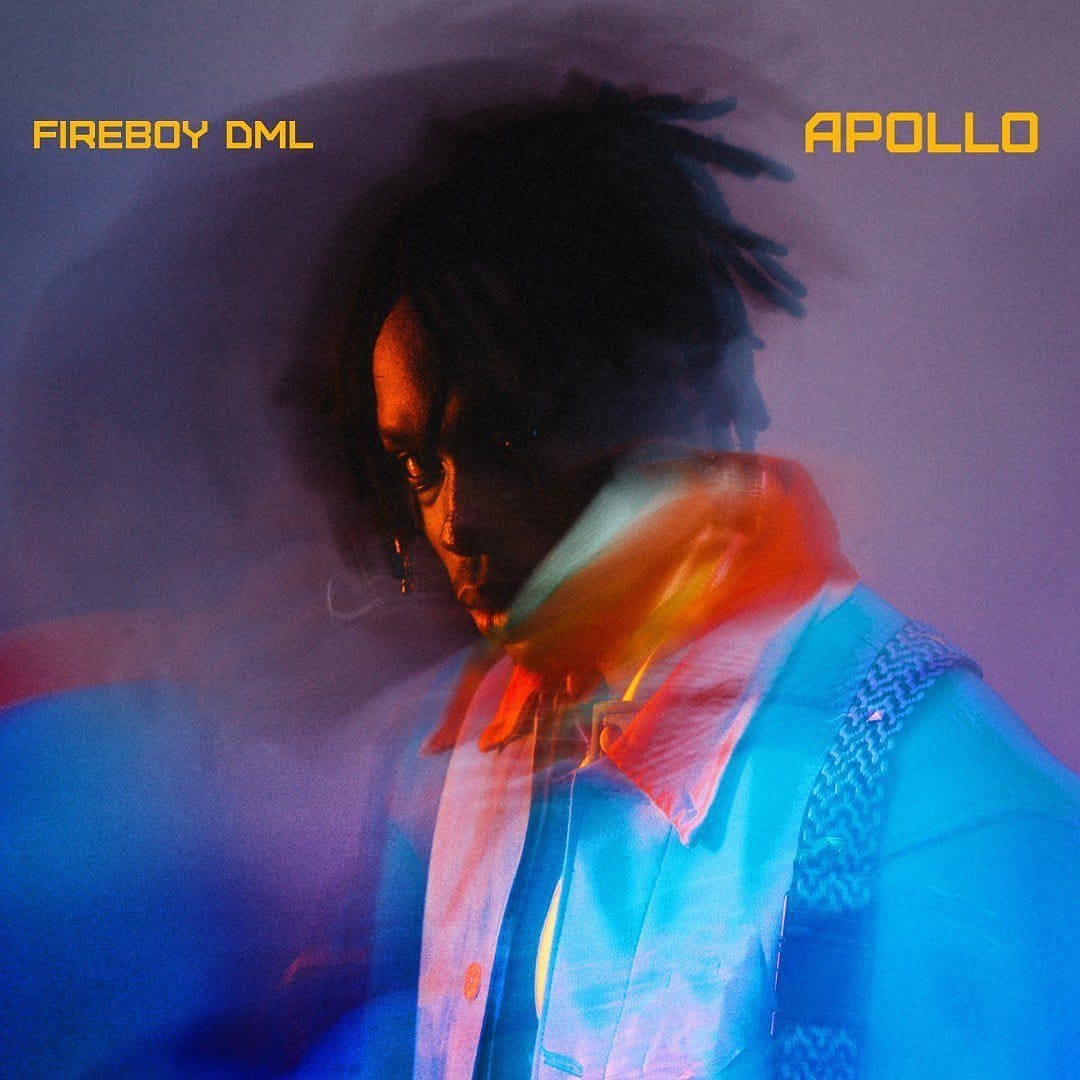
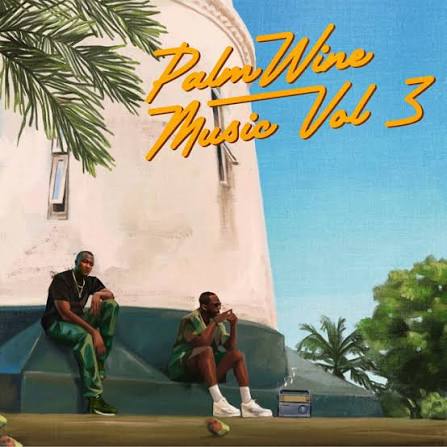
When Fireboy DML set out to make "Apollo" in 2020, he wanted the artwork to signal that the artist behind "Laughter, Tears and Goosebumps" was outgrowing the box people had already put him in. Niyi Okeowo, a Lagos-based multidisciplinary art director working across photography, graphic design and 3D, built the album's entire visual identity around that brief, naming it for the Greek god of range and prophecy and designing each single's cover to preview its song before it dropped visually, the artwork for "ELI," for instance, wraps its subject in a snake and marks her arm with a scorpion to signal danger before a single lyric plays. Okeowo has since worked across branding and virtual experience design for clients including Show Dem Camp, Loti and LVMH, but "Apollo" remains one of the clearest examples of album art functioning as narrative rather than decoration.
Sinalo Ngcaba
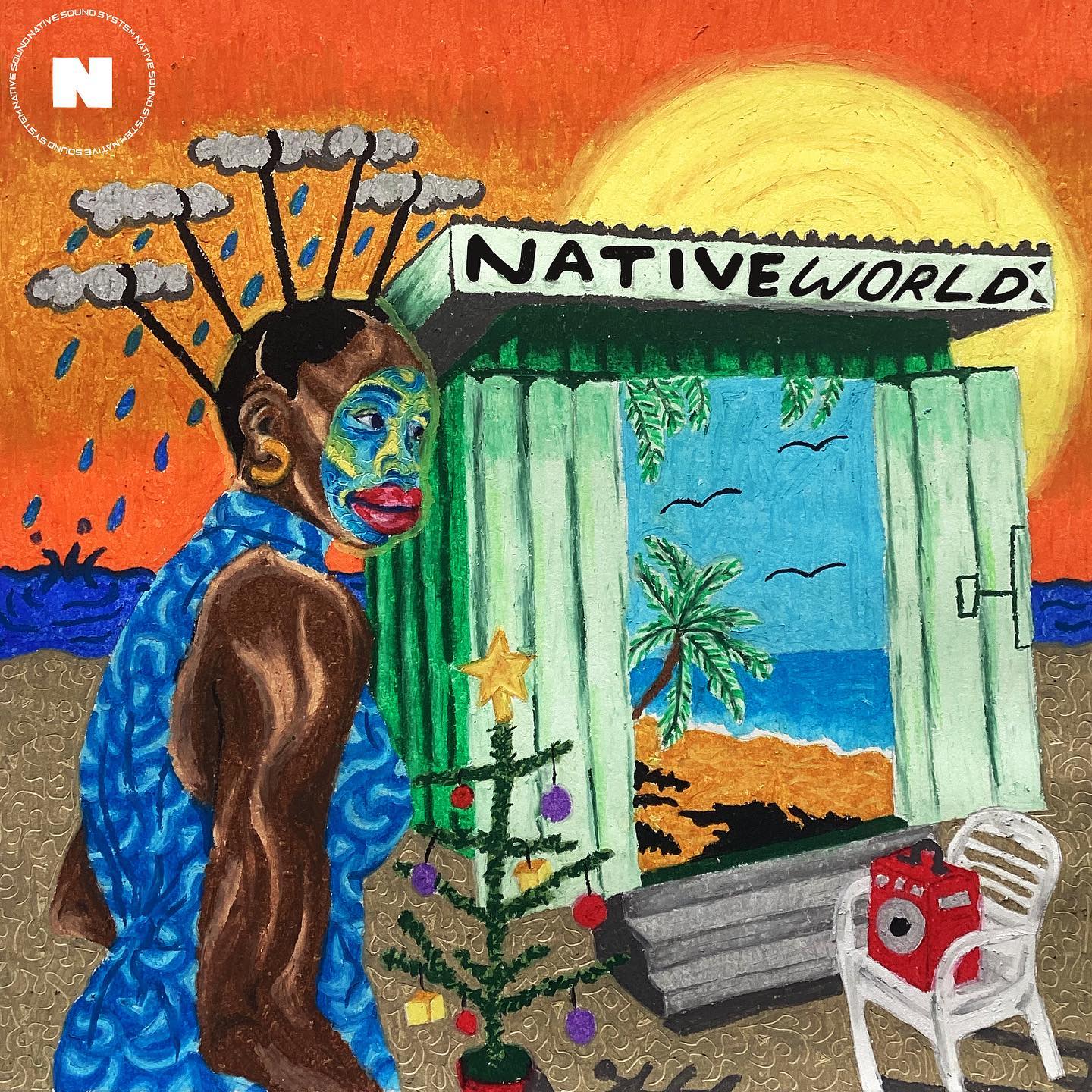
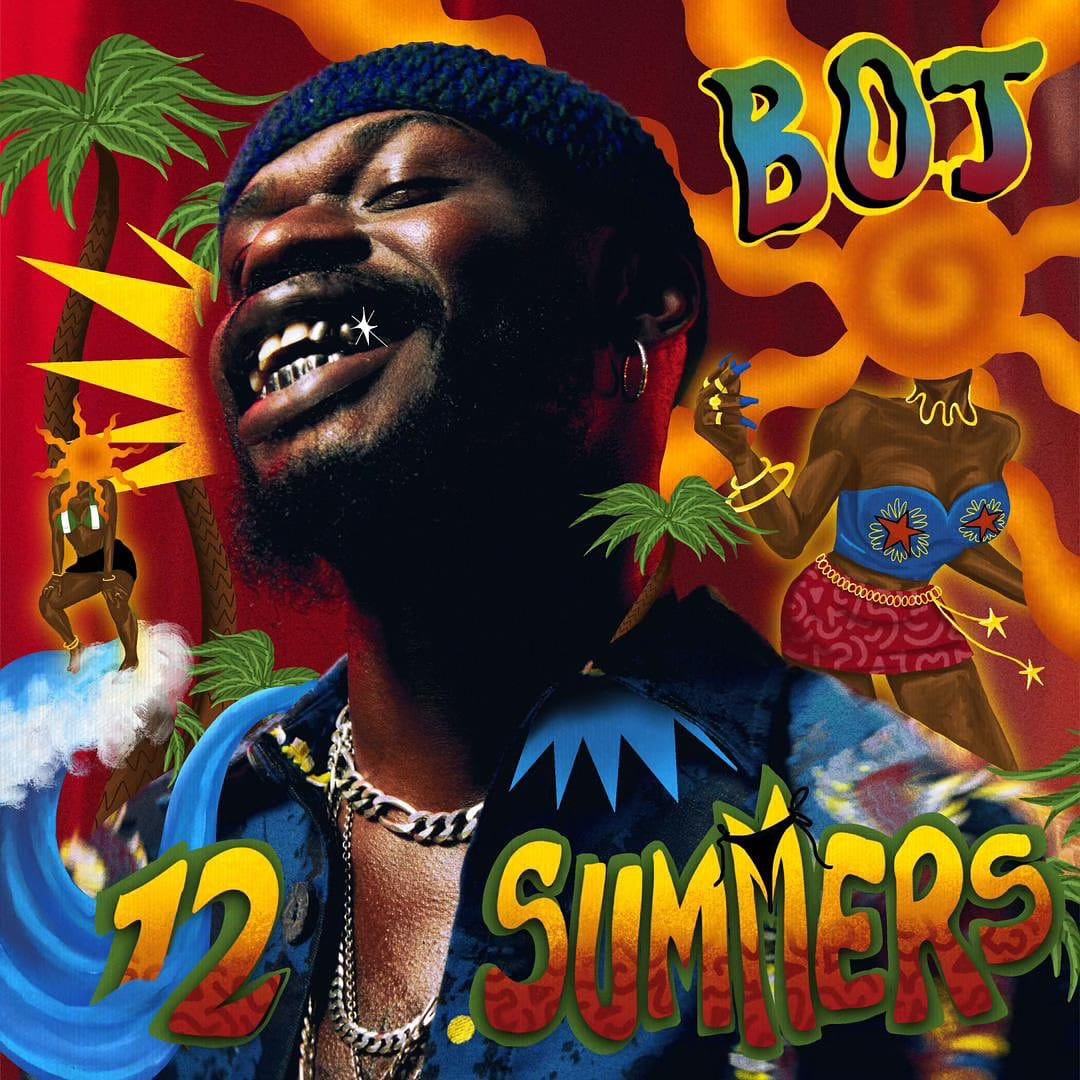
Images via guapmag and spurplayafrica
Working in pastels, paint and ink, Sinalo Ngcaba has become known for reworking the painted face as both protection and symbolism, drawing on the Xhosa use of red ochre (letsoku) as a cosmetic and spiritual marker. She's designed the artwork for Native Sound System's debut EP "NATIVEWORLD," building its visual world around Nigeria's harmattan, rainy and festive seasons, as well as BOJ's "12 Summers," Mr Eazi's "Chop Time, No Friends" and J Bambii's "Church Fan."
Amoako Boafo
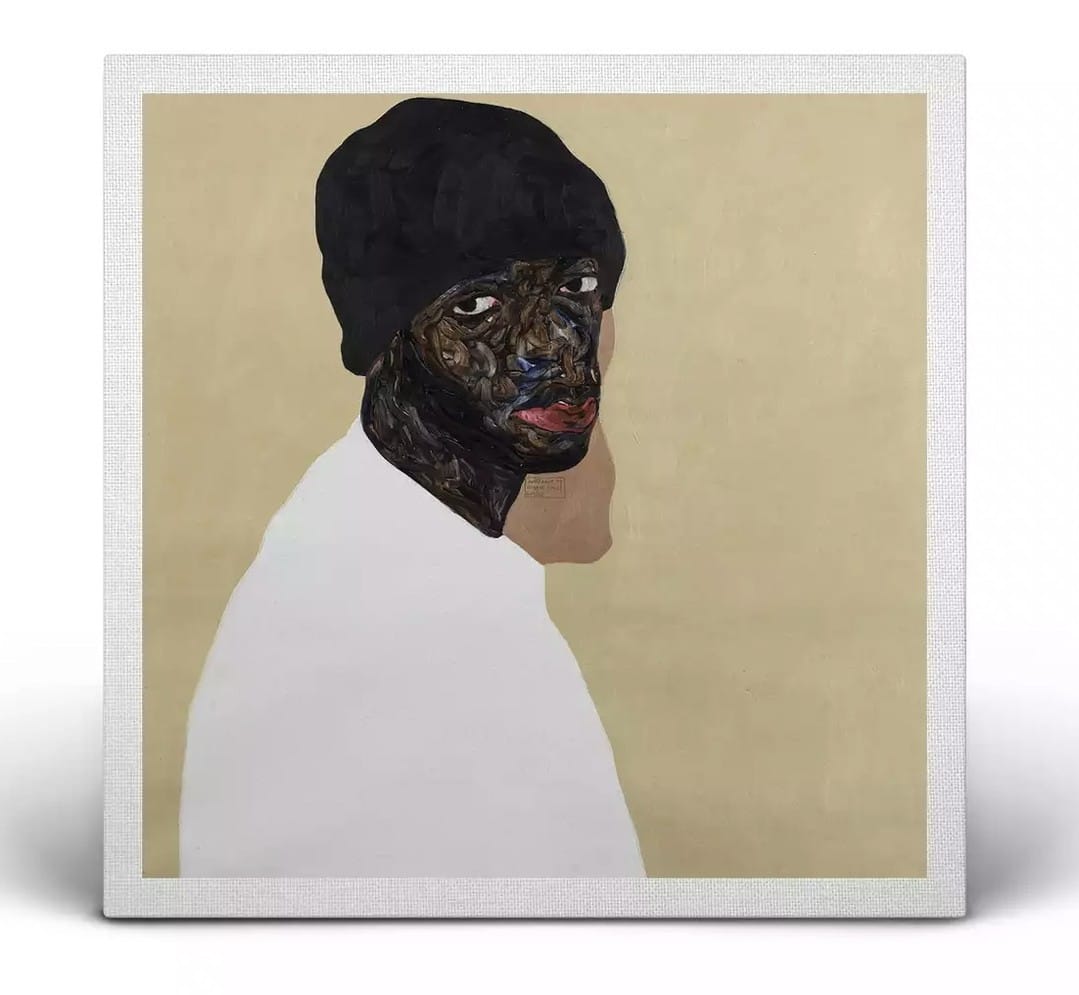
You've probably heard his name as he’s one of the most significant Ghanaian artists working today; his finger-painted portraits of Black subjects, developed in dialogue with the Vienna Secession painters he studied under, have made him one of the most sought-after names in contemporary painting, with a first solo show in Italy opening at Venice's Museo di Palazzo Grimani alongside the 2026 Biennale. His connection to 6lack's "Free 6lack" came through a different route: Interscope commissioned Boafo to reimagine the album's original cover as part of "Interscope Reimagined," a 30th-anniversary series pairing visual artists with iconic releases from the label's catalogue, released as a limited hand-signed vinyl. It's not the original artwork, but a fine-art reinterpretation of it and a rare case of a museum-calibre painter's work circulating through record shops rather than gallery walls.
Musa Ganiyy
Images via Audiomack and Spotify
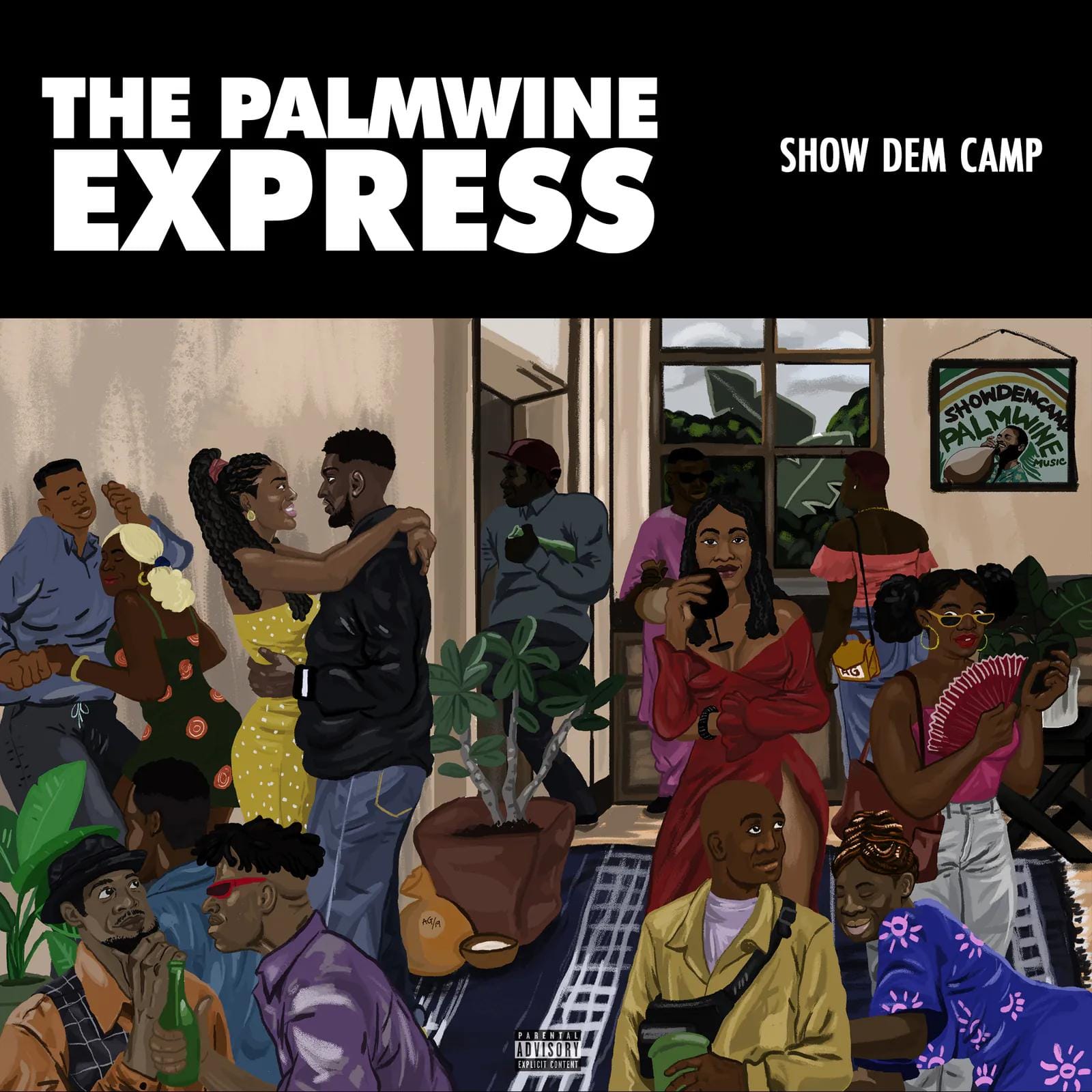
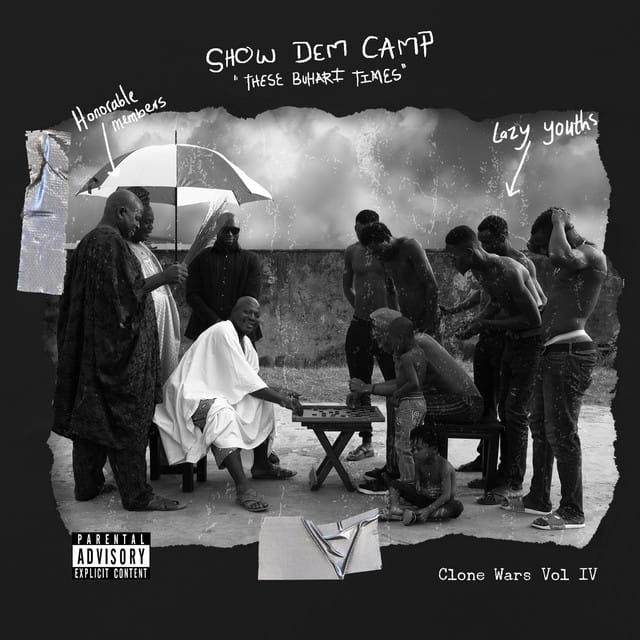
Musa Ganiyy, a Lagos-based visual artist and photographer, painted the cover for Show Dem Camp's 2019 project "The Palmwine Express", a scene that plays like a paused film still, packed with plants, calabash, wine glasses and young Black figures caught mid-celebration in an imagined Afrocentric interior. It's built to match the loose, free-spirited energy of SDC's Palmwine sound, and it followed his cover for the duo's "Clone Wars Vol. IV," which reworked the "Star Wars" framing. Ganiyy's broader practice moves between minimalist composition, portraiture and conceptual abstraction, generally circling the same question: how ordinary people register the social and political shifts happening around them.
Lakin Ogunbanwo
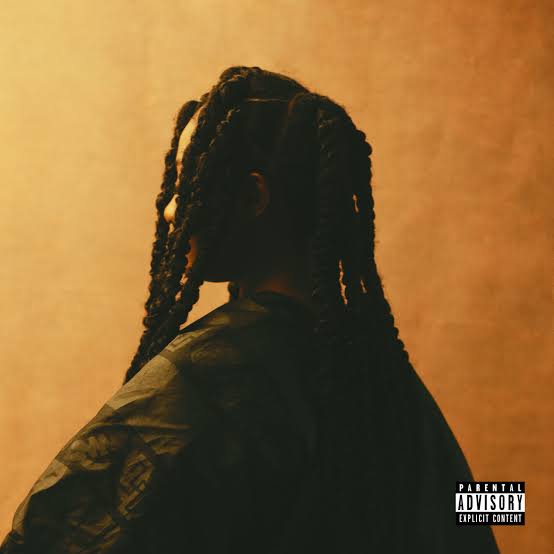
Lakin Ogunbanwo has spent his career photographing the human body as something closer to architecture than portraiture, and his cover for Tems' 2020 EP "For Broken Ears" is often cited as one of the most quietly powerful Nigerian album covers of the last decade. The image — Tems turned away from the camera, braided, lit against a stark orange gradient — reads less like a pop artist's introduction and more like a private moment of introspection, fitting for a debut that announced Tems' arrival on her own terms rather than anyone else's. Ogunbanwo's photography more broadly moves between fashion editorial and fine art, often returning to questions of masculinity, ritual and the Nigerian body in space.
Funto Coker
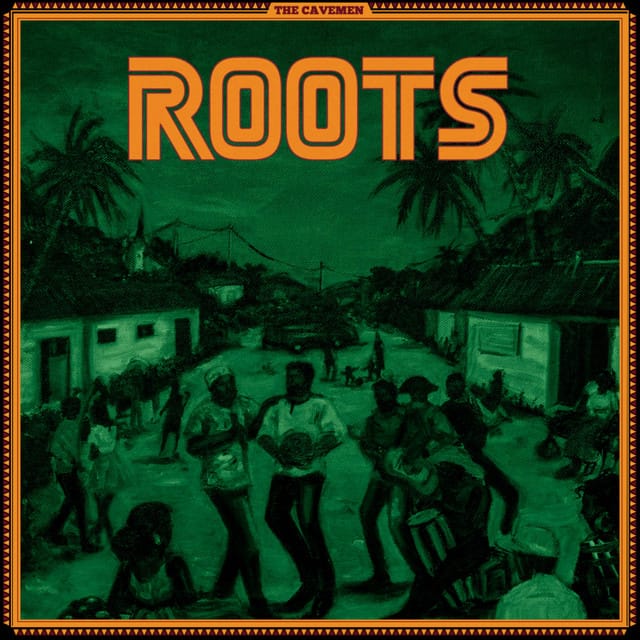
Funto Coker, an art director, visual development artist and character artist now based in Kigali, works across digital and traditional media to build worlds that sit somewhere between realism and fantasy. Her cover for The Cavemen.'s 2020 debut "ROOTS" places a framed photograph of a village gathering — drumming, dancing, drinking — inside a wood-grain border that separates the scene from the viewer like a memory behind glass, rendered in a green, nostalgic tone that recalls 1960s and '70s Nigeria. She also designed the cover for Lady Donli's "Rockstar Parole," the two-track release that closed out the "Enjoy Your Life" era of Donli's career before she moved on to her Pan-African Rockstar persona.
Bolade Banjo
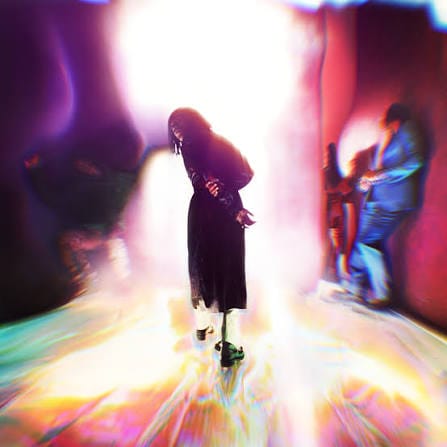
Bolade Banjo's cover for Obongjayar's 2022 album "Some Nights I Dream of Doors" is a genuinely strange piece of work in the best sense; Obongjayar in wizard-like regalia, arms locked behind his back, flanked by an oversized face on one side and two smaller figures on the other, the whole scene lit like a still from a David Lynch film. It's a fitting match for an album that spends much of its runtime turning inward, confronting internal conflict and the wider social pressures pushing on it, and it's become one of the most discussed pieces of contemporary Nigerian album art for exactly that reason, a cover that reads as introspective rather than simply eye-catching.
Ibra Ake
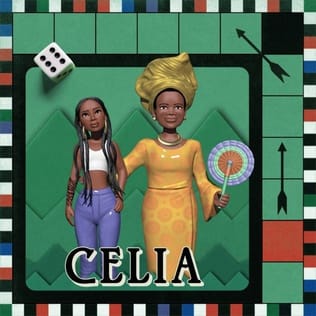
Ibra Ake's path to Tiwa Savage's 2020 album, "Celia", runs through one of the more unusual creative careers in music and television. The Nigerian-American artist has a Grammy as a producer on Childish Gambino's "This Is America" video, as well as credits co-directing several sequences of Beyoncé's "Black Is King," alongside writing episodes of FX's "Atlanta." His creative direction work with Tiwa Savage on the "Celia" era, including co-directing the "Dangerous Love" video shot in Lagos, extended that same instinct for visual storytelling to Nigerian pop.
Hanson Akatti
Images via Spotify and Wikipedia
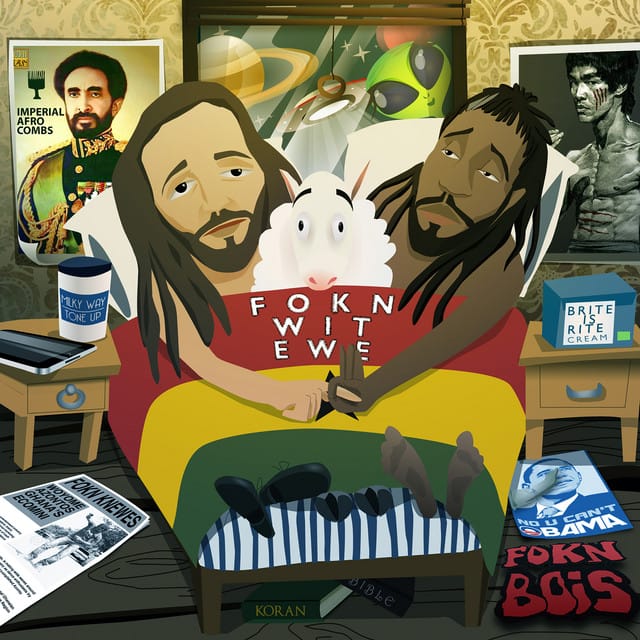
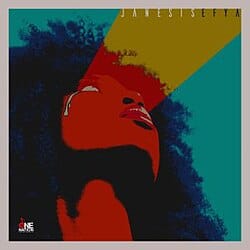
Hanson Akatti, born in Accra in 1989, became the de facto visual architect of a whole generation of Ghanaian music while working as BBnZ's senior graphic designer in the early 2010s, designing covers for E.L., DJ Juls and FOKN Bois alongside his best-known work: the cover for Efya's 2016 debut album "Janesis." Drawing on 1960s and '70s design references and, by his own account, the iconic David Bowie lightning bolt, Akatti built the cover around a single teardrop meant to represent emotion and passion, with different light sources standing in for the different sides of Efya's personality. For FOKN Bois' "FOKN Wit Ewe," members Wanlov and M3nsa sketched their own ideas and brought them to Akatti to render, closing a loop between two generations of West African cover art.
Conclusion
What they share is the same thing every great cover shares: the ability to make you understand something about the music before you've pressed play.


Member discussion