


Gbemi Giwa is a Nigerian wellness entrepreneur and the founder of the African Fat Loss Method™ and AfroBowls, a nutrition and fat-loss approach built on a simple premise: African women should not have to give up the food they grew up on to reach their health goals. She works with clients on sustainable fat loss, and her message is consistent: African food was never the problem.
Her route to that work has been anything but linear. Gbemi left Lagos for Dubai as a teenager to study, and by her mid-twenties she had built a portfolio of ventures around food, fitness and digital brands. These included a wellness blog started while she was at design school, Afrofit dance classes, a branding and content agency for food and beverage concepts, a physical restaurant, Gbemi’s Kitchen, and Catfish, an online restaurant serving a healthy twist on African dishes. She has also worked in corporate and PR, and consulted for women building personal brands through her company Digiboss. Beneath all of it sits a lifelong relationship with sport: she played basketball, ran, did gymnastics and ran for her university track team before turning her attention to nutrition.
Ahead of Unlearn the Diet: The African Food Edition, taking place on 23 September 2026 at 100 Liverpool Street, London, we spoke with Gbemi about what keeps pulling her back to food and fitness, what she has had to unlearn about health and weight loss, why African food came to be seen as the problem, what sustainability looks like in a busy life, and what she hopes people take away from the evening.
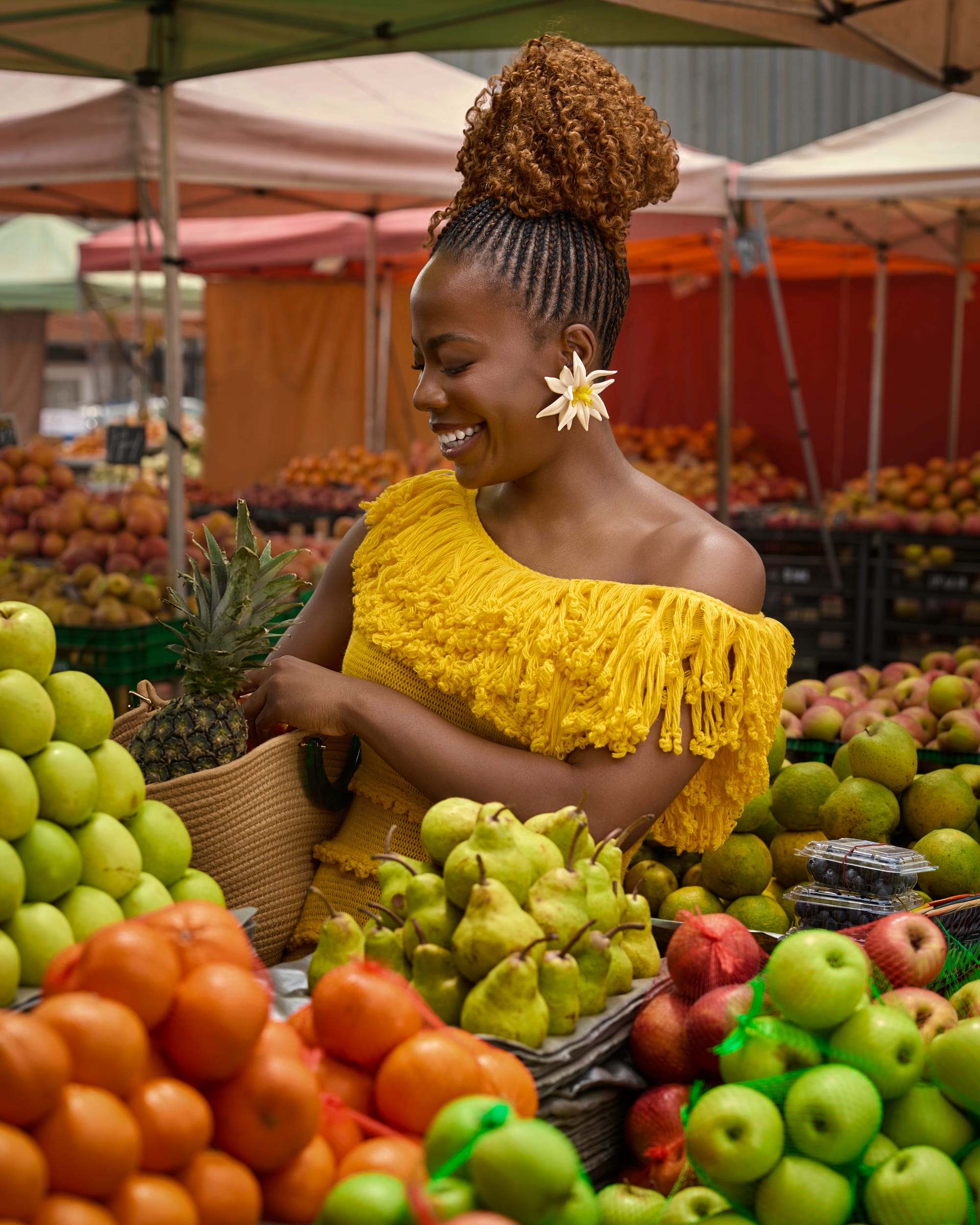
You’ve moved through food, fitness, entrepreneurship and nutrition. What was it about food and fitness specifically that kept pulling you back?
I’ve always been drawn to sport, and my introduction to health and wellness came from a love of it. I played basketball when I was younger; I used to run, I did a bit of gymnastics, and when I went to uni, I ran for my track team for a little while. It always felt like a lifestyle. I always felt good when I was moving my body, and I was always amazed watching people do incredible things with theirs.
It was through my love of sport, and trying to be a better athlete, that I really dove into the nutrition side of things. I’ve always loved food; my mom is a big foodie, but looking at food from the perspective of health is something sport gave me. Because it’s a natural, genuine love, it’s simply the way I choose to live my life. Even when I’ve worked in corporate or worked in PR, I’ve always found myself coming back to the basics of moving well and eating well.
Now that I’m older, I also know how important it is to have a body that not only looks good but functions well into old age. I want to be able to move well when I’m 90. So beyond the enjoyment and the benefits of how you look, there’s an added layer for me: from a health perspective, I want to be my best self at every point in time.
“Unlearn the Diet” is a strong phrase. What have you personally had to unlearn about health, weight loss and food?
There are so many things. One of the first, and it’s the crux of my entire business, is that African food does not make you fat. The issue a lot of people encounter with nutrition, especially when they choose to eat their cultural foods, and this isn’t specific to African foods, is that we approach them the way people ate back in the day, when they were working on the farm for God knows how many hours. There are cooking methods we can use to prepare the same foods so they still taste great but are better suited to the way we live now. Food in itself, whether it’s rice, beans, any kind of food, is not inherently unhealthy. Even things like palm oil aren’t inherently unhealthy. They start to become a problem when we look at the quantities we’re consuming, the source of the food and how we’re cooking it.
I’ve also had to unlearn the prejudice that there’s only one type of food that’s healthy, and that it looks like a salad or a smoothie. It’s about understanding the basics of nutrition and knowing that your cultural food can be nutritious if you make some basic tweaks.
Another thing is finding balance. If your goal is to be a bodybuilder or to compete, that’s one thing. But most people are just living their lives, and this is where balanced nutrition comes in, because you don’t need to give up dessert or anything like that. You can include those things in a mindful way. Life is about playing that balance, and when you hit your body goals, there needs to be a point where that’s a healthy way to live.
I’m lucky to work with a lot of clients who come to me with a simple weight loss goal. Maybe they want to lose 10 kg or 20 kg, and we help them hit it. But a lot of people fall off because they don’t understand how to balance their lives once they’ve reached it. That’s where my work comes in, helping people make their actual lives fit their fitness routine. A lot of diets exist, but they’re completely unsustainable. Are you going to drink only green juice and live on air for the rest of your life? No. So how do you build a life where you hit your fitness and wellness goals, you still have energy, you’re not thinking about food all the time, and you can still enjoy the things life has to offer? That’s the crux of my work. It’s what I’ve had to unlearn, and what I hope my clients unlearn every single day.
Why do you think the idea that African food is unhealthy, or just too heavy, became so widespread?
I can’t pinpoint one single source. I’d say it’s not so much that people started demonising African food, but that certain foods were highlighted as healthy, and as a result everything else became unhealthy. If you were on the internet around 2010, which is when I started my blog, and you searched “healthy”, you would get salads and smoothies. There were superfoods, smoothie bowls popping up, specific blueberries and so on. We didn’t even have matcha then. It started this craze of thinking that if I eat this particular food, I’m super healthy, and as a result, healthy had a look. It had a definition.
We had people going vegan, and there was so much noise about what was supposed to be healthy. In that conversation, cultural context was completely eroded. We absorbed that idea of health, and everything that didn’t look like it seemed unhealthy. There was also a whole propaganda campaign against fat, and so many low-fat foods, even though we now know you actually need fat. In a lot of those foods, sugar was added where the fat was taken out, and they became even worse for us. Now we just know differently.
The food space has changed drastically since we started processing food instead of eating whole foods, and it’s heavily led by marketing. Retailers are trying to sell more, and in order to sell something, you have to give it a claim. You have to tell people this one thing is the one thing that’s going to save you. African food uses a lot of oils and fats, so maybe that’s why we started looking at it as unhealthy.
In the African space specifically, being fit and working out wasn’t really something that was praised. I remember my mom used to tell me, “Are you trying to be a man?” and that was maybe ten years ago. Now my mom is going to the gym. So there was a lot of confusion and a lot of noise, and it’s heavily connected to our cultural context. That’s not to say we weren’t active. We really were, but activity tended to be around dance, or going to the farm. Movement was connected to cultural and spiritual practices. Now we work out for leisure, because we’ve moved so far from the original context of what it means to live a traditional African life. We find ourselves creating space for sport and movement, and we have to rethink the way we eat, because our access to nutrients, even things like agbo, is not the same. We live in a very westernised world, with processed foods, so we need to think about how to make our health work in today’s world without ignoring our roots.
I think I’ve gone straight past the question you asked me, but if I think deeply about the origin, I wouldn’t say it’s one person who said, “Oh, this thing is unhealthy.” It’s more that we defined health and we excluded the African narrative from it.
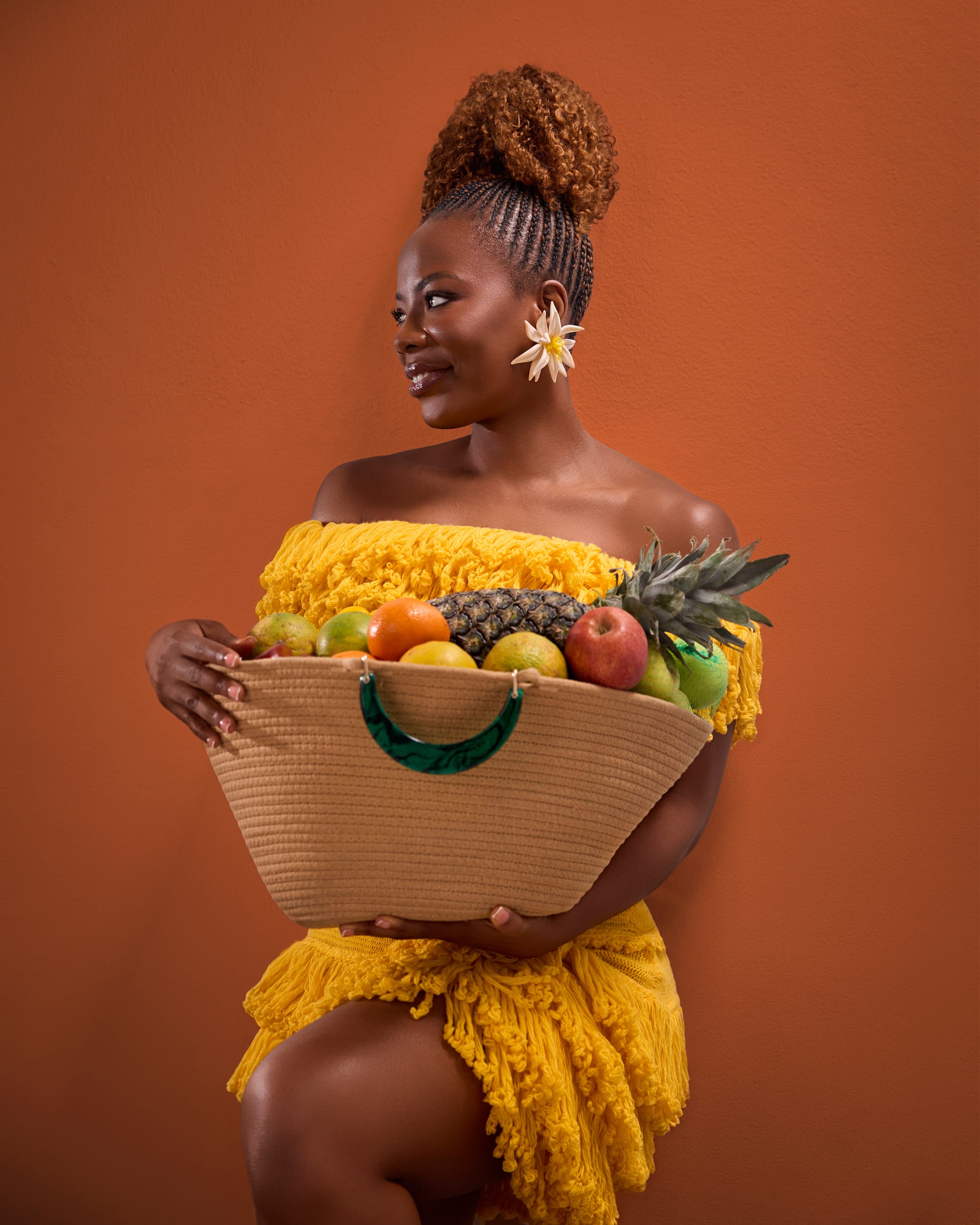
What does sustainability look like for people who are busy, travelling, attending events and eating out? And what does a genuinely balanced African meal look like?
For you to be sustainable, you have to be honest, and I mean radically honest with yourself. A lot of people fall into hot water when they say, “I didn’t eat that much, it was just a little bit of this.” The person who ends up with sustainable habits has gone through a period of education, a period of learning what sustainability actually looks like. You can’t just wing it. It means having a true understanding of what your life looks like, and what’s sustainable for one client might not be for another. Working with a mom of two is very different from working with a 25-year-old who’s just started as an executive. The mom may only have time to work out three times a week. The other might manage four and even some extra walks. So it’s always about where you are in your life and what space you have.
In terms of non-negotiables, I think everyone can make at least 30 minutes, three times a week, for a strength workout. I always recommend strength training for women, especially African women, because as we age, we need our strength and our muscle. Muscle is one of the most amazing tissues we have. It gives you more energy, helps you burn more fat, makes you stronger and improves your posture. I could go on and on. The other thing I recommend to everyone is walking, because you don’t need anything to make it happen. You can just go outside and get your steps in. I don’t really fall into the 10,000-steps-a-day narrative, because not everyone can manage that. I’d say aim for 6,000 to 8,000. Anything above 6,000 is attainable for most people.
When it comes to food, one of the biggest ways to change how you eat is the AfroBowls method, which I teach all of my clients. It’s a simple plating system: about 35% of your plate is protein, about 25% is carbs, and you fill the rest with fibre. On a traditional Western plate, you’d need to add something like avocado, nuts or seeds to get your fat, but most African dishes are already cooked with fat, so we count that as your 10%. That way we’re hitting your basic macros, carbohydrates, protein and fat, and we’re also making sure we include essentials like fibre and micronutrients.
It’s a method anyone can apply without thinking too much. Say you want to eat jollof rice. You know how people pile one big mountain of rice and put two small pieces of meat on top? No. Put one cup of jollof on your plate, fill the rest with a ton of vegetables, add plenty of protein, and you’re still eating jollof rice, but your plate has drastically changed, and so will your results.
There’s so much wellness advice out there that it can feel daunting. What’s one thing you’d want people to walk away with and apply to their everyday lives?
Can I tell you something? If I could tell everybody one thing, it would simply be this: face your front. Mind your business. The thing about the wellness industry is that tomorrow it will be matcha. The next day they’ll say everybody has to eat this power fruit, and then it will be Pilates. Before you know it, it’s the gym, and the next thing. I’ve been in this industry for over a decade, and I can tell you for a fact: give it six months and something else is coming. Before high protein, do you know how obsessed we were with being vegan? It’s a never-ending whirlpool of things to do, and if you stick with that, you’re always going to feel inadequate. I think the most powerful thing anybody can do is choose to tap out.
The basics that have stood the test of time are these: move your body. Choose a way of moving that works for you and do it at least three times a week. Eat a healthy, balanced diet. No food group is out of the question. You just need to find a way to balance your plate. Hit your protein, hit your fibre. It’s not a high-fibre diet or a high-protein diet, because tomorrow there’ll be something else. They could even bring back high-carb diets. So find the balance in everything and make a routine that works for you. If you genuinely enjoy being vegan and you’re convicted that it’s your lifestyle, just do it, and face your front. I don’t think anything is a must-do unless your doctor recommends it.
I think every country has released a health guideline. I know there’s one in the UK, I follow the US one, which is basically a food pyramid of all the food groups you should include in your diet: your carbohydrates, your protein, your micronutrients. The foods don’t change. What we’re eating now hasn’t changed in decades, or centuries, in terms of what grows out of the ground. What has changed is the new processed foods: electrolytes in a packet, high-protein bars. Those are the things I’d be cautious of, so always read your labels. But when it comes to real, whole food, understand where it’s grown, pick high-quality, organic where possible, and make sure it matches your lifestyle. If you find yourself following the trends, you will be continuously unhappy.
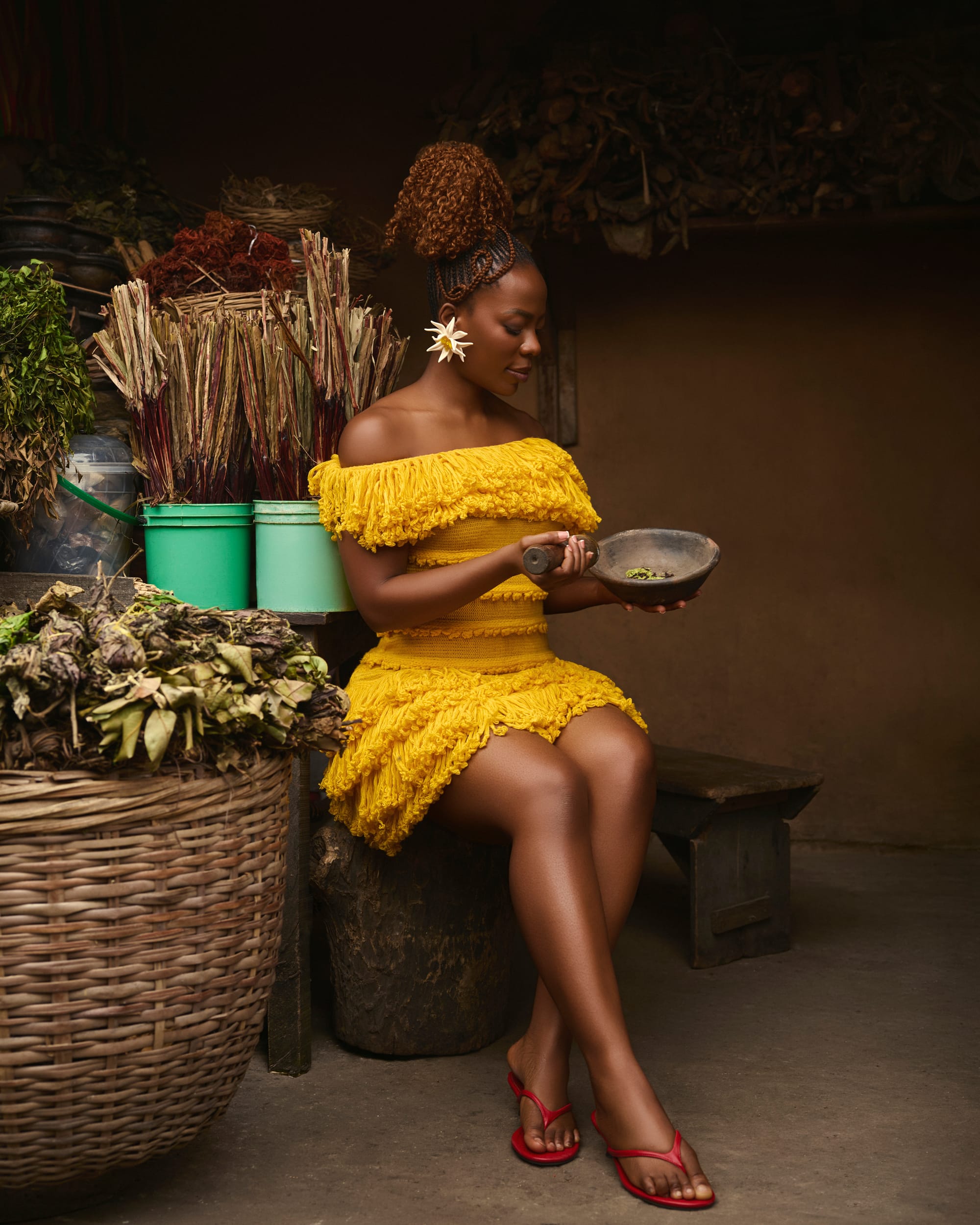
What do you hope people bring to Unlearn the Diet, and what do you hope they leave with?
I’m hoping people come curious, with an open mind, wanting to understand how nutrition plays into their whole life and how their bodies work. And I’m hoping they leave, first, with reassurance. It’s not that people don’t know what to do when it comes to health and nutrition. Everybody knows you should probably eat less and move more. And as you said, there’s so much information everywhere. But sometimes you need one person, or a group of trusted people, to tell you, “Do this,” so you can discern whether something applies to you or whether it’s something you want to experiment with, instead of living confused and anxious about what you should eat. That mental anxiety can sound like nothing, but having that clarity is priceless.
I also hope they leave with a practical framework. We’re giving everybody a copy of the AfroBowls ebook, so from the get-go they have practical ways to apply this in their lives. It’s not just a conversation that was nice to have. We want them to leave knowing exactly how, and to actually start making changes so they’re living healthier, happier lives.
And I’m hoping people come to connect. When we look at the whole idea that African food is unhealthy, I think we need to be very active and intentional about changing the narrative, talking about African foods in a positive light and celebrating the benefits of our culture, our herbs, our ingredients. By creating these connections, we get more people having these conversations and taking them back to their own circles. I think that’s how we create a spark, and a lot of the people in that room will move on and continue spreading the word.
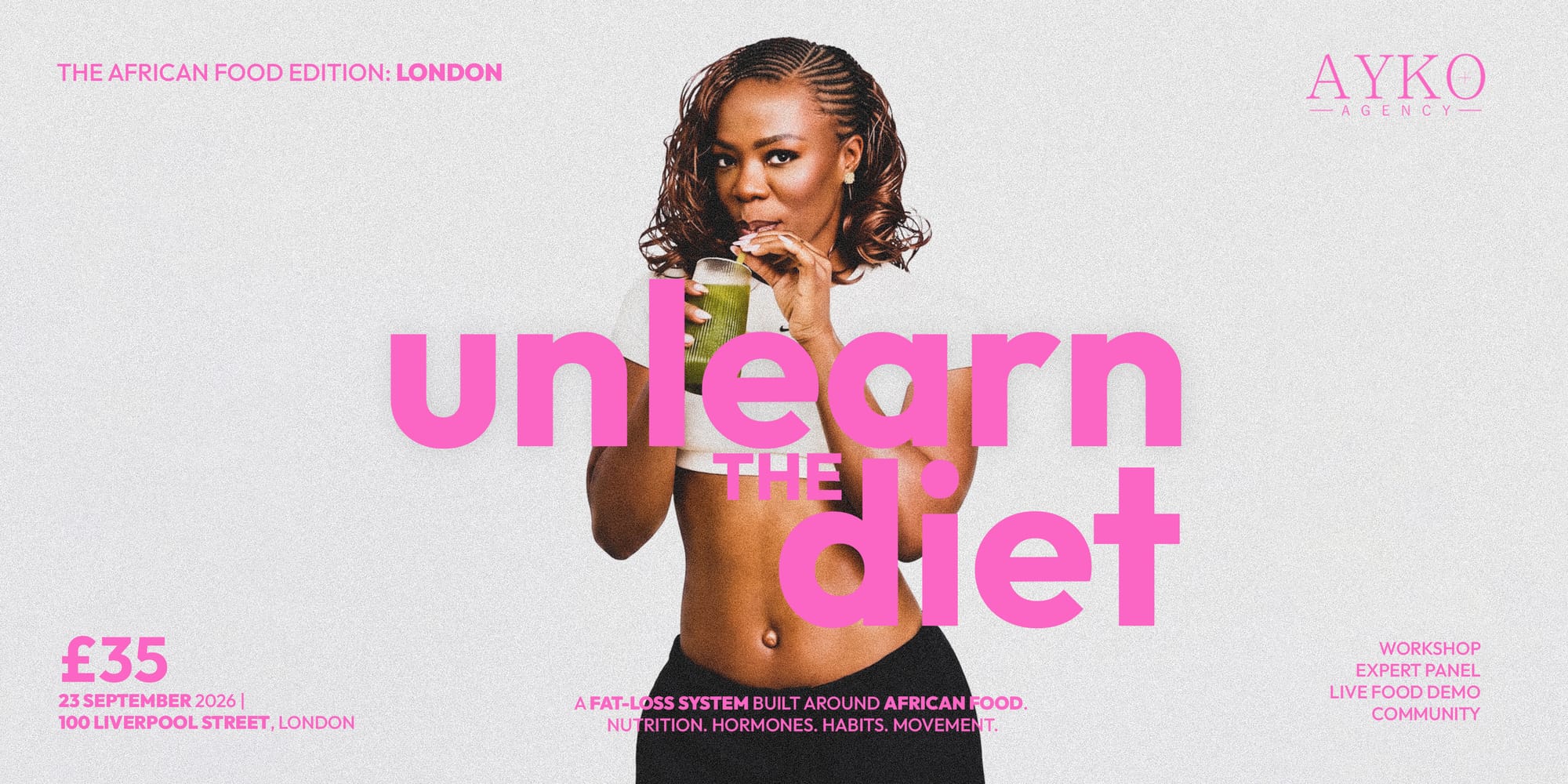
Unlearn The Diet — London, Wednesday 23 September 2026. Use code Mar25 for 25% off.



Member discussion