


This is the second in our Congo series. Read the first — 7 Things You Didn't Know Congolese Culture Gave the World — if you haven't already.
The Democratic Republic of Congo and the Republic of Congo together make up one of the most creatively abundant, culturally layered, and artistically daring spaces on the planet. The things made here have shaped global culture for centuries. The world has just had a habit of not saying so.
Congo shows up in the headline, rarely in celebration.
But here's what should make the headlines: the fact that Henri Matisse kept Congolese cloth in his studio and stared at it for inspiration. That the music playing in clubs across Nairobi, Lagos, and Paris right now has its DNA in Kinshasa. That some of the most innovative fashion designers working today are Congolese. That a beauty practice centuries old is essentially what the global wellness industry is now selling back to us at a markup.
This is Made In Congo. And there is so much more to it than you might think.
The Hands: Craft Traditions That Pre-date the West
Before we talk about anything else, we have to talk about what Congolese people make with their hands. Because long before the world discovered Congolese music, long before Paris fell in love with Congolese style, there were artisans in the Congo Basin producing work of such remarkable complexity that it stopped Western artists in their tracks and quietly rewired how they thought about form, pattern, and beauty.
The most famous of these traditions belongs to the Kuba Kingdom.
The Kuba Kingdom, established in the 17th century in what is now the Kasai region of the DRC, was one of the most sophisticated political and artistic societies in Central African history. And at the centre of its cultural life was cloth. Kuba cloth is made from the fibres of the raffia palm, woven into panels and then embroidered by hand into geometric patterns of extraordinary intricacy, and no two pieces are ever alike. Within the kingdom, these textiles weren't decorative afterthoughts; they were fundamental to how Kuba society operated. Cloth was used in legal settlements, marriage contracts, burial ceremonies, and as an annual tribute paid to the king. The most elaborate pieces were reserved for royalty.
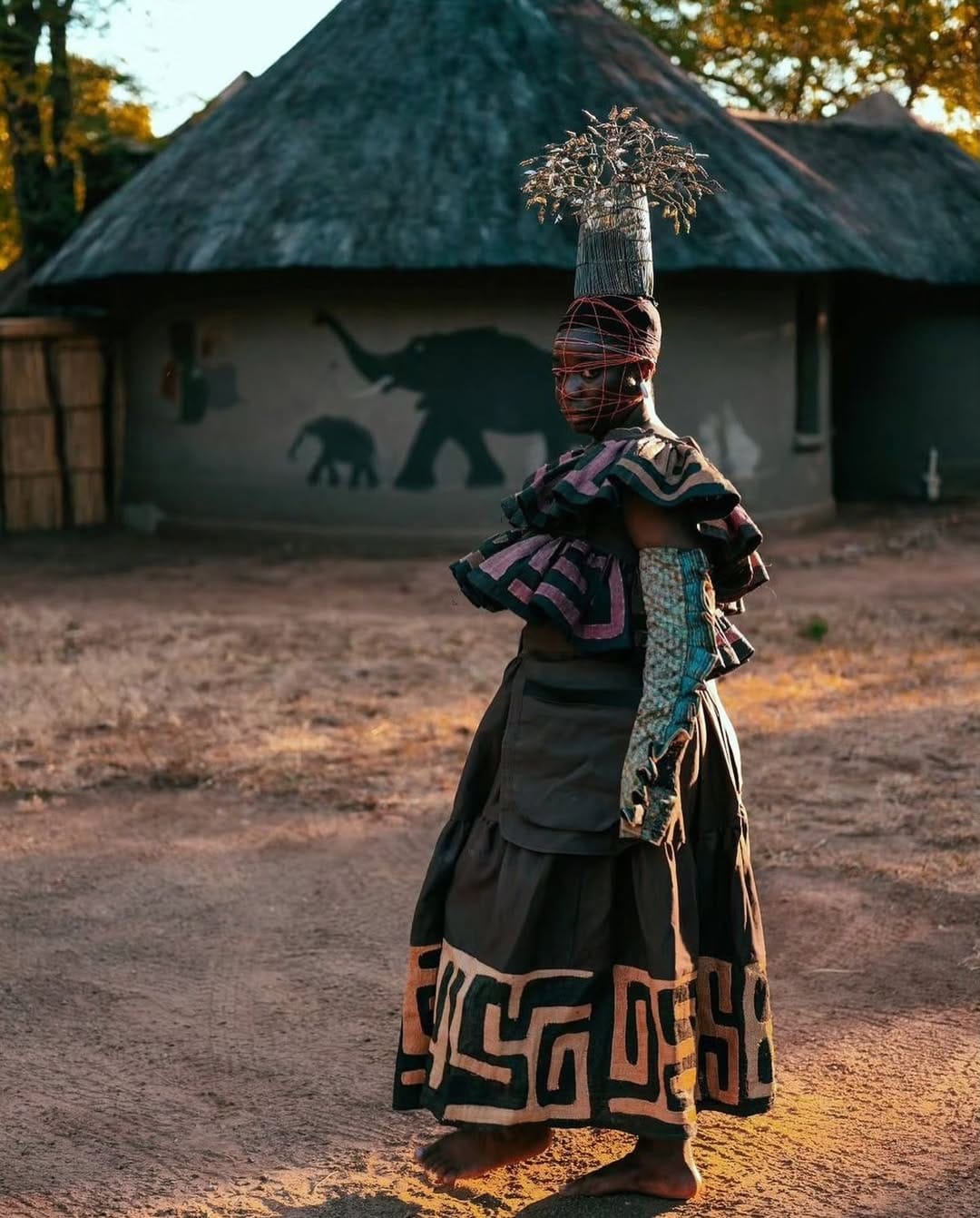
When these textiles started reaching European collectors in the late 19th and early 20th centuries, the reaction was extraordinary. Henri Matisse, one of the towering figures of modern art, kept pieces of Kuba cloth in his studio and said he would stare at them "waiting for something to come to me from the mystery of their instinctive geometry." His 1947 paper cut-out Les Velours reportedly drew on the Kuba appliqué design. Today, those geometric patterns show up in contemporary fashion collections, interior design, and modern art around the world, often without a single mention of where they came from.
Then there's the Luba Kingdom, which flourished in the southern DRC from the sixteenth to the early twentieth century and produced one of the most remarkable objects in the history of art: the lukasa, or memory board.
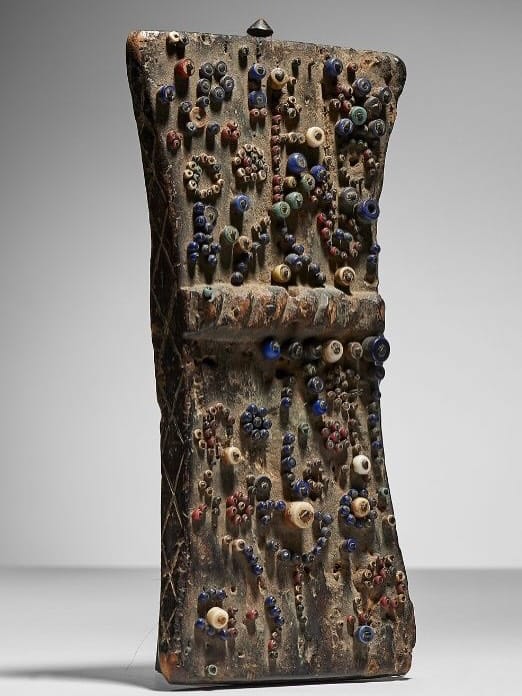
The lukasa is a hand-held wooden tablet covered in beads, shells, and metal, and it is, essentially, a data storage device. Members of the elite Mbudye Society, the council charged with preserving Luba history and political knowledge, used the lukasa as a mnemonic device — the configurations of beads encoding complex oral histories, migration stories, genealogies, and political systems. Reading a Lukasa required years of training. Each one was unique. The most important function of the lukasa was to serve as a memory aid that described the origins of the Luba empire, including the names of the entire royal line. It was an archive, a chronicle, and a piece of sculpture all at once.
What strikes you about both the Kuba cloth and the lukasa is the same thing: in Congo, craft was never just craft. It was philosophy, governance, history, and identity, made physical.
The Sound: How Kinshasa Became a Music Capital
We told part of this story here: the origins of Congolese rumba, its UNESCO recognition, the birth of soukous, and the spread of Lingala. But we want to go a little deeper here, because what happened musically in Kinshasa and Brazzaville across the 20th century wasn't just the birth of a few genres. It was the construction of an entire music industry, built largely from scratch, in a city that had every reason not to bother.
Kinshasa was Africa's undisputed musical heart for much of the 20th century, pumping out an endless flow of dance music and great bands. Each generation brought its own style, but all of it flowed from that foundational Congolese energy: call-and-response vocals, intricate electric guitar work, the sebene break that made crowds lose their minds. When Afro-Cuban music reached the Congo in the 1930s and 1940s via radio, Congolese musicians didn't copy it; they absorbed it, stripped it back to its roots (which were African to begin with), and rebuilt it as something entirely their own.
Papa Wemba - Yolele via musique243
The giants were enormous. Franco Luambo Makiadi and his TPOK Jazz dominated Congolese music for over 20 years. Tabu Ley Rochereau brought a softer, more romantic edge and became one of Africa's most beloved voices. By the 1980s, a new wave of musicians who had come up through Zaïko Langa Langa — bands like Choc Stars and Papa Wemba's Viva La Musica — dominated Kinshasa's cultural scene. When political upheaval pushed many musicians abroad, they took the sound with them. Paris became a major hub for soukous, where Congolese musicians fused their rhythms with European and Caribbean influences, and the music spread even further.
Today, the lineage continues. Fally Ipupa — the "Prince of Rumba" — has built one of the most remarkable careers in African music, blending traditional Congolese rumba with contemporary pop and R&B and finding major commercial success across Africa and France. His fourth studio album Tokooos was certified platinum by French music authorities, making him one of the first Kinshasa-based Congolese solo artists to achieve that distinction.
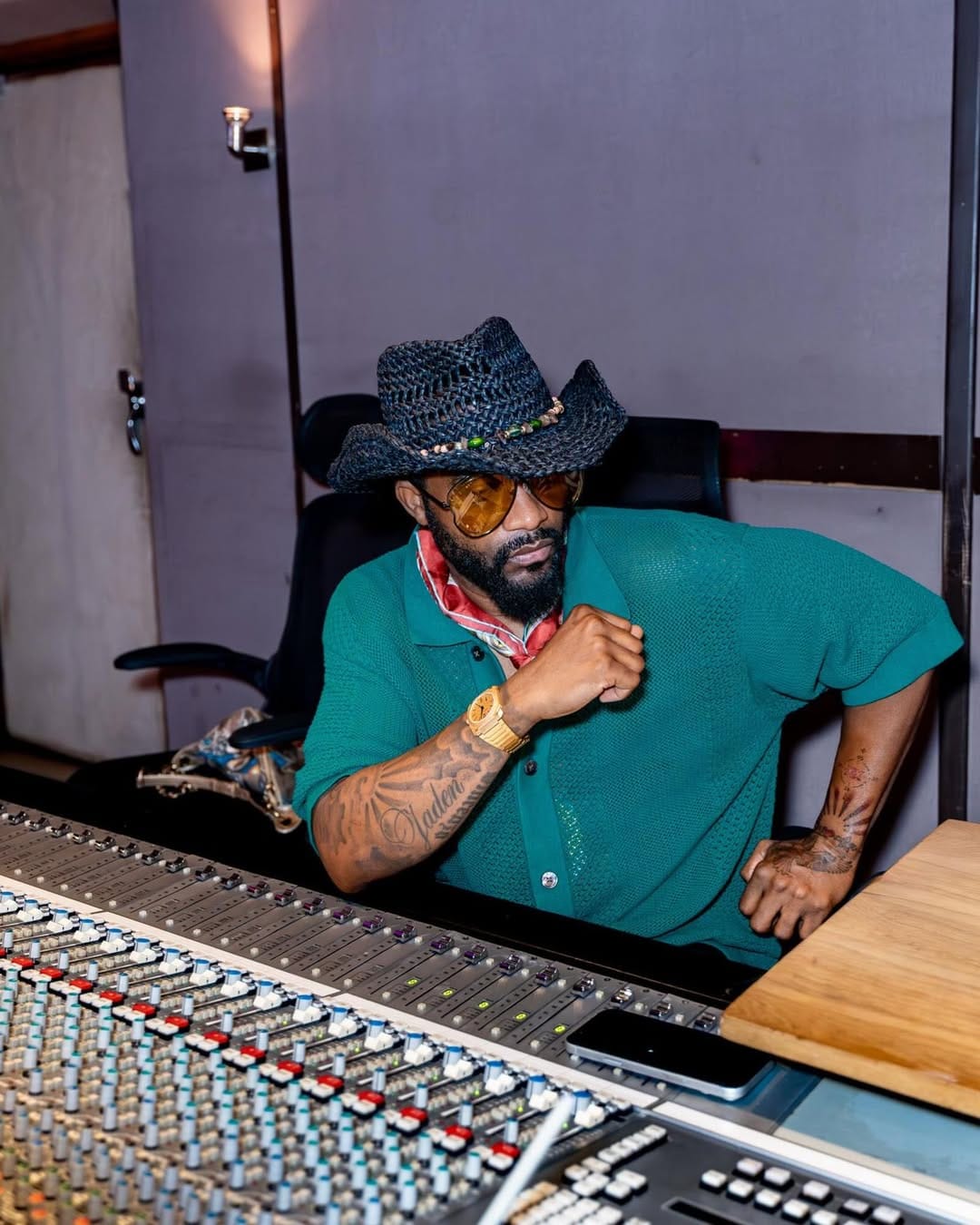
Then there is Innoss'B, who rose from the Birere neighbourhood of Goma to become one of the most sought-after stars on the continent, fusing soukous with Afrobeats and electronic influences while singing in Lingala, Kiswahili, and English. The music has never stopped evolving, and it has never stopped travelling.
The Look: Fashion as a Way of Life
There is no conversation about Congolese culture without La SAPE. And there is no way to explain La SAPE quickly, because it is not, at its core, about clothes. It's about dignity.
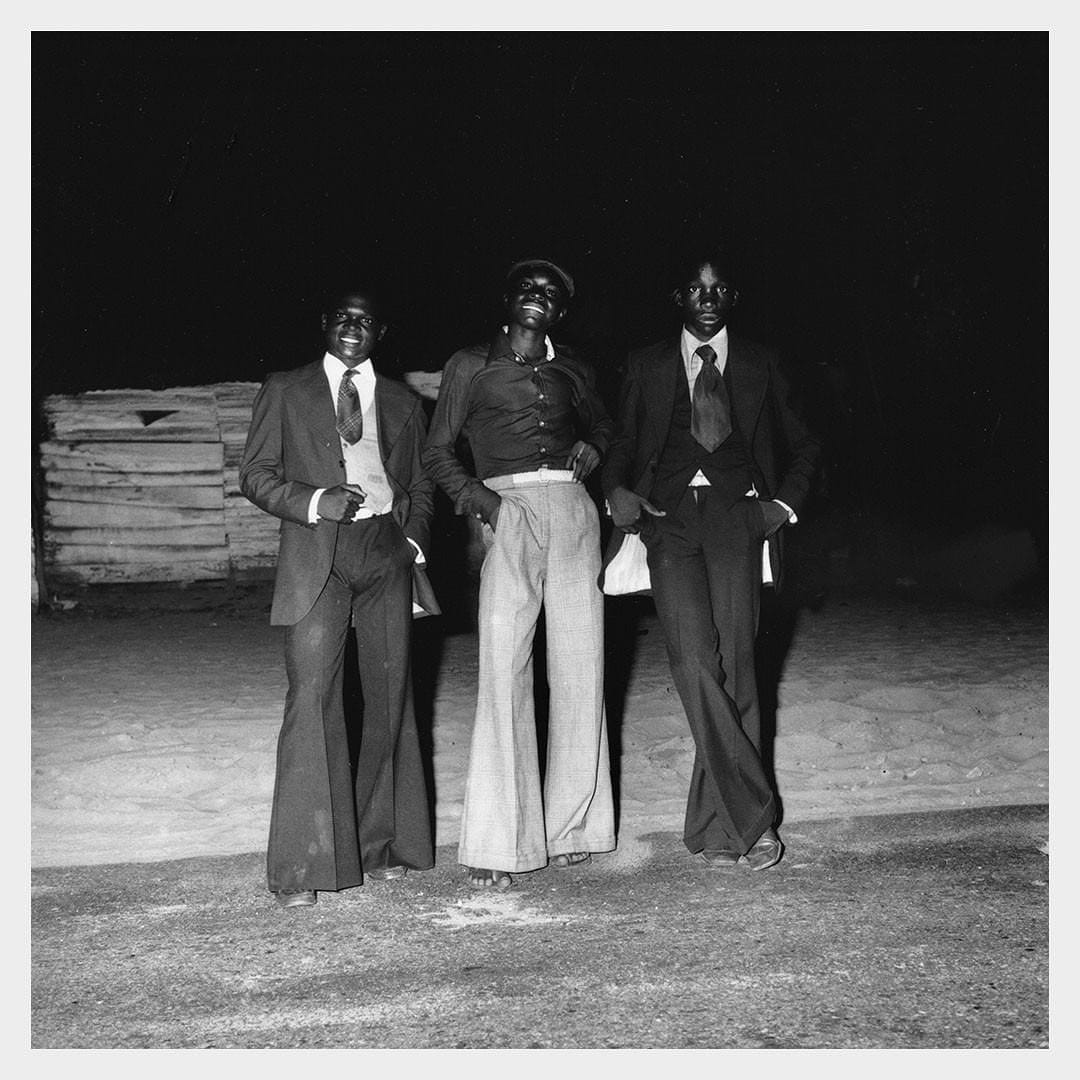
La SAPE — Société des Ambianceurs et des Personnes Élégantes — first emerged under colonial rule in Brazzaville, when young Congolese began adopting and reinterpreting the clothing style of their colonisers. By appropriating the suit, the Sapeur wasn't aspiring to whiteness; they were taking the most loaded symbol of colonial power and making it ridiculous, then beautiful, then theirs. As early as 1910, the sape was already in full bloom in Brazzaville, observed and complained about by colonial administrators who didn't quite understand what they were looking at. They were looking at resistance.
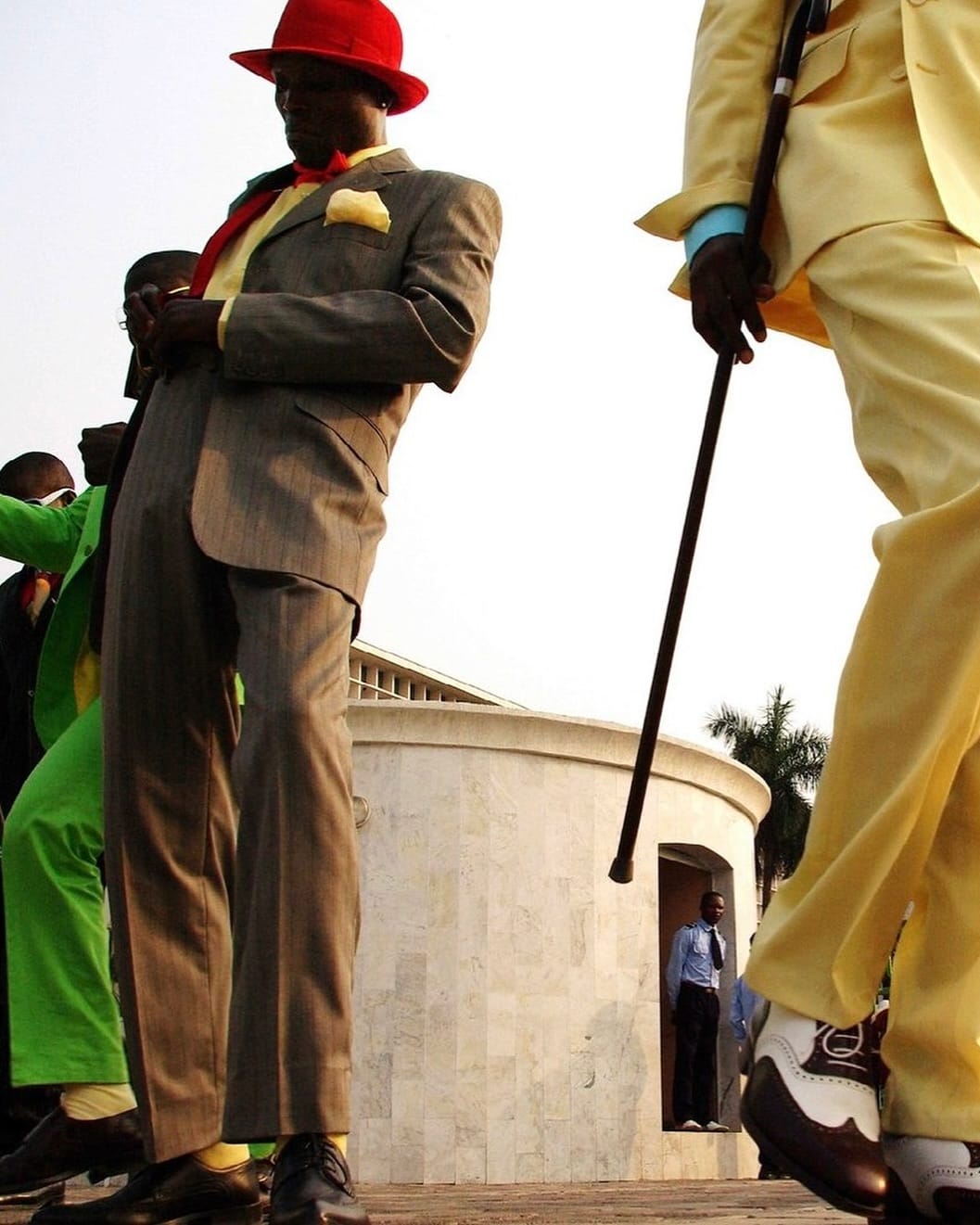
The philosophy of the Sape, Sapology, is strict and deliberate. It is built on several fundamental principles: an expression of identity, the quest for excellence, and cultural and social resistance. A Sapeur must be impeccably dressed, yes, but also non-violent, generous, and composed. The gait is slow, deliberate, and theatrical. The street is a stage. Under Mobutu Sese Seko, who banned Western suits in favour of traditional dress, the Sapeurs were persecuted for their style choices, and they kept dressing up anyway. That is what the Sape has always been: the decision to remain elegant regardless of what the world throws at you.
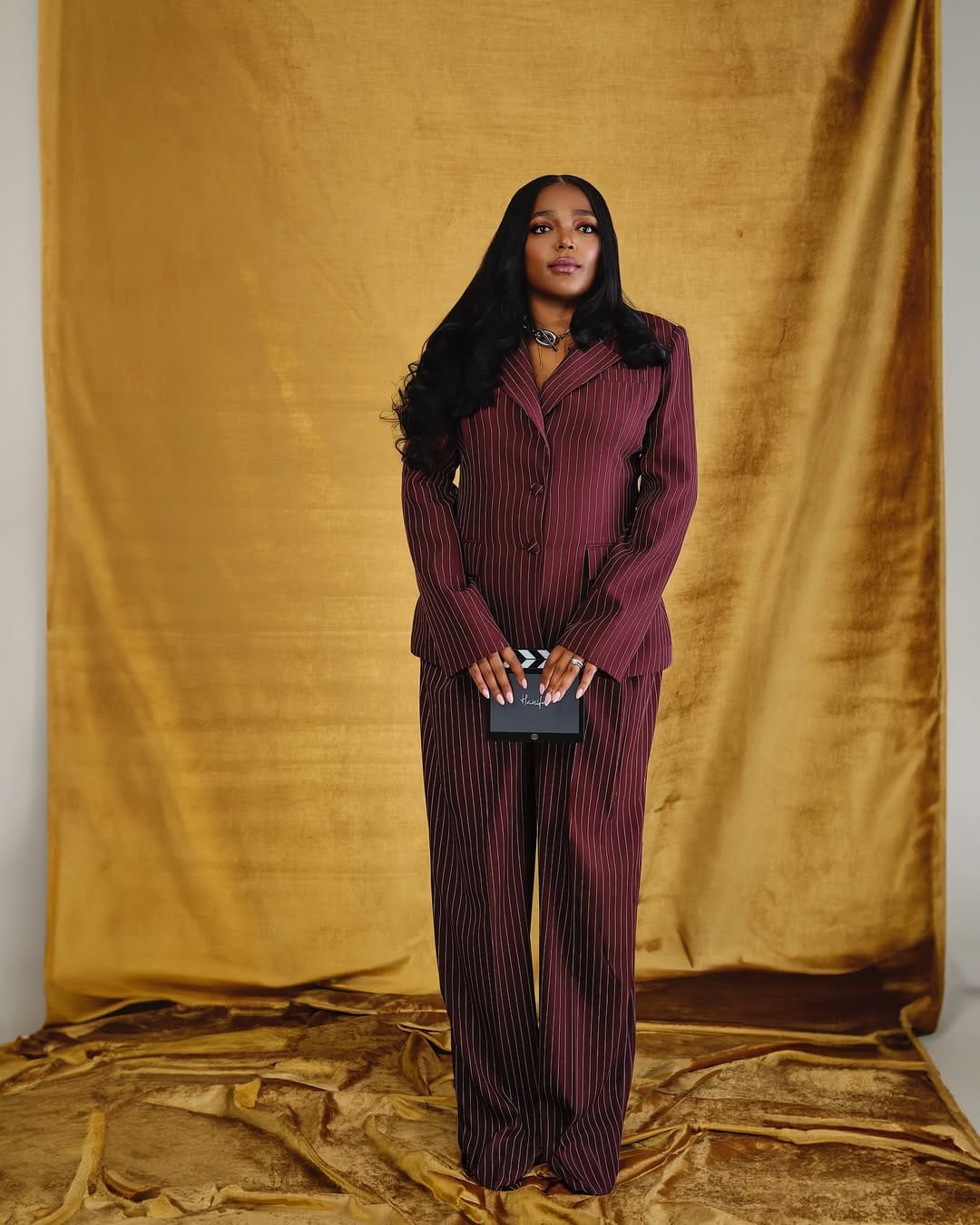
The Sape's influence on global fashion is well-documented. Images of Sapeurs have inspired designers, including London's Paul Smith and Balmain's Olivier Rousteing. But beyond the movement itself, Congolese designers are building something lasting. Laëtitia Kandolo, Congolese-born, Paris-raised, has worked as a stylist on tours for Kanye West, Rihanna, and Madonna, and launched her label Uchawi (the Swahili word for magic) as a direct tribute to Kinshasa, using the patterns and colours she associates with the city's traditions. Then there is Anifa Mvuemba of Hanifa — Congolese-American, self-taught, entirely self-funded — who in May 2020 staged a virtual fashion show on Instagram Live featuring floating, headless 3D models wearing her Pink Label Congo collection, an homage to the women of the DRC. The fashion industry declared her a trailblazer. In 2021, she received the CFDA/Vogue Fashion Fund award.
That, too, is a very Congolese story.
The Body: Beauty as Knowledge
The ingredients and rituals now ‘sold’ at a premium; the plant oils, the intentional cleansing practices, the multi-step care routines, have been part of Congolese women's daily lives for generations. Long before "A-Beauty" became a marketing category, Congolese women had a beauty practice.
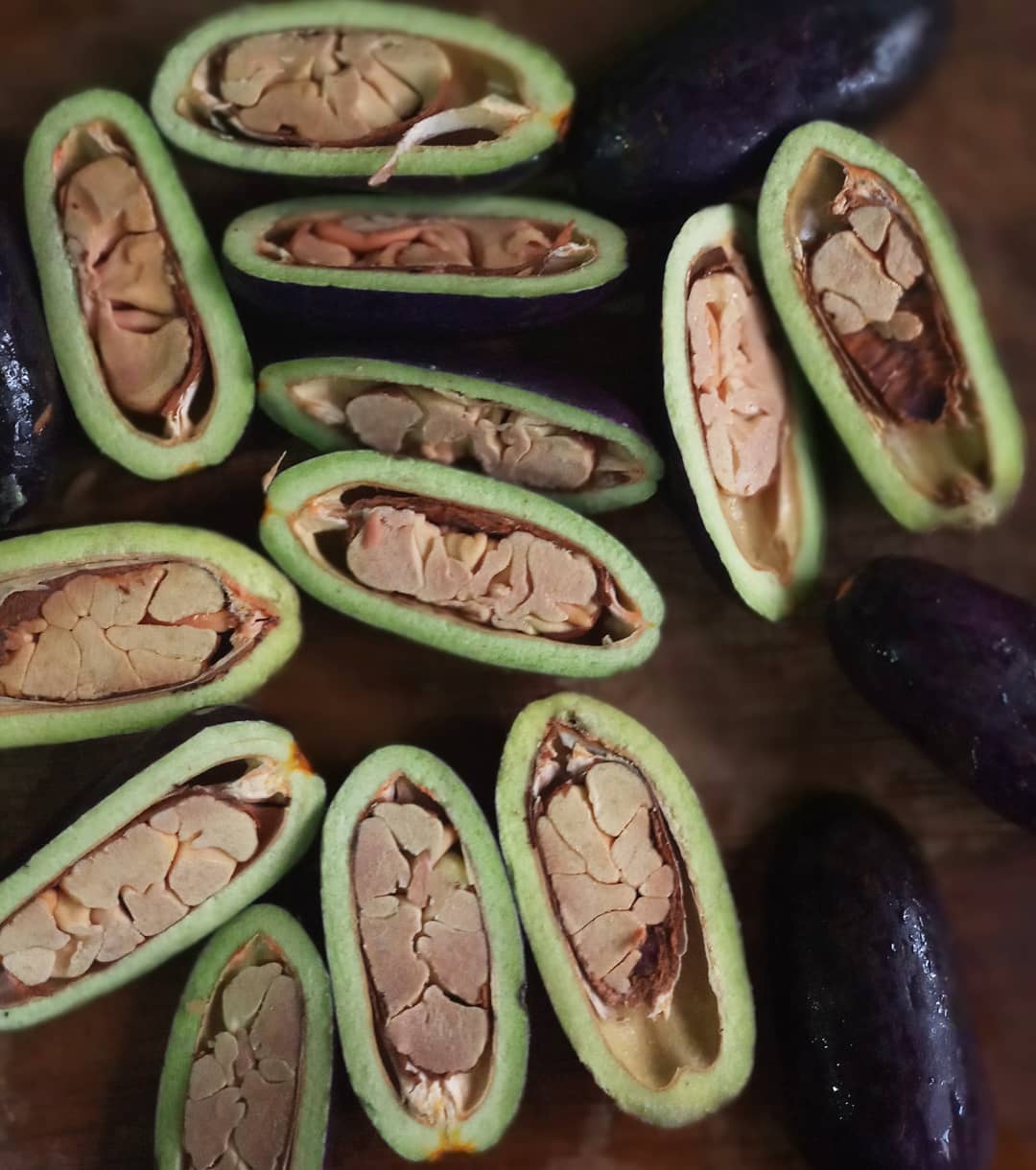
Across the Congo Basin, skincare was never separate from wellness. In the Congo, fruits like sugar cane and Safou have long formed the base of many women's beauty and skincare routines, prized for their alpha hydroxy acids that reduce blemishes and maintain smooth skin. Palm oil, used across Central Africa for centuries, is a deeply nourishing emollient rich in vitamins A and E. These weren't products; they were knowledge, passed from mother to daughter, embedded in daily ritual.
In many African traditions, skincare is not merely about beauty but about well-being and connection to ancestry. The act of caring for your skin was also an act of community, of memory, of honouring the body as something sacred. These aren't abstract concepts from another era; they're lived practices, alive today in kitchens and bathrooms across Kinshasa, Brazzaville, and in the Congolese diaspora in Brussels, Paris, and London.
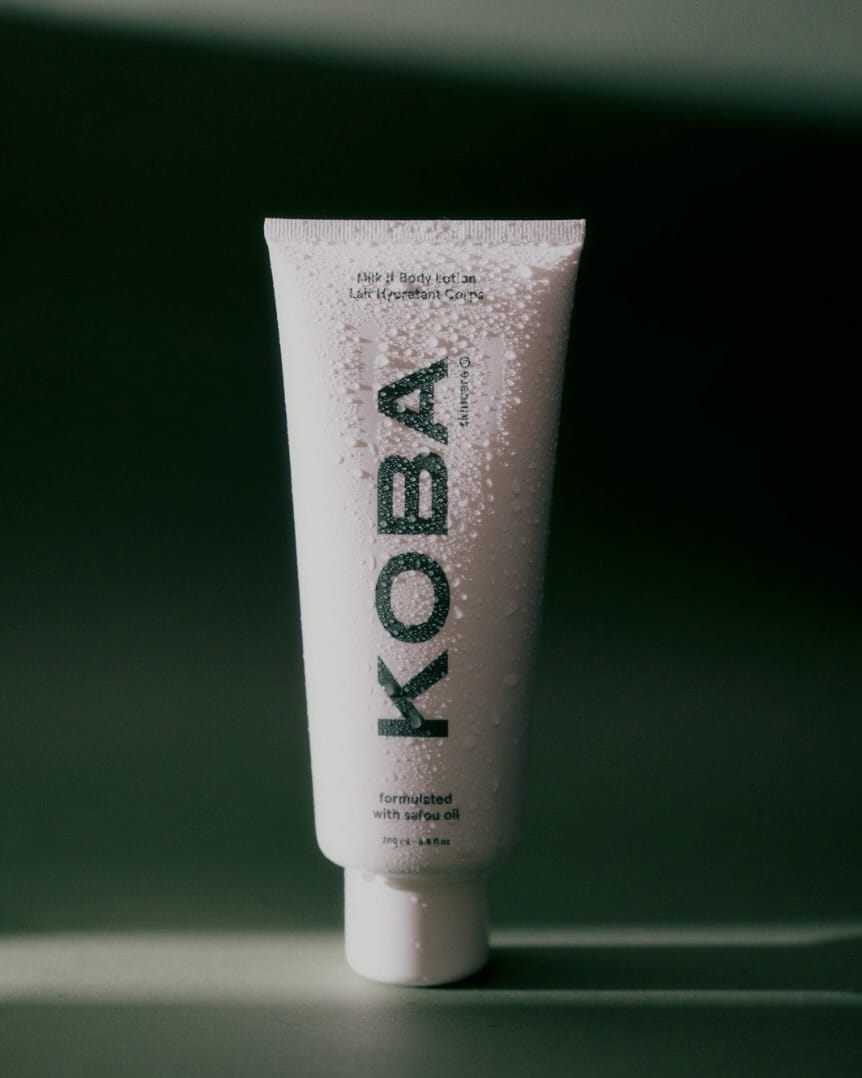
What modern beauty brands are increasingly reaching for, plant-based ingredients, ritual-driven routines, the idea that skincare should feel meaningful rather than mechanical, Congolese women have been practising all along. The terminology is new. The knowledge isn't.
What "Made In Congo" Really Means
A place of extraordinary making. Of cloth woven to encode identity and power. Of memory boards that held entire empires in their beads. Of music that started in Kinshasa and ended up filling dancefloors on three continents. Of style elevated into philosophy. Of skincare knowledge carried quietly across generations. Of designers building global labels from the ground up with nothing but talent and nerve.
"Made In Congo" is a reminder that for centuries, this place has been giving the world things it didn't fully acknowledge. Africa Day is a good moment to say it. And to say it loudly: a great deal of what the world considers beautiful, rhythmic, elegant, and alive has Congolese fingerprints on it.
We think it's time more people knew that.
This is the second article in our Congo series. Read the first here.

Member discussion