


This is the first in our Congo series. Read the second— Made In Congo: The Art, Sound, and Style That Deserve Far More of Your Attention — if you haven't already.
Introduction
When people think of global cultural powerhouses, the Congo doesn't always get the first mention. But it absolutely should. The Democratic Republic of Congo and the Republic of Congo together have shaped music, art, fashion, language, science, technology, and more in ways that most of the world doesn't even realise.
Here are 7 incredible things Congolese culture gave the world; and the world really should be saying thank you.
Congolese Rumba
Most people think of rumba as Cuban. And yes, Cuba did develop its own version of rumba, but its roots reach back to Central Africa, specifically to the Kongo people of present-day DRC and the Republic of Congo.
When enslaved Africans were taken to Cuba, they carried their musical traditions with them, and over time those rhythms mixed with Spanish influences to create what the world now calls Cuban rumba. In the 1940s and '50s, that music sprung back to Africa through the radio, and Congolese musicians made it their own. They slowed it down, added electric guitars, call-and-response vocals, and the sebene, and made it something new.
Legendary artists like Franco Luambo Makiadi and Tabu Ley Rochereau brought this sound to millions worldwide, and in 2021, UNESCO formally recognised Congolese Rumba as an Intangible Cultural Heritage of Humanity.
Soukous
Soukous emerged in the 1960s and exploded through the 1970s and '80s. It took the rumba blueprint and supercharged it with faster tempos, cleaner guitar work, and incredibly smooth, choreographed dancing that made it irresistible.
Artists like Papa Wemba, Kanda Bongo Man, and Pepe Kalle carried soukous out of Kinshasa and Brazzaville into Paris, Brussels, London, and eventually the world. Paris, which is home to a large Congolese diaspora, became a second capital of soukous in the 1980s, and from there the music spread even further.
La SAPE
Picture a man in one of the world's poorest urban neighbourhoods, stepping out in a perfectly pressed Yves Saint Laurent suit, a colourful pocket square, two-tone Oxford shoes, and a bamboo cane. This is a Sapeur, and it’s one of the most fascinating cultural phenomena on the planet.
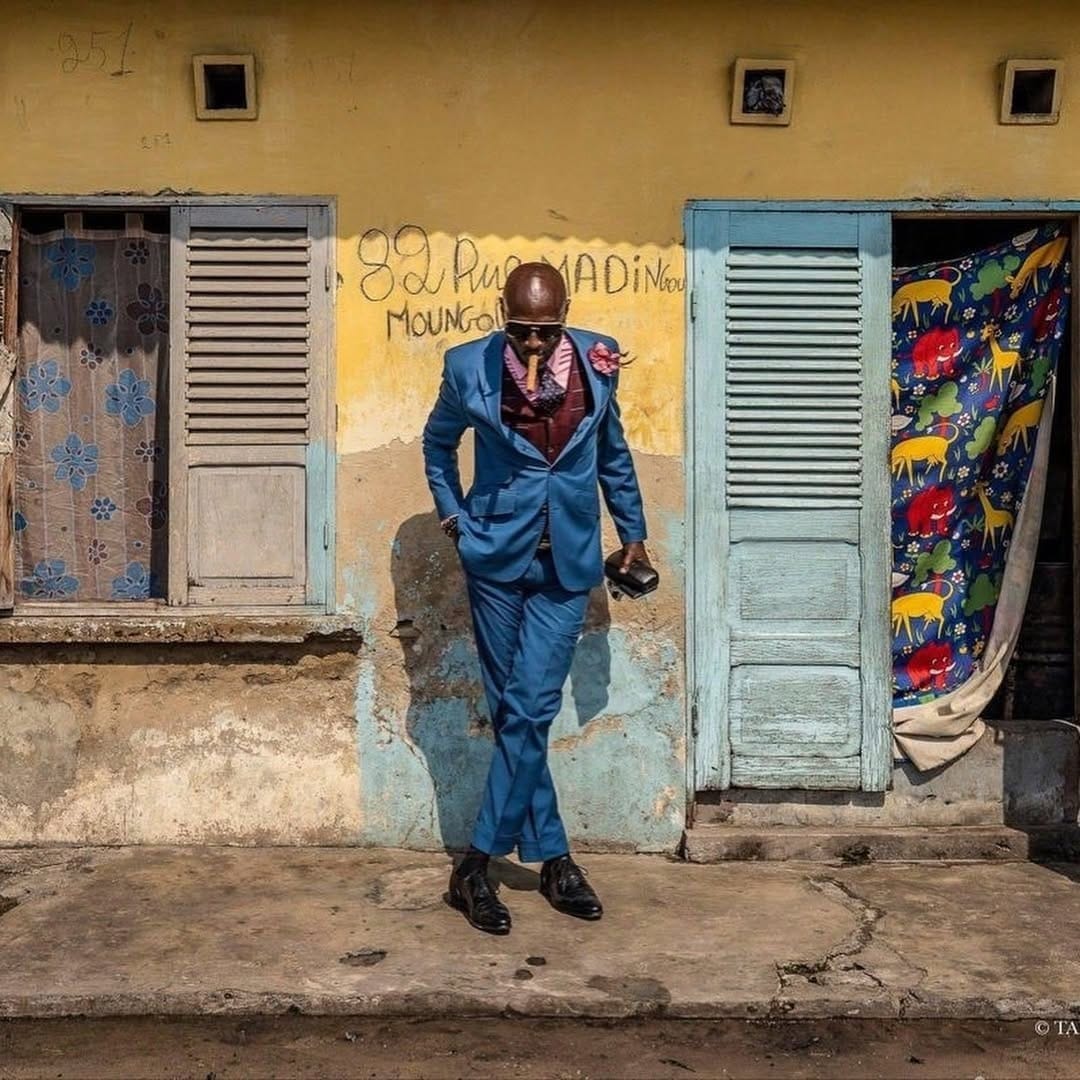
La SAPE stands for Société des Ambianceurs et des Personnes Élégantes, which is loosely translated as "the Society of Tastemakers and Elegant People,” and it originated in Congo-Brazzaville and Kinshasa in the early 20th century. The sapeurs follow a strict philosophical code called Sapology. This includes non-violence, impeccable grooming, a specific rhythmic way of walking, and sophisticated, respectful manners.
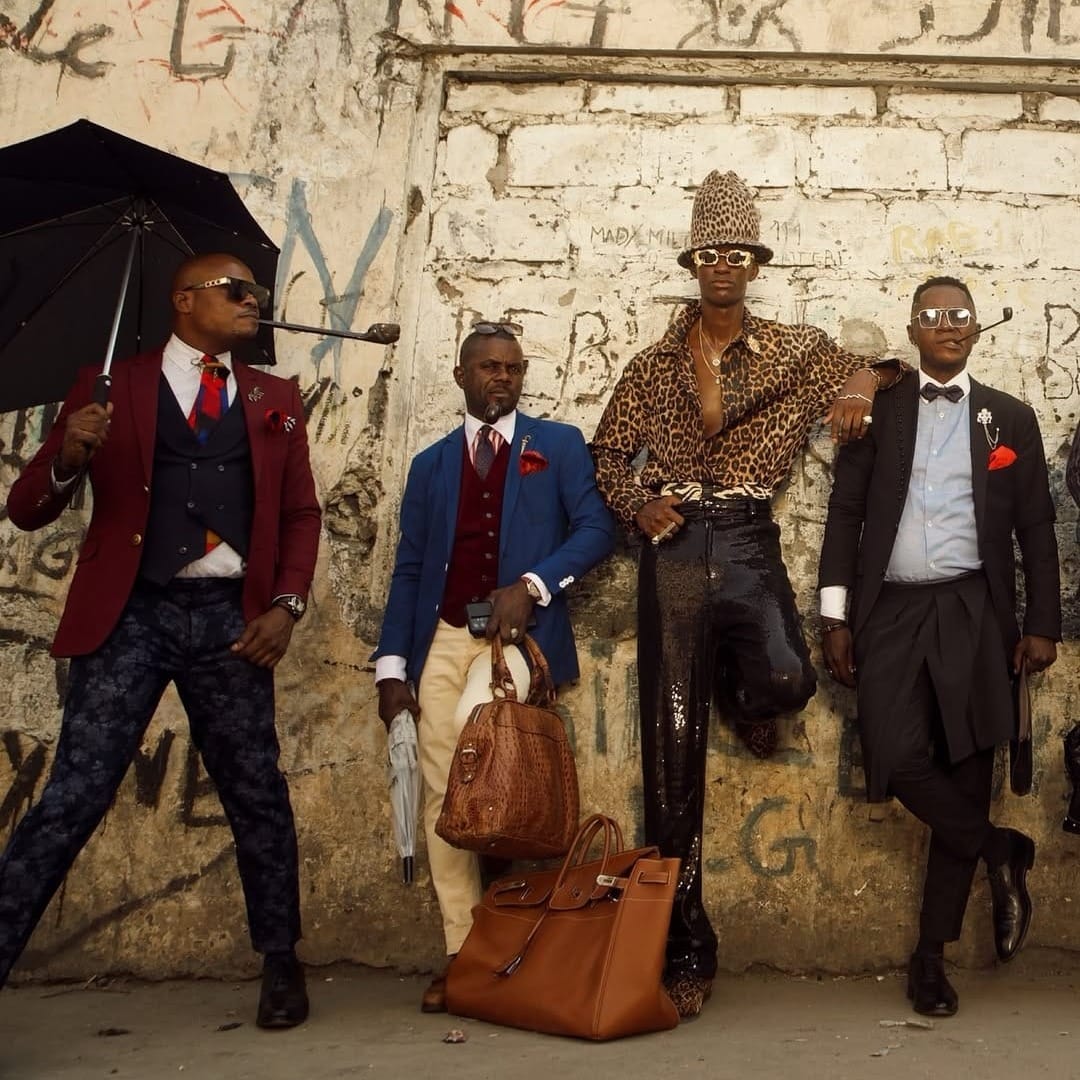
In recent years, the Sapeur aesthetic has broken into mainstream global culture in a big way, it’s been documented in fashion spreads, documentaries, and exhibitions in cities worldwide. Solange Knowles even channelled Sapeur energy in her visuals. It has and continues to influence high fashion, music, style and identity.
Kuba Textiles
In the heart of what is now the Democratic Republic of Congo, the Kuba Kingdom built one of the most sophisticated artistic traditions the African continent has ever produced, and their textiles changed the course of Western art.
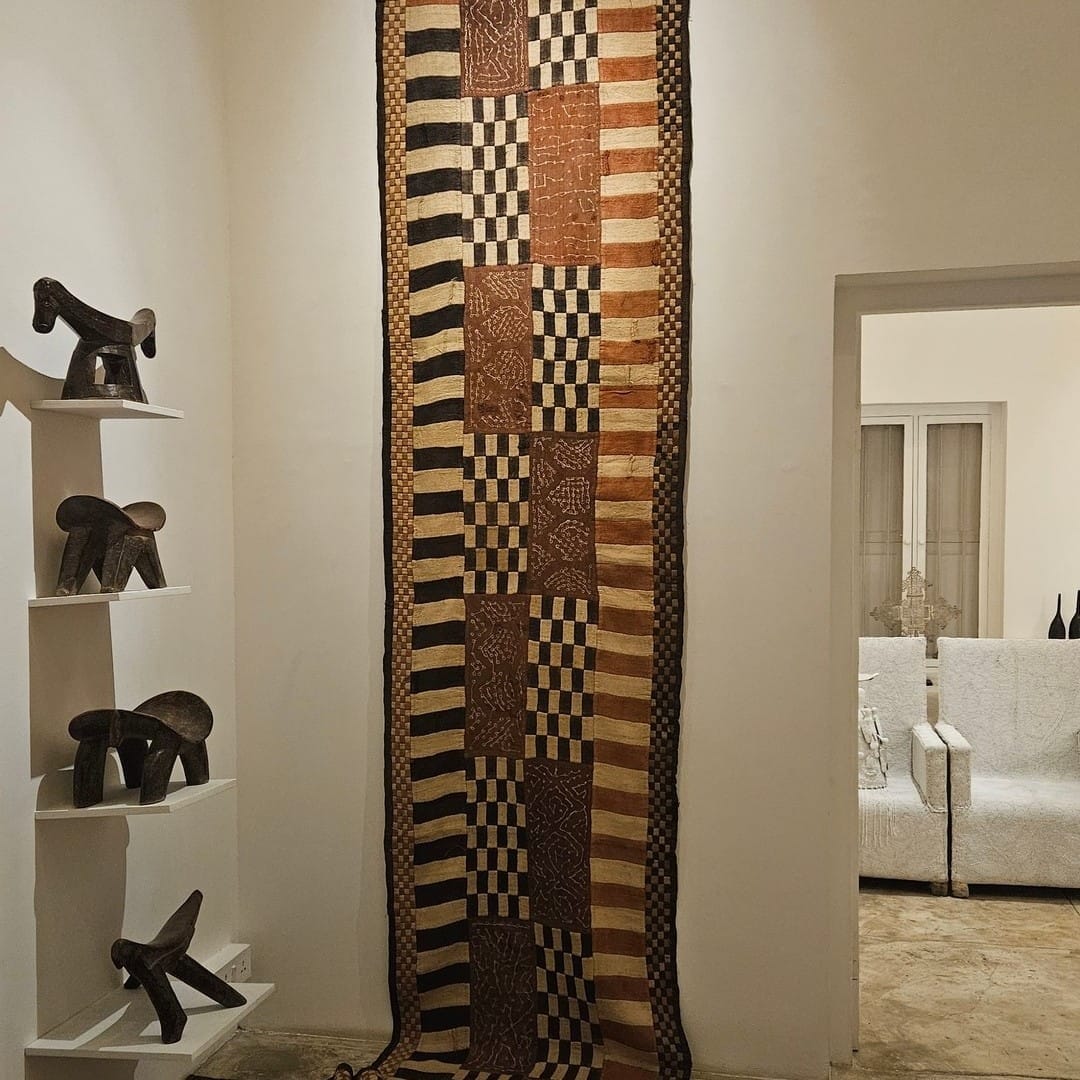
Kuba cloth is made from the fibres of the raffia palm, woven and then embroidered with complex geometric patterns. No two pieces are alike. Kuba weavers, including women who did the embroidery, were considered highly skilled artists and their work was used in royal ceremonies, worn by kings, and traded across the region.
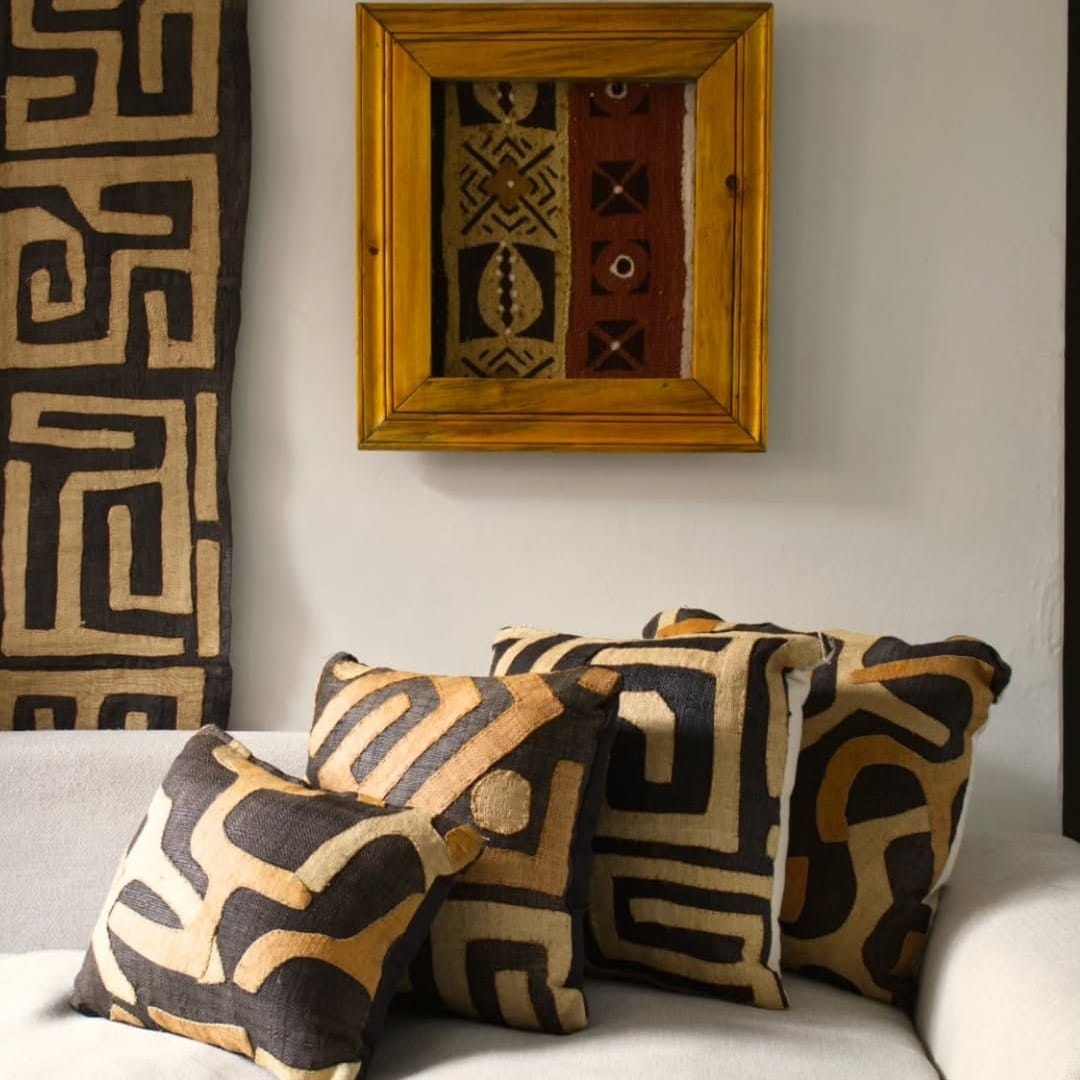
When Kuba cloth reached European artists in the late 19th and early 20th centuries, the reaction was electric. One example, Henri Matisse, one of the greatest artists of the modern era, was influenced by Kuba geometric designs, owned several pieces, and even drew on their patterns in his work. Today, Kuba-inspired patterns are used in contemporary fashion, interior design, and art around the world.
Lingala
Languages travel, but few travel quite as fascinatingly as Lingala. Lingala originated in the Congo River Basin in the 19th century as a trade language, like a creole of sorts, built from several Bantu languages along the river, refined and then spread by traders, missionaries, and later the colonial administration.
Today, Lingala is spoken by an approximate total of 40 million speakers across the DRC, Republic of Congo, Uganda, Central African Republic, and beyond, and is one of the four national languages of the DRC.
But Lingala didn’t just become a national language, it became a cultural phenomenon. Because the Congolese music that swept Africa, thanks to artists like Koffi Olomidé and Fally Ipupa, was almost always sung in Lingala, the language spread with the music. You could be in Nairobi, Lusaka, or Kampala without understanding a word of Lingala, and still know the chorus of a soukous song.
The Minerals Powering Your Tech
This one isn't about art or music. But it might be the most immediate connection between the Congo and your daily life. Right now, the device you're reading this on, whether it's a smartphone, a laptop, or a tablet, almost certainly contains minerals that came from the Democratic Republic of Congo.
The DRC sits on one of the richest mineral deposits on Earth, and two of those minerals are essential to the modern tech industry. Cobalt, the first, is a critical component in the lithium-ion batteries that power every smartphone, laptop, and electric vehicle on the planet. Coltan is the second, and it’s processed into tantalum, a material used in the tiny capacitors found in virtually every piece of consumer electronics.
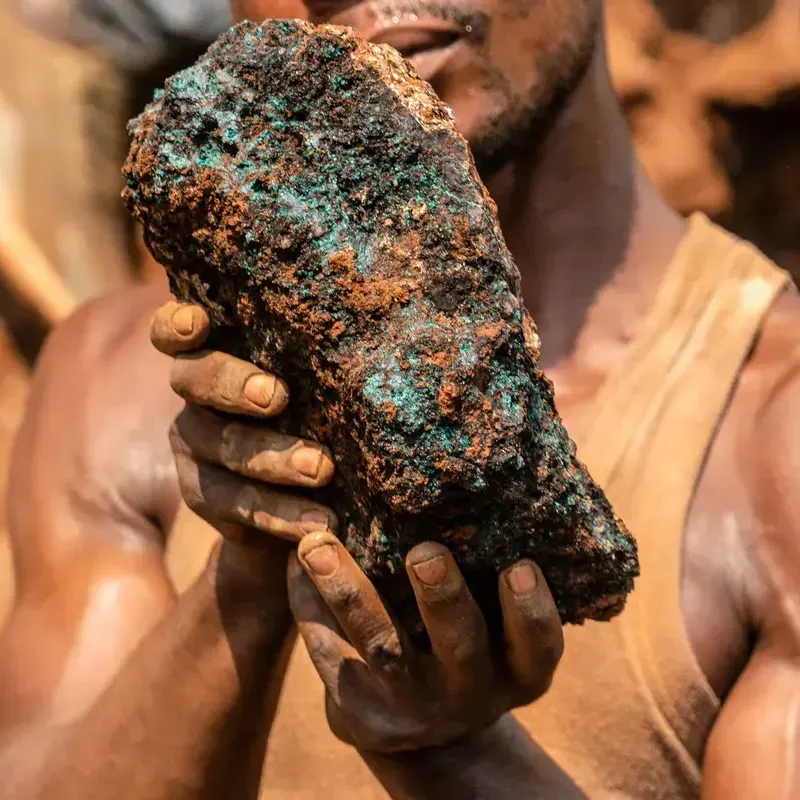
Unfortunately, even though the Congo holds the raw materials inside the phones used to stream Congolese music, scroll past Sapeur fashion posts, and read articles exactly like this one, the Congolese communities that live on top of these resources have seen very little of the enormous wealth generated by them.
The Marimba
The marimba is the national instrument of Guatemala and a big part of the musical identity of Mexico, Central America, and parts of South America. Orchestras around the world include it, and jazz and contemporary music players love it. But its roots are laid firmly in Central Africa, and the Congo especially, sits right at the heart of that story.
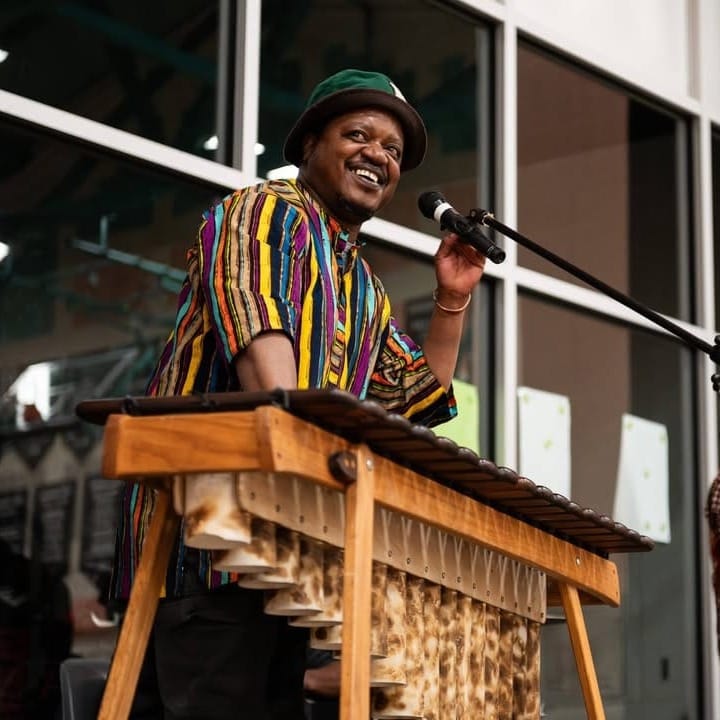
The word "marimba" itself comes from Bantu languages of Central Africa. Ma means many, and Rimba means single bar xylophone. The instrument itself was a staple of music-making across the Congo Basin for centuries before European contact.
When enslaved Africans were transported to the Americas, they carried the marimba with them. Over generations it evolved, and by the 18th century, it was flourishing across Central America. Today, the marimba's African origins are often forgotten entirely. Across Central America and in concert halls from Berlin to New York, marimbists perform without much thought to where the instrument began, but the sound is and will always be Central African at its core.
Conclusion
The Congo, in both its nations, is a place of extraordinary depth. It has the world's second largest rainforest, and is one of the most linguistically diverse populations on the planet. It has also faced immense hardship, exploitation, conflict, and poverty.
Thankfully, its culture and impact have survived. So the next time you hear a rumba solo that makes you want to move, see a geometric textile on a runway, or simply pick up your smartphone, remember that there's a real chance that somewhere along the line, the Congo had something to do with it.



Member discussion