


Introduction
You've likely seen them in Beyoncé's visuals, on the Paris and Lagos runways, and wrapped around the shoulders of some of fashion's biggest names, but those rich geometric prints, earthy mud-dyed cloth, and brilliant strips of woven colour they didn't just come from a designer's mood board. They came from centuries of African craft, culture, and storytelling.
Here are six African fabrics that have, and continue to take over global fashion, and the remarkable histories behind them.
Kente — Ghana
If you've ever seen a fabric made of brightly coloured, narrow woven strips sewn side by side into bold geometric patterns, there's a good chance you were looking at Kente.
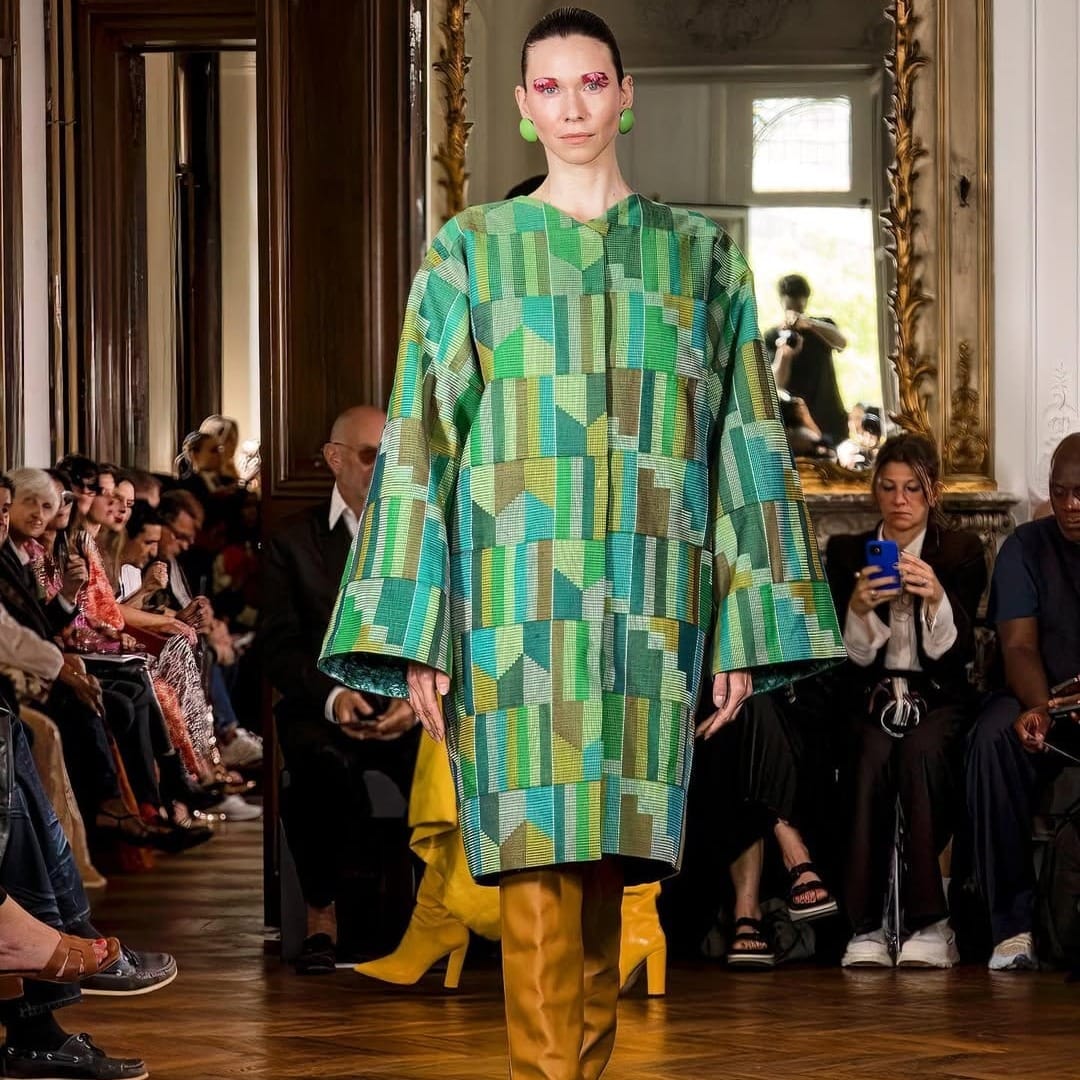
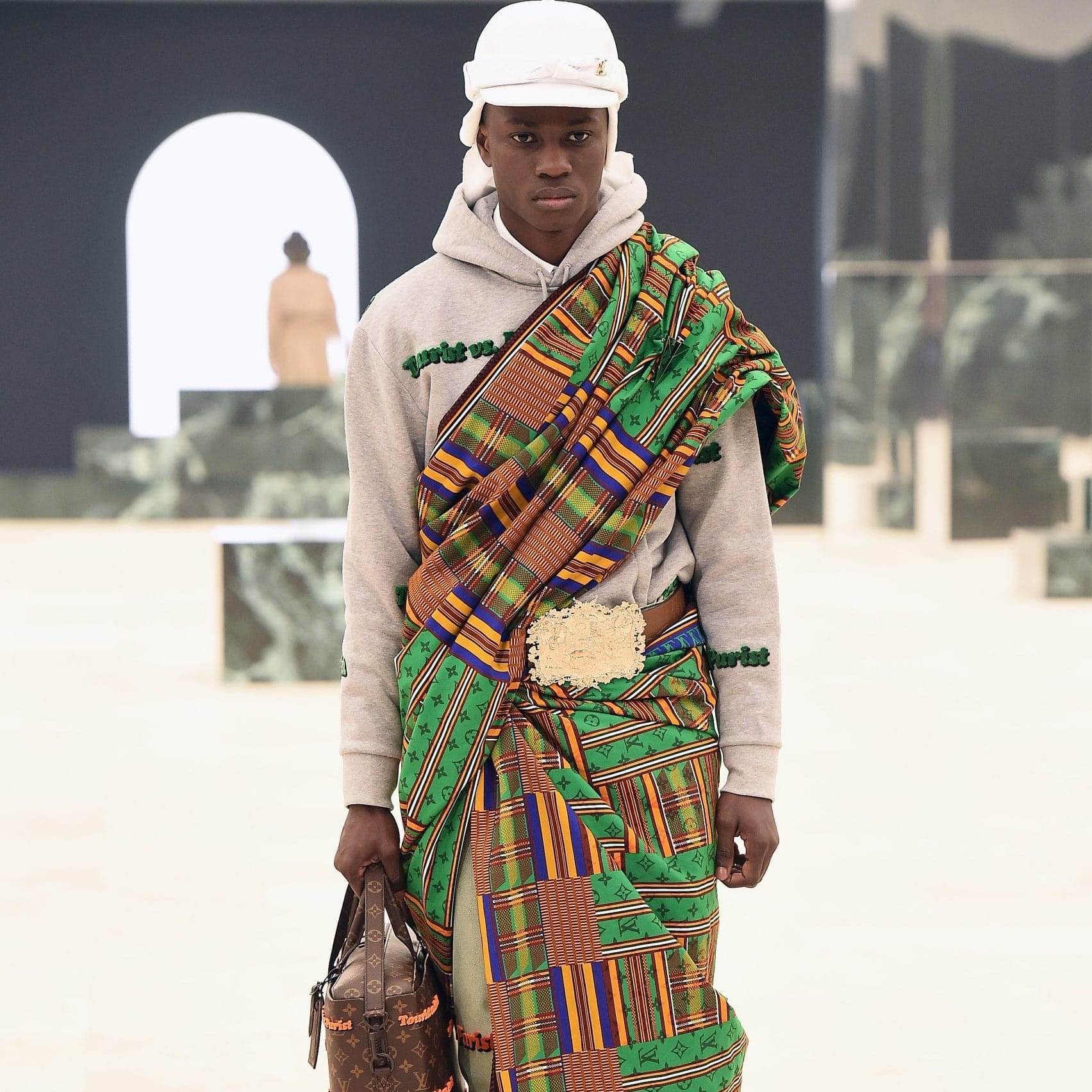
Kente originates from the Akan people of Ghana (as well as the Ewe people of the Volta Region), and its history stretches back to at least the 17th century. Legend has it that two brothers from the Asante village of Bonwire learned to weave by watching a spider spin its web, and the Kente craft spread from there. For centuries, Kente was exclusively the domain of Asante royalty.
Designers across the globe, including the late great Virgil Abloh, has referenced Kente aesthetics in work for brands like Louis Vuitton, and has appeared in collections by Ozwald Boateng and countless other African diaspora designers.
Ankara (African Wax Print) — West Africa
Here's the twist nobody talks about: Ankara isn’t technically indigenous to Africa. In the 19th century, Dutch manufacturers tried to mass-produce a version of Indonesian batik using industrial rollers, and the idea was to sell it to the Indonesian market, but Indonesia wasn't interested. So Dutch traders pivoted to West Africa, where the fabric landed so well that it became entirely woven into the fabric of the culture.
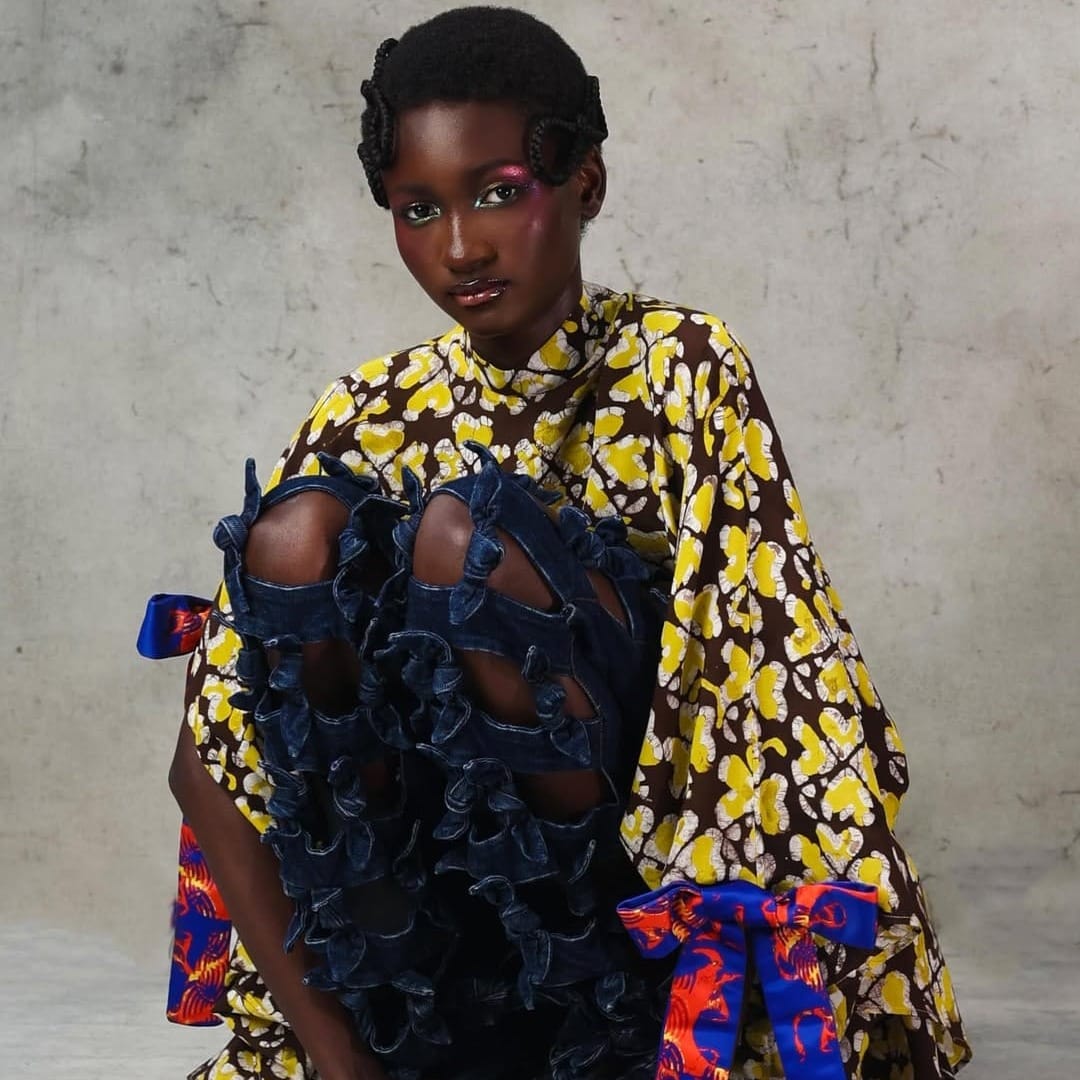
Local factories in Nigeria, Ghana, and Côte d'Ivoire eventually began producing their own versions, adding patterns inspired by local culture, proverbs, politics, and daily life, and in this way, it became one of West Africa’s most iconic textiles.
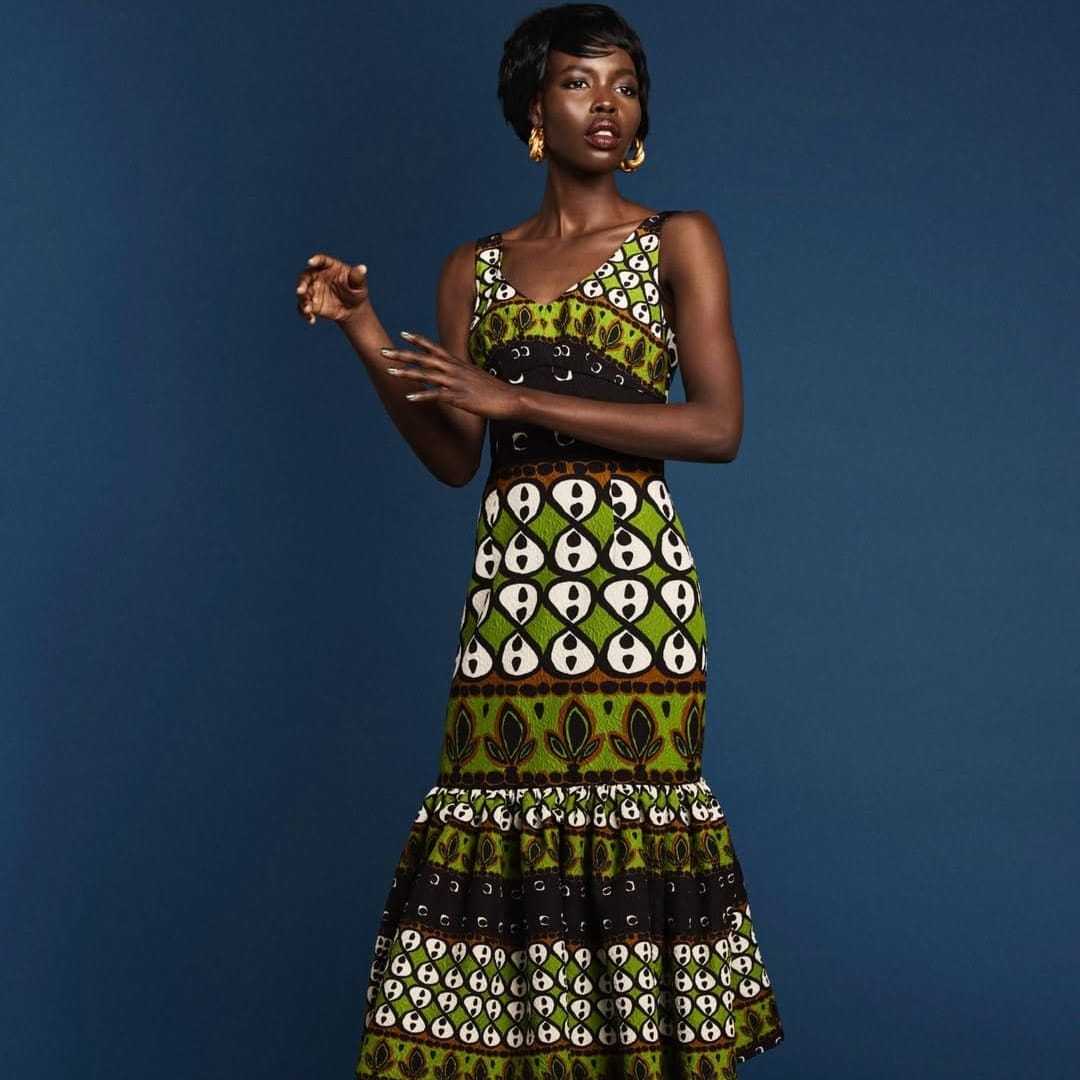
Today Ankara is produced across the continent and the world, with Dutch company Vlisco remaining one of the most prestigious producers of Ankara. Brands like Burberry and Lisa Folawiyo have also incorporated wax print fabrics into their collections. It remains one of the most commercially influential African fabrics in global fashion.
Kuba Cloth — Democratic Republic of Congo
Long before geometric abstraction became a staple of the 20th century art world, the Kuba Kingdom in what is now the Democratic Republic of Congo was producing some of the most sophisticated geometric textile art the world has ever seen.
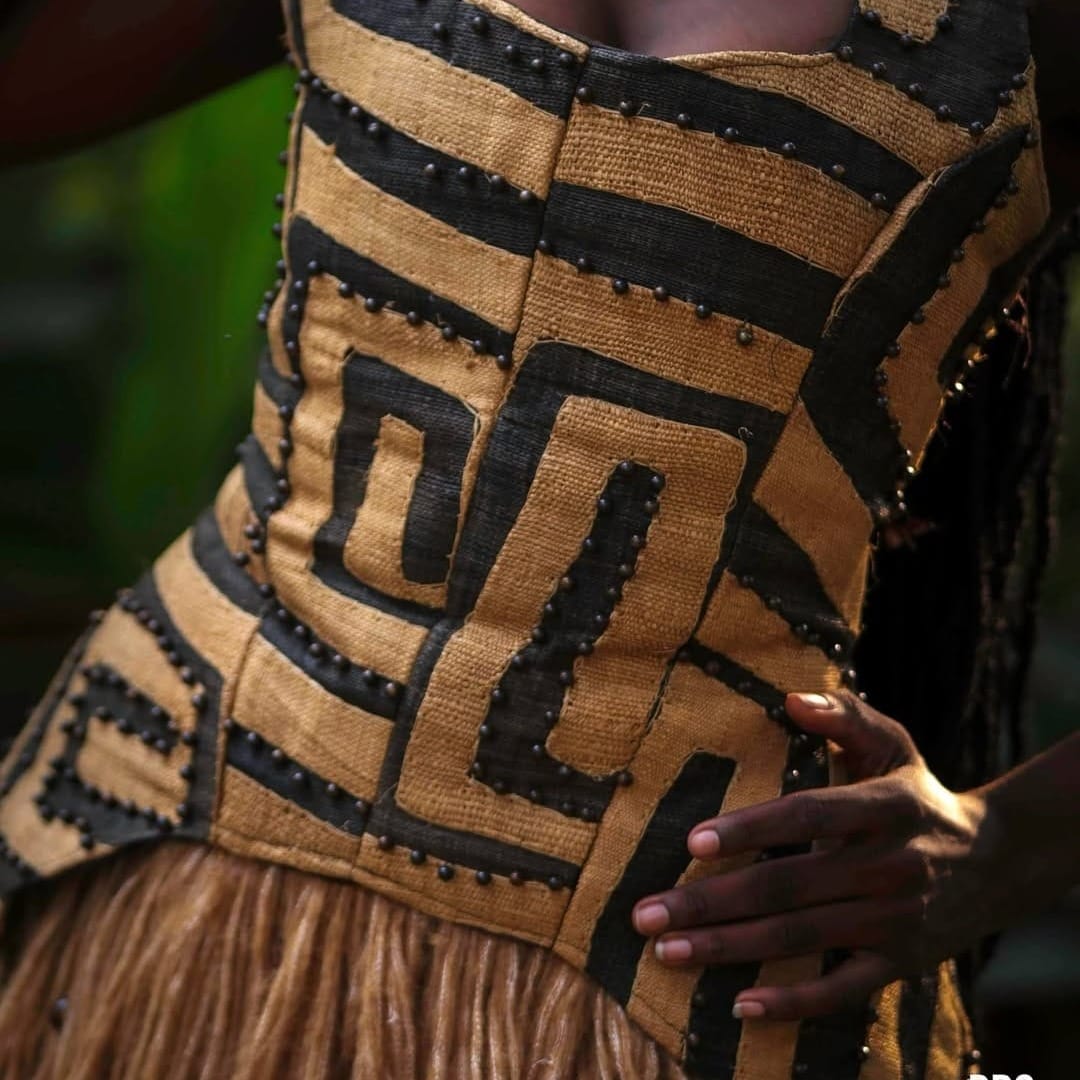
Kuba cloth is made from the leaves of the raffia palm, which are stripped, dried, and woven into a flat base fabric. It is then embroidered, and intricate patterns are cut into the surface using a technique that essentially carves patterns into the cloth with a needle, almost like sculpting.
The Kuba people believe that geometric design is sacred, and patterns are connected to the spiritual world, royal authority, and ancestral knowledge. Kuba cloth has influenced interior design, contemporary art, and luxury accessories. So much so that the Victoria and Albert Museum in London now hold Kuba textiles in its permanent collection.
Bogolan (Mudcloth) — Mali
Bogolan (also called Bogolanfini) comes from the Bamana people of Mali. The name breaks down simply: bogo means earth or mud, lan means with, and fini means cloth; cloth made with earth.
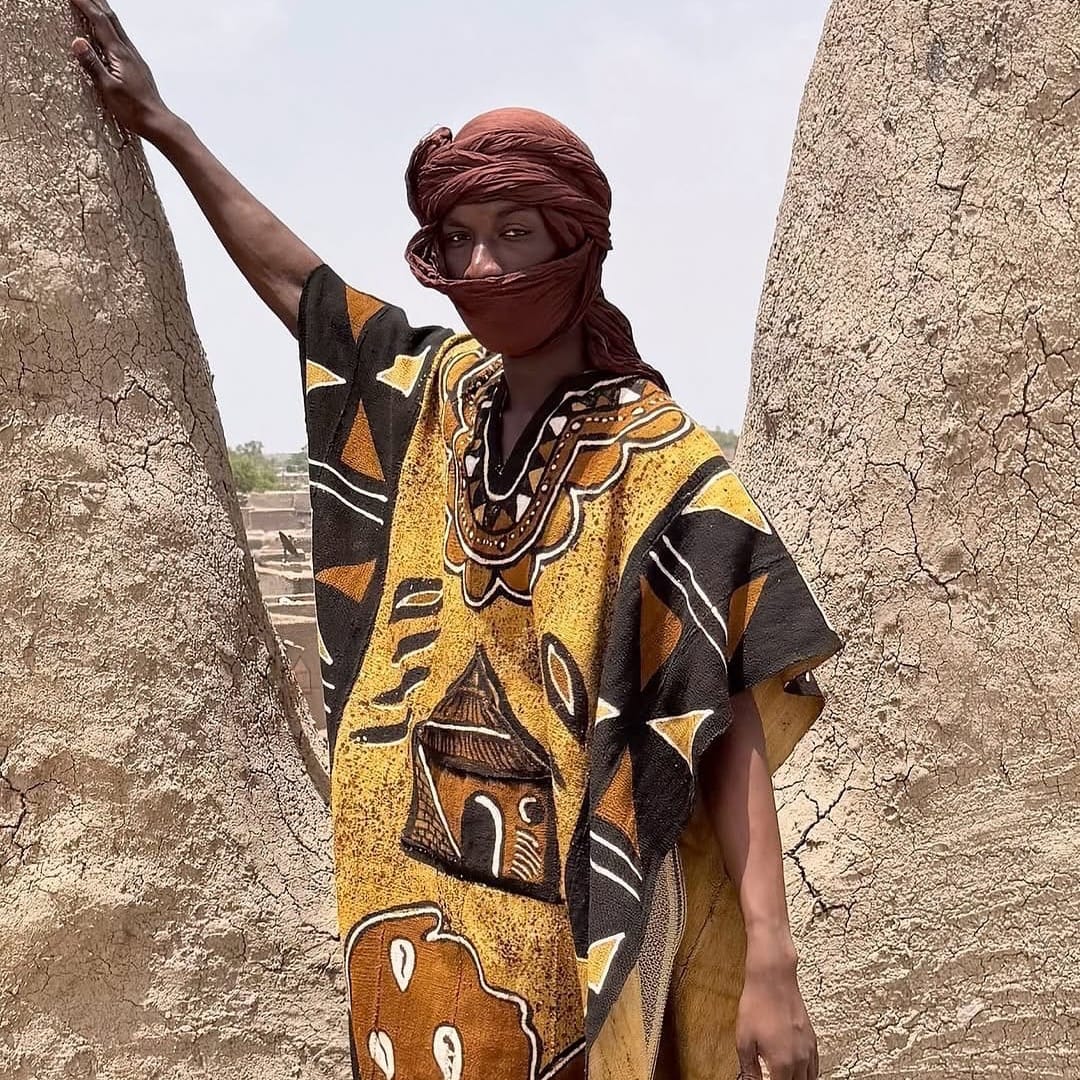
To make this, cotton cloth is woven and soaked in a solution made from the leaves of the n'galama tree (a type of Combretum), which turns it a deep golden-yellow and fills the fibres with tannins. Then, using a piece of metal or a carved stick, an artisan applies fermented river mud in intricate patterns. The iron compounds in the mud react chemically with the tannins in the cloth, and the areas covered in mud turn dark brown or black. The remaining yellow or cream areas are then treated with a bleaching agent made from millet bran, which lightens them.
In 1967, Yves Saint Laurent included Bogolan-inspired pieces in his African Collection, and more recently, it has appeared across collections from African designers like Loza Maléombho.
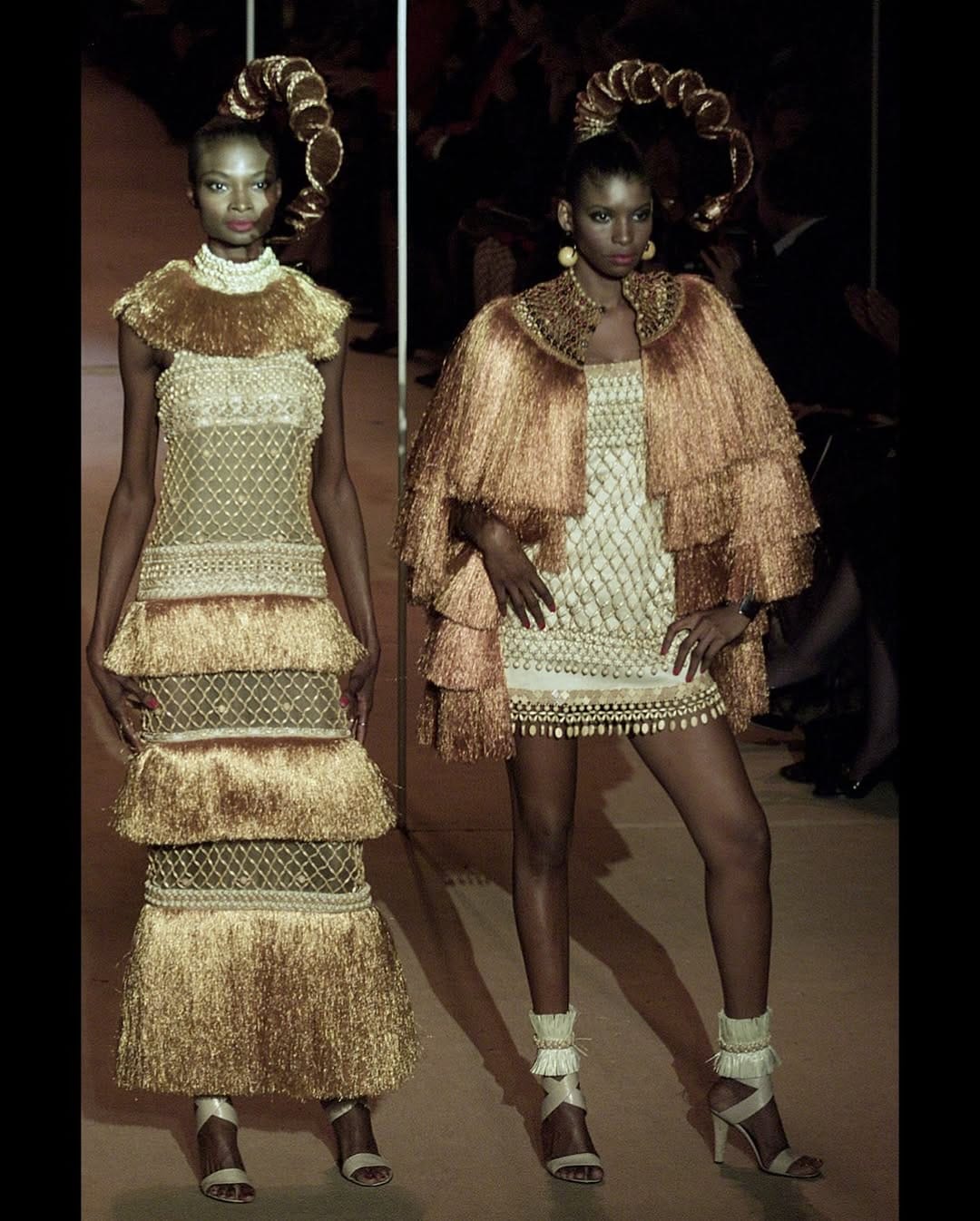
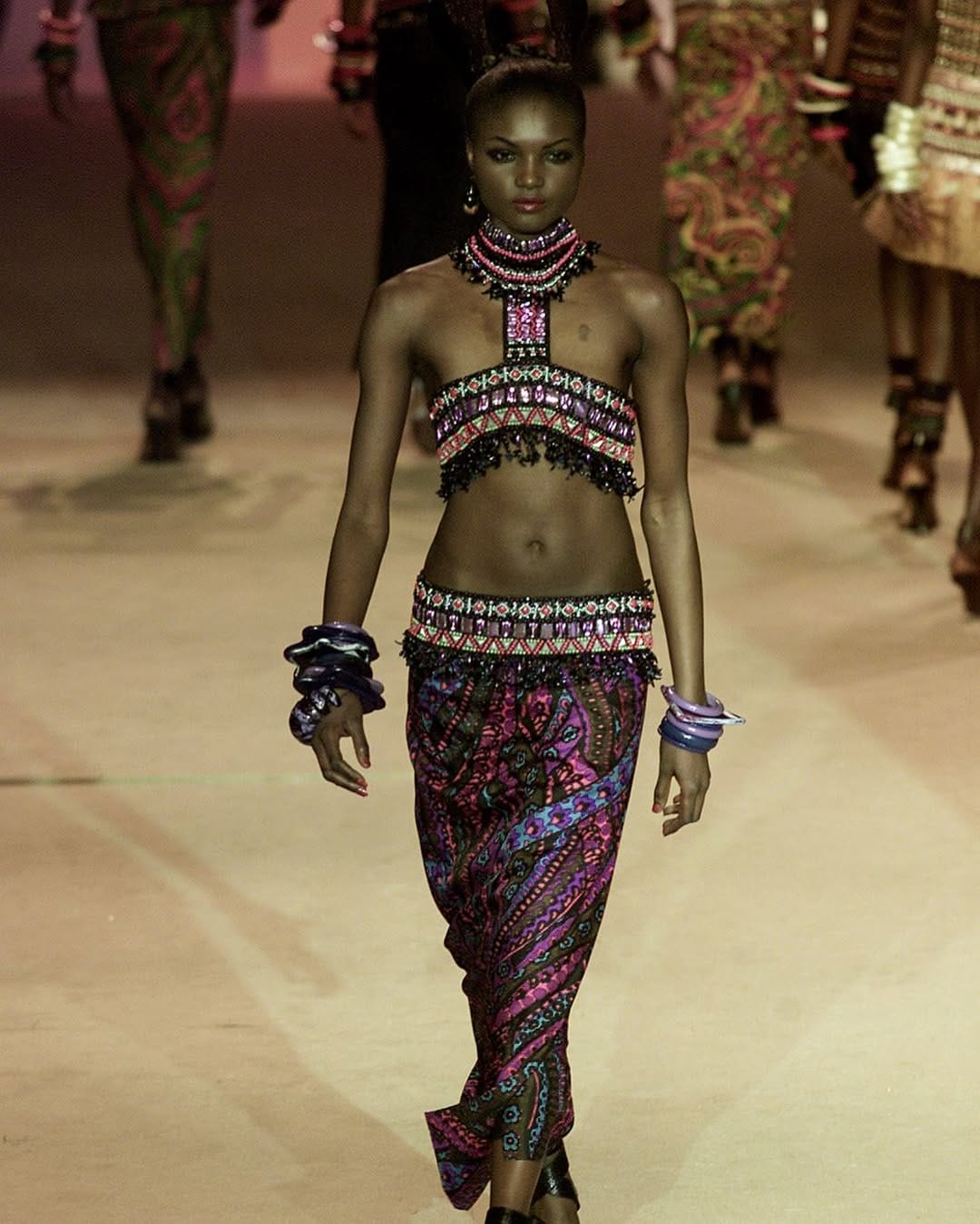
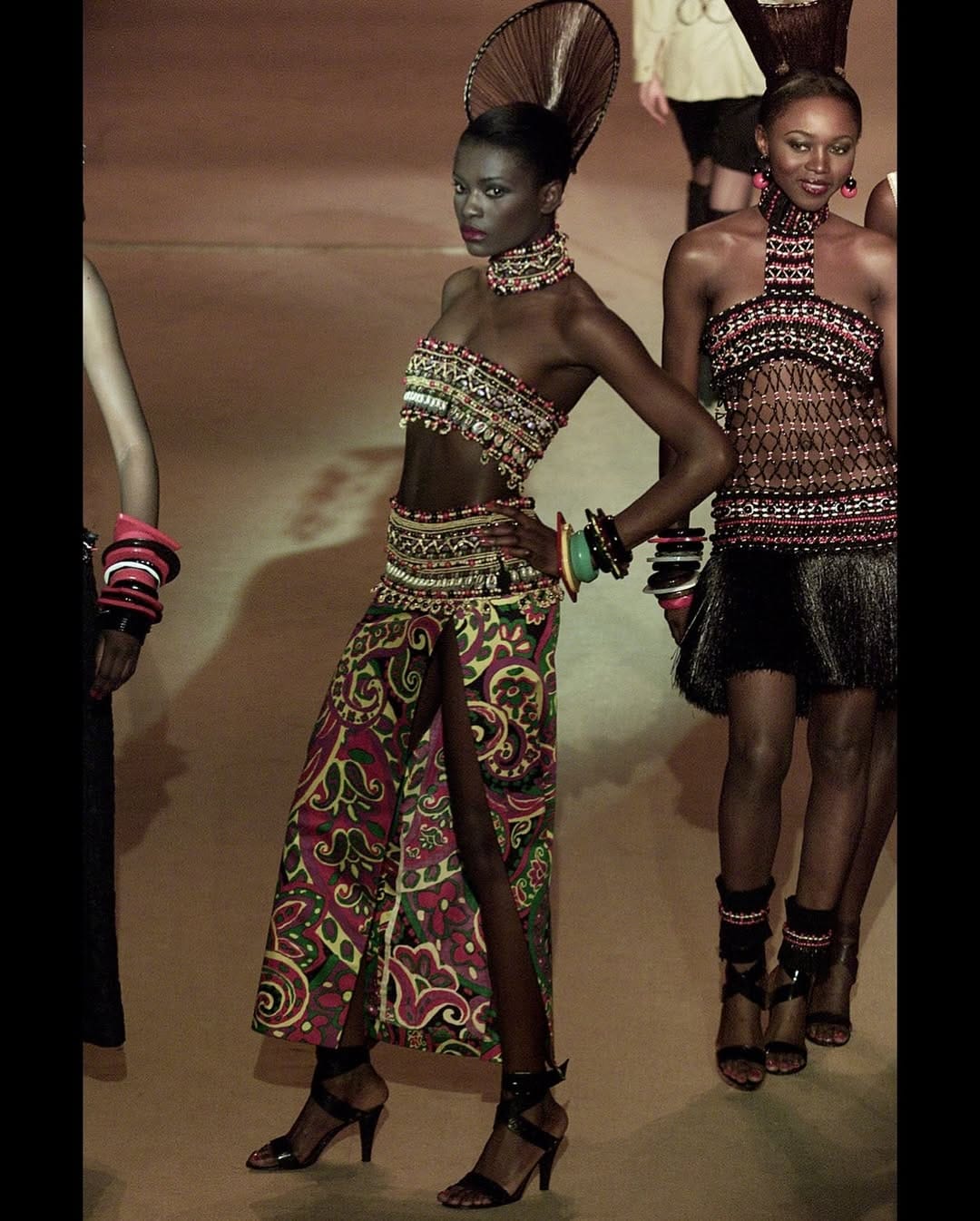
Yves Saint Laurent via Guzangs
Adire — Nigeria
Before "tie-dye" became a Western craft activity, the Yoruba people of southwestern Nigeria were creating some of the world's most sophisticated resist-dyed textiles. They called it Adire, from the Yoruba words meaning "cloth that is tied and dyed."
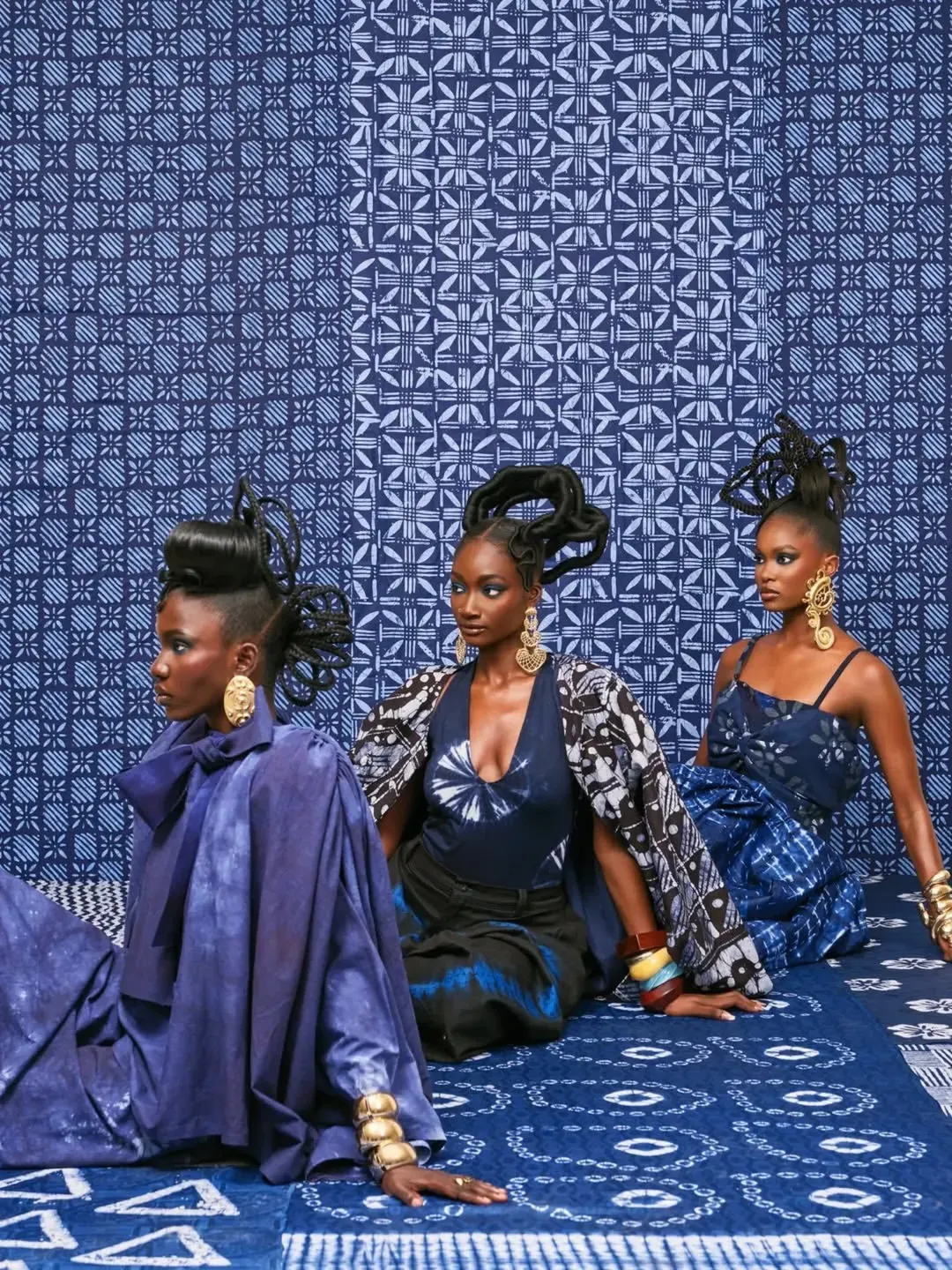
Adire is made using indigo dye extracted from the leaves of the Indigofera plant, which creates a distinctive deep, moody blue-black colour. There are two main types. Adire oniko, which uses the tie-dye method where the cloth is folded, twisted, and bound tightly with thread or grass before dyeing, and the Adire eleko, where a paste made from cassava starch is applied to the cloth in freehand designs using a feather or a metal comb.
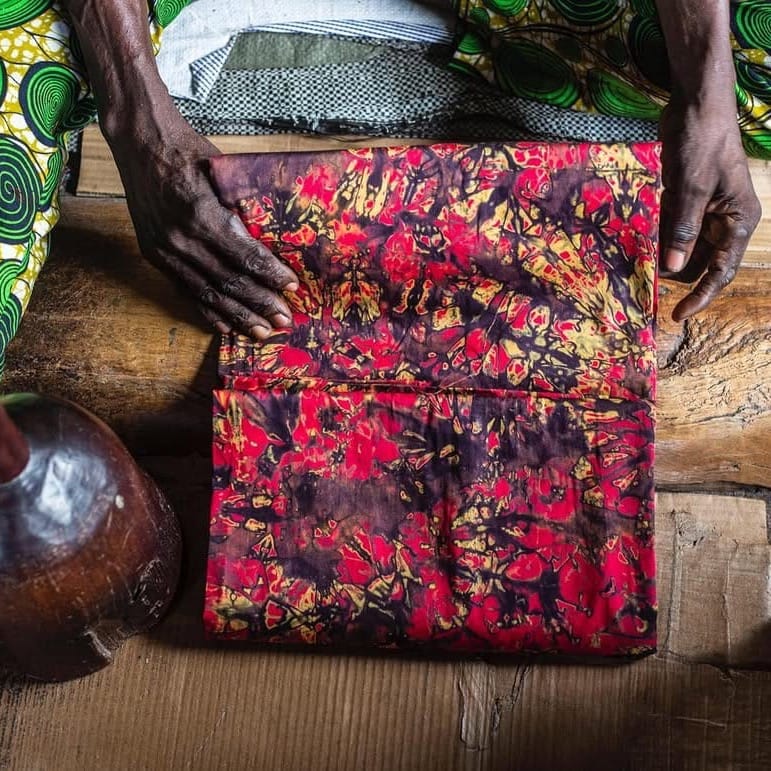
Nigerian-British designer Duro Olowu has championed Adire internationally. The fabric has appeared in collections by Kenneth Ize, and it's increasingly seen at Lagos Fashion Week. In 2019, Adire had a major cultural moment when Ogun State in Nigeria declared it an official cultural heritage fabric and launched a campaign to revive its production.
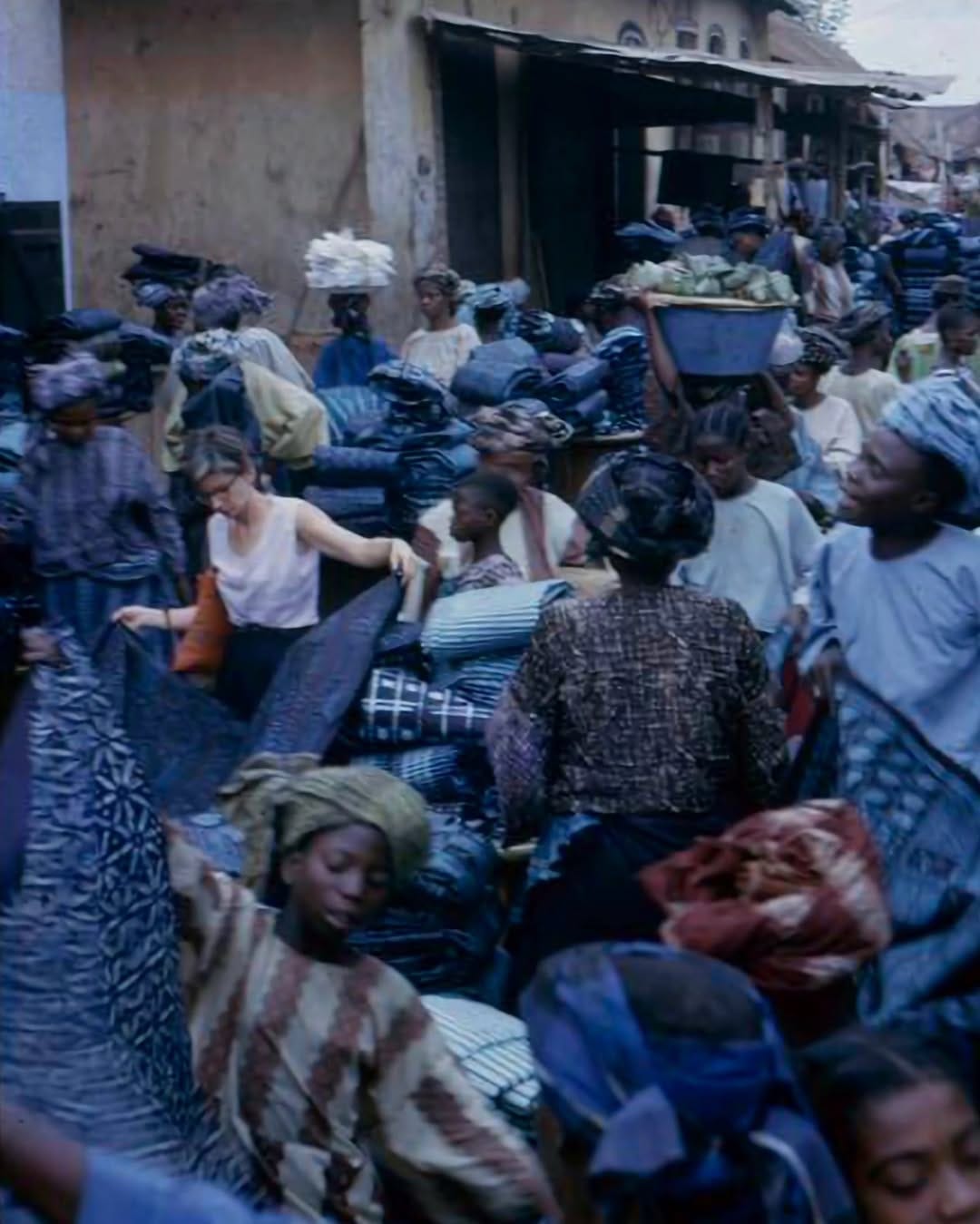
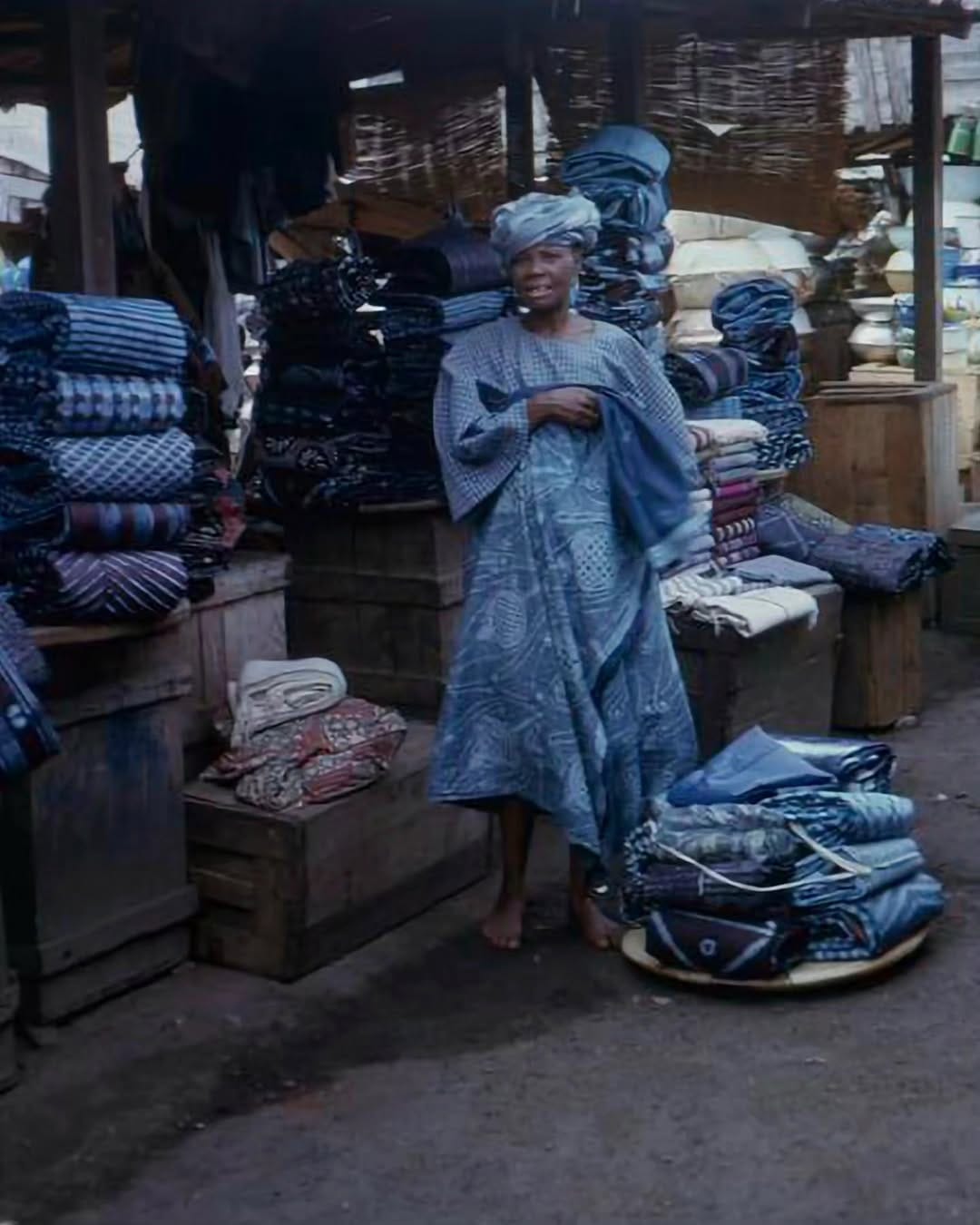
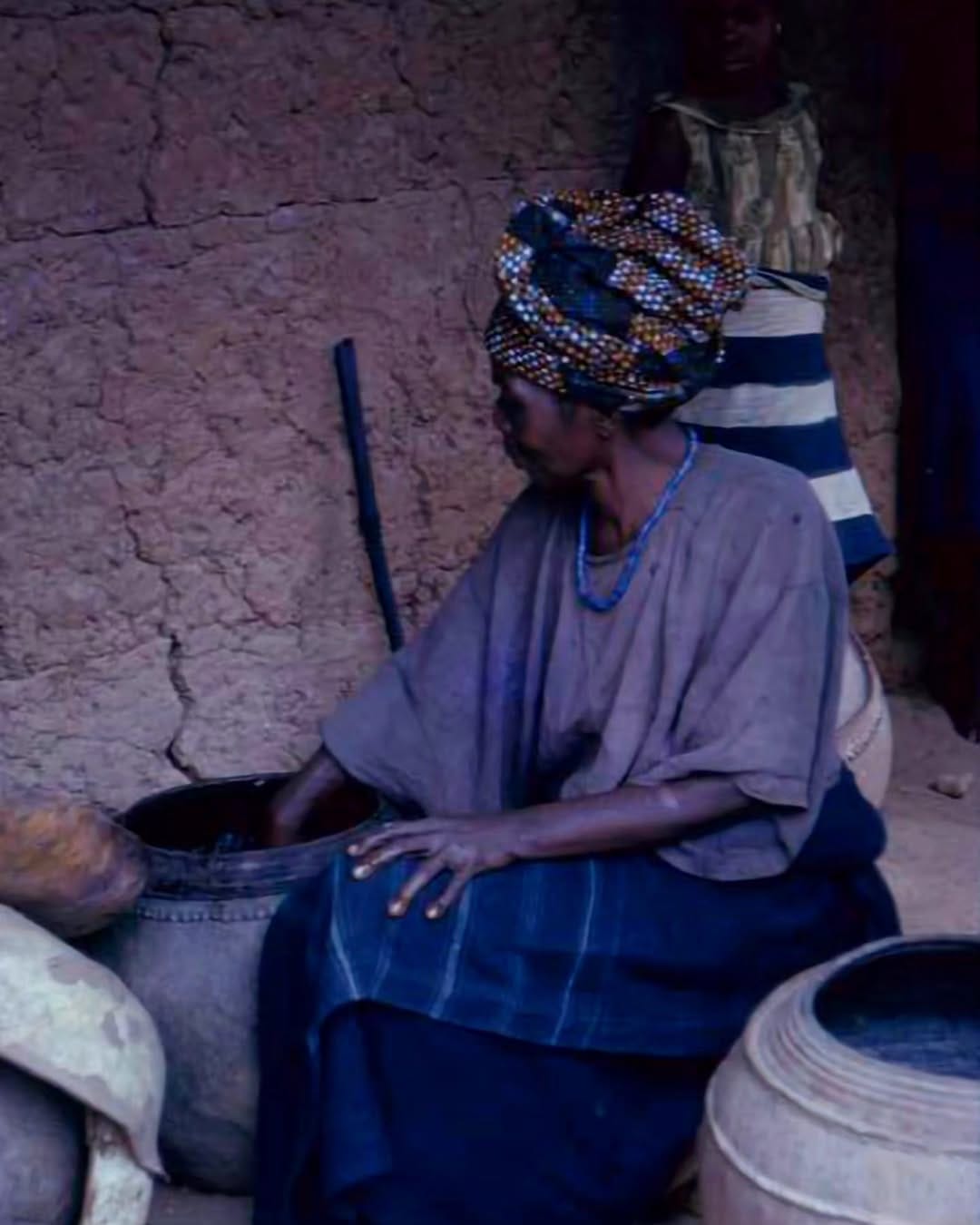
Image via @vintageafricanwomen
Shweshwe — South Africa
Like Ankara, Shweshwe has an unexpected origin. The fabric is now so deeply embedded in South African identity that most people assume it’s always been there, but Shweshwe actually arrived from Germany in the 19th century.
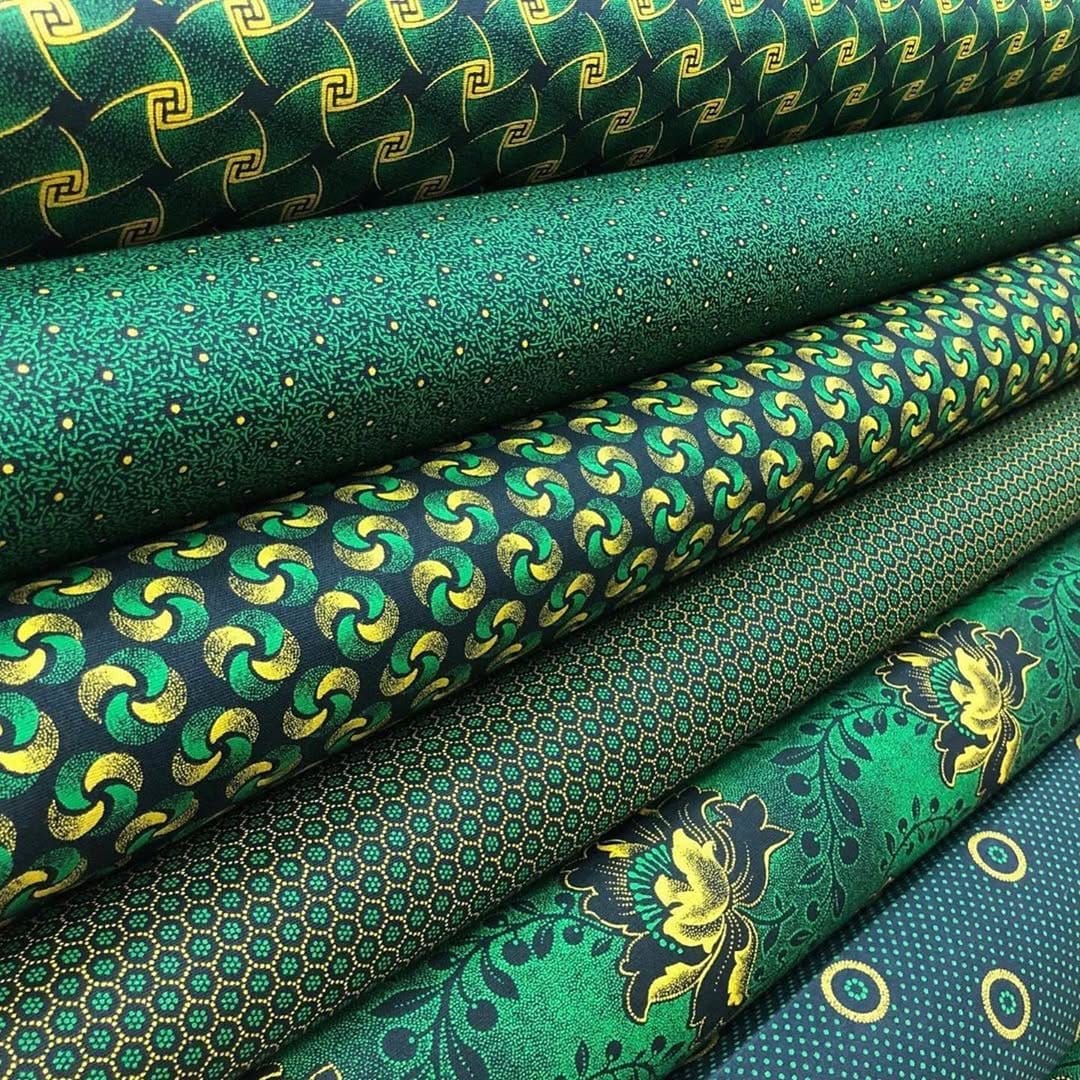
Shweshwe is a printed cotton fabric, made stiff with starch, with a distinctive earthy smell and crisp feel. It was originally printed in Germany and then traders brought it to southern Africa. The name "Shweshwe" comes from King Moshoeshoe I, the founder and king of Lesotho, who received bolts of the cloth as a gift and favoured it so much that the fabric became named after him by local communities. In many South African communities, Shweshwe is the fabric of celebration and cultural pride. It's used in traditional dress, worn at weddings, and passed down through families.
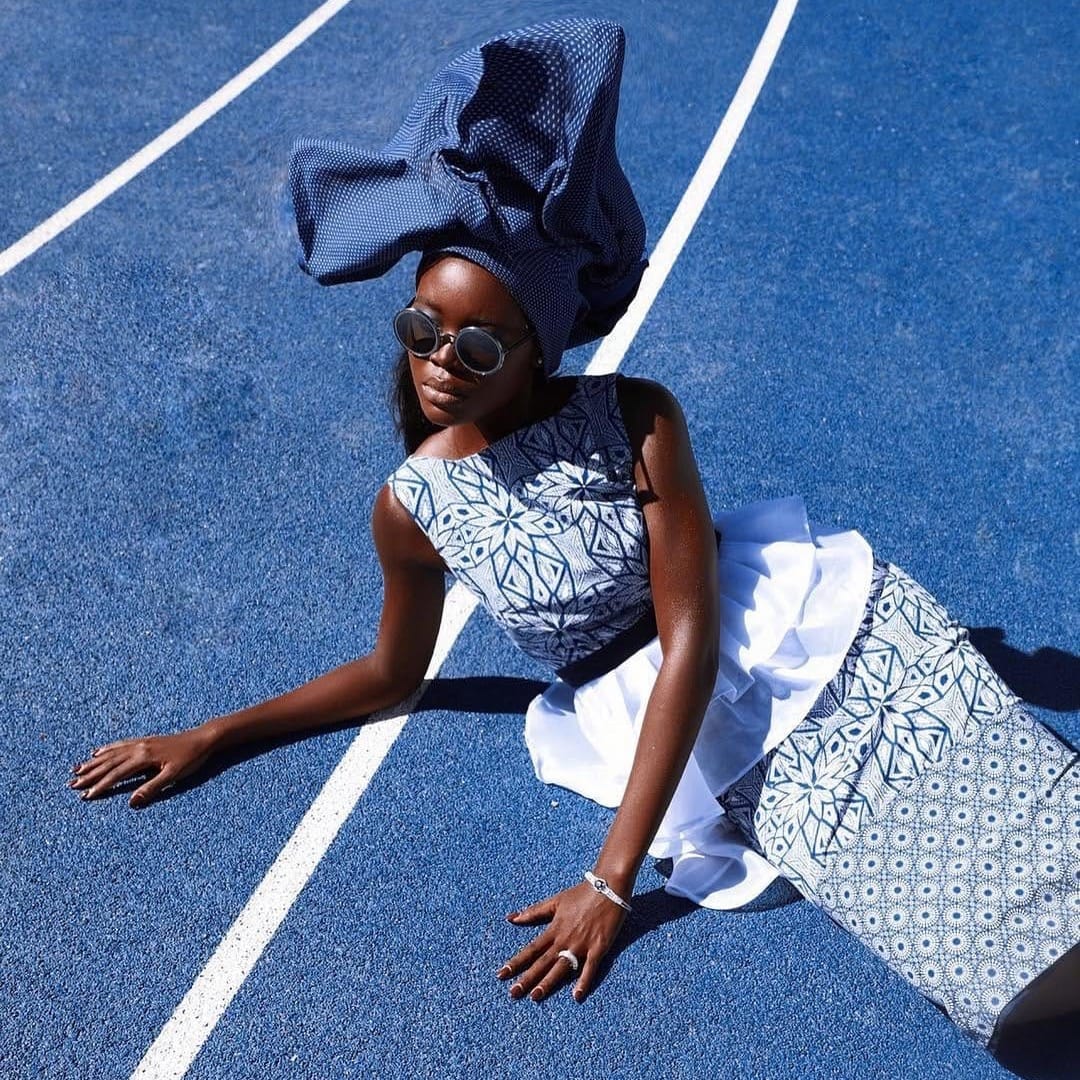
Some of the biggest champions of Shweshwe are Laduma Ngxokolo of Maxhosa Africa, and Bongiwe Walaza. MaXhosa has a built a global luxury brand rooted in Xhosa textile heritage, and his pieces have been worn by Beyoncé and Michelle Obama and have appeared at New York Fashion Week.
Conclusion
Each one of these textile carries centuries worth of knowledge, community, and meaning, all woven, dyed, and stitched by people who were making art long before the world's fashion capitals even started to notice. And now, the next time you see one on a runway or on a rack, you'll know exactly where it really came from.



Member discussion