


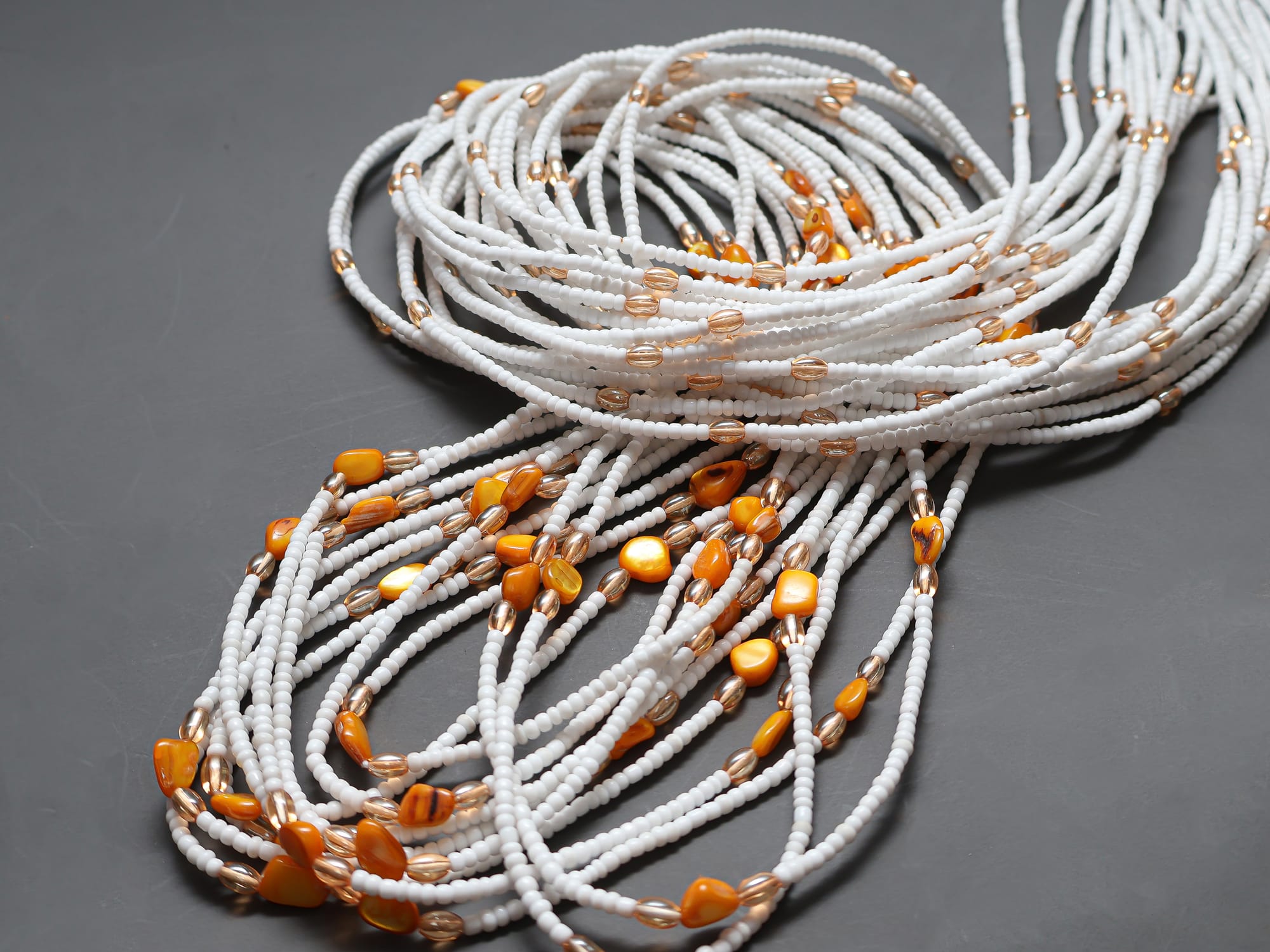
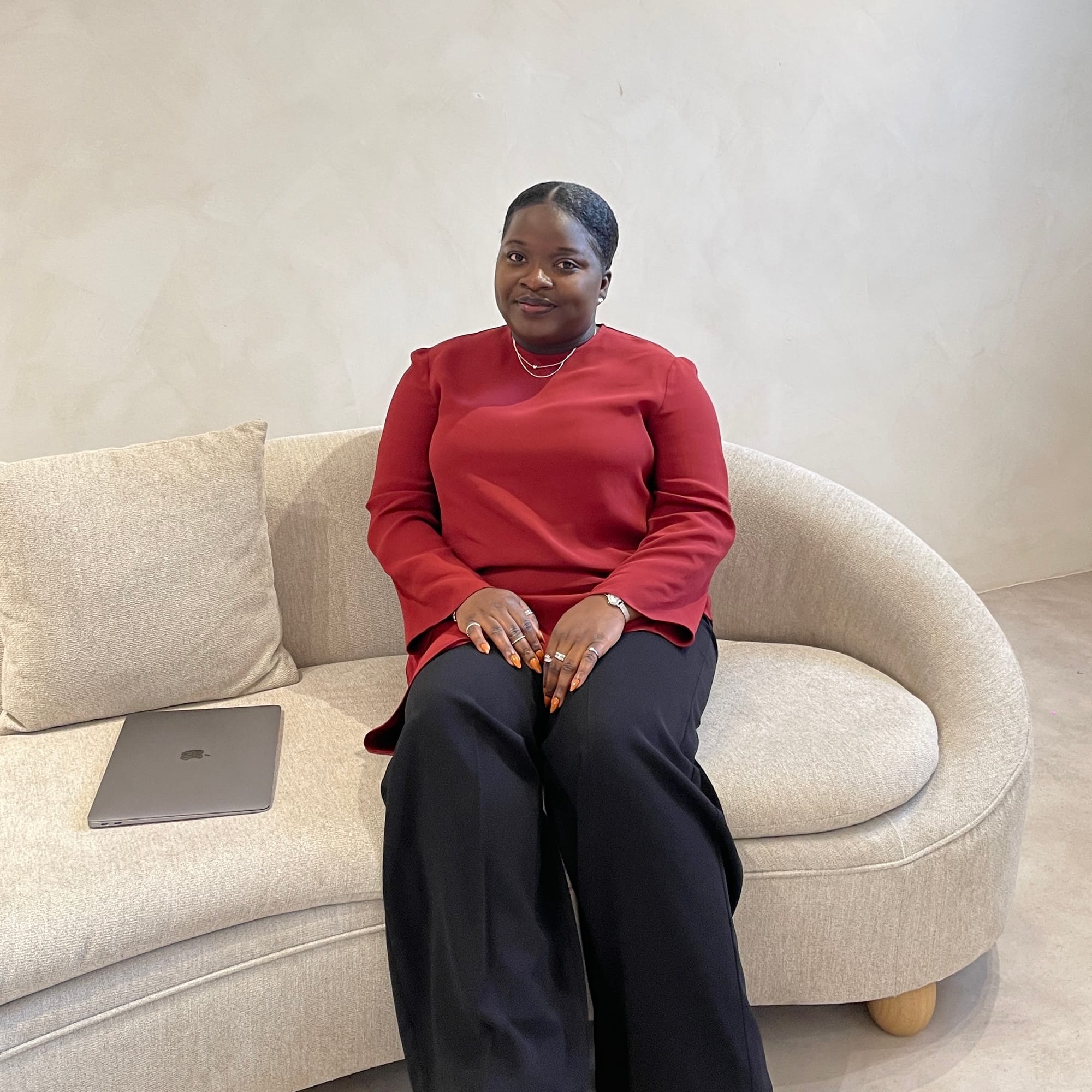
Tosin Oyegoke has spent nearly a decade listening to women talk about their bodies and noticing what technology has consistently failed to hear. A chemical engineering graduate of Obafemi Awolowo University, she began her entrepreneurial life in the intimate, centuries-old practice of waist beads. Her first company, Waist Beads by Nora, grew into one of the most recognised waist accessory brands in the world, shipping to women across 50 countries and building a community of over 200,000. It was intentional and culturally rooted.
Tosin herself had worn waist beads since she was 19. When symptoms of PCOS began to surface, the beads — tightening, shifting, rolling — also signalled a change in her body. That experience, combined with years of listening to thousands of women across the globe, became the seed of a bigger question: what if technology could do what the beads had always done, but with the intelligence to translate what the body is saying into something a woman can actually use?
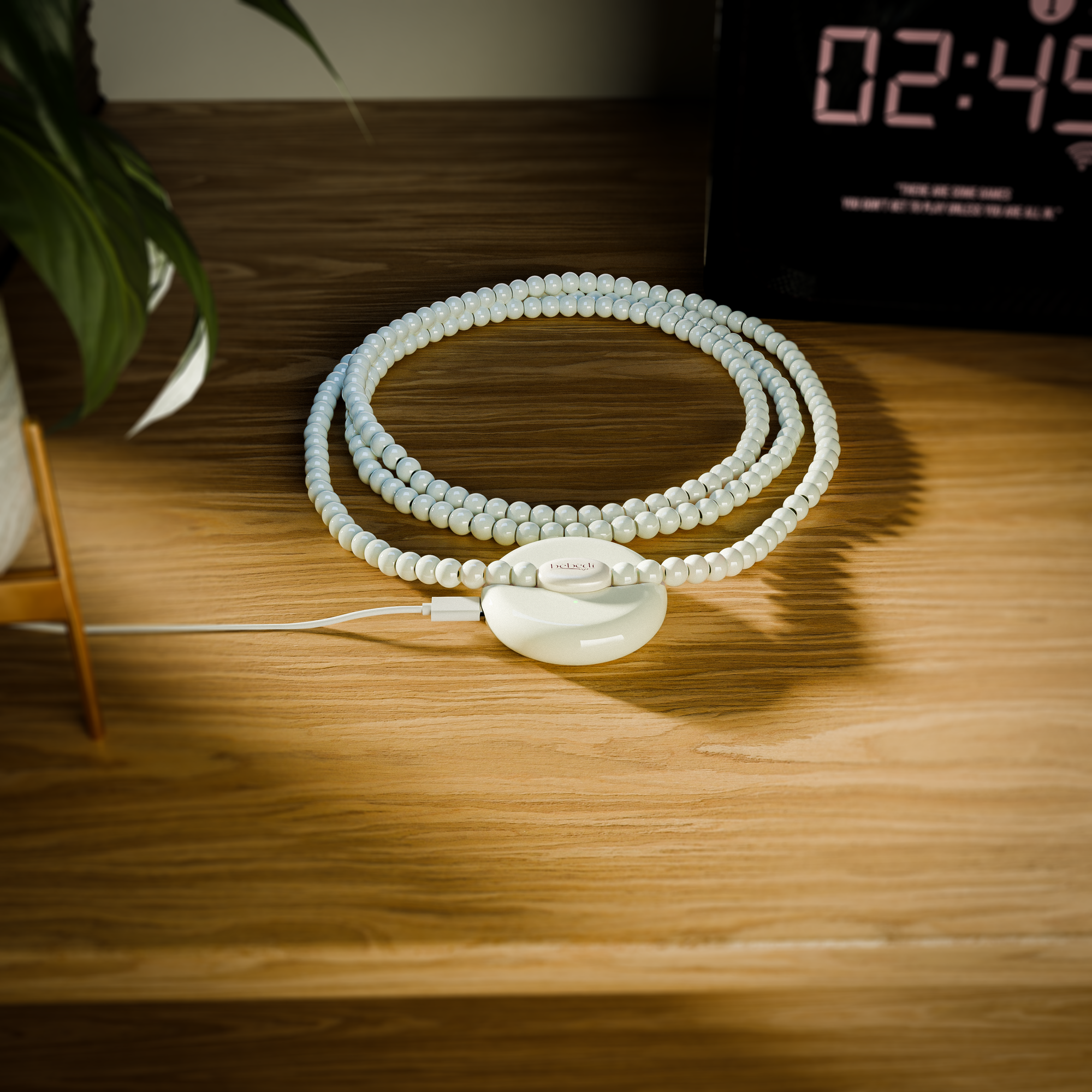
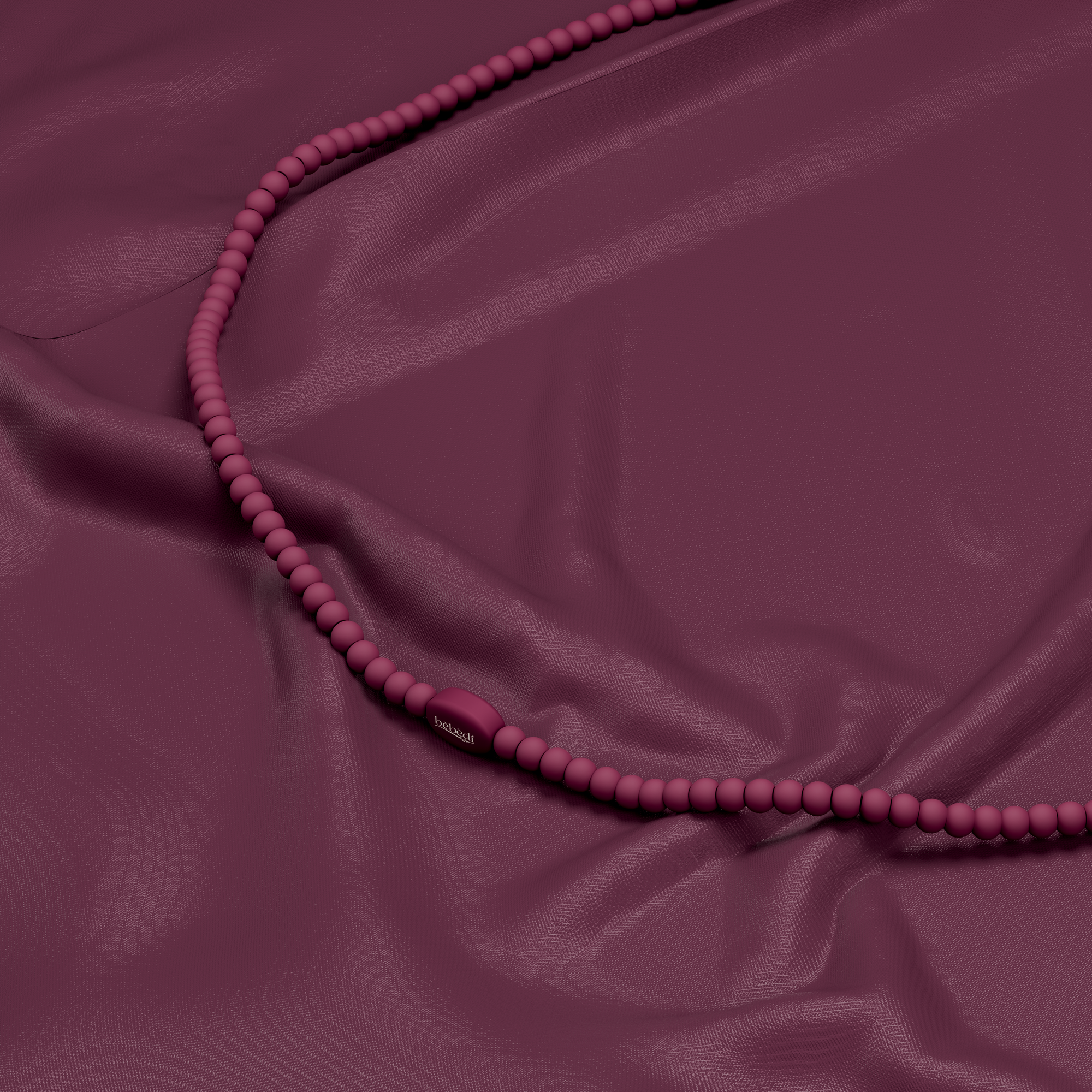
The answer is Bèbèdí, the world’s first waist-worn body-awareness wearable designed exclusively around female physiology. Paired with an AI-native app, it tracks waist trends, temperature, sleep, movement, and cycle patterns, turning everyday body signals into understanding rather than alerts. And Tosin, now a second-time founder, is building it with the same community-first instinct that made her first company impossible to ignore.
We sat down with Tosin to talk about growing up as a first daughter in Lagos, the moment waist beads became more than adornment, why she believes wearables will become pervasive and more.
You’ve introduced yourself in a lot of ways over the years. Let’s go back to the beginning, what kind of child were you, and how did all of it lead here?
I’m the first daughter, and I think that already says a lot. I grew up in Lagos, in a family of four children. My mum was the kind of mother who had already assigned future occupations to her children before they were even born. I was supposed to be the doctor. In secondary school, I was strong in maths and sciences, but biology was the one I just couldn’t get right. So I thought, okay, I’ll switch with a sibling, and I went into engineering. I did chemical engineering at OAU.
During my industrial training period, I had to go out into the world and figure things out for myself. That’s when the business side of me emerged. I started designing waist beads, and Waist Beads by Nora was built from the ground up as a premium brand. I knew exactly who I was designing for and went straight for them.
Along the way, my co-founder Omotayo joined me. He has a strong startup background, so when he came on, we started running Waist Beads by Nora more like a tech company. As we started listening more closely to how women related with their waist beads, with their waists, with their bodies, we realised technology could come in and serve women so much better. That’s where Bèbèdí came from. It took years of brewing, of validating the concept and the technology. But that’s the origin.
One thing I’d say about myself: I’m an executor. The moment I think of something, I’m already figuring out how to get it done. And taking ownership, that just comes naturally to me. I think it’s the firstborn, first daughter energy that seeps into everything.
When did waist beads stop being just adornment and become something more intelligent to you?
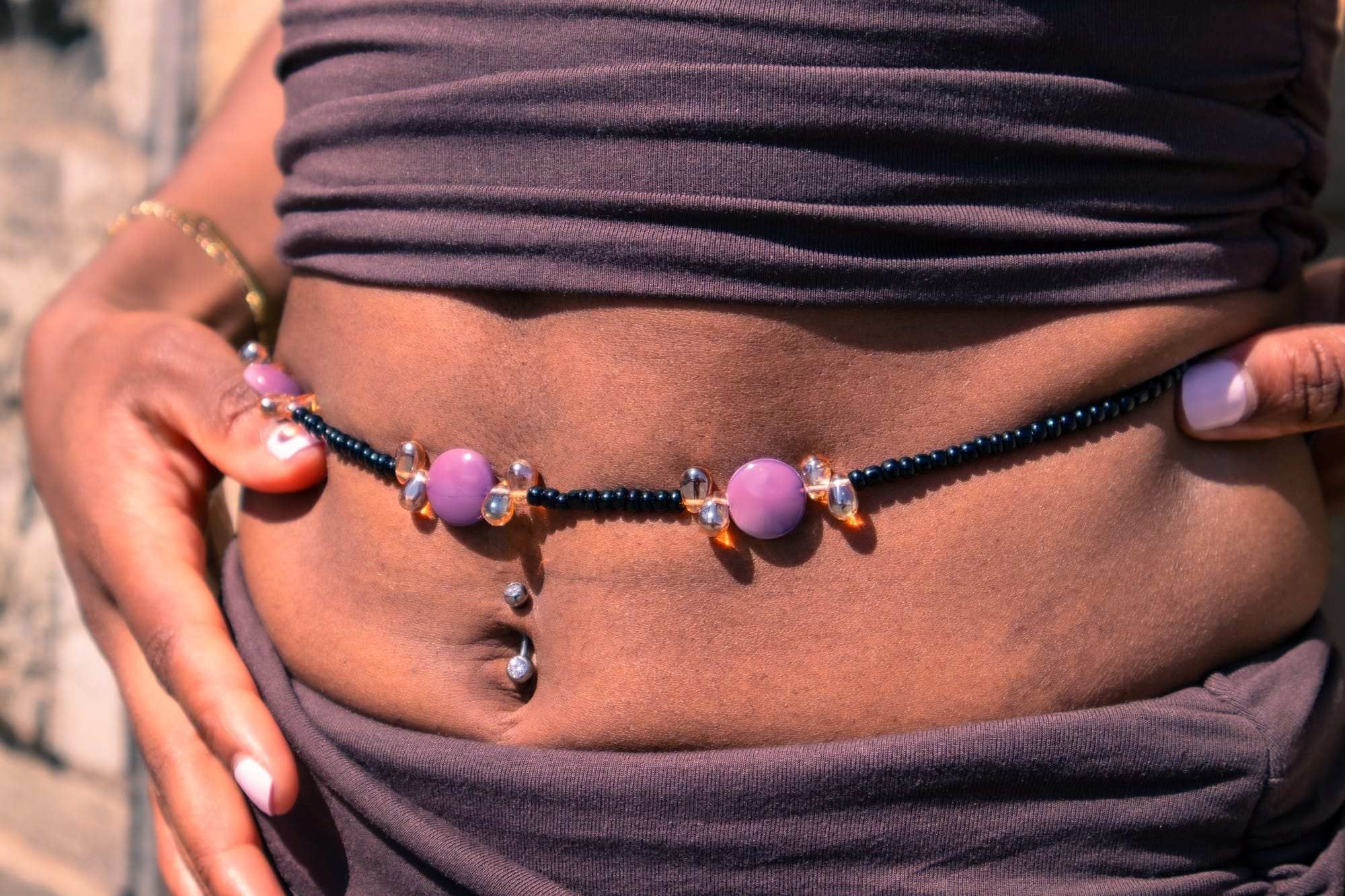
Even before the business, I wore waist beads myself. Sometime around 19, going on 20, I started noticing certain changes in my body: weight gain, a lot of bloating. But I didn’t even fully notice the change until my waist beads started to feel tight, rolling up and shifting. Not my clothes. My waist beads. What I was experiencing were the early signs of PCOS.
That moment stayed in my mind for years: the idea that the beads could be intelligent, that they weren’t just about adornment. And then when I was designing for thousands of women, they kept telling me the same things. Their beads helped them notice bloating before their period. Weight shifts. A kind of awareness in their own skin. The idea of waist beads as something intelligent wasn’t born from my experience alone; it was built from listening to other women, too.
What did that community reveal to you about how women listen to their bodies?
One of the things that struck us when we started gathering feedback was how long women had been wearing their waist beads without taking them off. Four years. Five years. We’ve heard as high as six. And the key insight for wearables is exactly that: you have to wear them continuously, over a long period of time, for true pattern recognition to emerge.
Women were already doing that. They were observing patterns of bloating, noticing when their period was approaching, and tracking changes in their waist. The beads were functioning as a signal system. What struck me was that no wearable in the world was being built around this. If it’s not the wrist, it’s the finger. Nobody was taking the waist seriously, and women have listened to their bodies through the waist for centuries.
How do you actually put technology into a waist bead? How does that translate?
We started with a proof of concept, got something off the shelf, attached it to a waistband, and wrapped it around the waist. We wanted to understand what data was even possible to capture there. What we found is that the waist holds information that the wrist and the finger simply cannot access, particularly around how women move, how bloating occurs, and how waist circumference changes over time.
The first version of Bèbèdí starts with sensors around movement and temperature, things that don’t require tight skin contact, the way some other biometric sensors do. But we are building beyond sensors; we are creating a women's health ecosystem. The technology has been validated, and we are currently testing our MVP against industry standards.
Bèbèdí is rooted in Yoruba tradition, where waist beads have been worn by women for centuries. How do you hold that heritage while pushing it forward?
Honestly, I think fusing technology with waist beads is one of the most respectful things you can do for the tradition. In a world where everything is advancing, things that have been seen as culture for generations are being left behind and things that are left behind eventually die out. By bringing tech in, we’re not just keeping the tradition alive; we’re allowing it to transcend the cultures it started from. Women all over the world get to live with it and, in doing so, understand where it came from.
We always point to the cultural origin in how we talk about Bèbèdí. We always recognise it. But at its core, it’s still about women’s lives, helping women live better with technology designed for them, in a form factor their bodies already know.
The future of personalised healthcare is wearables. Women want to know what is happening in their bodies. Imagine having something on your body that can tell you: is something coming? How is my cycle affecting my plans this week? What is my energy saying today? Bèbèdí is building the ecosystem that should have existed for them already.
Women’s bodies have historically been over-monitored and underserved at the same time. How do you make sure Bèbèdí doesn’t add to that burden?
We are very clear about this: we are building for understanding, not performance, not optimisation. Bèbèdí is not going to push you to hit goals or close a ring or chase a sleep score. It is a body awareness wearable. It’s for you to be aware of how you’re feeling and what’s going on with you at that point in time. We don’t see a world where women get obsessed. We see a world where women understand themselves better.
Last question: how do you think about data privacy, especially given that women’s bodies have historically been surveilled in ways that haven’t always served them?
Data privacy is very important to us; I say that as a woman myself. I hold back on technology until I know my data is safe. We’ve seen companies sued for selling user data, and beyond the lawsuits, it’s simply not respectful.
Our stance is straightforward: your data is yours. If you want it deleted from the app, you can delete it, and it will be deleted from our end, too. No third-party selling. Absolutely no selling to advertisers, that one genuinely angers me. We are currently working on a data pledge that all our users can read, clearly covering how their data is used, stored, and protected. Your data is not shared with other users. It is purely yours. That is the Bèbèdí commitment.



Member discussion