


From Kumasi studios to Cape Town galleries to Brooklyn kilns, a generation of African and diaspora ceramicists is turning clay into a language for memory, ancestry and identity. Some throw on the wheel, some hand-coil in the tradition of the ones before them, some fire soil dug from the land their families once worked. Here's who's shaping the continent's clay conversation right now.
Adebunmi Gbadebo (Nigerian-American)
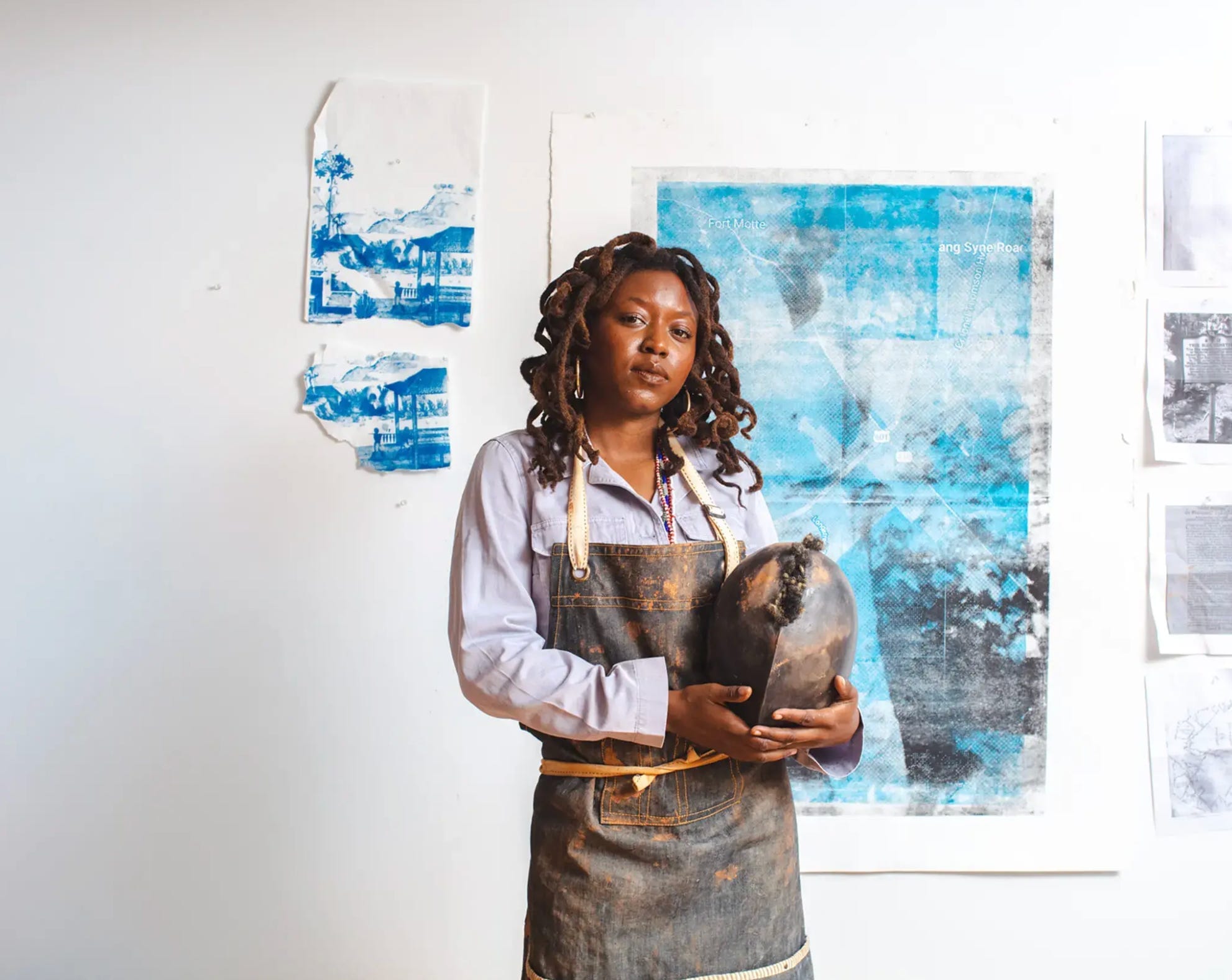
Born in 1992 in New Jersey, Adebunmi Gbadebo digs soil directly from the plantation grounds and hand-builds it into ceramic vessels, her forms also drawing on her Nigerian ancestry and traditional West African pottery techniques. A Pew Fellow (2022) and Maxwell/Hanrahan Craft Fellow (2023), her work sits in the Smithsonian's National Museum of African Art and National Museum of African American History and Culture.
Sira Balogun (Guinean-American)
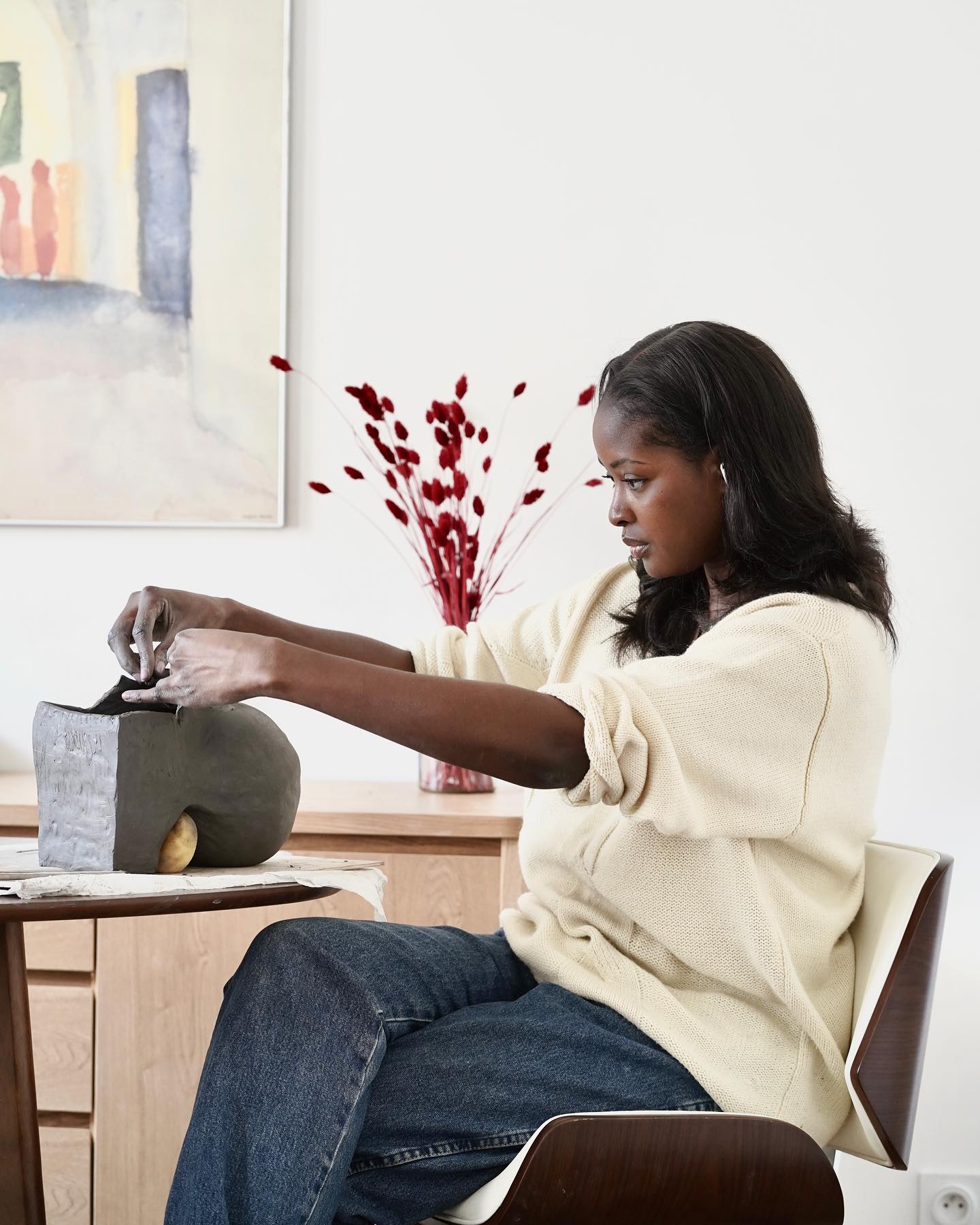
Sira Balogun is a ceramic sculptor whose works "Rebirth" and "Taiwo & Kehinde" are currently held in the Mariane Ibrahim gallery's viewing room, where she describes herself as a "modern-day griot." Her practice draws on stories passed down through her Mandingo heritage, inspired by the legacy of griots like her late uncle, kora player Mory Kanté, whose music helped preserve oral histories as French displaced the N'ko script across the region. Through form and clay, she carries those cultural narratives forward into sculptural work.
Fred Okai (Ghana)
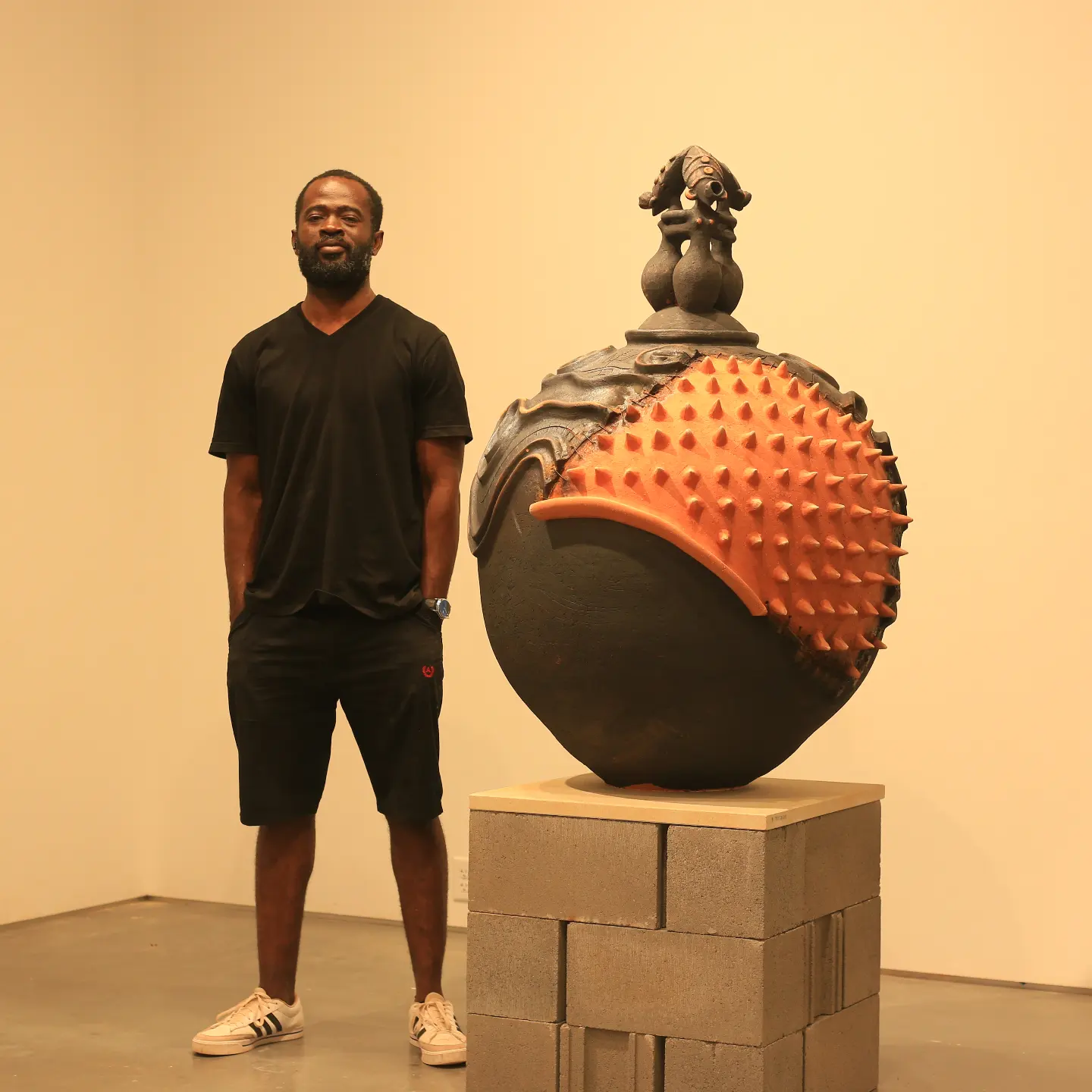
Born in 1986, Frederick Ebenezer Okai works between Kumasi and Sunyani, Ghana, where he lectures at Sunyani Technical University and is a PhD candidate at KNUST. He researches indigenous Ghanaian pottery-making traditions, long sustained by women potters working outside formal recognition and channels them into sculptural installations spanning ceramics, video and virtual reality. His work was included in the 2025–26 group exhibition Arts of the Earth at the Guggenheim Bilbao.
Stanis Mbwanga (Democratic Republic of Congo)
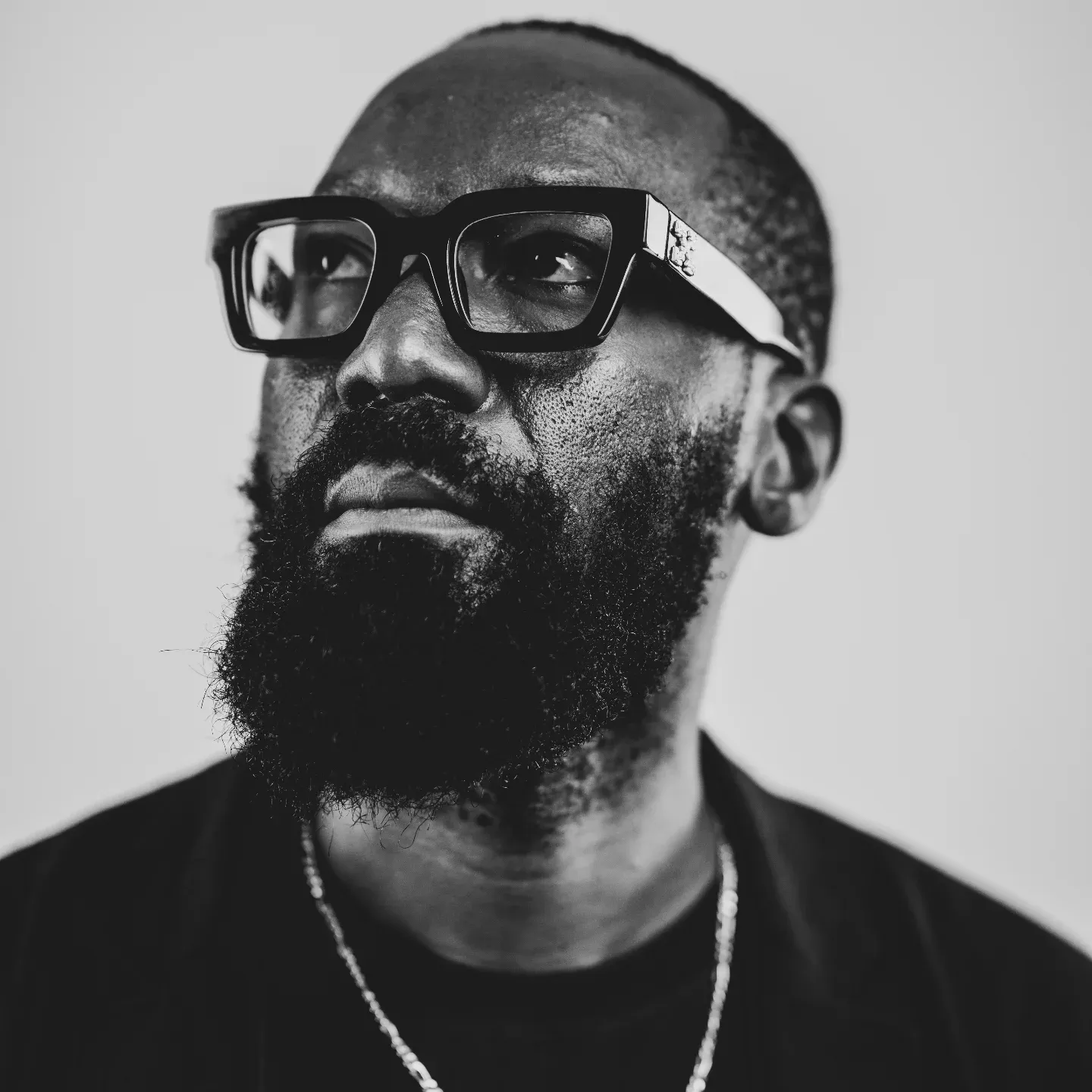
Born in Isiro, DR Congo, in 1982, Stanis Mbwanga studied at the Academy of Fine Arts in Kinshasa before training extensively in Jingdezhen, China, the historic capital of Chinese porcelain. Now based in Kinshasa, where he lectures in ceramics, his work traces the link between the global trade in conflict minerals like coltan and the wars it has helped fuel in eastern DRC. He has served as a juror for South Africa's inaugural Clay Awards.
Faty Ly / Fatimata Ly (Senegal)
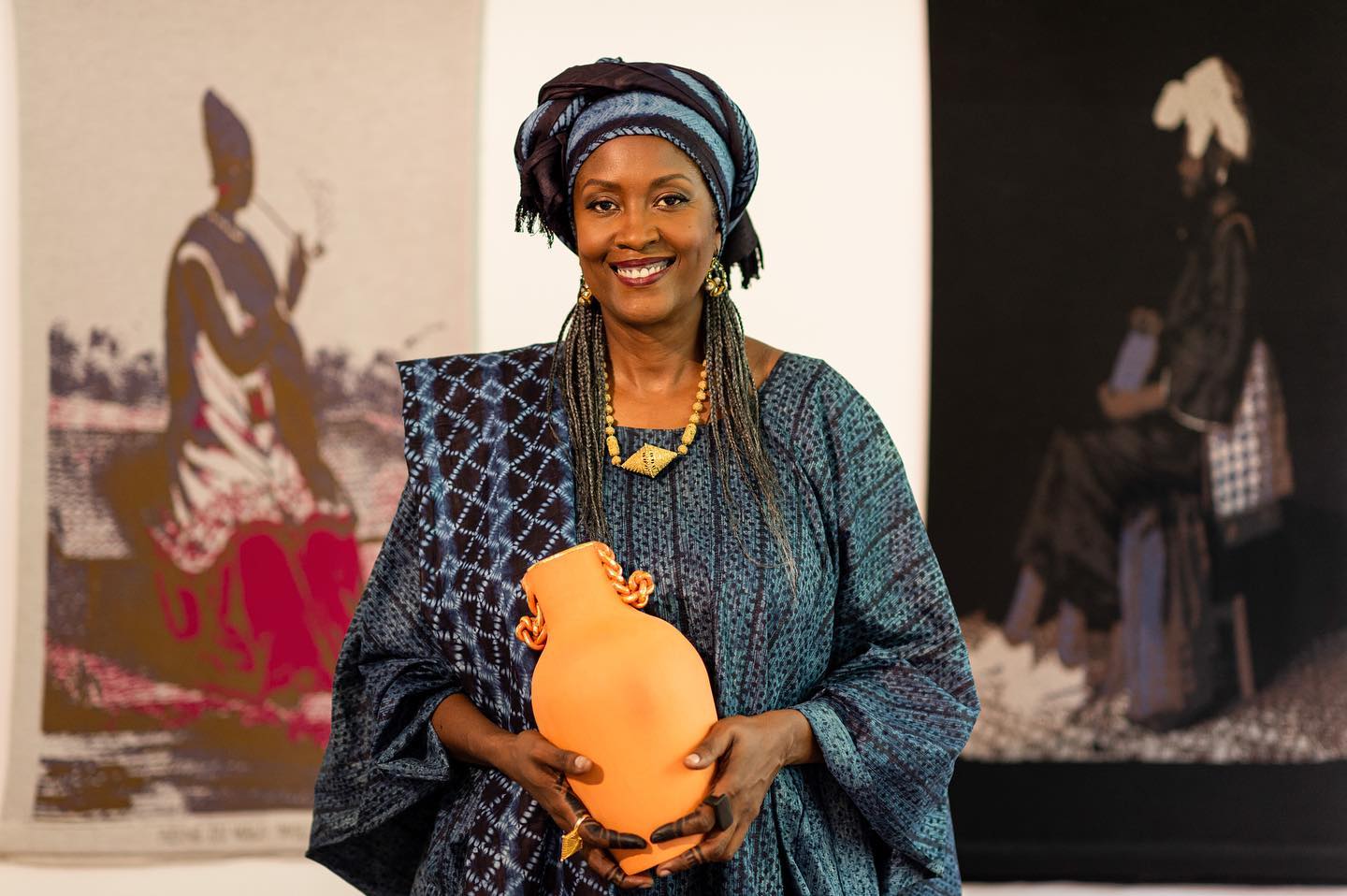
Born in Dakar in 1970, Faty Ly trained in biology before a stint working alongside a potter in Burkina Faso redirected her toward clay, and she went on to study ceramics at Central Saint Martins in London. Based in Dakar with production in Limoges, France, her Fatyly brand renders portraits of Senegalese women in cobalt blue on porcelain tableware, including her well-known Nguka plates, named for a traditional Wolof hairstyle.
Zizipho Poswa (South Africa)
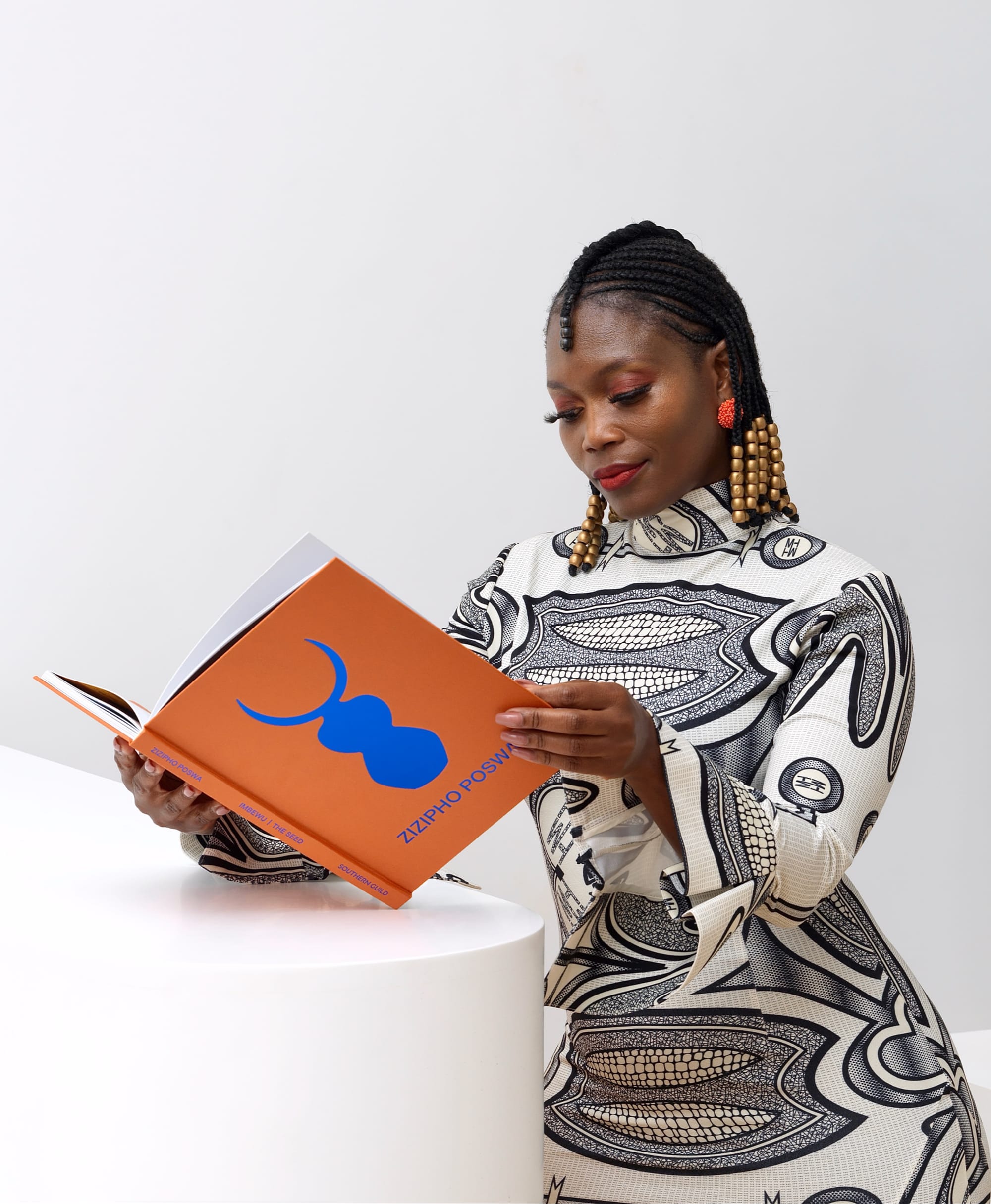
Born in 1979 in Mthatha, South Africa, Zizipho Poswa studied surface design before co-founding Imiso Ceramics in Cape Town in 2005 with fellow ceramicist Andile Dyalvane. Her large-scale, hand-coiled ceramic and bronze sculptures, shown with Southern Guild since 2017, draw on Xhosa ritual, including umthwalo, the practice of Xhosa women carrying loads on their heads. Her work sits in the collections of the Metropolitan Museum of Art, LACMA and the Art Institute of Chicago.
Vincent "Sniper" Frimpong (Ghana)
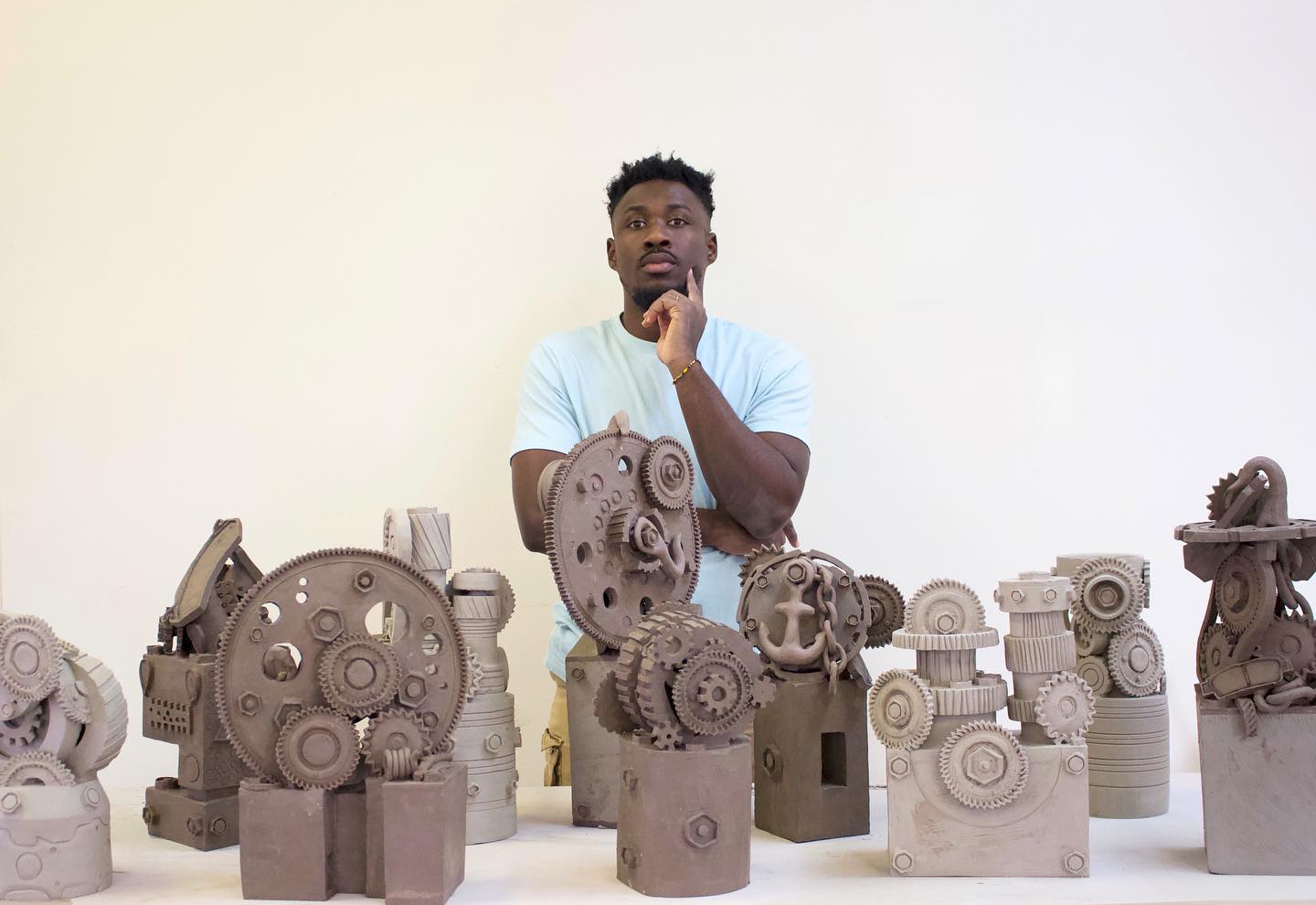
Born in Accra and raised in Kumasi, Vincent Frimpong earned his BA in ceramics from KNUST before moving to the U.S. in 2021 for an MFA at the University of Arkansas. Working as "Sniper," he builds mixed-media ceramic installations, often incorporating tyres and electronics, exploring what it means to be African and a Ghanaian immigrant in America. He's received the 2022 Zenobia Award, a 2023 Haystack fellowship and the 2025 NCECA Emerging Artist Fellowship, and now teaches at Augustana College, Illinois.
Penda Diakité (Malian-American)
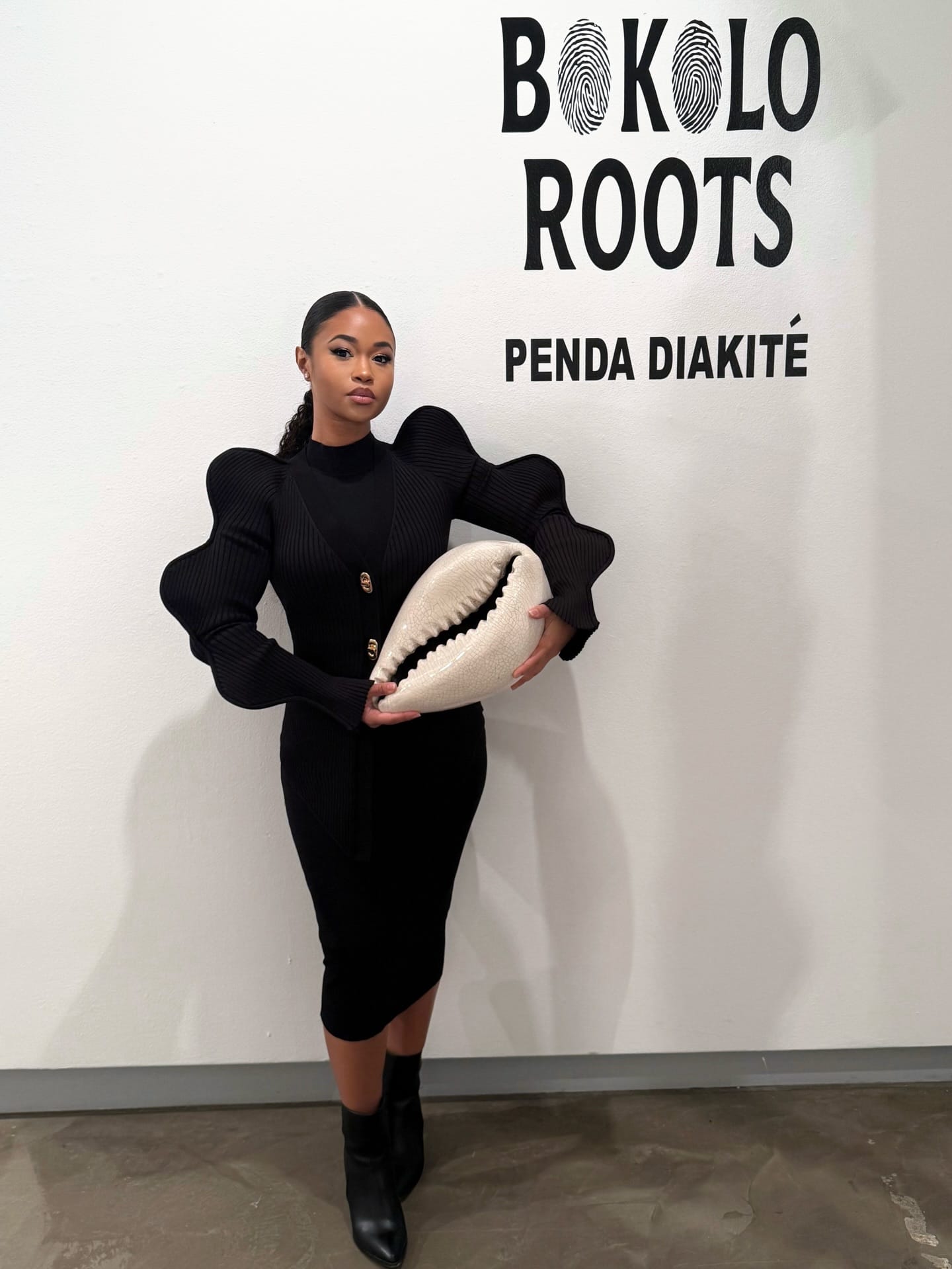
Born in 1992 in Portland, Oregon, to ceramicist Baba Wagué Diakité and sculptor Ronna Neuenschwander, Penda Diakité grew up between the U.S. and Mali, learning traditional bogolanfini (mudcloth) painting in her parents' studio. Best known for mixed-media collage exploring Black female identity, her Cowrie Series extends that practice into handcrafted ceramic sculptures shaped like cowrie shells, historically used across West Africa as currency and in spiritual practice.
Ernest Kobina Adusah (Ghana)
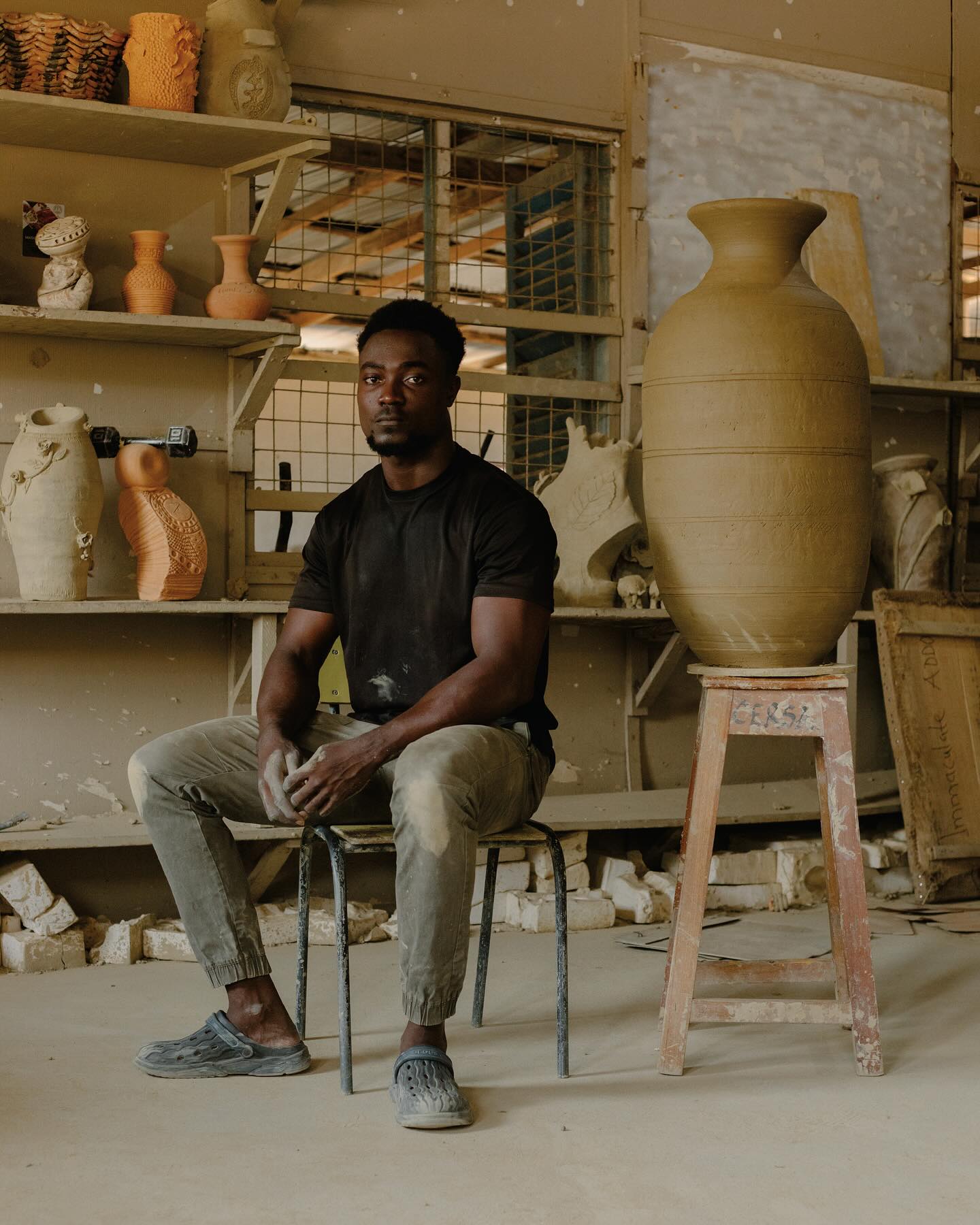
Hailing from Kumasi, Kobina Adusah is an MFA candidate in ceramics at KNUST who hand-builds large terracotta vessels, fired but left unglazed. His forms, often crowned with ancestor-figure heads and carved with patterning inspired by his mother's work as a seamstress, draw on Akan history and mythology. A 2025 Loewe Foundation Craft Prize finalist, he had his first solo show, Inherited Beings, at London's Gallery FUMI in February 2026.
Andile Dyalvane (South Africa)
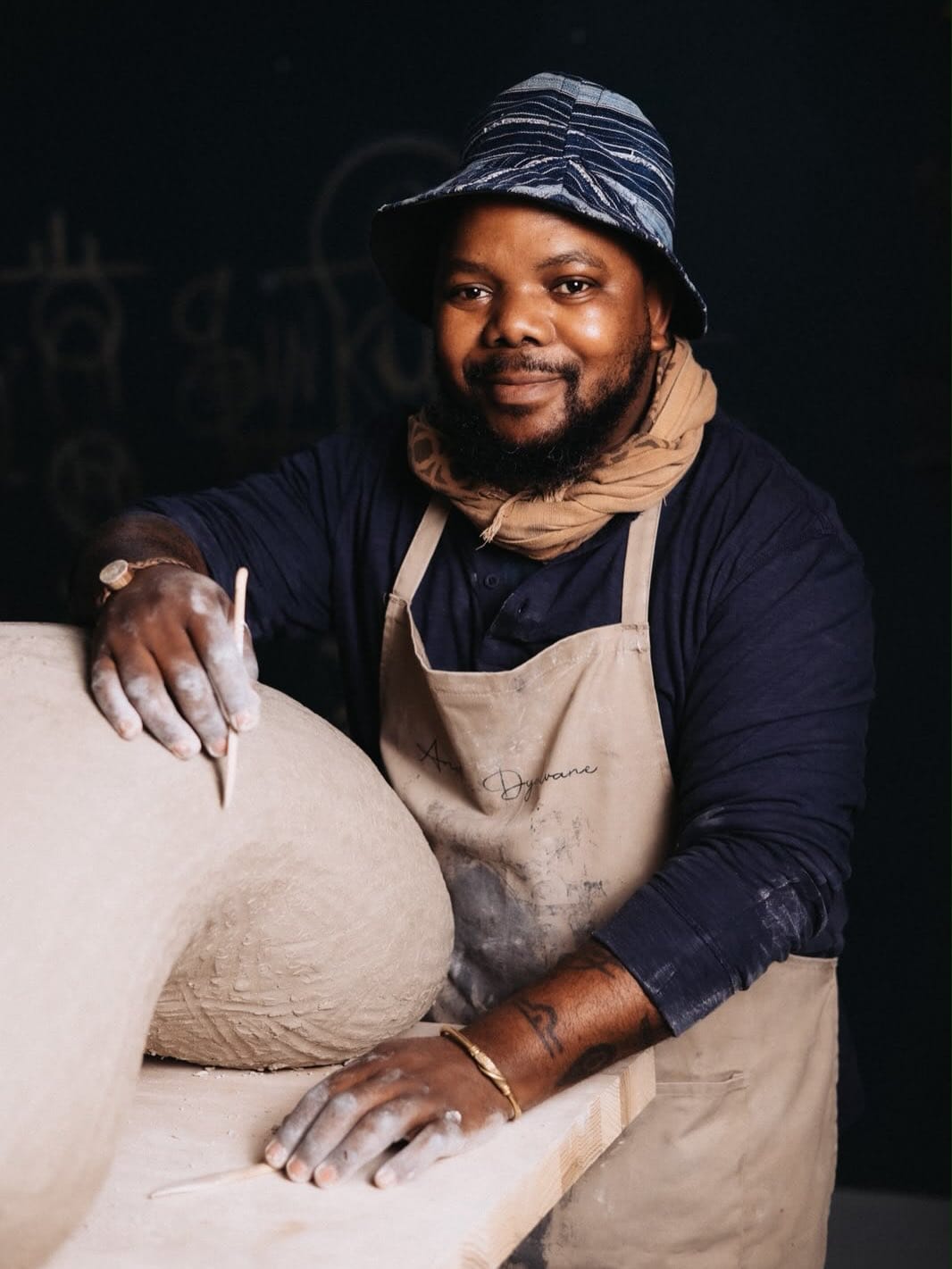
Born in 1978 in the village of Ngobozana in South Africa's Eastern Cape, Andile Dyalvane grew up farming and herding cattle before training in ceramic design and co-founding Imiso Ceramics with Zizipho Poswa in 2005. His 2016 solo debut, Camagu, Xhosa for gratitude to one's ancestors at New York's Friedman Benda, made him the only African artist on the gallery's roster. His work is held by the Metropolitan Museum of Art and Iziko South African National Gallery, among others.
Idris Olabode Opeyemi (Nigeria)
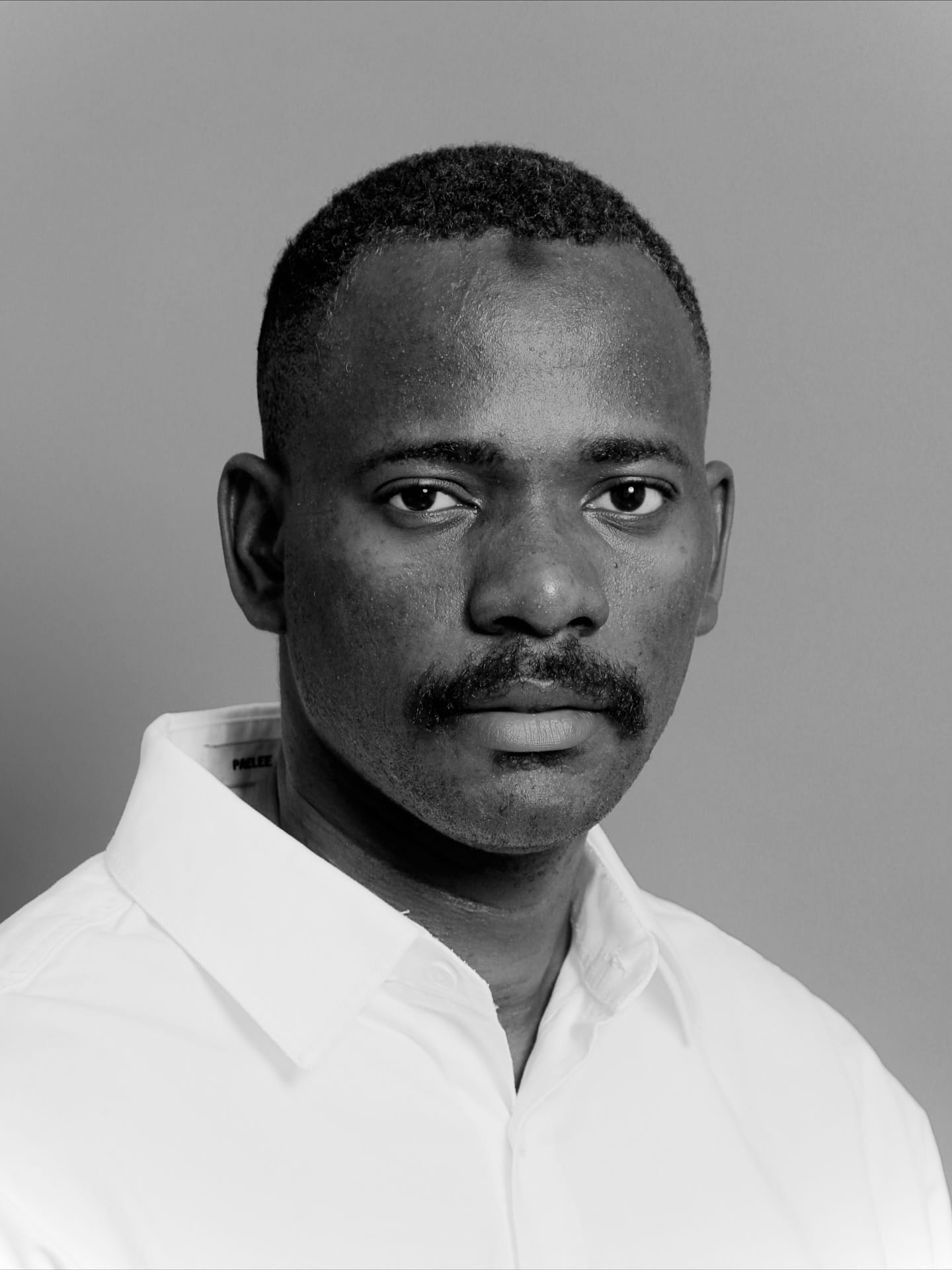
Idris Olabode Opeyemi is a Lagos-based ceramic artist and founder of Clay of Lagos, a wheel-throwing practice built around clay as a tool for mental health and reflection. Largely self-taught, his work draws on Yoruba culture and everyday life, and he cites pioneering Nigerian potter Ladi Kwali as his greatest influence.
Aminata Mboup (Senegal)
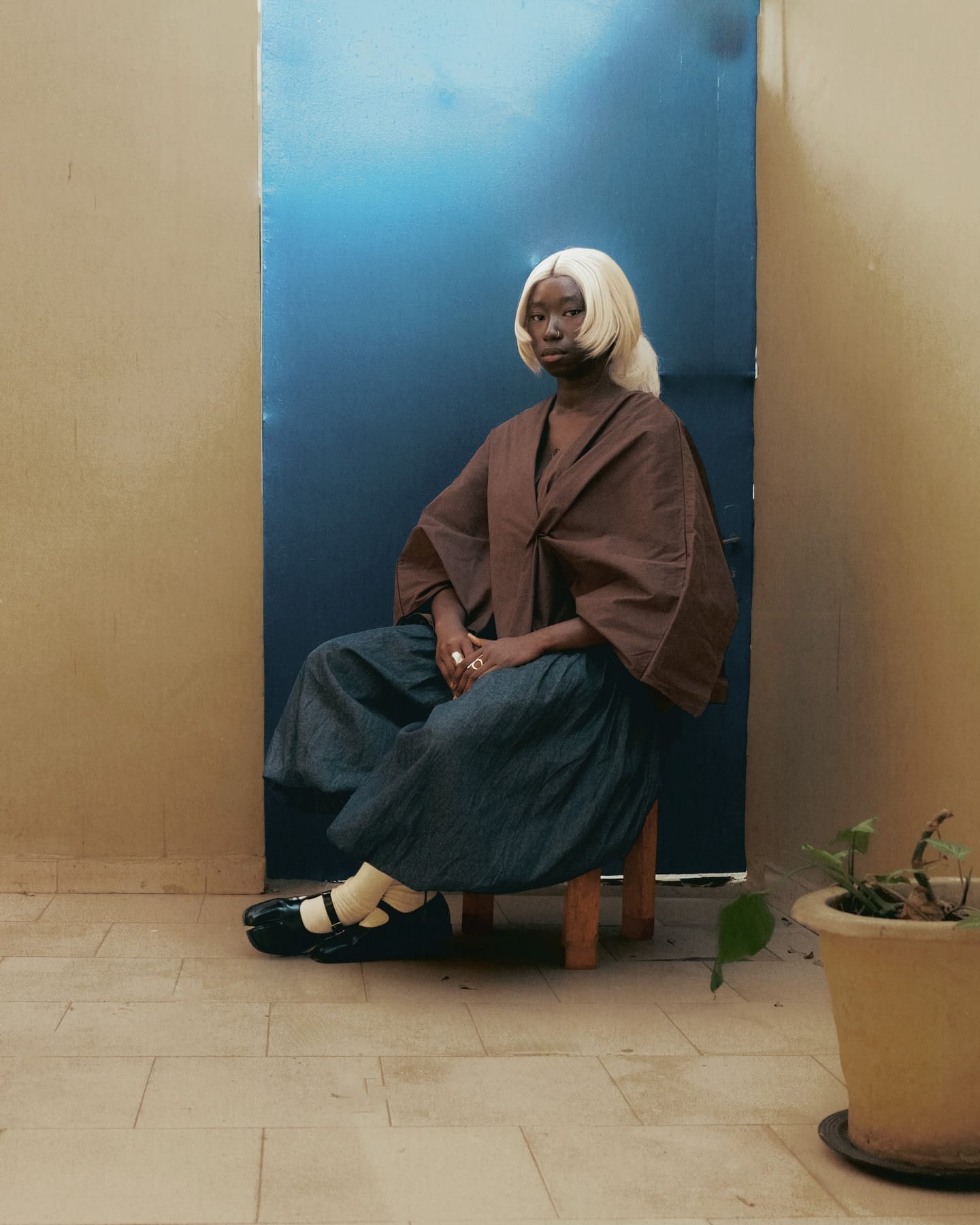
Born and raised in Dakar and now based between Dakar and Toronto, Aminata Mboup works across sculpture, ceramics, photography and digital storytelling under her creative house Iyeketi, Wolof for "to lift something up." Her ceramics practice developed after she enrolled in a sculpture program following eight years in Montreal, and explores memory, ancestral connection and identity. She has also worked as a creative director for institutions including the Montreal Museum of African and Caribbean Art.
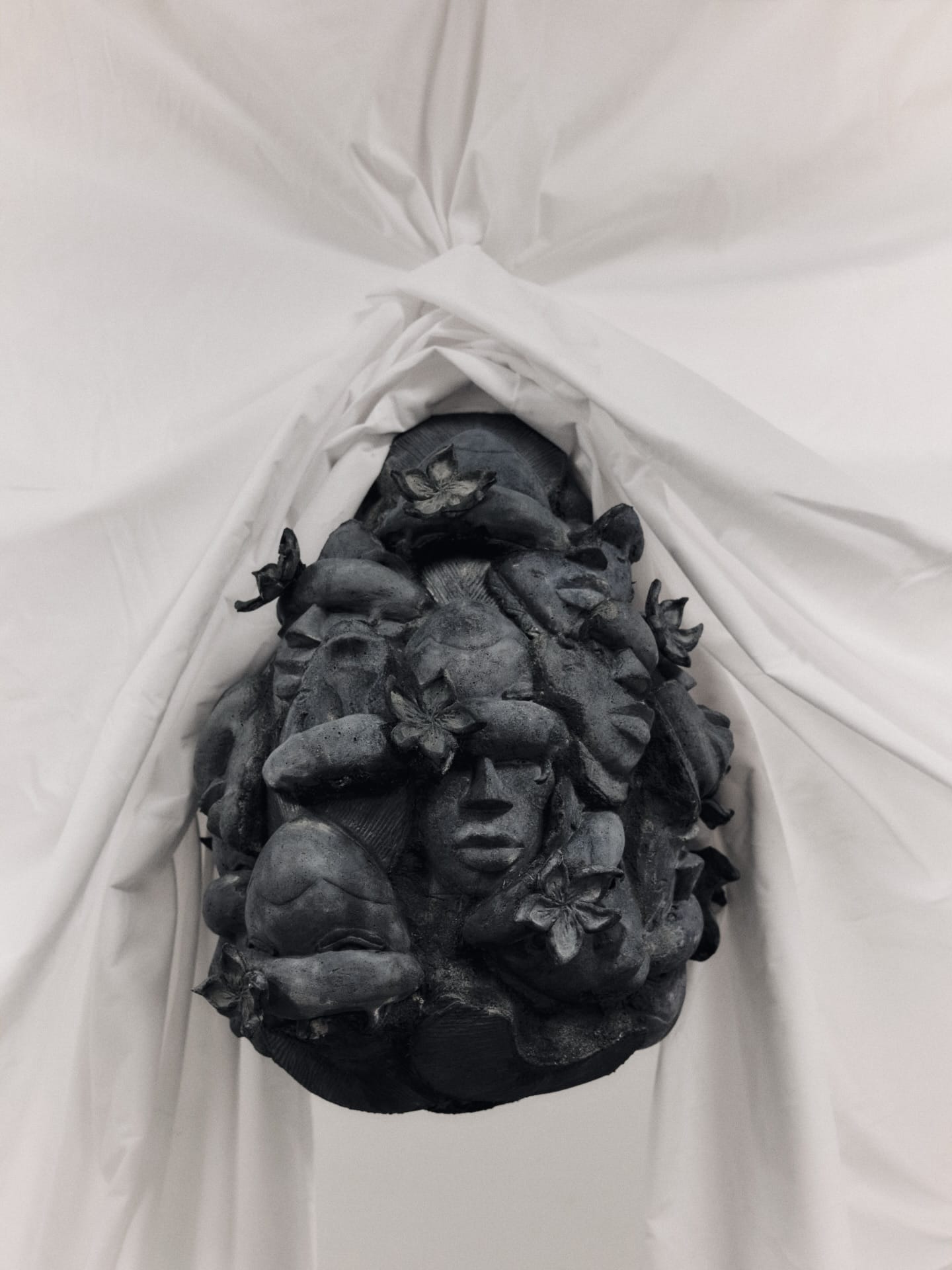
Bulembi Diadi "Bul's 21" (Democratic Republic of Congo)
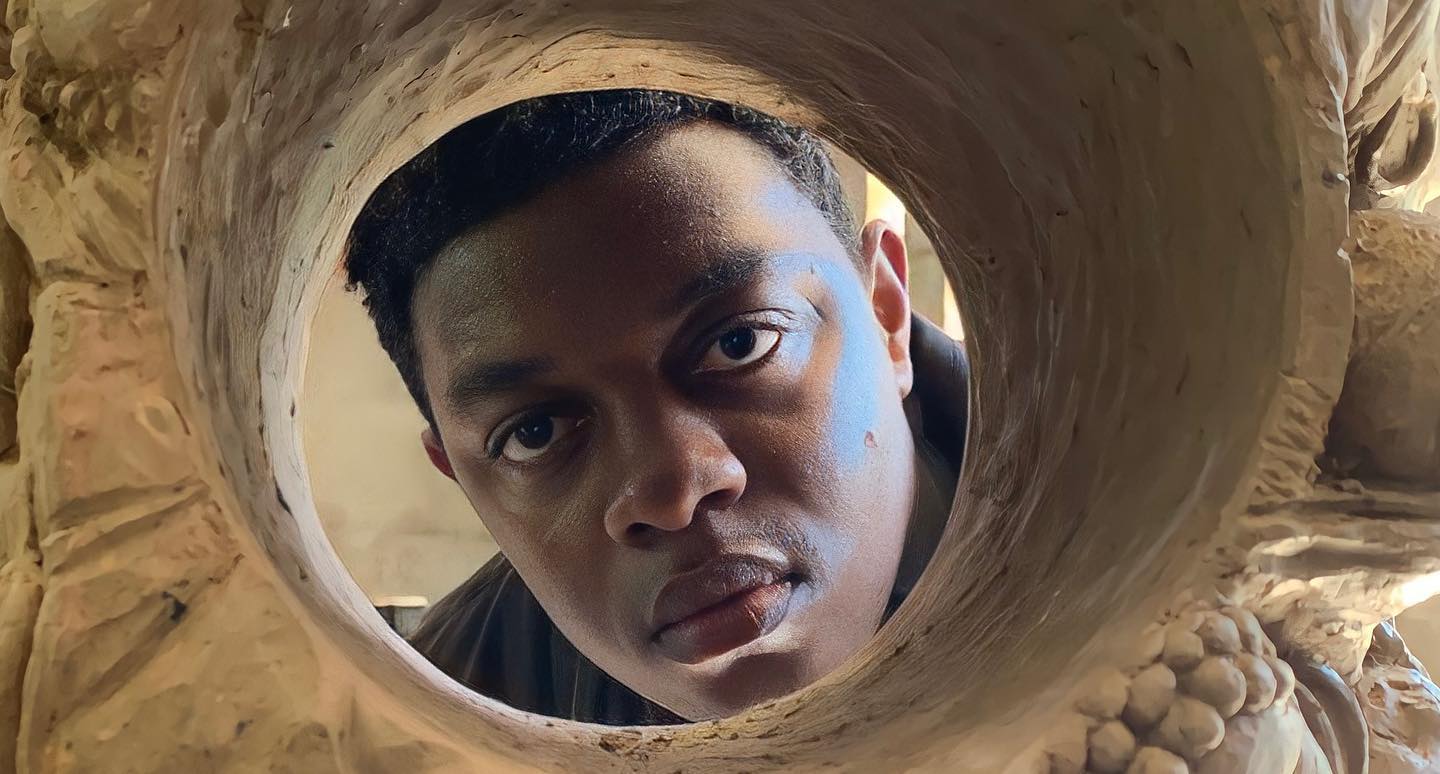
Born in Kinshasa on 12 April 1993, Bulembi Diadi studied at the Institut des Beaux-Arts de Kinshasa, earning his ceramics diploma in 2011, and now teaches at the Kinshasa Academy of Fine Arts. His glazed terracotta sculptures are often figurative and symbolic: Immortalité honoured the late art collector Sindika Dokolo, while Bolingo ya Darry pays tribute to his own mother. His practice frequently uses water and unglazed surfaces that change over time.
Dina Nur Satti (Sudanese-Somali)
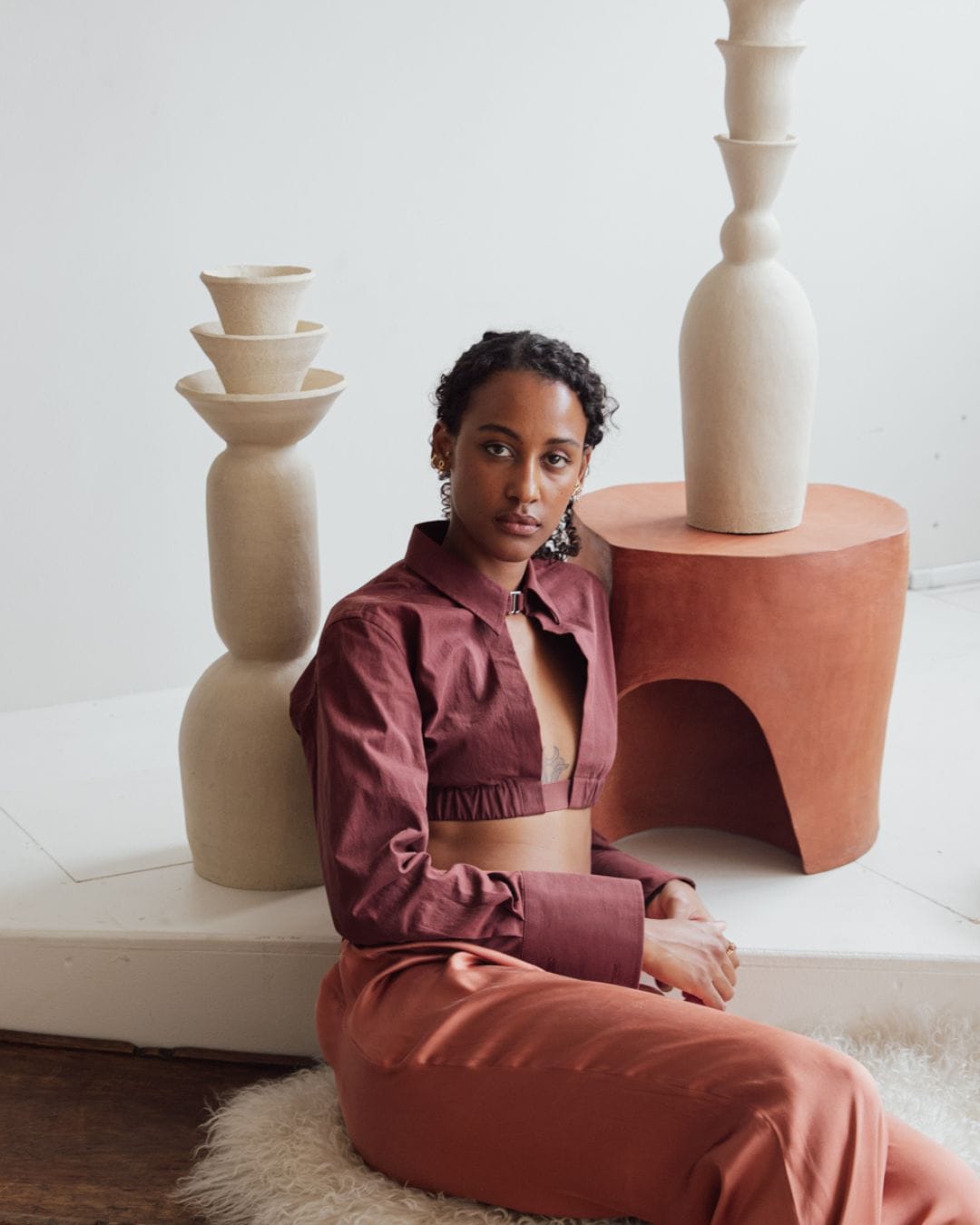
Born in Chad to a Sudanese father and Somali mother, Dina Nur Satti was raised between Paris and Nairobi before settling in New York, where she founded her Brooklyn-based practice, Nur Ceramics, in 2017. Her coil-built vessels are informed by research trips across the continent, including time with Ethiopia's Beta Israel (Falasha) potters, and by childhood memories of the ceramic incense burners used by the women in her family.



Member discussion