


For decades, the biggest sneaker houses treated Africa as a market to sell into, not a culture to collaborate with. That equation has since flipped. From Lagos to Cape Town, Accra to Abidjan, adidas, Nike, Jordan Brand, PUMA, New Balance, Reebok, Converse, Vans, ASICS and more have each put their name behind a project designed, storied, or led by an African creative, brand or community.
Here are twelve collaborations mapping that shift, from the household names to the ones still flying under the radar.
adidas × waf. — the Superstar's first African chapter
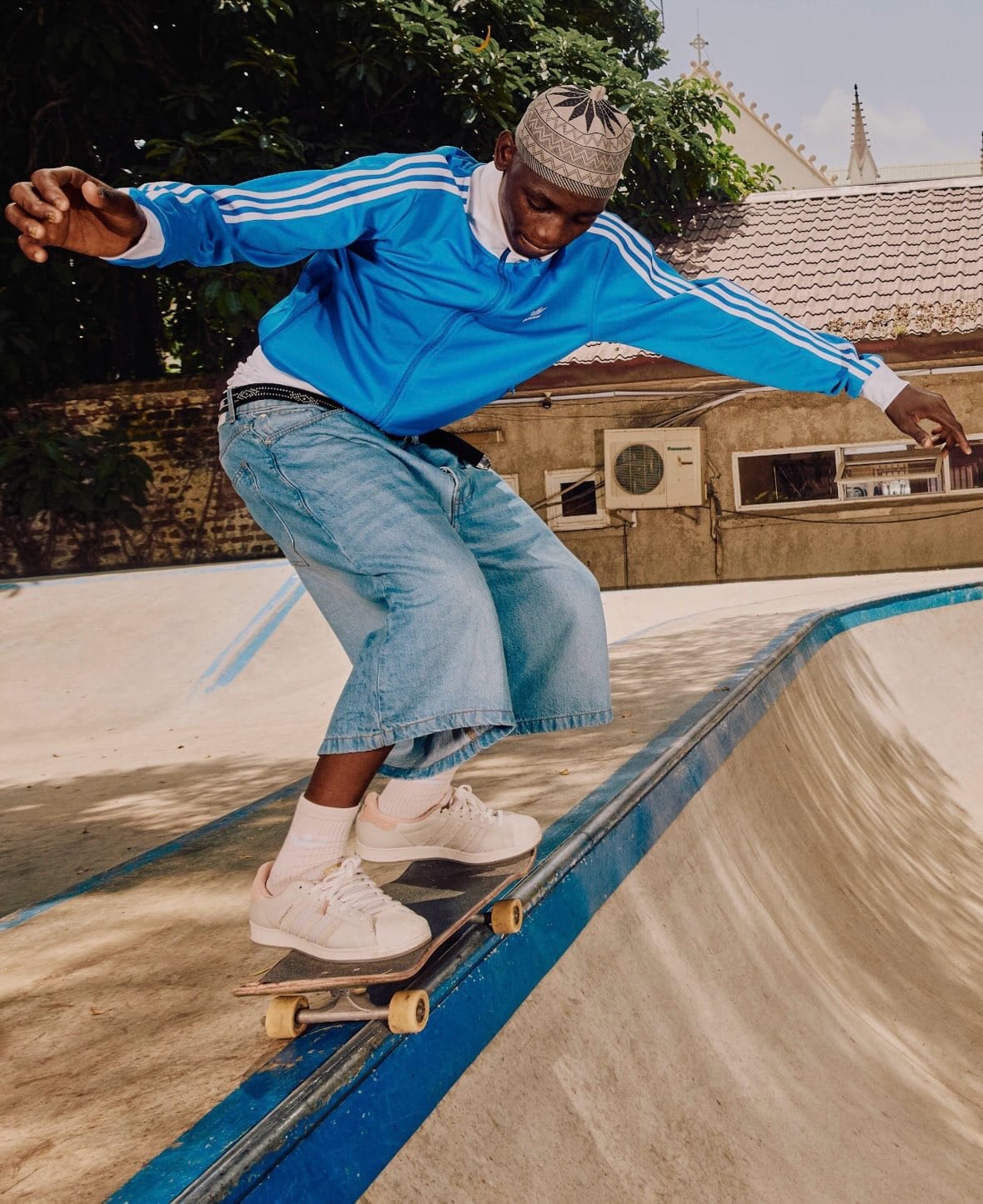
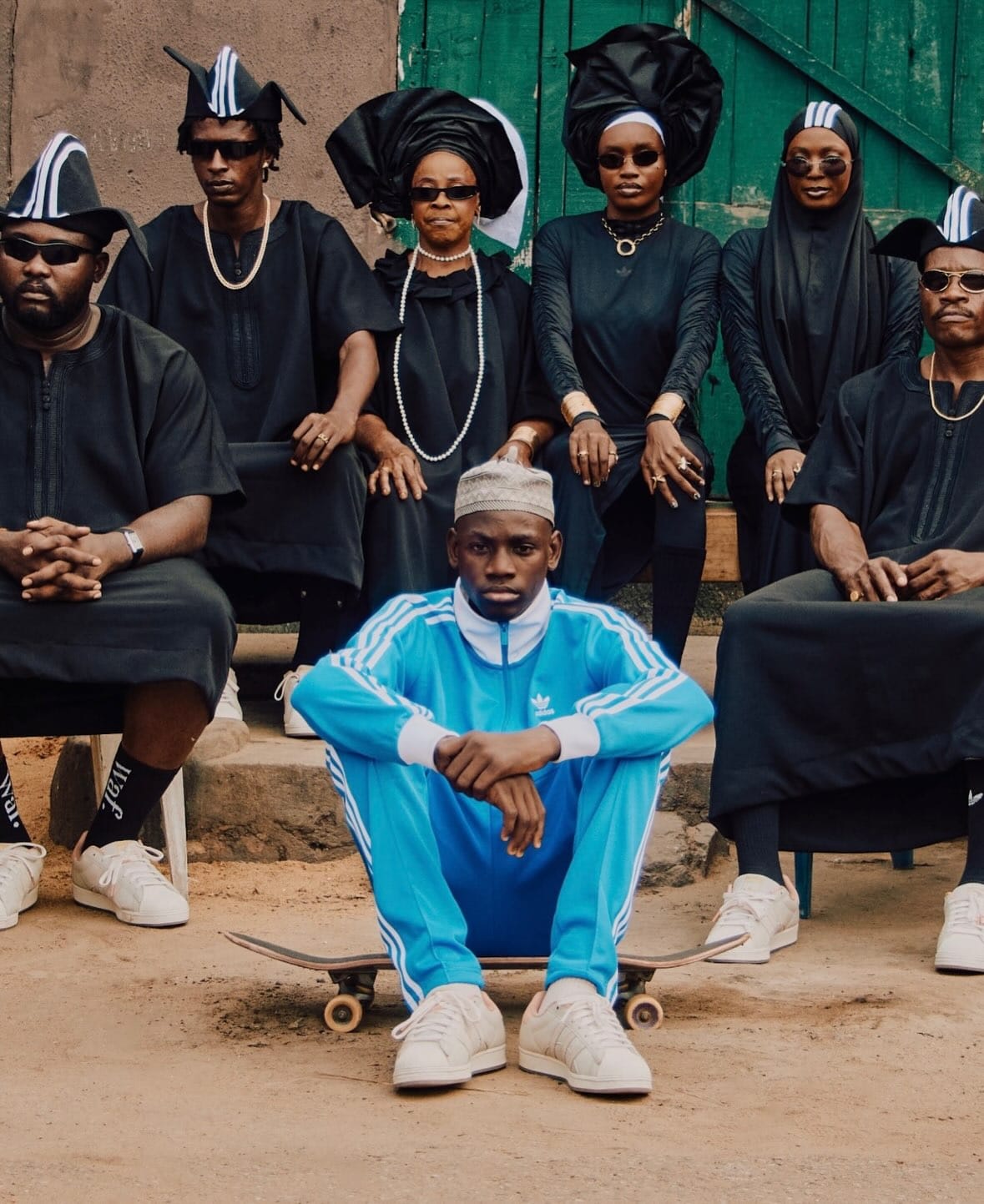
Images via adidasnigeria and wflsncrm
In Lagos, a skatepark now stands on the grounds of a former colonial prison, home to waf. (Wafflesncream), the skate community founded in 2012 by brothers Jomi Marcus-Bello, Nifemi Marcus-Bello and KC Obijiaku, now the first African skate collective to collaborate on the adidas Superstar and adidas' first-ever partnership with a Nigerian brand. Every detail on the Superstar ADV is pulled from Lagos Island itself: a dusty grey upper nodding to the Island's industrial texture, a translucent pink outsole referencing the pink cast the sky takes on near the sea at certain hours, and breathable side panels built for the heat the shoe will actually be skated in.
Free The Youth × Jordan Brand — Ghana holds the Jumpman, twice
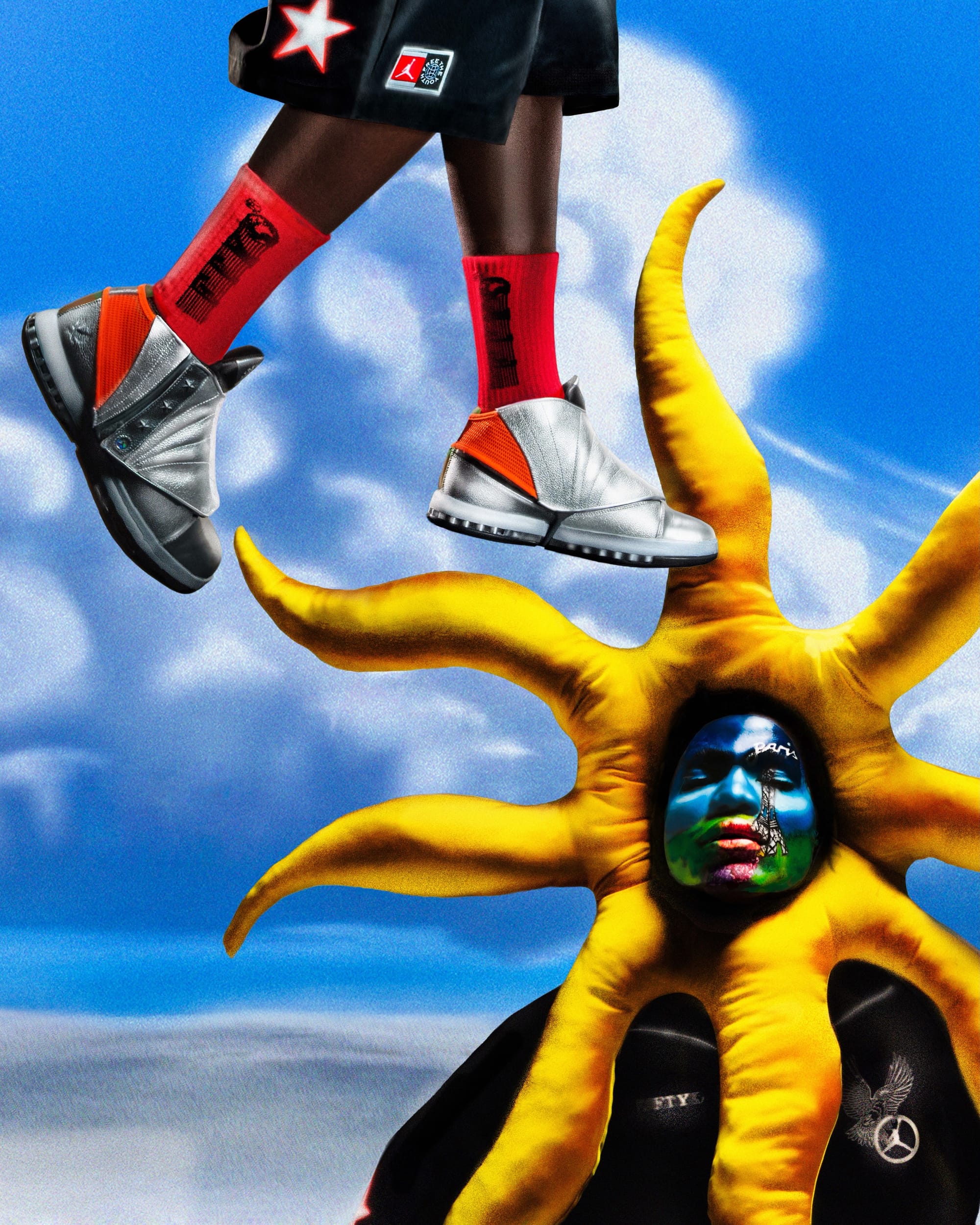
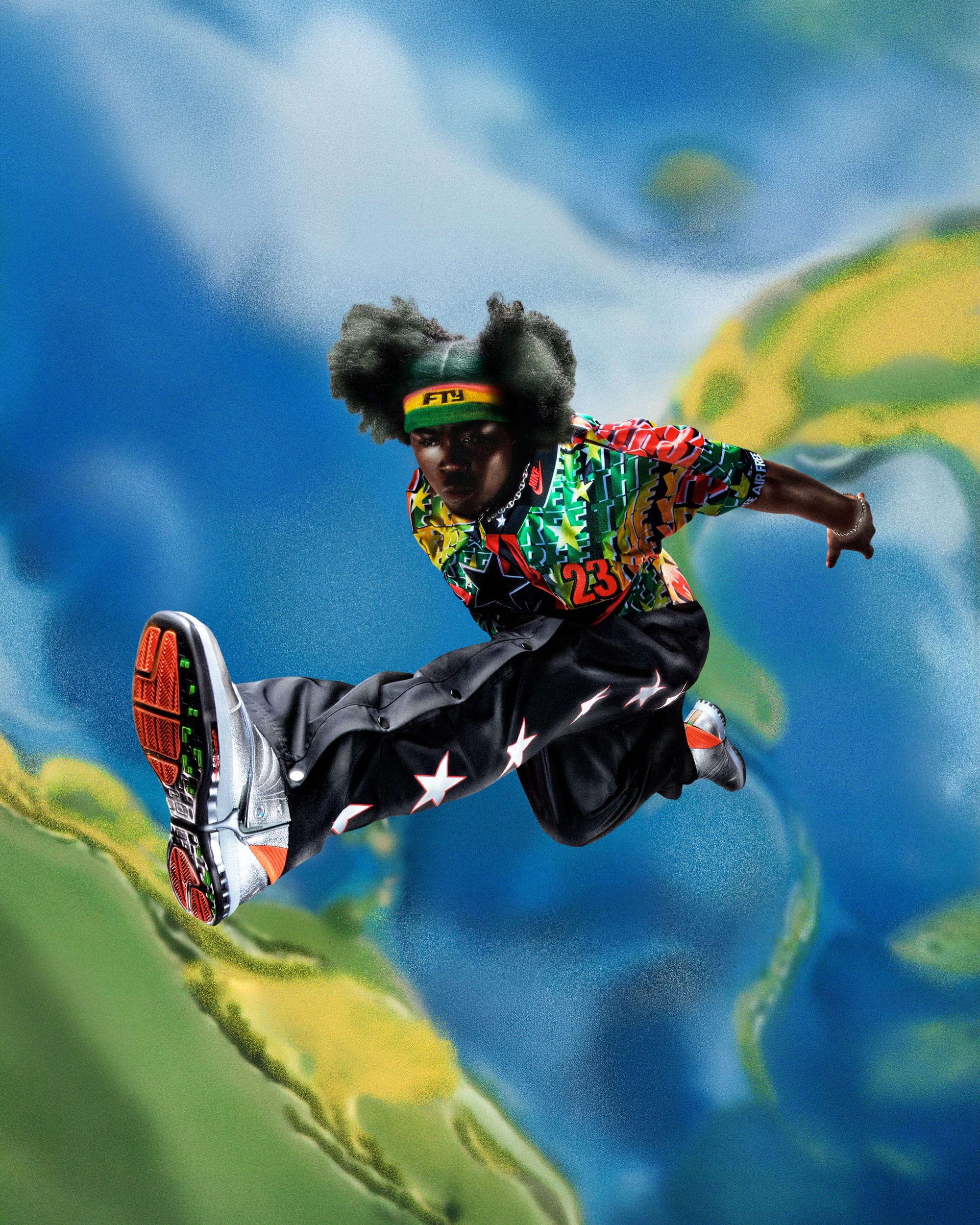
Images via freetheyouth_ghana
Free The Youth started in 2013 as four friends posting street style out of Accra, and has since grown into a streetwear label, creative agency and NGO with a collaboration history including Off-White and Daily Paper. Its first Jordan Brand project, a 175-pair Air Jordan 1 Mid released as part of the "Unbannable" 40th-anniversary campaign, swapped the shoe's usual Wings logo for the Okodee Mmowere, a Ghanaian Adinkra symbol meaning "talons of the eagle," and went to figures including Ghana's President John Dramani Mahama, Stonebwoy and Black Sherif. That preview has now become a full release: an Air Jordan 16 with campaign imagery built from hand-drawn, hand-painted and hand-sculpted Ghanaian backdrops.
Homecoming × Grace Ladoja × Nike — a decade of cultural exchange.
Images via @ourhomecoming
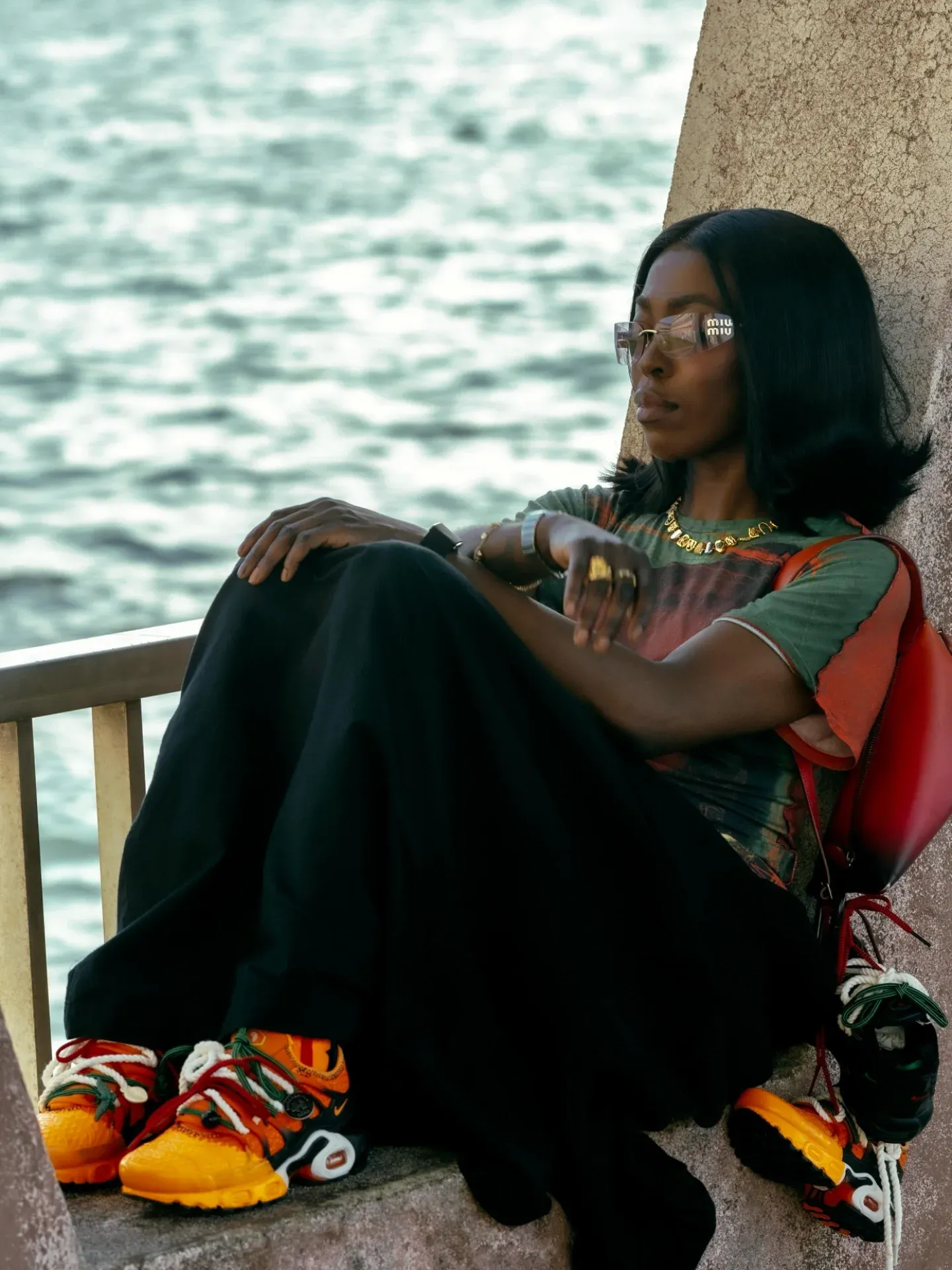
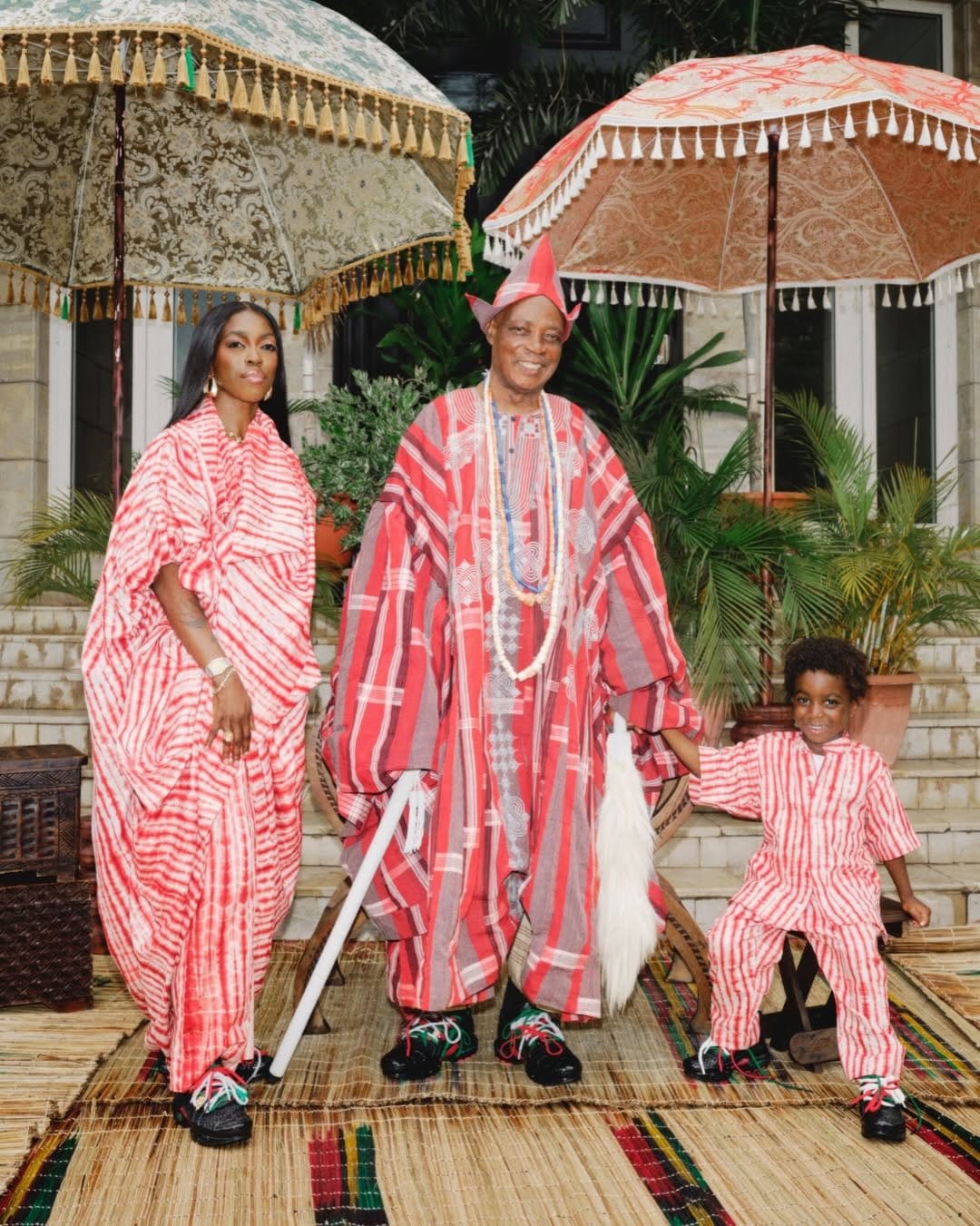
Grace Ladoja MBE built Homecoming into one of the defining bridges between Lagos and London creative culture, and April 2026's ninth edition of the festival came with a special-edition Nike Air Max, marking Ladoja as the first Nigerian woman to design a signature Nike shoe after Nike had been one of her earliest collaborators as a young director. The shoe arrives in two colourways — a Pan-African edition and an orange "African Sunrise" tribute to the Lagos sunrise — each with six detachable charms including a gold map of Africa and the cowrie shell, and campaign imagery pictures Ladoja with her son and her father, the Olubadan of Ibadanland, threading three generations into one release.
Daily Paper × PUMA — the collaboration that pointed the way, nearly a decade early
Images via Hypebeast and ultimatesneakerstore
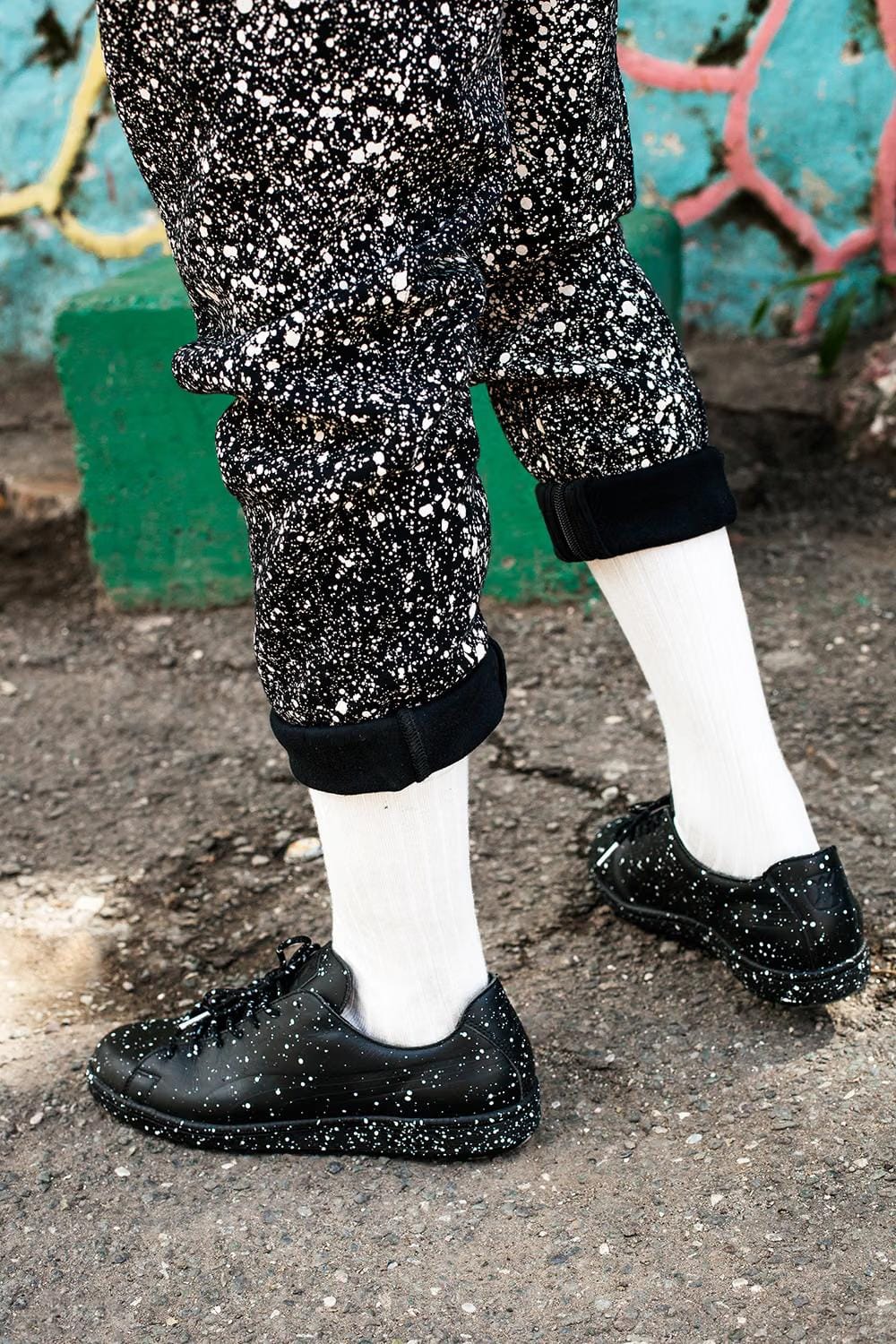
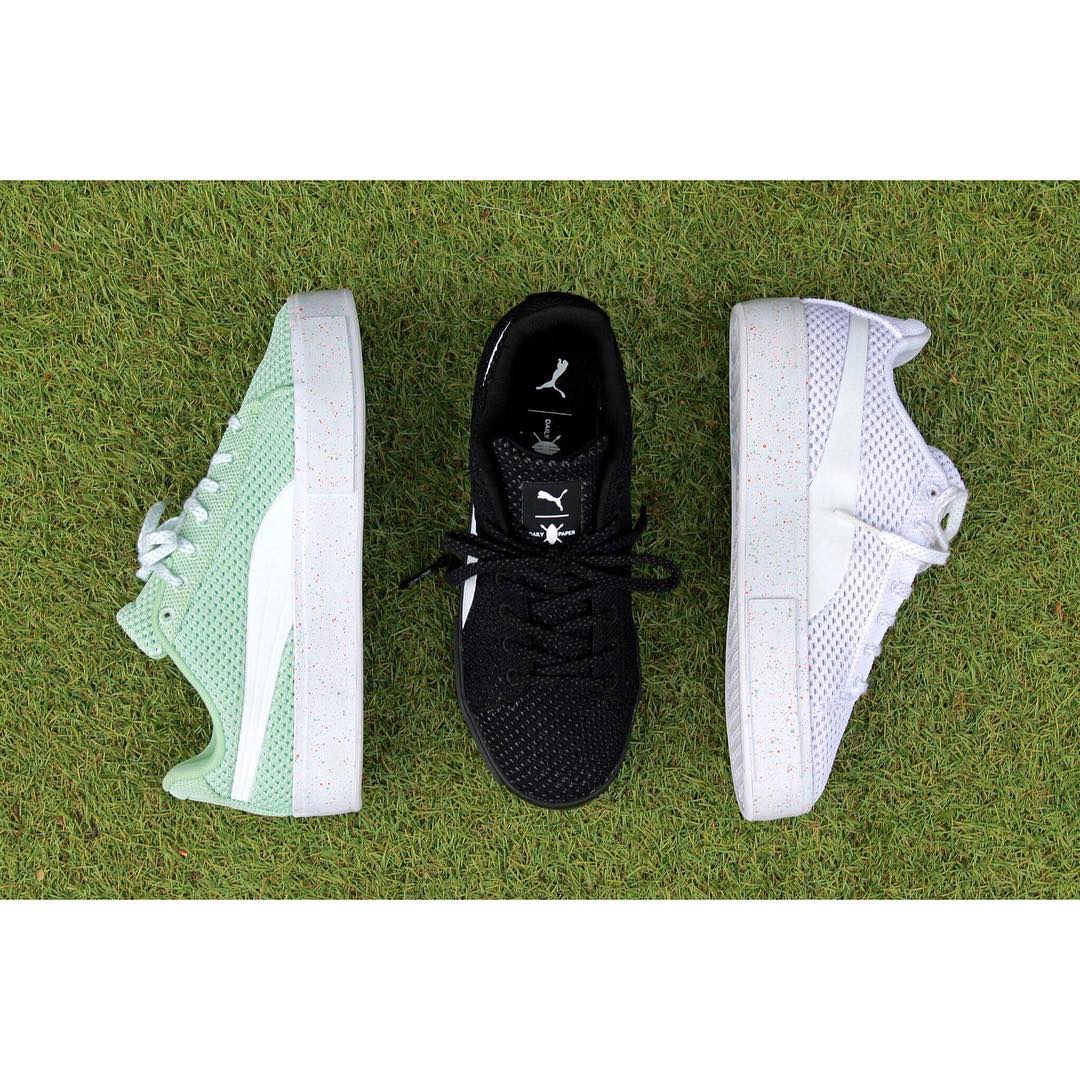
Before this current wave, Amsterdam-based Daily Paper founded by three friends of Ghanaian and Nigerian descent was already proving the model could work: its first PUMA collaboration took cues from Maasai cricketers, reworking archive silhouettes like the Suede and Court Platform, while the Autumn/Winter '17 follow-up marked PUMA's 20th year supporting African football, pulling from the kits of Ghana, Cameroon and Ivory Coast and stamping the number 20 in Amharic across the range. It's a useful reminder that this isn't a brand-new trend; it's a slower-building relationship between global sportswear houses and African designers who've spent over a decade proving the audience and the aesthetic were always there.
PUMA × Super Yaya — the Speedcat, reworked from Abidjan
Images via superyaya100
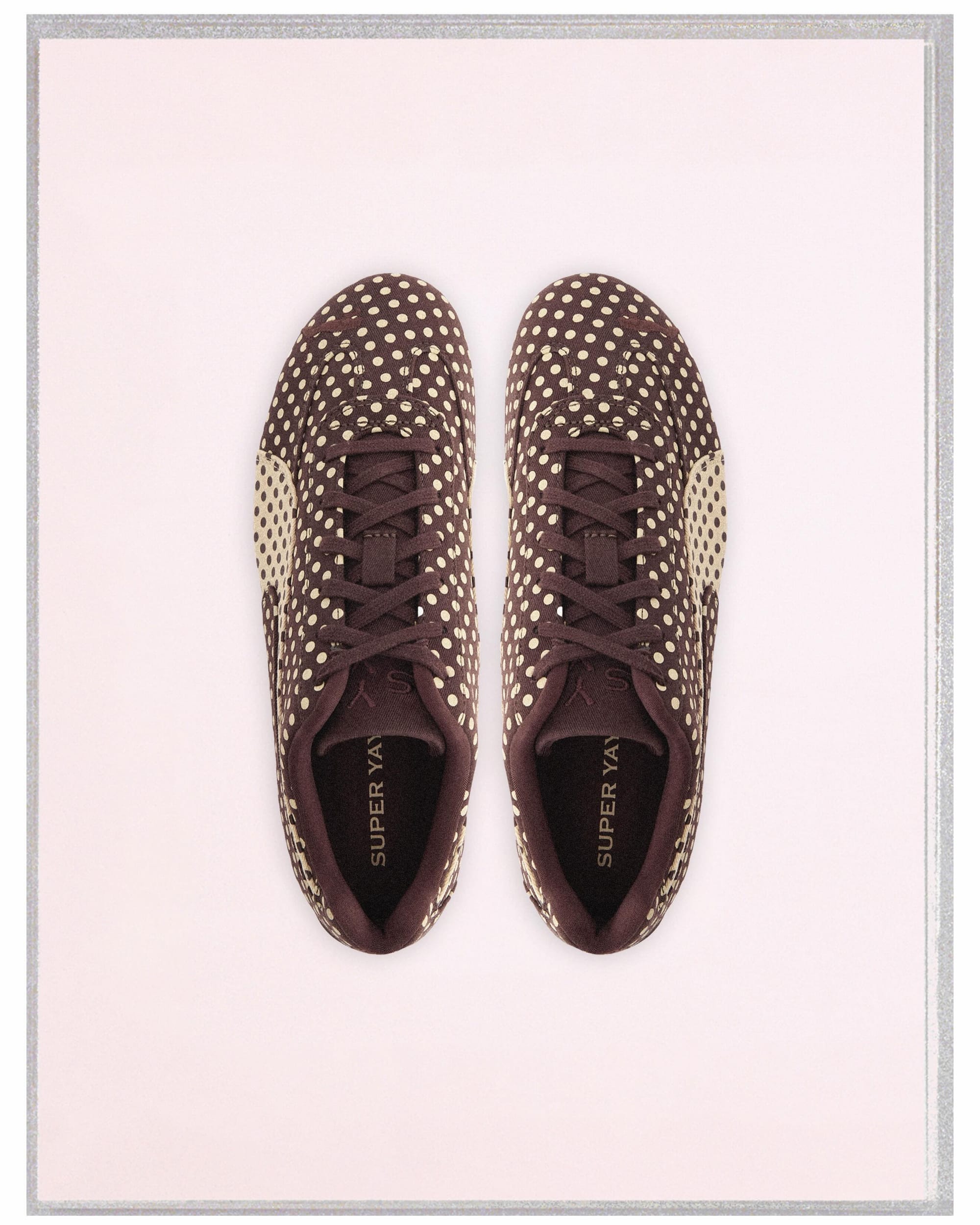
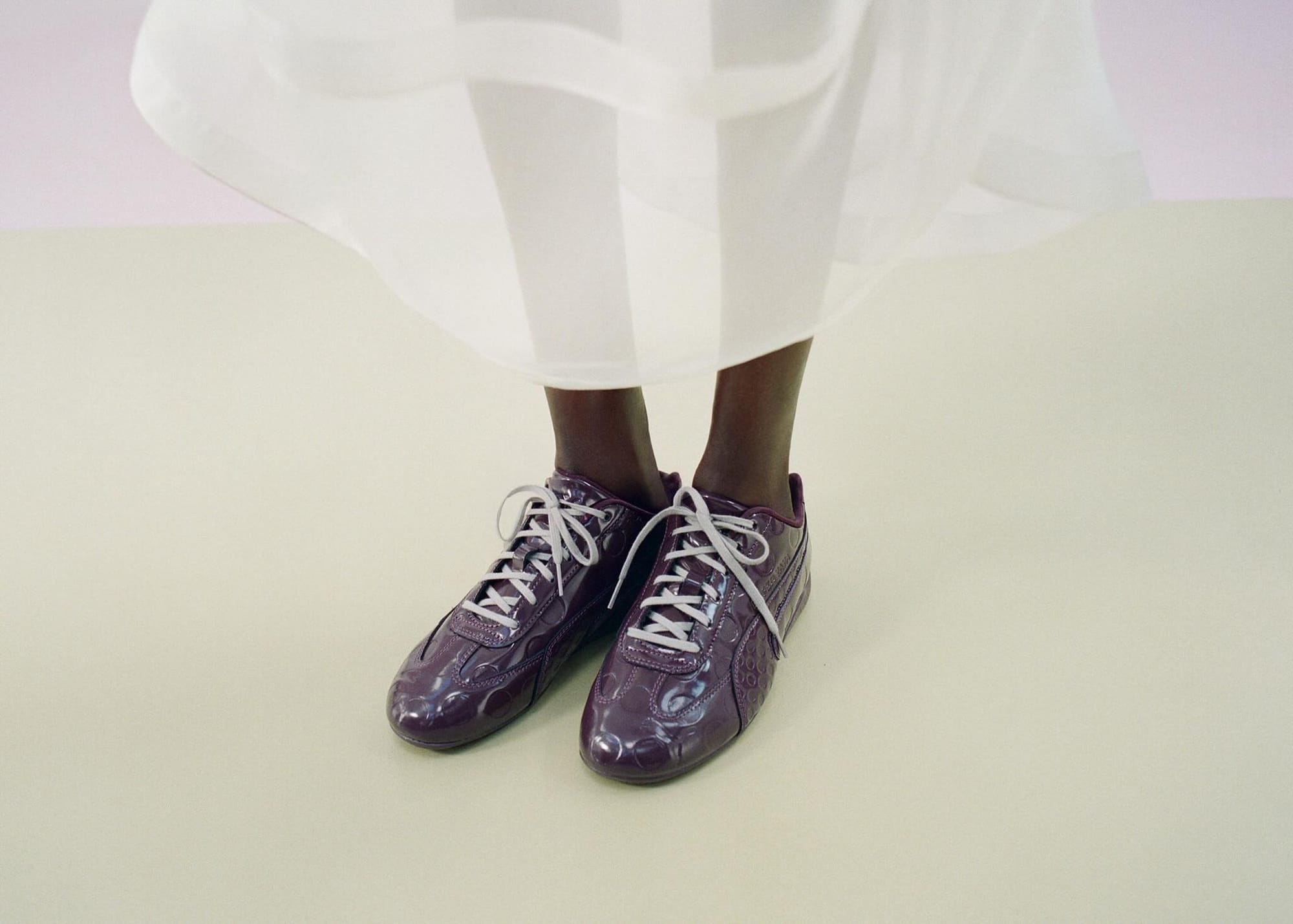
Rym Beydoun founded Super Yaya in 2016 after training at Central Saint Martins, and now works between Beirut and Abidjan, drawing on both her Ivorian and Lebanese heritage; for 2026, Zalando brought her together with PUMA for a two-part reinterpretation of the Speedcat, a shoe originally built for Formula 1 drivers before it migrated into everyday wear. The first drop, in canvas, comes in three unisex colourways with a dotted motif tracing back to Super Yaya's own past collections, while the second, more refined drop adds a patent-leather finish in deeper plum and black tones, with a campaign fronted by South Sudanese-British model Alek Wek and shot in a dance studio referencing Murda Afrique.
New Balance × Falko One — elephants over the Jozi skyline
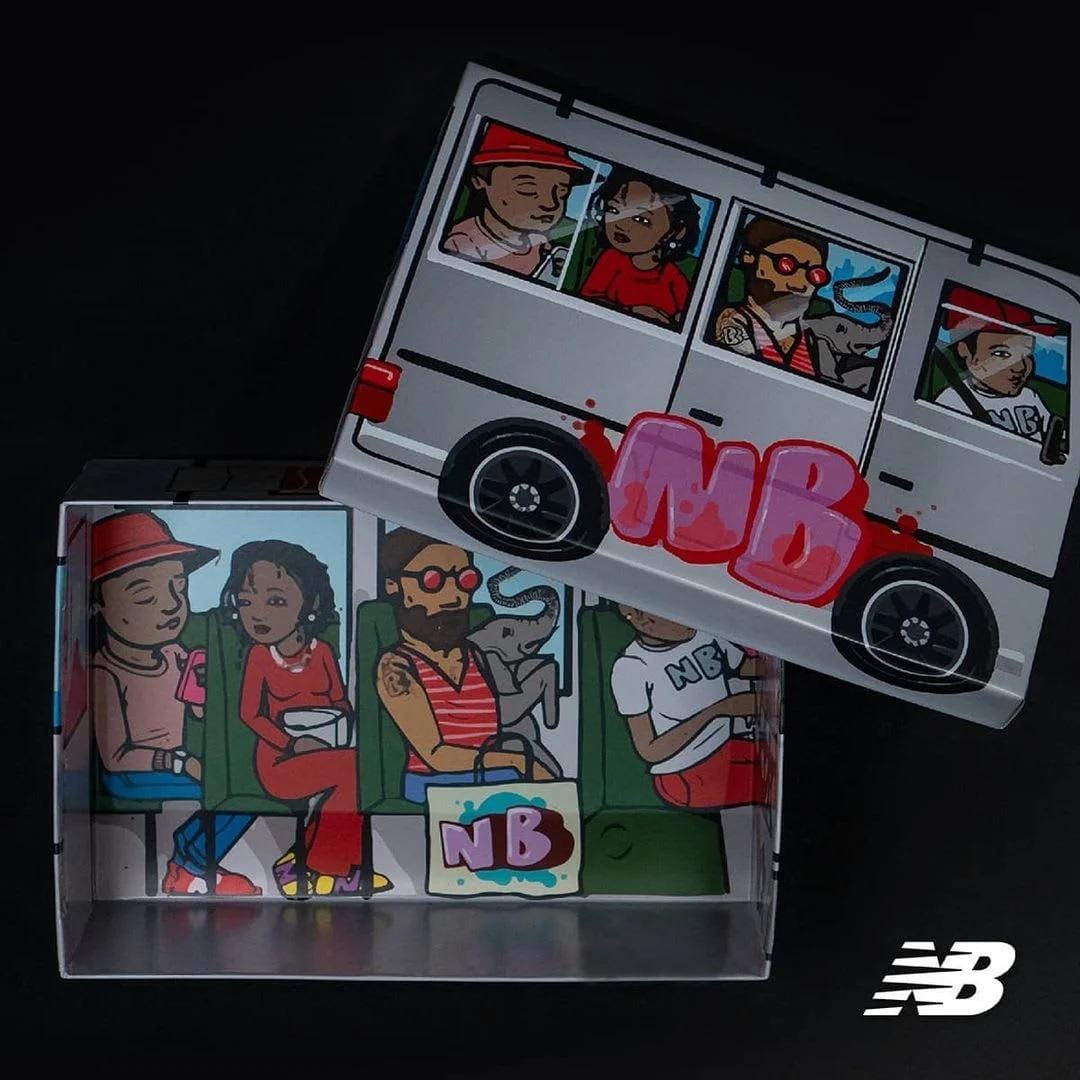
Falko One is South African street art royalty, born in Cape Town, who started painting walls in Mitchells Plain in 1988 and has spent over three decades taking his signature psychedelic elephants across townships, cities and continents; when New Balance relaunched its Mall of Africa store in Johannesburg, it turned to Falko for a custom wall mural capturing the Jozi skyline through his elephant tags, plus a run of 100 limited-edition shoeboxes, hand-designed and signed, inspired by the hustle of the city's taxi industry. It's a lighter touch than a signature shoe, but proof that these partnerships don't only take the form of a co-designed sneaker; sometimes the retail environment itself becomes the canvas.
YoungstaCPT × Reebok — a Cape Flats mixtape, stitched into leather
Images via whatsonincapetown
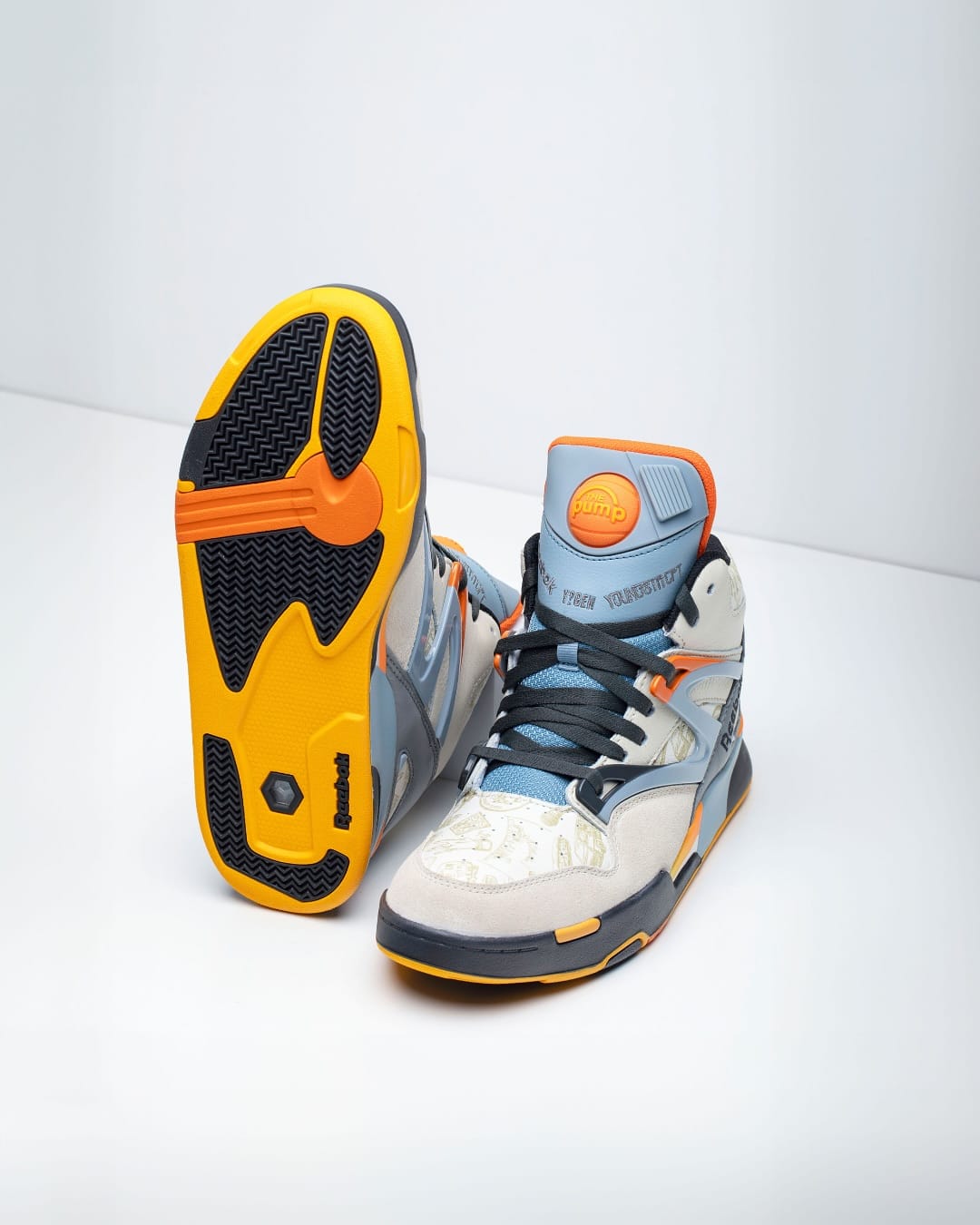
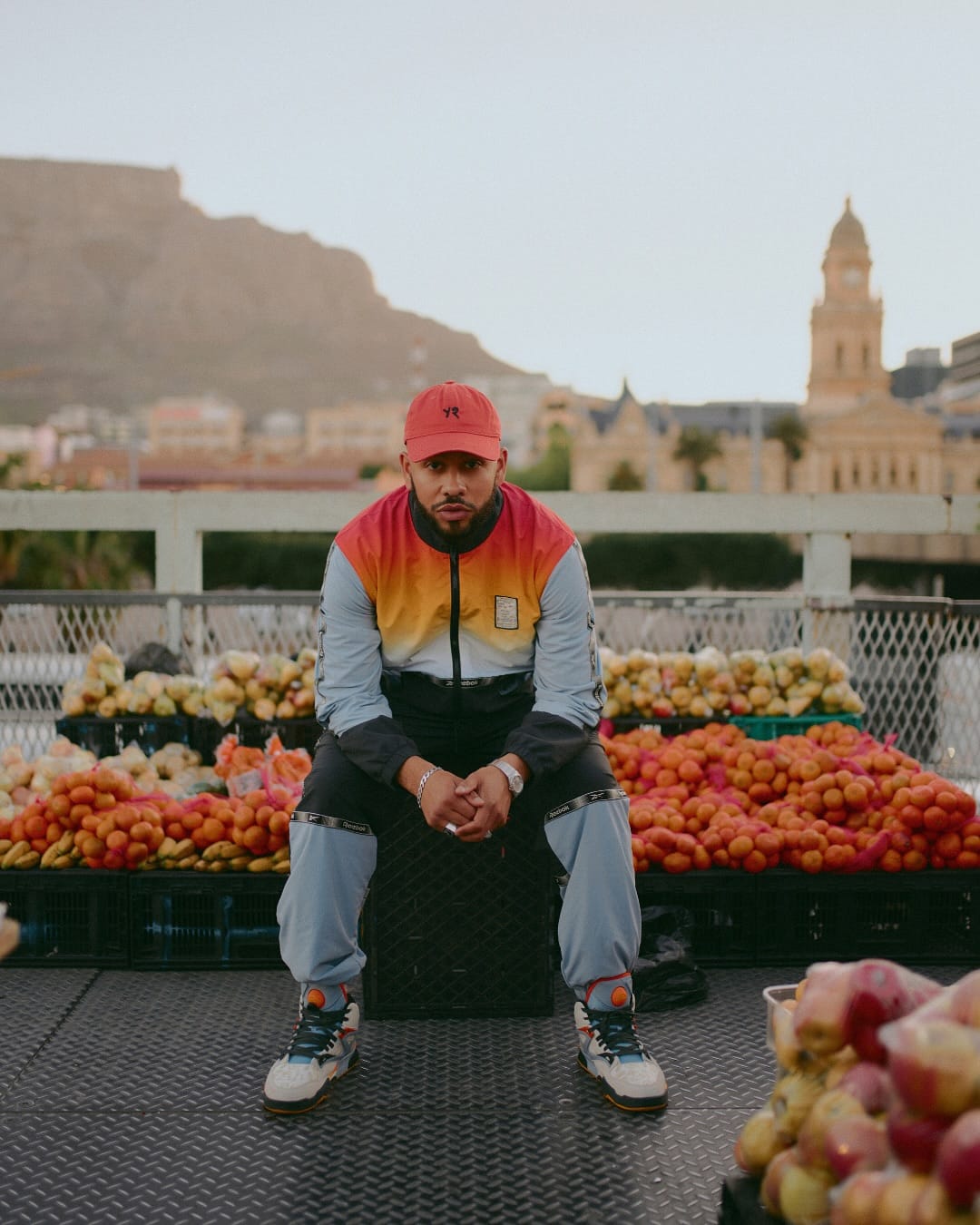
Cape Town rapper YoungstaCPT teamed up with Reebok South Africa on the Oh-Two-1, named for the 021 area code of the Mother City and built on Reebok's classic Pump OmniZone silhouette, designed by YoungstaCPT and illustrated by Capetonian artist Ross Solomon with hand-sketched local references including spray cans, cassette tapes, Metrorail trains and Gatsby sandwiches. It's the third local signature sneaker in Reebok's Pure Mzansi Gold series, following the late AKA, with only 500 pairs made, each signed, numbered and boxed with custom artwork, what YoungstaCPT described as a project about legacy, for a brand he said has always belonged to people who built something out of nothing.
Converse × #CreateAtHome — five South African artists reimagine the Chuck
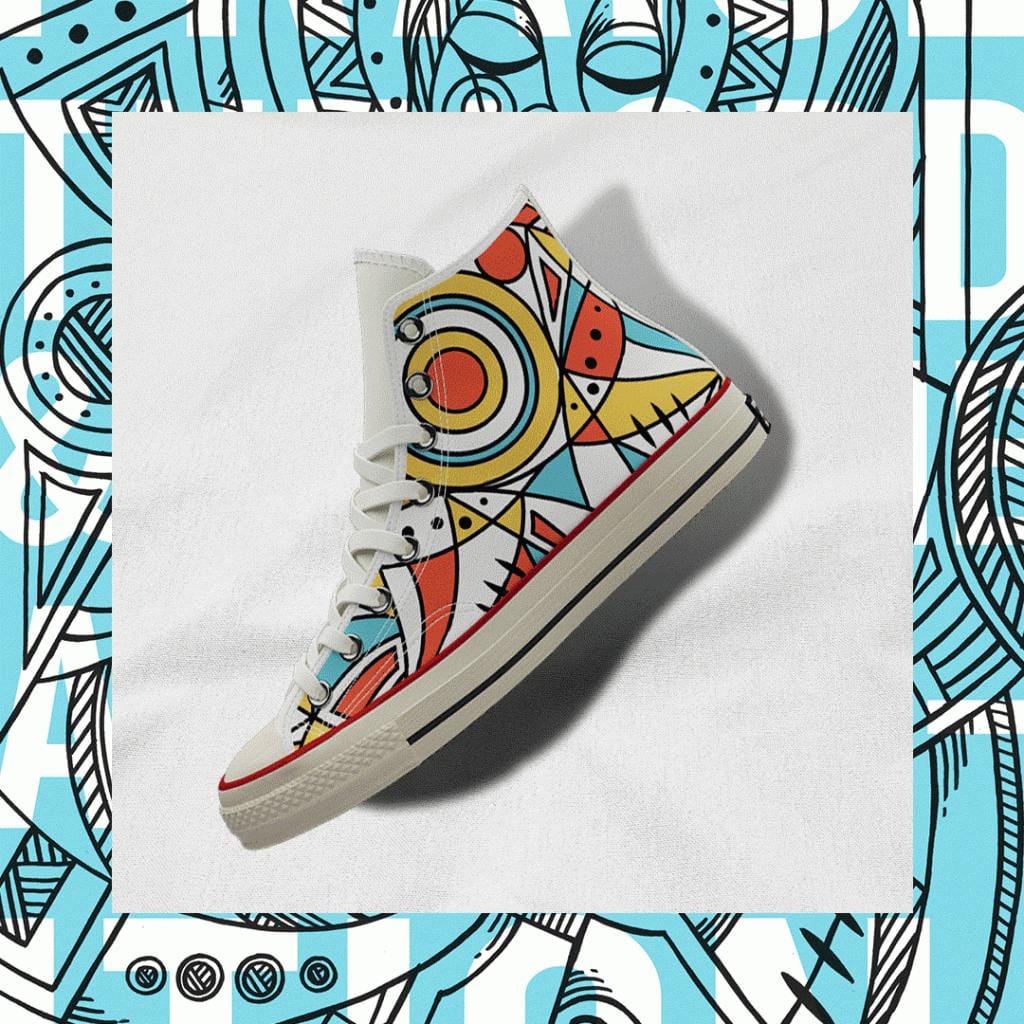
In 2020, Converse's #CreateAtHome campaign became a project called Unity, handing the classic white Converse Hi-top to five South African artists: Fhatuwani Mukheli, Sindiso Nyoni, Nardstar*, David Tshabalala and Falko One again to each visually depict the African experience of COVID-19 through a lens of hope and survival, with each design limited to 75 customised pairs and proceeds going to the Nelson Mandela Children's Fund. It's a smaller, more grassroots example than most on this list, but an early one showing a global brand handing over creative control to local artists rather than commissioning "African-inspired" work from elsewhere.
Dobale × Vault by Vans — "Forever Sunny in Ikoyi"
Images via stay__rooted and vans_worksout
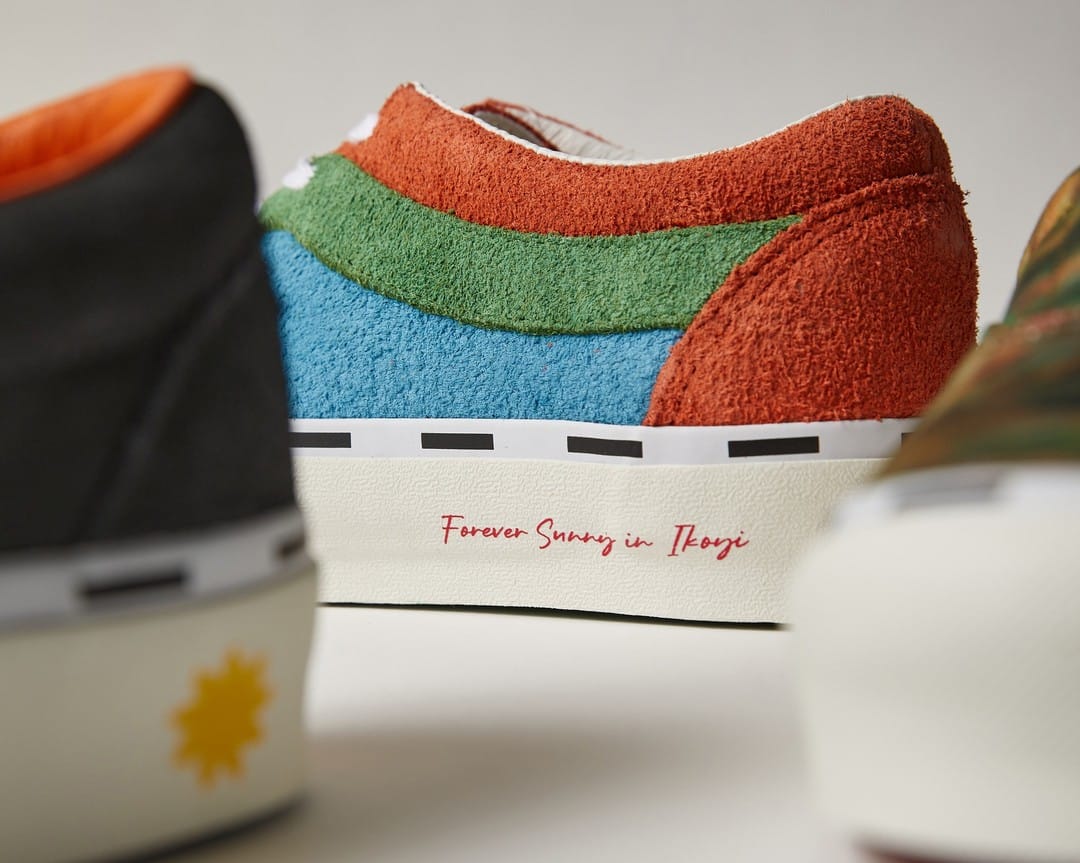
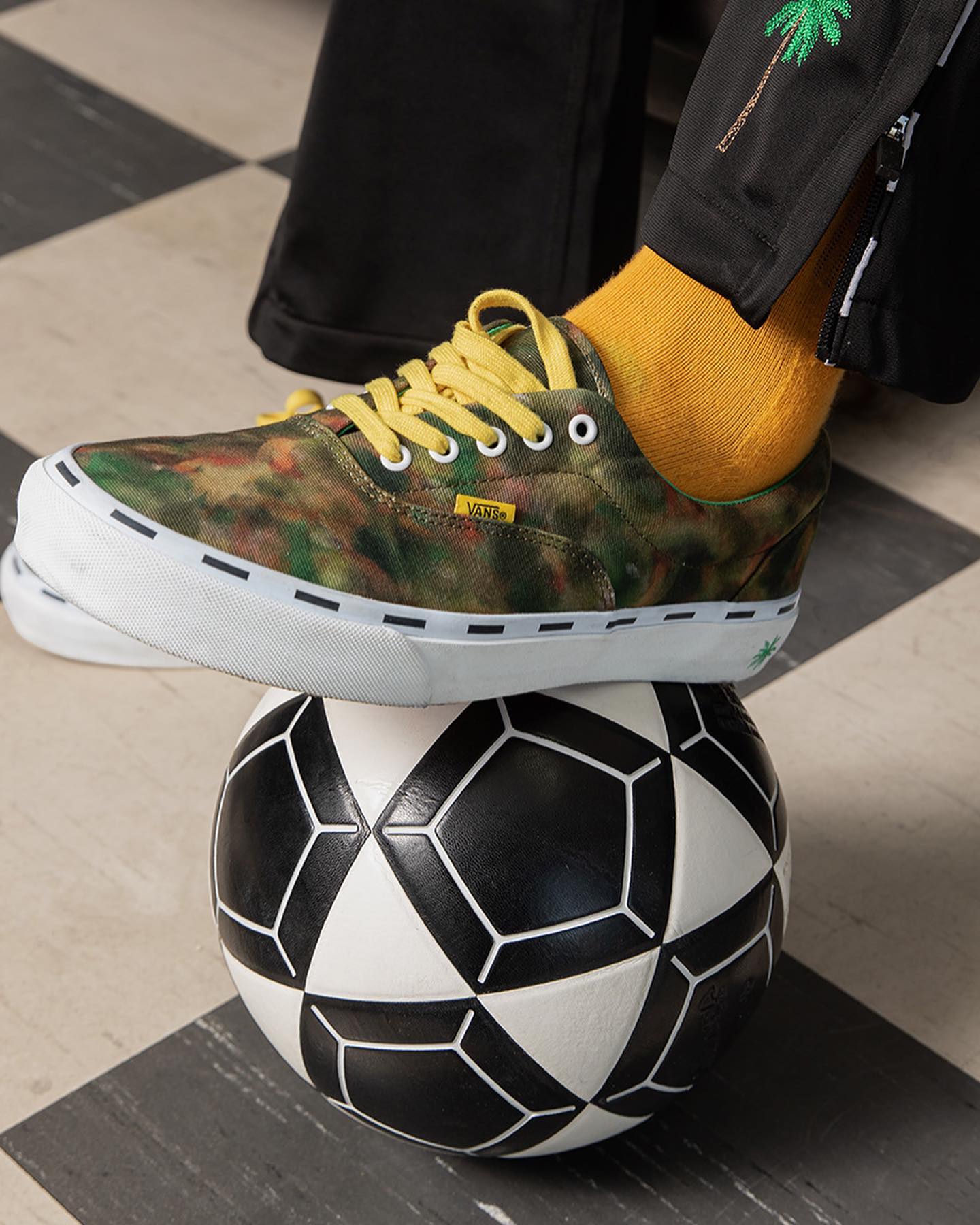
Nigerian-American artist Ade Okuboyejo's brand Dobale partnered with Vault by Vans on a debut collection titled "Forever Sunny in Ikoyi," drawing on his childhood in Lagos, with a colour palette pulled from the city's sunny atmosphere, its food, its scenery and the Lagos state flag; a tri-colour vintage suede Vans Bold Ni, a Vans Era VLT LX built around his favourite hometown dish (efo), and a Vans Slip-On VLT LX finished with a hand-drawn sun graphic, extended across an eight-piece apparel capsule. It's a smaller footwear-plus-apparel take on the same instinct running through this whole list: using a global shoe brand's platform to tell a very specific, very personal Lagos story.
Vans × Motherlan — a full-circle skate trip back to Lagos
Images via sanecomms
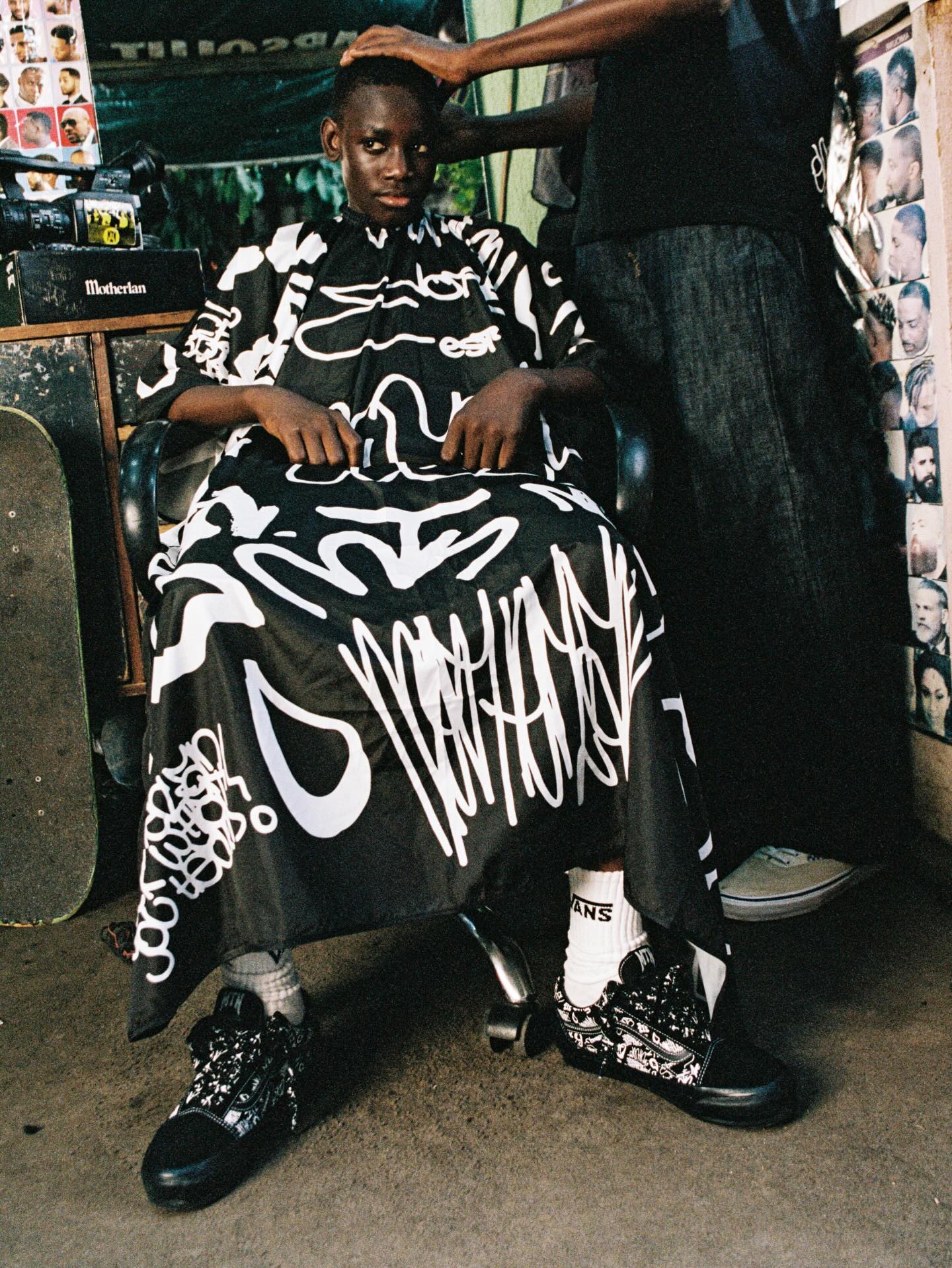
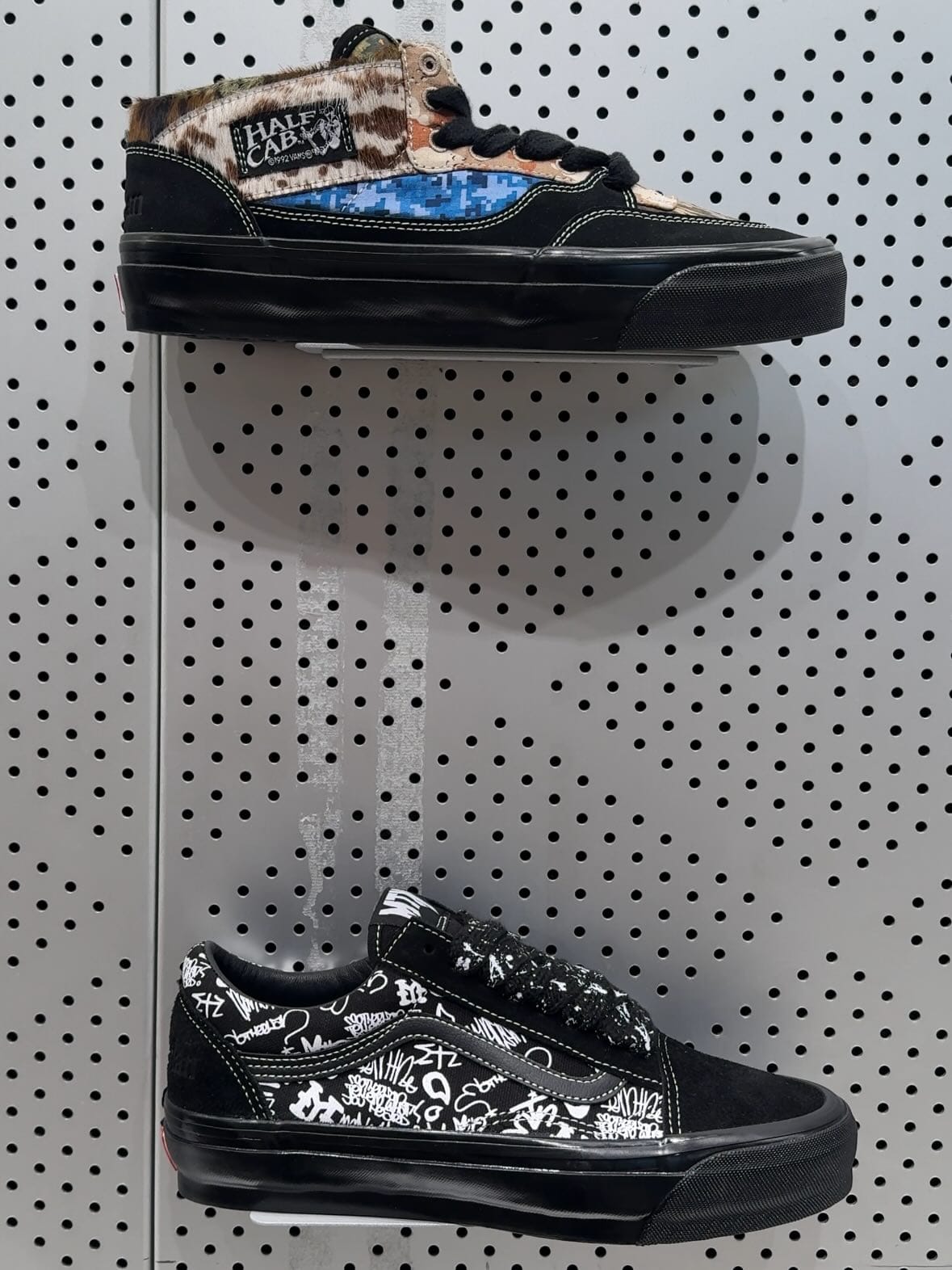
London-based, Nigerian-born collective Motherlan partnered with Vans on a limited-edition collection built around two premium LX styles, the Half Cab Reissue 33 and Old Skool, alongside an apparel capsule, and returned to Lagos to shoot the campaign, skateboarding through the city that shaped their youth, their first global project with Vans landing, fittingly, as a homecoming. It sits naturally alongside waf. and Free The Youth as a reminder that skate culture has become one of the strongest through-lines connecting African cities to the biggest sneaker brands.
ASICS Sportstyle × Helon Melon — comfort first, at South African Fashion Week
Images via helonmelonct
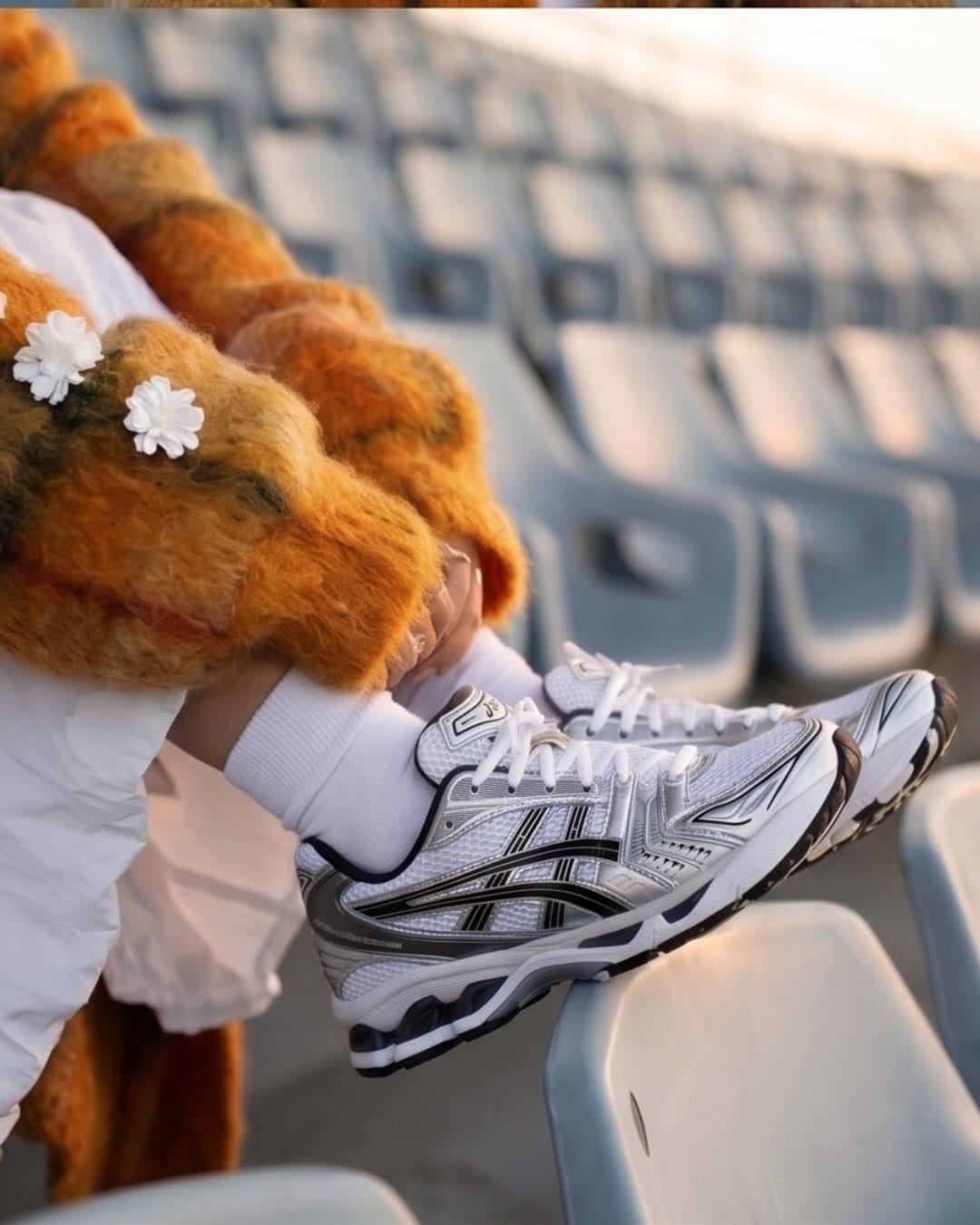
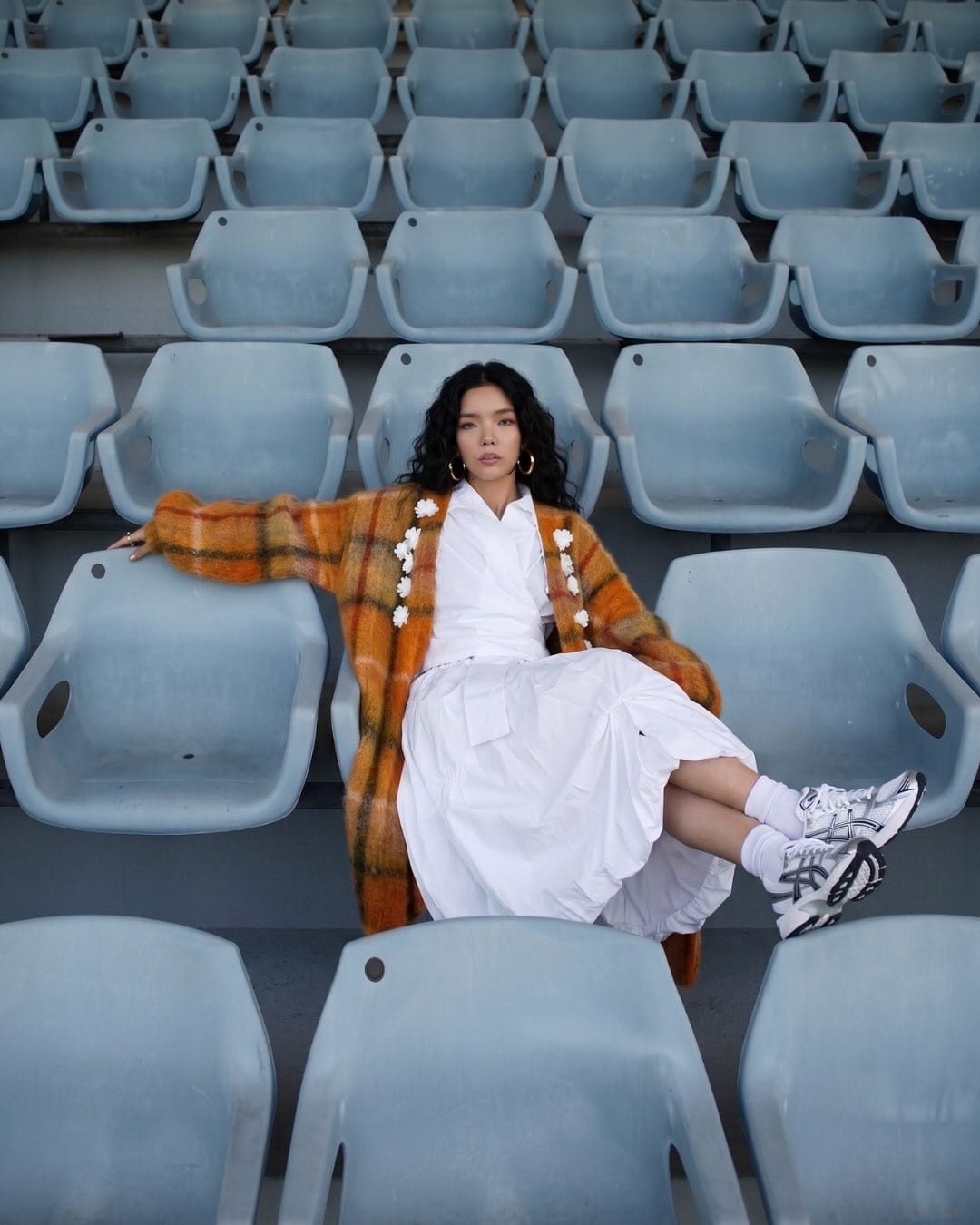
At South African Fashion Week, ASICS Sportstyle partnered with Cape Town designer Helen Melon, founder of the nearly three-decade-old label Helon Melon, known for natural fabrics and an honest, understated design sensibility, who reinterpreted ASICS Sportstyle's footwear through her own lens for the runway, pairing her garments with the brand's shoes in looks she described as effortless and self-expressive. She's pointed to a shared value system behind the fit — mutual respect for materials, construction and longevity, and a belief that comfort should come first — making it a smaller-scale, runway-first collaboration but one more sign of a global performance brand actively courting South Africa's fashion week ecosystem.
Nike × Air Afrique — a dress shoe built from a Pan-African airline's memory
Images via sundayfit and oumou.sang
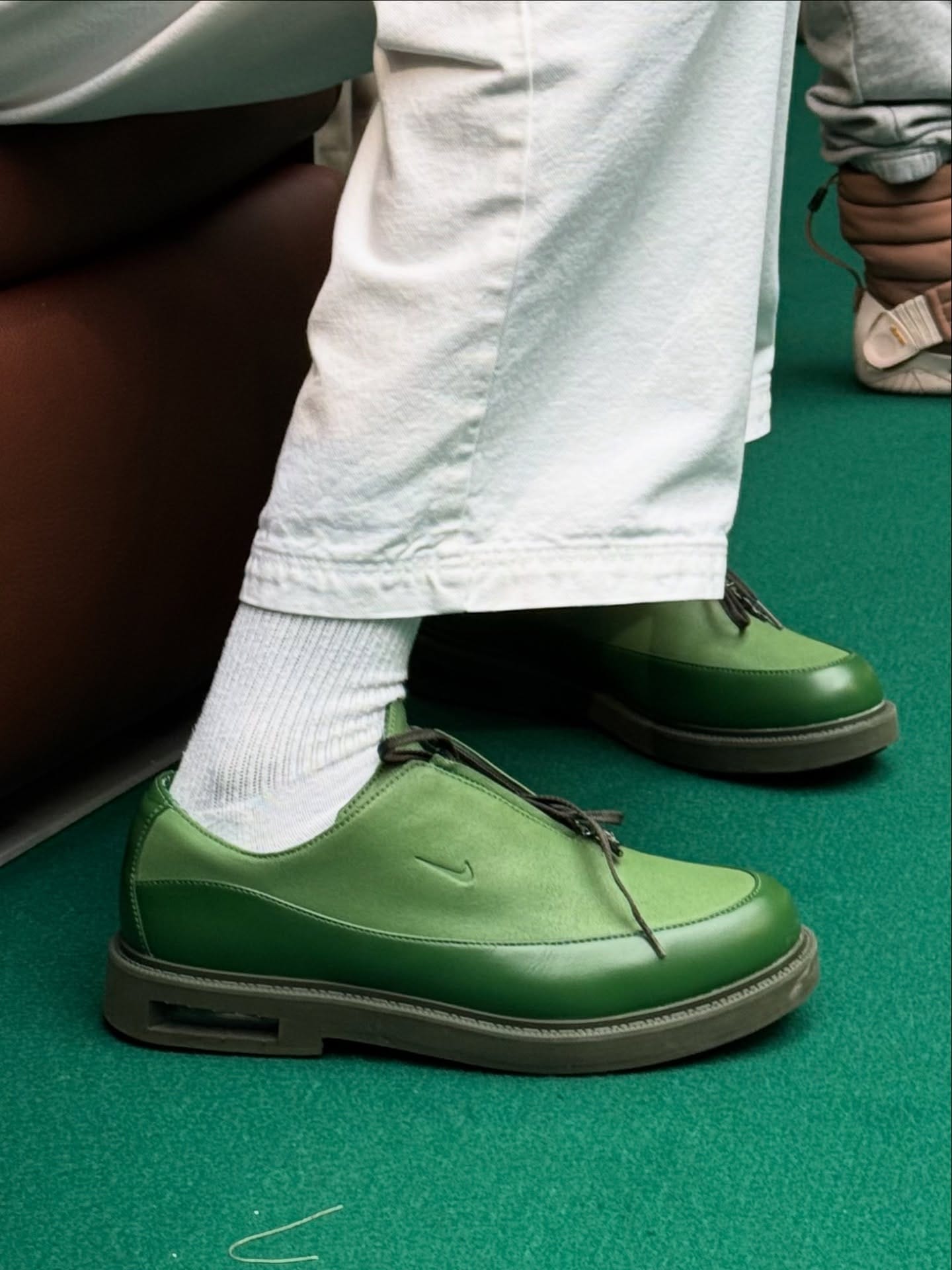
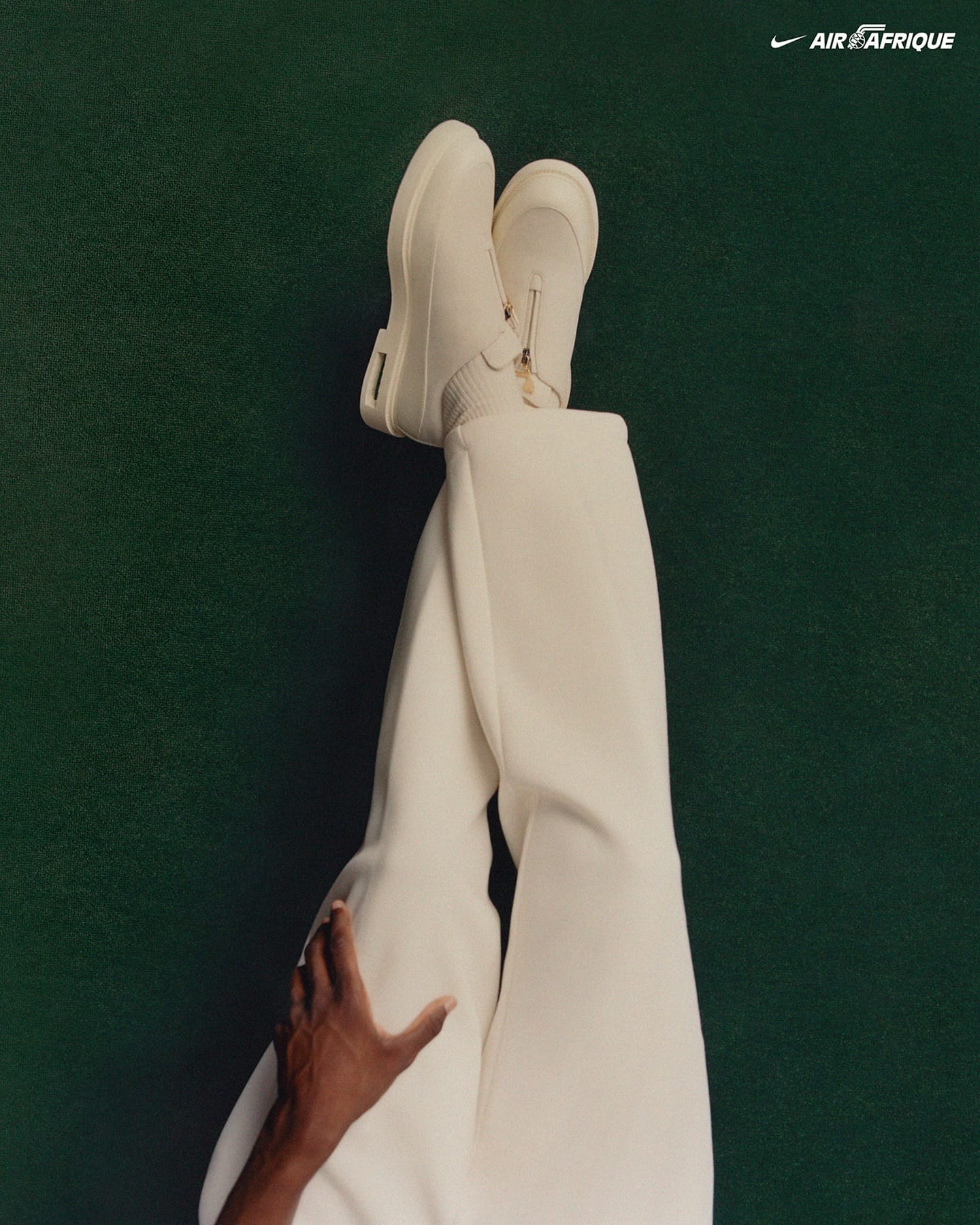
Paris-based creative collective Air Afrique, drawing its name and identity from the now-defunct Pan-African airline founded by eleven newly independent West and Central African nations in 1961, partnered with Nike on the Air Max RK61, a hybrid dress shoe built from Air Max SNDR cushioning and traditional moccasin construction, with a green jacquard sockliner recreating the airline's original seat pattern, a Stadium Green Air unit shaped like a jet engine, and "Air Afrique" spelled out in Morse code across the outsole. The launch campaign featured Ivorian football legend Didier Drogba, Malian singer Oumou Sangaré, Ivorian sprinter Marie-Josée Ta Lou-Smith and a former Air Afrique employee, and Nike broke its own playbook to launch the sneaker first in Abidjan, Côte d'Ivoire, before rolling it out globally; a first for the brand, and, by most accounts, a sell-out.
Conclusion
What connects all twelve of these is a shared refusal to let "African" mean decorative. The sneakers are simply where those stories become wearable.



Member discussion